

99.9% Purity & 10‑tonne Annual Capacity: VEO Biotech Builds Pharma‑Grade PDRN Supply for Global Beauty
VEO Biotech
Provider of Consumer-Grade Pharmaceutical Products and Health Solutions
In the summer of 2025, Zhang Zhan, head of marketing at VEO Biotech, was negotiating a PDRN collaboration with a South Korean client, who repeatedly sought confirmation on one question: “Can you guarantee stable deliveries of 100 kilograms per week?”
At that time, the actual weekly production capacity of VEO Biotech was only 5 kilograms.
VEO Biotech is a biopharmaceutical company that initially focused its research on peptide delivery and DNA purification. PDRN has opened up new markets by leveraging the accumulation of these R&D efforts: Technologies originally developed for drug R&D are now being applied to the preparation and application development of cosmetic ingredients.
The PDRN (polydeoxyribonucleotide) that the client intends to procure is a nucleic acid raw material composed of DNA fragments of varying lengths. Common animal-derived products are extracted and purified from the milt (sperm sacs) of salmon and trout. Due to its tissue repair and anti-inflammatory properties, PDRN has garnered significant attention and has been increasingly incorporated into functional skincare products such as serums, face masks, and creams in recent years.
Pharmaceutical Assets Have New Buyers
According to data from the National Bureau of Statistics, the annual R&D expenditure of Chinese pharmaceutical manufacturing enterprises above designated size increased from RMB 44.15 billion in 2015 to RMB 114.56 billion in 2024, approximately 2.6 times the former. These investments have not only built up drug pipelines but also supported the development of capabilities in purification, analysis, delivery, and process scale-up.
Freda provides an earlier reference. It has long been engaged in the pharmaceutical and cosmetics businesses, connecting the two markets with raw materials such as hyaluronic acid, and applying drug formulation technologies like encapsulated sustained-release and targeted delivery to cosmetics development.
VEO Biotech’s choice of PDRN was not merely a pursuit of market trends, but rather stemmed from the team’s extensive experience in pharmaceutical industrialization, which revealed an opportunity to transfer these capabilities to the manufacturing of PDRN raw materials. Serving raw material purchasers, formulation teams, and manufacturers aligns more closely with their core competencies than building a consumer brand from scratch.
Subsequent market performance has further validated the demand potential in this direction. In April 2026, South Korean beauty company APR disclosed that its Medicube PDRN product line, launched in June 2024, had achieved cumulative global sales of over 50 million units by February 2026. Nucleic acid-based ingredients have now entered large-scale consumer products, moving beyond their status as mere subjects of laboratory research.
Competition in the PDRN sector is expanding from the ingredient itself to encompass raw materials, technology, quality, and supply chain capabilities.
Quality Must Pass, and Delivery Must Be Met
South Korea’s relatively mature R&D and production system for PDRN has made it the starting point for VEO Biotech’s expansion into this business sector.
The South Korean client valued the technical capabilities of the VEO Biotech team and showed strong interest after the initial sample submission. However, there is a long road between interest in samples and formal collaboration—production lines, products, quality systems, as well as purity, endotoxin levels, molecular weight, and batch consistency must all be confirmed item by item.
During the validation period, several more readily implementable business opportunities also emerged in the Chinese domestic market. However, VEO Biotech still chose to complete its market validation in South Korea. The company’s rationale was to first establish a solid foothold within South Korea’s stringent customer ecosystem, and then leverage this foundation to expand into other overseas markets.
The advantages of a pharmaceutical background must be reflected in every batch of raw materials.
At the upstream end, it is source control. PDRN is extracted from salmon milt, and as a natural biological raw material, it inherently exhibits variations arising from individual differences, seasonal changes, timing of capture, and storage conditions.
According to the company, the team has integrated collection, cryopreservation, and source traceability into its supply chain management for fish milt sourced from regions such as Kamchatka and Eastern Sakhalin Island. Given the seasonal nature of fish milt supply, advance stockpiling and proper cryopreservation are essential to securing raw materials for continuous year-round production.
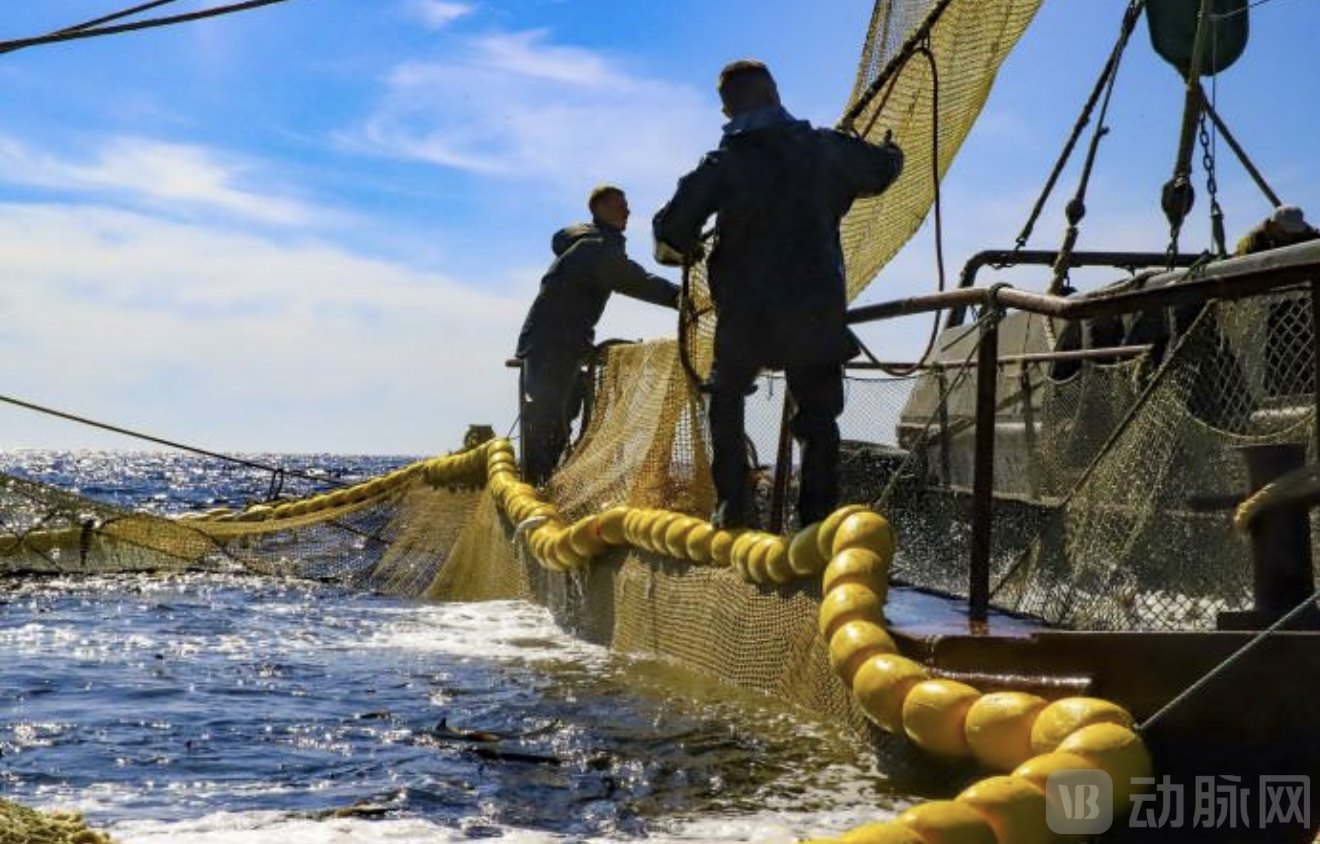
“Quality cannot be ensured solely by final inspection. For biological raw materials, control must begin at the stage of collection and preservation,” said Zhang Zhan.
Building on this foundation, VEO Biotech is attempting to transform PDRN from an “extract” into a “standardized raw material.”
The company has established a preparation and quality control system for high-purity PDRN, implementing full-process control over indicators such as purity, molecular weight and its distribution, endotoxins, related impurities, and microorganisms. According to the product data provided by the company, VEO Biotech PDRN raw material purity can reach 99.35%–99.9%, with endotoxin levels controlled below 0.01 EU/mL, reflecting the team’s accumulated expertise in DNA purification and impurity control processes.
“We have applied the pharmaceutical industry’s requirements for manufacturing processes and quality to cosmetic ingredients,” he said.
New Production Line Launch: Integrating Scale Manufacturing with Overseas Delivery
For bioactive raw materials such as PDRN, producing a single batch of high-purity product in the laboratory does not guarantee the stable manufacturing of dozens or even hundreds of batches. A significant gap separates laboratory samples from industrial-scale products, spanning process scale-up, quality control, batch-to-batch consistency, and sustained supply capability.
Clients will only place orders with confidence after witnessing reliable production capabilities; however, investment in facilities and equipment cannot be delayed until all orders are secured. With the customer development timeline already established, the team must promptly secure the necessary production conditions to support the required technologies.
Meeting this demand is VEO Biotech’s new production line located in Zhongyuan Meigu, Chanhe District, Luoyang. The 3,600-square-meter workshop is built in accordance with GMP requirements and features Class 10,000 and Class 100,000 clean areas, undertaking the scale-up and large-scale manufacturing of PDRN raw materials.
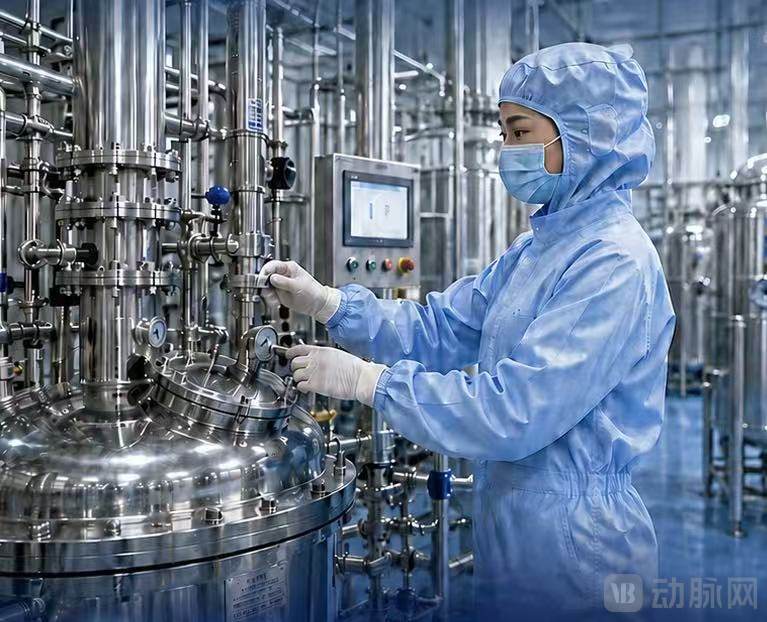
Viewing the entire production process from a broader perspective reveals a complete value chain extending from “fish” to “powder.” At the upstream stage, cold-water salmon resources provide the animal-derived raw material basis for PDRN. In the midstream stage, DNA extraction, purification, and molecular weight control transform natural biological materials with significant variability into products with more precisely defined quality specifications. At the downstream stage, clean manufacturing, testing, product release, and batch management ensure consistent integration of the product into customers’ supply chains.
This is the true meaning of the “pharmaceutical industry standards” emphasized by VEO Biotech—not simply placing cosmetic ingredients into a cleanroom, but rather transplanting the systematic management approaches for raw materials, processes, and quality from the pharmaceutical industry into the production of cosmetic ingredients.
As planned, By the end of 2027, the Luoyang base will achieve an annual production capacity of 10 tons of PDRN, further expanding the supply of injection-grade PDRN raw materials with high purity and precisely controlled molecular weight.
For VEO Biotech, the Luoyang base filled the manufacturing gap between technical validation and stable supply. The ready-made facilities and supporting infrastructure provided by Zhongyuan Meigu allowed the team to avoid building production sites from scratch, enabling them to concentrate resources on process scale-up, quality validation, and overseas customer service.
From Raw Material Supply to Joint Development
For VEO Biotech, the role of Zhongyuan Beauty Valley extends beyond the production phase.
Zhang Zhan introduced, The Zhongyuan Beauty Valley industrial park, where the Luoyang production line is located, offers comprehensive support spanning early-stage R&D, animal studies, and clinical and efficacy validation. The surrounding area also hosts enterprises specializing in facial masks, serums, and related supply chain operations. Once the raw materials are produced, the team can conduct testing, adjust formulations, and perform supplementary validations nearby, thereby reducing the time and costs associated with cross-regional coordination.
VEO Biotech supports customization for target average molecular weights ranging from 50 to 800 kDa. Its core philosophy is “beginning with the end in mind”—first understanding the customer’s final dosage form, target population, and product requirements, then reverse-engineering the most suitable purity, molecular weight range, and quality specifications, while simultaneously verifying formulation compatibility and efficacy performance.
VEO Biotech leverages its customized molecular weight capabilities and previously accumulated delivery technologies in these collaborations, working with downstream enterprises to jointly adjust specifications and test formulations, thereby directly aligning raw material development with application requirements.
Collaborative development of specific products between raw material suppliers and downstream manufacturers also enables the technological expertise accumulated by different companies to be translated into new applications that would be difficult for a single team to achieve.
# After Delivery, Seek New Growth Opportunities
Today, VEO Biotech's injection-grade PDRN products are 100% exported to overseas markets, with customers spanning Japan, South Korea, South America, Europe, and the United States. According to the company, leveraging its accumulated expertise in DNA purification, impurity control, and manufacturing processes, VEO Biotech has achieved the lowest global production costs and the highest product purity in the field of animal-derived PDRN extraction.
The company projects that its operating revenue will reach RMB 50 million in 2027. Meanwhile, VEO Biotech is advancing the registration and filing of Class II and Class III medical device products in China, thereby expanding the application scope of its existing technologies.
While animal-derived PDRN supports current large-scale delivery, recombinant PDRN has entered the sample testing phase, offering new technical options for diversifying raw material sources and enhancing production process control. Small-molecule nucleic acids represent another strategic focus for the team. These initiatives leverage existing technological reserves from pharmaceutical R&D, with the potential to further expand business opportunities in nucleic acid preparation, delivery, and application development.
The weekly delivery of 100 kilograms, a key concern for South Korean clients in 2025, is no longer an issue. Technological accumulation is a shared asset among this generation of Chinese biopharmaceutical companies; the true differentiator lies in transforming this advantage into customers with recurring procurement needs and reliable, deliverable production capacity.
The path traversed by VEO Biotech demonstrates that the true divide lies not in the laboratory, but between each order and every production line.