
Percutek Therapeutics
Developer of Minimally Invasive Cardiovascular Treatment Devices

Today's sharing is byProfessor Zhang Lei's Team from the First Hospital of Hebei Medical UniversityA Case of TEVAR Surgery Completed with Only V-18 Guidewire for Reconstructing Blood Flow in the Left Subclavian Artery (LSA) above the Aortic Arch. The patient suffered from a thoracic aortic aneurysm with multiple ulcers, where the proximal end of the lesion was close to the root of the LSA, leaving insufficient proximal anchoring zone. Additionally, challenges such as Type III aortic arch, bilateral external iliac artery stenosis, a small angle between the LSA and the aortic arch, and multiple calcifications of the aorta were all critical issues that could not be ignored.
What surgical plan can effectively isolate the lesion while ensuring the blood supply to the LSA remains unaffected? Professor Zhang Lei's team, after carefully studying the patient’s condition, devised a TEVAR surgical plan that involved using a V-18 guidewire to perforate the membrane for in-situ fenestration of the Percutek Therapeutics thoracic aortic stent graft, thereby performing in-situ reconstruction of the LSA. Thanks to the precise execution by Professor Zhang Lei’s team, the surgery was successfully completed. The final angiography showed that the lesion was effectively isolated, and the LSA blood flow remained unobstructed, achieving satisfactory surgical results.

Gender:Male
Age:65 years old
Chief Complaint:Chest tightness and chest pain for 6 days.
History of Present Illness:Six days ago, the patient experienced chest tightness and chest pain without obvious cause, with symptoms worsening during inhalation and alleviating after rest. The symptoms were not given much attention initially but later persisted without relief. The patient then visited another hospital, where relevant examinations were completed, and thoracoabdominal aortic aneurysm was considered. Referral to a higher-level hospital was recommended. Therefore, the patient came to our department's outpatient clinic and was admitted to the hospital with a diagnosis of "thoracoabdominal aortic aneurysm, no rupture reported."
Past Medical History:Hypertension for more than 20 years, with the highest blood pressure of 200/110 mmHg. Following the doctor's advice, taking Benazepril Hydrochloride Tablets and Nifedipine Sustained-Release Tablets orally, but blood pressure control is suboptimal; History of coronary heart disease and myocardial infarction for 6 years, underwent coronary artery stent implantation surgery, following the doctor's advice, taking Atorvastatin Calcium Tablets, Metoprolol Tartrate, and Clopidogrel Bisulfate Tablets orally; Allergic to penicillin.
Detailed Explanation of CTA:Thoracic aortic aneurysm with multiple ulcers, the lesion starts at the proximal descending aorta, approximately 6.4mm from the root of the LSA, and about 19mm from the left common carotid artery (LCCA); the length of the aneurysm body is approximately 37mm, with a maximum diameter of about 42.8mm. Type III arch, the angle between the LSA and the aortic arch is 34°, the opening of the LCCA root is about 5mm from the opening of the LSA root, and the aortic diameter at the posterior edge of the LCCA root opening is about 35.1mm; bilateral external iliac artery stenosis, the minimum diameter of the right external iliac artery is about 6.2mm, and the minimum diameter of the left external iliac artery is about 4.5mm; multiple calcified plaques in the aortic arch and descending aorta.
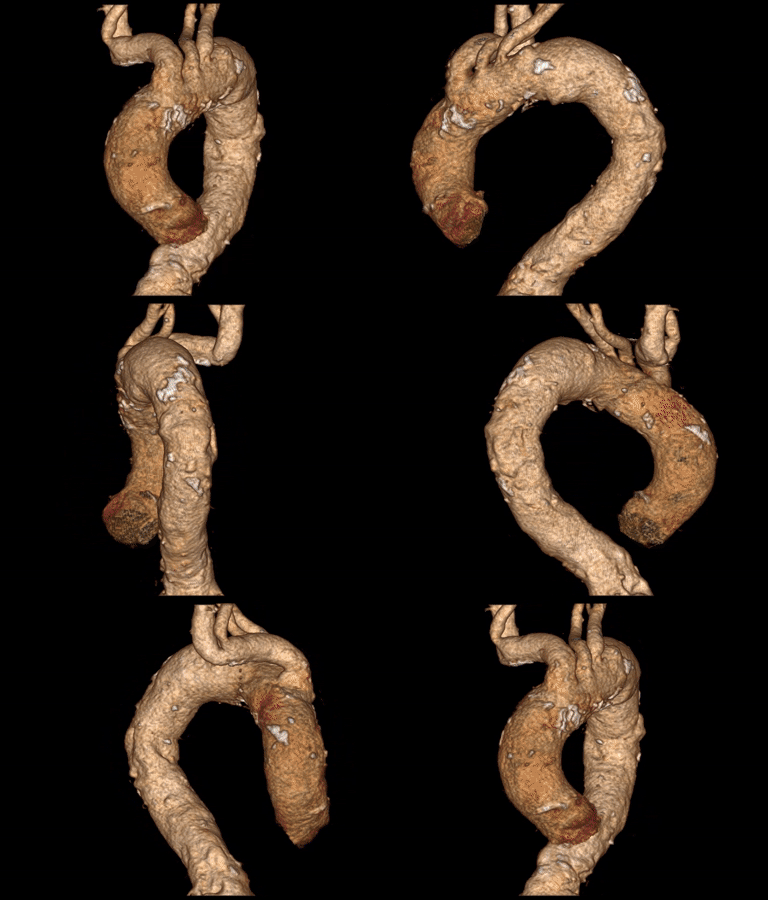
Preoperative Three-dimensional Reconstruction
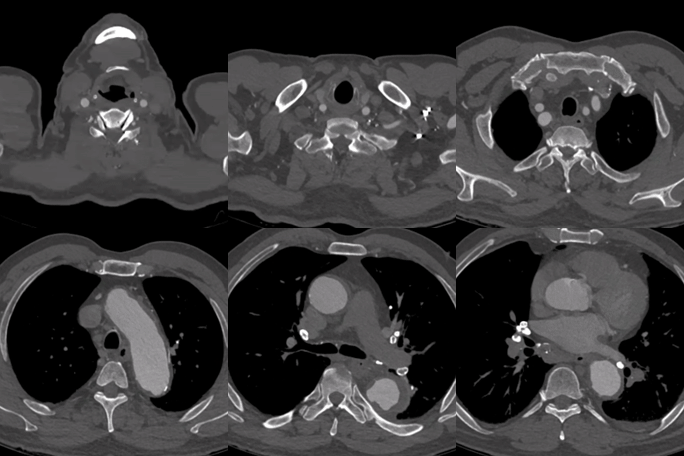
Preoperative CTA Cross-Section
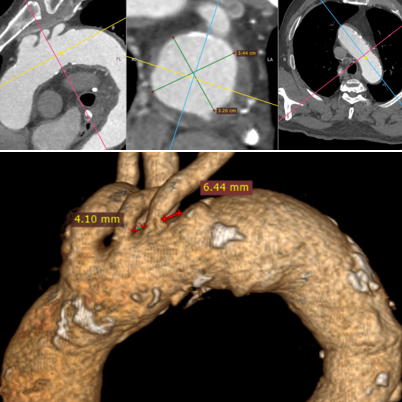
Condition of the aortic arch

Thoracic aortic aneurysm with multiple ulcers, the lesion's proximal end is only 6.4mm away from the root of the LSA, with a clearly insufficient proximal anchoring zone. It is necessary to extend the anchoring zone proximally and reconstruct the LSA.
Large aortic aneurysm requires thoracic aortic stent grafts with excellent sealing, flexibility, and conformability.
Type III arch with bilateral external iliac artery stenosis requires high stability, trackability, and flexibility of the delivery system.
LSA forms an acute angle with the aortic arch, only 34°, increasing the difficulty and risk of in-situ fenestration.

Surgical Plan Strategy
Endovascular Repair of Thoracic Aortic Stent Grafts Directly Covering the Left Subclavian Artery: The procedure is simple and effective, but covering the left subclavian artery may lead to symptoms of posterior circulation ischemia and upper limb ischemia in patients.
Endovascular Repair of Thoracic Aortic Stent Graft + Left Subclavian Artery Chimney Technique: The surgical procedure is relatively simple, but the risk of endoleak and occlusion is high, with suboptimal mid- to long-term outcomes.
Endovascular Repair of Thoracic Aortic Stent Graft with In Vitro Fenestration: Excellent sealing of the lesion, preserving the original hemodynamic characteristics. However, the procedure is complex, requiring preoperative stent modification based on measurement results, which is time-consuming. Intraoperatively, precise alignment and super-selective window positioning are required, posing higher risks.
Endovascular Repair of Thoracic Aortic Stent Graft + In-situ Fenestration: The effect of lesion sealing is good, and there is no need to modify the stent before surgery. However, traditional in-situ fenestration of aortic stent grafts has high requirements for interventional devices, requiring special membrane-breaking instruments such as in-situ fenestration needles, lasers, and biopsy needles.
The Hua Mai thoracic aortic stent graft can perform in-situ fenestration using the soft tip of a CTO guidewire. Considering the medium to long-term treatment outcomes and the simplicity of intraoperative procedures, after comprehensive evaluation, Professor Zhang Lei's team chose Hua Mai • Tianyi.®Endovascular repair of the thoracic aorta with a covered stent graft and reconstruction of the left subclavian artery using the in-situ fenestration technique.

01.After the patient was successfully anesthetized, they were placed in a supine position. The area was disinfected and draped. The right femoral artery was punctured, and a 6F sheath was inserted. Two vascular closure devices were pre-placed before switching to an 8F sheath. The left radial artery was punctured, and a 7F sheath was left in place.
02.A gold marker pigtail catheter was inserted through the right femoral artery approach into the ascending aorta. Angiography revealed extensive tortuosity and aneurysmal dilation of the thoracic aorta distal to the LSA ostium.
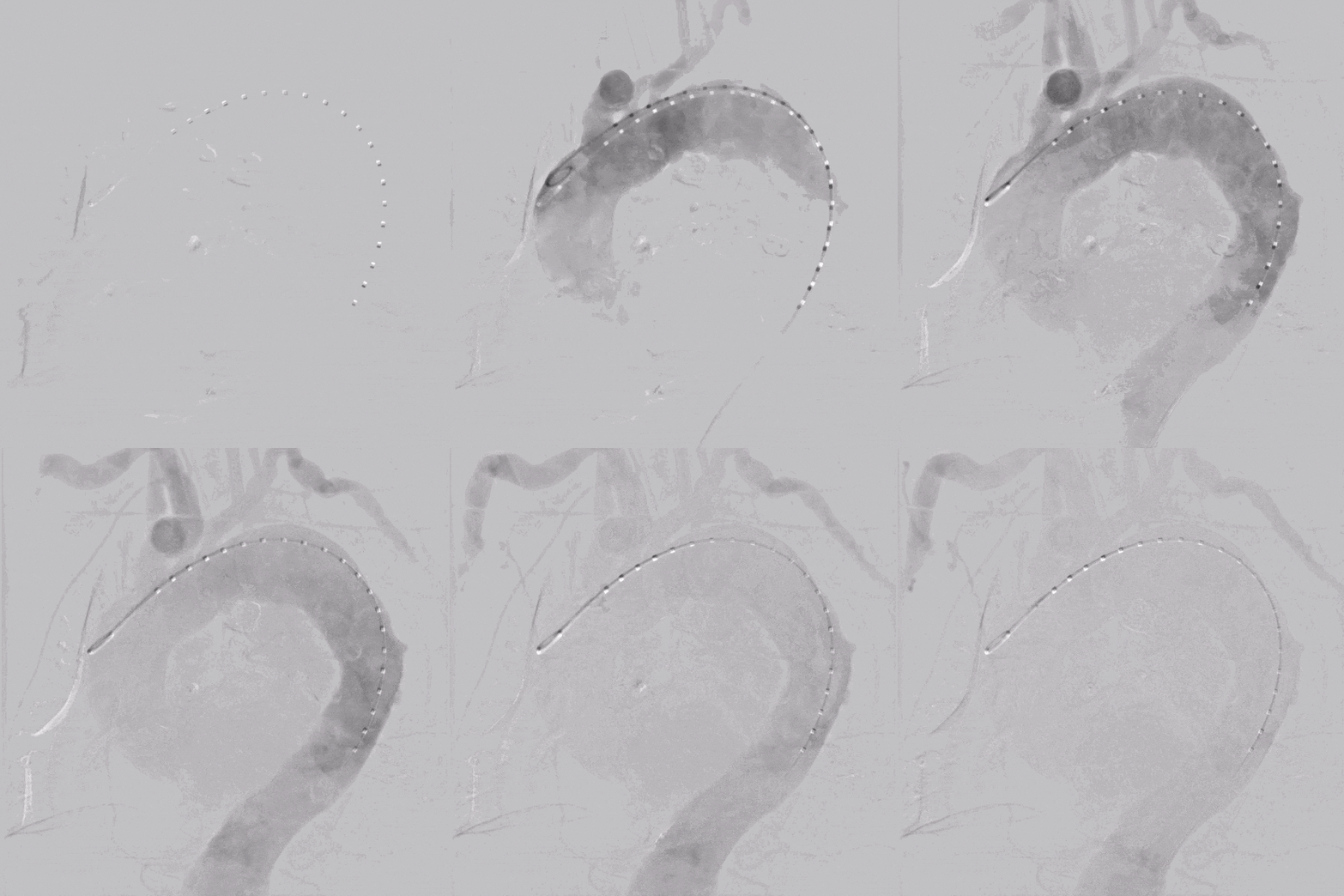
Preoperative Angiography of Thoracic Surgery (1)
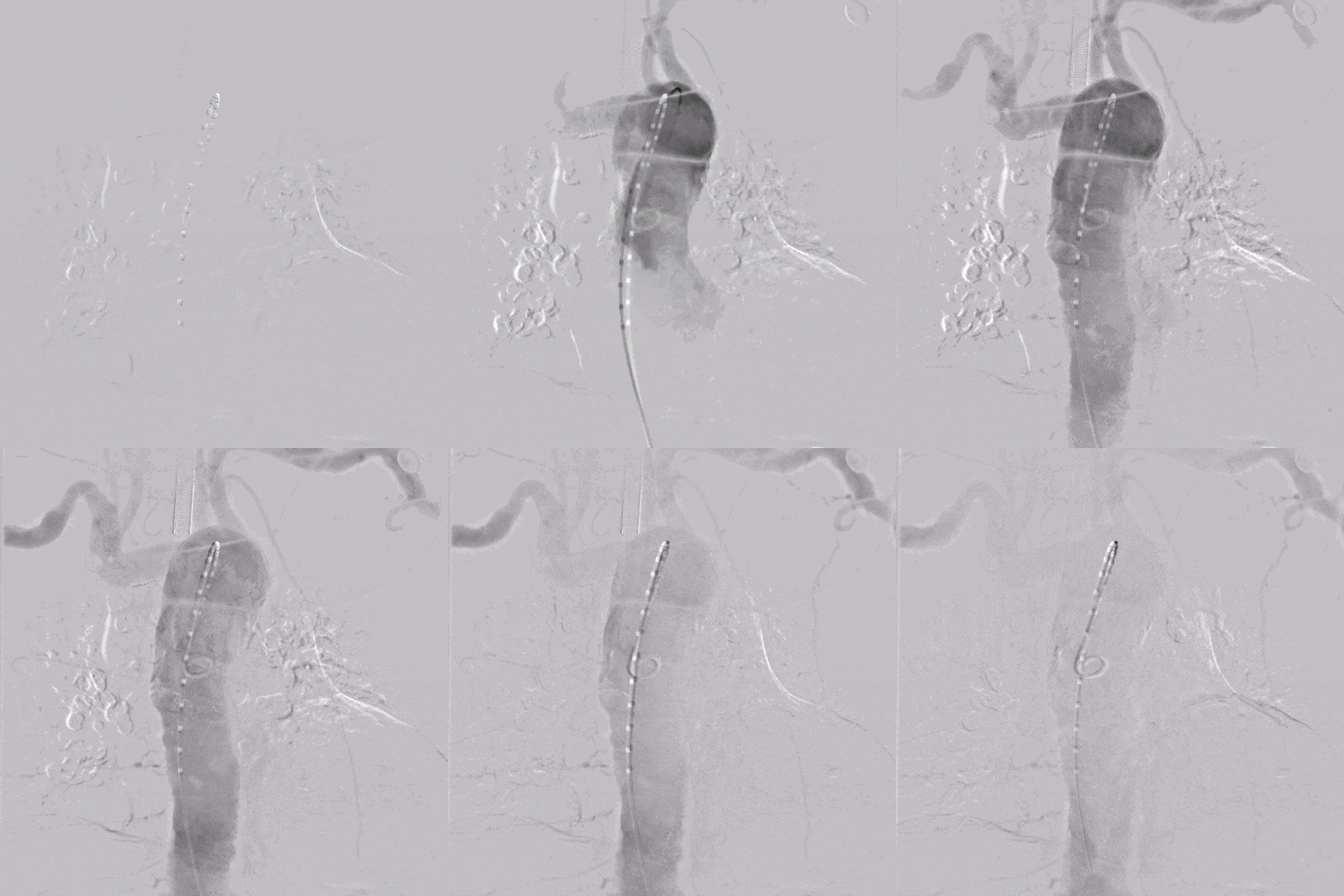
Preoperative Angiography of Thoracic Surgery (2)
03.Moderate to severe stenosis of the right external iliac artery, pre-dilated with 5x120mm balloon, 6x40mm balloon, and 8x120mm balloon.

Stenosis of the Right External Iliac Artery
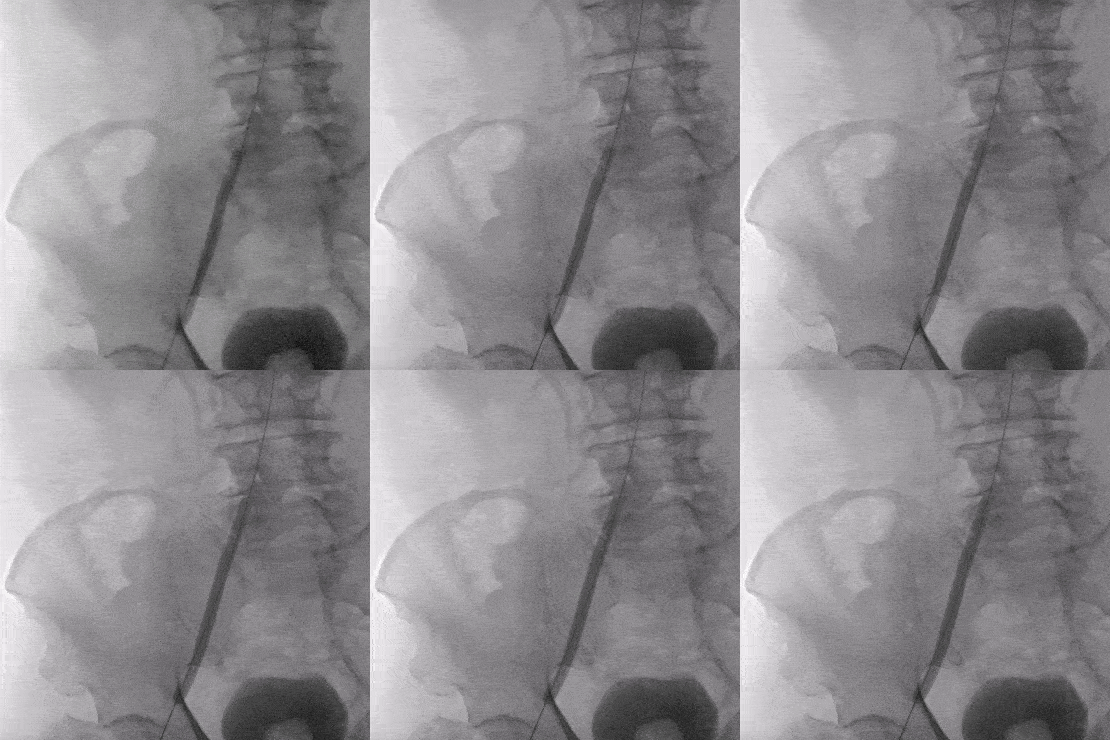
8×120mm Balloon Pre-dilation of the Right External Iliac Artery
04.A Percutek Therapeutics covered stent PTBS3834180 was inserted along the super-stiff guidewire in the right femoral artery. The proximal end of the covered stent was precisely positioned at the posterior margin of the LCCA ostium. After adjusting the angle to fully cover the LSA, the covered stent was gradually deployed without proximal displacement.

Implantation of Percutek Thoracic Stent, Angiographic Positioning
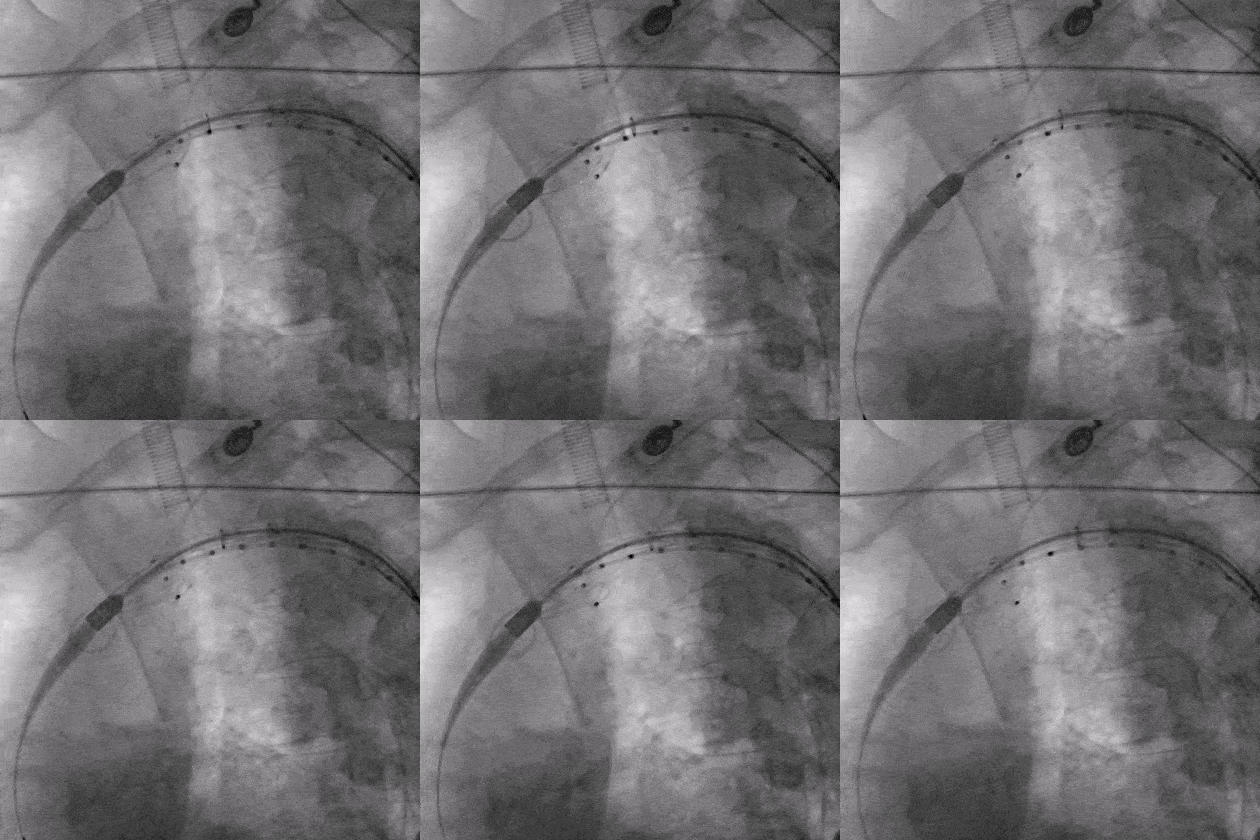
Release of Percutek Therapeutics' Thoracic Stent
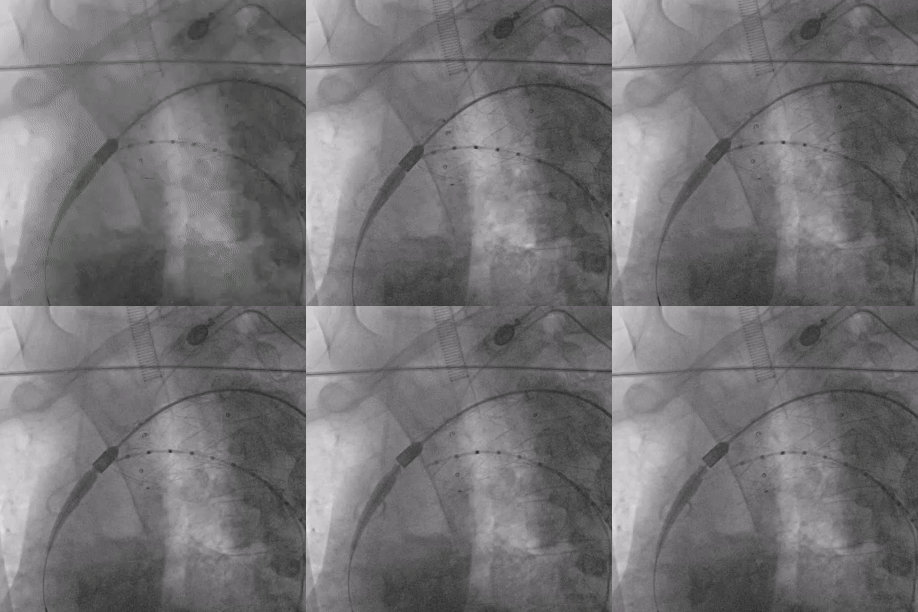
Release Bare Stent
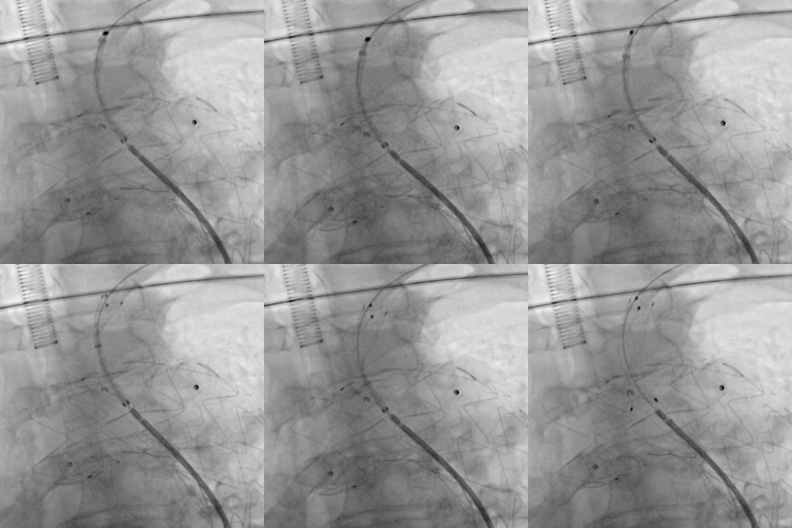
05.Through the left radial artery, a V-18 guidewire was successfully inserted along with a steerable catheter to perform an in-situ fenestration of the Percutek thoracic stent. The guidewire was advanced into the ascending aorta, followed by sequential dilation of the fenestrated area using 2.5x80mm, 5x120mm, and 6x40mm balloons. The balloon waistline disappeared.
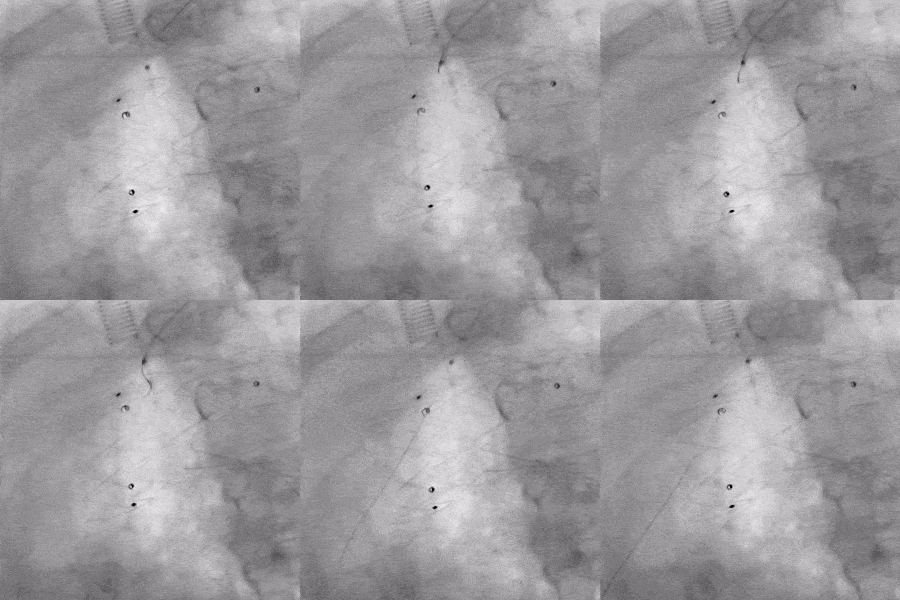
Successful Transmembrane Fenestration
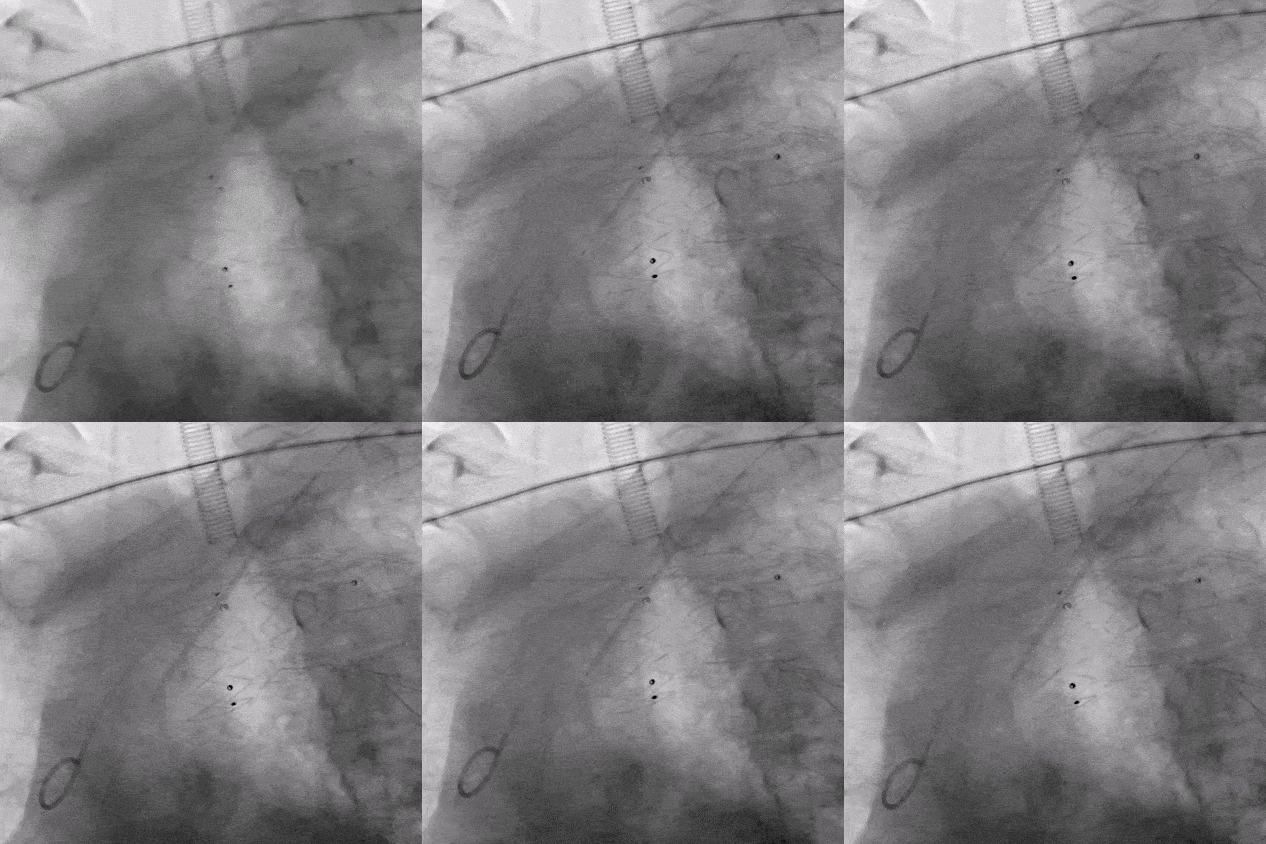
4×80mm Balloon Dilation Window Opening
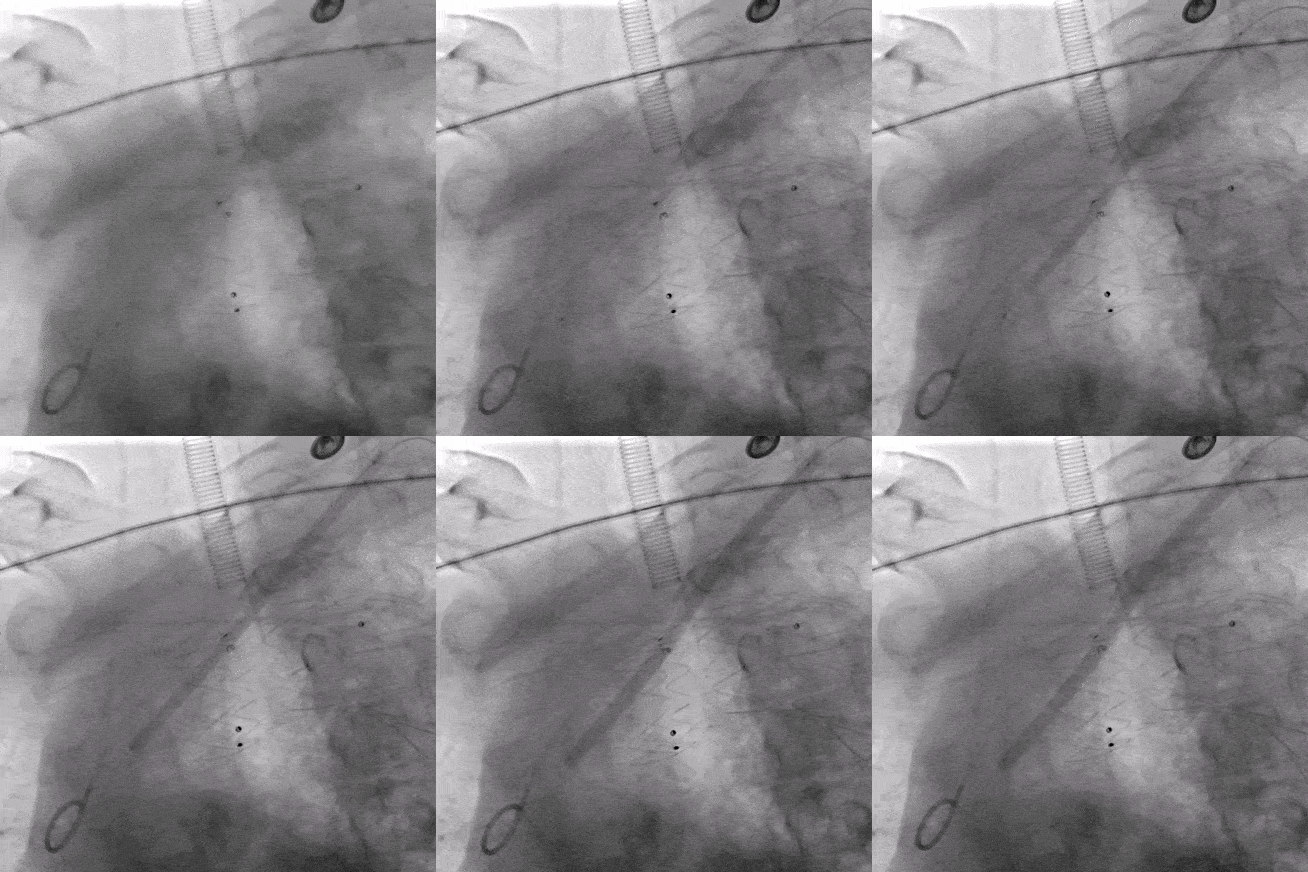
5×120mm Balloon Dilation Window
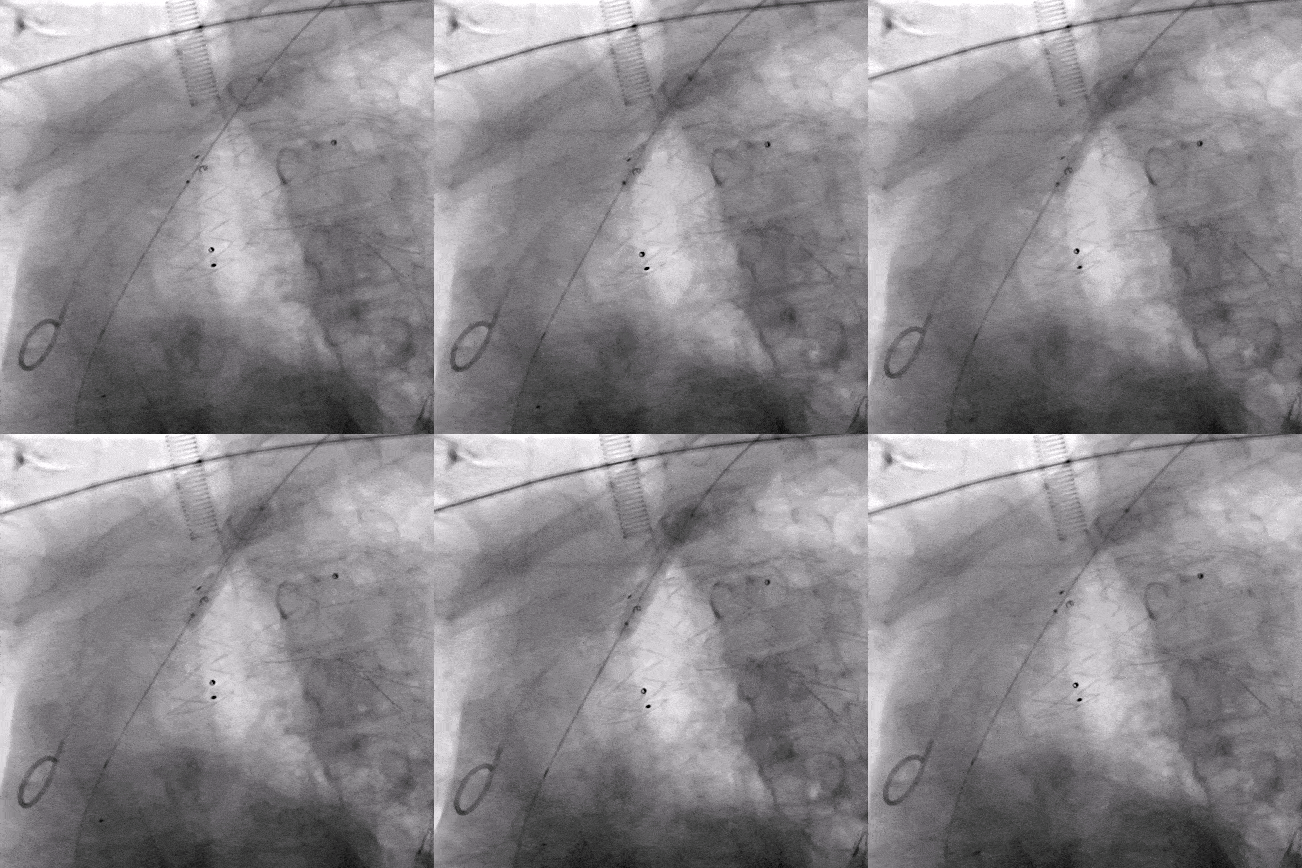
6×40mm Balloon Expandable Window
06.A 10x40mm self-expanding covered stent was placed at the LSA opening, followed by post-dilation using a 10x40mm balloon.
Release of Self-Expanding Covered Stent
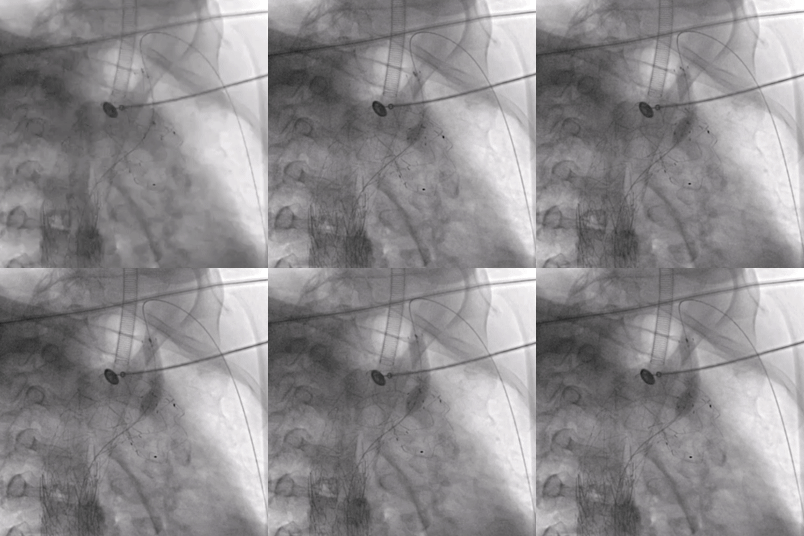
10×40mm Balloon Post-Dilation Self-Expanding Covered Stent
07.Postoperative angiography: The position and morphology of each stent are good, the aortic arch and its branch arteries are clearly visualized, and blood flow is unobstructed. The aneurysm is well sealed with no significant endoleak.
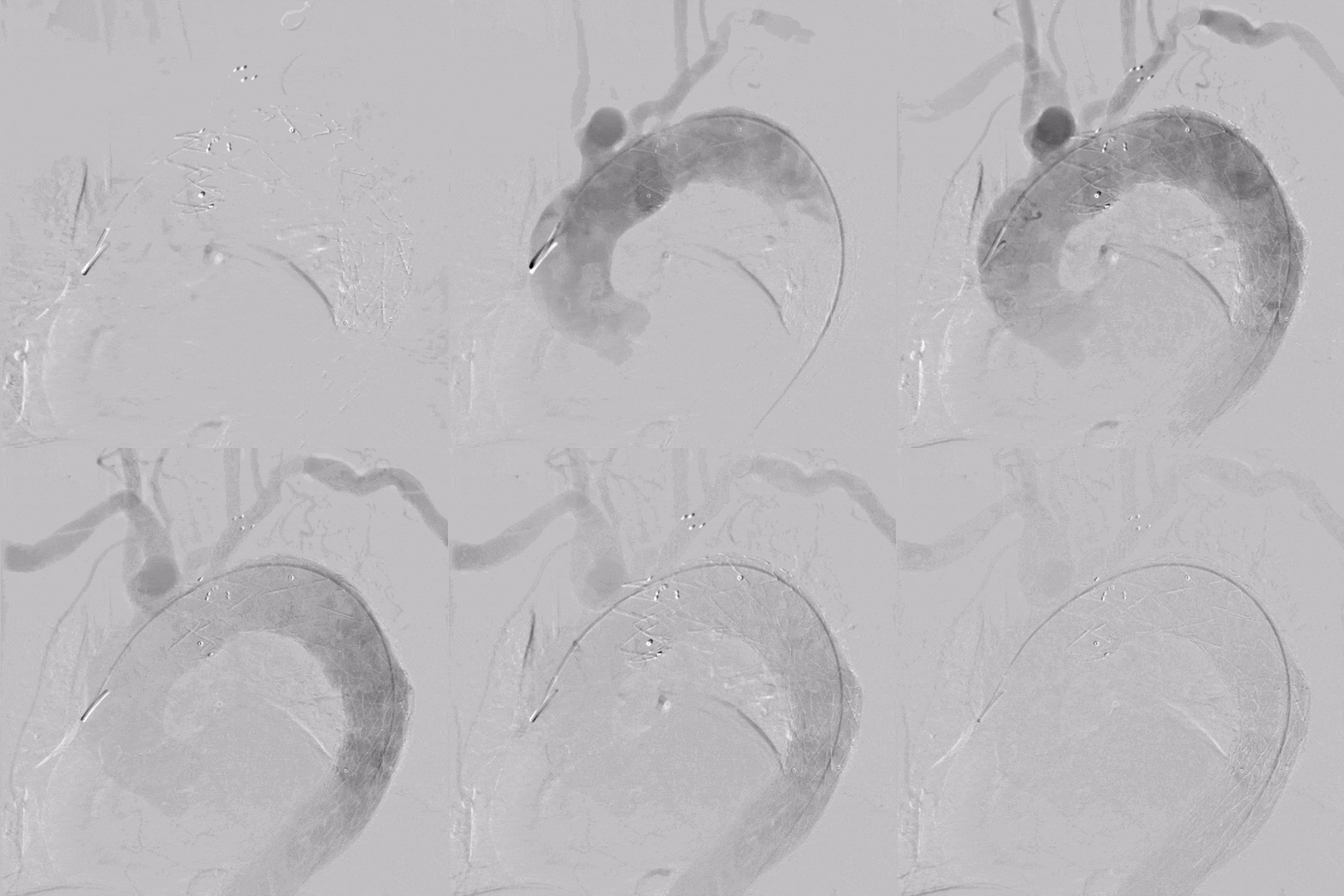
Postoperative Angiography
08.Withdraw all guidewires, catheters, and sheaths; close the puncture site with pressure dressing for complete hemostasis. Close the incision layer by layer. End of procedure.

Summary of Case Experience
This is a case of thoracic aortic aneurysm combined with aortic ulcer. The lesion's proximal end is close to the LSA, with insufficient proximal anchoring zone, necessitating supra-arch branch reconstruction of the LSA. Additionally, the patient's aortic arch is classified as Type III, with bilateral external iliac artery stenosis, posing challenges for the stent graft’s sealing capability, conformability, apposition, as well as the stability, deliverability, and flexibility of the delivery system.
Professor Zhang Lei's team, after rigorous analysis and careful consideration, ultimately chose the Percutek Therapeutics Thoracic Aortic Stent Graft System for treatment. During the procedure, the fenestration of the thoracic aortic stent graft was easily completed using only a V-18 guidewire. The fenestrated area of the graft was easily penetrable and expandable, and the balloon dilation of the opening was simple and safe, efficiently achieving supra-arch reconstruction of the LSA. Post-operation, the stent showed excellent morphology with good lesion sealing and no endoleaks. The surgical plan was successfully implemented, and the surgical outcome matched expectations.

Expert Introduction

Professor Zhang Lei
Chief Physician and Director of the Vascular Surgery Department at the First Hospital of Hebei Medical University, Master's Supervisor, proficient in various vascular surgery operations and endovascular treatment techniques. Since 1997, he has been engaged in vascular surgery under the tutelage of Academician Zhonggao Wang, one of the founders of vascular surgery in China. During his career, he has visited and studied at several renowned domestic and international vascular disease specialties, including the Vascular Intervention Department at Leipzig University Garten Hospital in Germany, the Cardiothoracic Surgery Department at Taiwan Veterans General Hospital, and Beijing Anzhen Hospital. He was the first to introduce interventional treatments for iliac vein diseases, endovascular treatment techniques for aortic lesions involving important branches, and interventional treatments for chronic thromboembolic pulmonary hypertension in Hebei Province. Under his leadership, the department has pioneered advanced technical projects such as day-case surgeries for varicose veins of the lower extremities, interventional treatments for portal hypertensive gastrointestinal bleeding, and integrated comprehensive treatments for diabetic foot, which are at the forefront within the industry in China.
Current Positions: Vice Chairman of Hebei Vascular Health and Technology Association, Chairman of the Hemorrhagic Emergency Committee of Hebei Vascular Health and Technology Association, Vice Chairman of the Vascular Surgery Branch of Hebei Medical Association, Vice Chairman of the Vascular Surgery Branch of Hebei Physician Association, Vice Chairman of the Hemorrhagic Emergency Committee of the Vascular Surgery Branch of the Asia-Pacific Vascular Union, Vice Chairman of the Thrombosis Prevention and Control Committee of the Vascular Surgery Branch of the Chinese Society of Microcirculation, Editorial Board Member of "Vascular and Endovascular Surgery".


Department Introduction
Department of Vascular Surgery, First Hospital of Hebei Medical University
The Department of Vascular Surgery at the First Hospital of Hebei Medical University was independently established from the Department of General Surgery in August 2013. In May 2014, Director Zhang Lei transferred to the Vascular Surgery Department of the First Hospital of Hebei Medical University. Initially focusing on venous diseases and diabetic foot, the department carried out numerous interventional treatments for patients with iliac vein compression and post-thrombotic syndrome, with an annual surgical volume exceeding 1,000 cases. In 2015, under the initiative and leadership of Professor Zhao Zengren, the Hebei Vascular Health and Technology Association was founded, and the same year, the Vascular Surgery Branch of the Hebei Medical Association was also established. In 2018, the Hebei Critical Vascular Disease Alliance was formed under the Hebei Vascular Health and Technology Association, performing TIPS procedures for gastrointestinal bleeding due to cirrhosis, as well as endovascular and hybrid surgeries for various aortic aneurysms and aortic dissections. In October 2023, the first Minimally Invasive Treatment Center for Varicose Veins of the Lower Limbs was established in China. By 2024, the annual surgical volume of the Vascular Surgery Department at the First Hospital of Hebei Medical University reached over 4,500 cases, including more than 2,000 minimally invasive treatments for varicose veins and 250 endovascular interventions for various aortic conditions.


END
Copyright Statement: This platform aims to help healthcare professionals better understand the latest developments in relevant disease areas. The information published on this platform does not imply agreement with its descriptions or viewpoints; it is only intended to provide more information. If there are any copyright issues, we kindly request the rights holders to contact us, and we will address them as soon as possible. The information is solely for healthcare professionals to stay informed and should not replace professional medical guidance in any way, nor should it be considered as medical advice. If such information is used for purposes other than staying informed, this platform and its authors shall not bear any related responsibility.Contact email for cooperation:vascular@edoctor.work。