

Exclusive Interview with Sino Biopharm: Deconstructing the BD Logic of Big Pharma—Behind the M&A Spree, In-House R&D Capability Remains the Foundation

Sino Biopharm
Pharmaceutical R&D Developer
Editor's Note:
In 2026, business development (BD) transactions for innovative drugs in China continued to heat up. The total disclosed value of outbound licensing deals in the first half of the year reached approximately $110 billion, nearing the full-year level of 2025. The innovative drug industry is shifting from being “valuation-driven” to being “jointly driven by performance and global commercialization realization,” with heads of BD departments emerging as the key operators in this transformation.
VCBeat Introduces the “Year of Delivery: Dialogues with BD” exclusive interview series, focusing on the practices and insights of business development (BD) decision-makers in pharmaceutical companies. Through in-depth conversations with each interviewee, covering personal growth, trend assessment, strategic upgrading, and practical methodologies, we aim to present the authentic landscape of China’s innovative drug BD transitioning from “explosive growth” to “deep cultivation,” providing the industry with frontline methodological references.
“Many times we don't need to actively 'Knock on the Door', only the right people need to know which sectors we are commited to, and high-quality projects naturally come knocking at the right time.” In a recent interview with VCBeat, Xie Xin, Executive Director and Senior Vice President of Sino Biopharm, stated.
In the early 1990s, Xie Xin joined Sino Biopharm. Over the past three decades, he has held various positions, including Factory General Manager, roles in Audit and Investment, Chief Financial Officer, and Head of Business Development (BD). He has extensive practical experience spanning product in-licensing, technology platform licensing, strategic M&A, as well as both primary and secondary markets. Xie Xin has participated in numerous milestone transactions for the company and is currently primarily responsible for M&A and financing activities at Sino Biopharm.
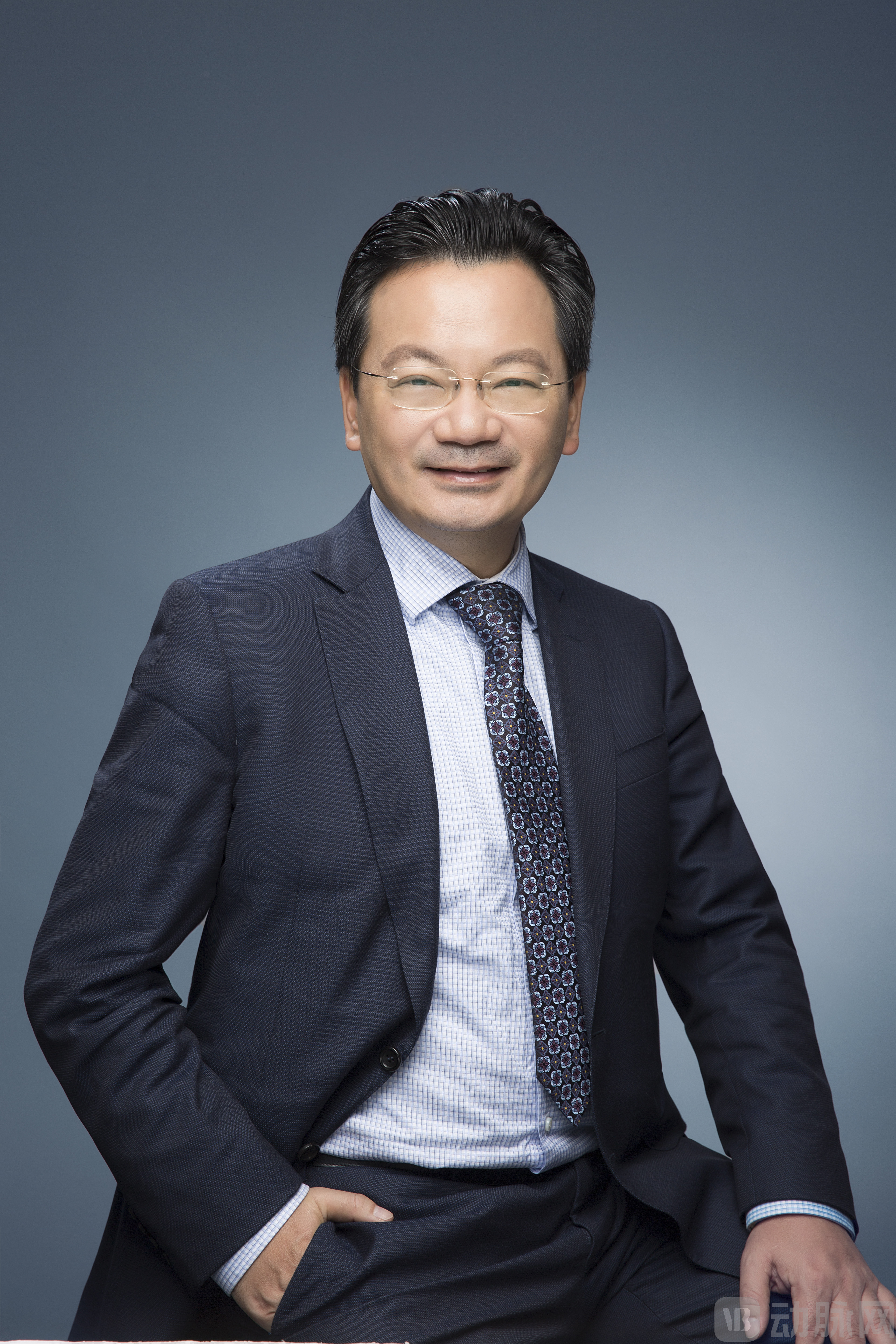
Xie Xin, Executive Director and Senior Vice President of Sino Biopharm
In recent years, Sino Biopharm's achievements in the business development (BD) sector have been remarkable.
In terms of out-licensing, Sino Biopharm has completed a total of 4 deals of MNC Out-licensing deals, with total upfront payments exceeding $1 billion and a total transaction value of over $7 billion. In 2026 alone, two major deals were secured: first, an agreement with Sanofi for a global first-in-class JAK/ROCK inhibitor Rofacitinib. After securing a $1.53 billion partnership, the company subsequently licensed its independently developed innovative COPD drug, TQC3721, to AstraZeneca for up to $1.9 billion, setting a recent record for the highest single-product transaction in the respiratory field.
On the asset acquisition front, Sino Biopharm has also demonstrated precise execution. In 2025, it acquired LaNova Medicines for $950 million, and in early 2026, it acquired a "dark horse" in the small nucleic acid field-Hygieia for RMB 1.2 billion.
In this interview, Xie Xin provided VCBeat with a detailed breakdown of topics ranging from the “selling green crops” controversy, the sustainability of the BD wave, and the logic behind upfront payments, to sources of high-quality projects, decision-making strategies, and venture capital investment logic.
Xie Xin stated that many transactions are driven by the most pragmatic considerations: with limited resources and capital, companies must license out their early-stage pipelines at the optimal timing. He also firmly believes that in-house R&D capability is the top priority for corporate business development (BD), emphasizing that “BD is not just about acquisitions; in-house R&D is the foundation.”
In Xie Xin’s view, business development (BD) has never been a simple transaction, but rather a discipline centered on timing, judgment, and perseverance. His insights may offer a frontline perspective to help us understand the current state and future trajectory of BD in China’s innovative drug sector.
01.
Follow-up: BD Fever
VCBeat: There has been intense discussion within the industry recently regarding the practice of “selling green shoots.” How do you view this issue?
Xie Xin: I would like to share some insights from the perspective of corporate practice, highlighting the most pragmatic factors that Chinese pharmaceutical companies need to address.
Taking Sino Biopharm as an example, its total R&D investment in 2025 amounted to RMB 6.317 billion, accounting for approximately 19.8% of the group’s revenue. Currently, more than 100 product candidates are in clinical development, with dozens of new pipeline entries entering clinical stages each year. However, it remains challenging to independently advance all these candidates to market approval on a global scale.
Completing Phase III clinical trials for an innovative drug in the United States often costs hundreds of millions of dollars. As a leading domestic pharmaceutical company, Sino Biopharm can only support the late-stage overseas development of a few products simultaneously with its existing resources. In this context, retaining a large number of early-stage pipeline assets for an extended period would not only strain resource capacity but also risk missing the optimal window for value realization.
Competition in the biopharmaceutical sector is fiercely intense, with multiple companies often vying for the same therapeutic target using diverse technological approaches. If early-stage data are impressive but timely external collaborations are not secured, a company’s product risks losing its appeal once competitors present stronger data.
Therefore, licensing out early-stage pipelines to multinational pharmaceutical companies at the right time not only ensures a reasonable valuation of product assets but also generates capital for subsequent R&D.
Domestic Biotech Cash flow is not abundant; if clinging to the strategy of "independent global expansion" drags down overall operations, the costs would outweigh the benefits. Therefore, licensing out early-stage pipelines to international partners is a rational choice aligned with the current industry stage. It does not mean abandoning the pipeline, but rather making pragmatic arrangements under resource constraints.
Ensuring survival first, then pursuing greater development, is an inevitable path for the industry to gradually mature.
VCBeat: How long can China's current strong supply-demand dynamics in pharmaceutical BD last? Will the fervor for business development (BD) significantly wane after multinational pharmaceutical companies face the patent cliff?
Xie Xin: The patent cliff is merely an external factor driving business development (BD); the true decisive force lies in the inherent competitiveness of China’s innovative drug assets.
Industry cycles inevitably fluctuate; this is the norm. However, a company’s survival and growth cannot rely solely on these cycles. If products remain at the “me-too” or “me-better” stage without genuine innovation, it will be difficult to sustain the favor of multinational corporations, regardless of whether a patent cliff exists. Conversely, if a company can develop novel targets, technologies, and mechanisms with clear clinical value, it need not worry about the exhaustion of market demand.
Looking back over the past two decades, the industry’s development trajectory has proven this point: while some companies made early strategic moves in innovative drugs, others neglected R&D investment. Ten years later, the former began to reap the benefits of their accumulated efforts, whereas the latter found themselves in a passive position. Within the same industry cycle, different choices have led to vastly different outcomes.
Looking ahead, the level of BD activity will depend on whether China’s innovative drug industry can continue to evolve. If Chinese companies can advance toward best-in-class and first-in-class therapies, the global market share of China’s innovative drugs will continue to expand, and multinational corporations’ willingness to collaborate will remain strong.
Of course, this does not happen automatically; it requires sustained effort. Industry competition is akin to a long-distance race, where vigilance must be maintained at every stage. The Japanese pharmaceutical industry once held a leading position in the 1980s and 1990s but failed to transform in time during the subsequent wave of innovation, ultimately being overtaken by latecomers. This serves as a cautionary tale worth heeding.
The Chinese government has designated the pharmaceutical industry as a pillar sector, with multiple policies being progressively refined—all of which are positive signals. As long as foundational strengths remain intact and companies continue to advance, business development (BD) will not be a fleeting trend, but rather a lasting manifestation of China’s innovative drugs integrating into the global industrial chain.
VCBeat: VBInsight Statistics Show, the total value of BD deals for innovative drugs in China reached $106.3 billion in the first half of 2026, but the upfront Payment account for only 5.8% of the total transaction value, how do you view this data?
Xie Xin: A rational perspective is needed regarding the variation in upfront payments. While some upfront payments are substantial, reaching hundreds of millions or even over a billion US dollars, not all business development (BD) transactions should be expected to reach this magnitude.
Upfront payments are directly correlated with the product’s expected peak market sales. For therapeutic categories such as PD-1, PD-L1, and GLP-1-based weight-loss agents, where the market size reaches tens of billions of US dollars, products with the potential to challenge existing blockbuster drugs naturally command higher upfront payments. Conversely, if a product’s target market is in the range of $5 billion, the corresponding upfront payment will be relatively lower.
This is driven by market forces, where expected investment returns determine the willingness to invest.
Market potential varies across different therapeutic areas, with the oncology sector commanding higher valuations due to its large patient base and high drug value.
Additionally, upfront payments, milestone payments, and sales royalties form a balanced relationship: higher upfront payments may lead to correspondingly lower subsequent royalty rates, whereas higher royalties may result in a reduced upfront payment. For both buyers and sellers, the total transaction value remains roughly equivalent across different structures; the key lies in identifying the optimal allocation suited to each party’s needs.
The choice of deal structure depends on a company’s financial position and strategic considerations: if current cash flow is tight and subsequent R&D requires funding support, the company may prefer a higher upfront payment with a moderately reduced royalty rate; if cash flow is relatively ample, it may prioritize long-term returns by opting for a lower upfront payment and a higher royalty rate. From a discounted cash flow perspective, the total value of both options may be similar, differing only in the timing of payments.
The total deal value is merely a narrative; the upfront payment represents tangible cash, while royalties signify long-term benefits. Beyond the upfront payment, greater attention should be paid to the rationality of the overall deal structure and its alignment with the company’s actual needs when evaluating transactions.
VCBeat: What are the key Characteristics of current China's Innovative Drug BD Transactions? Which assets are buyers more inclined to favor?
Xie Xin: BD Deals for Innovative Drugs in China Have Entered a New Phase of Diversified Growth: While Early Transactions Were Concentrated in Oncology, the Focus Is Now Expanding into Weight Management, Respiratory Diseases, Inhaled Formulations, and Other Therapeutic Areas, Reflecting Increasingly Diverse Industry Attention.
Changes at the pricing level have also been significant, with upfront payments rising from tens of millions of dollars to hundreds of millions or even exceeding one billion dollars. This demonstrates a substantial increase in international buyers’ recognition of Chinese innovative drug assets and their willingness to pay higher premiums for high-quality assets.
Currently, multinational corporations (MNCs) are pursuing a dual strategy when selecting Chinese assets, balancing both early-stage and late-stage opportunities. For early-stage projects with sufficiently novel targets and leading-edge technologies, they tend to secure strategic positions ahead of the curve; for late-stage assets, they require robust clinical evidence before committing to large-scale advancement.
Given the substantial scale of multinational corporations (MNCs), products with peak sales projections of only $1–2 billion contribute limitedly to growth. Consequently, MNCs favor candidates targeting markets worth tens of billions of dollars, which explains the continued prevalence of large-scale deals in categories such as PD-1 inhibitors.
Our overall strategy balances early- and late-stage opportunities, giving equal weight to both large-molecule and small-molecule assets, while carefully assessing asset fit and timing amid market changes. Recently, we have adjusted our deal-making pace, preferring a longer time horizon and engaging in diverse forms of early-stage collaboration with scientists who demonstrate innovative potential. We are capable of participating in more frontier innovation layouts, without waiting for products to reach maturity before getting involved.
Looking back over the past decade, China’s innovative drug sector began with early-stage follow-on innovation. At that time, the market favored mature teams with backgrounds in multinational pharmaceutical companies. Today, the industry has undergone profound changes, with asset quality, transaction models, buyers’ evaluation criteria, and sellers’ pricing power all evolving.
VCBeat: In the Next Round of Innovative Drugs BD and Amid the wave of original innovation, what Potential and Opportunities are there in China?
Xie Xin: The next phase requires a dual-pronged approach to achieve genuine originality: first, actively embracing new technologies such as artificial intelligence to enhance R&D efficiency; second, establishing more creative collaboration models with universities and research institutions.
The recent round of industry growth was primarily driven by returnee talent who brought R&D experience from multinational corporations back to China, focusing on improvements to known targets—a form of follower innovation. To develop entirely new targets and mechanisms, it is essential to start with fundamental research, the source of which lies in universities and research institutions.
Beijing’s research resources are highly concentrated, with the Chinese Academy of Sciences, Peking University, Tsinghua University, and numerous R&D institutions and clinical hospitals. The city boasts significant advantages in resource depth and has the potential to become the next hub for innovative drug development.
Innovative drug development relies on four key stakeholders: the government, universities and research institutes, capital from primary and secondary markets, and pharmaceutical companies. It is hoped that the government will take the lead in coordinating these parties to facilitate smoother collaboration.
Because the current KPIs for scientists and enterprises are misaligned, scientists’ career advancement depends on paper publications and academic honors. If scientific achievements remain at the research stage without being translated into practical applications, they struggle to create social value. The role of enterprises is more focused on transforming discovered targets and mechanisms into drugs, completing clinical trials, regulatory approvals, production, and sales.
We may not necessarily have the capacity to conduct the most original research, but we can provide funding and resources to support scientists in pursuing research areas of their interest and facilitate the translation of scientific findings into practical applications. This process requires efficient translation mechanisms, in which the government plays a crucial role.
02.
BD Teardown
VCBeat: What core capabilities do pharmaceutical companies need to excel in business development (BD)?
Xie Xin: There is no one-size-fits-all standard answer, but we can share three lessons distilled from practice.
First, adapt to the times and respond to evolving trends. The evolution of Business Development (BD) functions serves as a prime example. In the early days, pharmaceutical companies were relatively small in scale, allowing investment professionals to also engage in operational management, with individuals fulfilling multiple roles. As companies have grown in size, division of labor has become increasingly specialized. Today, BD departments must be segmented by therapeutic areas, with dedicated personnel assigned to specific responsibilities. Strategic adaptation to the times is equally critical: the past era was dominated by generic drugs, whereas the current era is defined by innovative drugs.
Second, it is imperative to maintain financial health at all times, a profound lesson imparted by the Asian Financial Crisis and the Global Financial Crisis. While business development (BD) and mergers and acquisitions (M&A) may appear to be merely about acquiring assets or pipelines, their essence lies in resource allocation. Without sound financial health, a company lacks the capacity to act during market downturns, let alone execute counter-cyclical strategic layouts. Our ability to complete acquisitions during industry troughs stems from our robust cash reserves and healthy balance sheet.
Third, we continue to prioritize R&D investment. This is easier said than done. Our annual R&D spending has exceeded RMB 6 billion, placing us in the industry’s top tier alongside BeiGene and Jiangsu Hengrui Medicine. A hallmark of the pharmaceutical industry is the significant time lag between investment and returns; however, without such investment, there is no future. Sino Biopharm has never hesitated on this issue.
VCBeat: How to Balance In-House R&D and Business Development,how In-House R&D capabilities support BD deals?
Xie Xin: BD Is Not Just About “Buying”; In-House R&D Is the Foundation. Companies Can Address Weaknesses Through BD and M&A, but Must Possess Independent R&D Capabilities as a Prerequisite.
Profits at each stage of the industry chain accrue to the participants involved in that specific stage. If R&D is dominated by Europe and the United States, the profits belong to them; if manufacturing is outsourced to CDMOs, the profits are unrelated to the originating company; if a company only handles clinical approval applications and sales, it can only capture the returns from this segment. This is the fundamental logic of industrial chain division of labor.
Sino Biopharm possesses in-house R&D capabilities, with its subsidiary Chia Tai Tianqing ranking among the industry leaders in this area. Therefore, our M&A and in-licensing activities are conducted on the foundation of our internal R&D, serving as supplements rather than a strategy of acquiring everything externally.
For instance, the acquisition of LaNova Medicines was aimed at bolstering its ADC and bispecific antibody platforms, while the acquisition of Hygieia Pharmaceuticals was intended to enter the siRNA sector. Following product introduction, the company can enhance its existing business layout and leverage its current sales network for commercialization, resulting in lower marginal costs without the need to rebuild a sales team. However, relying solely on in-licensing without in-house R&D may pose risks to the profit structure and business model.
Additionally, the advantage of large companies lies in their complete value chains; if one segment fails to generate profits in the short term, losses can be offset by gains from other segments.
VCBeat: Sino Biopharm has extensive experience in business development (BD) and mergers and acquisitions (M&A). In your opinion, what factors do buyers typically consider when making decisions?
Xie Xin: The buyer's decision-making strategy is closely related to the company's own stage of development and product pipeline reserves, which can be roughly divided into three levels.
The first layer is "emergency rescue," addressing product gaps. When a company's core product is launched but its subsequent pipeline reserves are insufficient, it prioritizes identifying products that can be marketed within two years to rapidly replenish the portfolio and resolve immediate crises.
The second layer is “strategic layout,” aimed at building long-term original innovation capabilities. Once the product portfolio becomes relatively comprehensive, more resources can be allocated to earlier-stage collaborations in pursuit of first-in-class opportunities.
This requires close collaboration between enterprises and university research institutions. A common model involves corporate venture capital (VC) funds, which incubate early-stage projects and introduce them at a reasonable price once technological risks become manageable. While direct investment in early-stage projects carries uncertainty, the potential for substantial returns upon success incentivizes buyers to assume higher risks in exploring new targets and mechanisms.
The third tier is “cannot be missed,” representing areas where participation is mandatory in the face of highly certain major trends. For large pharmaceutical companies, multi-billion-dollar markets such as those for PD-1, PD-L1, and GLP-1-based weight loss therapies are essential tracks to enter. Even if early judgments involve uncertainty, companies must secure their positions upfront; failing to do so while competitors succeed would exert immense pressure.
There is no inherent superiority or inferiority among these three strategies; companies typically allocate resources dynamically across them based on their own tiered positioning. We are currently advancing initiatives across all three levels.
VCBeat: What factors do large pharmaceutical companies prioritize most when evaluating different projects?
Xie Xin: The buyer's decision-making strategy must differentiate between early-stage and late-stage projects, as the criteria are entirely different.
The core of early-stage projects lies in evaluating the team. At this stage, the product is not yet fully formed; the founders may only have a few slides in their pitch deck, and the team may consist of just a handful of people. Under these circumstances, it is impossible to assess the product, so the focus must be on evaluating the founding team. I primarily apply four criteria:
First is integrity, which is the bottom line. If there are issues with integrity, no matter how strong the technical capabilities may be, cooperation will not proceed. Working with dishonest individuals leads to excessive internal friction in partnerships, making it better not to engage at all.
Second is professional competence, which assesses whether technical expertise is robust, whether academic background and R&D capabilities can withstand rigorous scrutiny, and whether the understanding of the industry is adequate.
Third is execution capability, which involves assessing whether one has a sense of responsibility and sufficient diligence. In pharmaceutical development, this trait is indispensable for transforming an idea into a product, advancing it through clinical trials, and successfully bringing it to market.
Fourth is plasticity: whether the founder’s vision and mindset can evolve with the company’s growth, and whether they can embrace new ideas and learn quickly. This determines how far the enterprise can go.
For late-stage projects, where the product already has clinical data or is even on the market, judgment relies more on scientific validation, including the feasibility of target druggability, the robustness of clinical data, the competitive landscape, peak sales projections, and return on investment. At this stage, evaluation depends more on technology and data assessment rather than on judgments about individuals.
The earlier the stage, the more it depends on people; the later the stage, the more it relies on data. However, regardless of the stage, integrity always comes first.
VCBeat: Seeking BD Project need Proactive Outreach or Passive Attraction? How Can We Efficiently Find High-Quality Project?
Xie Xin: Rather than proactively “knocking on doors” to seek opportunities, make yourself the first person others think of when they want to “knock.”
The logic is straightforward: first, clarify your own strategic priorities, and then ensure they are widely communicated across the industry. Sino Biopharm’s strategic direction is clearly defined, focusing on four key therapeutic areas: oncology, respiratory diseases, hepatology, and topical medications. Once this direction is established, companies with suitable products seeking collaboration will naturally approach us.
Having spent thirty years in the pharmaceutical industry, I have come to a simple realization: instead of constantly watching what others are doing, focus more on what you should be doing.
After acquiring Chia Tai Tianqing, we observed competitors gaining significant momentum in the oncology sector. Internally, we considered following suit but ultimately decided against fighting on two fronts, choosing instead to first build overwhelming strength in hepatology. This decision proved correct; after establishing a leading position in hepatology, we expanded into oncology with stable revenue and profit support. In 2025, Sino Biopharm’s oncology revenue reached RMB 13.18 billion, accounting for 41.4% of total revenue. Tide Pharmaceutical follows the same logic, committing fully to transdermal patches to achieve industry leadership.
By choosing the right direction and committing to it for ten or twenty years, strength naturally follows. Becoming a leader in every niche segment allows for greater scale in production, R&D, and sales support, leading to higher efficiency, increased profits, and attracting high-quality projects to us proactively.
03.
Conclusion
BD is not merely about transactions; it is the natural outcome of strategic focus. Xie Xin’s insights reveal a simple yet profound logic: by choosing the right direction, deepening in-house R&D, and achieving excellence in niche sectors, high-quality projects will inevitably follow.
As Chinese pharmaceutical companies cease chasing fleeting trends and instead focus on building their own certainty, the fervor for business development (BD) will prove to be more than a passing fad; it will become a lasting testament to the integration of China’s innovative drugs into the global industrial chain.