

Milestone: Breakthrough Achieved – Domestically‑Developed PDRN Pharmaceutical‑Device Combo Realizes Full‑Chain Traceability in China
1Hengyu Establishes Presence in Fuyuan, Completing the Full PDRN Supply Chain “From Fish to Medical Devices and Pharmaceuticals”
When the “digital ID” of chum salmon from China’s easternmost region is linked on the same network with R&D laboratories in Shandong and GMP-compliant production lines in Hainan, the traceability gap in China’s PDRN (polydeoxyribonucleotide) industry is officially filled.
Recently, Hengyu Biopharmaceuticals (Shandong) Co., Ltd. (Hengyu) officially signs agreement to establish PDRN industry project in Fuyuan City, Heilongjiang Province, the project will focus on developing PDRN raw materials from the locally unique Pacific salmon ("Damaha") resources, and advance the construction of a digital production system and an intelligent traceability system.

For Hengyu, this is not merely a capacity expansion, but a significant milestone marking the full integration of its PDRN industry chain.
PDRN, or Polydeoxyribonucleotide, is a DNA molecule with specific base sequences and is currently applied in various fields, including pharmaceuticals, medical devices, and cosmetics.。
The testes of male Pacific salmon, specifically chum salmon (commonly known as "Damaha fish"), are the primary source of pharmaceutical-grade PDRN both domestically and internationally. The vast majority of marketed PDRN pharmaceutical products that have completed clinical trials globally use chum salmon testes as their raw material, and the related literature and clinical databases are the most comprehensive.
With the in-depth advancement of regenerative medicine technologies, Hengyu has currently developed raw materials at different application grades—including food grade, cosmetic grade, medical device grade, and pharmaceutical grade—based on their intended uses. According to Hengyu, its PDRN Class III medical device has completed multicenter clinical trials and entered the registration phase.
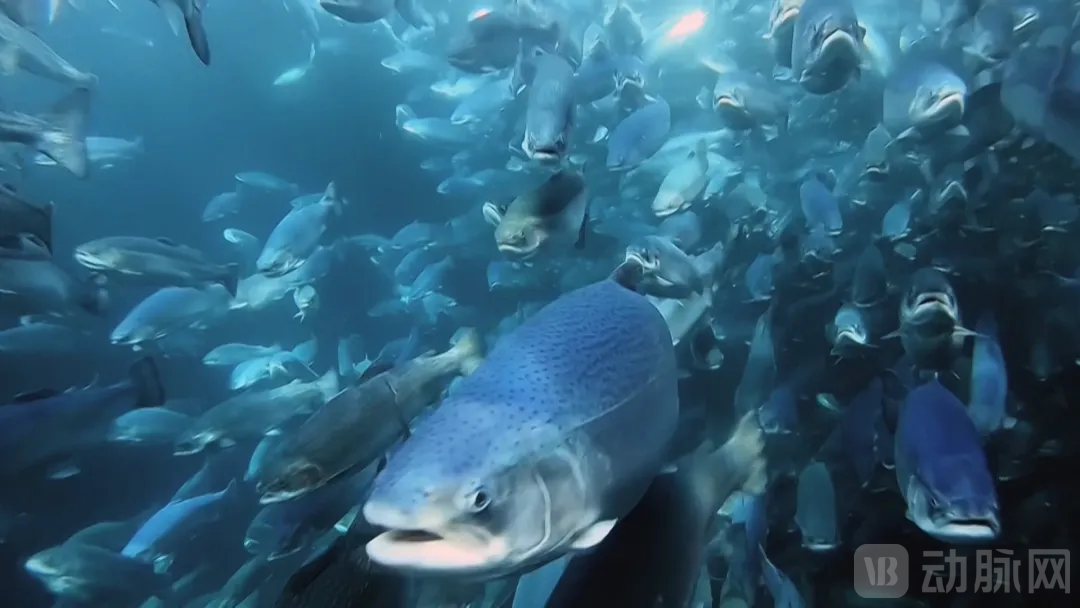
Male Pacific Salmon, Chum Salmon (Commonly Known as "Big Salmon")
In recent years, market attention toward PDRN has continued to rise. According to forecasts by Market Publishers, the global PDRN market is expected to reach $298.6 million in 2029, with a CAGR of 41.2% from 2023 to 2029; the report also notes that China is the largest PDRN market globally, accounting for approximately 40% of the global share. Orient Securities further pointed out in its report that the CAGR for domestic PDRN-based aesthetic injectables in China will reach as high as 89.4% from 2023 to 2028.
Amid the surging PDRN market both domestically and internationally, Traceability is the bottleneck representing a long-standing “missing link” in this industrial chain. In a related research report, Everbright Securities pointed out that factors such as the salmon breeding season and fishing rights for marine resources would affect the supply stability and cost of PDRN products.
This also means that the industrialization of PDRN cannot focus solely on end-product development; instead, it must encompass the entire value chain, from germplasm screening and raw material sourcing to extraction and purification, quality control, and finally, pharmaceutical and medical device R&D along with clinical registration and commercialization.
This is precisely the challenge that Hengyu aims to address for China’s PDRN industry: not merely filling gaps in a single segment, but taking full control of China’s “source germplasm–advanced extraction–pharmaceutical translation–clinical application” value chain.
2From Germplasm Source to International Markets: Hengyu Weaves a Comprehensive PDRN Industry Network
In August 2026, Hengyu officially signed an agreement to establish its presence in Fuyuan City, Heilongjiang Province.
Fuyuan boasts abundant cold-water fish resources and is also an important origin of Pacific salmon, specifically the “Dama Ha” (chum salmon), in China. Fuyuan provides key support for this project, focusing on the supply of Dama Ha materials and national geographical indications. On an exclusive licensing basis Delivered to Hengyu, driving the high-quality development of its high-end biomedical devices. The project will leverage this unique fishery resource to focus on upgrading the digital traceability technology for PDRN, achieving a fully compliant, closed-loop industrialization chain for medical device-grade and pharmaceutical-grade PDRN raw materials.
If Fuyuan addresses the question of “where do raw materials come from,” then Shandong resolves the issue of “where does the technology come from.”
Hengyu has long established a comprehensive R&D platform for PDRN raw materials in Shandong, along with an ISO 13485 quality management system, medical device-grade raw material master file registration, and various US FDA certifications. This traceability initiative also leverages scientific research strengths from institutions such as the Qingdao Institute of Marine Biomedicine at Ocean University of China, laying a solid foundation for elevating China’s pharmaceutical-grade PDRN raw materials to a leading international level.
Hengyu is forging a PDRN industrial development pathway with distinct Chinese characteristics, stretching from Fuyuan in the far north to the Hainan Free Trade Port in the south. Its subsidiary, Hainan Zhengyu Biotechnology, serves as a production base for high-end medical devices, featuring B+A grade standardized cleanroom workshops and fully automated production lines. This infrastructure provides high-standard support for the independent, large-scale domestic manufacturing of a diverse range of high-end PDRN medical devices.
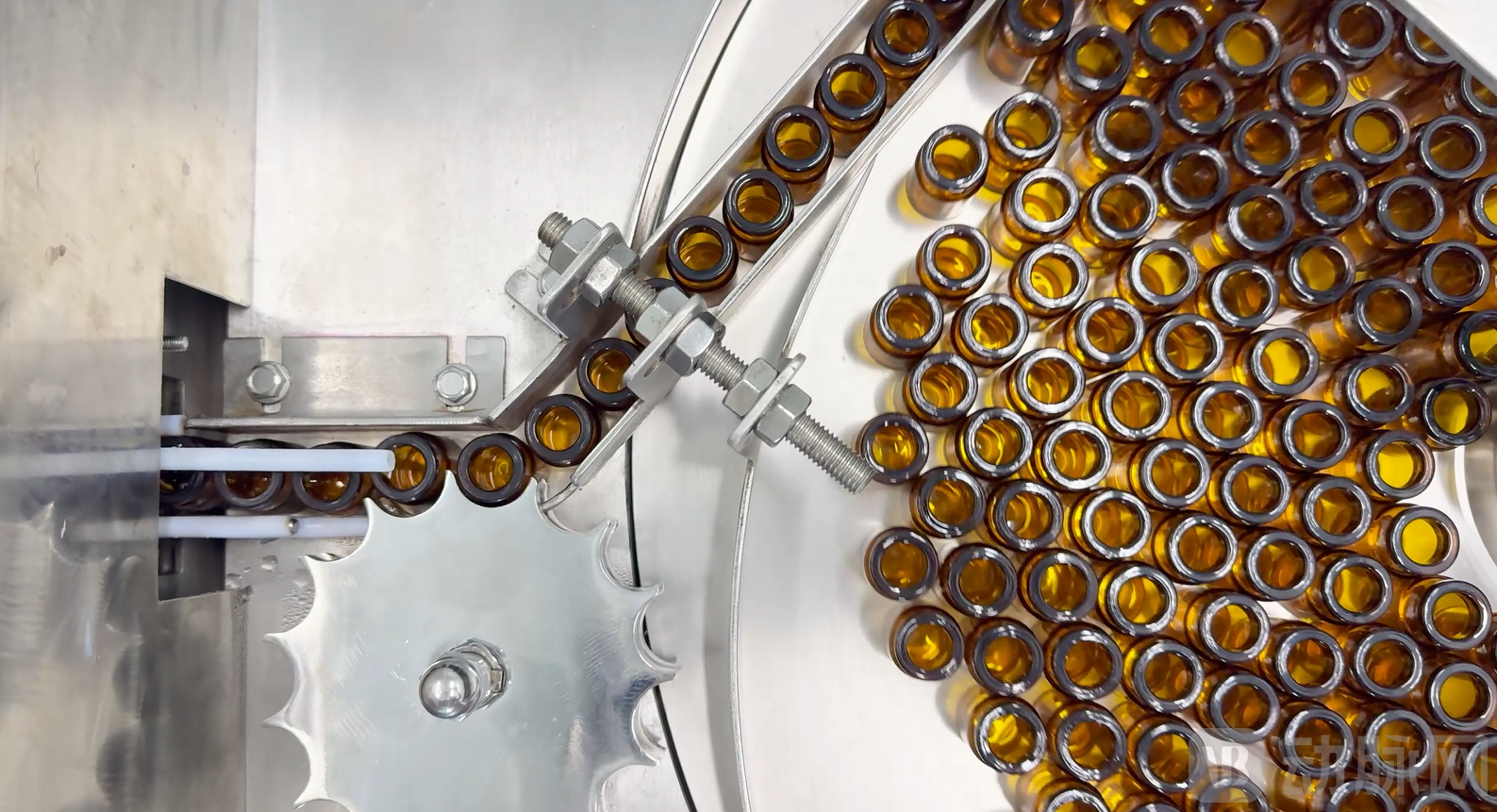
On the other end of the industry chain, Hengyu’s South Korean subsidiary is steadily forging connections with the international PDRN market. In early 2025, the company established a Korean corporation in Seoul to pursue an international cooperation model focused on both importing and exporting PDRN-based novel medical regenerative materials and high-end pharmaceuticals. To date, it has secured exclusive agency rights for the introduction of the first PDRN pharmaceutical product.
Thus, Hengyu has established a clear division of its business landscape centered around PDRN: Fuyuan anchors raw material resources and traceability, Shandong undertakes R&D and technology transfer, Hainan handles production and registration, while South Korea serves as the window for international business.
The essence of this PDRN industrial layout is to seize an international ecological niche long dominated by overseas enterprises. It connects and integrates the previously fragmented and disjointed segments of the industry chain, establishing a complete upstream and downstream industrial system that spans from germplasm resources and raw material extraction to R&D and manufacturing, regulatory registration and approval, and finally to global market distribution.