Fourier Intelligence Unveils "Technology + Ecosystem" Full-Chain Strategy at WRC 2026 to Accelerate Scalable Embodied AI Deployment
Fourier
Intelligent Robot Developer
On August 19, the 2026 World Robot Conference (hereinafter referred to as “WRC”) grandly opened at the Beijing Etrong International Exhibition & Convention Center. Themed “Human-Machine Symbiosis, Integration of Production and Demand,” this year’s conference gathered top robotics enterprises from both China and abroad.
Fourier, a global leader in AI robotics, joined forces with multiple ecosystem partners to make a collective appearance at the exhibition, jointly showcasing cutting-edge applications in embodied models, data infrastructure, core components, and scenario-based solutions, thereby accelerating the collaborative evolution of the upstream and downstream sectors of the embodied intelligence industry chain.
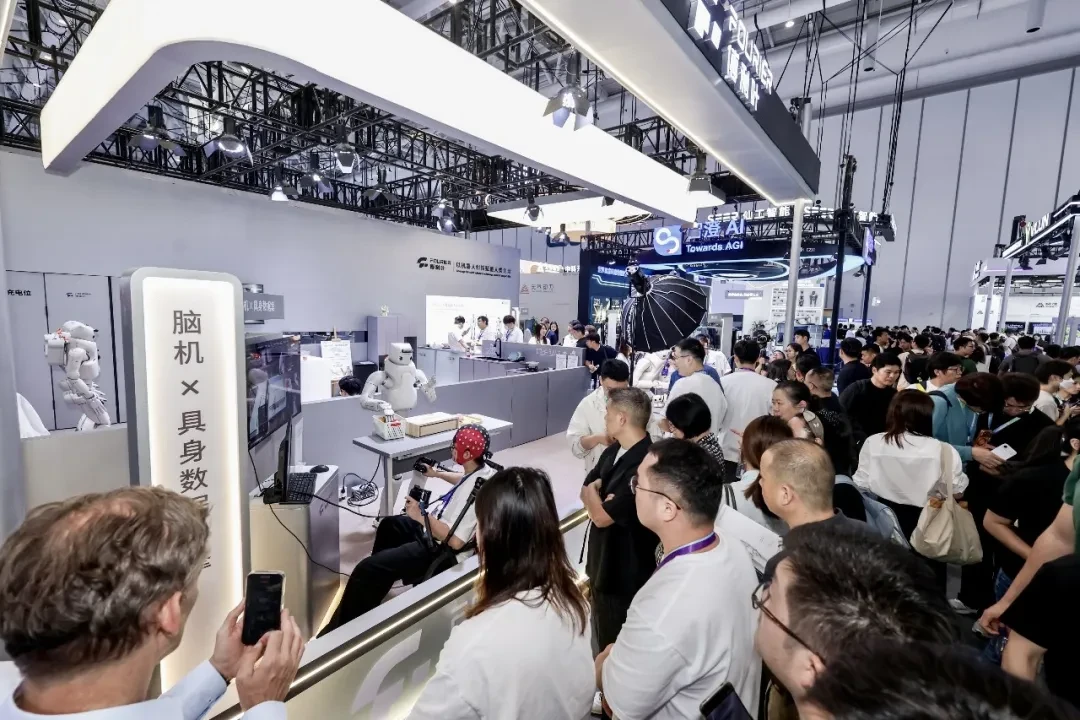
A Collection of Innovative Applications Showcasing Valuable Human-Machine Interaction
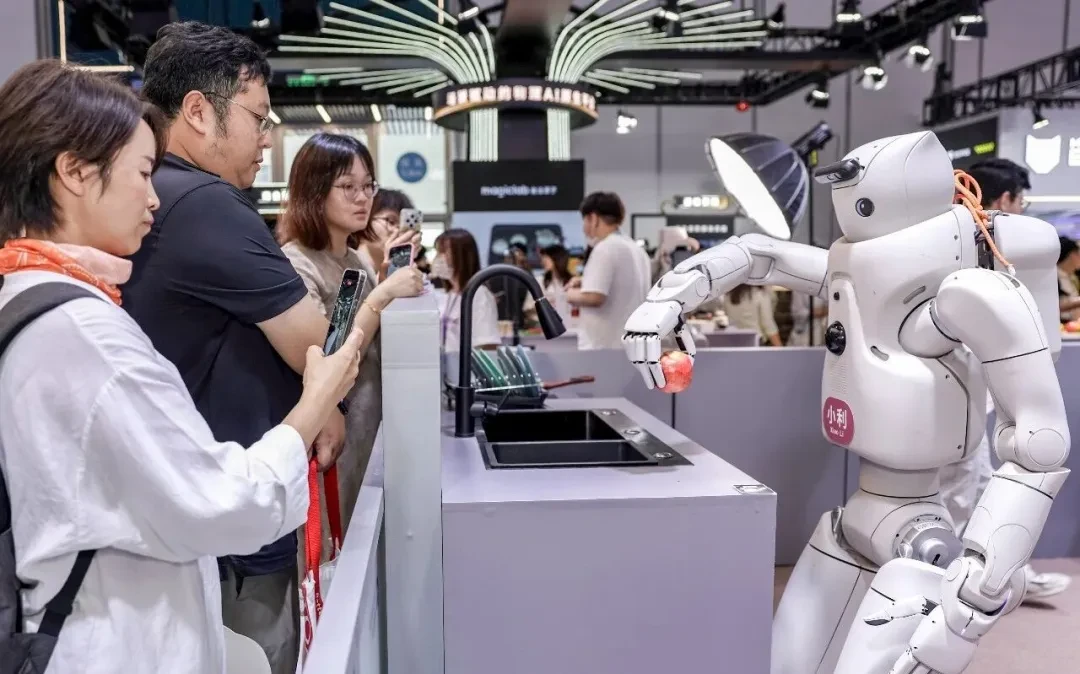
At the exhibition, Fourier prominently showcased a demo of its full-stack embodied AI technology designed for home care scenarios—“Embodied Home” Technical Solution, comprehensively demonstrating the GRx humanoid robot’s full-stack capabilities, from robot training to technological application, and empowering the development of the embodied AI industry through an open innovation ecosystem.
Fourier has created an immersive experience space themed around “A Day in the Life of a Robot Butler.” Leveraging its proprietary semantic mapping technology, multiple GR-3 units serve as “intelligent butler assistants” in simulated home environments. Visitors can simply issue commands in natural language to direct the GR-3 robots, which autonomously allocate tasks and independently handle a range of duties—from home security and item retrieval/delivery to companionship and guest reception. This advances human-robot interaction from mere “command execution” toward a deeper understanding of human needs and proactive service, showcasing new possibilities for integrating robots into future family life.
Collaborative Innovation Ecosystem Makes Its Debut, Driving "Chain-Style" Evolution of the Industry
As another major highlight of Fourier’s exhibition at this year’s WRC,Yihang Lingguang Technology Co., Ltd.(hereinafter referred to as “Yixing Lingguang”),Singularity Intelligent Control Technology Co., Ltd.(hereinafter referred to as "Singularity Intelligent Control"),Shenzhen Yita Power Technology Co., Ltd.(hereinafter referred to as “Ita Power”) andShanghai Runke Juneng Technology Co., Ltd.(hereinafter referred to as “Runke Juneng”) and other ecosystem partners showcased their latest product achievements at the Fourier booth:
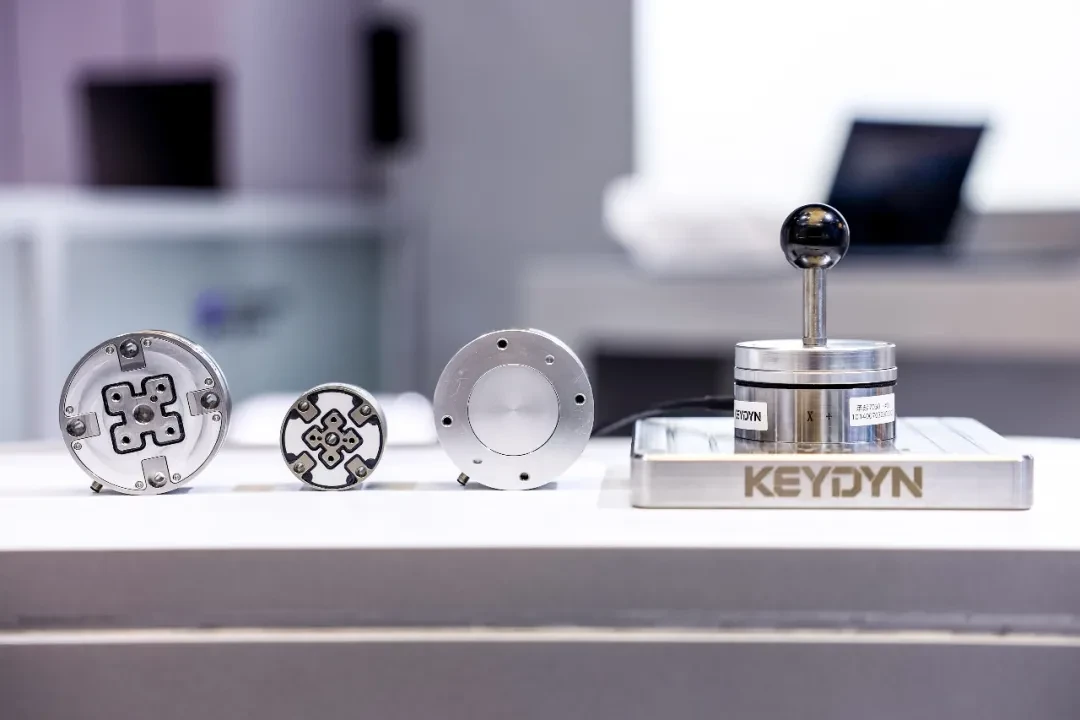
Singularity Intelligent ControlIntroducing its pioneering high-precision "Optical Six-Axis Force Sensor." As an emerging company specializing in the research, development, and production of sensors and intelligent perception solutions for AI smart hardware, Singularity Intelligent Control combines multi-dimensional decoupling with data acquisition and processing. The company is committed to building integrated intelligent perception and control solutions that fuse "force," "state," and "trend," thereby further enhancing robotic perception capabilities.
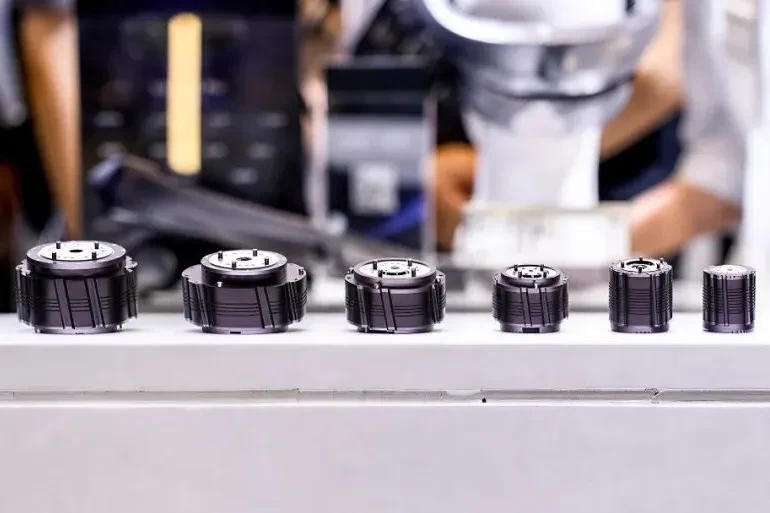
Ita PowerThe next-generation collimated drive planetary joint module showcased on-site meets the needs of humanoid robots of various sizes, industrial quadruped dogs, and other general automation scenarios. Eta Dynamics is a company focused on the research and development of high-performance anthropomorphic force-controlled dual-arm systems and powertrain components. Its product portfolio, leveraging industrial-grade reliability and a rich software ecosystem, can fully adapt to various embodied AI models, comprehensively enhancing the dexterous manipulation and mobility capabilities of embodied robots.
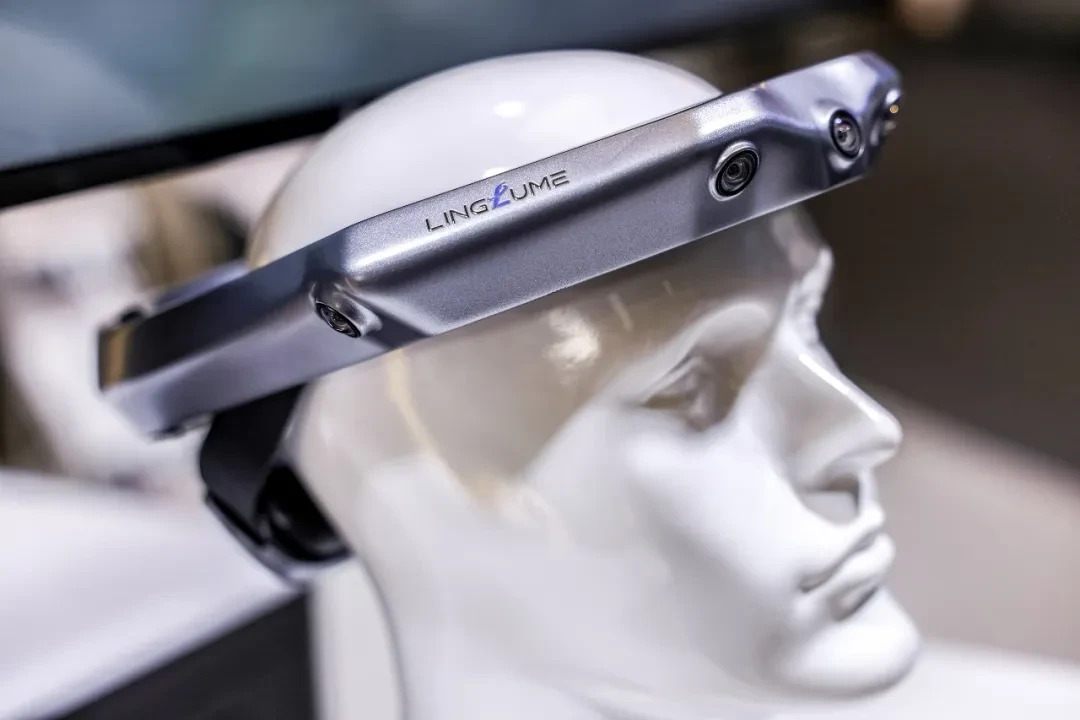
Yi Hang Ling GuangThe exhibited EGO data acquisition headband, Lume R1, along with its supporting data platform, covers perception interaction, edge computing, communication connectivity, device management, data governance and annotation, and OTA updates, establishing a data foundation for continuous learning in robots. Leveraging mature domestically produced hardware platform solutions and self-controlled embedded operating system capabilities, Yihang Lingguang provides intelligent computing node infrastructure for robotics and commercial aerospace scenarios, migrating the validated "hardware platform–operating system–cloud data closed-loop" paradigm to broader application fields.
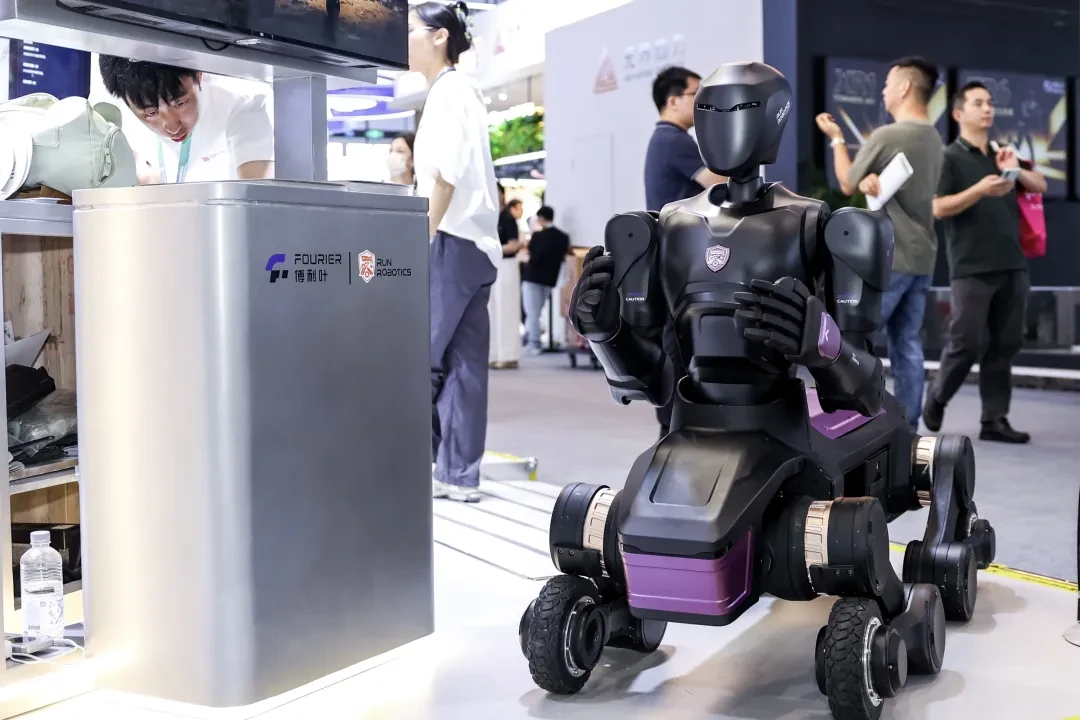
Runke JunengThe exhibited “Centaur” wheeled-legged hybrid robot focuses on industrial and special-operation scenarios. It supports a continuous walking payload of 175 kg, with a maximum total (effective) payload of 350 kg, enabling it to handle human-robot collaboration tasks in various extreme environments, such as high-temperature steelmaking operations, long-distance oilfield inspections, nuclear industry radiation zones, and emergency firefighting and rescue missions. Runke Juneng specializes in embodied AI system integration and secondary development solutions for both hardware and software. Catering to the needs of industrial and special-application scenarios—including mining, power plants, steel manufacturing, lithium battery production, emergency rescue, smart warehousing, and photovoltaic inspection—the company provides integrated services encompassing robot body selection and retrofitting, core hardware adaptation, motion control and upper-level software development, system integration, and project delivery.
Currently, the embodied AI industry is transitioning from breakthroughs in isolated technologies to a new stage of comprehensive systemic capability development. As robots accelerate their entry into real-world production and daily life scenarios, their performance enhancements increasingly rely on collaborative innovation across multiple domains, including models, data, core components, scenario-specific applications, and development tools. Connecting dispersed innovative forces across different segments of the industrial chain and accelerating the transition of technological breakthroughs toward productization and large-scale application has become key to driving the growth of the embodied AI industry.
Based on this judgment, Fourier is continuously building an open and innovative industrial cooperation ecosystem.Leveraging its industrial capabilities accumulated in robot hardware, core technologies, supply chain systems, and real-world application scenarios, Fourier proactively connects with upstream and downstream enterprises in the industry chain that possess specialized expertise and innovation potential. Through strategic investments, technological synergy, joint R&D, open application scenarios, and sharing of industrial resources, Fourier provides an “interface” for external innovations to integrate into the robotics industry ecosystem, thereby accelerating the validation and iteration of cross-domain technical capabilities around genuine products and application needs.
From Product Innovation to Industrial Synergy: Building an Innovative and Open Ecosystem Platform
The booming development of the embodied intelligence industry requires not only exceptional products, but also open platforms that connect innovation resources, accelerate technology validation, and promote industrial synergy.
For innovative enterprises, Fourier provides robot bodies, technology validation, real-world scenarios, supply chain, and industrial resources to help them accelerate the transition from R&D to commercialization; for Fourier, ecosystem partners continuously supplement capabilities in embodied large models, core components, data infrastructure, and industry solutions, further expanding the boundaries of robotic capabilities.
Driven by “chain-style” innovation, the efficient collaboration of ecosystem partners can effectively facilitate the integration of point innovations into the real robotics industry system. Leveraging Fourier’s embodied intelligence platform and scenario resources, external technologies can rapidly undergo validation and iteration. By providing ecosystem partners with real-world environments necessary for technical validation and product iteration, a collaborative closed loop of “technological innovation – product validation – scenario application – data feedback – capability iteration” is gradually formed.
Earlier this year, Fourier proposed“1+3+X” Application Ecosystem Strategic Layout—Clarify the four core application scenarios—healthcare and wellness companionship, guided interactive tours, industrial empowerment, and scientific research and education—and the innovation empowerment system.Centered on “X,” Fourier will continue to focus on forward-looking and strategically valuable new technologies, products, and scenarios within the robotics industry chain, driving more innovative forces into the robotics ecosystem through investment and incubation, industrial collaboration, and open synergy.
From a single product to a capability network, and from corporate innovation to industrial synergy, Fourier aims to leverage its robotics platform as a pivotal connector, transforming diverse innovative forces into driving power for the evolution of the embodied AI industry. By facilitating the sector’s transition from “isolated breakthroughs” to “systemic innovation,” and enhancing industrial organization and collaborative innovation capabilities, Fourier seeks to accelerate the genuine integration of robotics technology into production and daily life.