

Well Lead Medical: Over 20‑Year Global Odyssey—From “Too Risky for Western Markets” to Partnership With Global Giants

Well Lead Medical
Medical Catheter Research, Development, Production, and Sales
In April 2026, Well Lead Medical inaugurated Phase‑I operations at its Indonesian factory within Cikarang Lippo Industrial Park, Bekasi, West Java. The facility boasts an annual capacity of 40 million suction connecting tubes, all earmarked for major U.S. customers.
This is Well Lead Medical’s maiden offshore manufacturing site, a key milestone wrapping 22 years of global expansion for the medical catheter manufacturer. The firm has thus transitioned from merely exporting finished goods to conducting manufacturing overseas—from “venturing abroad” to “putting down roots”.
Duan Songfeng, Deputy General Manager of Well Lead Medical, joined the firm in its early days and has overseen its international business ever since. Prior to that, he spent more than a decade handling medtech foreign trade at a Chinese pharmaceutical and healthcare enterprise, granting him deeper insights into global markets than most peers. Looking back on Well Lead Medical’s more‑than‑20‑year global push, he sums up the experience in four Chinese characters: bi lu lan lü— “forging ahead through brambles and thorns”.
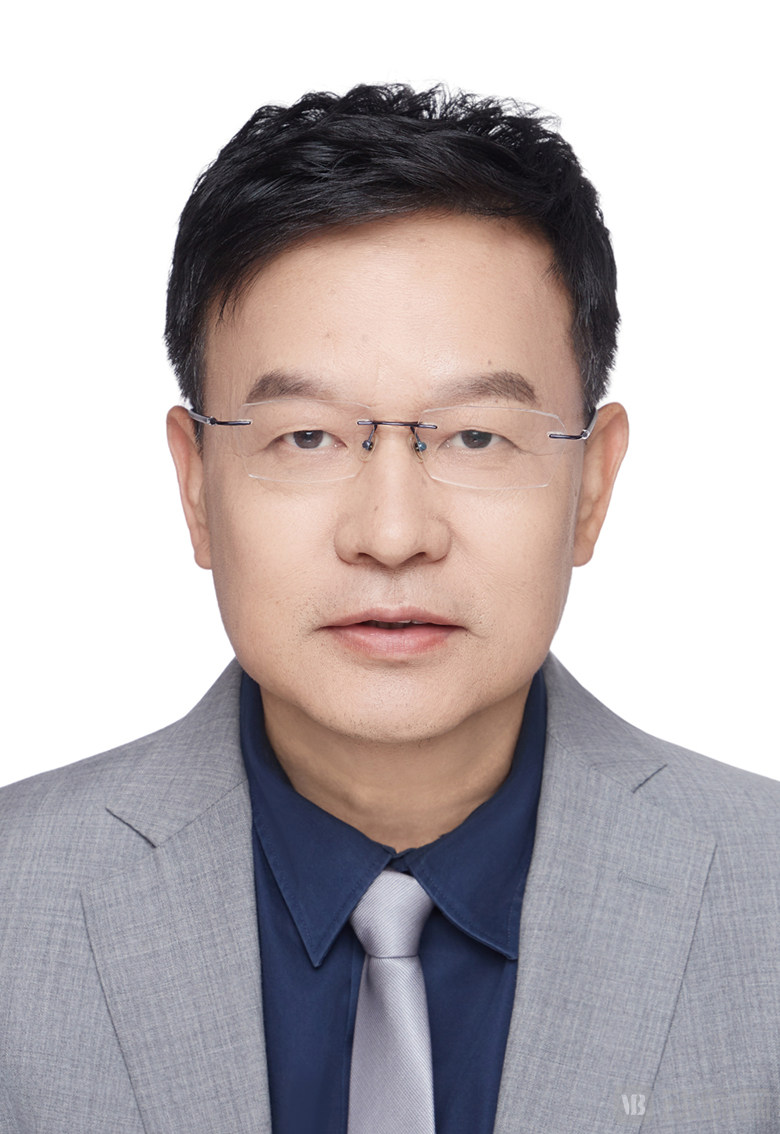
Duan Songfeng, Deputy General Manager of Well Lead Medical
This is no empty rhetoric. Statistics from the European Commission’s Medical Devices Committee and successive Global Medical Device Industry Blue Books show the global medtech market hit roughly USD 187 billion around 2001. By comparison, data from the China Medical Device Industry Association pegged China’s domestic medtech market at only RMB 24.7 billion in 2003.
For Chinese enterprises in low‑end disposable medical consumables, breaking into highly‑regulated North American and European markets from scratch was anything but straightforward.
VCbeat recently conducted an in‑depth interview with Duan Songfeng. Combined with public records, this piece reconstructs the two‑decade‑plus global journey of a Chinese medical catheter maker and its replicable lessons for the sector.
1Catching the Structural Tailwind for Overseas Expansion
To understand Well Lead Medical’s global rise, one must first address two core questions: Why low‑value disposables? Why around 2004?
Around 2000, sweeping industrial restructuring reshaped the global medical‑device landscape.
Western medtech giants began strategically shifting low‑value‑consumable production capacity to Asia. What they sought was no longer low‑cost simple subcontracting, but regulatory‑compliant manufacturing: partners capable of meeting stringent FDA and CE requirements while retaining cost competitiveness. Nations in India and Southeast Asia enjoyed low labour costs yet lacked integrated supply chains spanning polymer materials, precision moulding, injection moulding and sterilization. Proximate to the U.S., Mexico fell short on labour cost advantages and engineering talent pools relative to East Asia.
China filled this market vacuum. It possessed full‑stack industrial clusters covering polymer materials, precision moulds all the way through sterilization and packaging, alongside a large pool of skilled engineers.
Low‑value disposable consumables were the earliest medtech segment to achieve global competitiveness out of China. In 2022, A‑share listed low‑value‑consumable firms reported overseas revenue accounting for an average 55.4 % of total sales, well above 38.8 % for medical equipment and merely 14.1 % for high‑value implants. The figures speak volumes: low‑end disposables represented China’s first globally competitive medtech category.
This product segment carries its own inherent industry fate. First, technical iteration proceeds slowly: core designs for catheters such as urinary catheters have barely changed for decades. Second, product SKUs proliferate, with hundreds of combinations across dimensions including size, material and coating, paired with large‑batch order volumes. These traits favour new entrants with robust manufacturing capabilities. Yet a hidden trap looms: enterprises can grow overly comfortable with OEM contract manufacturing and struggle to move up the value chain.
2004 marked a tipping point driven by overlapping policy shifts. In 2002, China deregulated export licensing for medical devices, granting domestic manufacturers direct access to global markets. The 2003 roll‑out of China’s domestic GMP standards for medical devices, though not yet fully enforced, alerted forward‑thinking firms to the critical importance of regulatory compliance.
While technical barriers for low‑value disposables remain moderate, global demand stays rigid. The wide product spectrum and complex specifications foster strong customer loyalty once manufacturers establish sound compliance frameworks and production capacity.
Well Lead Medical stood among the first movers seizing this market opening.
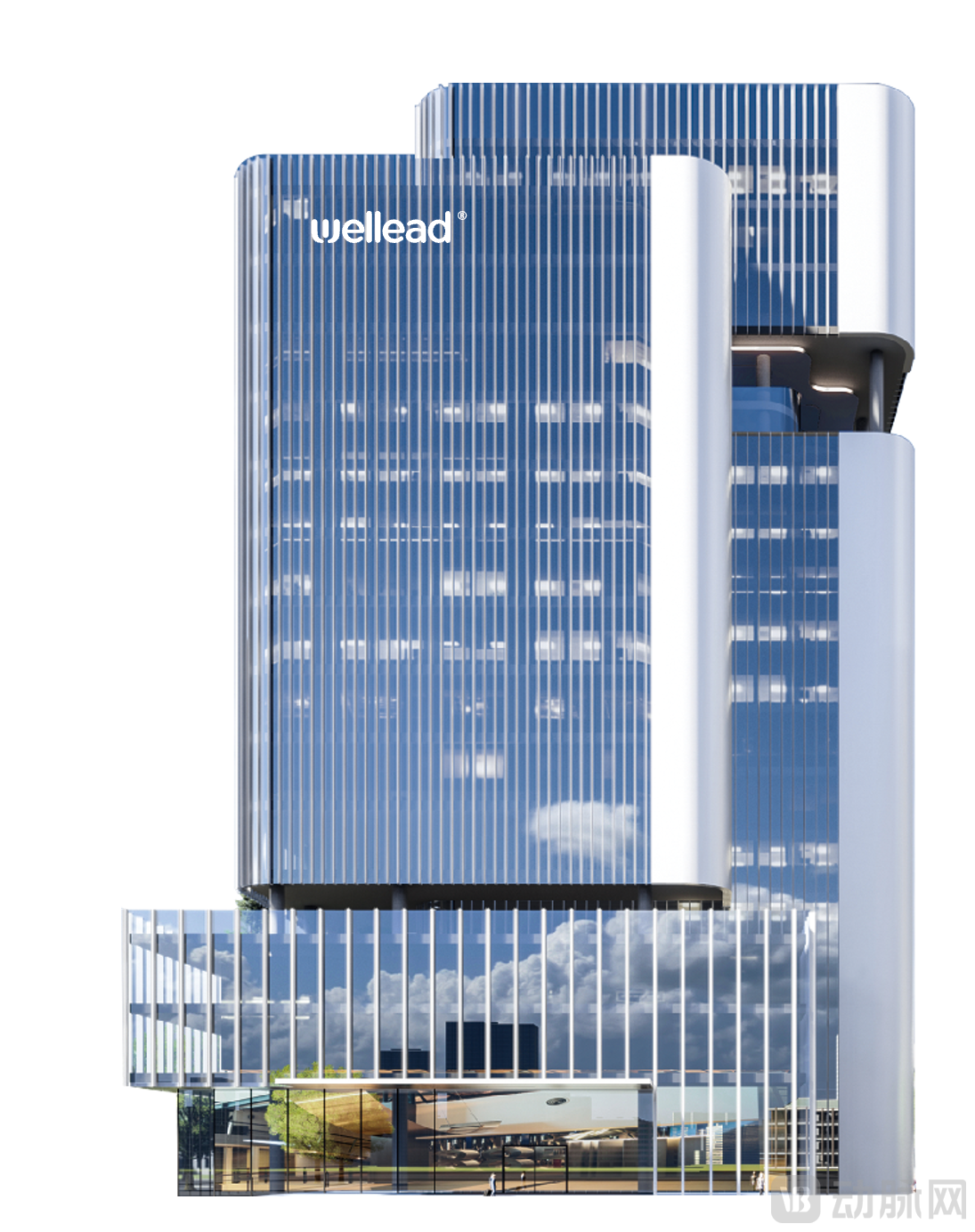
2From Grass‑roots Operations to Innovation: Three Phases of Capability Upgrade
Duan Songfeng divides Well Lead Medical’s global expansion into three distinct evolutionary phases.
Phase I (Circa 2004‑2010): The Grass‑roots Era, OEM‑Driven Market Entry via Cost Advantages
Duan describes this period as a time “where track records mattered less than delivery”. Western buyers knew almost nothing about Chinese medical consumables. Producers could secure orders as long as they could manufacture goods and meet delivery timelines at competitive price points.
During this phase, Well Lead Medical’s core strengths laid in production reliability and delivery performance. Medical catheters span diverse product lines covering anaesthesia, urinary care, respiratory therapy, wound care and haemodialysis, calling for highly flexible production lines. Building multi‑product‑line capacity in its early years positioned Well Lead Medical well to take on custom‑tailored projects for large global clients.
What separated Well Lead Medical from its peers was its farsighted strategic call: initiating its first FDA registration back in 2005. At that time, domestic Chinese GMP rules had not been fully implemented. Pouring capital and manpower into U.S. market certification demanded immense strategic resolve.
Drawing on over ten years of foreign‑trade expertise, Duan Songfeng set Well Lead Medical’s sights squarely on highly‑regulated Western markets, rather than easier‑entry markets across Africa and Latin America. This deliberate choice defined its 20‑year‑plus global blueprint: avoid competing purely on low prices or relying on low‑barrier emerging markets. Instead, target the world’s strictest regulatory jurisdictions from day one, pursue the most demanding certifications, and build defensive moats.
As an early pioneer, Well Lead Medical captured a window with limited competition. By the time rivals caught on, it had already completed its initial market breakthrough.
Phase II (Circa 2010‑2016/17): Moving Beyond OEM toward Customization, Deep Partnerships With Multinational Giants
This phase coincided with Chinese low‑value‑consumable exporters shifting from price‑centered competition to quality‑driven rivalry.
“As our operational and regulatory capabilities matured, we became qualified to undertake customized development projects,” Duan Songfeng explains. Top global medical distributors including Cardinal Health and Medline emerged as core clients. North American multinationals enforce rigorous quality‑system audits and demand consistent product performance. Once qualified, however, they tend to sustain long‑term partnerships.
Multinational clients’ exacting standards forced Well Lead Medical to upgrade its internal capabilities. “Global giants will not wait for you to improve gradually,” Duan notes. Firms failing to lift performance in step with client expectations would fall behind.
Well Lead Medical completed joint‑stock reform in 2011 and secured its Shanghai Stock Exchange IPO in 2015. Public listing delivered capital fueling sustained R&D investment and cross‑border deployment throughout Phase II and Phase III.
Phase III (2017‑Present): From Customization Toward Indigenous Innovation, Launching Original Products Worldwide
The turning point arrived as Well Lead Medical expanded into urology. Duan Songfeng observed that clinicians resist switching brands for surgical devices without tangible product differentiation, even for lower‑priced alternatives. Surgeons stick with familiar tools.
This market reality pushed Well Lead Medical toward genuine product innovation. The firm engaged domestic and international clinical specialists, translating real‑world clinical pain points into R&D priorities. This work birthed ClearPetra®, its proprietary negative‑pressure litho‑extracting sheath with integrated continuous‑flow lithotripsy capabilities. Traditional stone‑removal workflows required separate lithotripsy and extraction steps, causing cumbersome operations and stone retropulsion risks. ClearPetra® enables simultaneous stone fragmentation and extraction, cutting operative time in half.
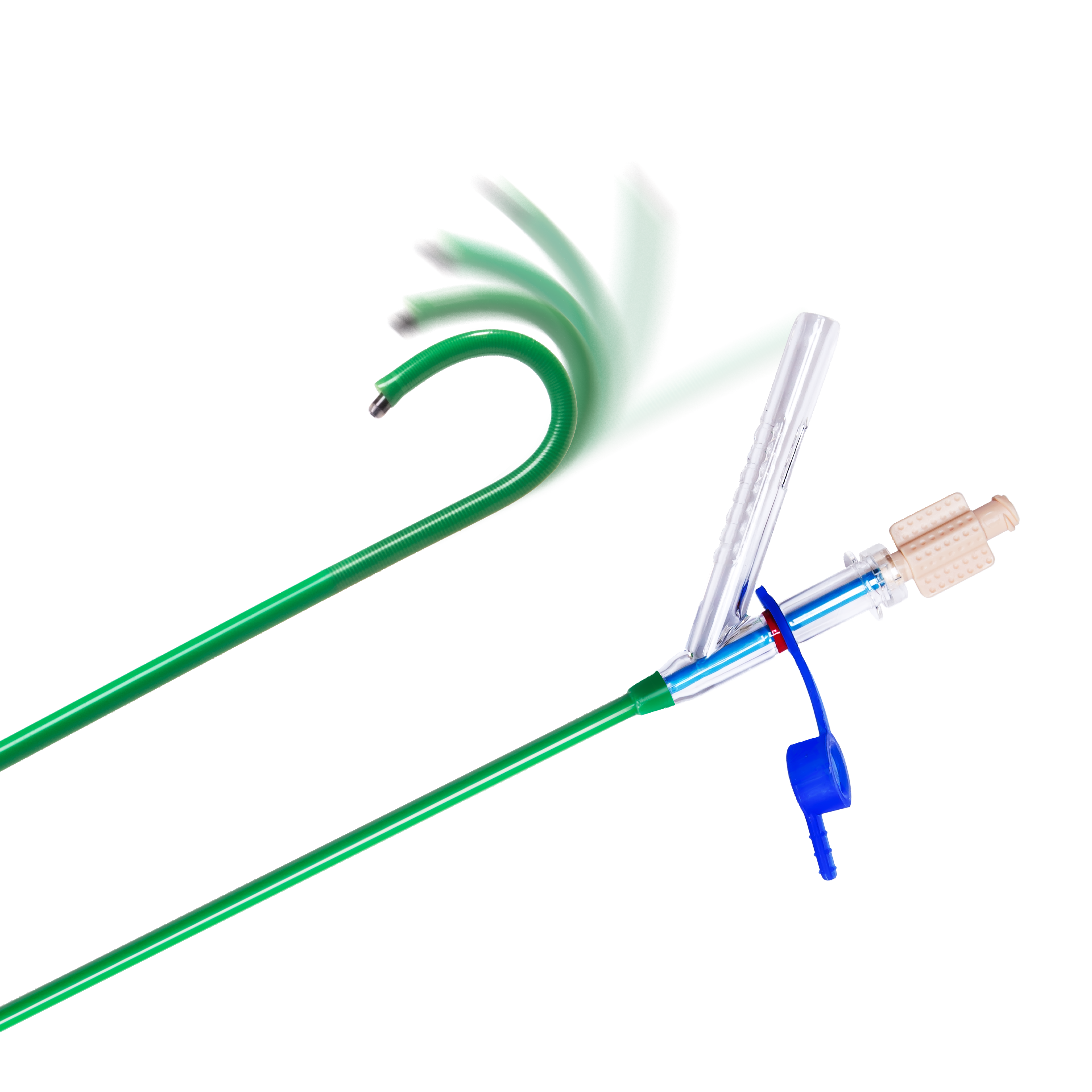
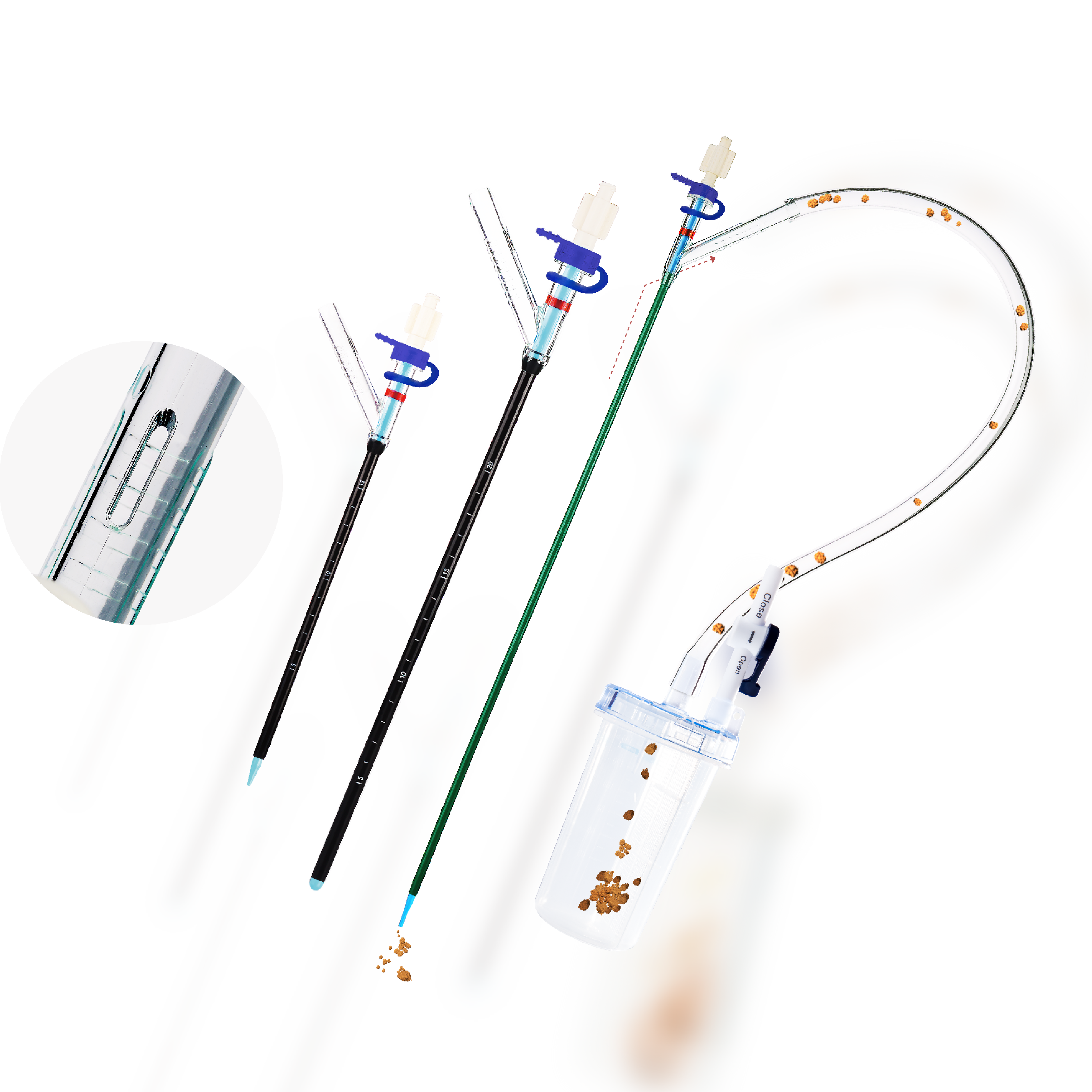
In May 2024, Well Lead Medical sealed a strategic cooperation with KARL STORZ, the global benchmark in rigid endoscopy and minimally‑invasive surgical instruments. KARL STORZ gained exclusive U.S. marketing rights for ClearPetra® and related product lines. From OEM subcontractor to an innovator whose proprietary products are commercialized by a top‑tier global medtech giant, Well Lead Medical achieved a landmark industry leap.
Across these three phases, Well Lead Medical built three layers of competence sequentially: manufacturing and delivery capabilities in Phase I; regulatory compliance and key‑account management capabilities in Phase II; and clinical‑need‑driven translational R&D capabilities in Phase III. These strengths were not organic growth outcomes, but capabilities forged by successive global‑market hurdles.
3Building Three Barriers: Market Access, Order Acquisition, and Customer Retention
Well Lead Medical’s progression from OEM to indigenous innovation rests on three stacked capability pillars.
First comes regulatory compliance, the fundamental entry ticket to global markets.
Duan Songfeng repeatedly stresses compliance priority: “Based on our experience, compliance comes first. Sustained quality‑system maintenance tops all priorities.”
The EU replaced its legacy MDD directive with the stricter MDR regulation in 2020, sharply raising certification thresholds. Numerous Chinese manufacturers abandoned CE certification given surging costs and tightened requirements. Well Lead Medical invested tens of millions to complete its MDR transition.
In February 2026, Well Lead Medical obtained additional MDR certifications for more than ten product categories, including urinary catheter kits, mesh nebulizers, hydrophilic urinary catheters, gastrostomy tubes and nephrostomy tubes, covering sterile Class I, Class IIa and Class IIb devices. To date, Well Lead Medical holds 24 FDA registrations, 139 CE certifications, 23 Canadian market approvals and 83 German registrations.
“Higher barriers benefit compliant enterprises in the long run,” Duan argues.
Integrity constitutes another facet of compliance.
In 2025, the FDA restricted and rejected test data output by certain Chinese third‑party laboratories, citing lapses in quality management, facility operation and animal‑welfare standards that invalidated non‑clinical and biocompatibility test reports.
Patent compliance also carries heavy stakes. In 2024, Well Lead Medical fought two costly patent litigations in the United Kingdom and Germany, a sober reminder for Chinese globalizing firms: compliance incurs substantial costs, yet non‑compliance carries far heavier penalties.
Regulatory compliance grants market access. Next, companies must build consistent order‑winning capabilities. It was at this stage that Well Lead Medical rolled out its key‑account strategy.
From roughly 2010 onward, Well Lead Medical built ties with multinational medtech giants. Cardinal Health and Medline remain its largest overseas clients. Duan Songfeng notes more large international partners are open to joint‑development projects, reassured by its product quality and certification portfolio.
Key‑account cooperation delivers revenue stability. In 2024, revenue generated from Well Lead Medical’s major overseas clients rose more than 30 % year‑on‑year. Even amid domestic centralized procurement reforms and industry‑wide headwinds, export business retained strong growth resilience. In 2025, Well Lead Medical’s overseas revenue hit RMB 919 million, up 15.32 % year‑on‑year and representing 57.3 % of total corporate revenue.
Nevertheless, securing reliable distributor partnerships entails risks. Duan cites a Vietnamese market case: a urology distributor agreed to represent Well Lead Medical’s anaesthesia‑device portfolio yet delivered underwhelming results across three years. “The firm owner was enthusiastic, yet its sales team lacked domain expertise and required extensive on‑the‑job training. Return‑on‑investment failed to justify input,” he recounts. Distributor screening must evaluate operational expertise and execution capacity, not merely principal‑level willingness.
What ultimately lifted Well Lead Medical above competing bidders for multinational client partnerships was innovative product performance, delivering quantifiable solutions for unmet clinical needs.
The ClearPetra® case demonstrates that innovation is no abstract buzzword. R&D originates from clinical pain points, generating measurable value for patients, surgeons and hospitals alike. For patients: reduced procedural trauma. For clinicians: halved operative time and lower physical strain. For hospitals: operating‑room time is billed by the minute across Western healthcare systems, so shorter procedures cut facility costs. Only win‑win value propositions can drive physicians to switch away from habitual brands.
Duan’s assessment: “Overseas markets, especially in North America and Europe, are willing to pay premiums for tangible clinical innovation.” Beyond its commercial value, ClearPetra® validated Well Lead Medical’s end‑to‑end capability: translating clinical insights into globally‑launched commercial products.
4The Pros and Cons of Establishing a Presence Overseas
In 2024, Well Lead Medical kicked off development for two overseas production hubs in Mexico and Indonesia.
The Mexican site was planned as a ground‑up green‑field project; land acquisition and design work were completed. The project was put on hold in early 2026. Duan Songfeng explains that prior Mexican administrations maintained relatively favourable policies for Chinese investors, yet policy consistency deteriorated under the current presidency.
To counter steep U.S. import tariffs and rising geopolitical risks, Well Lead Medical kicked off preparation for its Indonesian plant in Q2‑2025. Unlike the ground‑up Mexican model, the Indonesian site adopted a lease‑based facility setup. Construction‑to‑production took merely one year, with commissioning completed in April 2026.
Phase‑I delivers an annual capacity of 40 million suction connecting tubes; 12 million units are scheduled for production in 2026, all supplying U.S. clients. Phase‑II plans cover anaesthesia products including endotracheal tubes and laryngeal masks, plus silicone urinary catheters, again primarily targeting U.S. buyers. Additional production lines will be evaluated in response to local Indonesian demand and global‑business expansion.
Preliminary estimates place unit production costs at the Indonesian facility roughly 10 % higher than comparable domestic Chinese output, though client contract pricing offsets incremental expenses.
Duan Songfeng shares core site‑selection criteria for overseas manufacturing: “First and foremost, political stability. Next, legal‑system reliability, followed by on‑the‑ground factors such as labour availability and qualified local management talent.” He recommends information‑gathering channels: “Chinese embassy and consulate commercial sections offer direct insights, alongside local chambers of commerce, especially those closely cooperating with the China Council for the Promotion of International Trade.”
Diverging outcomes for Mexico and Indonesia deliver dual‑sided practical lessons for Chinese firms pursuing global localization. Political stability tops location‑selection priorities, while leased‑facility models offer agility amid uncertainty.
5Closing Thoughts
Well Lead Medical’s 2025 annual report records overseas revenue of RMB 919 million, a 15.32 % year‑on‑year rise contributing 56.4 %‑57.3 % of total corporate turnover. Its Indonesian manufacturing base is undergoing ramp‑up and phased shipments, bolstering overall export delivery capacity.
Real achievements lie far deeper than financial metrics.
Across more than two decades, Well Lead Medical built three interconnected systems: regulatory‑access frameworks, key‑account cooperation mechanisms and offshore‑manufacturing delivery infrastructure. These mutually reinforcing pillars underpin its phased globalization roadmap.
When asked for advice for Chinese firms embarking on global expansion, Duan Songfeng highlights three “understands”: understand local regulations, understand local markets, understand local cultures—and prepare thoroughly. His core takeaway: build complete, continuously‑optimizable operational systems for global markets. More comprehensive systems translate to stronger risk resilience.
Back in 2024, when KARL STORZ formally announced its strategic partnership with Well Lead Medical, global industry players witnessed a Chinese medtech enterprise evolve from follower to peer competitor. The road to global expansion has been strewn with obstacles, yet the outlook remains bright—and the journey is far from finished.