

Exclusive: Leadinno Medical Valley Secures Over RMB 200 Million in Financing; Its First Wireless SCS Enters Green Channel, with Forward-looking Layout in Cerebrospinal Interface

Leadinno Medical Valley
Developer of Medical Devices and Consumables in the Field of Pain and Neuromodulation

Genesis Partners
Financial Services Institutions

SHINING CAPITAL
Healthcare Investment Institutions

Chuangjing Capital
Entrepreneurship and Equity Investment Institutions

CICC Capital
Private Equity Investment Management Firm
Neuromodulation and brain-computer interfaces: Two prominent frontiers in global medical technology innovation. The rising prevalence of neurological disorders such as chronic pain, Parkinson's disease, and epilepsy is driving sustained growth in the implantable neuromodulation market. Meanwhile, with continuous breakthroughs in foundational technologies — including neural signal acquisition, wireless communication, and artificial intelligence — brain-computer interfaces are increasingly being implemented in clinical settings, emerging as a key arena for global technological competition.
Innovative enterprises that continue to delve deeply into the underlying technologies of neural interfaces are ushering in new development opportunities.
Recently, Beijing Leadinno Medical Valley Technology Development Co., Ltd. (hereinafter referred to as Leadinno Medical Valley) announced the completion of over RMB 200 million in Series B+ and Series B++ financing. Shining Capital invested in the Series B+ round, while the Series B++ round was led by funds affiliated with Chuangjing Capital and CICC Capital. Genesis Partners acted as the exclusive financial advisor.
Funds raised in this round will be mainly deployed in three key directions: first, advancing the registration application and commercial launch of the implantable wireless spinal cord stimulation system; second, carrying out clinical research and registration translation of the implantable wireless peripheral nerve stimulation system; third, scaling up investment in R&D and clinical translation of cutting-edge products including closed-loop neuromodulation, brain-computer interface and cerebrospinal interface.
Founded in 2016, Leadinno Medical Valley focuses on the R&D of innovative technologies and minimally invasive surgical products covering neuromodulation, closed-loop brain-computer interfaces and cerebrospinal interfaces. Built upon its innovative wireless implantable neural electrical stimulation technology platform, the company is committed to delivering innovative solutions for implantable neural electrical stimulation therapy for global patients suffering from neurological functional disorders. Xu Tianrui, Founder of the company, graduated from Beijing Medical University (now Peking University Health Science Center). He later obtained the International MBA (BiMBA) and EMBA degrees from Guanghua School of Management, Peking University.
Since its establishment, Leadinno Medical Valley has continuously invested in core neural interface technologies including wireless power transfer and in-house developed implantable chips. Taking neuromodulation products as its commercial entry point, the company is gradually expanding into cutting-edge fields such as closed-loop neuromodulation, brain-computer interfaces and cerebrospinal interfaces, building a comprehensive industrial layout spanning neuromodulation, closed-loop systems, brain-computer interfaces and cerebrospinal interfaces.
Although neuromodulation and brain-computer interfaces target distinct clinical scenarios, they share high commonalities in underlying technologies. Core capabilities including spinal cord stimulation (SCS), peripheral nerve stimulation (PNS), deep brain stimulation (DBS), as well as signal acquisition and closed-loop control for brain-computer interfaces, can provide synergistic support for both fields.
This means that once the underlying technology platform is established, its capabilities can be continuously extended to different indications and application scenarios.
Over the past few years, Leadinno Medical Valley has continuously deepened its expertise in the aforementioned foundational capabilities of neural interfaces, and has established a sustainably evolvable platform system centered on key technologies such as chips and wireless power transfer.
At the chip level, the company adopts a self-developed ASIC architecture integrating radio frequency, analog front-end and digital logic units, which is fully compatible with the two core sectors: neuromodulation and brain-computer interfaces. The chips support the full lineup of neural electrical stimulation products including SCS, PNS and DBS, enabling technological upgrading from conventional open-loop stimulation to intelligent closed-loop stimulation. Leveraging the mature chip technology system, the company can further develop high-throughput, high-speed transmission BCI chips, achieving full coverage spanning neuromodulation to cutting-edge brain-computer interface domains.
At the wireless power supply and communication platform level, the company has established two core technical routes: the "Lingxian Technology" and the "Xinghuan Technology". Leveraging an elongated, flexible miniature receiving structure, Lingxian Technology targets minimally invasive implantation scenarios to deliver wireless power transfer, bidirectional communication and status monitoring. Xinghuan Technology builds a stable energy field via a planar high-efficiency receiving structure, enabling high-efficiency coupled power transfer with lightweight, wearable external devices. These two technologies can be flexibly adapted according to requirements including implantation site, implantation depth, product form and power transfer efficiency, and jointly form the underlying platform for wireless energy transmission and information interaction for next-generation neuromodulation and brain-computer interface devices.
It is precisely this dual-platform architecture of "wireless power transfer + proprietary chips" that has enabled Leadinno Medical Valley to horizontally expand into multiple indications and scenarios, vertically achieve performance iteration and closed-loop management, and seamlessly integrate with brain-computer interface technology.
In the core business area of neuromodulation, Leadinno Medical Valley is accelerating the commercialization of its products at full speed.
As a "green therapy" for treating moderate to severe chronic pain, the long-term efficacy and safety of spinal cord stimulation (SCS) have been extensively validated. However, traditional SCS systems require implantation of a battery within the body, presenting significant drawbacks such as high treatment costs, substantial surgical trauma, and the need for additional surgeries to replace depleted batteries. These issues hinder patients' willingness to undergo treatment and their adherence, resulting in persistently low clinical penetration rates in China. According to the "China Pain Medicine Development Report (2020)," there are over 300 million chronic pain patients in China, indicating that the substantial clinical demand remains inadequately met.
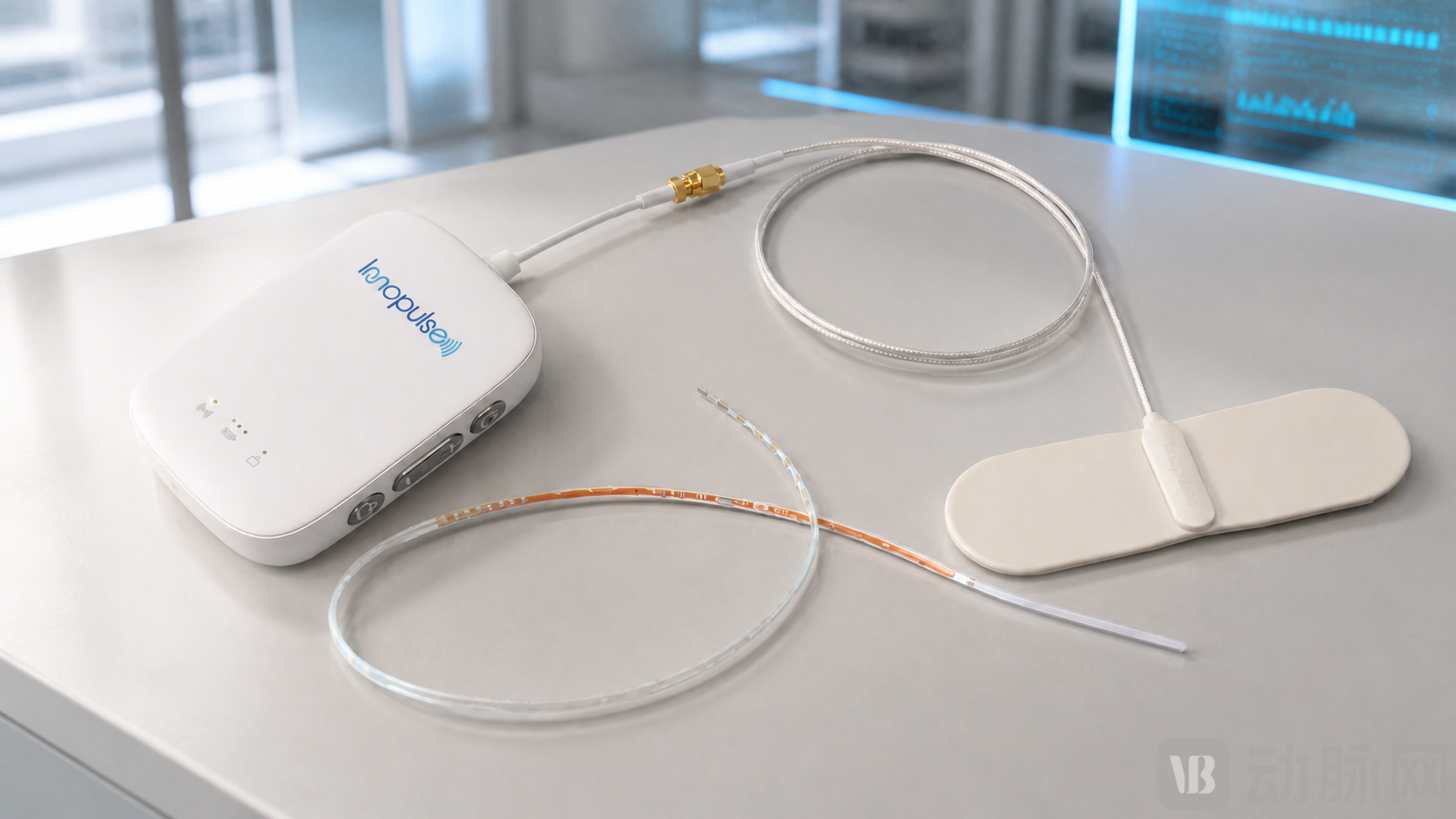
Implantable SCS Independently Developed by Leadinno Medical Valley
To address the above clinical pain points, Leadinno Medical Valley has independently developed China's first implantable wireless SCS system, mainly intended for the treatment of chronic intractable pain in the trunk and extremities. The product adopts self-developed "Lingxian" wireless power transfer technology and is equipped with an in-house miniature implantable stimulation chip. It enables independent control of core technologies and achieves significant breakthroughs in system miniaturization, integration level and stimulation performance.
In addition to being compatible with traditional product stimulation modes, it also supports ultra-high-frequency stimulation and burst stimulation modes, providing patients with more diverse and personalized treatment options.
The product adopts an all-flexible, miniaturized structural design. The overall volume of the implant is drastically reduced compared with conventional SCS systems. It can be implanted via a single minimally invasive surgery, which helps lower the incidence of adverse events such as postoperative infection and electrode migration. The design improves perioperative safety and long-term implantation comfort for patients, delivering an enhanced overall treatment experience.
In March 2026, the product was approved to enter the Special Review Procedure for Innovative Medical Devices (the "Green Channel"), accelerating its subsequent registration and market launch.
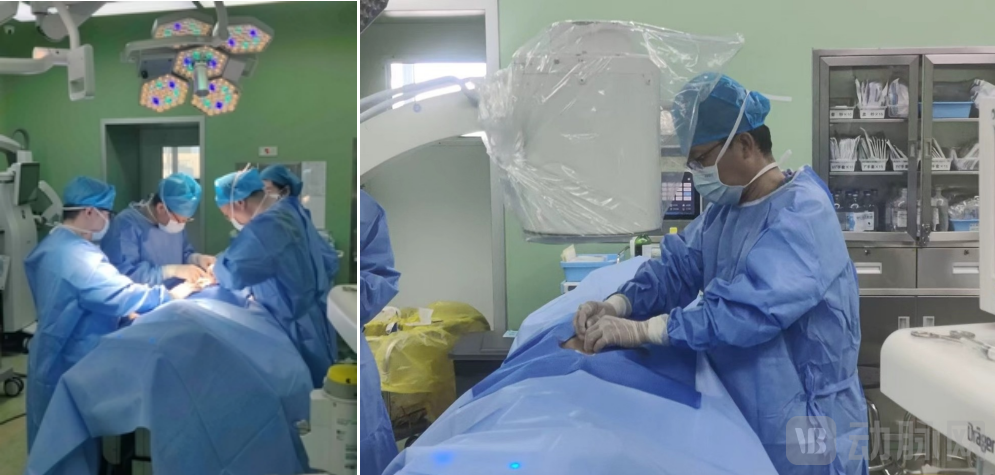
While advancing the R&D and industrialization of the implantable wireless SCS system, the company has further extended its wireless power transfer technology to the field of peripheral nerve stimulation (PNS). The product design has been finalized, and type testing as well as registration clinical trials are being carried out in an orderly manner.
From a global market perspective, the PNS market is still in the early stage of development with broad market potential. Restricted by volume and structural form, conventional IPG products can hardly fully meet PNS requirements for miniaturized, flexible implants and flexible implantation approaches. Wireless power transfer solutions have emerged as a key technological development direction in this field.
In terms of product positioning, PNS and SCS feature differentiated and complementary positioning. On the one hand, PNS can treat craniofacial pain which is difficult to address with SCS, further expanding the anatomical coverage of neuromodulation therapy. On the other hand, for focal pain in the trunk and extremities innervated by a single peripheral nerve, PNS enables precise stimulation directly targeting the target nerve, boasting advantages such as minimal implantation trauma and lower surgical risks. With coordinated deployment of the two product lines, tailored treatment can be delivered based on pain location, nerve innervation characteristics and clinical demands, providing more precise and systematic neuromodulation solutions for patients suffering from chronic intractable pain.
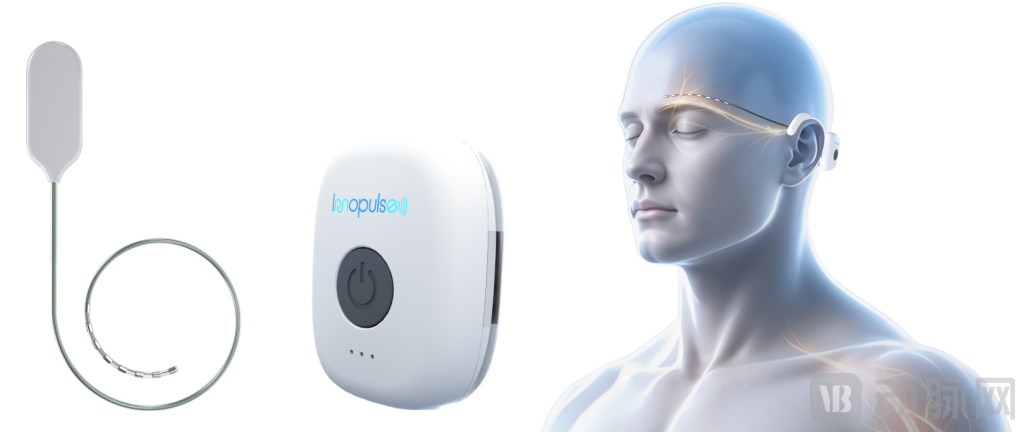
Leadinno Medical Valley PNS Products
In addition, the company is actively developing closed-loop SCS products. It explores ways to objectively characterize pain status and its variations by analyzing spinal cord electrophysiological signals, and dynamically optimize stimulation parameters accordingly. This drives the upgrade of SCS from conventional fixed stimulation to an innovative closed-loop therapy mode integrating pain sensing, intelligent decision-making and adaptive regulation.
From the perspective of underlying technical logic, the essence of closed-loop neuromodulation is "sensing neural signals + delivering precise stimulation," which shares the same technological core as brain-computer interfaces (BCIs). Leveraging years of accumulated expertise in wireless power transfer, implantable chips, and closed-loop control, Leadinno Medical Valley is extending its core technological capabilities from neuromodulation further into the field of brain-computer interfaces — The company is also evolving from a neuromodulation enterprise into a brain-computer interface (BCI) company.
This evolution is first reflected in the landscape of external collaborations: Leadinno Medical Valley has established partnerships with brain-computer interface companies within the industry, completing its product layout in two major directions. The first is closed-loop spinal cord stimulation technology based on EEG for promoting awakening in patients with disorders of consciousness; the second is closed-loop deep brain stimulation technology applied to the precise treatment of epilepsy.
Its most landmark initiative is the wireless brain-spinal interface (wBSI) project.
As a key application direction of brain-computer interfaces in the field of motor function reconstruction, the brain-spine interface establishes a "digital neural bridge" that bypasses the injury site by implanting neural interfaces in both the brain and the spinal cord. This technology decodes patients' motor intentions and transmits control signals to segments below the level of spinal cord injury, offering a new technological pathway for the approximately 20 million spinal cord injury patients worldwide to restore motor functions such as standing and walking.
At present, Leadinno Medical Valley is collaborating with Xuanwu Hospital, Capital Medical University and Beijing Frontier Institute of Brain-Computer Interface to develop the world's first wireless brain-spinal interface system. The institute was officially inaugurated at the Brain-Computer Interface Innovation and Development Forum of the Annual Conference of Zhongguancun Forum in March 2026. Led by Xuanwu Hospital, with President Zhao Guoguang acting as chief scientist, it is settled in Jinghai Industrial Park, Beijing Economic and Technological Development Area. Leadinno Medical Valley was one of the first three enterprises that signed cooperation agreements on the day of the institute's inauguration.
Leveraging the company's wireless power transfer and self-developed chip platform, this wBSI system eliminates the need for an implanted internal battery, features miniaturized implants and minimally invasive surgery. While reducing surgical trauma, it improves the stability of electroencephalogram signal acquisition as well as the safety and accessibility for long-term application.
In addition to implantable products, Leadinno Medical Valley is also positioning itself in the non-invasive neuromodulation market. Compared with implantable devices, non-invasive neuromodulation offers advantages such as being surgery-free and having broader application scenarios, holding promise for further expansion into out-of-hospital health management and chronic disease management settings.
Currently, the company is exploring applications of non-invasive neuromodulation products targeting chronic pain, neuroimmune diseases, metabolic disorders and other areas. Ranging from implantable SCS and PNS to closed-loop neuromodulation, and further to brain-computer interfaces and non-invasive neuromodulation, Leadinno Medical Valley is building a neurotechnology product matrix covering "treatment-rehabilitation-human-machine interaction".
The completion of this financing round, exceeding RMB 200 million, not only signifies capital market recognition of its technological pathway and industrial potential, but also marks Leadinno Medical Valley's accelerated transition from R&D to large-scale clinical translation.
In the future, as neuromodulation technologies continue to achieve breakthroughs and the brain-computer interface (BCI) industry progressively moves toward clinical applications, companies possessing foundational technology platforms and product commercialization capabilities will inevitably occupy a more prominent position in this emerging sector.