Medtronic and DASI Simulations Forge Strategic Alliance to Revolutionize TAVR with AI-Powered Digital Twin Technology

Medtronic
Medical Device Manufacturer
DasiSimulations
Preoperative Calculation Prediction Model Provider
Heart Future
October 21, 2025Global Medical Technology GiantMedtronic(Medtronic, NYSE: MDT) and AI healthcare innovation enterpriseDASI Simulations Reach Strategic Cooperation, WillAI Predictive Modeling and "Digital Twin" TechnologyIntroducing TAVR Pre-Planning: Leveraging Device-Neutral, Data-Driven Precision Insights to Address Clinical Pain Points.
This collaboration not only ushers in a new era of personalized TAVR diagnosis and treatment but also drives the deep integration of AI technology in the cardiovascular healthcare field, bringing safer and more efficient new treatment hope to patients with aortic valve stenosis.
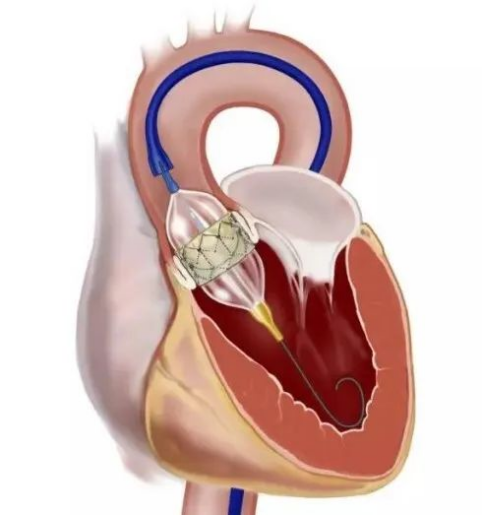
Compared with traditional open-chest surgery,Transcatheter Aortic Valve Replacement (TAVR)With the advantage of minimally invasive techniques, elderly and high-risk patients who cannot tolerate major surgeries have been given treatment opportunities.
However,TAVR The success of the surgery highly depends on the precise evaluation and planning of the patient's cardiac anatomy before the operation: Traditional preoperative planning relies on manual interpretation by doctors.CT Relying on imaging and experience to select valve models is not only time-consuming and labor-intensive but also prone to errors due to individual anatomical differences, which can lead to complications such as leaflet thrombosis and coronary artery obstruction, and may even require secondary intervention.
At this critical moment when this clinical pain point is in urgent need of resolution, Medtronic andAI Medical Innovation EnterprisesDASI Simulations The strategic cooperation has brought breakthrough solutions to the industry.
Both parties jointly promoteAIPredictive Modeling and "Digital Twin" Technology inTAVR Application in preoperative planning, providing personalized treatment decision support for doctors with device-neutral, data-driven clinical insights.
This collaboration not only marksTAVR The treatment has officially entered a new era of "precision and personalization," and has become even more...AI An Important Milestone in the Technological Reconstruction of Cardiovascular Medical Processes.
AsDASI Co-founder andCTO Lakshmi Dasi As mentioned: "We are moving from traditional treatments that rely on statistical average data to precision medicine based on the real individual characteristics of patients, which will completely change the treatment methods for structural heart disease."
# Industry Pain Points
——TraditionalTAVR SurgeryPrevious Planning BureauLimited to Clinical Dilemmas
(1) Clinical Challenges in the Treatment of Aortic Stenosis
The core issue of aortic valve stenosis lies in valve calcification and narrowing, which obstructs cardiac blood ejection. Over time, it can lead to heart failure, arrhythmia, or even sudden death.
TAVR The surgery involves delivering an artificial valve to the lesion site via a catheter to replace the original stenotic valve, but the surgical difficulty is extremely high:Each patient's cardiac anatomy (e.g., aortic valve annulus diameter, degree of leaflet calcification, coronary ostium position) varies significantly. If preoperative planning is inappropriate, various severe complications may occur.:
Valve Size Mismatch:Causing valve displacement and paravalvular leakage, affecting cardiac function;
Coronary Artery Obstruction:After artificial valve implantation, the coronary artery opening may be compressed, leading to acute myocardial infarction;
Leaflet Thrombosis:Postoperative thrombosis on the valve surface may lead to valve dysfunction, requiring long-term anticoagulation therapy;
Risk of Secondary Intervention:Approximately10%-15% Patients who require reoperation for adjustment or replacement of the valve due to preoperative planning errors not only incur increased medical costs but also face a higher risk of mortality.
(II) Technical Bottlenecks of Traditional Preoperative Planning
Currently adopted in clinical practiceTAVR Preoperative planning methods mainly rely on manual measurements by doctors.CT Anatomical parameters in the images (such as annulus diameter, sinus height), combined with prior surgical experience to select the valve model.
This approach has three major core limitations:
Large human error:Manual measurements are affected by the doctor's experience and the angle of image interpretation; the measurement results for the same patient may vary.10%-15%, making it difficult to precisely match the valve;
Unpredictable Dynamic Risks:Traditional methods can only assess static anatomical structures, unable to simulate the dynamic interaction between the valve and cardiac tissue during surgery, let alone predict postoperative complications (such as the probability of coronary artery obstruction).
Inefficient Workflow:A doctor completes a caseTAVR Preoperative planning takes an average of2-3 Hours, if encountering complex anatomical structures, can take up to5 Hours, making it difficult to meet the clinical demand for efficient diagnosis and treatment.
(III) The Medical Industry'sAI The Urgent Need for Technology
WithTAVR The popularity of surgery has made the clinical demand for "precise and personalized" preoperative planning tools increasingly urgent.
The ideal preoperative planning tool needs to have three major capabilities:First, accurately restore the patient's individual anatomical structure; second, simulate various surgical scenarios to predict risks; third, quickly generate actionable decision-making recommendations.
AndAI Driven predictive modeling and digital twin technology can precisely fill this gap ——By integrating massive patient dataCT Imaging data, surgical outcome data,AI The model can learn the association rules between anatomical structures and complications, generating "personalized surgical simulation plans" for each patient., which also becomes Medtronic andDASI The core driving force of cooperation.
# Strategic Cooperation
——Medtronic,DASI Powerful Combination,AI Crack Clinical Challenges
(1) Background of Cooperation: Global Medical Giant andAIComplementary Advantages of Innovative Enterprises
MedtronicAs a global leading medical technology company, it has profound accumulation in the field of structural heart disease:TAVR Product Line CoversEvolut Series Valves (includingEvolut Pro、Evolut FX Models, etc.), suitable for patients with different anatomical structures, with a global cumulative implant volume exceeding300 Ten thousand cases, accounting for globalTAVR Market40% The above share.
But Medtronic is well aware that high-quality valve products alone cannot fully address the pain points of preoperative planning —— collaboration is needed.AI Technical Enterprise, Building "Products+ Integrated solution for "technology".
DASI Simulations isAI DriveTAVR A leader in the field of preoperative planning, whose core team comes from top institutions such as Ohio State University and Georgia Institute of Technology, with deep expertise in cardiovascular biomechanics.AI Modeling Field10 Years.
2023Year6Month,DASI The first productPrecision TAVR AI ModelObtainFDA Approval, becoming a leader in the industryThe First to Pass Regulatory CertificationTAVR Preoperative Prediction Modeling Tool。This milestone breakthrough was achieved in just...14 months to complete (much shorter than the industry average3-5 years of the approval cycle), fully verifying the innovation and safety of its technology.
This cooperation,Medtronic will leverage its global clinical channels,TAVR Product Ecosystem and Doctor Resources, DrivingDASI AI Clinical popularity of the platform;DASI Therefore, itsFDA Approved predictive modeling technology for MedtronicTAVR Treatment Plan Injects "Precision" Core, Both parties form "hardware products+ The synergistic effect of "software technology" jointly provides clinically neutral, data-driven diagnostic and therapeutic tools.
(II) Cooperation Objective: BuildTAVRThe Full-process System of Precision Treatment
The two parties explicitly put forward three major cooperation goals, aiming to promote the treatment of structural heart disease."Data-Driven" Transformation:
Optimize Patient Outcomes:ThroughAI Preoperative planning, reduceTAVR Incidence of postoperative complications (e.g., leaflet thrombosis, coronary artery obstruction), reducing the need for secondary interventions and improving patients' long-term survival rates;
Improving Clinical Efficiency:Reduce preoperative planning time from traditional2-3 Hours shortened to30 Within minutes, reduce the workload of doctors and allow the cardiac team to focus on surgical operations and patient care;
Establishing Personalized Treatment Standards:Based on massive patient data, validationAI The clinical value of the simulation program drives the industry to shift from "standardized treatment" to "patient-specific treatment," forming new clinical guidelines.
AsVice President and General Manager of Structural Heart Disease Business, Cardiovascular Division, MedtronicJorie Soskin As stated: "TAVR The future lies in providing patient-specific, data-driven care that covers the entire patient journey — from therapy awareness, surgical planning to postoperative management. Our collaboration will make this future a reality, helping cardiac teams make more confident and personalized decisions."
# Core Product
——DASI AI Preoperative Planning Platform,Digital Twin Technology ReshapesTAVRPlanning Process
(1) Product Positioning:FDA Approved "Digital Surgical Sandtable"
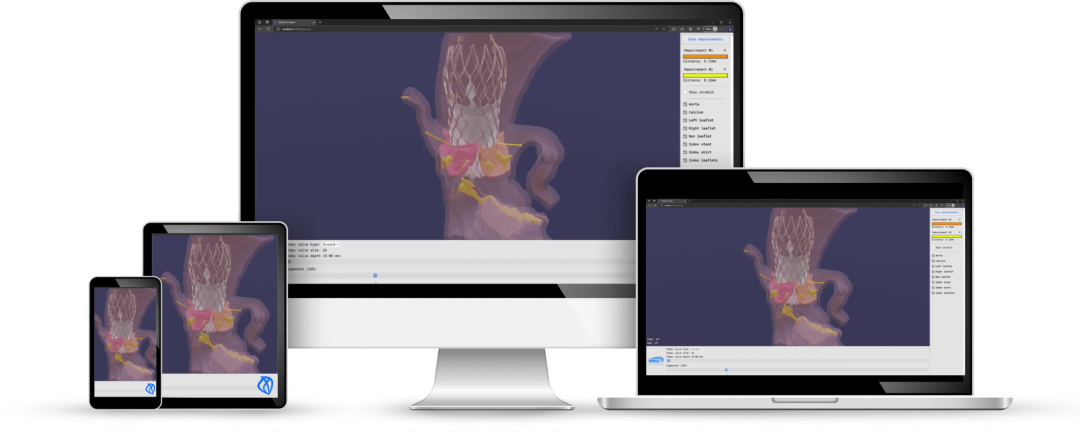
DASI ThePrecision TAVR The platform is the world's first to obtainFDA ApprovedAI DriveTAVR Preoperative predictive modeling tools, which essentially provide doctors with"Digital Surgical Sandtable"—— By creating patient-specific digital twin models of the heart, simulating various surgical scenarios, predicting risks, and optimizing solutions.
The platform has been validated by authoritative academic journals such as the Journal of Thoracic and Cardiovascular Surgery, with an accuracy rate of predicting complications reaching85% The above is significantly higher than traditional manual assessment.60%。
(II) Core Technology: FromCT Full-process Analysis from Imaging to Personalized Solutions
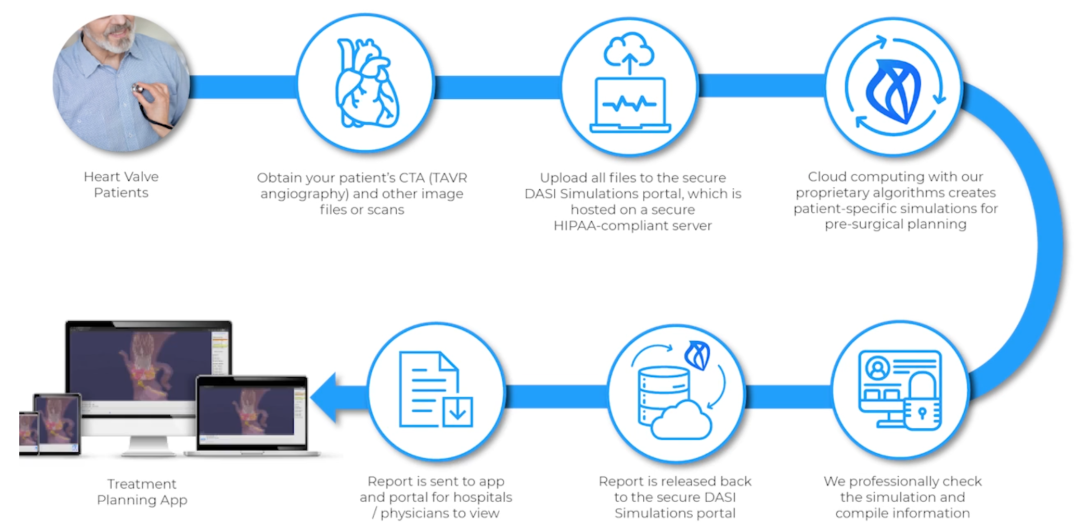
Precision TAVI The platform's workflow is divided into four major steps, achieving full automation and precision throughout the process:
1. Data Input: Upload PatientCT Imaging, Building the Foundation of Digital Twin
DoctorOnly requires the patient's heartCT Angiography (CTA) Image uploaded toDASI Cloud platform, no manual parameter annotation required. PlatformAI The algorithm will automatically segmentCT Cardiac structures in the image (including the aortic valve annulus, leaflets, coronary artery ostia, left ventricular outflow tract, etc.), generated1:1 Proportional 3D Digital Twin Model —— This step only requires10Minute, and segmentationAccuracy rate reaches98%Above`, far exceeding manual segmentation`90%。
2. AI Simulation: Multi-scenario surgical prediction, assessment of complication risks
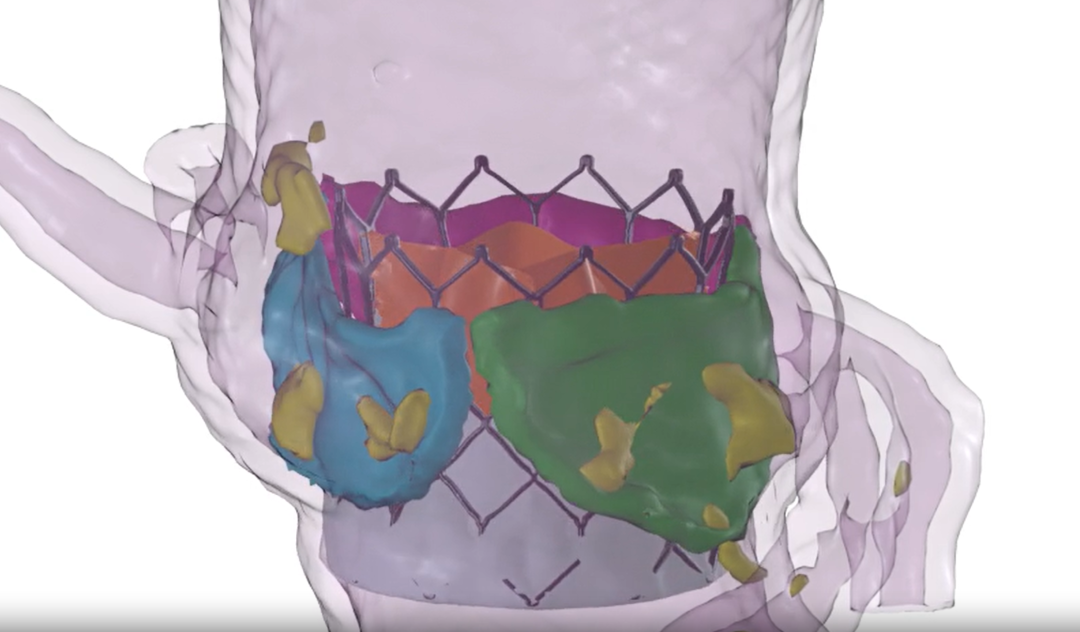
CloudAI The platform will simulate multiple scenarios based on the patient's digital twin model.TAVR Surgical Scenarios (including the implantation effects of artificial valves from different brands and models), core simulation content includes:
Matching of the Valve to Anatomical Structures:Predict the position after valve implantation, the degree of paravalvular leakage, and recommend the most suitable valve model;
Complication Risk Prediction:Through machine learning algorithms (integrating global super10 10,000 CasesTAVR Surgical outcome data), predict the probability of postoperative complications such as leaflet thrombosis, coronary artery obstruction, and left ventricular outflow tract obstruction, and annotate risk points (e.g., the minimum distance between the coronary ostium and the valve);
Long-term Effect Simulation:Based on biomechanical models, predict postoperative1 Year,3 The valve function status over the years provides a basis for long-term patient management.
For example, for patients with a lower coronary artery opening, the platform will simulate the compression after implanting different valves. If it predicts that a certain valve leads to a coronary artery blockage risk exceeding...15%, that option will be automatically excluded, and a more suitable low-cost option will be recommended.- profile Valve.
3. Report Generation: Data-Driven Decision Recommendations, Supporting Team Collaboration
AI After the simulation is completed, the platform will generate an interactive report, including:
Anatomical Parameters Report:Automatically output key parameters such as annulus diameter, sinus height, and calcification volume, with an error of less than0.5mm;
Risk Assessment Report:Display the risk probabilities of various complications with visual charts, and label high-risk factors (e.g., severe calcification, irregular annulus);
Recommended Solution Report:Based on the simulation results, it is recommended1-2 The optimal valve model and implantation pathway, and explain the reasons for the recommendation.
This report supports the online collaboration of the heart team (interventional cardiologists, cardiac surgeons, radiologists) to discuss plans together and avoid deviations caused by the experience of a single doctor.
4. Quality Assurance: Full support from engineers to ensure the reliability of the solution.
DASI High-quality biomedical engineers will review eachAI The report conducts quality checks to confirm the digital twin model withCT Consistency of images, reasonableness of simulation results. In complex cases (e.g., severe leaflet calcification, congenital anatomical abnormalities), engineers will24Communicate with the cardiac team within hours, adjust the simulation parameters, and ensure the safety and feasibility of the plan —— This "AI+"Artificial" dual protection mechanism enhances the clinical reliability of the platform to99%。
(III) Technical Advantages: Four Core Features, Surpassing Traditional Planning Tools
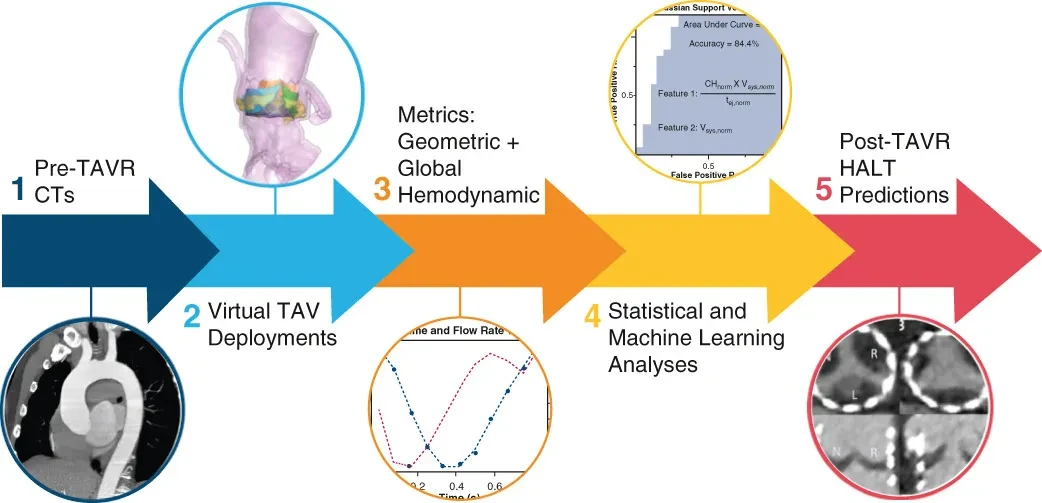
Compared with traditional manual planning and other preoperative planning tools,Precision TAVI The platform has 4 irreplaceable advantages:
IndividualSexTransformation:Fully modeled based on the patient's actual anatomical structure, rather than relying on"Average anatomical data" to ensure the scheme adapts to individual differences;
Predictability:Not only evaluates static anatomical parameters, but also dynamically simulates the surgical process and long-term postoperative outcomes, predicting potential risks that traditional methods cannot detect.
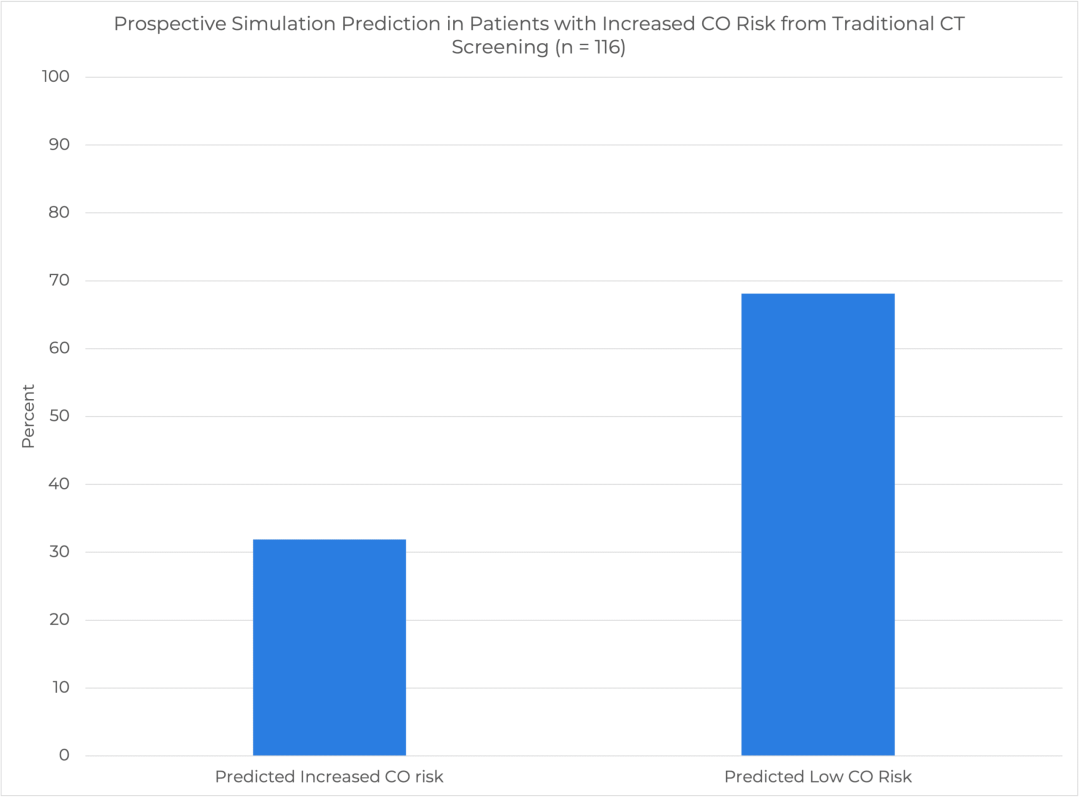
▲Compared with traditional CT screening methods (n=116), the prospective predictability of coronary artery obstruction is higher, and there are no coronary artery obstruction events.
Accuracy:The accuracy and repeatability of fully automatic measurements far exceed those of manual methods, with errors in multiple measurements of the same patient being less than0.3mm;
Device Neutrality:Supports simulation of mainstream brands on the marketTAVR Valve (including MedtronicEvolut Series, EdwardsSapien Series, etc.), not tied to specific products, providing doctors with unbiased decision support.
AsDASI Founder andCEO Teri Sirset As stated: "Our innovative approach paves the way for personalized computer simulations in the field of cardiac valves — it serves not a specific device but the health and lives of patients, assisting doctors in selecting the most suitable treatment plan, regardless of the device brand."
# Analysis of the Strengths of Both Cooperating Parties
——Medtronic's Global Layout andDASIThe Gene of Innovation
(1) Medtronic: The global leader in medical technology, deeply engaged in the field of structural heart disease
Medtronic was founded in1949 Year, one of the largest medical technology companies globally, with businesses covering multiple fields such as cardiovascular, neuroscience, diabetes, etc.,2024 Global revenue exceeded in year300 Billion US dollars.
In the field of structural heart disease, MedtronicTAVR Business occupies a leading position globally:
Product Ecosystem Completion:Evolut The series of valves adopt a self-expanding design, suitable for patients with different anatomical structures, including high-risk, medium-risk, and low-risk populations, meeting the treatment needs throughout the entire course of the disease;
Rich clinical data:Evolut The clinical research of the series of valves covers ultra-10 Ten thousand patients,5 Annual survival rate reached85% The above provides doctors with sufficient evidence-based medical support;
Wide global reach:Product Coverage160 Multiple countries and regions, worldwide2000 Multiple heart centers have established cooperation, with the capability to promoteAI The ability of technology to spread rapidly.
Medtronic this time withDASI The cooperation is an important implementation of its "patient-centered" strategy —— by integratingAI Technology, extending product advantages to the preoperative planning stage, creating a "full-process solution," further solidifying its leadership position in the field of structural heart disease.
(II)DASI Simulations:AI Pioneers in Medical Innovation, Rewriting Industry Standards with Technological Breakthroughs
DASI Simulations Founded in2018 Year, its technology originated from The Ohio State UniversityLakshmi Dasi The research achievements of the doctoral team were subsequently optimized through cooperation with institutions such as the Georgia Institute of Technology, Emory University, and Piedmont Atlanta Hospital.AI Model.
The core competitiveness of the company is reflected in three major aspects:
High Technical Barriers:Own15 ItemAI Predictive modeling and digital twin-related patents, whose algorithms are industry-leading in terms of complication prediction accuracy and simulation speed;
Fast regulatory certification:First ProductPrecision TAVI Only use14 months to obtainFDA Approval, demonstrating strongregulatory Capabilities, laying the foundation for subsequent product launches;
Deep Clinical Collaboration:Has cooperated with the United States50Multiple top cardiac centers (such as Cleveland Clinic, Mayo Clinic) have established collaborations, accumulating massive real-world data for continuous optimization.AI Model.
DASI The mission is “ThroughAI "Technology ensures every heart surgery is precise and safe." The team consists of biomedical engineers, data scientists, and cardiologists, with "technical development capabilities."+ The dual capability of "clinical implementation" — this is also the core reason why Medtronic chose to cooperate with them.
# Future Outlook
——FromTAVR To fully structural heart disease, initiateAI Driving a New Era of Medicine
(1) Short-term goal: Validate clinical value, promote widespread adoption in the U.S. market
Future1-2 Year, Medtronic andDASI Will focus on two key initiatives: one across the United States100 Home Heart Center Conducts Multicenter Clinical Research to Further ValidateAI The role of preoperative planning in improving patient outcomes provides evidence for inclusion in clinical guidelines; secondly, optimize platform functions by adding a "postoperative follow-up simulation" module, throughAI Predict postoperative valve function changes in patients to guide personalized anticoagulation treatment plans.
At the same time, both parties plan to provide full support for the cooperation center: Medtronic will send structural heart disease experts to conduct training and help doctors become familiar withAI Platform Usage;DASI Providing24 Hourly technical support to ensure stable platform operation —— Expected to2025 At the end of the year, the United States50% The aboveTAVR The surgery will adoptDASI AI The platform performs preoperative planning.
(II) Medium-term Planning: Expand Indications, Layout Global Market
InTAVR After achieving success in the field, both parties plan toAI The technology extends to other fields of structural heart disease treatment, including:
Transcatheter Mitral Valve Replacement (TMVR):For patients with mitral regurgitation, develop exclusiveAI Preoperative Planning Model;
Interventional Treatment for Congenital Heart Disease:Provide personalized simulation solutions for cardiac defect closure procedures in pediatric and adolescent patients;
Valve Repair:Simulation of Transcatheter Mitral Valve Repair (e.g.MitraClip)'s effect, predict the improvement of postoperative reflux.
In terms of market layout, Medtronic will leverage its global channels to promoteDASI AI Platform enters major markets in Europe, Asia — first in the EUCE Certification, followed by entry into Asian countries such as China and Japan, is expected to reach...2027 Year, Global70% The above-mentioned large cardiac centers will adopt this platform.
(III) Long-term Vision: Building Structural Heart Disease"Data Ecosystem" Driving Industry Transformation
Medtronic andDASI The ultimate goal is to build a coverage system “Prevention-Diagnosis-Treatment-"Follow-up" Full-process Data Ecosystem for Structural Heart Disease: ThroughAI The platform integrates patients' imaging data, surgical data, and postoperative follow-up data to form the world's largest database of structural heart disease; based on this database, more accurate predictive models are developed (such as preoperative prediction of patient response to...TAVR The response rate), and even promote "predictive treatment" - taking intervention measures before complications occur.
AsLakshmi Dasi As the doctor said: "Our ultimate ideal is to letAI "Becoming a 'capable assistant' to cardiologists not only helps doctors make better decisions but also, through data accumulation, drives technological advancement and standard upgrades across the entire industry, ensuring that every patient with structural heart disease receives the most suitable treatment for themselves."
# Conclusion
——AIDeep Integration with Healthcare, Safeguarding Health
Medtronic andDASI Simulations The strategic cooperation is not only a strong alliance between enterprises, but also...AI A model of deep integration between technology and the healthcare industry.

From the traditional manual planning driven by "experience" toAI "Data-Driven" Platform,TAVR The transformation of preoperative planning reflects the precision trend in the cardiovascular medical field —— under this trend, technology is no longer a cold tool, but a "bridge" connecting doctors and patients, making surgeries safer and patients more reassured through personalized solutions.
For patients with aortic stenosis, this technology means"Less pain, higher survival rate, better quality of life";
For doctors, it means"More efficient work, more confident decision-making, more focused diagnosis and treatment";
For the entire medical industry, it means"Lower costs, better resource allocation, and more advanced treatment standards"。
WithAI With the continuous iteration of technology and the deepening of clinical applications, we have reason to believe that the future treatment of structural heart disease willMore intelligent, more precise, more humanized—— And MedtronicDASIThe collaboration is precisely the "pioneer" of this future, injecting continuous innovative momentum into the global cardiovascular health cause and safeguarding every healthy heartbeat.

GCC2025


Cardiovascular Device Full Disease Solution


Statement

Content Declaration:"Heart Future" tracks global medical technology advancements, aiming to disseminate technical and industry knowledge. All content is for industry exchange and academic discussion only, and does not constitute medical advice or commercial promotion. Information regarding companies, products, and registration mentioned in the text is sourced from publicly available materials or verified channels. If there are any errors or omissions, please contact us for corrections. Email: jacky@suribot.com
Copyright Statement:The original article "Heart Future" is copyrighted by Beijing Siyu Bot Technology Co., Ltd. Without authorization, it is prohibited to reproduce, excerpt, or mirror the content on other websites, official accounts, or commercial platforms; for reproduction, please contact the backend to obtain authorization. This platform reserves the right to pursue legal responsibility for unauthorized full-text reproduction, rewriting, or paraphrasing.