"Guidewire Fenestration + Cerebral Protection Innovation": Prof. Huang Jinqi's Team Treats Complex Thoracic Aortic Aneurysm with LSA Involvement Using Novel Fenestrated Thoracic Stent Graft and Custom Cerebral Embolic Protection Device

Percutek Therapeutics
Developer of Minimally Invasive Cardiovascular Treatment Devices

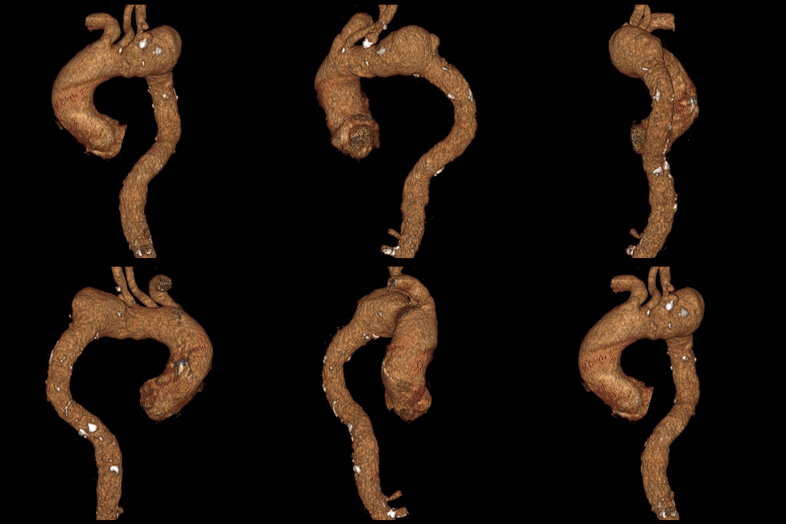
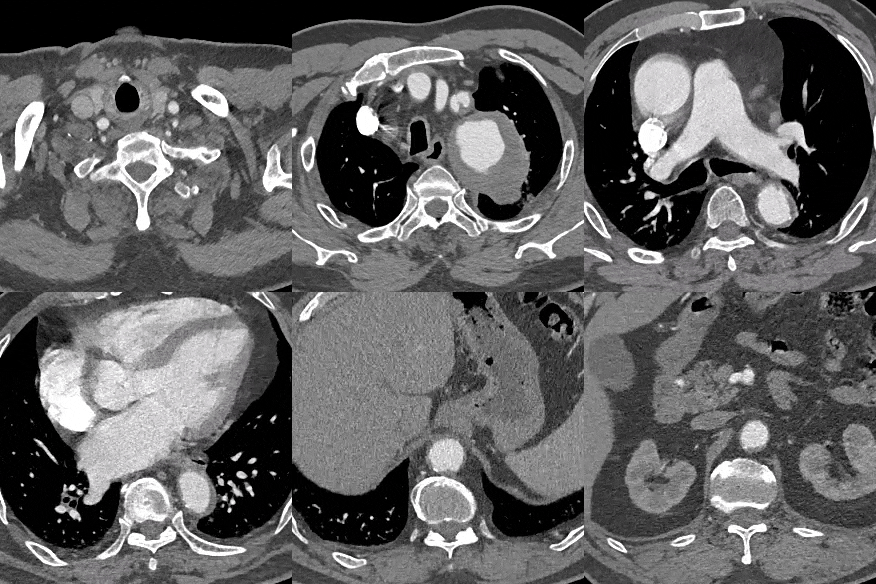



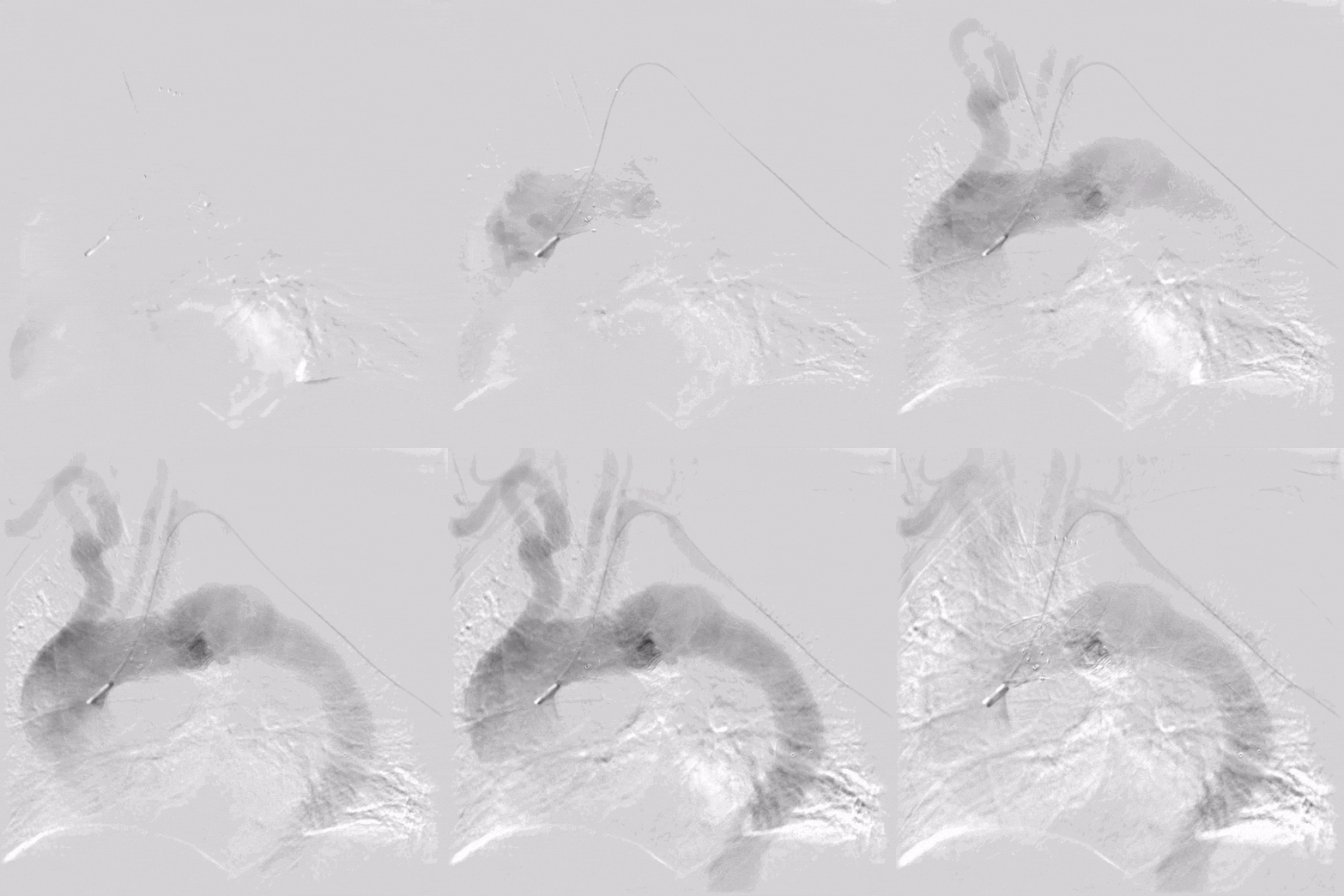
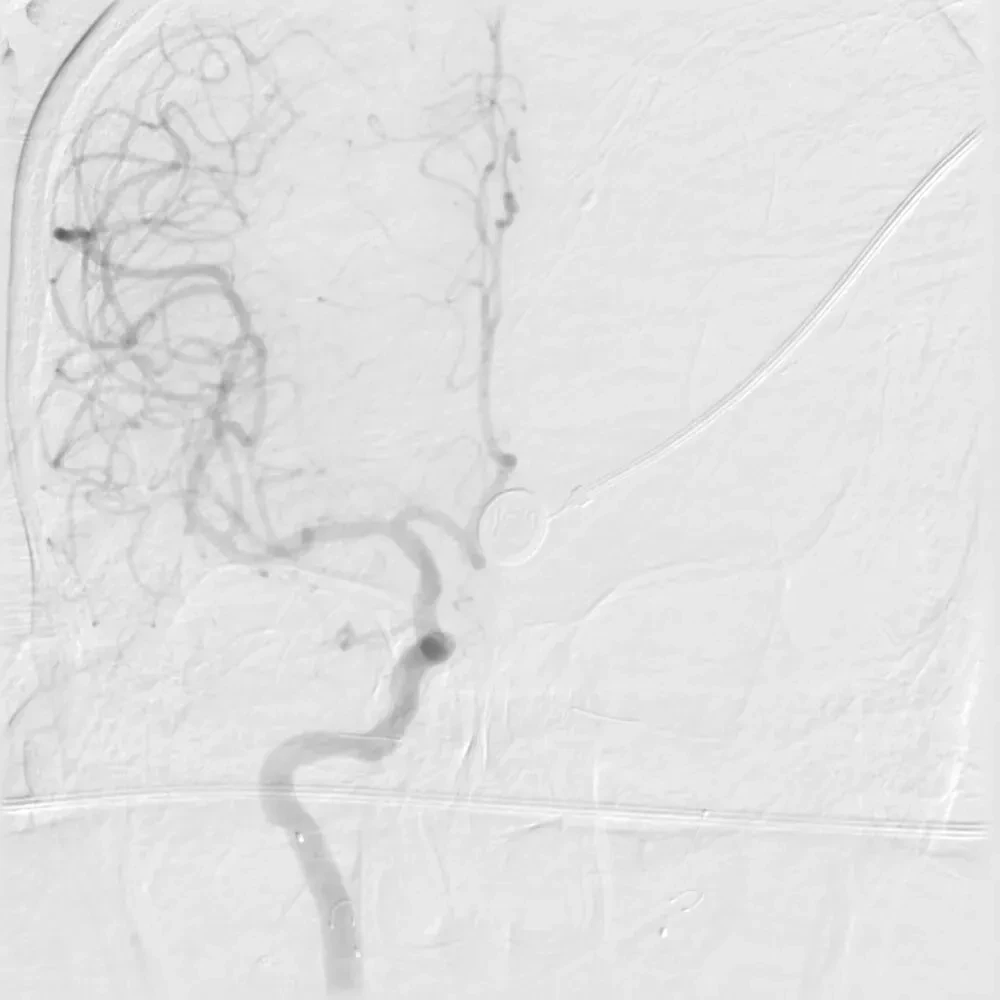
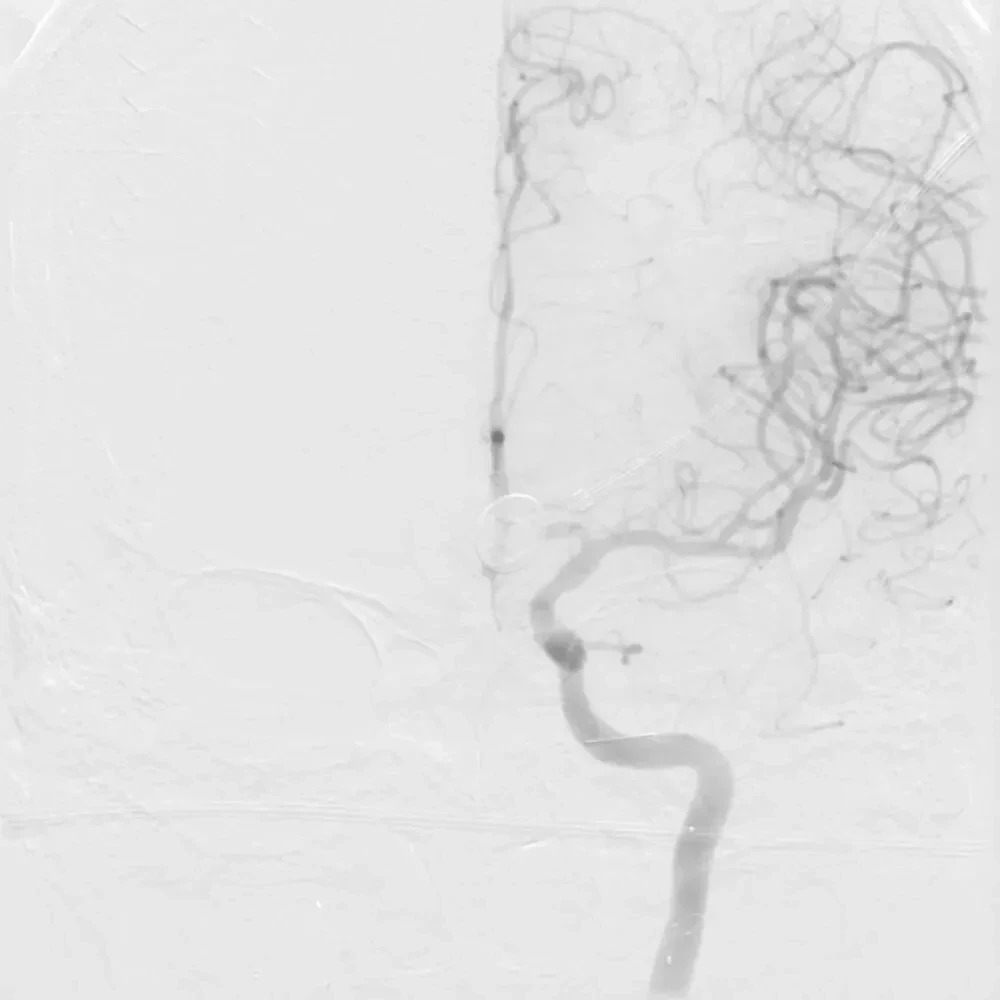

Comparison between 11 days post-operation and pre-operation
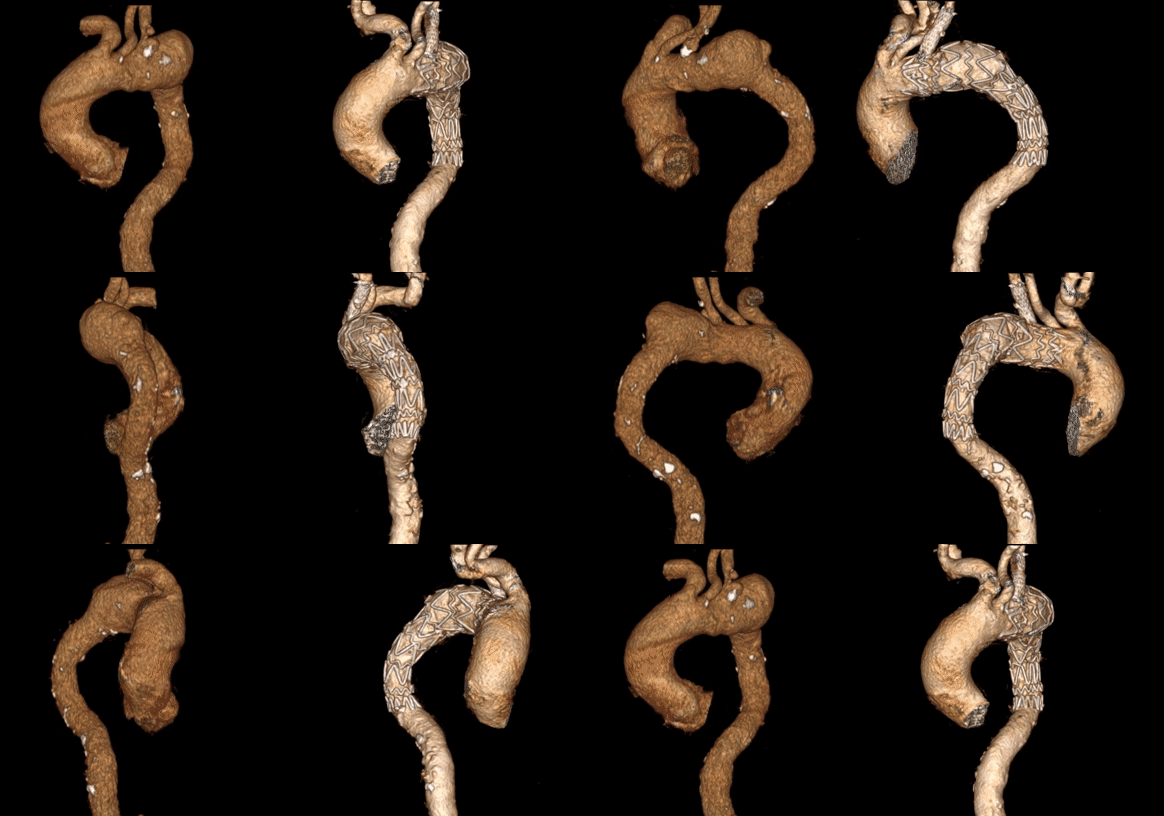
Preoperative/Postoperative 3D Reconstruction Comparison
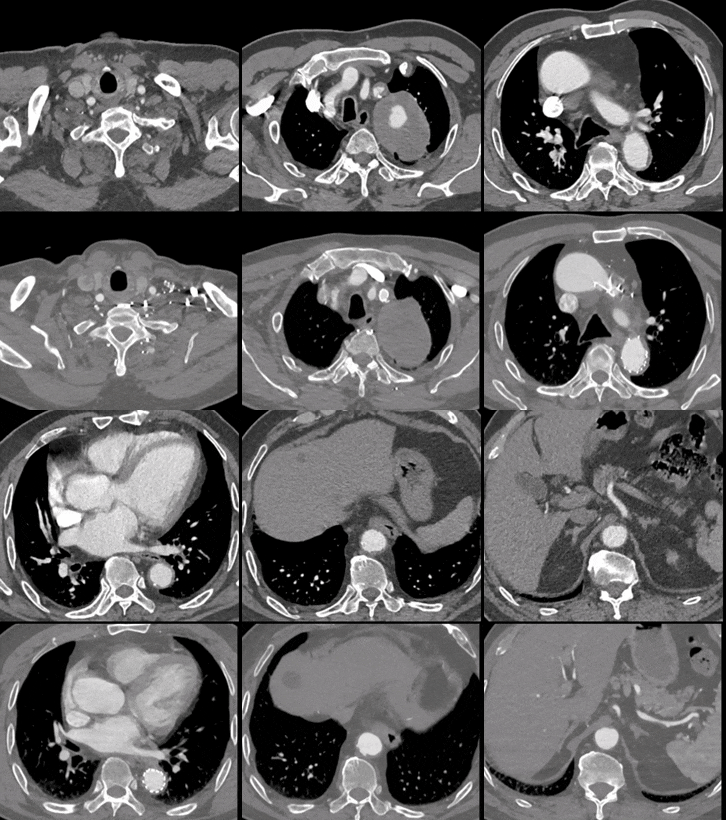
Preoperative/Postoperative CTA Axial Comparison
Postoperative review showed good recovery, with smooth blood flow in all branches, no signs of cerebral infarction or cerebral ischemia, complete isolation of the aortic aneurysm, LSA dissection, and ulcerative lesions, no endoleak, and the stent was in good position and shape.

Summary of Case Experience
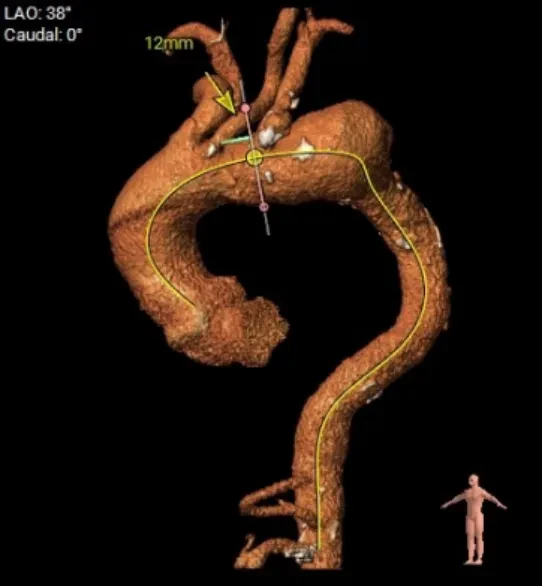
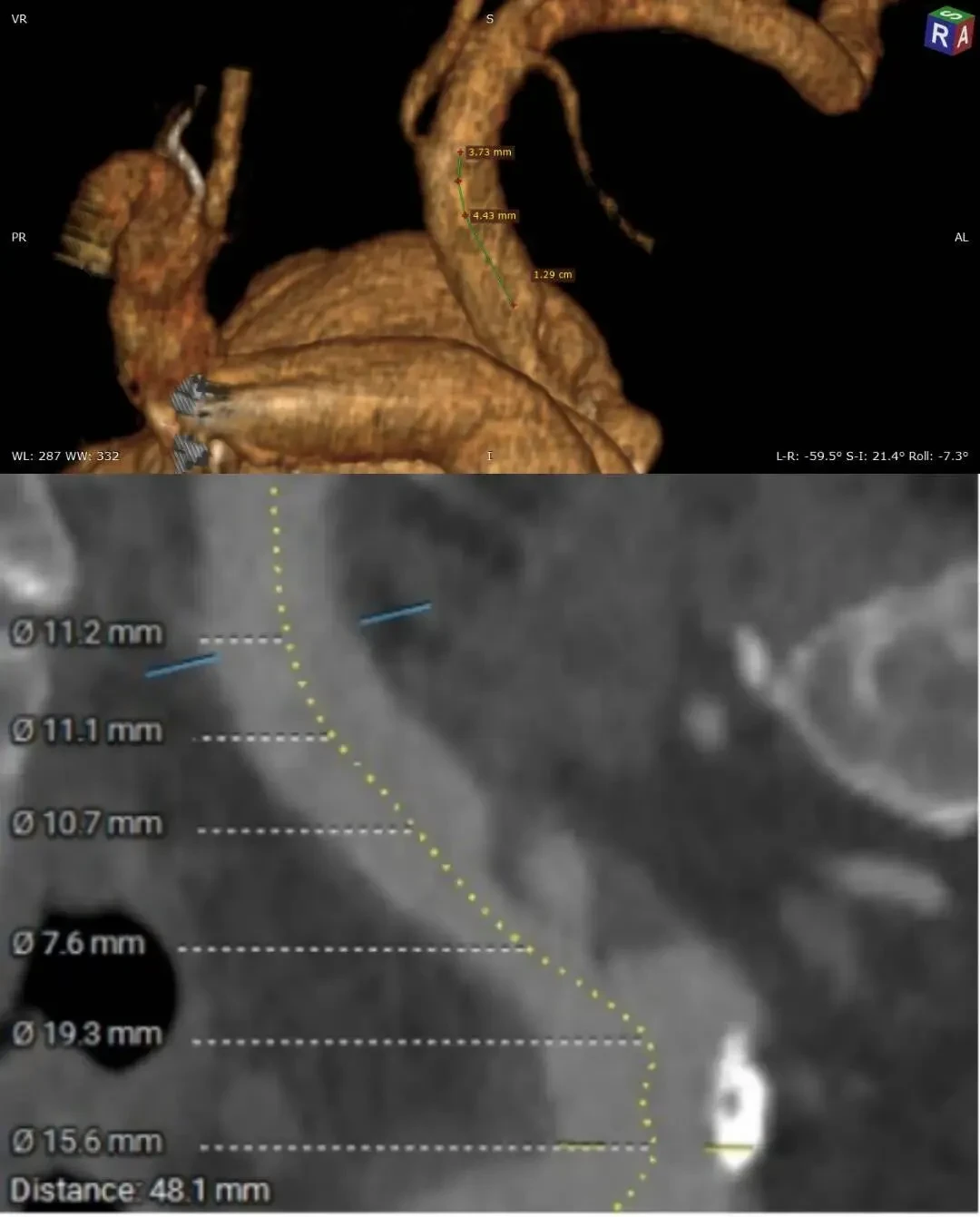
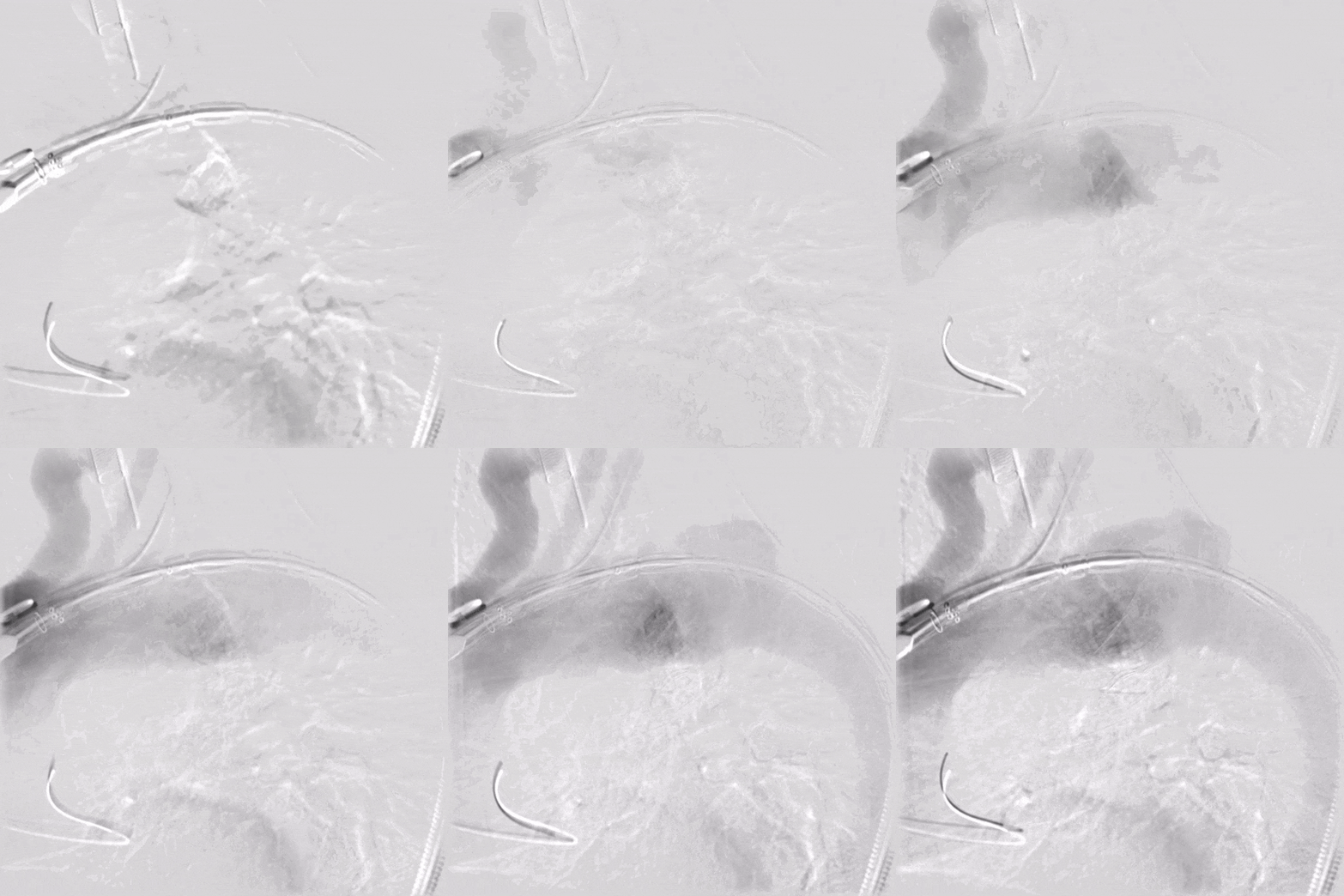
This is a case of an elderly patient with a thoracic aortic aneurysm accompanied by a proximal ulcer near the LSA and a localized dissection. The proximal end of the thoracic aortic aneurysm has extended to the root of the LSA, resulting in insufficient length of the proximal anchoring zone. Therefore, it is necessary to perform supra-arch branch reconstruction of the LSA and occlude the diseased area of the LSA.
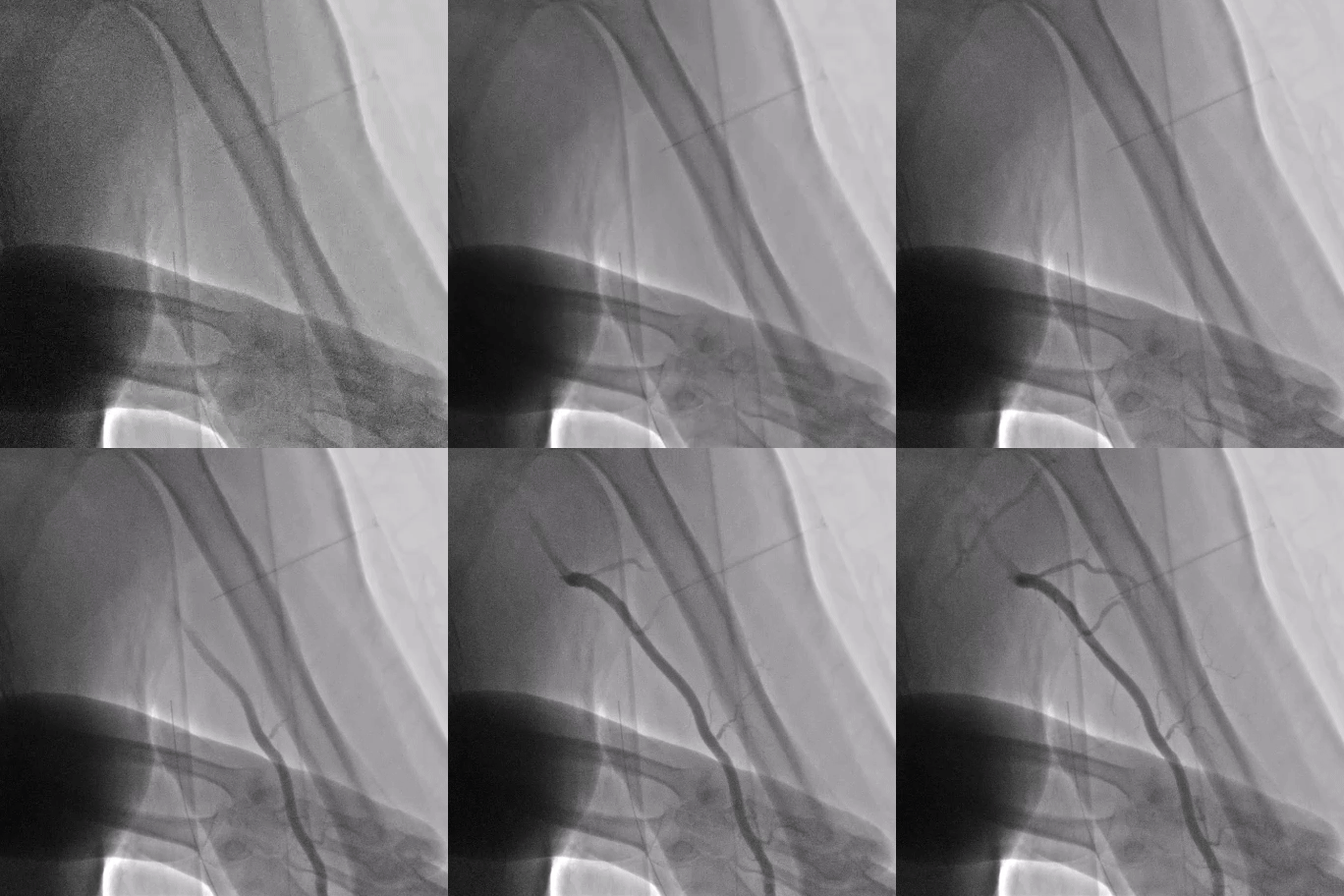
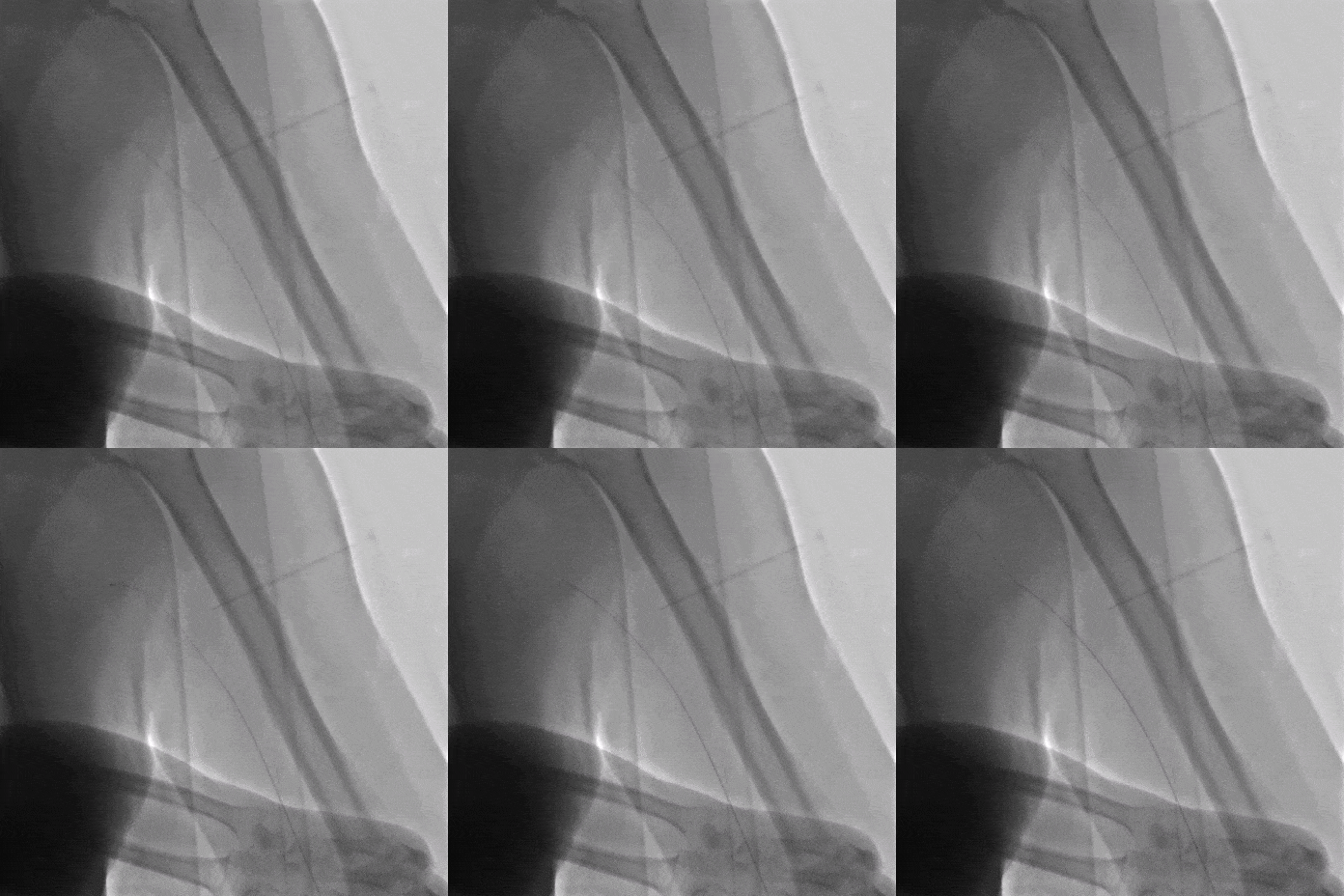
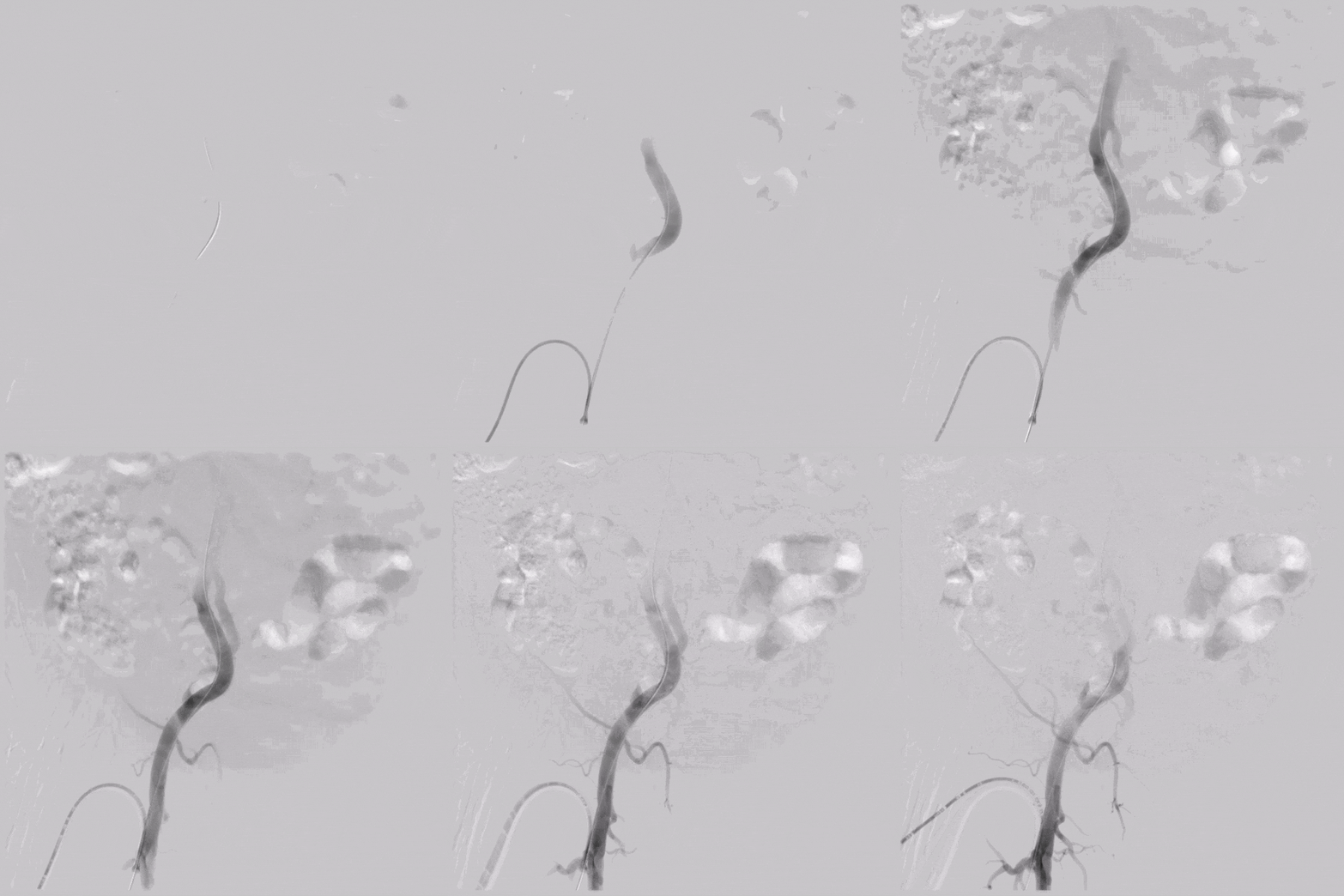
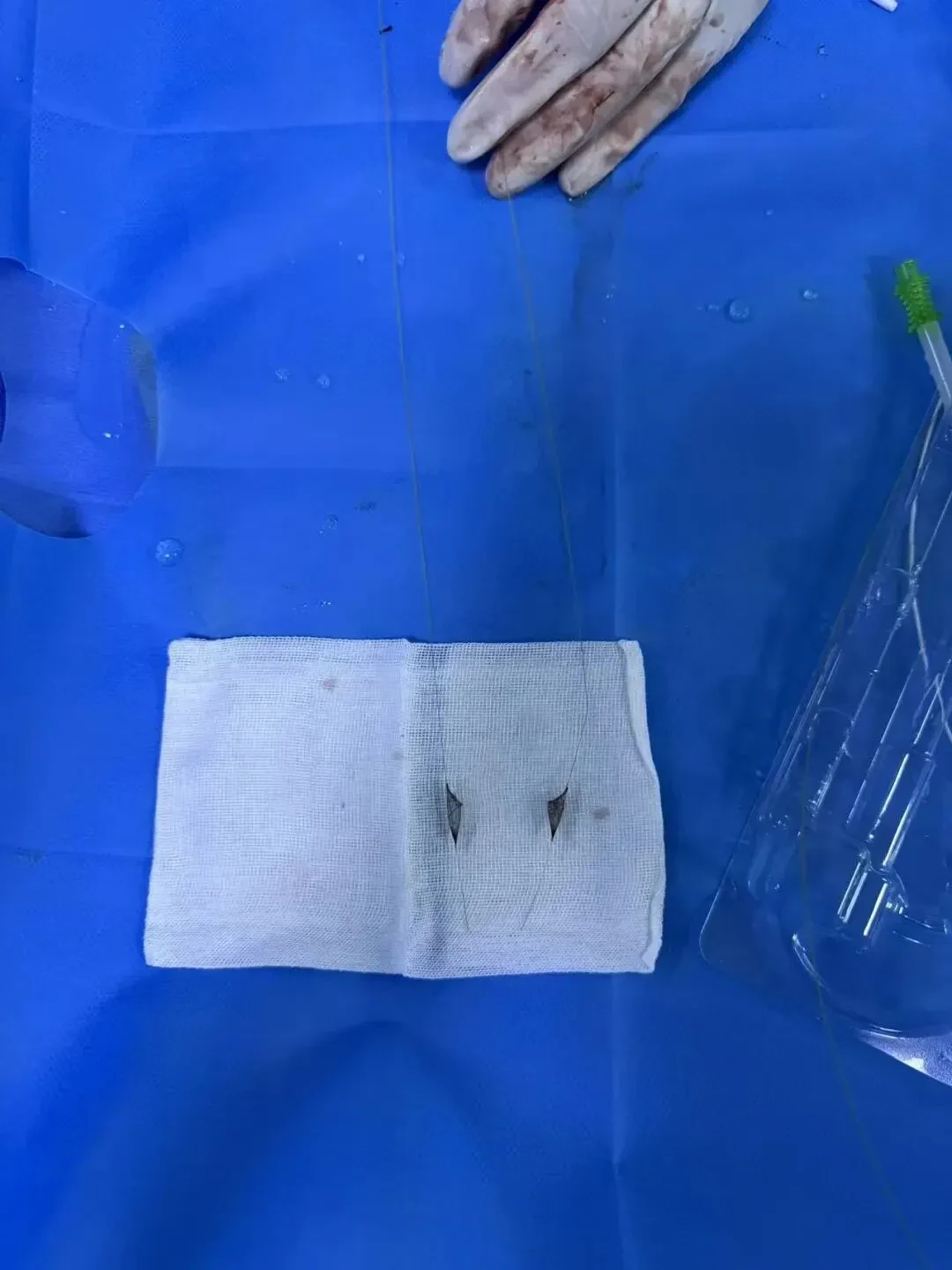
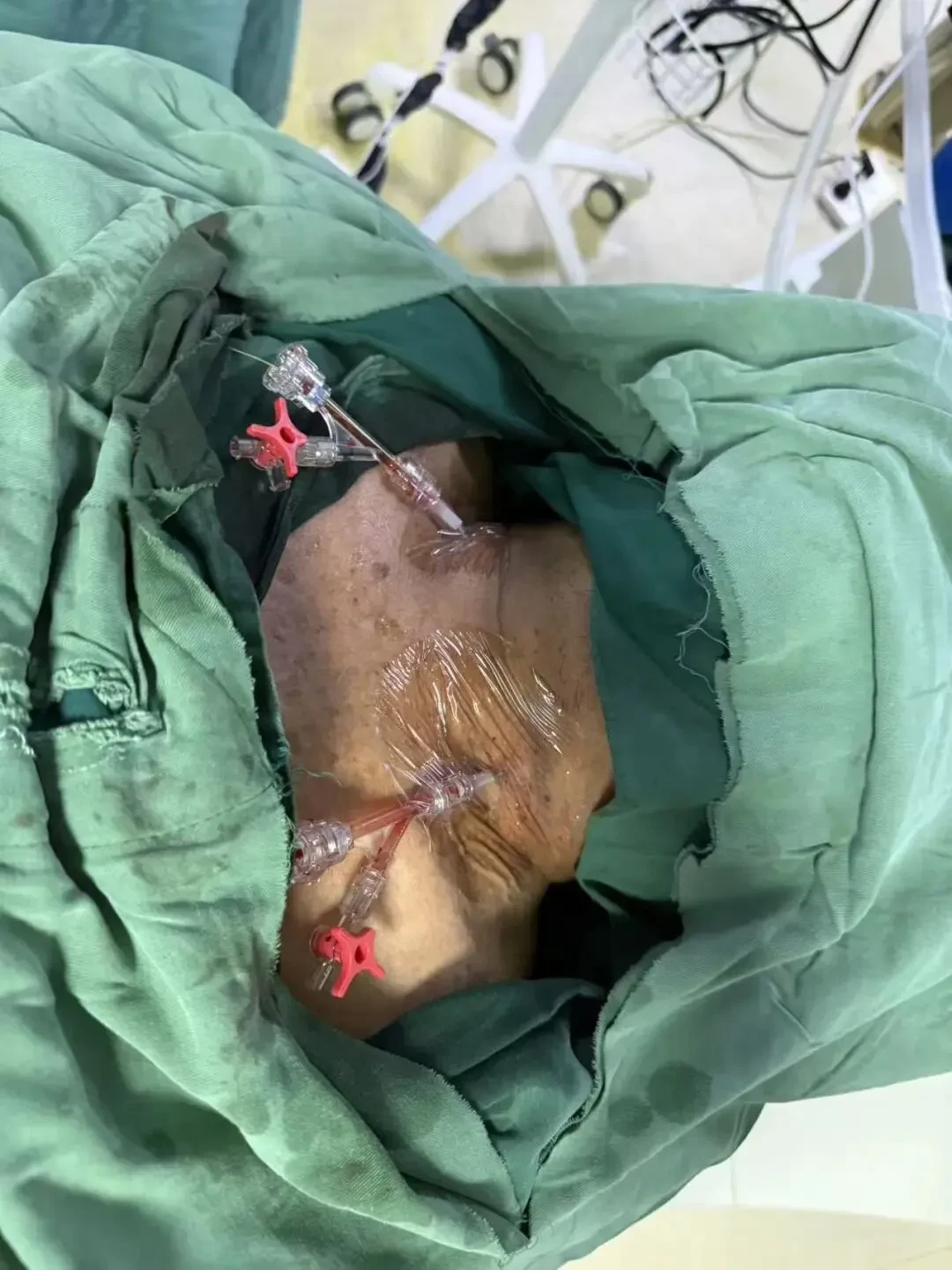
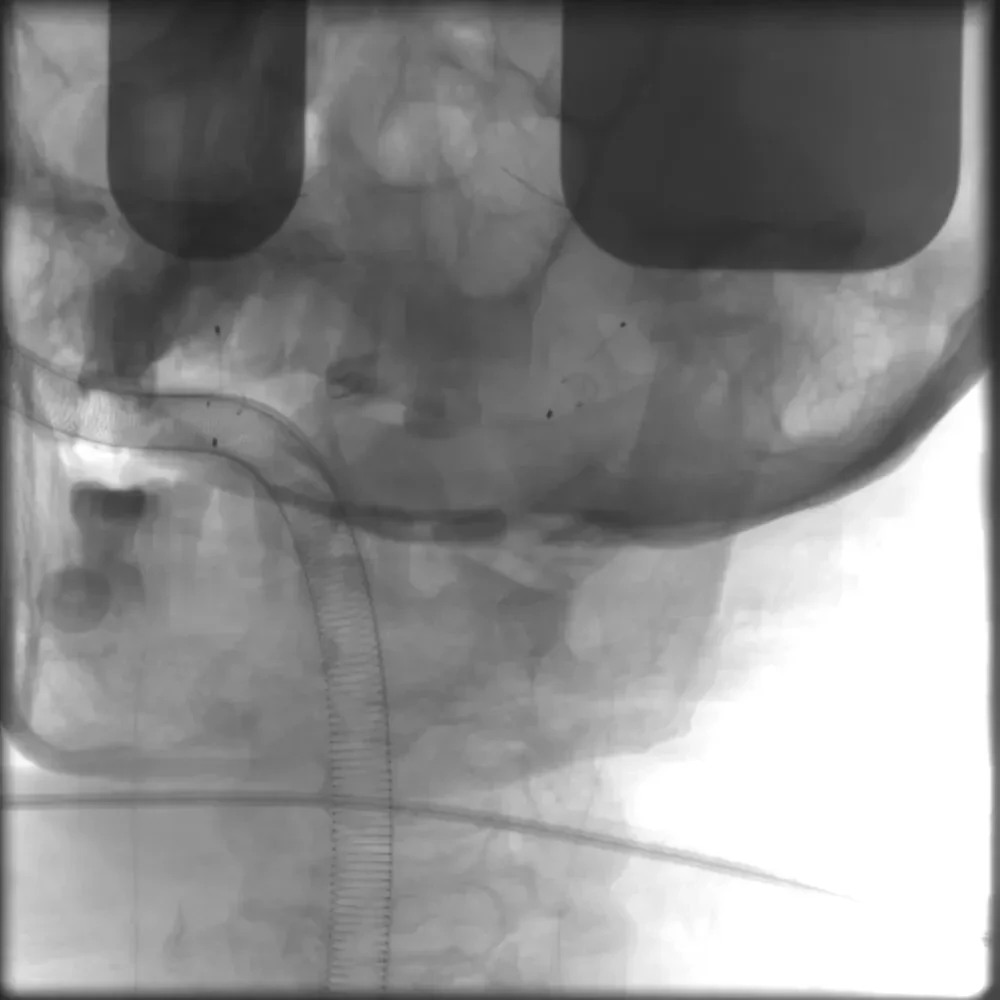
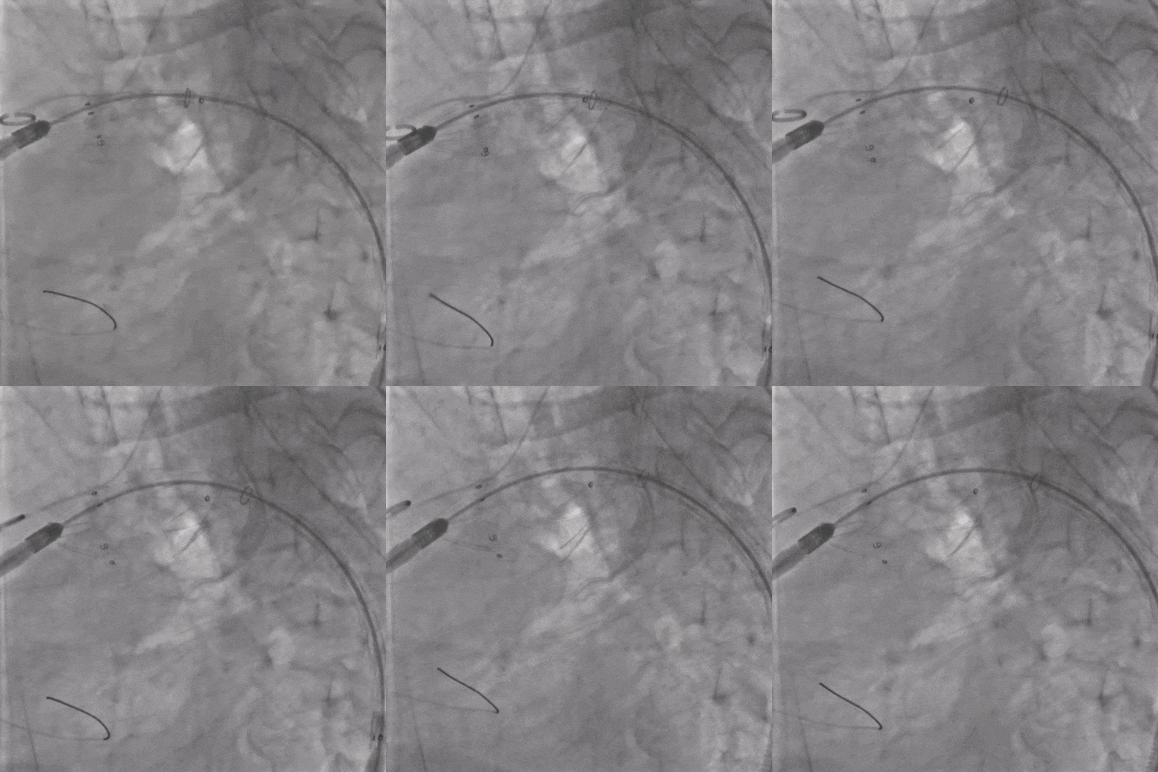
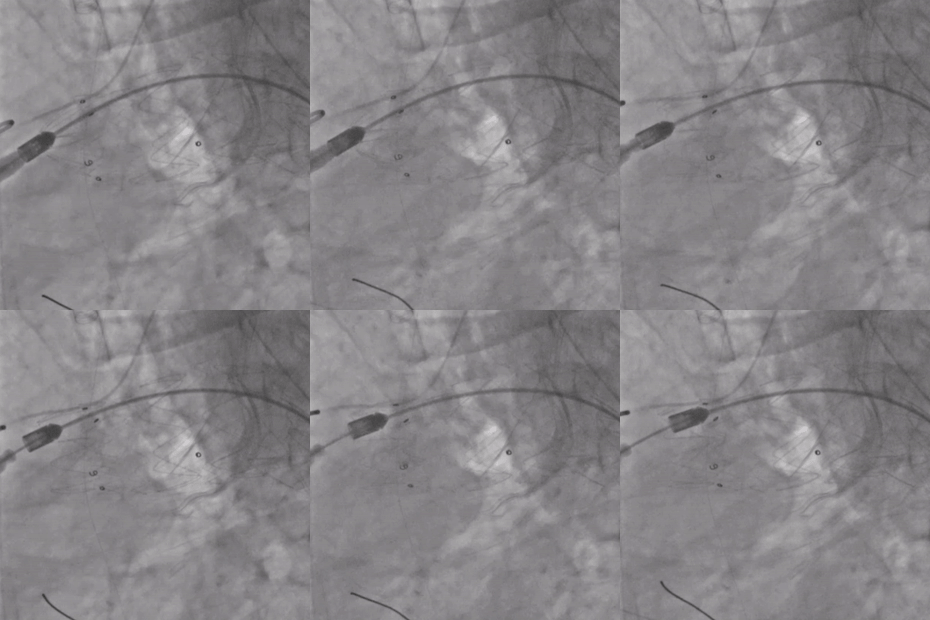
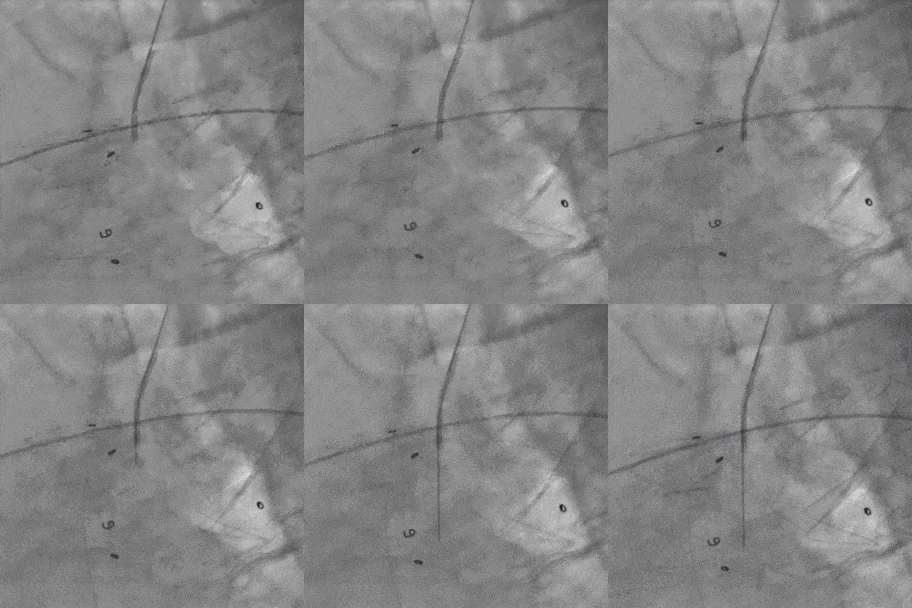
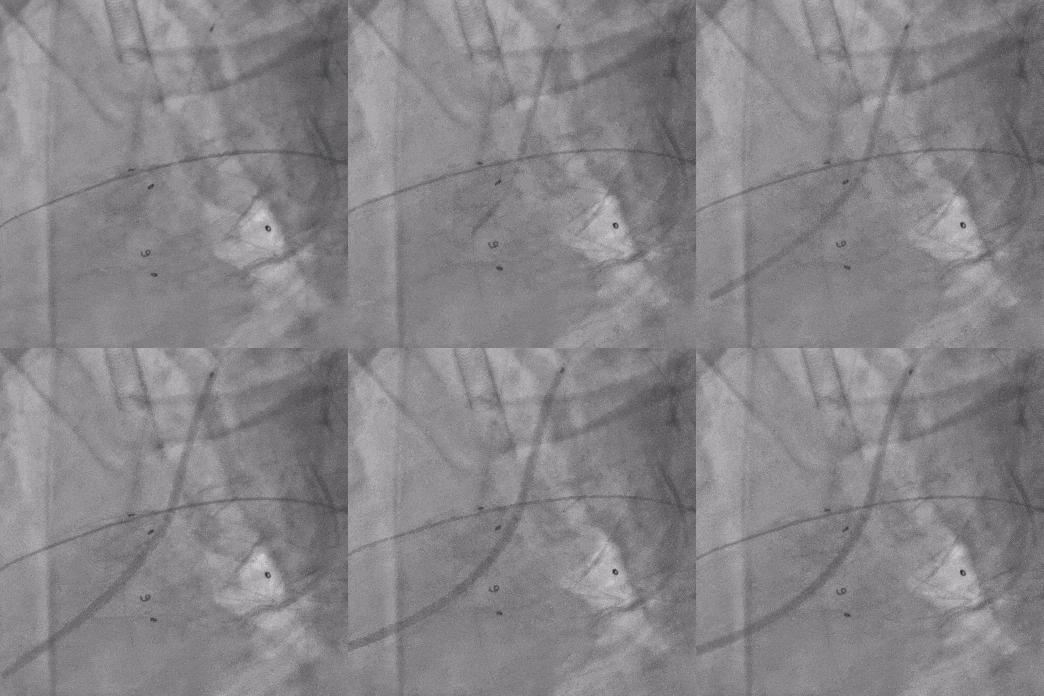
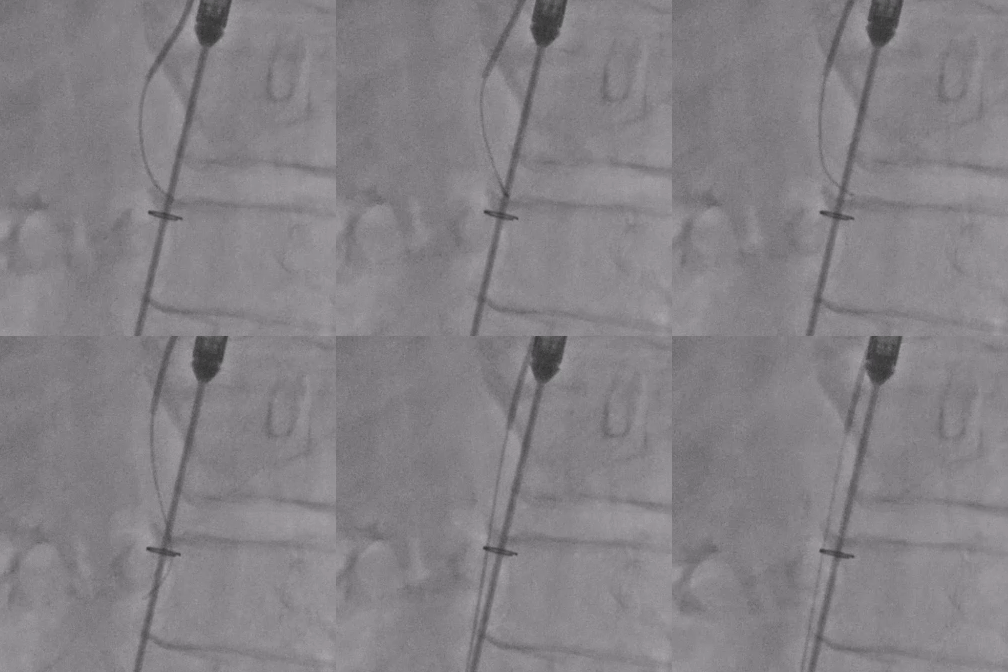
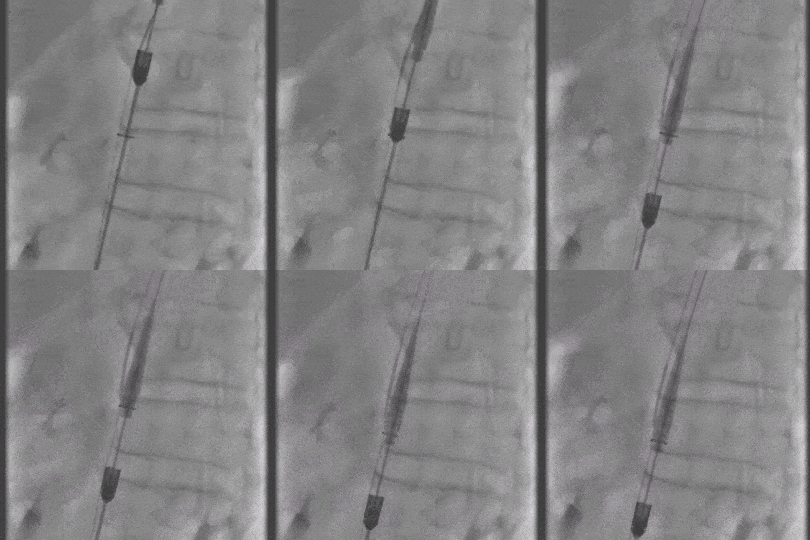
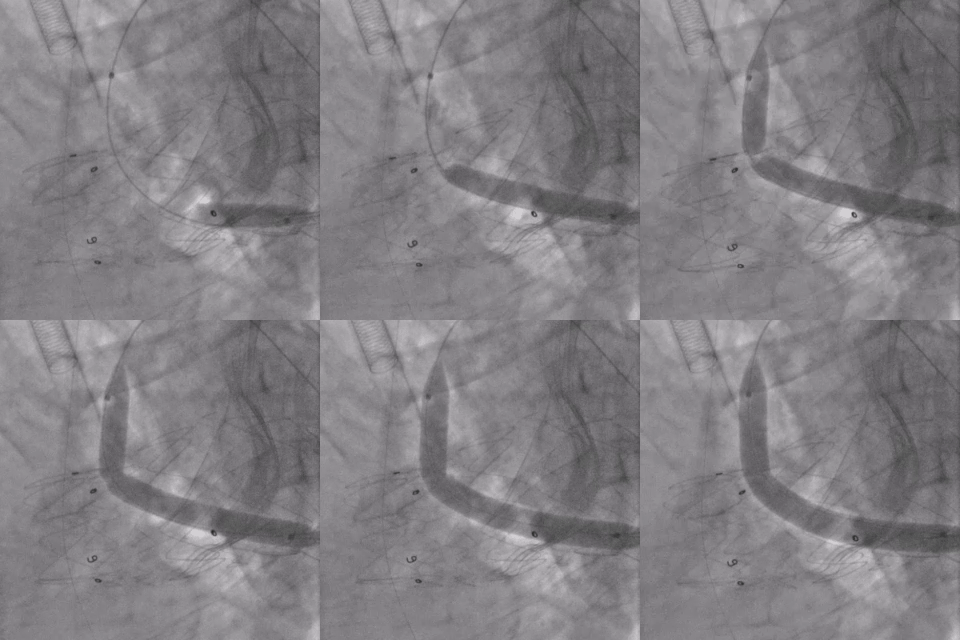
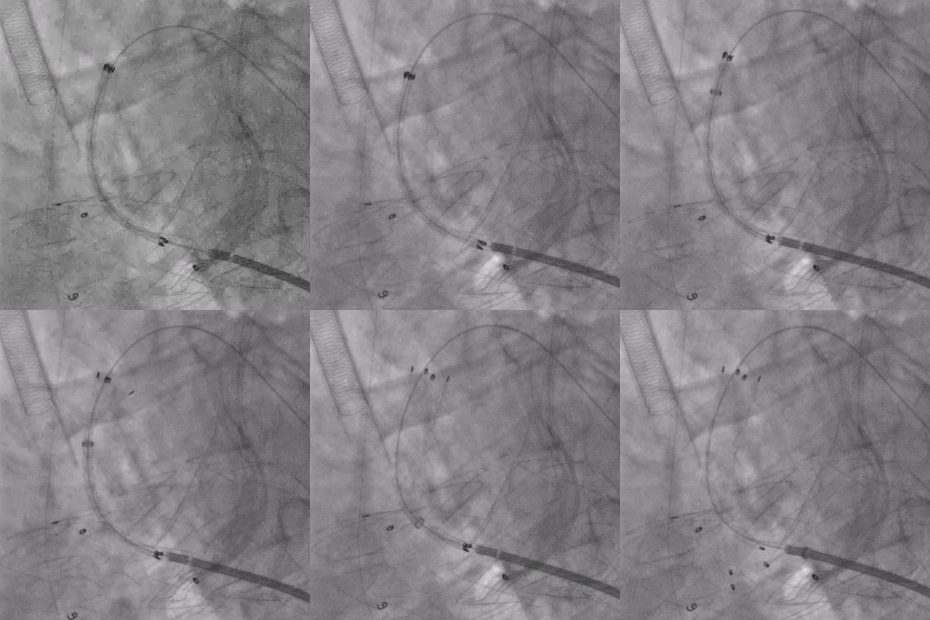
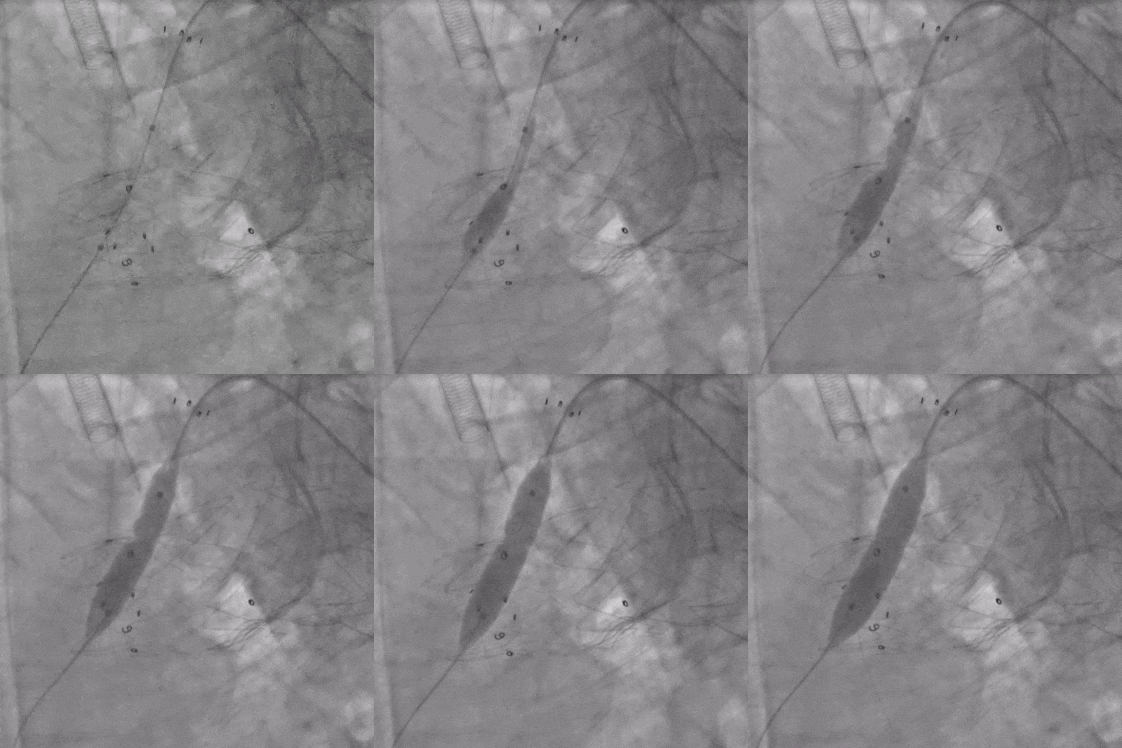
After thorough and meticulous analysis and careful consideration, Professor Huangjin Qi's team ultimately decided to adoptPercutek Therapeutics New Technology Thoracic Aortic Stent GraftPerform surgical treatment. During the surgical procedure, the team relied on their superb technical skills,Successfully completed the puncture and in-situ fenestration of the thoracic aortic stent graft using only a 250T guidewire.Percutek Therapeutics' new technology thoracic aortic stent graft is easy to penetrate and expand, with simple and safe balloon expansion operations, allowing for efficient arch reconstruction of the LSA. Meanwhile, during balloon expansion and branch stent implantation,Through the traction technique, it is inserted from the femoral artery, reducing the damage to the brachial artery and avoiding the risks caused by vascular injury.. More notably, the teamInnovatively Apply Self-made Improved Cerebral Embolism Protection Device, which played an important role during the operation,Minimizes the risk of severe complications such as cerebral embolism caused by surgical procedures, strongly safeguarding the patient's life.。
Postoperative imaging examinations showed significant closure of the lesion, smooth blood flow in each branch above the aortic arch, good stent morphology, no signs of cerebral infarction or cerebral ischemia, and no complications such as endoleaks. This indicates that the surgical plan was successfully implemented.The actual surgical outcome was highly consistent with the preoperative expectations.`, providing valuable clinical experience and reference cases for the treatment of such complex lesions.`

Expert Introduction
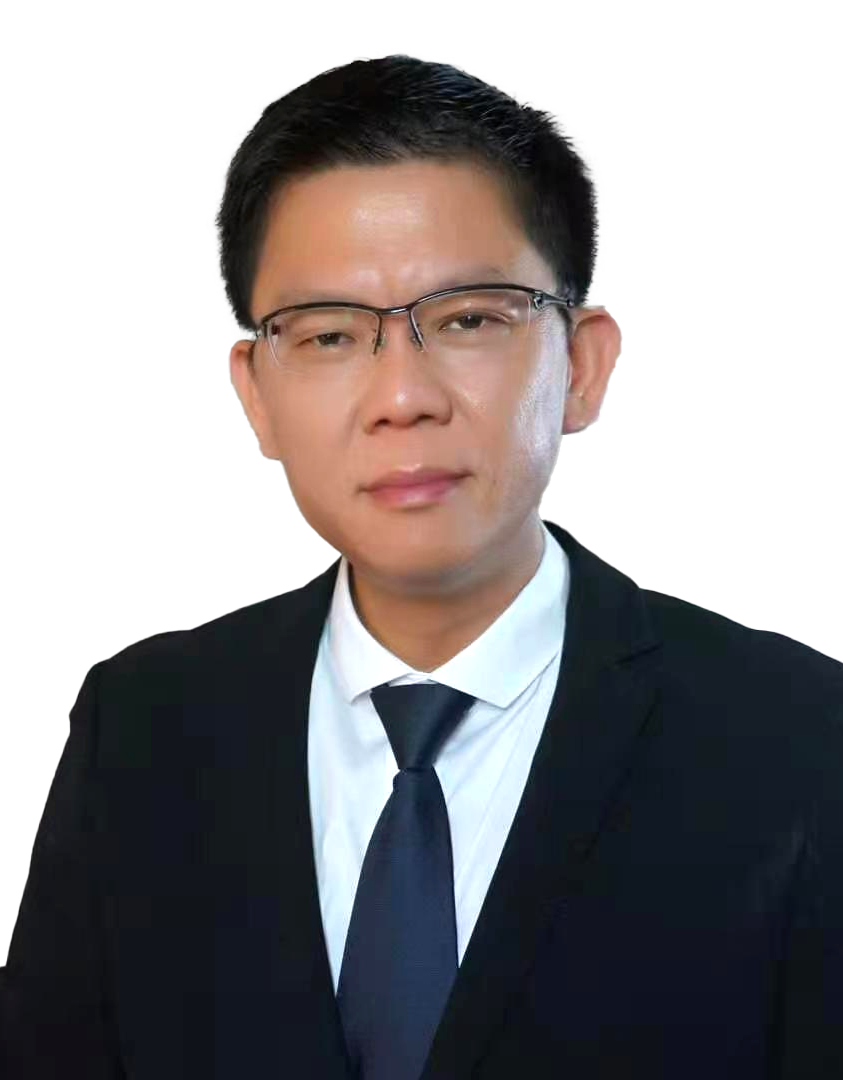
Professor Huangjin Qi
Director of the Department of Interventional Vascular Surgery, First Hospital of Putian City, Associate Chief Physician, Associate Professor, Master's Graduate Supervisor.
Currently serves as the Director of the Peripheral Vascular Intervention Training Base at Putian First Hospital, National Health Commission; Director of the Quality Control Center for Comprehensive Interventional Technology in Putian City; Member of the Vascular Surgery Branch of the Fujian Medical Association’s Surgery Division; Standing Committee Member of the Vascular Surgery Branch of the Fujian Strait Medical and Health Exchange Association; Deputy Director of the Vascular Collateral Disease Branch of the Fujian Integrated Traditional Chinese and Western Medicine Association; Member of the Lower Extremity Arterial Disease Committee of the Endovascular Society of the Chinese Medical Doctor Association; Member of the Portal Hypertension Professional Committee of the Chinese Anti-Cancer Association; Member of the Portal Hypertension Professional Committee of the Zhongguancun Technology Innovation Strategy Alliance; Member of the Peripheral Vascular Intervention Committee of the Interventional Radiology Branch of the Chinese Medical Association.
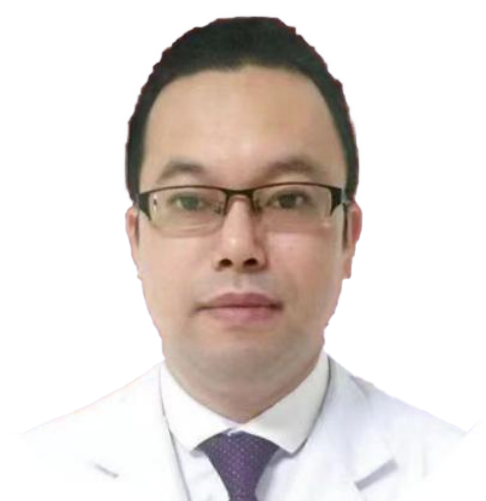
Professor Zheng Jingda
Attending Physician of the Department of Interventional Vascular Surgery, Putian First Hospital.
Member of the Youth Committee of the International Union of Angiology (IUA) China Branch, Standing Committee Member of the Vascular and Endovascular Surgery Specialty Committee of the Fujian Province Grassroots Health Association, Member of the Vascular Surgery Branch of the Fujian Strait Medical and Health Exchange Association, Member of the Cardiovascular Surgery Branch of the Fujian Strait Medical and Health Exchange Association, Member of the Committee of the Putian Comprehensive Intervention Quality Control Center.


Department Introduction
Department of Interventional Vascular Surgery, Putian First Hospital
The Department of Interventional Vascular Surgery at Putian First Hospital is a key clinical specialty in Putian City. It was one of the earlier departments in the province to establish an Interventional Vascular Surgery ward. Since its establishment in March 2012, with the support of hospital leadership and under the leadership of Director Huang Jinqi, the department has developed rapidly. All operations have steadily increased year by year, and it has now become a well-known comprehensive minimally invasive interventional diagnosis and treatment center within the province, integrating medical treatment, teaching, and research.
In 2016, the department became a council unit of the Chinese Venous Interventional Alliance. In 2018, it became a council unit of the Chinese Hemorrhage Center Alliance. In 2019, it became a council unit of the Fujian Province VTE Prevention and Treatment Alliance. In 2022, it was selected as a peripheral vascular interventional training base by the National Health Commission's Capacity Building and Continuing Education Center. In 2023, it was selected as the deputy council unit of the Fujian Innovation Alliance of the National Interventional Medicine Sub-Innovation Alliance (IMIA).


END
Copyright Statement: This platform aims to help healthcare professionals better understand the latest developments in relevant disease areas. The information published on this platform does not imply agreement with its descriptions or viewpoints, but is solely for providing more information. If there are any copyright issues, we kindly request the rights holders to contact us, and we will address them as soon as possible. The information is intended for healthcare professionals to stay informed and should not replace professional medical guidance in any way, nor should it be considered as diagnostic or treatment advice. If such information is used for purposes other than staying informed, this platform and the author shall not bear any related responsibility.Contact email for cooperation:vascular@edoctor.work。