Boston Scientific Launches WATCHMAN FLX Pro, the World’s First Coated Left Atrial Appendage Closure Device, in China with Successful Initial Implants

Boston Scientific
Medical Device Manufacturer

Heart Future
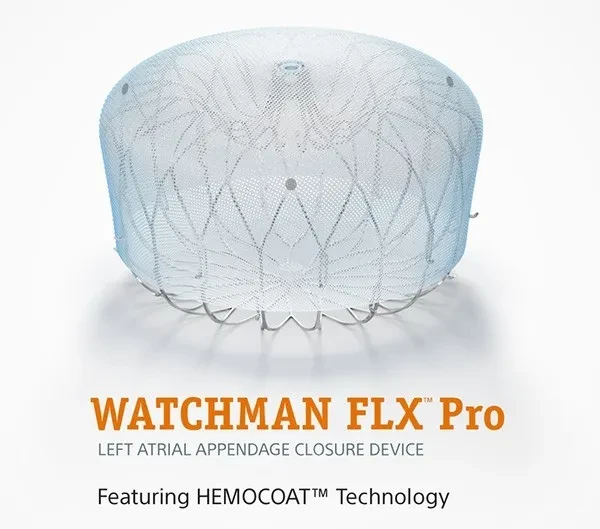
Recently, during the 36th Great Wall International Congress of Cardiology (GW-ICC 2025), the world's firstHEMOCOAT Coated Left Atrial Appendage Occluder——ByBoston ScientificSelf-developedWATCHMAN FLX ProThe launch conference was held with great importance, and moreover, the WATCHMAN FLX Pro also officially initiated its post-launch activities in China.First Clinical Application。
The clinical application journey of this revolutionary left atrial appendage occluder has officially set sail in China, marking the entry of left atrial appendage occlusion for stroke prevention in atrial fibrillation into a new era."Accurate Occlusion with Imaging, Controllable Healing with Coating"A New Phase.
# Clinical Background and Product Approval Overview
Stroke is one of the leading causes of death and disability among residents in China, and according to publicly available data, every5 At least one death1 People die of stroke; patients with atrial fibrillation (AF) have a stroke risk that is5 times, and atrial fibrillation-related strokes are characterized by high disability rates, high mortality rates, and high recurrence rates.
Left Atrial Appendage Occlusion (LAAC) As an alternative to oral anticoagulants, it has become an important method for stroke prevention in patients with atrial fibrillation who are at high risk of bleeding, have contraindications to anticoagulation, or poor compliance with anticoagulation.
2024 Year8 Month4 On [date], Boston Scientific Corporation announced itsWATCHMAN FLX Pro Left Atrial Appendage Occluder Receives Approval from the National Medical Products Administration (NMPA) approved, this product is suitable forNon-valvular atrial fibrillation patients with high stroke risk, used to prevent stroke.
WATCHMAN FLX Pro ForWorld's FirstWith Polyvinylidene Fluoride- Hexafluoropropylene (PVDF-HFP) Coated Left Atrial Appendage Occluder, previously in2023 Making its domestic debut in China at the 6th China International Import Expo (referred to in the industry as "CIIE Baby"),which, after this approval, quickly entered the clinical application stage, marking China's..."LAAC A New Differentiated Technology Product Added to the Treatment Field.
# Product Technical Features and Evidence-Based Data
(1) Core Technology Design: Focus"Healing Optimization, Precise Positioning, Wide Adaptability"
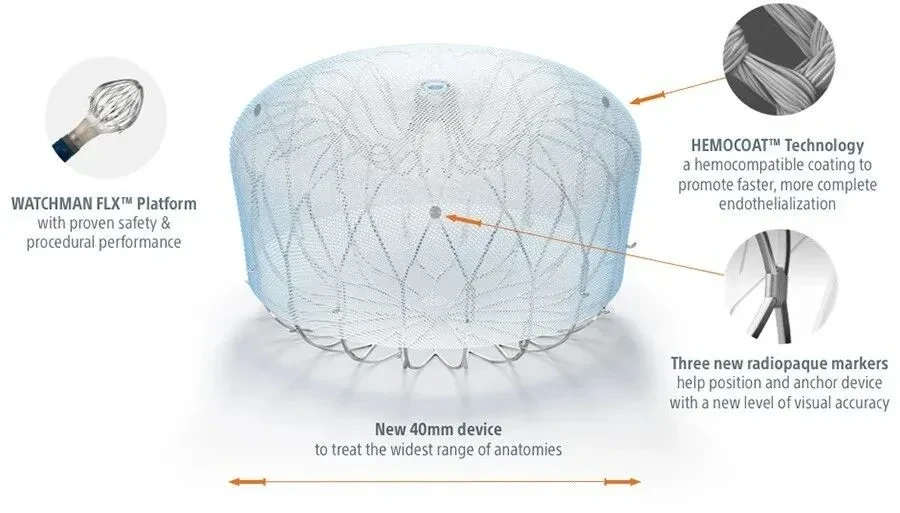
1. World's FirstPVDF-HFP Polymer Coating (HEMOCOAT™): Optimize the healing process of instruments in the body
WATCHMAN FLX Pro The core technology breakthrough lies in its surface coating of polyvinylidene fluoride.- Hexafluoropropylene (PVDF-HFP) Polymer Coating, This CoatingWithout any pharmacologically active ingredients, modulating the interaction between the device and cardiac tissue through the physical and chemical properties of the material itself., with specific technological advantages reflected in two aspects:
(1) Reduce early inflammatory response: The preclinical animal trial data provided by Boston Scientific shows that the procedureAfter3 Within days, the coating can reduce inflammatory cell infiltration around the device.86%. Inflammatory response isLAAC Important诱因of early postoperative complications (such as pericardial effusion, early thrombosis on the device surface), reduction of inflammation can directly decrease the risk of such complications, particularly holding greater clinical significance for elderly patients with autoimmune diseases or chronic inflammation.
(2) Accelerate Endothelial Tissue Coverage:Preclinical trials have simultaneously confirmed that, post-surgery45 The coating can increase the endothelial tissue coverage area on the instrument surface.50%Endothelialization is the key biological process for the occluder to "integrate" into cardiac tissue — complete endothelial coverage can isolate blood from direct contact with the metallic surface of the device, fundamentally reducing device-related thrombosis (DRT) The long-term risk of occurrence, while providing a pathophysiological basis for patients to "discontinue oral anticoagulants as early as possible," is particularly important for high bleeding risk patients (e.g., those with peptic ulcers, hepatic or renal insufficiency).

Professor Su Xi from Wuhan Asia Heart Hospital further interpreted at the Great Wall Cardiology Conference:"Endothelialization of Occluders Divided into Inflammatory Coagulation (1-3 days), thrombus regression and endothelial formation (45 days), endothelialization completed (90 Days) Three Stages,PVDF-HFP "The coating blocks the 'source' of complications in the first stage by reducing platelet activation and decreasing the release of inflammatory factors, laying the foundation for subsequent rapid healing."
2. 3 A radiopaque marker (RO Marker): Improve the accuracy of intraoperative positioning
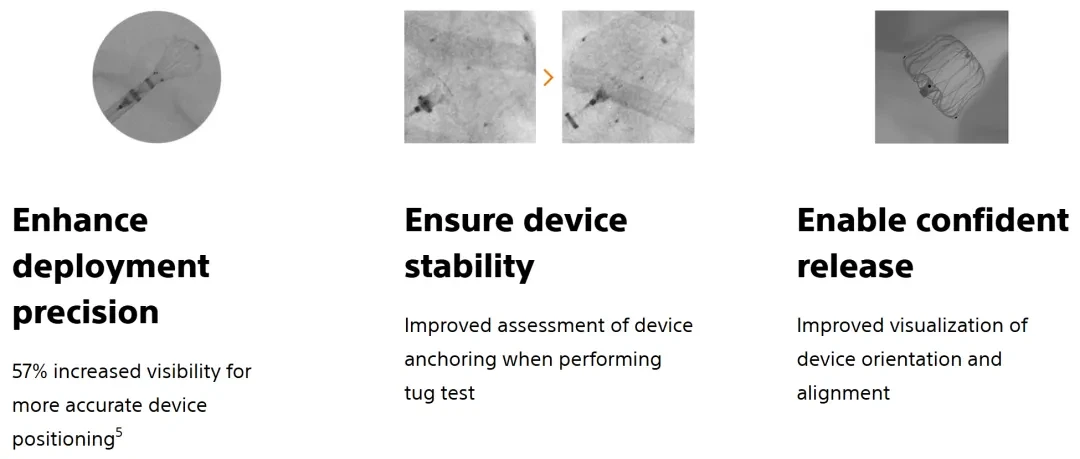
In response to the issue where traditional left atrial appendage closure devices with single imaging markers struggle to fully present the device's morphology,WATCHMAN FLX Pro Innovatively set at the shoulder of the device3 A radiopaque marker (RO Marker), forming "Triangular Distribution" Visualization Positioning System:
Real-time presentation of instrument axis and morphology:In digital subtraction angiography (DSA),3 IndividualRO Marker Clearly delineate the outline, angle, and relative position of the occluder to the opening of the left atrial appendage, assisting the operator in determining whether the device is "coaxially aligned" with the left atrial appendage — preventing incomplete occluder sealing caused by axial deviation, which could lead to paravalvular leakage.
SimplifyPASS Principle Evaluation Process:LAAC The Core Criteria for Surgical SuccessPASS Principle (Position Location,Anchor Anchoring,Size Size,Seal Sealed), traditional assessment relies on transesophageal ultrasound (TEE) Indirect judgment, andRO Marker Allows the operator to directly access throughDSA Imaging Measurement of Occluder Compression Ratio (Size Adaptability), and the degree of fit with the atrial wall (Seal Sealability), ReduceTEE Patient discomfort caused by the operation, while shortening the operation time.
Reduce the technical learning curve:Professor Heping Zhang from Beijing Friendship Hospital, Capital Medical University, pointed out:"For new surgeons,"3 IndividualRO Marker Equivalent to '3D navigation', no repeated adjustments needed.TEE The position of the instrument can be confirmed by the probe angle, reducing the dependence on high-end imaging equipment and allowing grassroots hospitals to carry out procedures.LAAC "The technology is easier to use."
3. 16mm-40mm Full-size coverage: Adapts to more complex left atrial appendage morphologies
The anatomical morphology of the left atrial appendage exhibits significant individual variability, traditionallyWATCHMAN The maximum size of the series occluder is33mm, which cannot meet the needs of patients with large-diameter or complex-shaped atrial appendages.WATCHMAN FLX Pro New Addition40mm Large size specifications, achieving16mm-40mm Full-size coverage:
Adapting to Large and Irregular Left Atrial Appendages: For cases with concomitant hypertension and myocardial hypertrophy leading to large left atrial appendages (diameter >33mm), or cauliflower-like, lobulated and other irregular shapes of the auricle,40mm The specification ensures that the occluder "fully covers" the ostium of the auricle, avoiding residual shunting caused by insufficient size.
Expanded Indications for a Wider Patient Population: Professor Fan Youqi from the Second Affiliated Hospital of Zhejiang University School of Medicine mentioned:"In the past, when encountering an atrial appendage orifice diameter exceeding33mm For patients, we can only recommend long-term anticoagulation, and such patients often simultaneously face a high risk of bleeding.40mm "The introduction of specifications has solved the problem of 'no medical devices available,' allowing more patients with complex anatomies to have surgical opportunities."
(II) Global Evidence-Based Data: Multi-Dimensional Validation of Safety and Efficacy
1. SURPASS Pro Real-World Study: Large-Sample Data Supports Clinical Value
SURPASS Pro Global Real-World Study Data Included21589 Example patients, covering different regions and populations with different stroke risk stratifications, showed the following results:
Excellent Safety Performance: The incidence of key safety endpoints (including cardiac tamponade, acute stroke, and device embolization) was only0.20%; The incidence of pericardial effusion requiring intervention at discharge was0.36%`, much lower than the industry average`1%-2%。
Effectiveness meets clinical expectations:Postoperative45 Days,98% Patients achieving "effective occlusion" (paravalvular leak ≤3mm), this indicator is the core to ensure the long-term effect of stroke prevention —— paravalvular leak>3mm Patients with significantly increased long-term stroke risk.
2. 20 Years of Clinical Accumulation and Global50 10,000 Cases of Implant Experience
WATCHMAN Series products since2002 Since its first application in the human body in [Year], it has cumulatively completed over50 Ten Thousand Implants, Long-Term Follow-Up (5 Year) Data Shows: Its Stroke Prevention Effect Is Not Inferior to Novel Oral Anticoagulants (NOAC), and the risk of bleeding is reduced30% The above. This long-term data providesWATCHMAN FLX Pro Provides "platform-level" evidence-based support for clinical applications —— As a series of upgraded products, its core design is based on previously mature technologies, further reducing uncertainties in clinical applications.
# Initial Clinical Implantation: Multicenter Typical Cases and Feedback
WATCHMAN FLX Pro After approval, the cardiovascular centers of multiple Class III hospitals in China quickly initiated the first batch of clinical implants, involving Zhongshan Hospital Affiliated to Fudan University, Fuwai Hospital of Chinese Academy of Medical Sciences, Beijing Anzhen Hospital Affiliated to Capital Medical University, Second Hospital Affiliated to Zhejiang University School of Medicine, and Beijing Friendship Hospital Affiliated to Capital Medical University. The surgical teams were all from China.LAAC Leading teams in the field, with patients covering typical clinical scenarios such as high stroke risk, high bleeding risk, and complex left atrial appendage morphology.
(1) Zhongshan Hospital Affiliated to Fudan University: Academician Ge Junbo, Professor Zhou Daxin Team—— Conquering "Cauliflower-like Bipinnate LargePOUCH Auricle
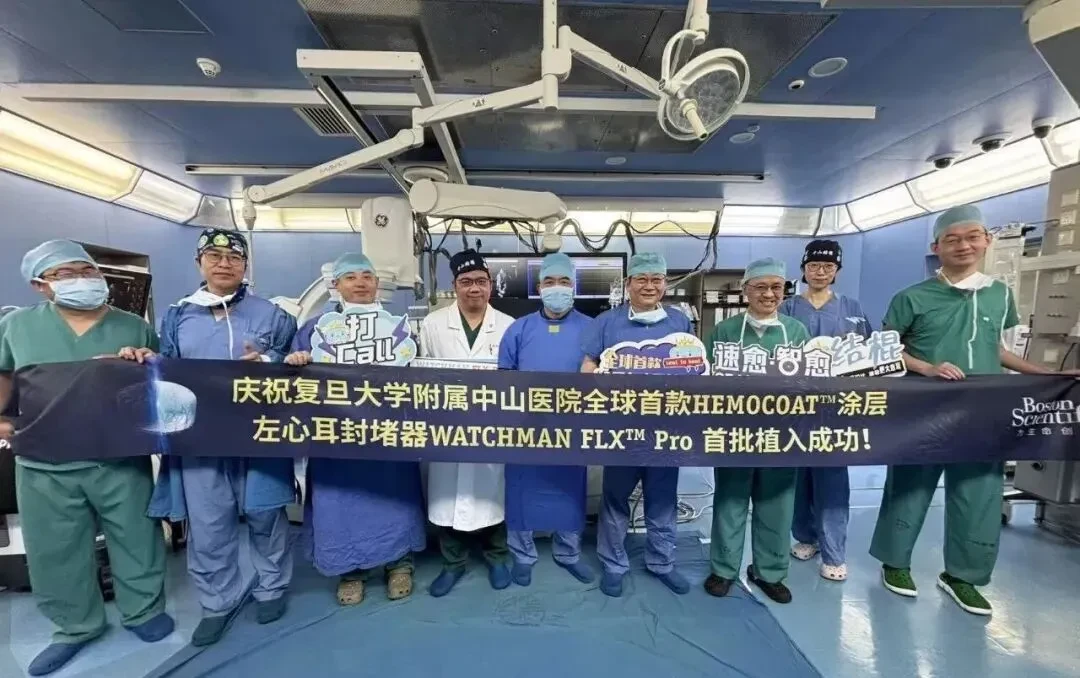
▲Group photo after the first implant surgery by Academician Ge Junbo and Professor Zhou Daxin
1. Baseline Characteristics of Patients
Basic Information:77 -Year-old male, with a history of hyperthyroidism and hypertension,10 Previously treated for cerebral infarction (high risk of stroke recurrence).
Risk Stratification:CHA2DS2-VASc Score:5 Points (≥2 Active stroke prevention is needed),HAS-BLED Score:4 Points (≥3 Divided into high bleeding risk) - Patients simultaneously possess "high stroke, high bleeding" dual risks; oral anticoagulants may lead to cerebral hemorrhage or gastrointestinal bleeding, consistent withLAAC Surgical Class I Indications.
Left Atrial Appendage Anatomy: IntraoperativeDSA Contrast echocardiography of the left atrial appendage showed a "cauliflower-shaped bifoliate" morphology, with "constricted ostium enlargement".POUCH"(Diameter of the atrial appendage opening"24mm, Internal Chamber Depth25mm)—— The risk of this type of morphology lies in the traditional occluder’s susceptibility to "poor anchoring" (narrow opening causing poor device fixation) or "internal leakage" (large chamber leading to incomplete coverage).
2. Surgical Procedure
Device Selection: The team selects based on the ostium and depth of the atrial appendage.31mm SpecificationWATCHMAN FLX Pro—— This size ensures that the occluder fully covers the bifoliate opening while avoiding deformation of the device caused by over-compression.
Positioning and Release: Through3 IndividualRO Marker Adjust the position of the device in real time, and slowly release it after confirming that the occluder is coaxially aligned with the opening of the atrial appendage; postoperative examination viaTEE WithDSA Dual assessment, occluder compression ratio is15%(Ideal Range10%-20%), no paravalvular leakage, consistent withPASS Principle.
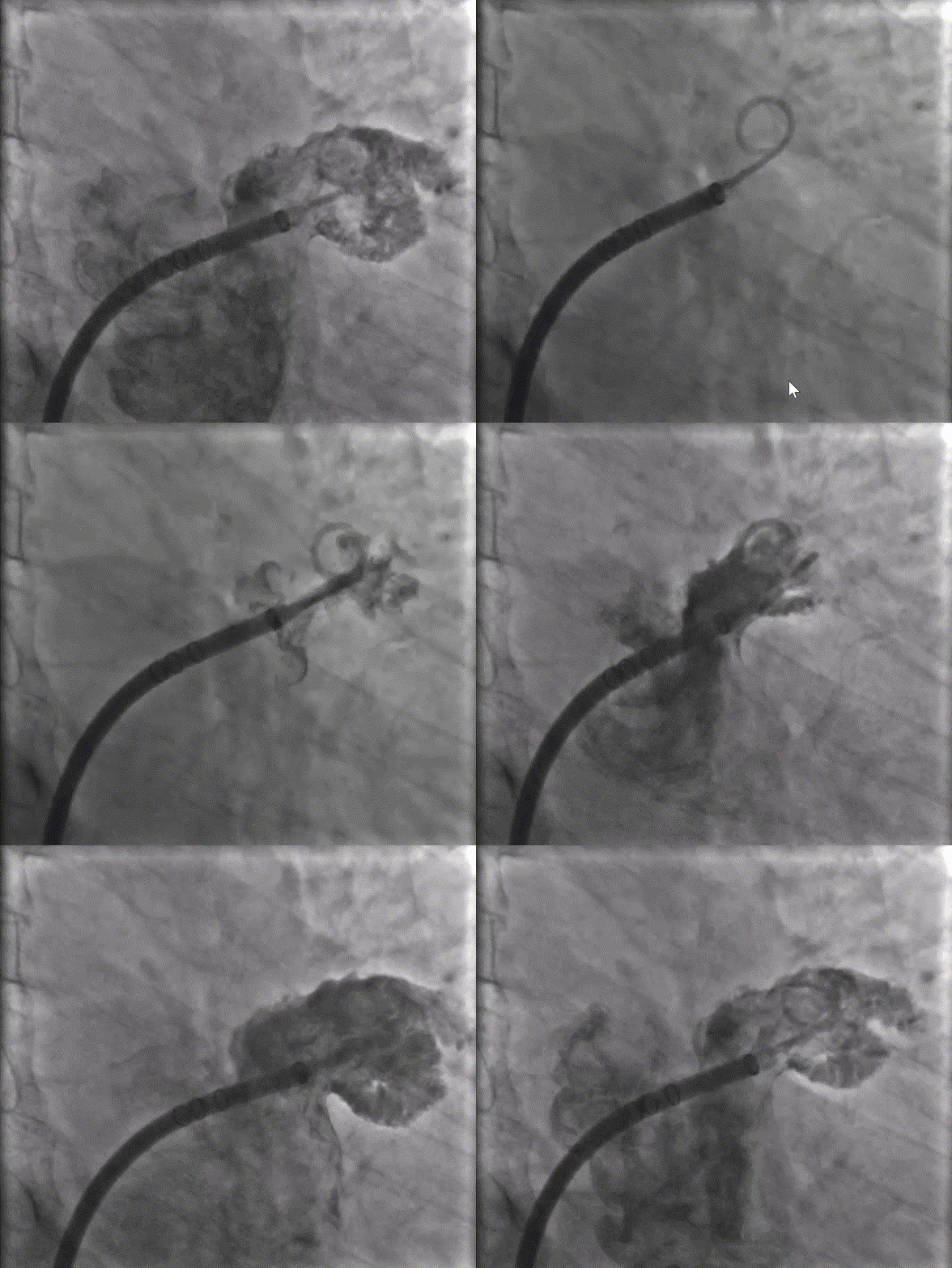
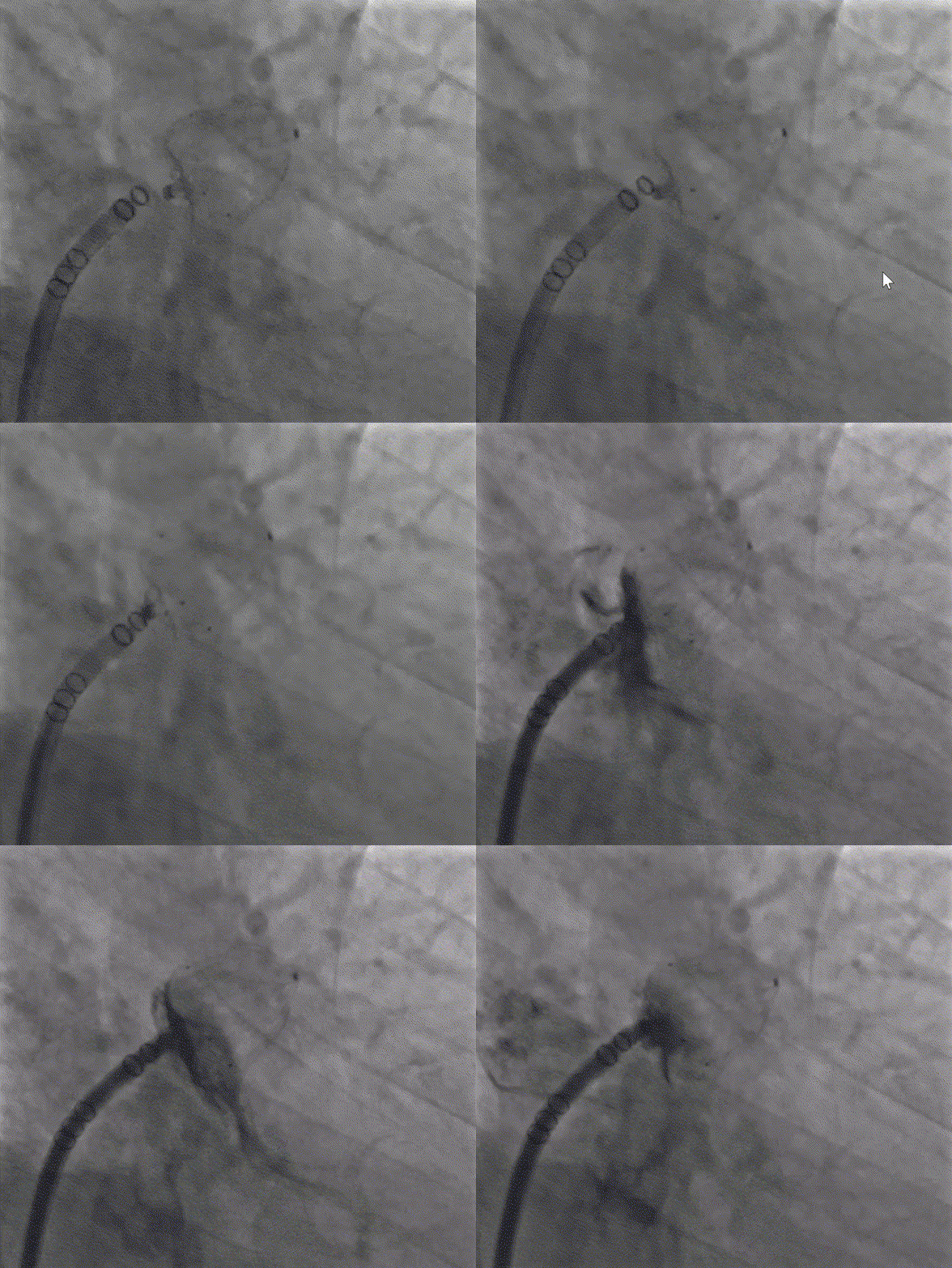
▲Preoperative Left Atrial Appendage Angiography (Left); TEE Image After Occluder Deployment (Right)
3. Postoperative Expert Feedback
Professor Zhou Daxin said in a postoperative interview:"This occluderPVDF-HFP The coating can effectively reduce the risk of device-related thrombosis. For these patients at high risk of bleeding, the postoperative anticoagulation regimen might be shifted from 'dual antiplatelet therapy (DAPT)+ "Anticoagulation" simplified to "Short-term"DAPT', which needs to be verified through follow-up visits. Meanwhile, its impact on bifoliate large...POUCH "The adaptability of the atrial appendage also provides a new option for patients with complex anatomy."
(II) Fuwai Hospital, Chinese Academy of Medical Sciences: Professor Yao Yan's Team—— Addressing "Cauliflower-shaped Small-caliber Left Atrial Appendage"

▲Group Photo after Professor Yao Yan's Team's First Surgery
1. Baseline Characteristics of Patients
Basic Information:65 Year-old male, history of hypertension8 Year, regularly taking antihypertensive drugs to control blood pressure (130/80mmHg Left and right); no history of stroke, but presence of paroxysmal atrial fibrillation (occurs monthly2-3 Times).
Risk Stratification:CHA2DS2-VASc Score:2 Points,HAS-BLED Score:2 Division —— Although the patient is at moderate risk, due to their occupation as a long-haul truck driver, they are unable to take anticoagulants regularly (with a risk of missed doses). After clinical evaluation, the choice was made.LAAC Treatment.
Left Atrial Appendage Anatomy:DSA Contrast imaging showed the auricle to be "typical cauliflower type" (multi-lobed, complex internal structure), caliber16mm, Depth25mm—— Small-diameter left atrial appendages require precise selection of device size to avoid excessive compression leading to wall injury.
2. Surgical Procedure
Instrument Selection: Use20mm SpecificationWATCHMAN FLX Pro, according toRO Marker Confirm the position of the device between the lobes, ensuring that the occluder edge completely covers the opening of the atrial appendage.
Release and Evaluation: Passed after releaseDSA Observation,3 IndividualRO Marker Presenting an "equilateral triangle" distribution, indicating normal axial alignment of the instrument;TEE Evaluation shows paravalvular leak <1mm, and the occlusion effect meets clinical standards.
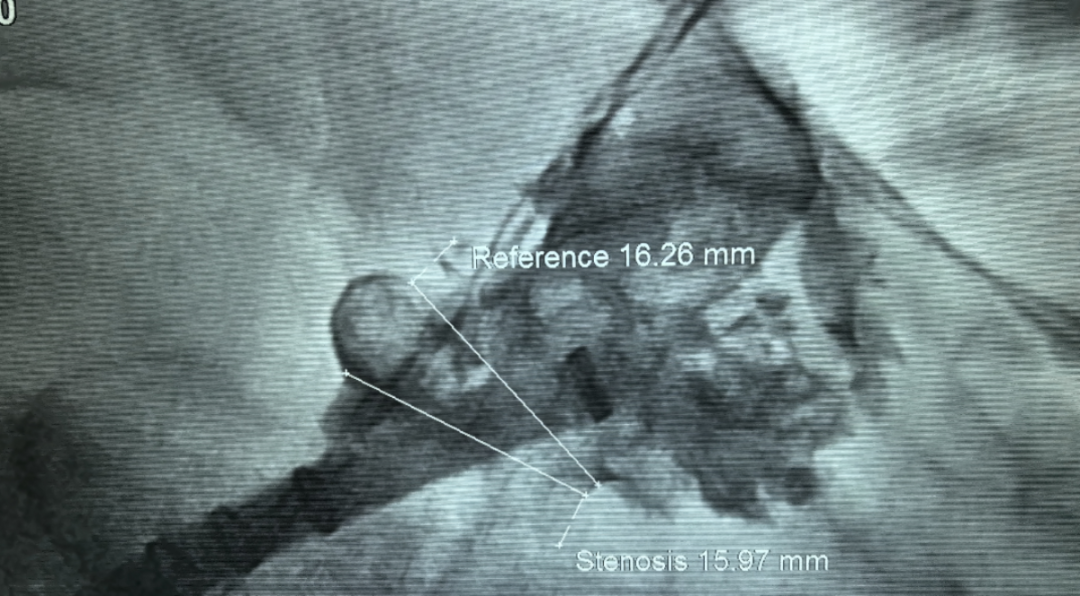
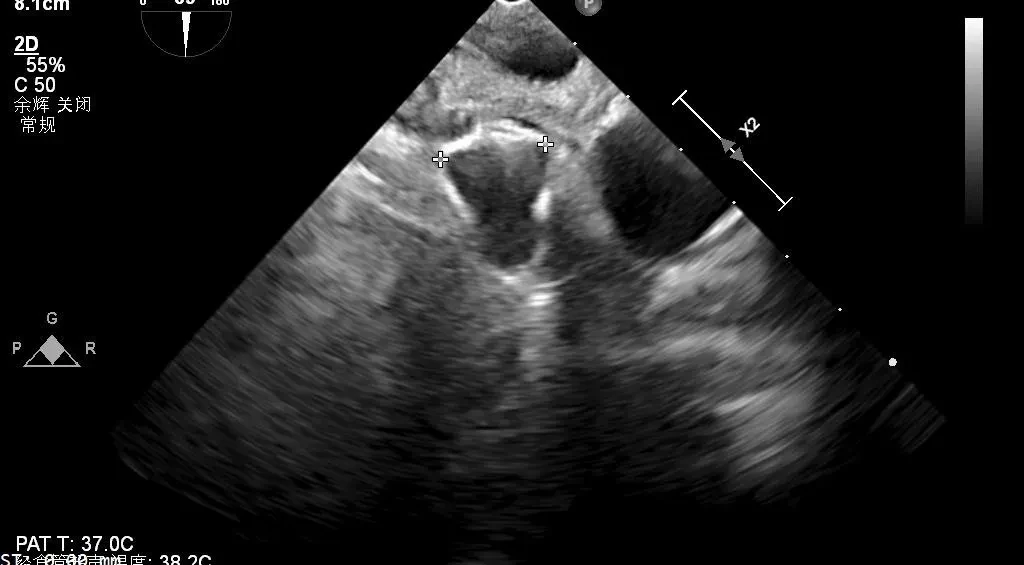
▲Preoperative left atrial appendage angiography (left); TEE image after occluder deployment (right)
3. Postoperative Expert ReactionFeed
Professor Yao Yan mentioned in the postoperative summary:“3 IndividualRO Marker Allowing smooth intraoperative release and clearly showing whether the occluder's axis has shifted — this is particularly important for small-diameter atrial appendages, avoiding secondary adjustments caused by positioning deviations. More crucially,PVDF-HFP The rapid endothelialization brought by the coating, we are looking forward to3 "Complete endothelial coverage can be observed at the follow-up after several months, providing a basis for discontinuing anticoagulant medication for the patient."
(III) Beijing Anzhen Hospital, Capital Medical University: Professor Ma Changsheng, Professor Zuo Song and their team—— Handling "Shallow Heart Ear with Double Lobes Front and Back"
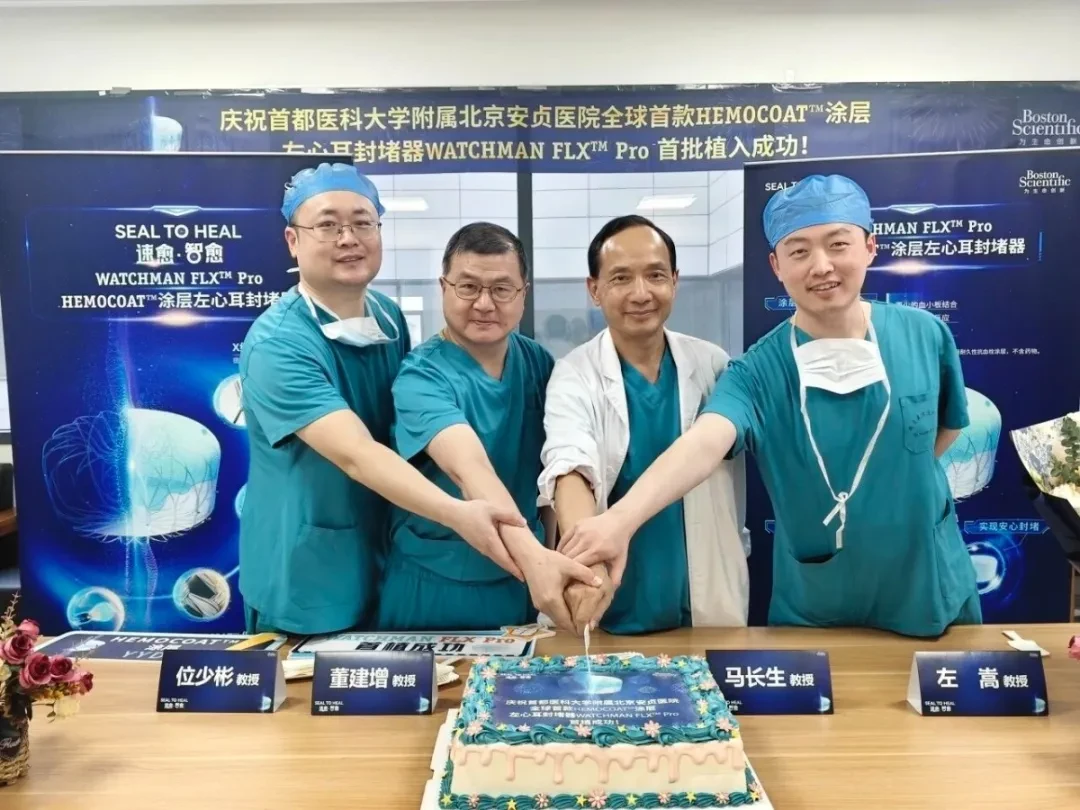
▲Group photo after the first implant surgery by Professor Ma Changsheng's team
1. Baseline Characteristics of Patients
Basic Information:70 Year-old male, history of paroxysmal atrial fibrillation5 Year, had received thrombolytic therapy for cerebral infarction (high risk of stroke recurrence); combined with2 Type 2 diabetes, taking hypoglycemic drugs for a long term.
Risk Stratification:CHA2DS2-VASc Score:4 Points,HAS-BLED Score:4 Divide —— The patient simultaneously has diabetes (vascular disease risk) and a history of cerebral infarction (stroke history), with an extremely high risk of bleeding from oral anticoagulants (HAS-BLED Score ≥4 Points).
Left Atrial Appendage Anatomy:DSA Contrast imaging showed a "bilobed anterior-posterior" morphology of the atrial appendage, with a depth of the common trunk area measuring only16.2mm(Shallow atrial appendage), distal lobes unavailable, caliber22mm—— The challenge with shallow atrial appendages lies in the "insufficient anchoring space" for occluders, which can easily lead to postoperative displacement.
2. Surgical Operation Procedure
Instrument Selection: Use27mm SpecificationWATCHMAN FLX Pro, utilizing the "radial support force" of the device to ensure anchoring stability within the shallow atrial appendage.
Positioning and Evaluation: ThroughRO Marker Ensure that the occluder completely covers the common trunk area, avoiding distal lobe omission; postoperativelyTEE Shows no displacement of the occluder, paravalvular leak <2mm`, in compliance with`PASS Principle.
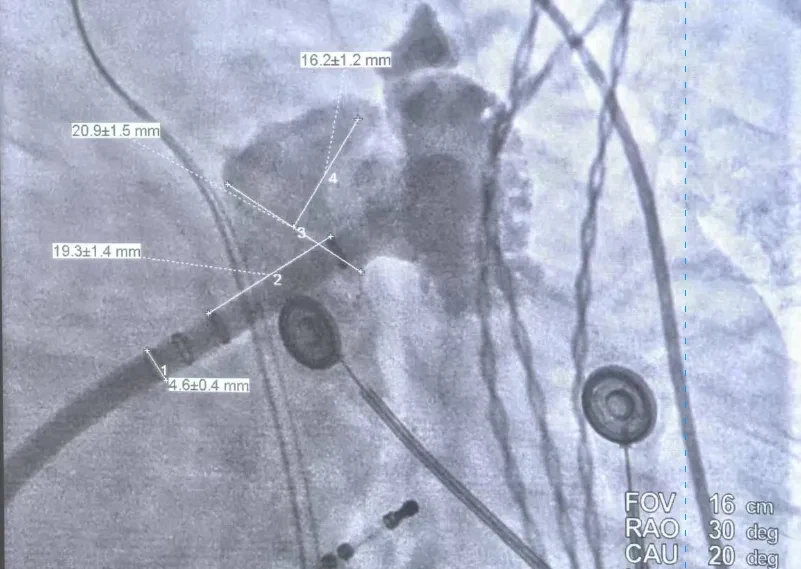
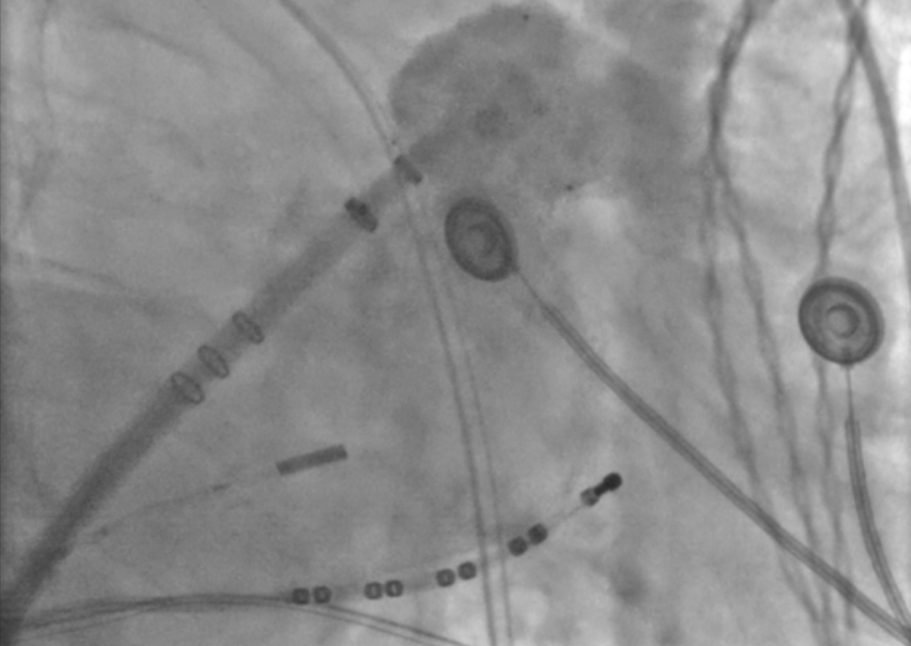
▲Preoperative Left Atrial Appendage Angiography (Left); Angiography after Occluder Deployment (Right)
3. Postoperative Expert Feedback
Professor Changsheng Ma emphasized in the postoperative interview (Source2): "In clinical practice, we often encounter elderly patients with multiple underlying diseases. Their risk of bleeding from anticoagulant drugs is much higher than the stroke prevention benefits."WATCHMAN FLX Pro ThePVDF-HFP The coating can accelerate endothelialization, theoretically reducing the anticoagulation medication time from the traditional6 Months shortened to1-3 months, which is a 'timely help' for high bleeding risk patients, but the specific duration of medication still needs more data support from the Chinese population."
(4) The Second Affiliated Hospital of Zhejiang University School of Medicine: Academician Jian'an Wang, Professor Youqi Fan Team—— Optimize the "Post-Coronary Procedure Atrial Fibrillation Patient" Protocol

▲Post-Procedure Group Photo of Academician Jian'an Wang and Professor Youqi Fan's Team
1. Baseline Characteristics of Patients
Basic Information:75 Year-old female, history of hypertension10 Year,3 Received coronary stent implantation due to acute myocardial infarction before the year, and has been taking dual antiplatelet drugs post-operation (DAPT: Aspirin+ Clopidogrel); recently1 Persistent atrial fibrillation occurred in year.
Risk Stratification:CHA2DS2-VASc Score:4 Points,HAS-BLED Score:2 Divide —— Patients need to simultaneously undergo stroke prevention for atrial fibrillation and antiplatelet therapy after coronary stent placement. The traditional regimen is "DAPT + "Anticoagulation" (triple therapy) significantly increases the risk of bleeding.
Left Atrial Appendage Anatomy:DSA Contrast imaging showed cauliflower-like atrial appendage with a caliber of20.11mm, Depth16.8mm, without obvious lobulation.
2. Surgical Procedure
Instrument Selection: Use24mm SpecificationWATCHMAN FLX Pro, considering that the patient needs long-termDAPT, prioritize coated instruments to reduceDRT Risk.
Release and Evaluation: PostoperativeDSA WithTEE The position of the occluder is normal, and the paravalvular leak is <1mm, no pericardial effusion.
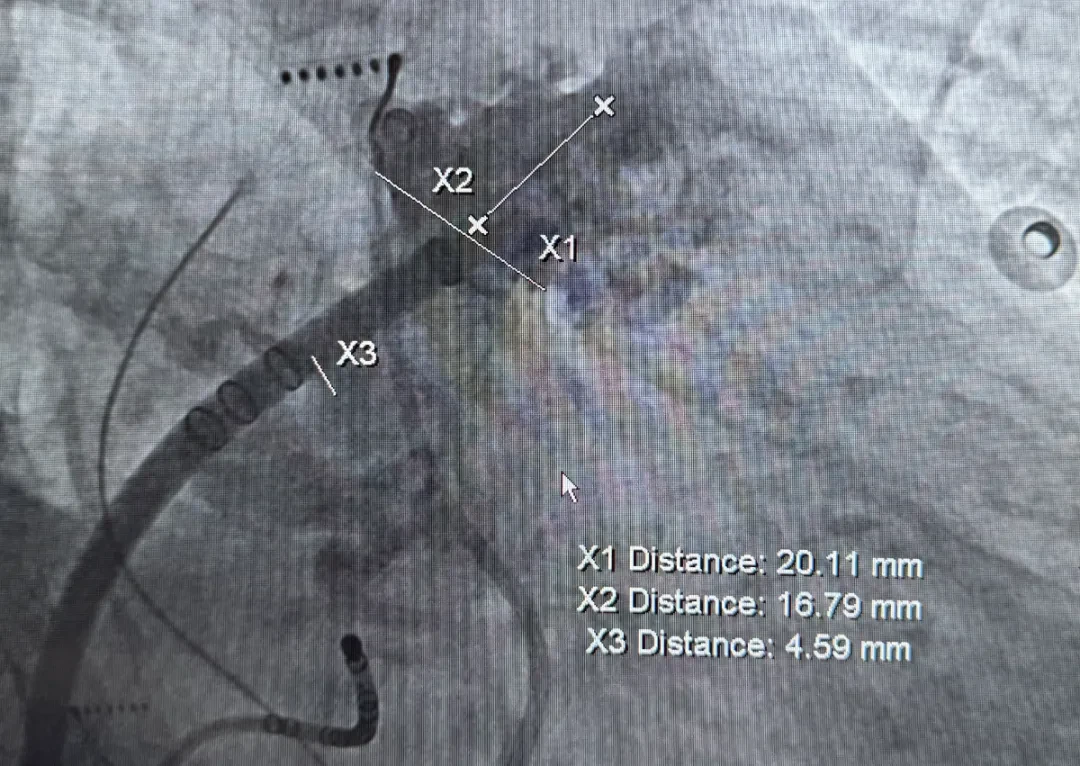
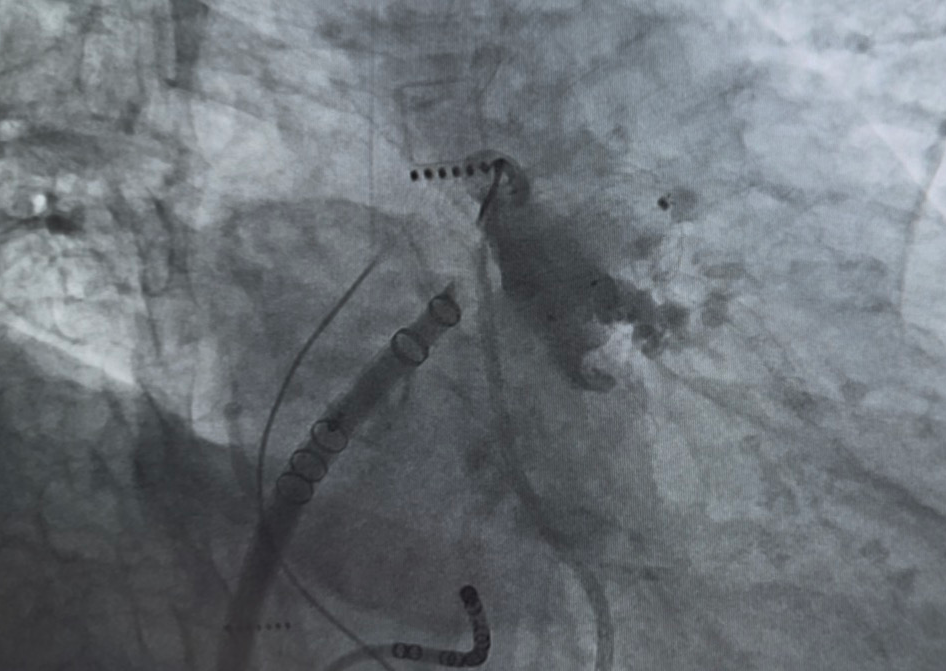
▲Preoperative Left Atrial Appendage Angiography (Left); Angiography after Occluder Deployment (Right)
3. Postoperative Expert Feedback
Professor Fan Youqi stated after the surgery:"Patients with post-coronary surgery and atrial fibrillation, ‘DAPT + The bleeding risk of triple therapy with anticoagulants is higher when used alone.DAPT The2-3 Times.WATCHMAN FLX Pro Marking the launch in China,LAAC Entering the Coating Era —— After Coating Accelerates Endothelialization, Patients May Transition from 'Triple Therapy' to 'Monotherapy'DAPT", significantly reducing the risk of bleeding. In the future, we plan to conduct relevant clinical studies to verify the feasibility of this solution."
(5) Beijing Friendship Hospital, Capital Medical University: Professor Zhang Heping's Team—— Provide Alternatives for "Patients at High Risk of Stroke"

1. Baseline Characteristics of Patients
Basic Information:69 -Year-old male, history of hypertension15 Year, history of cerebral infarction9 Year (with residual mild mobility impairment in the right limb), has been taking antihypertensive medication and aspirin long-term.
Risk Stratification:CHA2DS2-VASc Score:4 Subdivision (History of Cerebral Infarction)+ Hypertension+ Age >65 Years),HAS-BLED Score:3 Points (Hypertension+ History of cerebral infarction —— The patient has a high risk of recurrent cerebral infarction, but has developed gastric mucosal erosion due to aspirin use and cannot tolerate more potent anticoagulants.
Left Atrial Appendage Anatomy:DSA Contrast imaging showed a single-lobe type of atrial appendage with a caliber of23mm, Depth20mm, without significant calcification.
2. Surgical Procedure
Instrument Selection: Use27mm SpecificationWATCHMAN FLX ProThe team feedback: "The delivery system of the device has good air tightness, and there is no obvious resistance during the push."
Release and Evaluation: PassedRO Marker Confirm the position of the occluder before release, post-operation.TEE Show paravalvular leak <1mm, with ideal occlusion results.
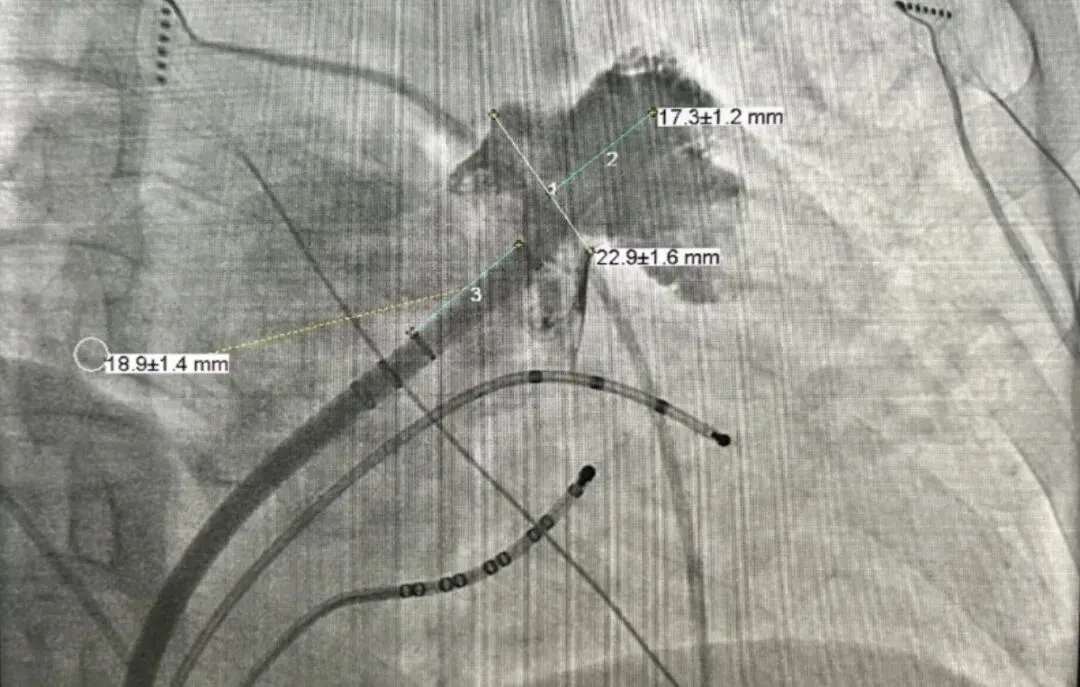
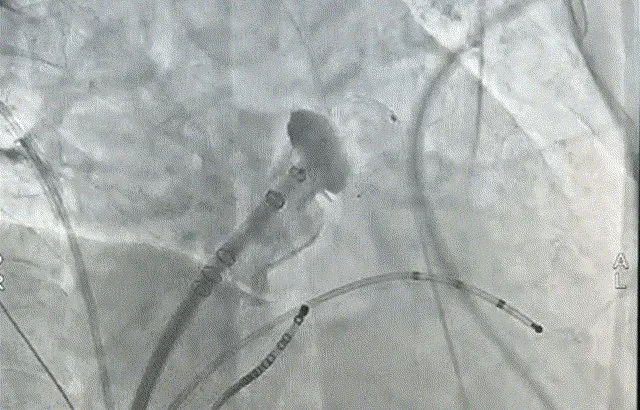
▲Preoperative Left Atrial Appendage Angiography (Left); Angiography after Occluder Deployment (Right)
3. Postoperative Expert Feedback
Professor Zhang Heping mentioned in the postoperative summary:"This device's delivery system is well-optimized, especially when passing through the aortic arch, offering more flexible maneuverability compared to traditional models, and is easier for new operators to handle. For patients with a history of cerebral infarction and high bleeding risk,LAAC Is a safer choice than anticoagulant drugs, andPVDF-HFP "The addition of the coating gives us more confidence in the long-term safety."
# Industry Discussion and Outlook

The36 Great Wall Cardiology Conference (GW-ICC 2025) During,WATCHMAN FLX Pro The listing conference will focus on discussions about technological applications and clinical value, with key viewpoints concentrating on the following directions:
(1) Technical PairLAAC Potential Impact on Clinical Practice
1. Optimization Space for Postoperative Medication Regimens
Professor Song Zhiyuan from the Southwest Hospital of the Army Medical University pointed out:“2025 The latest Chinese atrial fibrillation management guidelines have been released inLAAC Listed as high bleeding risk patientsIA Class recommendation, while simplification of postoperative medication is the core demand in the current field.WATCHMAN FLX Pro The coating technology provides the possibility to shorten the anticoagulation duration —— Traditional solutions require taking6 Months of anticoagulant medication, which may be shortened to in the future1-3 months, but the optimal duration of treatment for Chinese patients needs to be validated through multicenter studies."
Professor Hongde Hu from West China Hospital of Sichuan University added:"Regarding 'Atrial Fibrillation Ablation+ LAAC'One-stop surgery patients, after coating accelerates endothelialization, may potentially avoid post-ablation anticoagulation.'+ DAPT"The叠加用药 reduces the risk of bleeding, but an individualized plan must be formulated based on the healing of the ulcerative wound; a 'one-size-fits-all' approach cannot be applied."
2. Grassroots HospitalLAAC Potential for Technology Promotion
Professor Jiang Xiaofei from Zhuhai People's Hospital believes:“3 IndividualRO Marker Reduced the requirement forTEE Dependence on high-end equipment, some grassroots hospitals may lack...TEE Device, accessible viaDSA+RO Marker Complete the basic assessment, which forLAAC "Technology下沉 provides technical support. In the future, specialized training for grassroots doctors needs to be carried out, allowing more patients to receive treatment close to home."
(II) Subsequent Focus Directions
1. Long-term Clinical Data Accumulation in the Chinese Population
Currently, the publicly available data is mainly from global multicenter studies, with industry attention focused on the performance of products among different age groups and populations with comorbidities in China.5 Performance over the years, especially device-related thrombosis (DRT) Incidence, device durability (e.g., risk of coating detachment), and other indicators. Boston Scientific Greater China President Zhang Jun mentioned: "The company plans to conduct studies in China.10 Long-term follow-up studies over the years, accumulating real-world data of Chinese patients to provide evidence for guideline updates."
2. Cost-Effectiveness and Health Economics Evaluation
For investors and medical institutions, the cost of long-term product application- The effect ratio is an important consideration —— such as the reduction in medical costs due to a decrease in stroke incidence, and resource optimization from reducing secondary operation rates. It is necessary to calculate "per prevention" through real-world studies.1 "Cost of Stroke Treatment", providing reference for medical insurance policy formulation and hospital procurement decisions.
3. Technological Iteration and Indication Expansion
Representatives from the medical device industry mentioned that in the future, it may be necessary to further optimize the compatibility of device delivery systems to make them compatible with more brands of catheter sheaths. At the same time, they will explore the possibilities of using the product in special populations such as congenital heart disease combined with atrial fibrillation and atrial fibrillation after artificial valve replacement.
# Summary
Boston ScientificWATCHMAN FLX Pro Left Atrial Appendage OccluderApproval and First Clinical Implant, providing a differentiated technical product in the field of stroke prevention for atrial fibrillation in China ——PVDF-HFP Coating,3 IndividualRO Marker Imaging Design,16mm-40mm Full-size CoverageThe combination of technologies specifically addresses traditional...LAAC Issues such as inflammatory response during treatment, positioning accuracy, and patient adaptability range.
From the initial clinical applications, the product has demonstrated expected performance in terms of adaptability to complex left atrial appendage morphologies (e.g., bilobed, shallow appendages), intraoperative maneuverability, and the potential for optimizing medication in high-risk bleeding patients, gaining preliminary recognition from leading experts in China.
It should be noted that the current clinical data of the product is still mainly focused on short-term safety and effectiveness. Issues such as long-term durability, the optimal postoperative medication regimen for the Chinese population, and the feasibility of promotion in grassroots hospitals still need to be further verified through multicenter, large-sample prospective studies and long-term follow-up. The clinical application progress of this product may be...LAAC Technological development provides a reference, while it is also necessary to objectively focus on the accumulation of subsequent evidence-based data and the implementation of actual clinical value to promote the rational development of the industry.

GCC2025


Cardiovascular Device Full Disease Solution


Statement

Content Declaration:"Heart Future" tracks global medical technology advancements, aiming to deliver technical and industry knowledge. All content is for industry exchange and academic discussion only, and does not constitute medical advice or commercial promotion. Information regarding companies, products, and registration mentioned in the text is sourced from publicly available materials or verified channels. If there are any errors or omissions, please contact us for corrections. Email: jacky@suribot.com
Copyright Statement:"The Future of the Heart" original article is copyrighted by Beijing Siyu Bot Technology Co., Ltd. Unauthorized reproduction, excerpting, or mirroring on other websites, WeChat Official Accounts, or commercial platforms is prohibited; for authorized reproduction, please contact the backend to obtain permission. This platform reserves the right to pursue legal responsibilities for unauthorized full-text reproduction, rewriting, or paraphrasing.