 Second-Line and Above HER2-Positive Breast Cancer Enters the "China-Produced ADC Era"
Attention Index:★★★★★
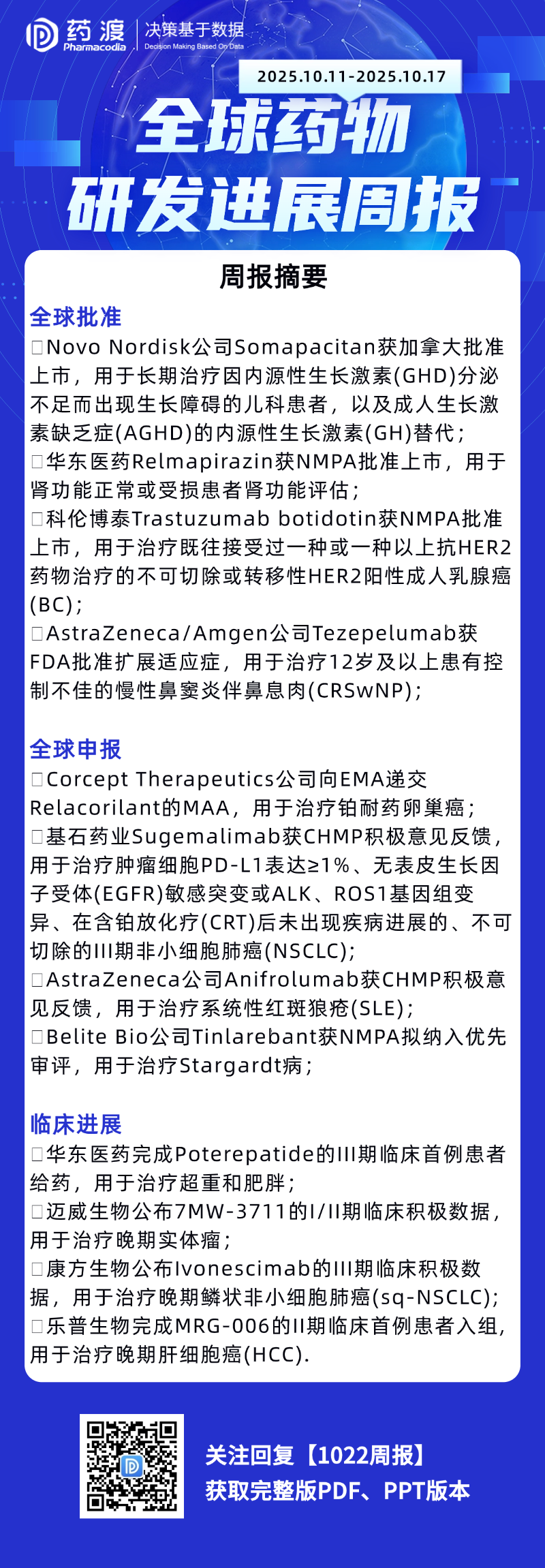
10Month17Day, Kelun-Biotech's core product Bodu Trastuzumab (A166, Stelara®) ObtainNMPAApproved for marketing, with indications for"Previously received one or more anti-HER2Treatment of unresectable or metastaticHER2Positive Adult Breast Cancer", becomingThe First in ChinaCan be widely covered in second-tier cities and aboveHER2Positive Breast Cancer in ChinaADCDrug.
Breast cancer has become the most common malignant tumor among women globally, and its incidence rate accounts for malignant tumors in China.7%~10%, and it shows an increasing trend year by year. In some large cities, it has ranked first among malignant tumors in women. Among them,HER2Positive subtypes account for approximately13%-20%, this subtype of tumor is highly aggressive, and before the advent of targeted therapy drugs, the prognosis for patients was extremely poor. Since the introduction of antibody-drug conjugates (ADC) Since its debut,HER2The treatment of positive breast cancer has moved from the era of traditional chemotherapy and monoclonal antibodies intoADCA New Era.
According to incomplete statistics from PharmaDJ, globallyHER2 ADCNew drugs are about100Pipeline under research, of which there are approximately30The product has entered the clinical research stage in China. In addition to Bodu Trastuzumab, there are4Products approved for marketing, including those from Rongchang Bio.Vidicetumab、Daiichi Sankyo/AstraZeneca'sTrastuzumab Deruxtecan (T-DXd)、Roche'sTrastuzumab Emtansine (T-DM1), Hengrui'sRecombinant Trastuzumab. In addition,9PaymentHER2 ADCHas entered clinical trials in ChinaIIIPeriod. It is worth mentioning that Zhengda TianqingTQB2102And Alphamab OncologyJSKN-003ForHER2Bispecific AntibodyADC。
AlthoughADCTargetingHER2Significant progress has been made in positive breast cancer, but the shortcomings such as drug resistance and toxicity cannot be ignored. Kelun-Biotech's Trastuzumab stands out with its "low toxicity and high efficiency".+Ocular toxicity is controllable”Differentiated Positioning, Defeating Head-OnT-DM1, Side-seizingT-DXdIntolerance market, and to the samepayloadThe designed Vidicimab has shown efficacy suppression. In the future, who will become the domestically producedHER2-ADC"Top Leader"”, PharmSnap will continue to track and pay attention.
ADC Goes Global Again! Hansoh Pharma Grants Roche CDH17 ADC Rights Outside Greater China
Attention Index:★★★
10Month17On [Date], Hansoh Pharma announced that it has reached an agreement with Roche (Roche) RegardingHS-20110Sign a licensing agreement. Hansoh Pharma grants Roche the rights to advance globally (excluding mainland China, Hong Kong, Macao, and Taiwan).HS-20110Exclusive rights for development and commercialization.
According to the agreement, Hansoh Pharma will obtain8,000Million USDAn upfront payment and is eligible to receive milestone payments based on the product's development, regulatory approval, and commercialization progress, as well as tiered royalties on future potential product sales.
HS-20110Is a novel potentialFirst-in-ClassAntibody-drug conjugates, composed of humanized targeting cadherin-17(CDH17) Monoclonal Antibody and Topoisomerase Inhibitor (TOPOi) Payloads are linked through covalent bonds. This therapy has demonstrated broad application potential in the field of solid tumors and is currently undergoing global trials in China and the United States for the treatment of colorectal cancer and other solid tumors.IPhase clinical trials, PharmaCross will continue to track and focus.
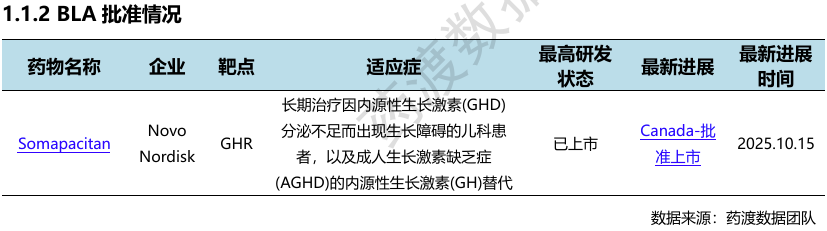
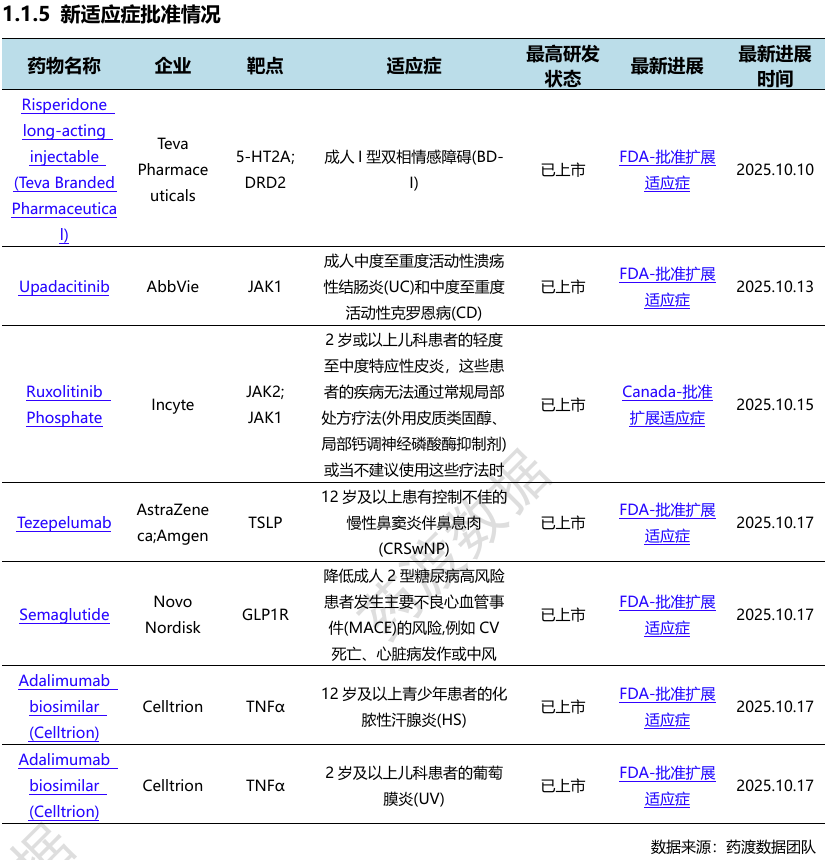
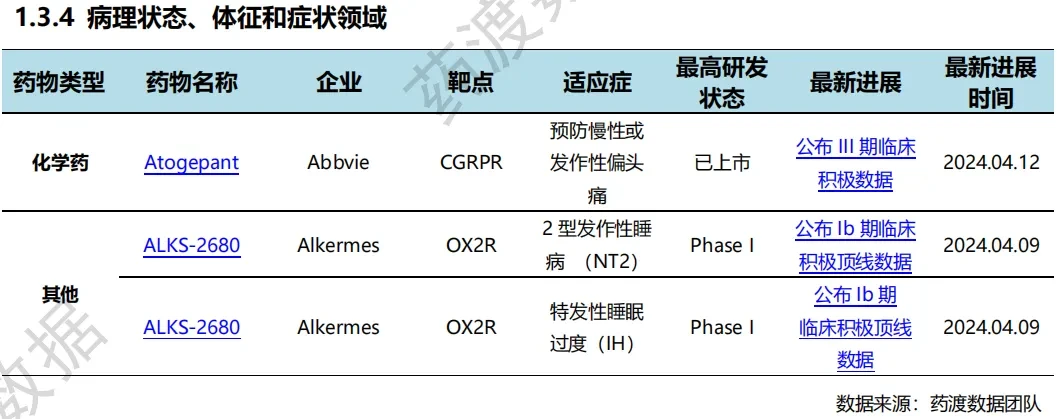
Global Drug Approvals/R&D UpdatesGlobal New Drug ApprovalsAccording to the data analysis by PharmaDJ, during this statistical period (October 12-17, 2025), there were a total of 8 new drug approval status updates globally (excluding China). Among them, there was 1 BLA approval and 7 new indication approvals. Compared with the previous statistical period, this cycle saw an increase of 3 globally approved drugs.
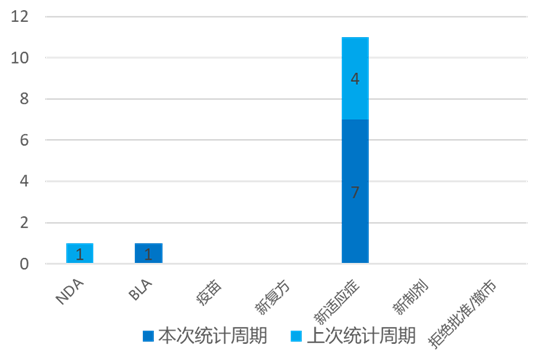 On October 13, AbbVie announced that the FDA had approved a supplemental New Drug Application (sNDA), updating the indication statement for Upadacitinib (RINVOQ®) in treating adult patients with moderately to severely active ulcerative colitis (UC) and moderately to severely active Crohn's disease (CD). Previously, the indication for Upadacitinib was limited to adult patients with moderately to severely active UC or CD who had an inadequate response or intolerance to one or more tumor necrosis factor (TNF) antagonists. The updated indication statement now also permits the use of Upadacitinib in patients who have received at least one approved systemic therapy when the clinical use of tumor necrosis factor (TNF) antagonists is not feasible.On October 17, Tezspire (Tezepelumab), co-developed by AstraZeneca and Amgen, was approved in the United States for add-on maintenance treatment of chronic rhinosinusitis with nasal polyps (CRSwNP) in adults and pediatric patients aged 12 years and older with inadequate disease control. Clinical trials demonstrated that Tezspire significantly reduced the severity of nasal polyps both statistically and clinically, nearly eliminating the need for surgical intervention while substantially decreasing the use of systemic corticosteroids. The safety profile and tolerability of Tezspire were consistent with its known safety data. This approval provides patients with a new treatment option, offering the potential to break the vicious cycle of recurrent symptoms, repeated surgeries, and long-term reliance on systemic steroids.
New Drug Approvals Worldwide (Excluding China)
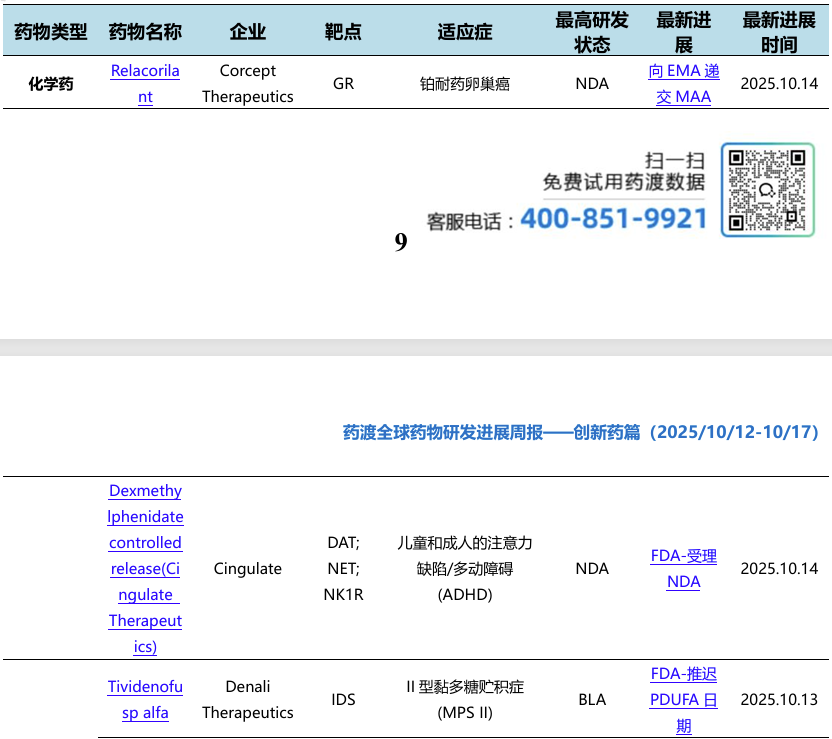
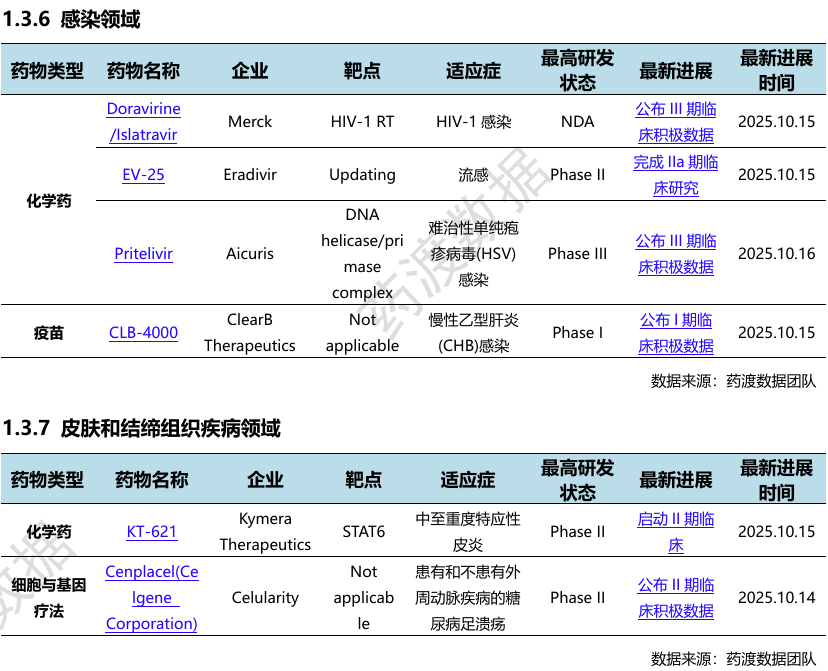
Global New Drug Application ProgressAccording to the PharmSnap data analysis, during this statistical period (October 12-17, 2025), there were a total of 7 new drug application progresses globally (excluding China). Among them, there were 2 chemical drug application progresses, 4 biologic drug application progresses, and 1 cell and gene therapy application progress. Compared with the previous statistical period, this period saw an increase of 4 NDA/BLA application progresses.
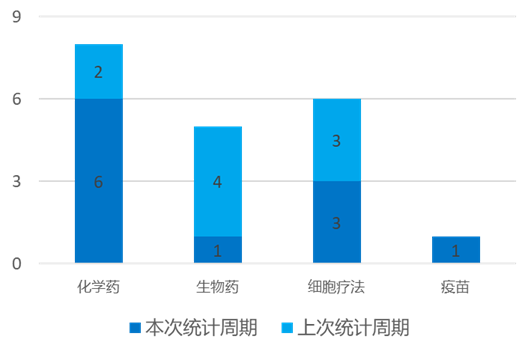
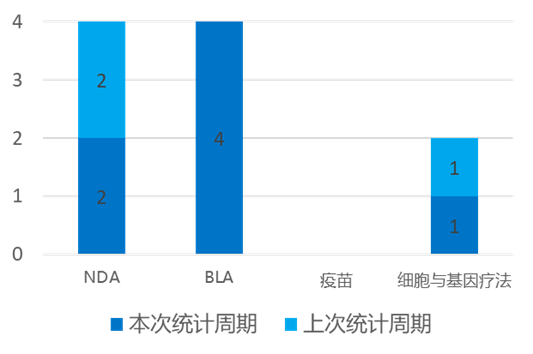 On October 17, AstraZeneca's Saphnelo (Anifrolumab) has been recommended for approval in the European Union (EU) for self-administration by adult patients with systemic lupus erythematosus (SLE) on top of standard therapy, in the form of a once-weekly pre-filled pen. Clinical trials demonstrated that subcutaneous administration of Saphnelo significantly reduced disease activity in patients, both statistically and clinically. The observed safety profile is consistent with the known clinical safety profile of the intravenous (IV) formulation of Saphnelo.NDA/BLA Submission (Partial)According to the PharmaDJ data analysis, during this statistical period (October 12-17, 2025), a total of 11 drugs worldwide (excluding China) received special regulatory designations. Among them, there were 6 chemical drugs, 1 biologic drug, 3 cell and gene therapies, and 1 vaccine. Compared with the previous statistical period, the number of drugs receiving special regulatory designations increased by 2 in this period.
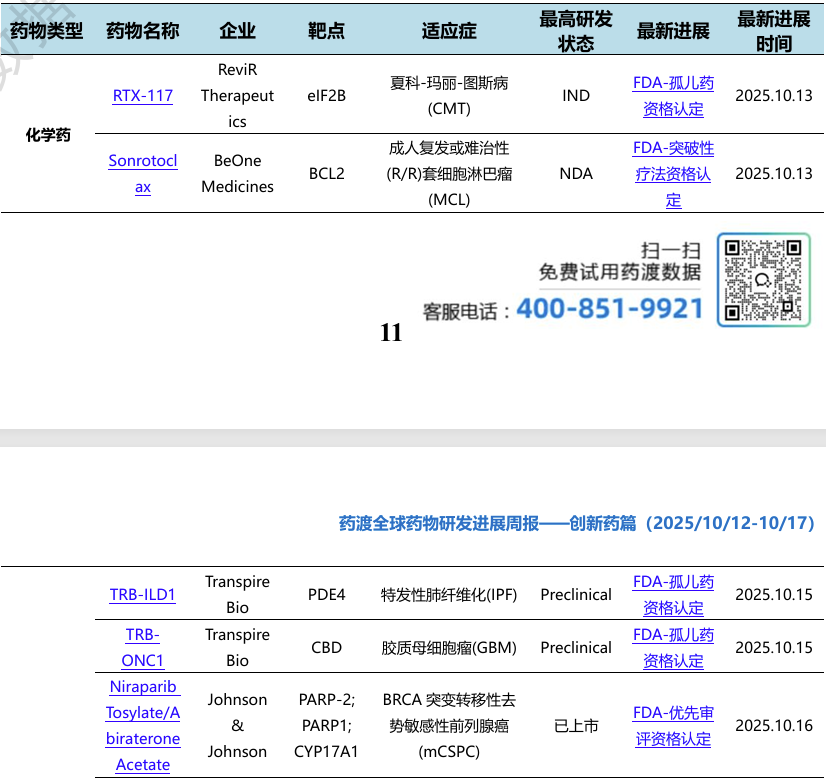
On October 13, BeOne Medicines announced that the FDA had granted Sonrotoclax Breakthrough Therapy Designation (BTD) for the treatment of adult patients with relapsed or refractory (R/R) mantle cell lymphoma (MCL). Recently published top-line positive results of Sonrotoclax indicate that the drug has the potential to deliver deep and durable therapeutic responses, positioning it to potentially become the first and only BCL2 inhibitor approved in the United States for relapsed or refractory mantle cell lymphoma. Additionally, the FDA has accepted BeOne Medicines' application to participate in the "Orbis Project," which is expected to accelerate the development process of Sonrotoclax, bringing faster-than-expected treatment options to patients.On October 15, Transpire Bio announced that two of its investigational products (TRB-ILD1 and TRB-ONC1) had been granted Orphan Drug Designation (ODD) by the FDA. TRB-ILD1 is an inhaled phosphodiesterase-4 (PDE4) inhibitor formulation for the treatment of idiopathic pulmonary fibrosis (IPF); TRB-ONC1 is a novel synthetic inhaled cannabidiol (CBD) formulation for the treatment of glioblastoma (GBM), a highly malignant brain cancer with currently very limited effective treatment options. The granting of Orphan Drug Designation to both TRB-ILD1 and TRB-ONC1 marks an important milestone in the company's progress toward developing breakthrough inhalable therapeutic solutions for patients with rare diseases.Drugs Granted Special Status by Regulatory Authorities Worldwide (Partial)
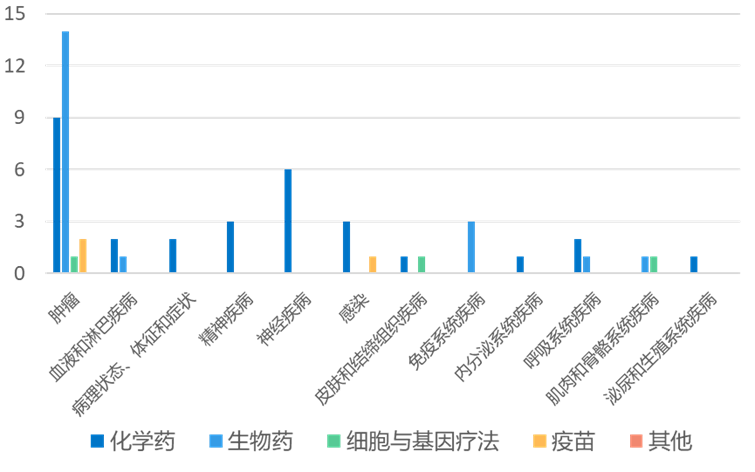
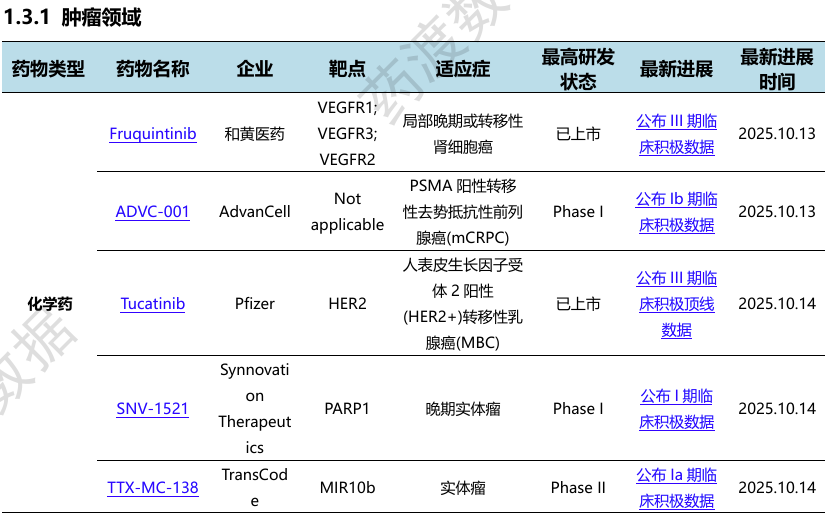
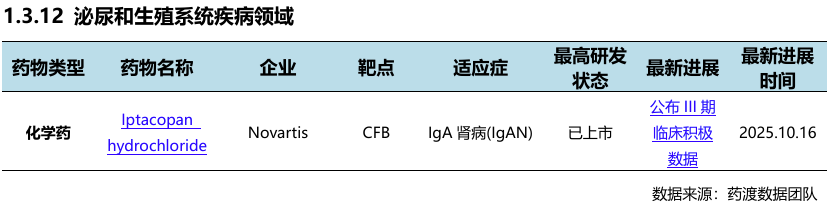
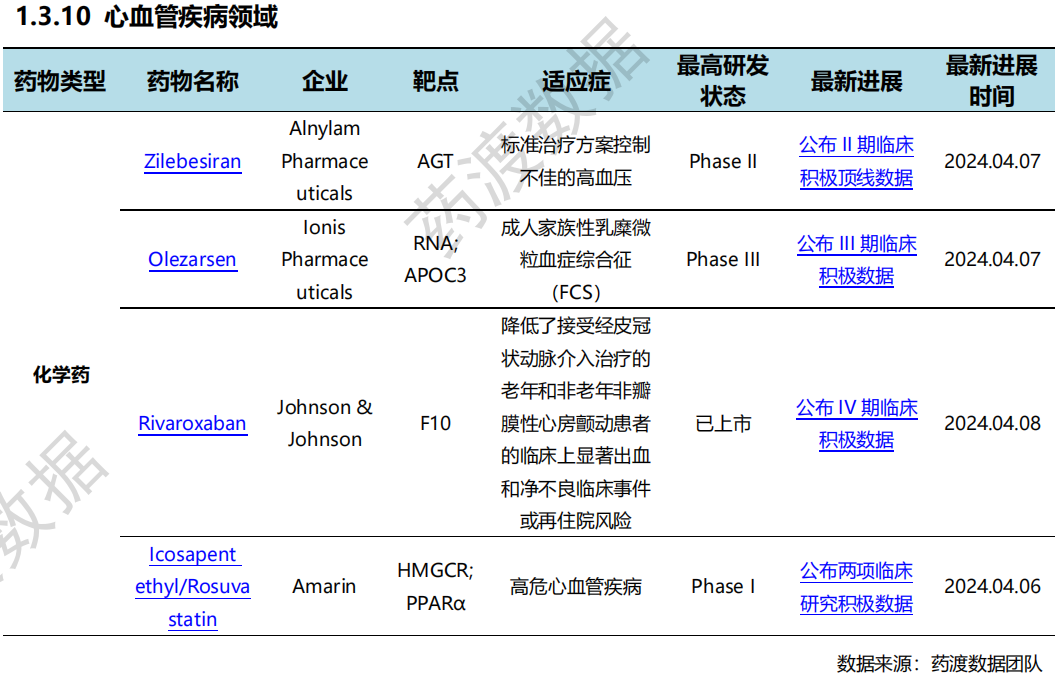
Global New Drug Development ProgressAccording to the PharmaDJ data analysis, during this statistical period (October 12-17, 2025), there were a total of 55 updates on the clinical development status of new drugs globally (excluding China), involving oncology, neurological disorders, infectious diseases, and respiratory system conditions.A total of 12 fields, including diseases.Among them, the clinical progress updates in the oncology field ranked first among all fields, with 26 updates, including 9 for chemical drugs, 14 for biologics, 1 for cell and gene therapy, and 2 for vaccines.On October 13, HUTCHMED announced the results of the FRUSICA-2 registrational study of Fruquintinib in combination with Sintilimab for the treatment of patients with locally advanced or metastatic renal cell carcinoma. The median PFS assessed by Blinded Independent Central Review (BICR) was 22.2 months for the Fruquintinib plus Sintilimab combination, compared to 6.9 months for the Axitinib/Everolimus group. The Objective Response Rates (ORR) were 60.5% vs 24.3% (HR 4.622, p<0.0001), and the median Duration of Response (DoR) was 23.7 months versus 11.3 months. As of the data cutoff, overall survival data is still maturing, with a maturity of approximately 20%. Efficacy benefits were observed across all prognostic risk groups as defined by the International Metastatic Renal Cell Carcinoma Database Consortium (IMDC) criteria.The combination therapy of Fruquintinib and Sintilimab demonstrated a tolerable safety profile consistent with the known characteristics of each treatment. The incidence of Grade 3 or higher treatment-emergent adverse events (TEAEs) was 71.4% in the Fruquintinib and Sintilimab group, compared to 58.8% in the Axitinib/Everolimus group.The 2025 European Society for Medical Oncology (ESMO) Annual Meeting has kicked off in Berlin, Germany, on October 17 local time. On the first day of the conference, Baili Tianhe unveiled for the first time the overseas multicenter solid tumor research data of Iza-bren, the world’s first and novel-concept EGFR×HER3 bispecific antibody-drug conjugate (ADC). This research data was presented as an oral report, taking the prime spot in the innovation session. The BL-B01D1-LUNG-101 study (NCT05983432) is a multicenter Phase I clinical trial conducted overseas, comprising dose exploration and dose expansion phases. It aims to evaluate the safety, preliminary efficacy, and pharmacokinetic profile of Iza-bren (EGFR×HER3 bispecific ADC) in patients with metastatic or unresectable non-small cell lung cancer (NSCLC) and other solid tumors.The study results showed that: ① cORR reached up to 55%, demonstrating the pan-tumor treatment potential of iza-bren: In the 2.5mg/kg dose group, more than half of the patients achieved tumor response (cORR reached 55%), with mPFS at 5.4 months; ② Lung cancer and breast cancer showed stronger positive efficacy signals: In the 2.5mg/kg dose group, cORR for EGFR-mutant NSCLC reached 30%, with mPFS at 5.4 months; cORR for EGFR wild-type reached 75%, DCR 100%, and mPFS not yet reached; cORR for the three breast cancer cases reached 100%; ③ Iza-bren demonstrated good safety, with a low rate of TRAE leading to discontinuation. The efficacy and safety data of iza-bren in treating Eastern and Western populations were highly consistent, confirming its broad-spectrum characteristics across populations and tumor types.Global New Drug Development Progress Details (Partial)
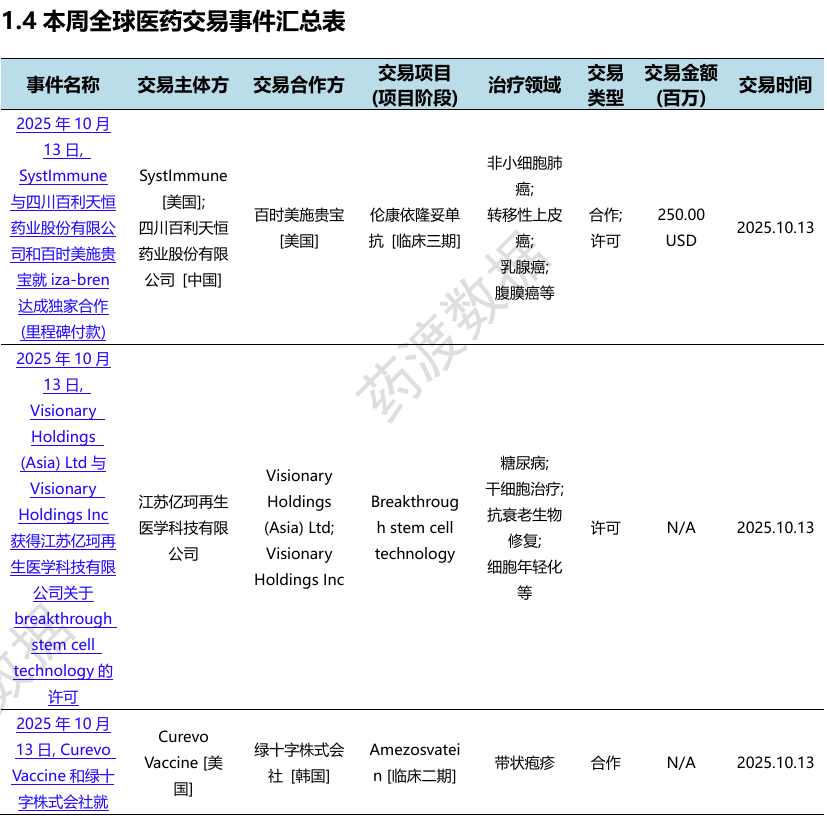
Global Pharmaceutical Transaction EventsThis statistical cycle(2025.10.12-10.17)There were a total of 31 pharmaceutical transaction events globally (including China), involving drug rights transfers, company acquisitions, and other transaction events.
Summary Table of Global Pharmaceutical Transaction Times (Partial)
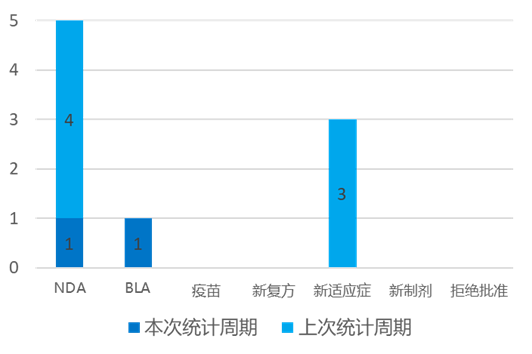
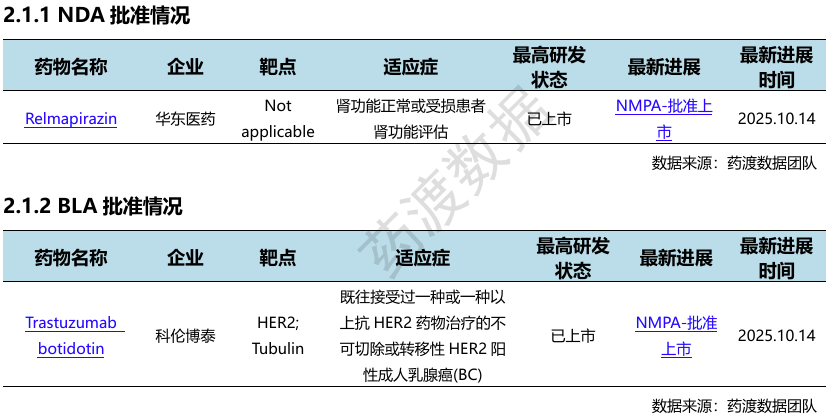
Drug Approval/Development Dynamics in ChinaNew Drug Approvals in ChinaAccording to the statistical analysis of PharmaDJ data, the current statistical period (2025.10.12-10.17)In China, a total of 2 new drugs were approved for marketing by the NMPA, of which 1 was approved via NDA and 1 via BLA. Compared with the previous statistical cycle, the number of new drugs approved by the NMPA has decreased by 5 in this cycle.
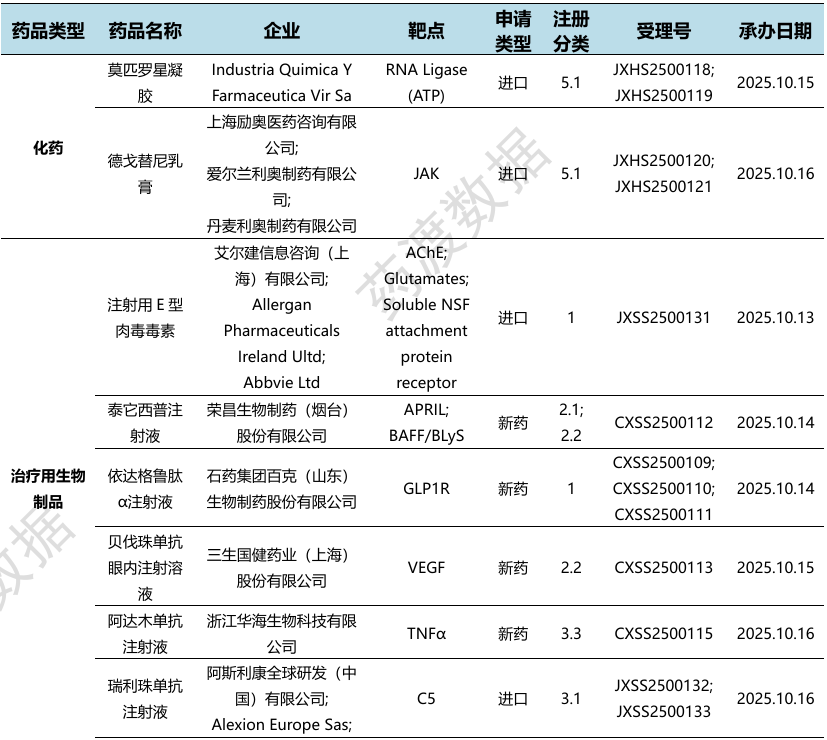
On October 17, Huadong Medicine announced that the marketing authorization application for Remapirazin Injection submitted by its wholly-owned subsidiary, Sinopharm-Zhongmei Huadong, had been approved by the NMPA. Remapirazin Injection, together with TGFR, forms MediBeacon®TGFR, which aims to evaluate the glomerular filtration rate (GFR) in patients with normal or impaired renal function by non-invasively monitoring the changes in fluorescence of an exogenous tracer over time. TGFR received Chinese marketing approval in February this year. Studies have shown that the combination of this product with TGFR can accurately measure GFR in global populations with normal or impaired renal function, including the Chinese population. The approval of Remapirazin Injection marks the successful completion of the overall approval process for MediBeacon®TGFR in China!On October 17, Kelun-Biotech's antibody-drug conjugate (ADC) targeting human epidermal growth factor receptor 2 (HER2), Bodu Trastuzumab (Stalier®), was approved by the NMPA for the treatment of adult patients with unresectable or metastatic HER2-positive breast cancer (BC) who have previously received one or more anti-HER2 therapies. Clinical studies showed that in the pre-specified interim analysis, compared with T-DM1, Bodu Trastuzumab monotherapy demonstrated a statistically significant and clinically meaningful improvement in the primary endpoint of progression-free survival (PFS) assessed by blinded independent central review (BICR); a trend toward overall survival (OS) benefit with Bodu Trastuzumab was also observed.New Drug Approvals in ChinaProgress of Implied Consent for Clinical Trials of New Drugs in ChinaAccording to the PharmaBlock data statistics analysis, the statistical cycle for this period is (2025.10.12-10.17).In China, a total of 16 new drugs have been granted clinical tacit approval, involving 26 application numbers.Among them, there are 10 chemical drugs, 5 therapeutic biological products, and 1 preventive biological product.Compared with the last statistical period, this time there are 38 fewer clinical tacit approval acceptance numbers granted.
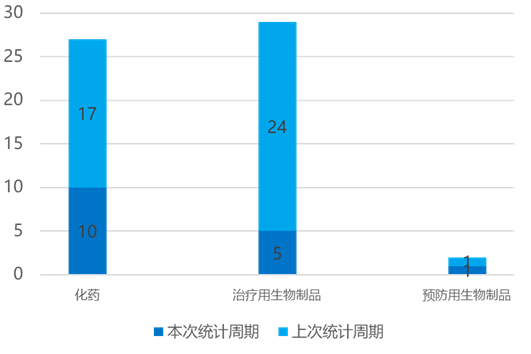
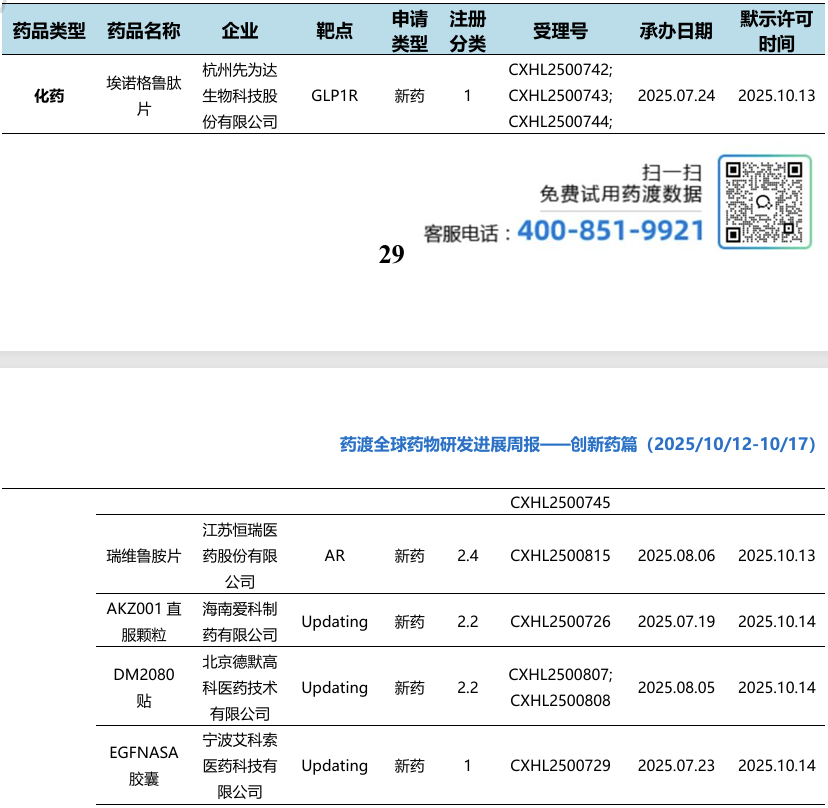
This Week's Progress on Clinical Trial Approvals for New Drugs in China (Partial)
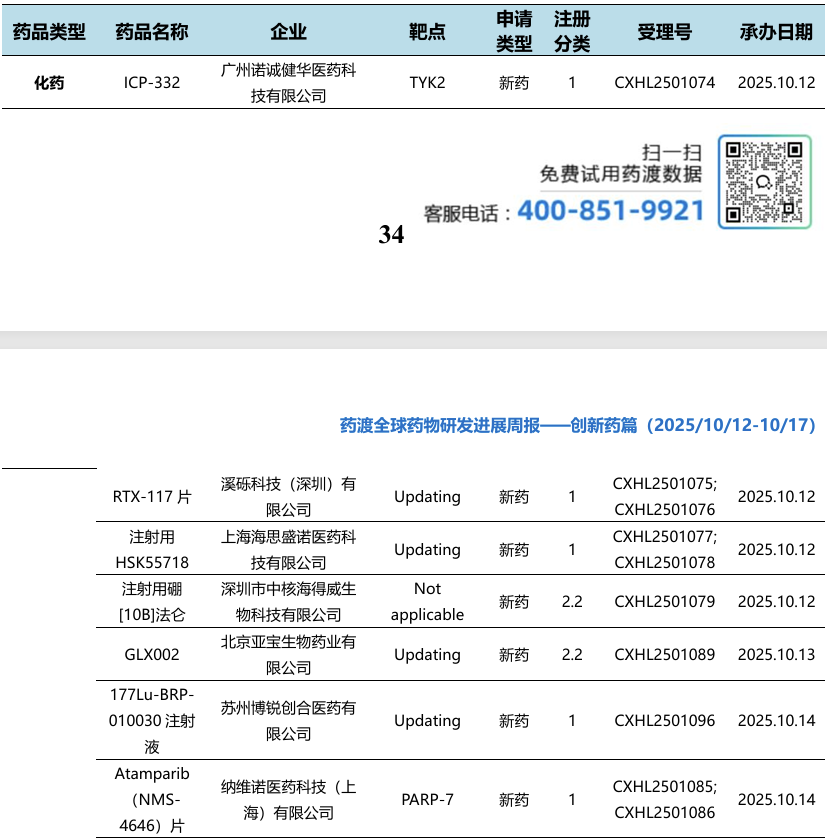
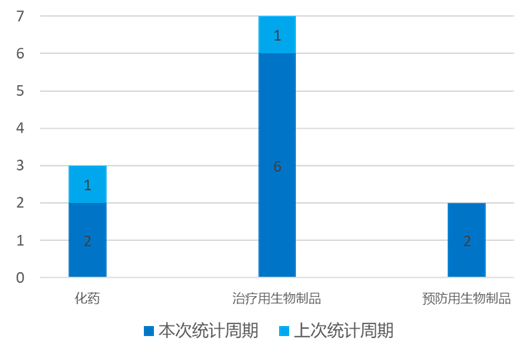
Progress of New Drug Applications in ChinaAccording to the data analysis from PharmaDJ, during this statistical period (October 12-17, 2025), there were 10 new drug marketing applications in China, involving 16 acceptance numbers. Among them, there were 2 chemical drugs, 6 therapeutic biological products, and 2 preventive biological products. Compared with the previous statistical period, this time saw an increase of 14 acceptance numbers for new drug marketing applications.。
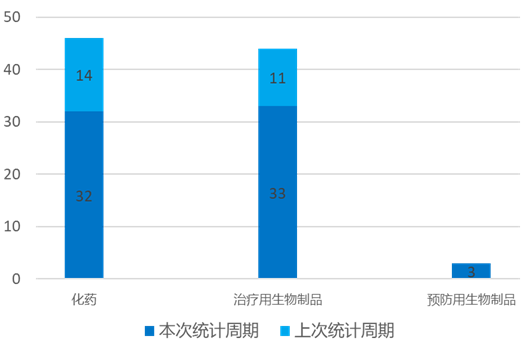
New Drug Marketing Applications in China (Partial)According to the data analysis by PharmaDJ, during this statistical period (October 12-17, 2025), there were 68 new drug clinical trial applications in China, involving 119 acceptance numbers. Among them, there were 32 chemical drugs, 33 therapeutic biological products, and 3 preventive biological products. Compared with the previous statistical period, this period saw an increase of 83 clinical trial application acceptance numbers.
Clinical Trial Applications for New Drugs in China (Partial)According to the PharmSnap data statistical analysis, the current statistical period (2025.10.12-10.17)China Adds 1 New ApprovalNMPADrugs with special qualification recognition. Among them, one is a chemical drug. Compared with the last statistical cycle, the number of drugs granted special qualification recognition by the NMPA has decreased by one in this round.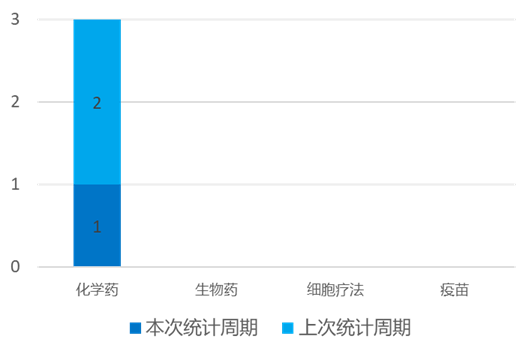
On October 15, Belite Bio announced that the NMPA Center for Drug Evaluation (CDE) has agreed to accept the New Drug Application (NDA) for Tinlarebant for the treatment of Stargardt Disease, and has granted it priority review based on the interim analysis results of the Phase III DRAGON trial. The approval by the National Medical Products Administration is based on the interim analysis results of the Phase III DRAGON trial – which showed that the primary endpoint of the trial achieved statistical significance. The company remains on track to release the key final data of the Phase III DRAGON trial in the fourth quarter of 2025. The CDE's agreement to review the NDA enables Belite Bio to advance Tinlarebant into the final stage of development, and if all goes well, it will bring the first-ever treatment to patients with Stargardt Disease.
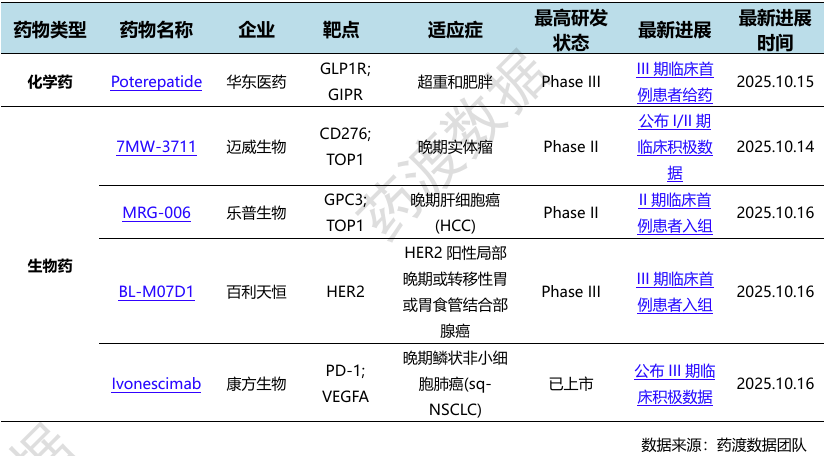
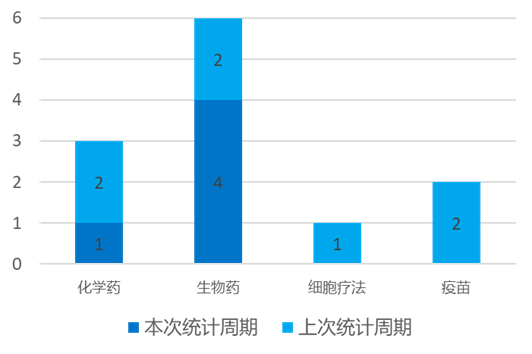
NMPAProgress on Special Drug DesignationProgress in New Drug Development in ChinaAccording to the data analysis from PharmaDJ, during this statistical period (October 12-17, 2025), there were a total of 5 updates on the clinical development status of new drugs in China, covering two therapeutic areas: oncology and nutritional/metabolic diseases. Among them, there was 1 chemical drug and 4 biologics. Compared with the previous statistical period, the number of updates on the clinical development status of new drugs in China decreased by 2.
On October 14, Mabwell Biotherapeutics announced that the Phase I/II clinical study data and latest progress of 7MW3711, an innovative B7-H3 ADC drug for various advanced solid tumors, will be presented in a poster at the 2025 ESMO Congress. As of September 15, 2025, a total of 74 patients have been enrolled in the Phase I/II clinical study of 7MW3711 for advanced solid tumor patients. Among the 54 evaluable patients in the 4.0mg/kg or higher dose groups, 19 patients achieved partial response (PR) or complete response (CR). In the evaluable patients with esophageal cancer (EC) in the 4.0mg/kg or higher dose groups, the objective response rate (ORR) was 42.9%, and the disease control rate (DCR) was 100.0%. In the evaluable lung cancer patients treated with 4.0mg/kg dose group (administered once every 2 weeks), the ORR for small cell lung cancer (SCLC) and squamous non-small cell lung cancer (Sq-NSCLC) were 50.0% and 38.5%, respectively, and the DCRs were 90.0% and 92.3%, respectively. During the dose escalation phase, no dose-limiting toxicity (DLT) was observed, and the maximum tolerated dose (MTD) has not yet been reached. Common ≥ Grade 3 adverse events included decreased white blood cell count, decreased neutrophil count, anemia, decreased lymphocyte count, and decreased platelet count, among others. The data suggest that 7MW3711 demonstrates tolerable safety and favorable anti-tumor activity in patients with advanced cancers such as lung cancer and esophageal cancer.On October 16, the research findings of AK112-306/HARMONi-6, a registrational Phase III clinical study comparing the efficacy of Akeso Biopharma's self-developed world-first bispecific antibody drug, Evecima (PD-1/VEGF bispecific antibody), combined with chemotherapy versus Tislelizumab combined with chemotherapy for the first-line treatment of advanced squamous non-small cell lung cancer (sq-NSCLC), have been accepted by the main journal of the internationally prestigious medical publication *THE LANCET*. The findings will be published concurrently during the European Society for Medical Oncology (ESMO 2025) conference in 2025. The HARMONi-6 study is a Phase III clinical trial that achieved positive results in comparing Evecima with PD-1 combined with chemotherapy as a first-line treatment for sq-NSCLC, following its previous success in comparison with Pembrolizumab for first-line treatment of PD-L1 positive NSCLC. This fills a critical gap in the use of anti-angiogenic drugs for the treatment of sq-NSCLC.Previously, the company had announced that the HARMONi-6 study met its primary endpoint of progression-free survival (PFS), with results demonstrating statistically significant and substantial clinical benefits. The findings from the HARMONi-6 study comprehensively highlight the superior efficacy and safety of the combination therapy of Eftilagimod Alpha (Yivoki) and chemotherapy, further solidifying Yivoki’s leading position in the evolution of cancer immunotherapy. Based on these outstanding results, the supplemental New Drug Application (sNDA) for Yivoki in combination with chemotherapy as a first-line treatment for advanced squamous non-small cell lung cancer (NSCLC) is currently under review, offering hope to more patients.Progress in New Drug Development in China
Policy and Regulatory Dynamics in China's New Drug Development FieldNotice on Soliciting Public Comments on the Implementation Suggestions and Chinese Translation of the ICH Guideline 'M14: General Principles for Planning, Design, Analysis, and Reporting of Non-Interventional Studies Using Real-World Data for Drug Safety Evaluation'To promote the smooth implementation of ICH guidelines in China, our center has developed the "M14: General Principles for Planning, Design, Analysis, and Reporting of Non-Interventional Studies Using Real-World Data for Drug Safety Evaluation" guideline implementation recommendations and Chinese translation draft. We are now soliciting public opinions for a period of 1 month.Hot News in China's New Drug Development FieldMerck & Co., Take the Plunge!Merck, the giant that has reached the pinnacle of the industry with its "blockbuster drug" Keytruda (K drug), is now standing on the edge of the patent cliff.Under the crisis, Merck did not sit idly by but chose to take the initiative, embarking on a magnificent and unprecedented "buying spree across the globe." In just three years, it spent over 50 billion U.S. dollars in a relentless search for the potential blockbuster drugs that could define the next decade.This is a high-stakes gamble concerning the rebirth of giants.Over 50 billion in 3 years, why the frenzy?Fosun Pharma's Innovation Engine Keeps RoaringIf the rise of China's biopharmaceutical industry were to be likened to a grand and sweeping epic, Fosun Pharma would undoubtedly be one of its most vivid chapters. Its strategic evolution mirrors a concise history of China’s transformation from a "generic drug giant" to an "innovative drug powerhouse." From its humble beginnings in 1994 in Shanghai to now leading another wave of innovation, every pivot by Fosun Pharma has remained closely aligned with the pulse of the times.Today, we will once again witness the brilliant transformation of Fosun Pharma.As a veteran Bigpharma, Fosun Pharma's "4IN" (Innovation, Internationalization, Intelligentization, Integration) strategic direction is indeed very aligned with its current development trend.More information, read the original textLittle D Has Something to Say
For the convenience of readers to read and save, we have organized the original weekly report into a PDF version. If you need to obtain the full text, you can click the blue words at the top.Pharmacodia Daily Official AccountReply "1022 Weekly Report" in the background to download.