Protaryx Medical Submits FDA 510(k) for Novel Transseptal Puncture System — A 'Smart Key' Set to Transform Left Heart Access

Protaryx
Medical Device Developer

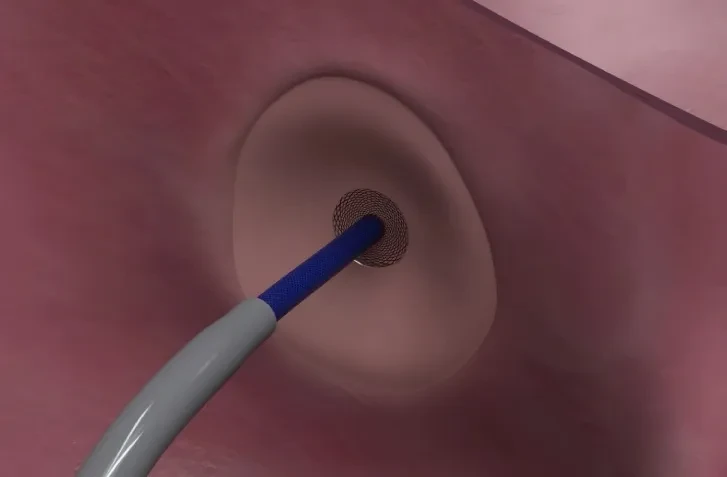
The "Life-and-Death Challenge" of Heart Surgery, Unlocked by a "Smart Key"?
On October 26, 2025, the U.S.-based medical technology company Protaryx Medical submitted a 510(k) premarket notification to the FDA, dropping a bombshell in the field of structural heart disease — its newly developed transseptal puncture device is attempting to rewrite the operational logic of left-heart surgeries.

1. Left Atrial Puncture: The "Highwire Act" of Cardiology
For patients with atrial fibrillation and mitral valve disease, transseptal puncture is the "key" to opening the door to treatment — it must precisely penetrate the septum between the left and right atria of the heart to create a pathway for procedures such as left atrial appendage closure and mitral valve repair. However, this "key" has always been difficult to use:
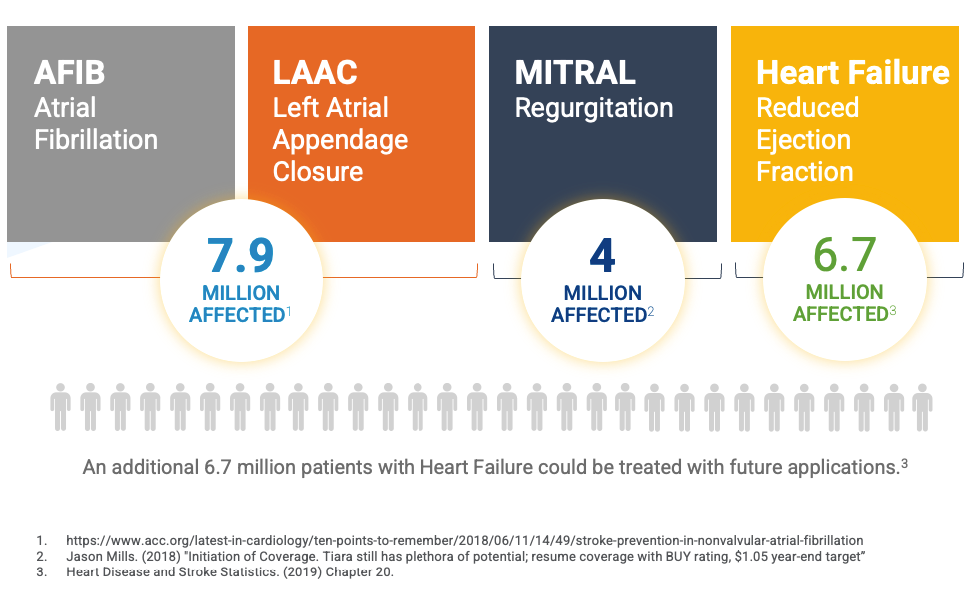
Traditional devices are difficult to control in puncture force, which can easily lead to fatal risks such as cardiac tamponade;
Repeated exchanges of the guidewire and puncture needle prolong the operation time beyond 140 seconds;
Blurred imaging leads to a learning curve of up to 18 months for novice doctors;
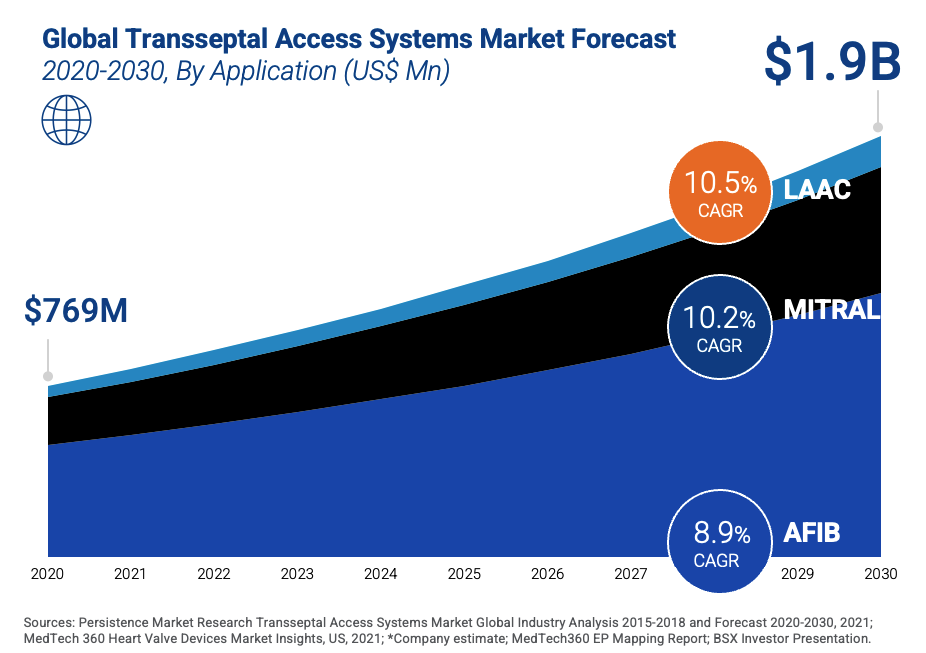
Each year, millions of left-heart surgeries worldwide rely on a doctor's "sense of touch" to navigate. Protaryx’s new device is attempting to equip this "key" with a "navigation system."
2. Nickel-Titanium Mesh + Expandable Catheter: Puncture Accuracy Upgraded Again
The core breakthrough of this catheter system lies in two details:
Echo Expandable Nitinol Mesh:It's like installing an "ultrasound reflector" on the catheter, allowing doctors to clearly track its position on the screen and address the pain point of blurry imaging with traditional instruments.
Extendable Distal Catheter:Automatically retract the puncture needle after use to avoid scraping the inner wall of the blood vessel, minimizing the risk of trauma.
"It enables doctors of all experience levels to achieve high-precision operations." CEO David Mester's statement directly addresses the industry pain point — currently, grassroots hospitals account for less than 5% of TAVR surgeries due to technical barriers, and the "rapid learning curve" of the new device is expected to break this deadlock.
3. Behind the FDA Submission: The Prelude to a Technological Replacement Battle
This 510(k) submission is no accident. According to the FDA process, it requires a 3-6 month review to demonstrate "substantial equivalence" to similar products. Protaryx's confidence stems from the positive results of its First-in-Human (FIH) study. Co-founder James Gammie emphasized: "It has the potential to set a new standard for left-heart interventions."
This reflects a global reshuffle in cardiovascular device technology: Edwards’ revenue doubled with its mitral valve repair system, Johnson & Johnson achieved growth breakthroughs with PFA technology, and transseptal puncture, as a foundational technique, is set to revolutionize the entire left-heart surgery market. If the device is approved, it could not only reduce fluoroscopy time during procedures but also potentially decrease complication rates by over 30%.
4. The time window留给 doctors is narrowing.
As devices become increasingly "intelligent," the role of doctors is also being redefined. Physicians who cling to traditional practices and have not mastered new interventional techniques are at risk of being phased out. The widespread adoption of devices like Protaryx may transform "precise puncture" from an "expert skill" into a "standard procedure."
In the next 3-6 months, the FDA's review results will be critical. Can this "smart key" for heart surgery successfully unlock the market? We will continue to track.


CCI Cardiovascular Physicians Innovation Club
Long press the QR code to follow us
This Issue's Planning: Shen Li
Editorial Responsibility: Chen Baolin
Author of this article: Yun Ye Xuan
Post-production: Zhang Lirong