Home Medicare Coverage Approved: Medtronic's RDN Therapy Marks a Decade-Defining Moment

Medicare Coverage Approved: Medtronic's RDN Therapy Marks a Decade-Defining Moment

Oct 29, 2025 10:28 CST Updated 10:28
Medtronic

Medical Device Manufacturer

ReCor Medical

Developer of Renal Denervation Devices

图片
October 28, 2025Centers for Medicare & Medicaid Services (CMS)The Decision on National Coverage of Renal Denervation (RDN) in China(National Coverage Determination, NCD), this policy marks the official inclusion of this innovative therapy into the medical insurance system, and is considered a significant victory for Medtronic and ReCor Medical.
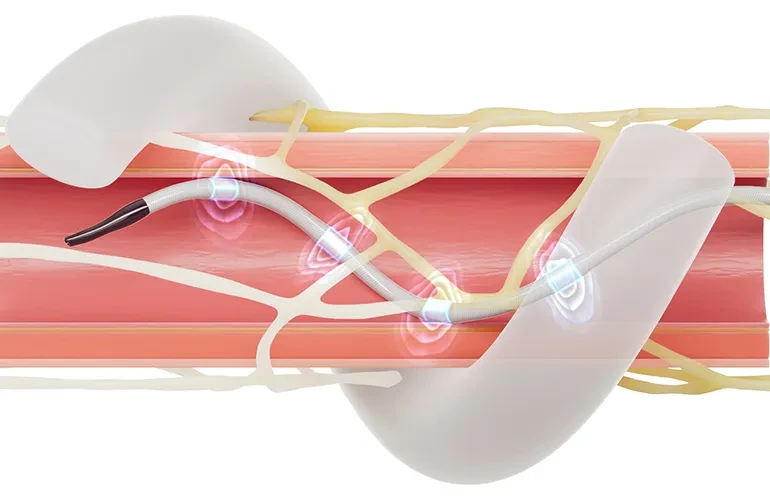
RDN is a minimally invasive treatment that reduces sympathetic nerve activity by ablating the sympathetic nerves around the renal arteries with energy, helping patients achieve blood pressure control when medications and lifestyle interventions are ineffective.
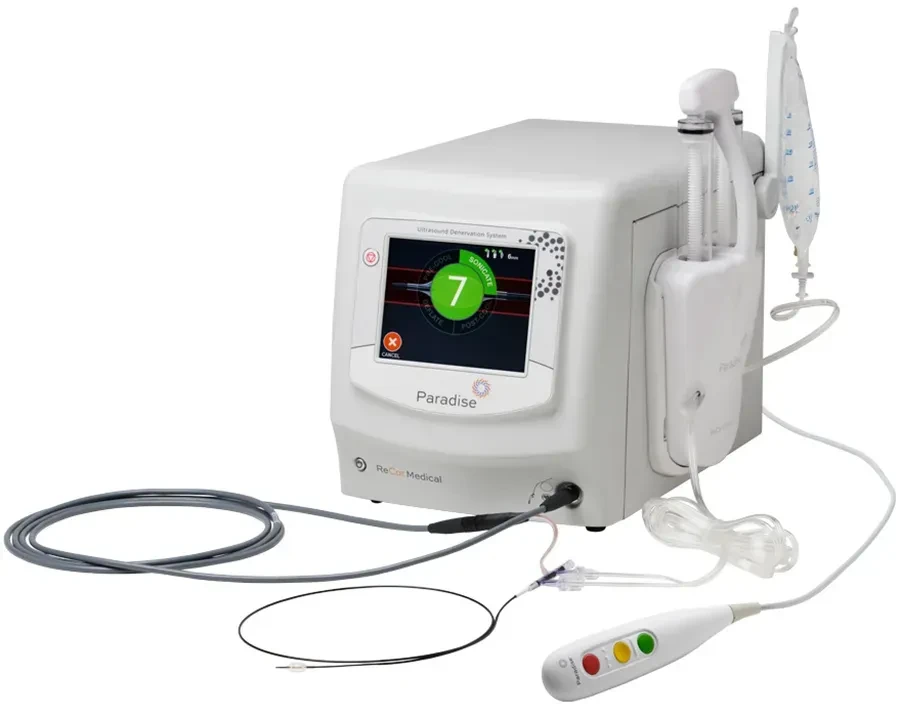
Currently,ReCor Medical's Paradise Ultrasound Renal Denervation System (Paradise uRDN System) and Medtronic's Symplicity Spyral Radiofrequency Renal Denervation SystemAre the only two FDA-approved RDN devices in the United States.
The scope of this medical insurance decision covers "Patients whose blood pressure remains uncontrolled despite pharmacological treatment and lifestyle interventions"Medicare patients will be able to receive financial support for this innovative therapy. Previously, when CMS released the proposed version in July 2025, the industry anticipated its official implementation in October, although the final release date was delayed by 20 days from the original plan."

# Policy Details and Industry Background
This national coverage decision explicitly states that RDN can be used as a treatment option for patients whose blood pressure remains uncontrolled despite medication and lifestyle interventions. The covered population mainly includes those with "resistant" or "uncontrolled hypertension."
Image
In the policy details, CMS made a key adjustment to the requirements for treatment pathways:
  • In the initial draft version, patients were required to undergoAt least 3 monthsGuideline-directed medical therapy (GDMT) has not been achieved, RDN may be considered;
  • In the final version, this time requirementShortened to 6 weeks
This revision means that patients can enter the RDN treatment process in a shorter cycle, which analysts consider to be a "better-than-expected" policy optimization that will significantly accelerate the clinical implementation of the technology.
This decision marks a key stage for RDN as it transitions from an innovative therapy into the medical insurance payment system. According to data from the U.S. Centers for Disease Control and Prevention (CDC) and the American Heart Association (AHA), there are approximately122 million adultsSuffering from hypertension, among whichApproximately 25%In an uncontrolled state. The Medicare data disclosed by CMS also shows that in the fiscal year 2021, about 64% of Medicare claims involved a diagnosis of hypertension.
With such a large patient base,Medicare coverage for RDN not only improves treatment accessibility but also brings potential long-term cost savings for the healthcare system.
Support at the policy level and recognition from the academic community have advanced almost simultaneously. In August 2025, the American College of Cardiology (ACC) and the American Heart Association (AHA) jointly updated the hypertension management guidelines.Officially include RDN as a recommended treatment option for patients whose blood pressure remains uncontrolled after medication and lifestyle interventions.. This guideline adjustment provides clinical basis and evidence-based support for CMS's Medicare coverage decisions.
Notably, after nearly a decade of clinical validation and regulatory review, RDN technology has finally achieved dual breakthroughs in payment and access. For hypertension, a long-term chronic condition, this signifies a new phase in the treatment paradigm, shifting from "drug dependency" to "structural intervention."

# Industry and Clinical Progress
Among the direct beneficiaries of this medical insurance policy,Recor MedicalAndMedtronicAre the two core enterprises in the global RDN field, whose technical routes respectively representUltrasound and Radiofrequency EnergyTwo mainstream solutions.
  • Recor Medical-Paradise Ultrasound Renal Denervation System
Image
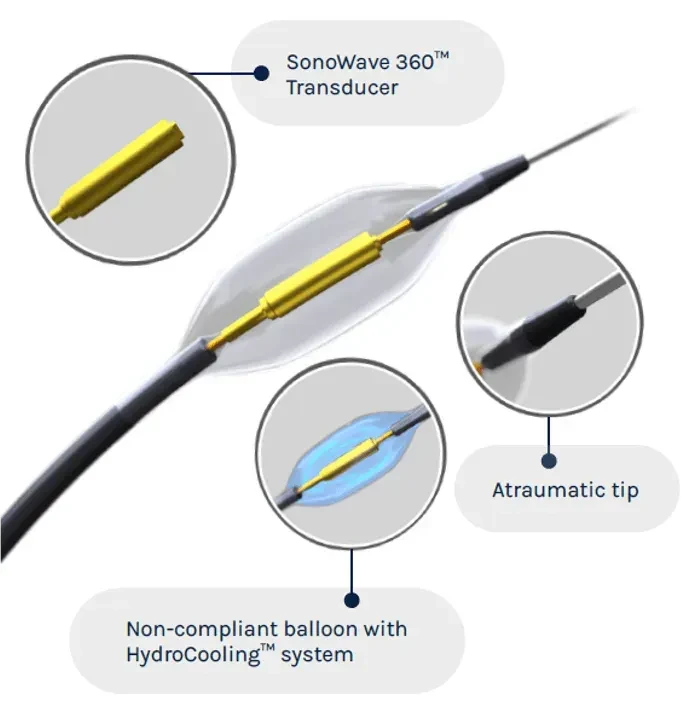
ReCor Medical was the first company in this field to receive regulatory approval. Its Paradise Ultrasound Renal Denervation System (Paradise uRDN System) was approved by the U.S. FDA in November 2023.The World's FirstRDN Device Granted U.S. Market Approval. The system uses high-frequency focused ultrasound to perform targeted ablation of the sympathetic nerves surrounding the renal arteries, thereby achieving a sustained blood pressure-lowering effect. According to publicly available information, the core advantage of the Paradise system lies inAccurate energy delivery, short operation time, and low risk of intravascular injury
Image
Following its approval in the United States, ReCor Medical received approval from Japan's pharmaceutical regulatory authority in August 2025, becomingJapan's First RDNThe approval of the product marks a further expansion of its global market presence.
  • Medtronic - Symplicity Spyral System
Image
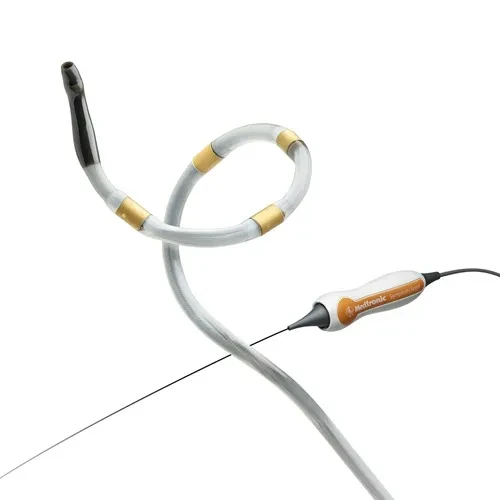
The Medtronic Symplicity Spyral system, which runs parallel to it, adoptsRadiofrequency Ablation(radiofrequency ablation, RF) for RDN treatment. This system is based on a multi-electrode catheter design, enabling spiral energy delivery to enhance the range and consistency of nerve ablation. Medtronic presented results from two pivotal studies at the TCT (Transcatheter Cardiovascular Therapeutics) annual meeting held in San Francisco in October 2025.
  • A study showed that the system could be maintained during the three-year follow-up.Significant and Long-lasting Blood Pressure Reduction Effect
  • Another study in high-risk cardiovascular patients also confirmed itsSafety and Stability of Efficacy
Although the RDN devices of the two companies follow different technical routes, their goal is the same——Achieving sustained, drug-independent blood pressure control by reducing renal sympathetic nerve activityAfter the implementation of CMS medical insurance policies, both systems will have the conditions to quickly expand clinical use.
Notably, despite the patent litigation dispute between ReCor Medical and Medtronic, the implementation of this NCD decision signifies that the RDN market has overcome regulatory and payment barriers, officially entering the commercialization phase. In the coming years, the focus of market competition will shift from technical approval to practical aspects such as clinical data accumulation, center access, and physician education.

# Analyst Interpretation
In the industry's view, CMS's final decision not only fulfilled previous policy expectations but also further strengthened the market signal for RDN. BTIG analysts Ryan Zimmerman and Iseult McMahon pointed out that although the release of the decision was slightly delayed (about three weeks later than originally planned), its content "fully met industry expectations and even slightly exceeded market expectations in some details."
The more notable change lies in the relaxation of clinical preconditions. CMS ultimately reduced the drug treatment duration from the proposed three months to six weeks, which is seen asGreatly lowers the threshold for patients to enter the RDN process.Zimmerman and McMahon stated that this adjustment "significantly shortens the conversion cycle from drug failure to RDN treatment," helping to encourage doctors to consider structural interventions earlier.
From a market perspective, the two analysts emphasized the huge potential space for RDN:
  • In the fiscal year 2021, approximately64%The Medicare claim record includes a diagnosis of hypertension;
  • Across the United States,Nearly half of adultsSuffering from hypertension, about 25% of which is not effectively controlled.
Based on this demographic structure, they assess the RDN market as having "enormous potential space" and believe that the implementation of CMS policies will directly boost the clinical adoption rate. Meanwhile, Medtronic and ReCor Medical, as the only two FDA-approved companies, will monopolize the clinical supply in the insured market in the short term, holding a clear first-mover advantage.
Analysts concluded that this policy "may become an accelerating inflection point for the commercialization of RDN," not only broadening market boundaries but also providing a reference path for future interventional therapies for hypertension.

# Corporate Perspectives and Industry Significance
At the corporate level, both Medtronic and ReCor Medical expressed positive attitudes toward CMS's final decision, regarding this policy as "a milestone for long-term R&D investment gaining market recognition."
  • Jason Weidman, Senior Vice President and President of Medtronic's Coronary & Renal Denervation BusinessIndicates:
"This coverage decision provides patients with a new option, allowing doctors to adopt a safe and durable hypertension treatment beyond medication and lifestyle interventions. For patients whose blood pressure has not been controlled for a long time, RDN represents an expansion of the treatment pathway, making precise intervention a reality."
  • Medtronic Cardiovascular Business Unit Executive Vice President Skip KiilPoint out:
"The inclusion of RDN in medical insurance is not only a breakthrough in patient accessibility but also marks an important growth point for the company in the field of minimally invasive treatments. Medtronic will closely collaborate with clinical centers to accelerate the promotion and education of this technology, advancing hypertension management into a new phase."
At the industry level, the significance of this decision is not limited to market access. RDN has long been regarded as the "missing link" between drug therapy and structural intervention — by blocking renal sympathetic nerve signals, it achieves long-term blood pressure control and reduces the risk of stroke and heart failure. With the official coverage by CMS, RDN has become another cardiovascular interventional innovation technology entering the medical insurance system after transcatheter aortic valve replacement (TAVR).
This policy also sends an important signal:The US Medicare system is gradually opening payment channels for innovative interventional therapies., especially structural solutions targeting chronic diseases and frequently-occurring conditions. In the future, RDN is expected to drive a paradigm shift in hypertension treatment concepts globally.From "Passive Control" to "Active Regulation", marking a new phase in the intervention of cardiovascular diseases.

# Siyu MedTech Observation
From Policy Implementation to Industry Response: The CMS's Nationwide Coverage Decision Is Not Only an Update to Reimbursement Policy but Also an Official Recognition by the Healthcare System of Structural Hypertension Therapies. This Reflects Three Trends Worth Noting:
  • 1. The blurring of the "drug-device" boundary
In the past decade, the treatment of hypertension has almost completely relied on drug combination management, but issues such as poor drug adherence and unstable efficacy have always persisted. The inclusion of RDN in medical insurance signifies that blood pressure management is beginning to move towards a dual-pathway model of "device intervention + drug maintenance." For the entire cardiovascular treatment ecosystem, this represents a structural reconstruction.
  • Second, the acceleration of the "clinical-payment" linkage
RDN Entered the Medical Insurance System in Less Than Two Years After FDA Approval, Demonstrating an Acceleration in the Coordination of Regulatory, Guidelines, and Payers for the Access of Innovative Therapies. This Policy Provides a Replicable Pathway Model for Other Innovative Intervention Fields Such as Neuromodulation, Metabolic Interventions, and Cardiorenal Cross-Therapy.
  • Third, the rebalancing of the innovation competition landscape
In the emerging field of RDN, Medtronic and ReCor Medical have formed a "duopoly" landscape, but more new entrants have begun to develop improved radiofrequency systems, reversible neuromodulation, and other technologies. With the implementation of medical insurance, data accumulation, and in-depth physician education, the future market may shift from "technological competition" to "evidence-based competition" and "cost-effectiveness competition."
For the entire industry, this is not only a victory for RDN but also a landmark event signifying the maturation of the commercial logic behind minimally invasive interventional technology. It demonstrates thatIf innovative technologies can form a closed loop in evidence-based, regulatory, and payment aspects, they can truly move from clinical trials to everyday medical scenarios.


# Siyu MedTech Recommended Articles Collection

Recent Articles

The Era of Chinese-Made Medical Devices Has Arrived!

A Leap Forward in Brain Radiotherapy! Peking University International Hospital Partners with Baiyang Pharmaceutical

Latest! Global Medical Manufacturing Giant Changes Leader

Over 700 Million Yuan in Financing! Brain Monitoring Welcomes the "Patch Revolution"

Global Medical Device Observation

▌Capital Radar|Money Flow

Overseas Financing Events |Financing Events in China |Overseas Acquisition Cases |M&A Cases in China

Foreign Enterprise IPO |IPO of Domestic Enterprises |Foreign Enterprise Earnings Reports |Financial Reports of Domestic Enterprises

▌New Product Approval|Clearance Tracker
Approved by NMPA | FDA | CE
▌Latest Exhibitions | Expo Watch

Exhibition Preview/Review/Roundup

▌Device BD BD

SIYU Annual Event Review:The First Global Ophthalmology Conference | The First Global Orthopedics Conference | The First Global Cardiovascular ConferenceThe First Global Medical Aesthetics Technology Conference |The 2nd Global Medical Technology Conference|The 3rd Global Surgical Robotics Conference

Content Declaration:"SiYu MedTech" tracks global medical technology advancements, aiming to deliver technical and industry knowledge. All content is for industry exchange and academic discussion only, and does not constitute medical advice or commercial promotion. Information regarding companies, products, and registration mentioned in the text is sourced from publicly available materials or verified channels. If there are any errors or omissions, please contact us for corrections. Email: jacky@suribot.com

Copyright Statement:The original article of "Siyu MedTech" is owned by Beijing Siyu Bot Technology Co., Ltd. Without authorization, it is prohibited to reproduce, excerpt, or mirror the content on other websites, official accounts, or commercial platforms; for reproduction, please contact the backstage to obtain authorization. This platform reserves the right to pursue legal responsibilities for unauthorized full-text reproduction, rewriting, or paraphrasing.

图片