

TCT 2025 Breakthrough: Seven Giants Reshape Cardiovascular Care with Revolutionary Technologies for Valve Disease, Hypertension, and Heart Failure

Medtronic
Medical Device Manufacturer

Johnson & Johnson
Medical Device R&D and Manufacturer
1. San Francisco Ignites! Global Cardiovascular Leaders Gather, Technological Revolution on the Brink
In the past few days, San Francisco has become the focal point of global medical technology — the 2025 Transcatheter Cardiovascular Therapeutics (TCT) conference kicked off here, bringing together the world's top medical companies and cardiovascular experts to unveil groundbreaking technologies that could rewrite the history of disease treatment.
From heart valve replacements to minimally invasive blood pressure systems, from life-saving heart pumps to laser calcium-breaking technologies, this event not only carried forward last year’s wave of technological innovation but also used solid clinical data to create new "survival opportunities" for patients with hypertension, heart failure, and coronary artery disease. The following seven industry giants’ technological breakthroughs each have the potential to change the fate of millions.
II. Medtronic's "Hypertension Control Breakthrough" Again! RDN Technology Stuns with Long-Term Blood Pressure Control Data, Patients in 80 Countries Have Benefited
Technical PrincipleMedtronic Symplicity Spyral is a minimally invasive renal denervation (RDN) ablation catheter — which "blocks" overactive nerves around the kidneys using radiofrequency energy to reduce blood pressure at its source, eliminating the need for long-term medication dependence.
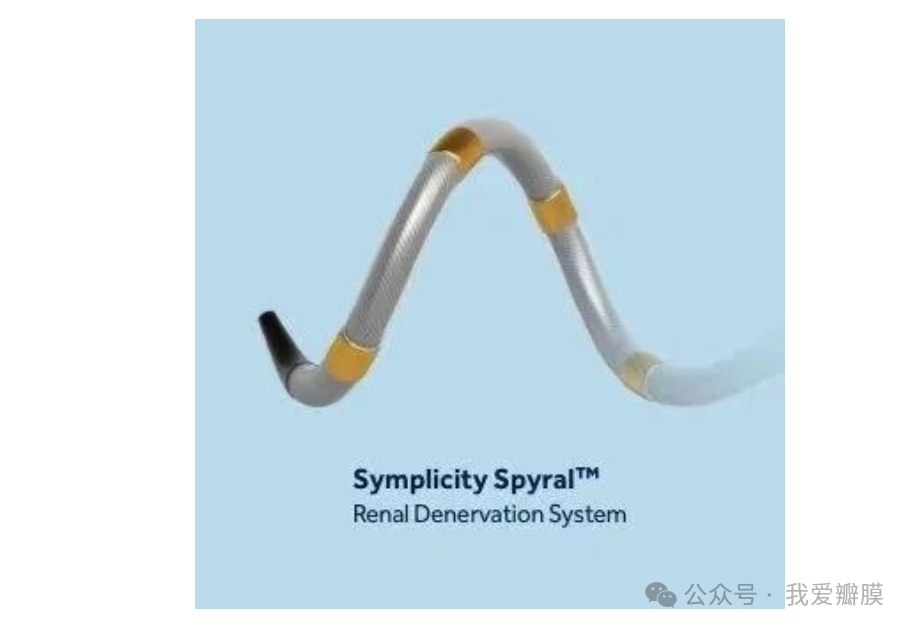
At TCT 2025, Medtronic unveiled two major groundbreaking study results, directly reshaping the industry's understanding of RDN technology:
- SPYRAL HTN-ON MED Trial
Longest-term Data Released! Confirms Symplicity Spyral’s "Durable and Stable" Blood Pressure Reduction, with Superior Blood Pressure Control Over Traditional Therapies Even in Patients Still on Antihypertensive Medications;
- SPYRAL AFFIRM Study
For people at high cardiovascular risk, not only did their blood pressure significantly decrease within 6 months, but the dosage of antihypertensive drugs also did not increase — meaning patients can take fewer medications, experience fewer side effects, and maintain more stable blood pressure control.
Currently, this "hypertension breakthrough technology" has been approved for commercial use in more than 80 countries, and in November 2023, it achieved a landmark FDA approval. Countless hypertension patients can finally stop being tied to their "medicine jars."
3. Johnson & Johnson Impella CP Heart Pump: 10-Year Mortality Reduced by 16.3%! The Smallest Heart Pump Rewrites the Fate of Heart Failure Patients
Technical PrincipleImpella CP is the world's smallest cardiac pump, capable of "entering" the heart to temporarily take over the pumping function — allowing the failing heart to "catch a break" and recover while ensuring the blood oxygen supply to the entire body, making it a "temporary lifeline" for heart failure patients.
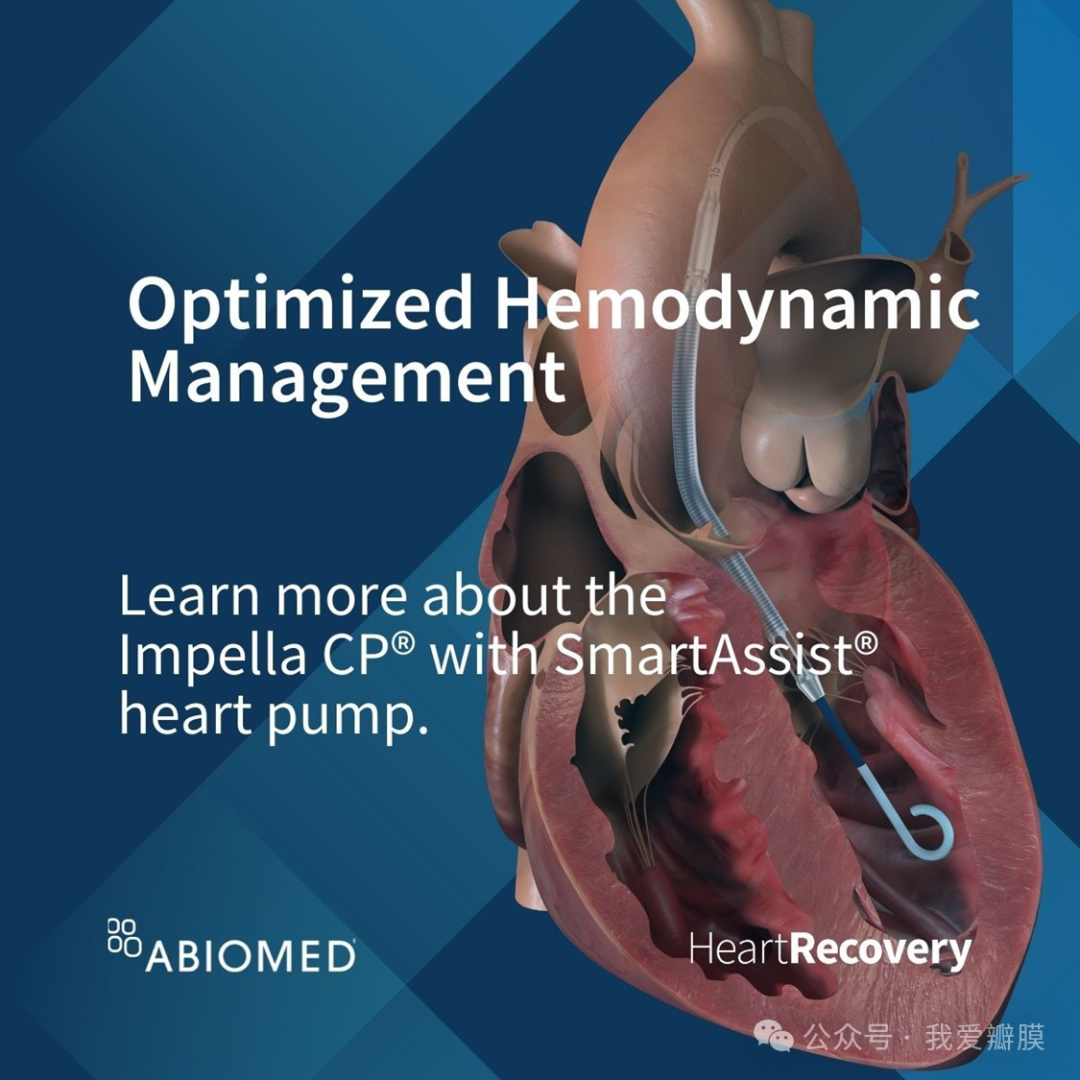
At TCT 2025, the data from the DanGer Shock study released by Johnson & Johnson Medical Technologies set the experts in the room abuzz:
Compared with traditional standard treatment, the 10-year absolute mortality rate of patients using Impella CP was reduced by a full 16.3%, with an average increase in survival of 600 days! This is equivalent to gaining an additional one and a half years of life for patients with advanced heart failure.
More significantly, this data directly prompted the ACC/AHA (American College of Cardiology / American Heart Association) to update their guidelines, listing Impella CP as a recommended treatment for cardiogenic shock patients — from then on, there is a "gold standard" for heart failure resuscitation.
4. Boston Scientific Agent DCB: Validated by 12,000 Patients! Drug-Coated Balloon Overcomes the Challenge of "Stent Restenosis"
Technical PrincipleAgent is a paclitaxel-coated drug balloon (DCB) that eliminates the need for stents. It delivers the drug to the blood vessel wall through balloon expansion, preventing in-stent restenosis (ISR) — solving the longstanding issue of blood vessels becoming blocked again after traditional stent procedures. It received FDA approval in March 2024.

At TCT 2025, Boston Scientific Unveils Two Real-World Study Results, Crushing Controversy with Overwhelming Strength:
- Multicenter Registry Study in the United States
From April 2024 to June 2025, 12,000 patients at more than 700 sites were treated with Agent, and the postoperative vascular patency rate far exceeded expectations.
- Japan ALLIANCE Registry
1800 Patients Treated with "Stand-alone DCB" or "Stent + DCB" Hybrid Strategy Achieve Both Safety and Efficacy Goals — Demonstrating the Reliability of This Balloon in Complex Conditions.
5. Edwards Heart Valve: 7-Year, 10-Year Data Continues to Impress! TAVR Technology Makes Heart Replacement Safer
Technical Principle: The Edwards Sapien series is the "benchmark product" for transcatheter aortic valve replacement (TAVR), replacing diseased aortic valves through minimally invasive methods, avoiding the risks of open-heart surgery, and is particularly suitable for elderly high-risk patients.

At TCT 2025, Edwards presented two sets of "ultra-long endurance" data to prove the "durability" of the valve:
- PARTNER 3 Trial 7-Year Data
Early benefits persisted through the 7th year, with stable valve performance and patient survival rates far exceeding those of traditional surgery;
- PARTNER 2 Moderate Risk Study 10-Year Data
Regardless of the patient's risk level or valve generation, the valve can still function normally after 10 years — breaking the prejudice of "short lifespan of artificial valves."
In addition, Edwards also announced new data on mitral and tricuspid valve therapies: the 1-year results of the ENCIRCLE trial and the 30-day data of the EVOQUE valve have both met the standards, meaning more patients with valvular disease can avoid open-heart surgery.
6. Abbott Tendyne Mitral Valve: Saving "Surgically Ineligible" Patients! MAC Severe Cases Can Finally Undergo Valve Replacement
Technical PrincipleTendyne is a transcatheter mitral valve replacement (TMVR) system specifically designed for patients with severe mitral annular calcification (MAC) — MAC causes the supporting structure of the mitral valve to harden, leading to regurgitation or stenosis, and such patients are often unable to undergo open-heart surgery due to high risks and cannot use traditional repair devices (such as Abbott's MitraClip).
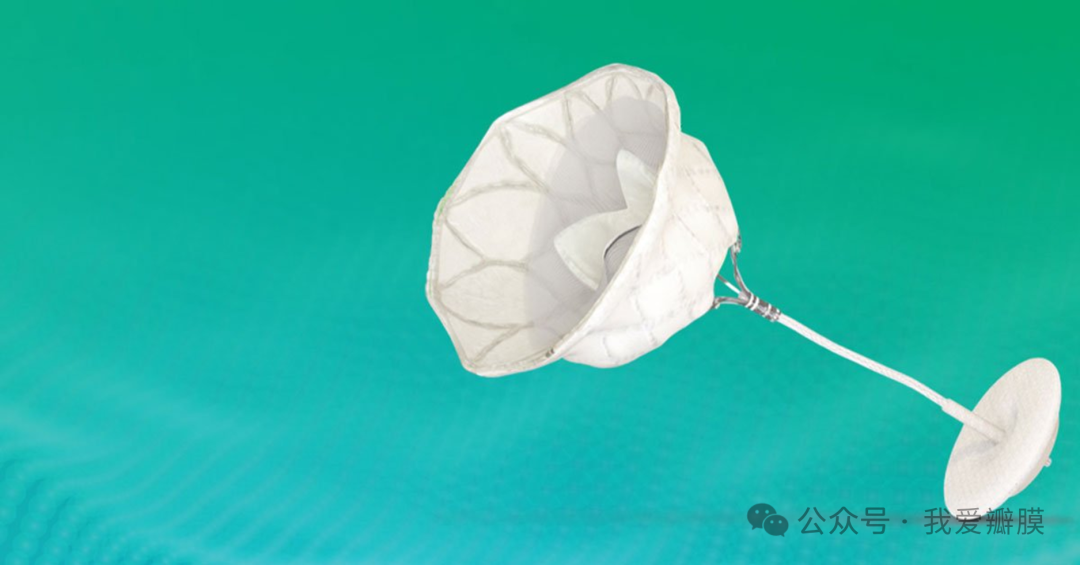
At TCT 2025, Abbott announced the pivotal trial results of SUMMIT-MAC, bringing hope to these "incurable" patients:
This is the first prospective multicenter trial, rigorously evaluated by a core laboratory, confirming that Tendyne can safely replace diseased valves, with significant improvement in cardiac function post-surgery — from now on, severe MAC patients no longer have to "wait for death."
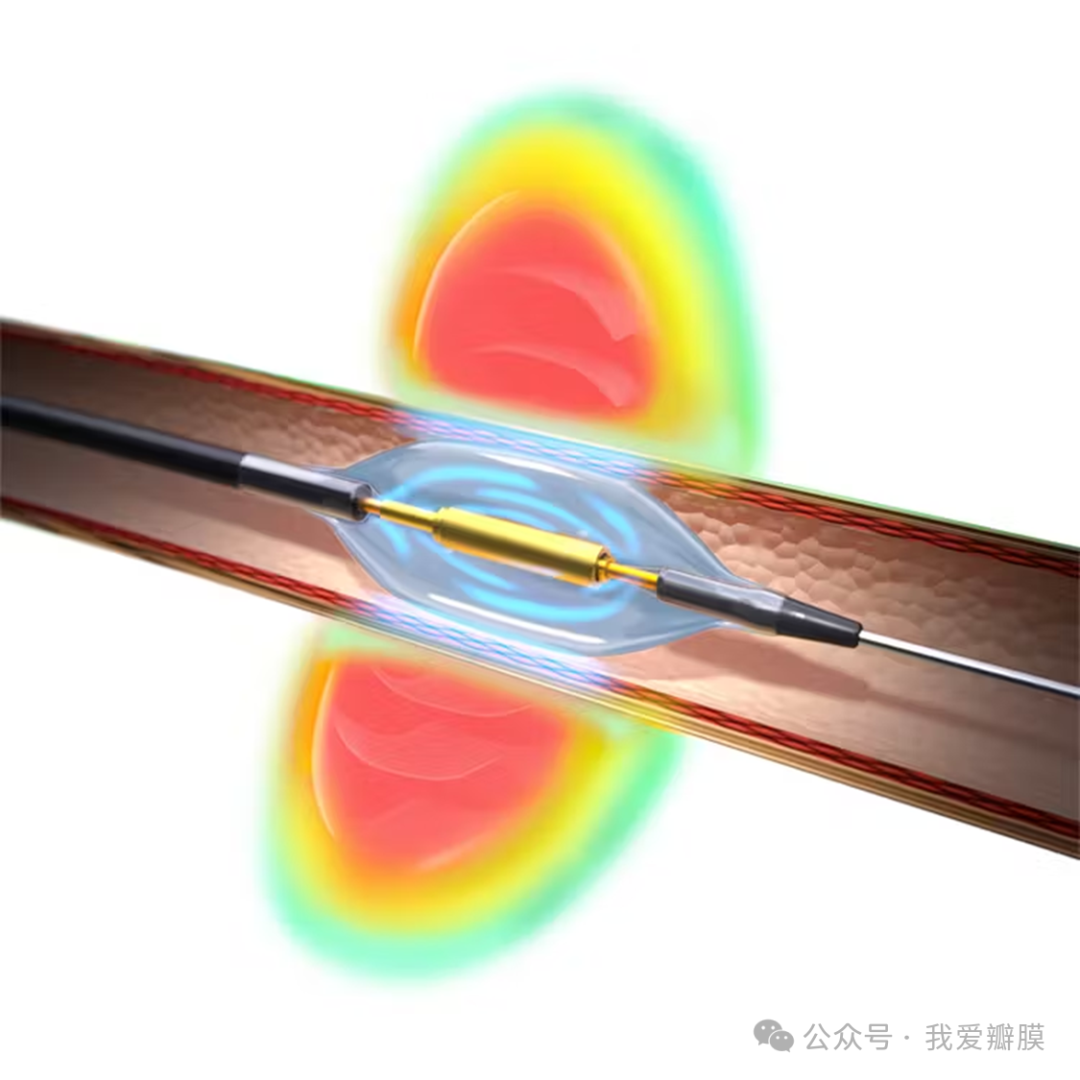
7. FastWave Sola Laser IVL: The Debut of Calcium Fragmentation Black Tech! A New Solution for Complex Coronary Heart Disease
Technical PrincipleFastWave Medical's Sola is a Coronary Laser Intravascular Lithotripsy (L-IVL) System that uses a "single-emitter design" + circumferential acoustic pressure waves to precisely break down calcified plaques within blood vessels while protecting the vessel walls from rupture — addressing the challenge of treating complex calcified lesions, known as the "hard bones" in the field.
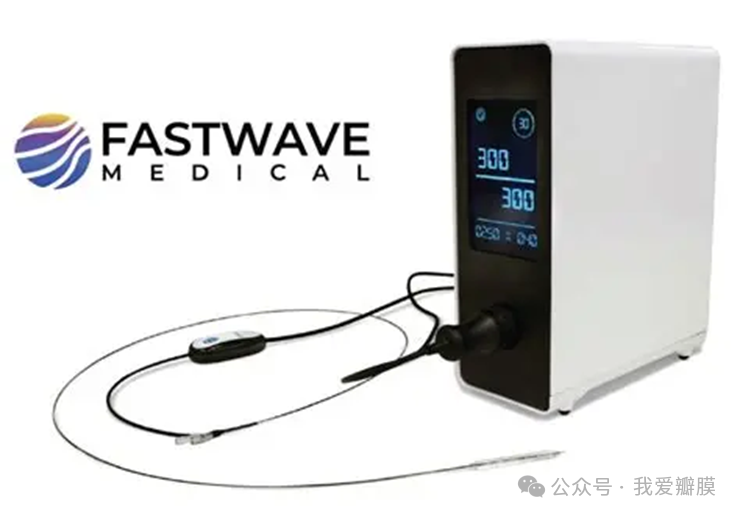
At TCT 2025, this "rising star" unveils its first-in-human and preclinical data, stunning the audience:
In patients with complex calcified coronary artery lesions, Sola achieved "double goals": a low 30-day major adverse cardiac event (MACE) rate and a 100% procedural success rate (successful stent implantation, residual stenosis < 50%, no in-hospital MACE) — expected to become the "preferred weapon" for calcified lesions in the future.
8. Recor Medical Paradise: A Strong Rival to Medtronic! Ultrasound RDN Hypertension Data Equally Impressive
Technical Principle: Similar to Medtronic's Symplicity Spyral, Recor Medical's Paradise is an ultrasound renal denervation (uRDN) platform that "deactivates" sympathetic nerves around the renal arteries using ultrasound energy to lower blood pressure. It received FDA approval in November 2023 and also holds the CE mark.
At TCT 2025, Recor Unveils Two Major Study Results, Challenging Medtronic:
- Global Paradise System (GPS) Registry Data
In the real world, Paradise has a stable blood pressure lowering effect and good patient tolerance;
- RADIANCE Global Clinical Trial Summary Analysis
Further confirming the safety and efficacy of ultrasound RDN — more crucially, just days before the conference, Recor had just obtained Medicare "approval," meaning patients can get reimbursement for using this technology, significantly improving accessibility.
The Era of "Minimally Invasive Revolution" in Cardiovascular Treatment Has Arrived – A Better Life for Patients Is on the Way!
From RDN technology allowing hypertension patients to "say goodbye to the medicine jar," to heart pumps giving patients 600 more days of life; from laser calcium fragmentation conquering "incurable diseases," to minimally invasive valve replacement saving those contraindicated for surgery — the 7 technological breakthroughs at TCT 2025 are pushing cardiovascular treatment from "high-risk, high-pain" towards "minimally invasive, precision-based" care.
These technologies are not just a "report card" for enterprises, but also a "beacon of hope" for millions of patients. In the future, with the popularization and upgrading of these technologies, perhaps hypertension, heart failure, and coronary heart disease will no longer be a "life sentence," but chronic conditions that can be easily managed. Let us look forward to these technologies being implemented soon, benefiting more people!