Professor Luo Yuxian's Team: A Case of Lower Extremity Arterial Occlusion Treated with DKutting® LL Directional Scoring Balloon

DK Medtech
Vascular Interventional Balloon Product Developer

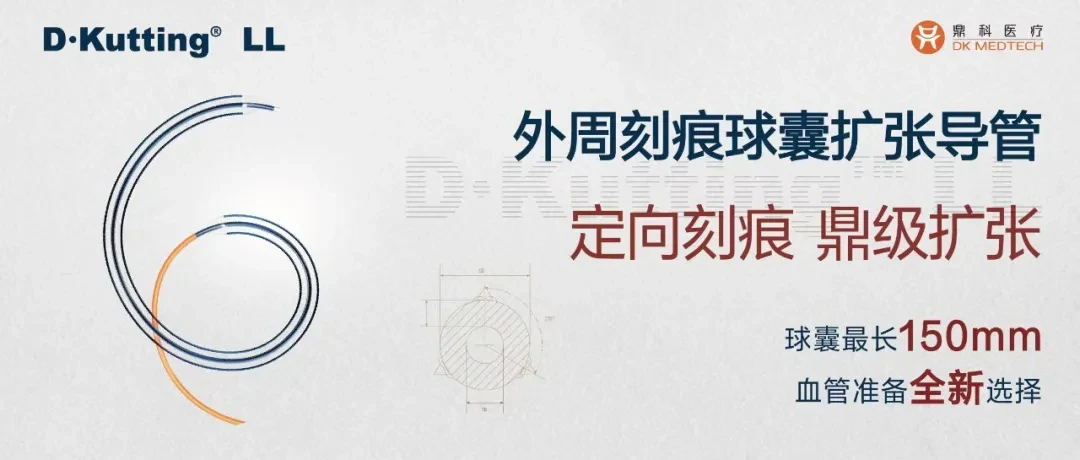
DKutting®LL continues to use DK Medtech's unique triangular nitinol winding patent technology, combined with the actual clinical needs of lower limb arteries, significantly increasing the length of the scoring element (up to 150mm). It has also developed a completely coaxial balloon delivery system compatible with 0.014"/0.018" guidewires and enriched the selection of balloon diameters at 0.5mm intervals.
DK Medtech's unique directional scoring balloon boasts comprehensive performance with robust radial expansion and flexible axial bending. Its clinical performance has been widely recognized in both the coronary and hemodialysis access fields. The latest development, DKutting...®LL Scoring Balloon Designed Specifically for Lower Limb Arterial Interventions Demonstrates Significant Clinical Advantages in Directional Dilation Mechanism, Setting a New Standard for Peripheral Vascular Pre-dilation.
DK Medtech Special Release[Professor Luo Yuxian's Team: DKutting®A Case of LL Directional Scoring Balloon for the Treatment of Lower Limb Arterial Occlusion】Case Presentation, demonstrating the detailed operations of each case and the clinical application of advanced equipment and instruments. From the formulation of treatment strategies for different cases, standardized intraoperative procedures and technical applications, complication prevention, perioperative management, and other aspects, the aim is to promote the standardization of diagnosis and treatment for vascular stenosis and occlusive diseases, strengthen technical exchanges and experience sharing among doctors, with the hope of providing new ideas and methods for future diagnosis and treatment, benefiting more clinical patients.
DKutting®LL Directional Scoring Balloon
A Case of Treatment for Lower Extremity Arterial Occlusive Disease
Shijiazhuang People's Hospital, Luo Yuxian, Ma Liangliang
Patient Information
Basic Information:Female, 67 years old.
Chief Complaint:Intermittent claudication in both lower limbs for 1 year.
History of Present Illness:The patient experienced no obvious cause for the onset of symptoms one year ago, where after walking a normal distance on the ground (approximately 500 meters), they developed weakness, bloating, and pain in both calves, with more severe symptoms in the right lower limb. This forced them to stop walking, but the aforementioned symptoms would resolve spontaneously after resting for a while. Upon resuming walking, the same phenomenon occurred in a stereotypical manner, accompanied by coldness and numbness in the lower limbs, without rest pain. The patient visited a local hospital, and a color Doppler ultrasound of the lower limb vessels suggested: arteriosclerosis obliterans of the lower extremities. Eight months ago, the patient underwent plain balloon angioplasty of the right lower limb artery at the local hospital, without stent placement. Post-surgery, the patient took rivaroxaban tablets orally, which have since been discontinued, and the condition improved. Recently, the aforementioned symptoms have worsened again, and the current claudication distance is less than 50 meters. The outpatient department admitted the patient to the hospital with a diagnosis of "arteriosclerosis obliterans of the lower extremities."
Past Medical History:A 16-year history of type 2 diabetes and over 10 years of coronary heart disease. Six months ago, underwent cataract surgery at a local hospital. No history of hypertension, no history of hepatitis, no history of infectious diseases such as tuberculosis, no history of drug allergies, no history of food allergies, no history of trauma, no history of blood transfusions. Vaccination history: unknown.
Physical Examination:Both lower limbs are equal in length without deformities. The skin color of both calves is normal, with no cyanosis, no gangrene, and no ulceration. The skin temperature of both calves is low, particularly noticeable in the feet. The pulsation of both femoral arteries can be felt; the pulsation of the left popliteal artery can be felt, but that of the right popliteal artery cannot. The pulsation of the posterior tibial arteries and dorsalis pedis arteries on both sides cannot be felt. The pulsation of the brachial, radial, and ulnar arteries on both sides is normal. Muscle strength and muscle tone of both limbs are normal.
Admission Diagnosis:
Lower Extremity Arteriosclerosis Obliterans;
Type II Diabetes;
Coronary Atherosclerotic Heart Disease;
Senile Cataract.
Previous interventional treatment
Time | Main Treatment Process |
April 15, 2024 | Balloon Angioplasty of the Right Lower Limb Artery |
Preoperative Analysis
Preoperative Analysis:The patient is an elderly woman with intermittent claudication in both lower limbs, more severe in the right lower limb. The patient chose to address the arterial lesion in the right lower limb first. There is a localized severe stenosis in the right superficial femoral artery. Eight months ago, the patient underwent conventional balloon angioplasty of the right superficial femoral artery and subsequently developed restenosis. Possible reasons include: 1. Elastic recoil, 2. Plaque proliferation, 3. Local small dissection after dilation. The patient was strongly opposed to stent placement. In summary, the chosen surgical plan was: scoring balloon pre-dilation + DCB (Drug-Coated Balloon), to reduce the formation of dissection while avoiding stent placement.
Surgical Objective:
Main Objectives:Opening blood vessels, restoring effective vascular lumen;
Secondary Objective:Avoid the formation of flow-limiting layers and avoid stent implantation.
Surgical Strategy/Plan:Angiography of the right lower limb artery + balloon angioplasty of the right lower limb artery.
Surgical Procedure
The patient lies in a supine position, routinely disinfected, and covered with sterile drapes. Local infiltration anesthesia is performed with 2% lidocaine. After successful antegrade puncture of the right common femoral artery, a 6F vascular sheath was inserted. Angiography showed that: the right common femoral artery and deep femoral artery were patent, the superficial femoral artery had severe local stenosis of about 80%, and the popliteal artery and infrapopliteal outflow tract were in good condition.
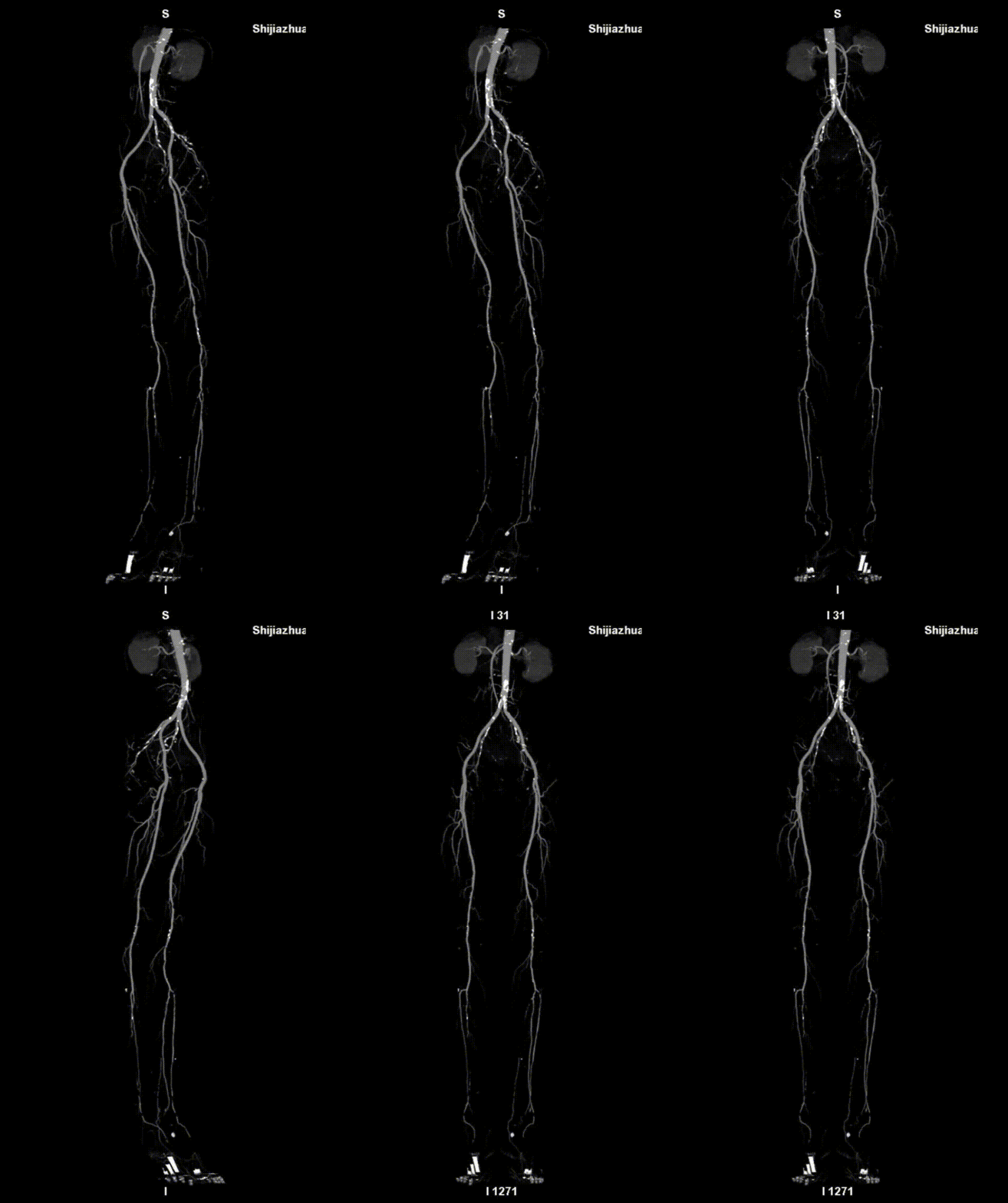
CTA suggests: Severe stenosis of bilateral superficial femoral arteries

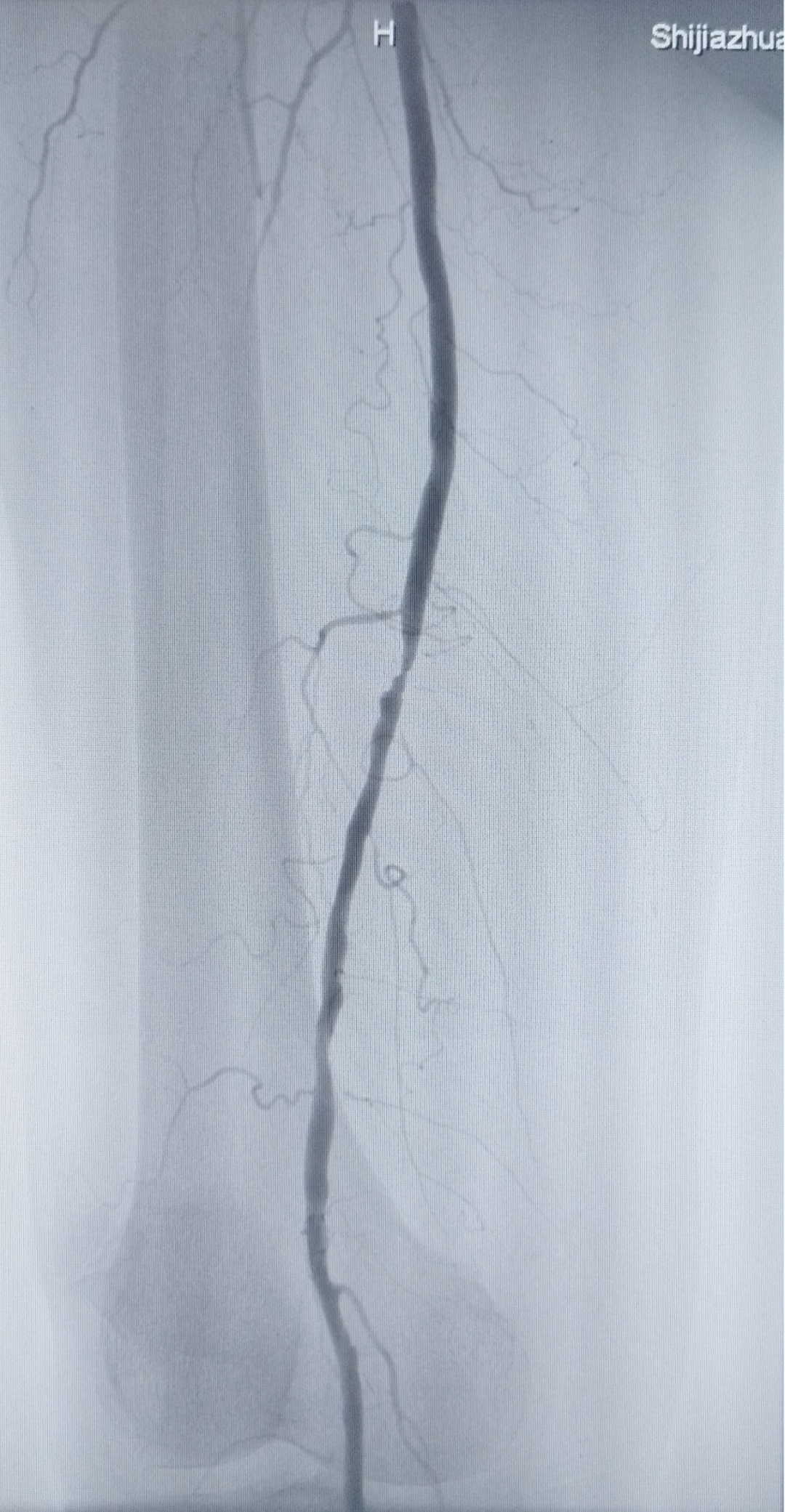
Severe localized stenosis in the lower segment of the right superficial femoral artery, with a stenosis degree of approximately 80%.

Good popliteal artery and infrapopliteal outflow
After the 0.018 micro-guidewire passed through the lesion, a 5*150mm stent was successively placed.DKutting®LL Peripheral Scoring BalloonA 5*150mm drug-coated balloon was used to perform balloon angioplasty on the lesion segment of the right superficial femoral artery. The final angiography showed: the right superficial femoral artery was patent with no significant stenosis or dissection, no contrast agent extravasation, satisfactory distal outflow, and no signs of embolism. The puncture site of the right common femoral artery was sutured using a vascular closure device, and after confirming no bleeding, it was compressed and bandaged with an elastic bandage. The operation went smoothly, anesthesia was satisfactory, and the patient returned safely to the ward.
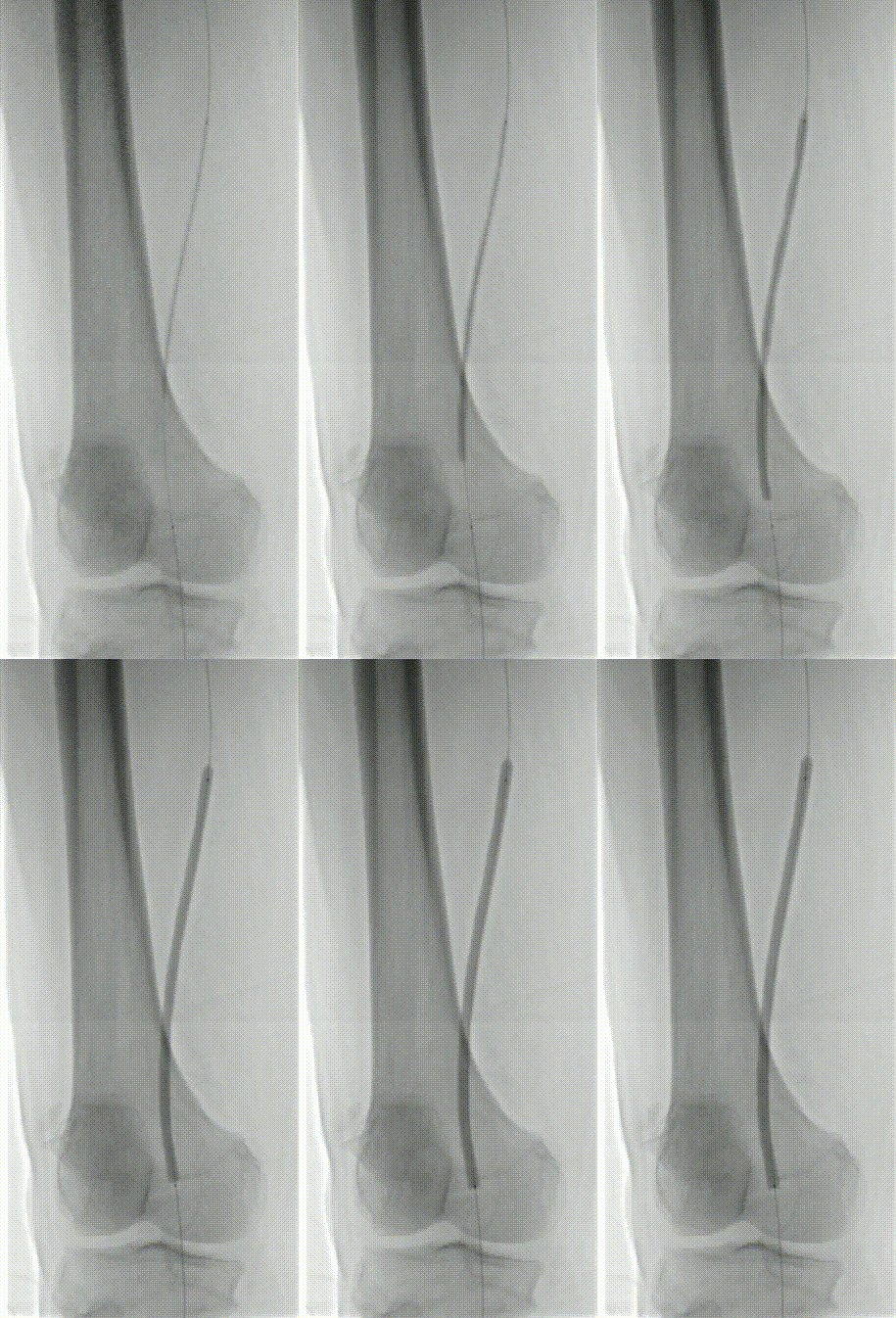
5*150mm DKutting®LL Peripheral Scoring BalloonDilation of the Superficial Femoral Artery

Angiography after scoring balloon + drug-coated balloon dilation indicated good patency of the right superficial femoral artery.

Good distal outflow after dilation, no signs of embolism.
Follow-up
Discharge Status:The patient's general condition was good, with the disappearance of intermittent claudication symptoms in the right lower limb and good healing at the puncture site. Physical examination: The skin of the right lower limb appeared ruddy, skin temperature was warm, and pulsations were palpable in the right femoral artery, popliteal artery, and anterior tibial artery. Discharged two days after surgery, post-discharge treatment included regular oral antiplatelet aggregation medication and statins, with periodic follow-up at the outpatient clinic.
Case Summary
Case Characteristics:The patient experienced restenosis within a short period after balloon dilation. With high expectations for this procedure, efforts should be made to achieve better vessel preparation, minimize dissection and elastic recoil, while avoiding stent placement.
Preoperative Assessment Key Points:Nature of the lesion, previous treatment history.
Surgical Strategy/Technical Key Points:Try to open the true lumen, slowly expand the balloon, and avoid the formation of flow-limiting dissection.
Device Features/Usage Tips:The scored balloon reaches the lesion site, first inflated to 3atm and maintained for at least 30 seconds to ensure minimal shear force during balloon expansion. Then, the balloon is expanded to the nominal pressure of 10atm/14atm and maintained for at least 120 seconds to achieve optimal lumen gain before using the drug-coated balloon.DKutting®LL Peripheral Scoring Balloon, withHigh-Pressure, Directional CuttingThe characteristic is that the scored element fixed on the balloon dilates the lesion simultaneously while expanding.Uniformly tear the intima to reduce the risk of dissection.Facilitates subsequent drug absorption of the drug-coated balloon.It is a suitable material for vascular preparation in the "intervention without implant" treatment strategy.

Introduction of Experts


Professor Luo Yuxian
Director of Vascular Surgery
Director of Vascular Surgery, Chief Physician at Shijiazhuang People's Hospital, Visiting Scholar at Leipzig University, Germany.
Director of the Vascular Surgery Quality Control Center of Shijiazhuang Municipal Health Commission;Chairman of the Vascular Surgery Branch of Shijiazhuang Medical Association;Vice Chairman of Hebei, International Vascular Union;Vice Chairman of Hebei Branch, China Medical Promotion Association;Standing Committee Member of the Refractory Hypertension and Vascular Disease Branch;Vice Chairman of the Thrombosis Prevention and Treatment Group, Hebei Medical Association;Standing Director of Hebei Vascular Health and Technology Association, and Deputy Chairman of the Aortic Disease and Arteriosclerosis Committee.
Expertise: Minimally invasive treatment for various aneurysms, aortic dissections, arteriosclerotic plaques, stenosis and occlusions, diabetic foot, varicose veins, venous thrombosis, lower limb edema, and chronic leg ulcers.

Professor Ma Liangliang
Surgeon of This Case
Deputy Chief Physician of Vascular Surgery, Shijiazhuang People's Hospital;Member of the Peripheral Vascular Disease Professional Committee of the Chinese Society for Microcirculation;Member of the Vascular Medicine Professional Committee of the Chinese Research Hospital Association;Standing Committee Member of the Vascular Surgery Specialty Committee of Shijiazhuang Medical Association;Standing Committee Member of the External Treatment and Wound Repair Branch of Hebei Province Traditional Chinese Medicine Culture Exchange Association;Deputy Group Leader of the Youth Group, Vascular Surgery Branch, Hebei Medical Association;Young Member of the Vascular Surgery Branch of the Hebei Province Medical Association;Member of the Atherosclerosis Prevention and Treatment Committee of the Hebei Vascular Health and Technology Association;Member of the Vascular Access Committee of Hebei Province Vascular Health and Technology Association.

Department Introduction

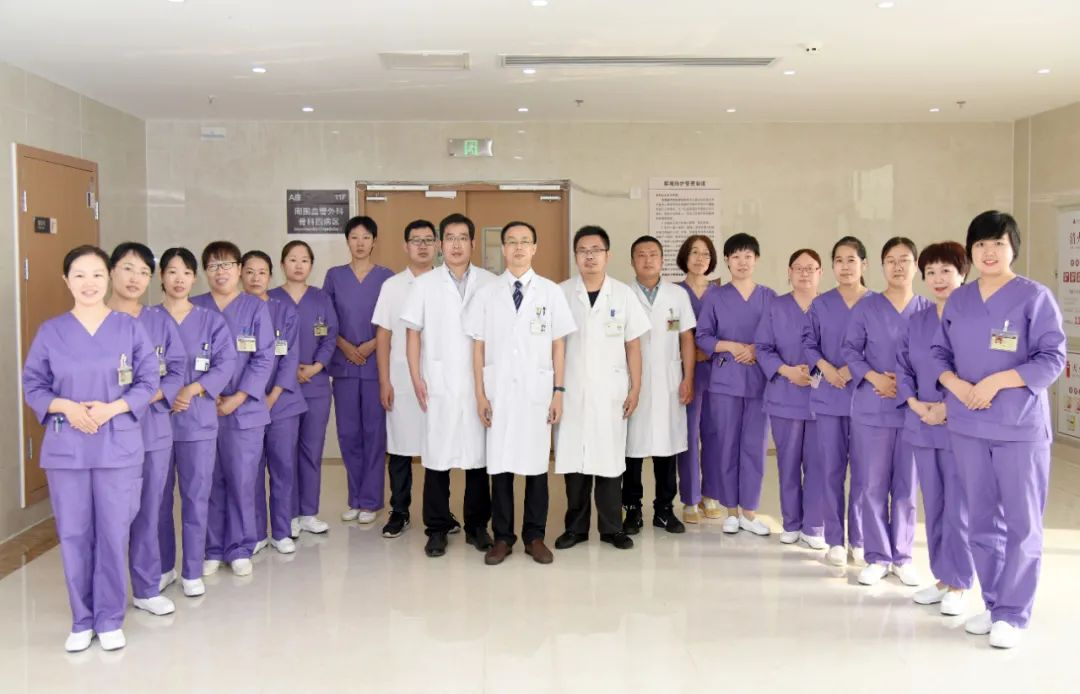
The Vascular Surgery Department of Shijiazhuang People's Hospital is one of the hospital's distinctive departments. Below is its introduction:
Important Position:"Thrombosis Prevention and Treatment Base" of the China Health Promotion Foundation, "Core Department" of the National Advanced Stroke Center, and a member unit of the "Vascular Medicine Consortium Specialty Alliance" of Peking Union Medical College Hospital, Chinese Academy of Medical Sciences. It is also the Peripheral Vascular Disease Diagnosis and Treatment Center of Shijiazhuang City, undertaking the diagnosis, treatment, and guidance of vascular surgery diseases in Shijiazhuang City.
Treatment Method:Adopting various methods such as surgery and interventional techniques to treat peripheral vascular diseases through multiple approaches. For instance, interventional treatment for carotid artery stenosis actively prevents stroke, a technique that fills the gap in Hebei Province and maintains an advanced level in China; local drug delivery using microcatheters for acute thrombosis reduces the risk of bleeding and enhances drug efficiency; endovascular interventional techniques, which require no surgery, are backed by rich experience and unique methods, effectively addressing vascular occlusive diseases; comprehensive treatment of thromboangiitis obliterans with drugs, nerve blocks, and bypass grafts fundamentally resolves insufficient blood supply and prevents tissue necrosis; minimally invasive laser treatment for varicose veins in the lower limbs offers advantages like no incisions, fast recovery, and fewer complications.
Scope of Diagnosis and Treatment:Main diagnosis and treatment of vascular diseases in the neck, thoracic and abdominal areas, abdominal cavity organs, and limbs, including various aneurysms (thoracic, abdominal aorta, visceral), aortic dissection, arterial plaque, stenosis and occlusion (carotid, subclavian, vertebral, renal, mesenteric arteries, and lower extremities, etc.), arterial embolism, venous thrombosis and pulmonary embolism, varicose veins, venous ulcers, and diabetic foot, etc.
Medical Team:They have a medical team with exquisite medical skills, good medical ethics, and a united and upward spirit. They have rich practical experience in diagnosis and treatment in their respective fields of expertise, reaching an advanced level in China.
Teaching and Research:Undertakes multiple scientific research projects from the Provincial Department of Science and Technology, and is responsible for the teaching and training tasks of graduate students and various degree education programs at Hebei Medical University.
Copyright Statement: This platform aims to help medical and health professionals better understand the latest developments in related disease areas. The information content published on this platform does not imply agreement with its descriptions or viewpoints, but is only for providing more information. If there are any copyright issues, we kindly request the rights holders to contact us, and we will handle them as soon as possible. This information is solely for medical and health professionals to learn about updates, and such information cannot replace professional medical guidance in any way, nor should it be regarded as diagnostic or treatment advice. If such information is used for purposes other than learning about updates, this platform and the author shall not bear any related responsibilities.Contact email for collaboration:vascular@edoctor.work。