

Professors Zhang Yan and Guo You Pioneered the First National Clinical Application of DEEPQUAKE Peripheral Lithoplasty System

Trulive
Structural Heart Disease Device Developer
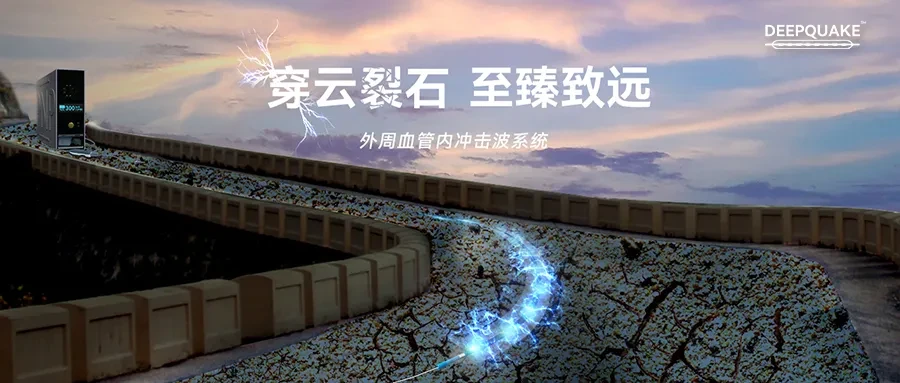
In the field of pan-vascular intervention, the treatment of calcified lesions is one of the key and difficult points in clinical practice. Produced by Trulive and promoted by Grand Pharmaceutical Group Limited,DEEPQUAKE Peripheral Vascular Intravascular Shockwave SystemOfficially launched (Approval No. 20243012335 in China). This system is suitable for the pretreatment of calcified lesions and balloon dilatation in the iliac artery, femoral artery, popliteal artery, renal artery, and infrapopliteal arteries, providing new treatment options for clinical use.
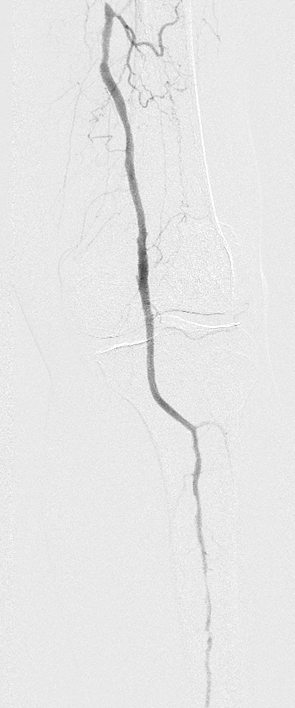
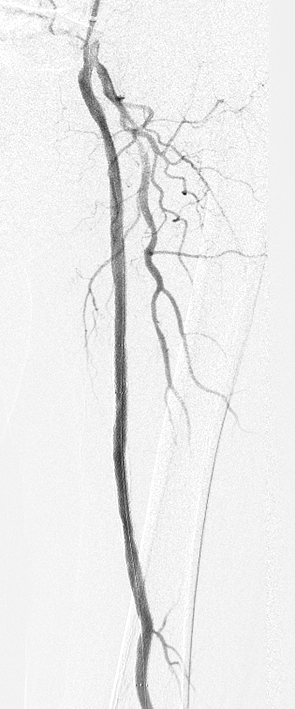
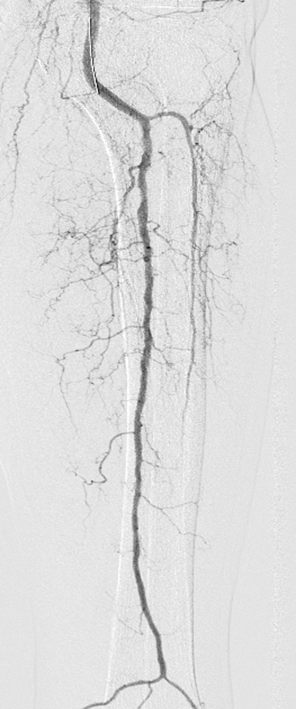
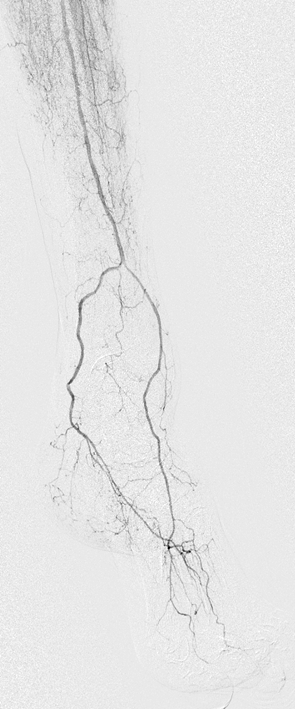
This issue is shared with everyoneFirst Application of DEEPQUAKE Peripheral Shock Wave System in China — A Case of Lower Limb Artery (Left Superficial Femoral Artery, Popliteal Artery) Atherosclerotic Occlusive Disease, by the Fourth Affiliated Hospital of Guangzhou Medical UniversityProf. Zhang Yan / Prof. Guo You TeamCollaboration completed, welcome everyone to read, learn, exchange, and discuss.
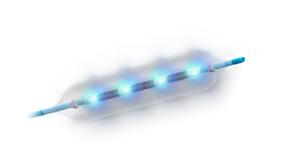
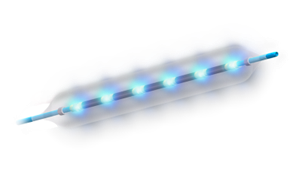
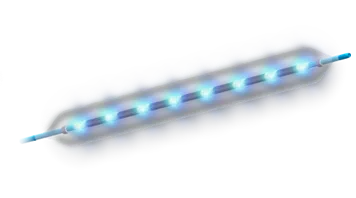
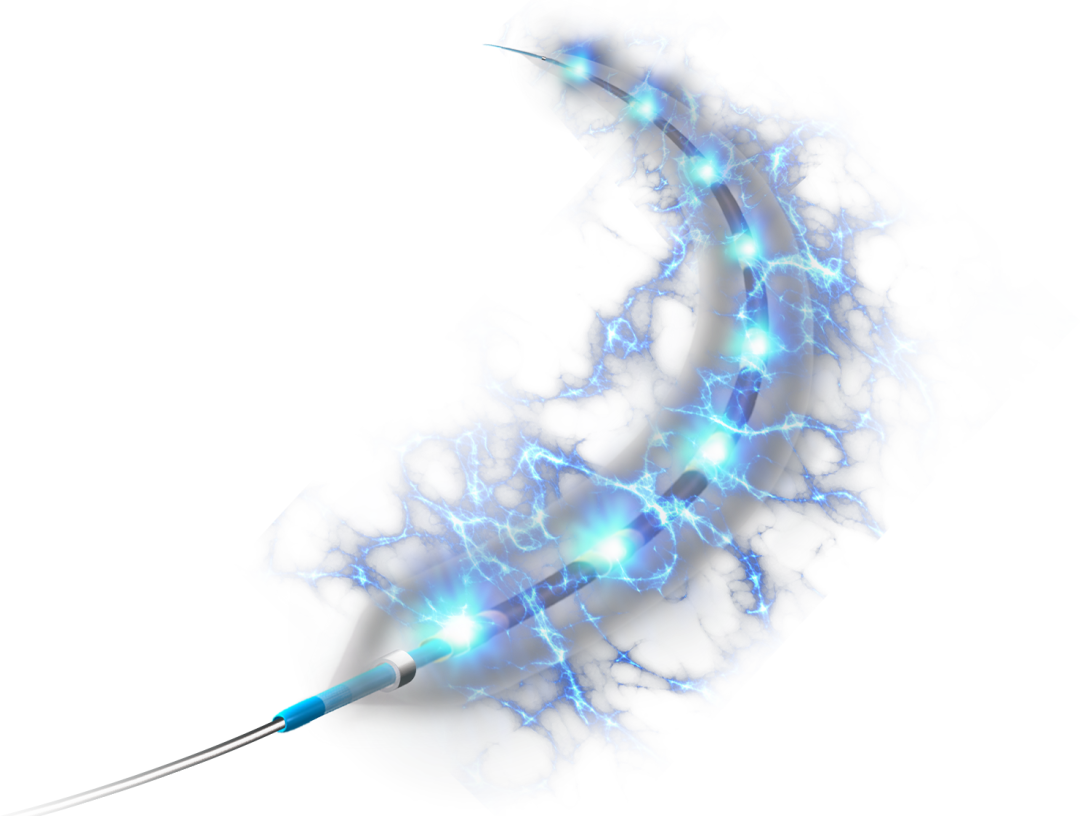
Features of DEEPQUAKE Peripheral Shock Wave System
Surgeon's Evaluation
Case Brief
Patient Basic Information
Preoperative Examination
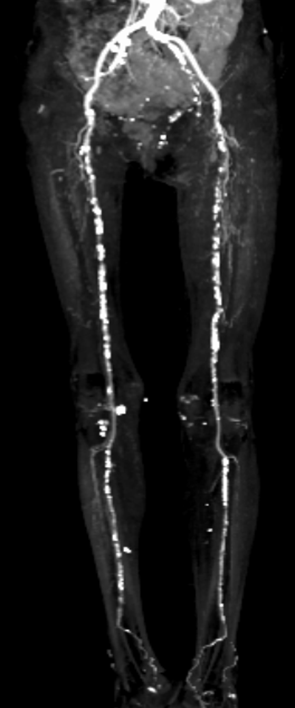
Diagnosis and Surgical Strategy
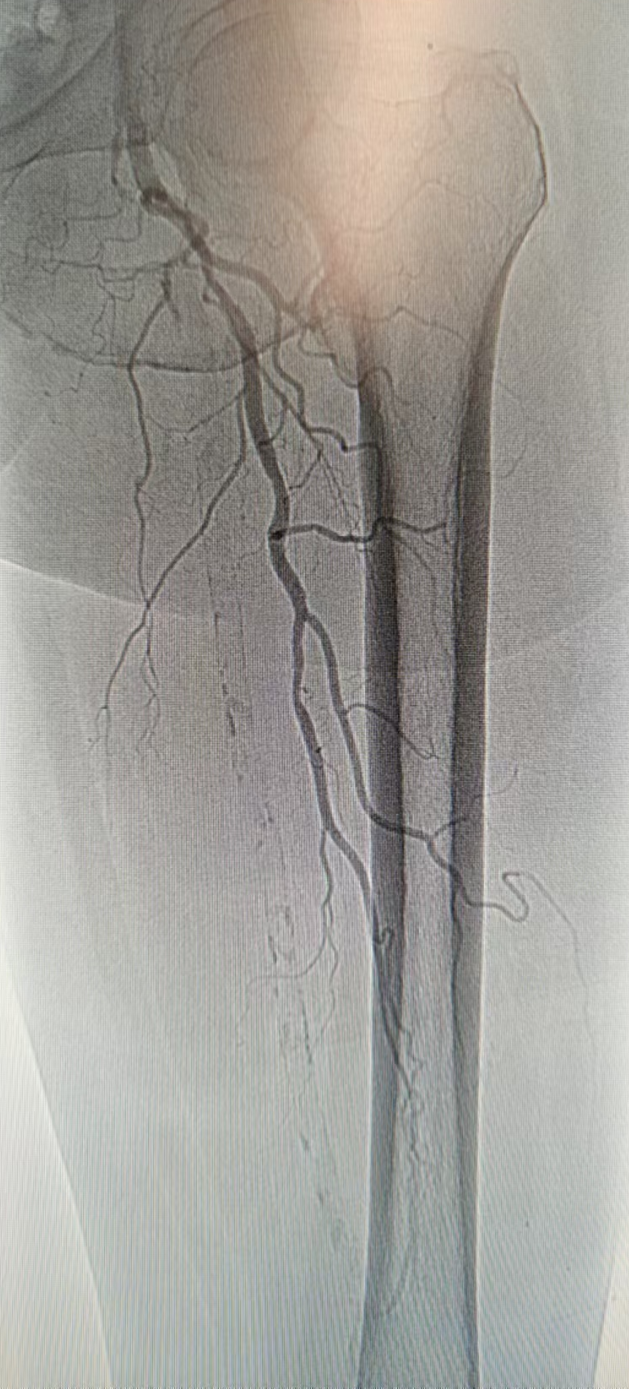
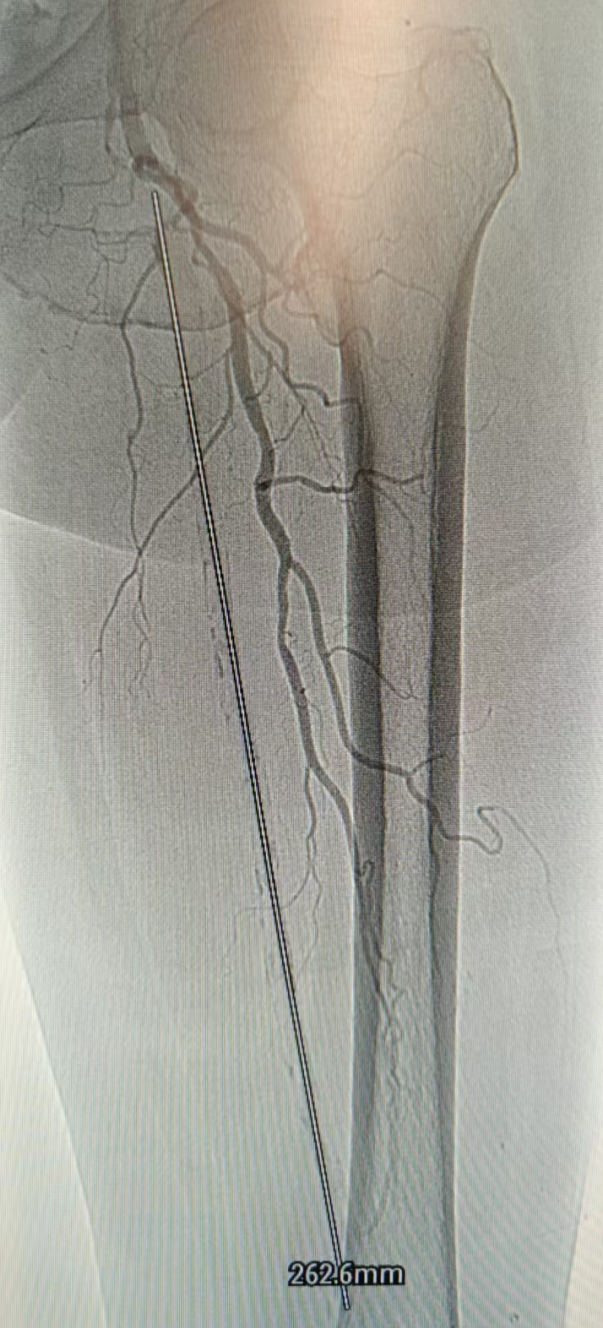
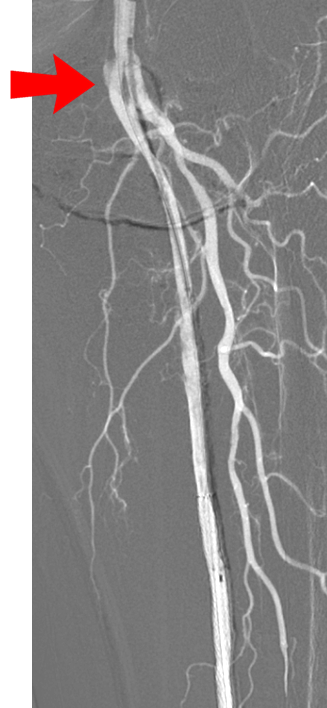
Baseline Angiography

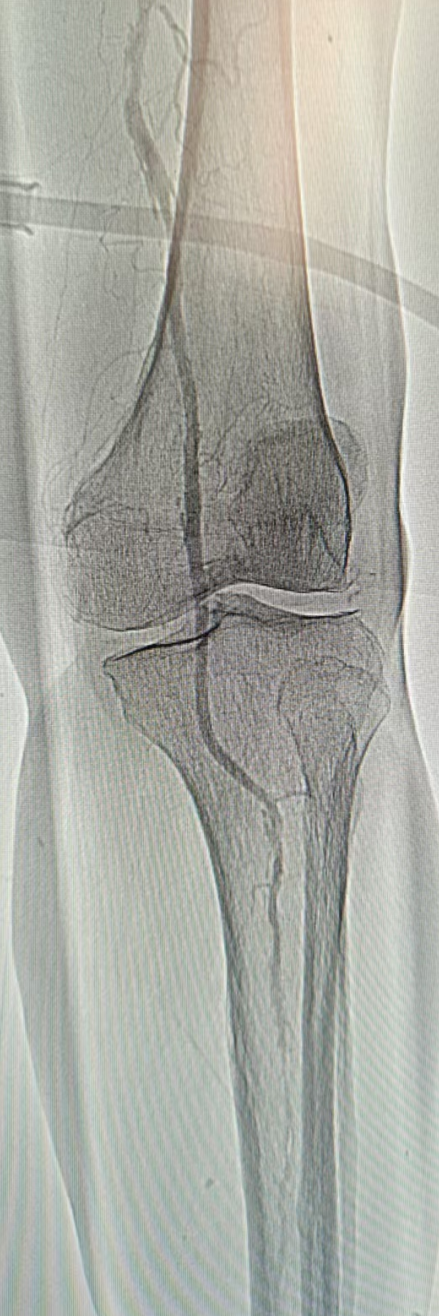

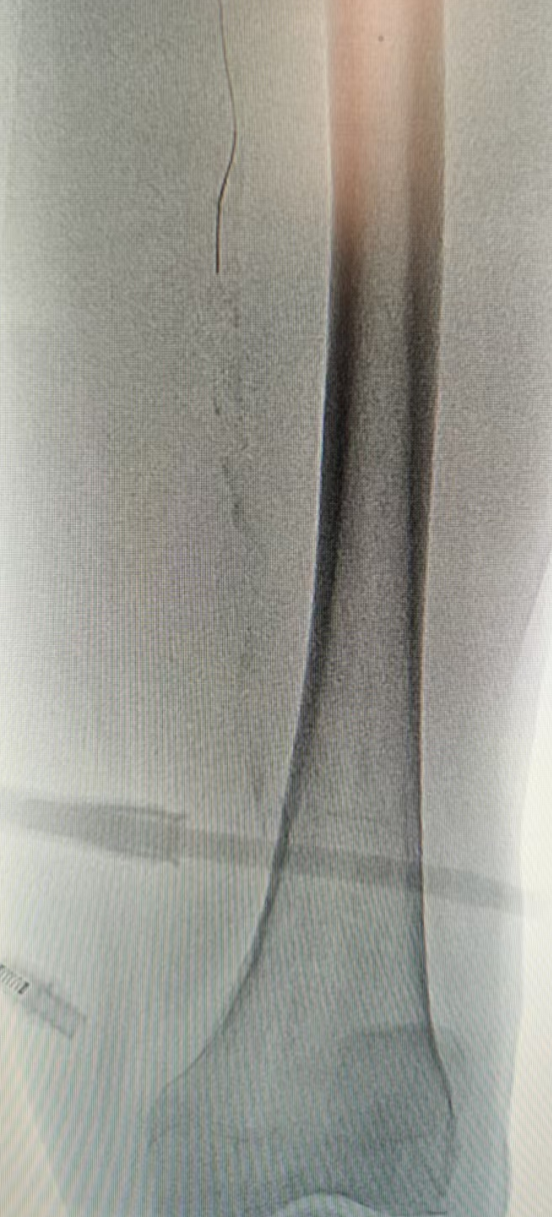
Lesion Opening Process
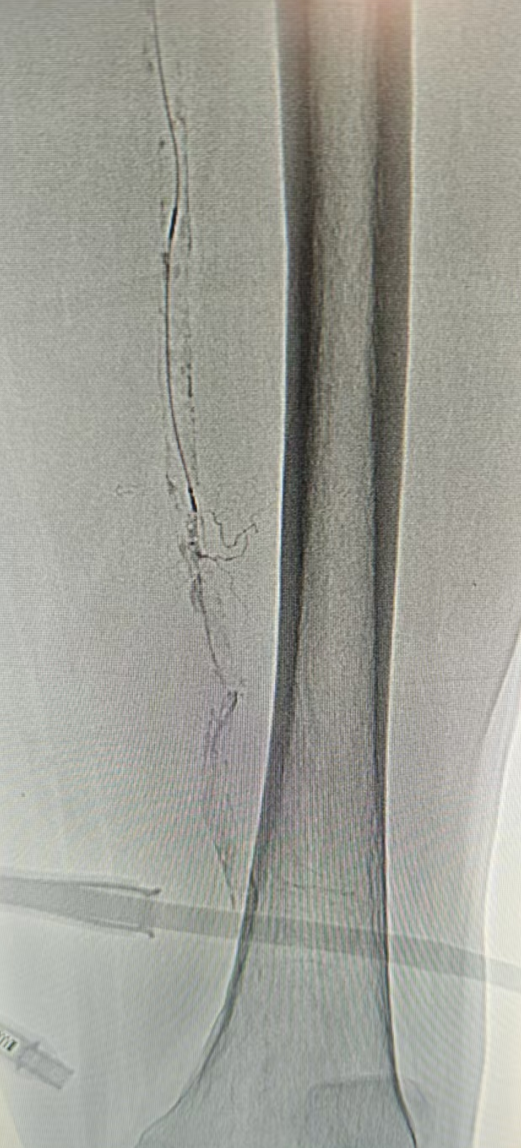
Shockwave BalloonLesion Management Process
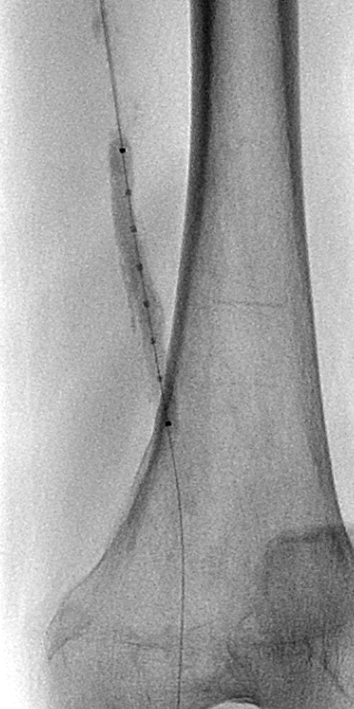
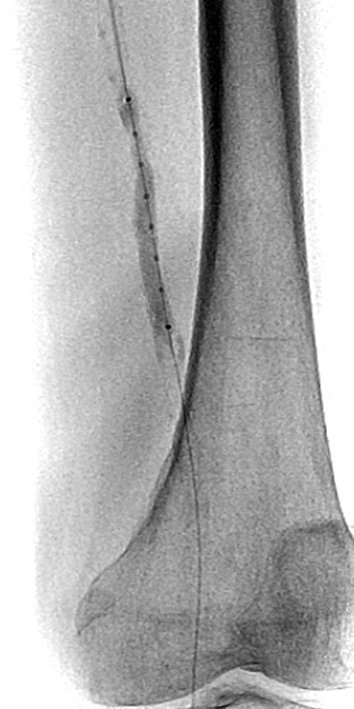
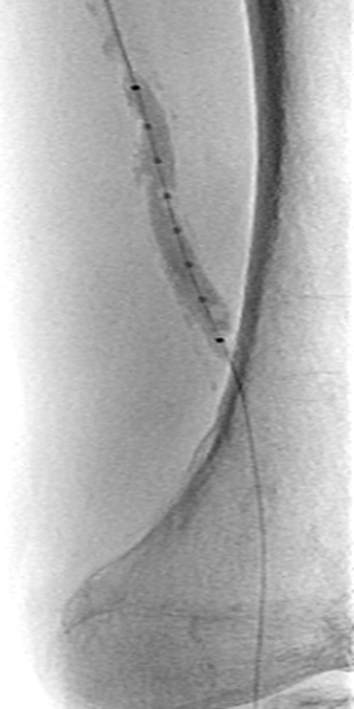
Disease Treatment Process
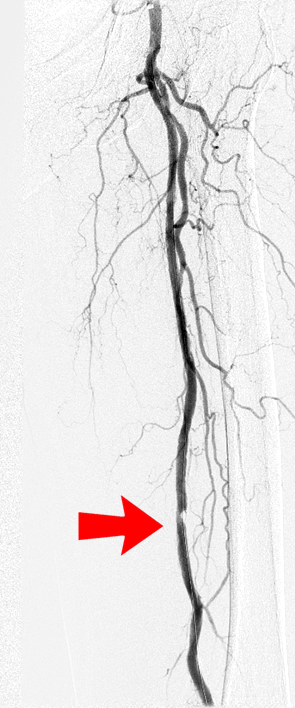
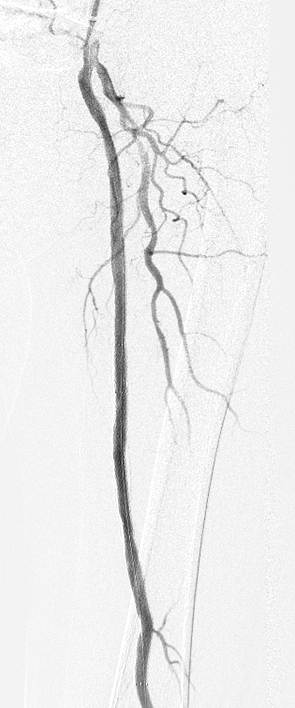
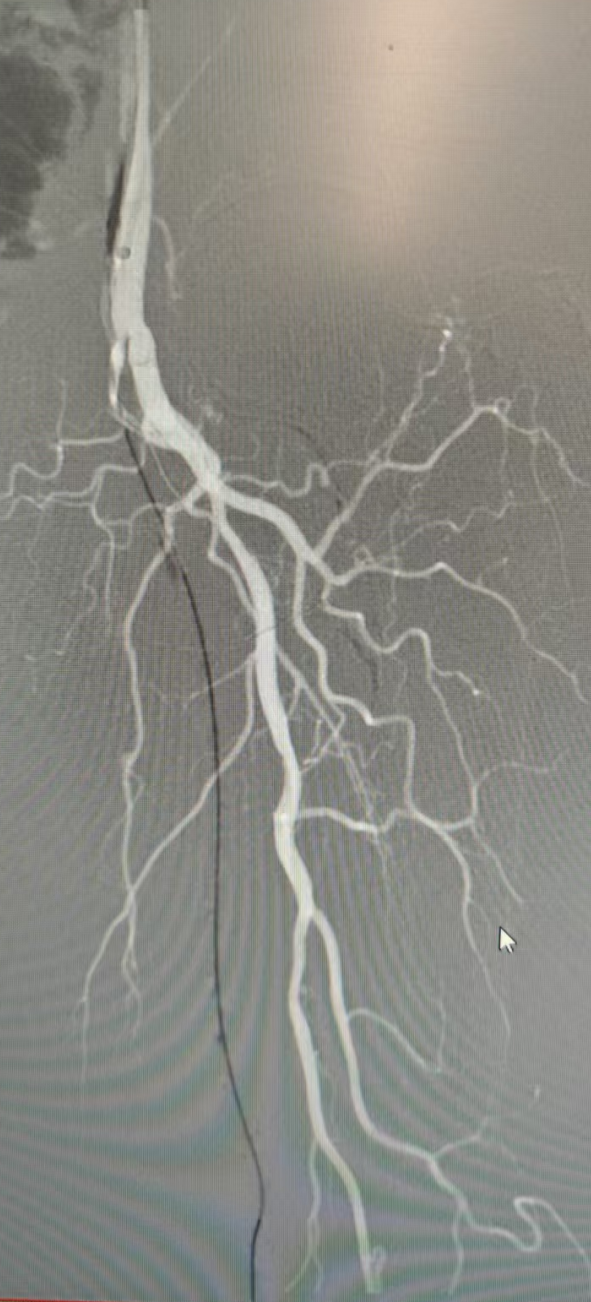
Final Angiography


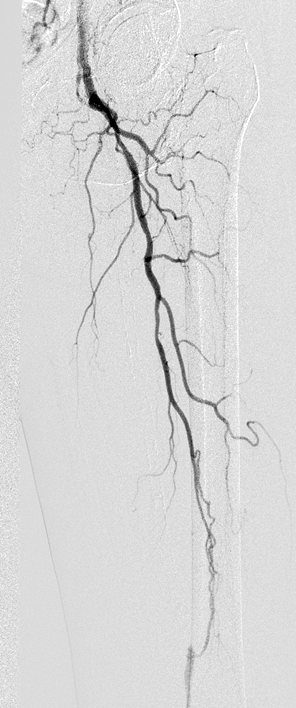
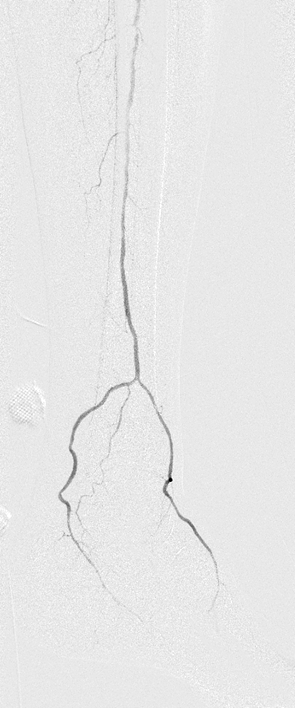
Preoperative and Postoperative Comparison
Expert Introduction
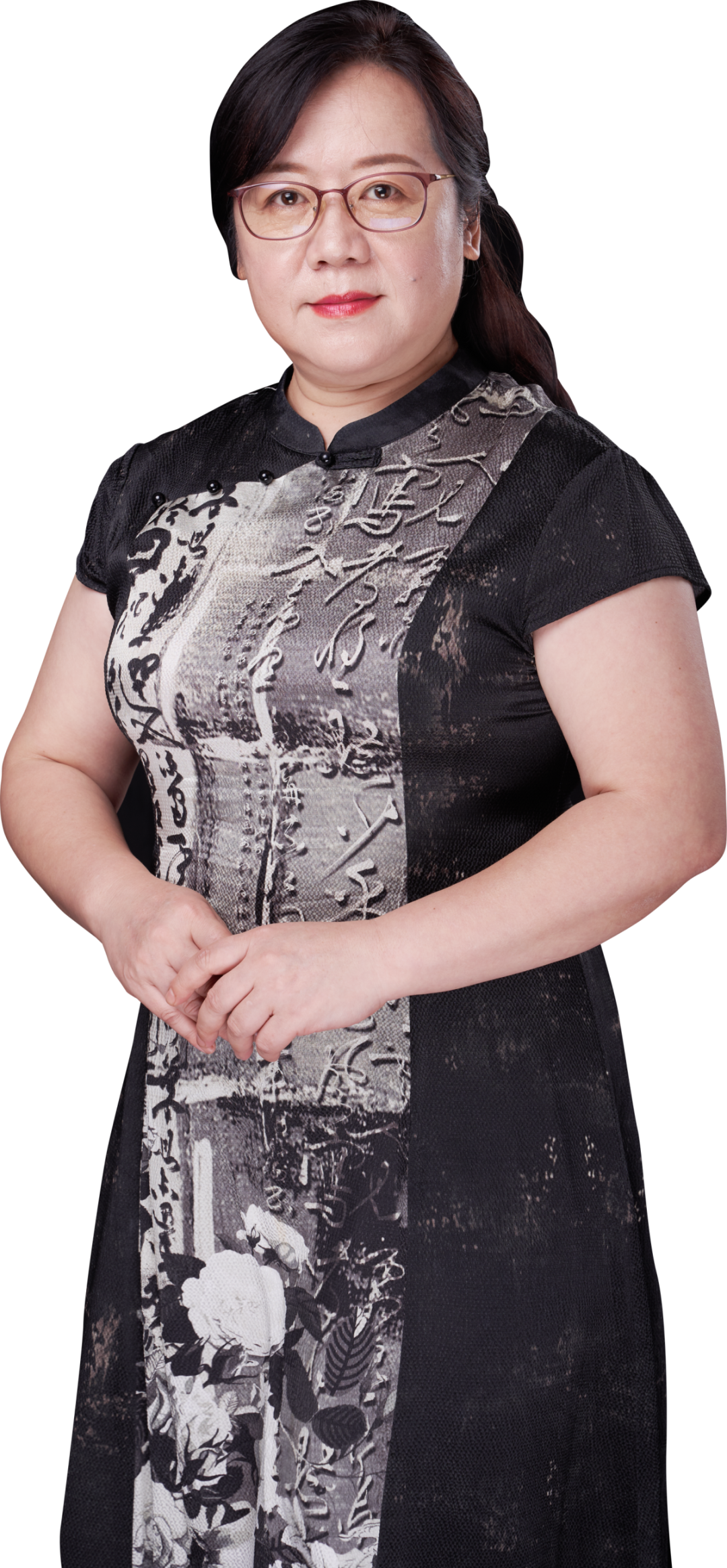
Professor Zhang Yan
Director Physician and Associate Professor at the First Affiliated Hospital of Jinan University, Master's Graduate Supervisor, graduated with a bachelor’s degree from Sun Yat-sen University of Medical Sciences, and obtained master’s and doctoral degrees from Jinan University. Spent one year in Germany as a visiting scholar. With over 20 years of experience in interventional radiology, primarily focuses on endovascular treatments for tumors and peripheral vascular diseases, especially limb salvage treatment for arteriosclerosis obliterans and diabetic foot, playing a pioneering leading role in southern China. Currently serves as: - Vice Chairman of the Lower Extremity Artery Committee under the Chinese Division of the International Union of Angiology (IUA);- Vice Chairman of the Expert Committee on Aortoiliac Artery Surgery of the Peripheral Vascular Disease Committee of the Chinese Society of Microcirculation;- Vice Chairman of the Lower Extremity Artery Group of the Endovascular Society of the Chinese Medical Doctor Association;- Vice Chairman of the Interventional Therapy Branch of the Guangdong Hospital Management Association;- Deputy Director of the Peripheral Vascular Disease Professional Committee of the Guangdong Hospital Management Association;- Deputy Director of the Vascular Medicine Professional Committee of the Guangdong Health Management Society;- Standing Committee Member of the Interventional Branch of the Guangdong Medical Association of the Chinese Medical Association;- Standing Committee Member of the Guangdong Interventional Physicians Branch of the Chinese Medical Doctor Association;- Standing Committee Member of the Peripheral Vascular Disease Management Branch of the Chinese Geriatric Medical Society;- Standing Committee Member of the Chinese Venous Treatment Committee;- Committee Member of the Endovascular Treatment Branch of the Chinese Medical Doctor Association;- Committee Member of the Oncology Imaging and Intervention Diagnosis and Treatment Professional Committee of the Guangdong Anti-Cancer Association;- Committee Member of the Hemodialysis Access Group of the Vascular Surgery Branch of the China International Exchange and Promotive Association for Medical and Healthcare.
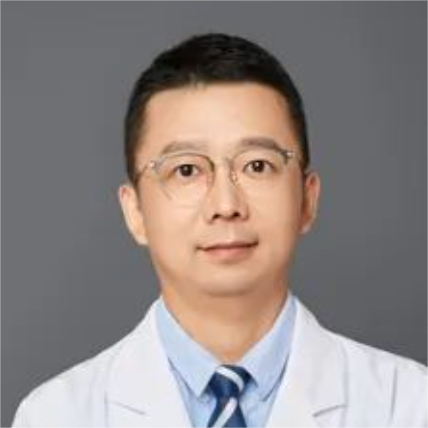
Professor You Guo
Director of the Department of Interventional Vascular Surgery, Fourth Affiliated Hospital of Guangzhou Medical University,Chief Physician, Doctor of Medicine, Master's Graduate Supervisor, Lingnan Renowned Doctor,Engaged in interventional and vascular surgery for 28 years.Skilled in interventional minimally invasive treatment for vascular and tumor conditions;The interventional vascular surgeon who first mastered the Magnetic Resonance-guided Focused Ultrasound (MRgFUS) technology in China.
Vice Chairman of the Youth Committee of Intracavitary Radiation Oncology, China Pharmaceutical Education Association;Vice Chairman of the Peripheral Vascular Disease Committee of the Guangdong Provincial Association of Traditional Chinese Medicine;Vice Chairman of the Professional Committee on Tumor Interventional Therapy, Guangdong Association of Integrated Traditional Chinese and Western Medicine;Vice Chairman of the Peripheral Vascular Disease Branch of the Guangdong Precision Medicine Application Society;Standing Committee Member of the Vascular Surgery Professional Committee of the Guangdong Provincial Clinical Medical Association;Standing Committee Member of the Vascular Disease Diagnosis and Treatment Management Professional Committee of the Guangdong Provincial Hospital Association;Standing Committee Member of the Vascular Medicine Professional Committee of the Guangdong Health Management Association;Standing Committee Member of the Vascular Surgery Branch of the Guangzhou Medical Association;Member of the Expert Group of Guangzhou Vascular Surgery Medical Quality Center.
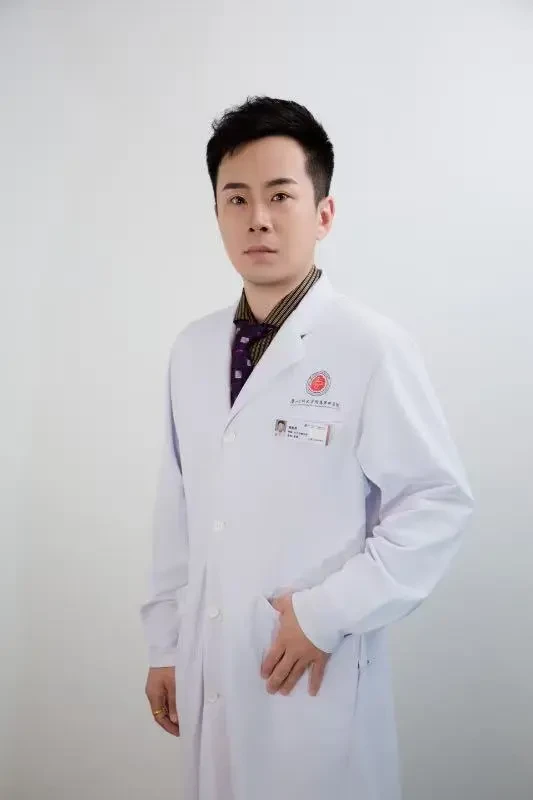
Professor Cui Haoran
The Fourth Affiliated Hospital of Guangzhou Medical University,Attending Physician, Member of the Interventional Medicine Branch of the Guangdong Health Management Association, Fourth Affiliated Hospital of Guangzhou Medical University; Member of the Interventional Medicine Branch of the Guangdong Traditional Chinese Medicine Association;Graduated with a master's degree, engaged in peripheral intervention and imaging diagnosis for nearly 10 years. Skilled in diagnosing various complex diseases through CT and MRI, followed by treatment using minimally invasive interventional methods. Possesses extensive clinical experience in treating various vascular diseases such as liver cancer, liver metastases, biliary obstruction, deep vein thrombosis of the lower extremities, hepatic vein-inferior vena cava stenosis, gastrointestinal bleeding, hemoptysis, and uterine hemorrhage. Proficient in various puncture approaches, capable of independently performing PTCD, lower extremity arterial recanalization, TACE, filter insertion/removal, biopsy, uterine artery embolization, gastroduodenal artery embolization, bronchial artery embolization, hepatic vein-portal vein balloon dilation, various angiographies, and dialysis catheterization among other interventional procedures. Has conducted in-depth research and accumulated rich clinical practice in the interventional treatment of mid-to-late stage liver cancer. Published numerous articles in core journals both domestically and internationally, with research achievements widely recognized.
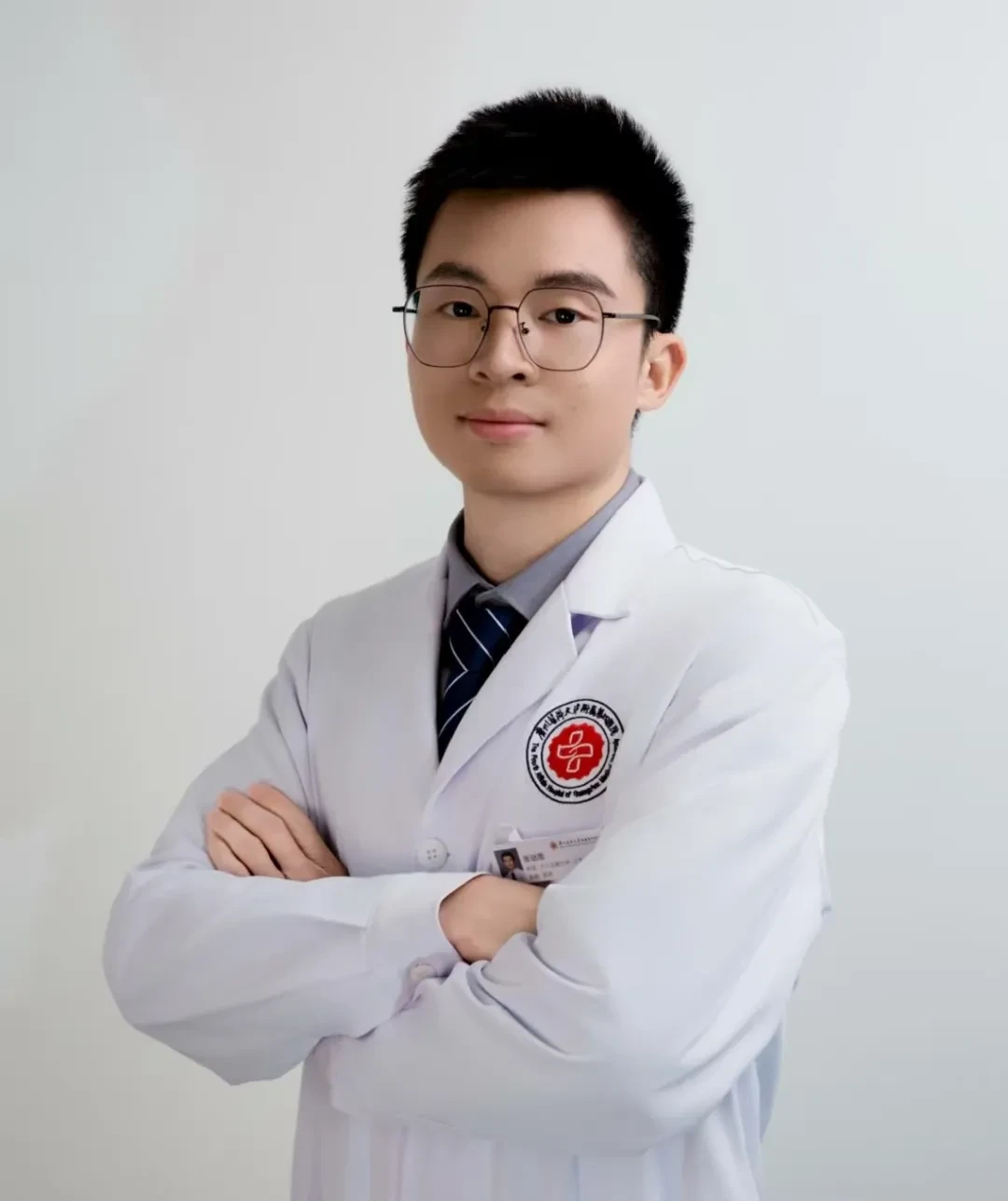
Professor Zhang Chu Tu
Attending Physician,Bachelor of Clinical Medicine,Bachelor's Degree.
Proficient in the diagnosis and treatment routines and principles of common diseases in various departments; skilled in the use of various rescue instruments and procedures; proficient in DSA operations, information acquisition, and high-pressure injector settings; skilled in various puncture techniques; experienced in great saphenous vein radiofrequency ablation, varicose vein stripping, inferior vena cava filter implantation, lower limb venous thrombectomy, lower limb arterial balloon dilation angioplasty, and transjugular intrahepatic portosystemic shunt (TIPS); capable of independently completing abdominal aorta + lower limb arteriovenous angiography, full cerebral angiography, etc.; able to assist senior physicians in completing endovascular angioplasty for lower limb arteries and veins, biliary stent angioplasty, ruptured vessel embolization, tumor vascular embolization chemotherapy, endovascular exclusion for aortic dissection/aneurysm, and intracranial occluded vessel thrombectomy, etc.
Trulive
Jiangsu Trulive Medtech Co., Ltd. focuses on the field of cardiovascular diseases, which have extremely high mortality and disability rates and remain a gap in the domestic market. Its business comprehensively covers multiple interventional treatment areas such as heart valves, peripheral, and coronary arteries. It is a platform enterprise that takes the lead in providing one-stop innovative solutions for blood flow management globally. With strong research and development capabilities and a senior, complete operational team, Trulive Medtech has developed high-quality domestically produced medical devices with independent intellectual property rights and comprehensive solutions, filling the gap in China’s high-end cardiovascular interventional medical devices. This provides more advanced and diverse treatment options for Chinese doctors and patients. Meanwhile, Trulive Medtech, based in China and strategically expanding worldwide, continues to upgrade through technological innovation and development, accelerating the expansion of its global commercial network. In many细分 markets within the cardiovascular intervention field that have long been monopolized by imported products, the company offers "Chinese solutions" and contributes "Chinese wisdom."

Scan the QR code to follow us
Business Cooperation | 0513-68302888
Email Address | vicky.z@trulive.cn