Vascudyne ATEV Demonstrates 100% Patency at 6 Months in First-in-Human Coronary Artery Bypass Grafting Study
Vascudyne
Coronary Artery Bypass Grafting Researcher
VascudyneIn# Topic TagsAHA2024 Conference Announces Its RenewableTissue-engineered artificial blood vessel---Vascudyne ATEVFirst Clinical Study in Coronary Artery Bypass FieldResearch Data (VCAB-1). This isThe World's First Clinical Study of Regenerative Tissue-Engineered Artificial Blood Vessels in Coronary Artery Bypass GraftingVascudyneProgress vs. Industry LeaderHumacyIt needs to be fast, and also avoids tradition.Shortage of Regenerative Tissue-Engineered Artificial Blood Vessels.
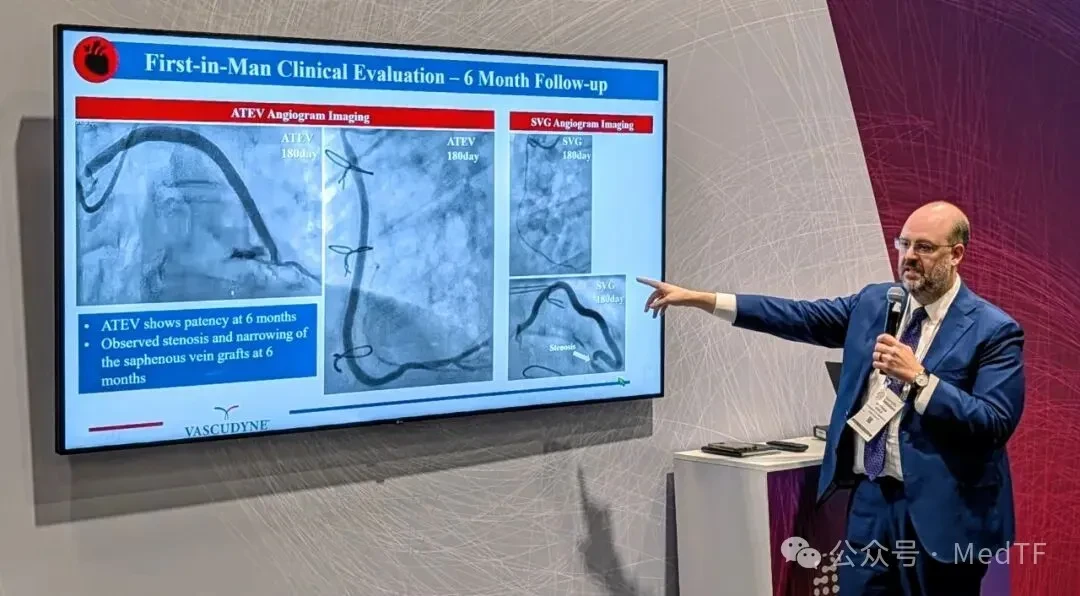
This timeVascudyneRelease the clinical data of the first two patients as follows:
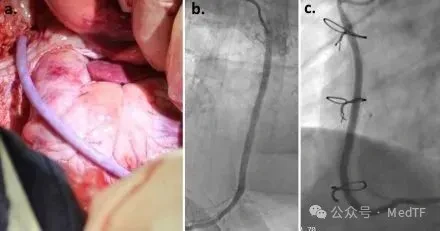
Two cases successfully underwent triple bypass grafting (including left internal mammary artery to left anterior descending artery, ATEV, and great saphenous vein as the other two bypasses) with external stent support.Vascudyne ATEVNo suture hole or vascular wall bleeding occurred, and the patient recovered well.
Angiography at 180 days post-operation showedVascudyne ATEVRemained 100% patent without evidence of lumen thrombosis, while significant stenosis occurred in the great saphenous vein grafts of two patients.
VascudyneIn addition to publishing clinical data, preclinical study data were also disclosed:
Twenty-two sheep were implanted with 4mm diameter ATEV as coronary artery bypass. The first-generation ATEV (n=13) had no external support structure, while the second generation (n=9) was equipped with an external support structure, with an observation period lasting up to 18 months. Follow-up included serial angiography, histopathological examination, and mechanical performance testing.
First-generation ATEVs without external support structures experienced 31% (4/13) kink-related thrombotic events. In contrast, second-generation ATEVs with external support structures achieved 100% patency in animals surviving perioperative complications (n=5). Planned explantation of grafts (implanted for 180 days, n=3) and those under continued observation (555 days) maintained TIMI-3 flow. Histopathology showed progressive vascular remodeling, including endothelialization, cellular infiltration, and elastic lamina formation, with no inflammation or calcification. The burst pressure of the explanted grafts (2100–4200 mmHg) exceeded that of native vessels.
Research Conclusion
Long-term preclinical studies have shown that with external support structuresVascudyne ATEVIt can not only eliminate torsion-related complications but also maintain excellent patency rates and good remodeling properties. Early clinical results have confirmed its feasibility and safety during the 180-day follow-up period. This bioengineered blood vessel is expected to become a CABG graft that could replace autologous vessels, potentially addressing the current limitations in the availability and durability of grafts.
Vascudyne ATEV
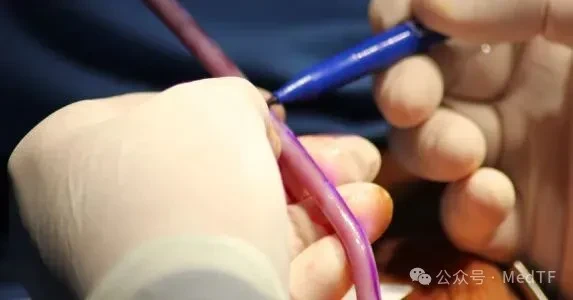
Vascudyne ATEVIt is a type of "ready-to-use" vascular patch made from a unique collagen matrix cultivated using donor skin cells and processed to remove cellular components.Vascudyne ATEVAfter implantation, the recipient's own cells will remodel the structure, enabling the tissue to grow and self-heal.
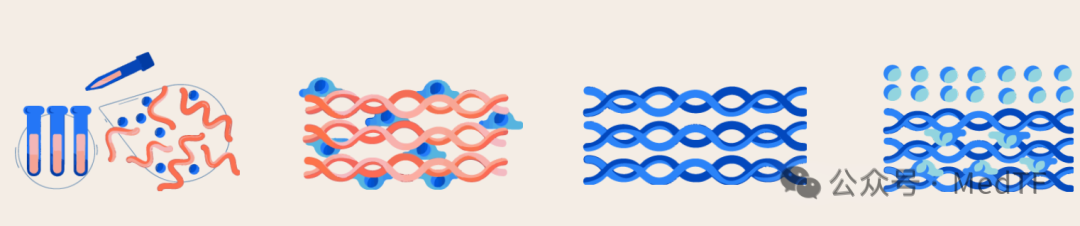
Vascudyne ATEVPreparation Technology
VascudyneATEVFibrin extracted from plasma was used to construct a fully biological scaffold, providing an ideal growth environment for cells.
Implant human cells into a fibrin matrix, allowing them to adhere, proliferate, and distribute evenly throughout the growing tissue.
Cells reconstruct fibrin networks, deposit functional proteins, and form engineered tissues with the strength and structure of natural tissues.
Eliminate immunogenicity through cell removal processes and kill microorganisms through sterilization.
VascudyneCore Advantages
Excellent Biocompatibility
The product is made from 100% biological materials, and its core technology is derived from human tissue.
Allografts processed by special techniques are highly compatible with the patient's autologous tissue structure.
Biomaterial grafts are optimized to minimize immune rejection: Compared to xenografts (non-human species) or synthetic biomaterials, which may trigger immune responses, this product offers greater safety.
Product design enables integration with autologous tissue, intraoperative handling characteristics similar to natural tissue, supporting the body's natural remodeling process.
Renewable
Tissue-engineered implants are designed to guide the migration of a patient’s own cells, achieving regeneration of the implanted tissue.
Vascudyne tissue exhibits adaptability similar to natural living tissue: For example, children receiving heart valve transplants may avoid repeated surgeries due to growth and development — allografts can grow with the child and extend their lifespan through regenerative properties.
True regenerative technologies hold the promise of pioneering breakthrough therapies, enhancing patients' quality of life and life expectancy.
Vascudyne
VascudyneIt is Already Innovate Bio-Tissue Engineering Company, collaborating with healthcare innovators by providing state-of-the-art engineered tissues, proprietary equipment design, comprehensive manufacturing capabilities, specialized technical expertise, and end-to-end product development support (aimed at advancing the next generation of regenerative medicine).