AlfaDAX Platform Leverages AI for Drug-Likeness Assessment and Optimization to Deliver Clinical-Grade Candidate Molecules

GBB
AI Biomedical R&D Company

In the field of antibody drug development, molecular druggability is a key step that determines whether a drug can move from the laboratory to clinical trials. Traditional trial-and-error methods not only consume time and resources but also harbor potential risks of failure.GBB's self-developed drug molecule evaluation and optimization platform, AlfaDAX, leverages AI technology to empower molecular druggability assessment and optimization, providing an end-to-end solution encompassing "sequence input-intelligent evaluation-precise optimization." It covers mainstream large molecule drug types such as monoclonal antibodies, bispecific antibodies, ScFv, and recombinant proteins, helping customers shorten the R&D cycle and reduce failure risks to create clinical-grade candidate molecules.

AlfaDAX PlatformRapidly predict key drug-likeness indicators such as isoelectric point, humanization score, immunogenicity, stability, and aggregation/precipitation risk of molecules through AI models, intelligently forecast results and output targeted optimization plans—whether it is to enhance the degree of humanization to reduce immunogenicity, strengthen affinity to improve efficacy, or refine physicochemical properties to mitigate risks during production and storage.The platform achieves "customization on demand" and simultaneously provides optimization in three dimensions to assist customers.Develop Clinical-Grade Candidate Molecules。
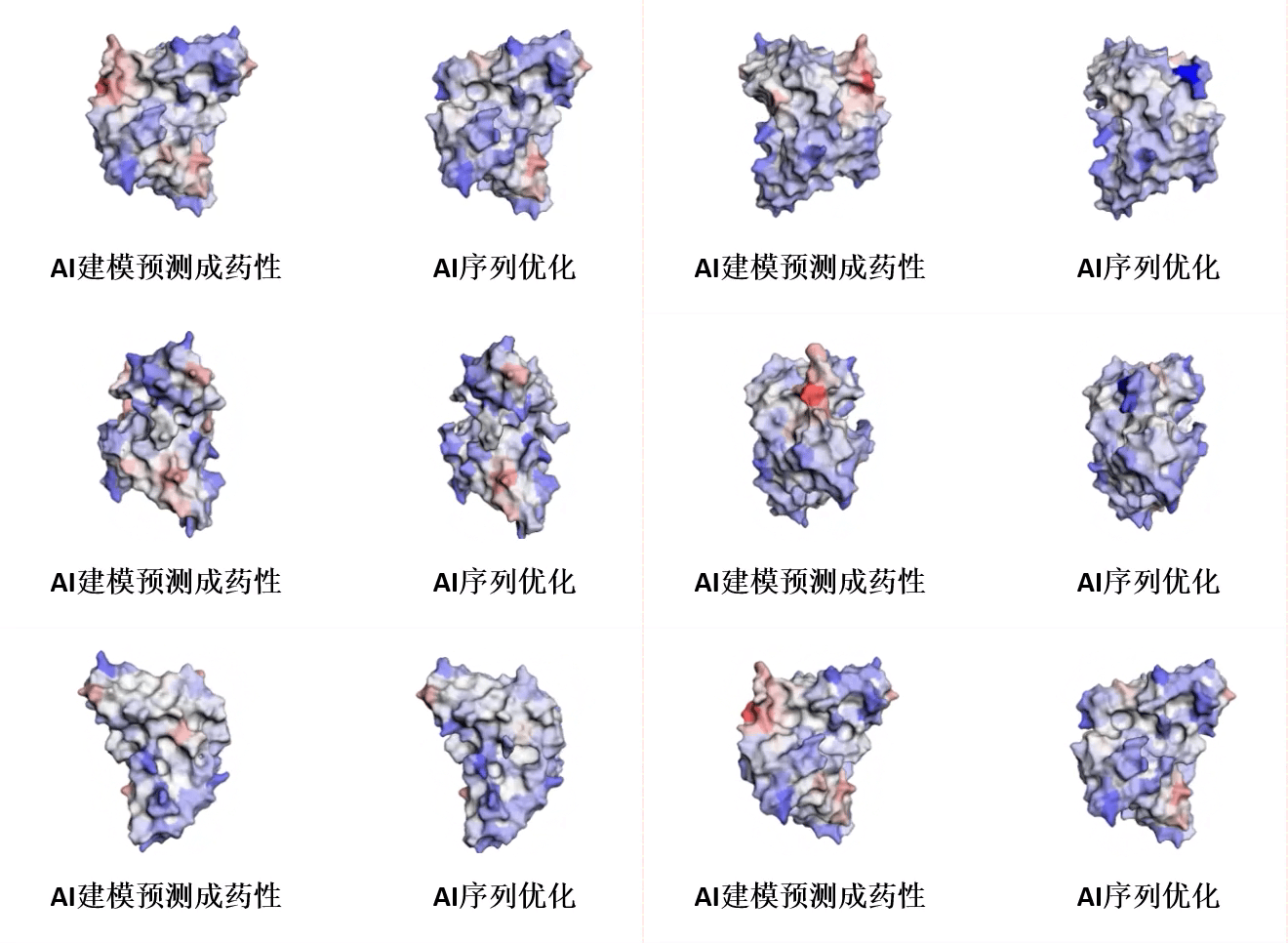
▲Comparison of molecular optimization on the AlfaDAX platform before and after: The red area represents the aggregation of hydrophobic amino acids before optimization (prone to cause molecular precipitation and poor stability), while the blue area represents the hydrophilic region after modification. The animation vividly demonstrates the process by which the platform, through amino acid mutation design, transforms hydrophobic aggregation risk areas into hydrophilic stable regions, verifying at the molecular structure level the improvement in drug-likeness.
AlfaDAX Platform for the Assessment of Drug-Likeness in Dual-Target Drug Molecules, significant effects have been achieved. We analyzed key drug-likeness indicators of multiple drug molecules through AI, covering dual-target drugs with different structures, domains (VHH/Fab/scFV, etc.), and eight critical physicochemical and functional indicators (isoelectric point, human fraction, immunogenicity, stability, aggregation and precipitation, viscosity, non-specific binding, bispecific antibody aggregation), leading to core conclusions. Problematic bispecific antibodies include BsAb-1 (precipitation), BsAb-2 (precipitation), BsAb-3 (aggregation), BsAb-7/BsAb-8 (HIC multi-peaks), while BsAb-4 performed well.BsAb-5、Fusion Protein(No Aggregation or Sedimentation),The alignment with the final experimental validation results reached 100%.
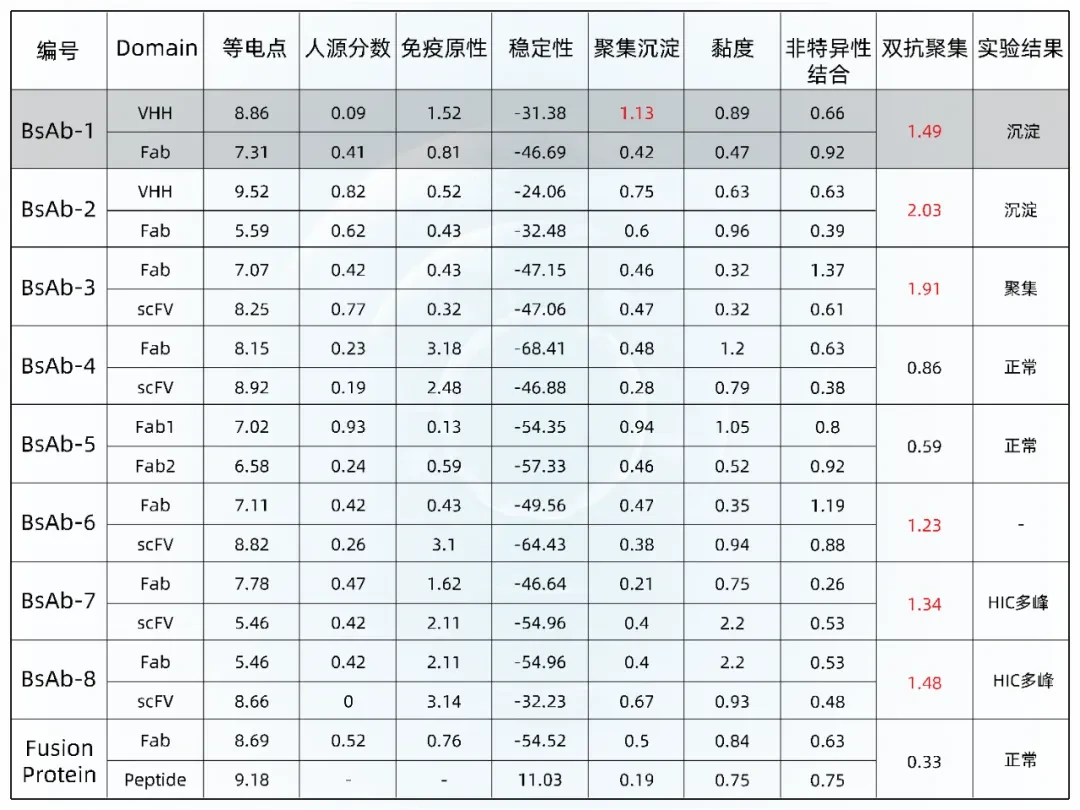
▲The alignment between the druggability assessment and the final experimental validation results of dual-target drugs reached 100%.
We performed a structural visualization analysis on the typical case BsAb-1 and interpreted the precipitation causes through two types of structural diagrams.After AI intelligent analysis, it was concluded that the precipitation of BsAb-1 may be due to "hydrophobic amino acid aggregation in VHH" or "electrostatic attraction between VHH and Fab." Based on this, we can modify and optimize the drug molecule.
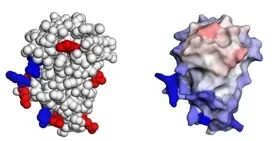
▲BsAb-1-VHH Antibody Charge and Hydrophobicity Distribution
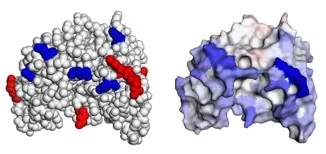
▲BsAb-1-Fab Antibody Charge and Hydrophobicity Distribution
Note: In terms of charge distribution (spherical structure), red = positive, blue = negative, white = neutral; in terms of hydrophobicity distribution (smooth surface), red = hydrophobic, blue = hydrophilic.
The AlfaDAX platform has also made clear progress in understanding the logical relationship between drug activity and configuration, facilitating subsequent modifications and optimizations of different molecular configurations of the drug.We analyzed the "α-GIPR antibody + GLP1" molecule through AI, quantifying the activity differences of six different configurations of antibody/GLP1 to derive the core conclusions. The baseline group (antibody/GLP1) showed normal dual activity (α-GIPR binding 1.64nM, GLP1 binding 1.36nM). Configurations with partial inactivation included A-1/2 (no GLP1 binding), A-3 (α-GIPR undetected, no GLP1 binding), and A-6 (no α-GIPR binding). Configurations with reduced activity included A-4/5 (both activities increased, meaning activity weakened: A-4 α-GIPR binding 6.24nM, GLP1 binding 10.68nM; A-5 α-GIPR binding 5.01nM, GLP1 binding 11.58nM).
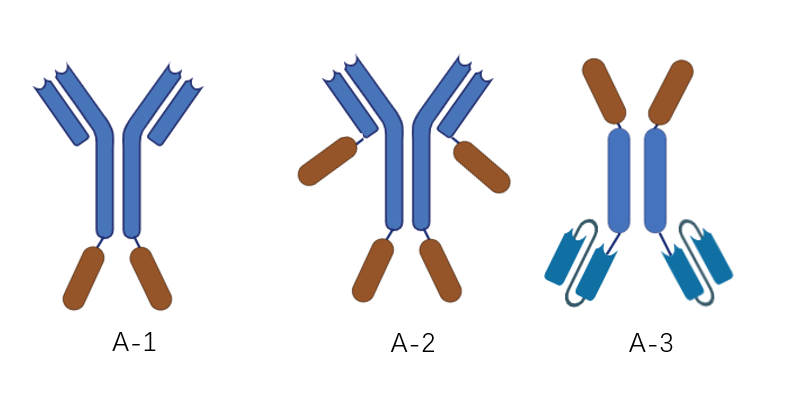
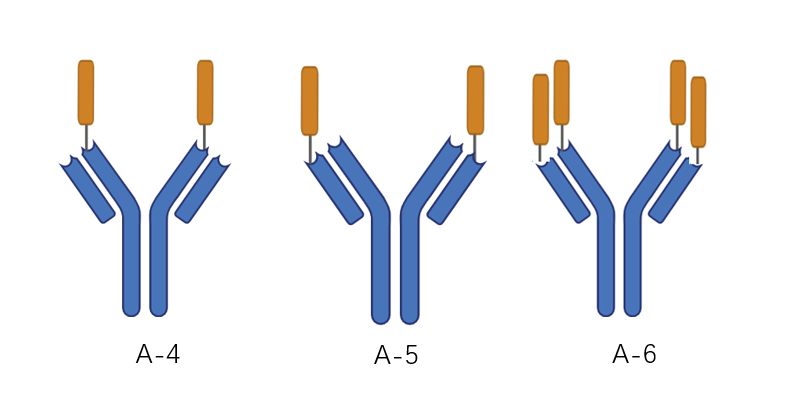
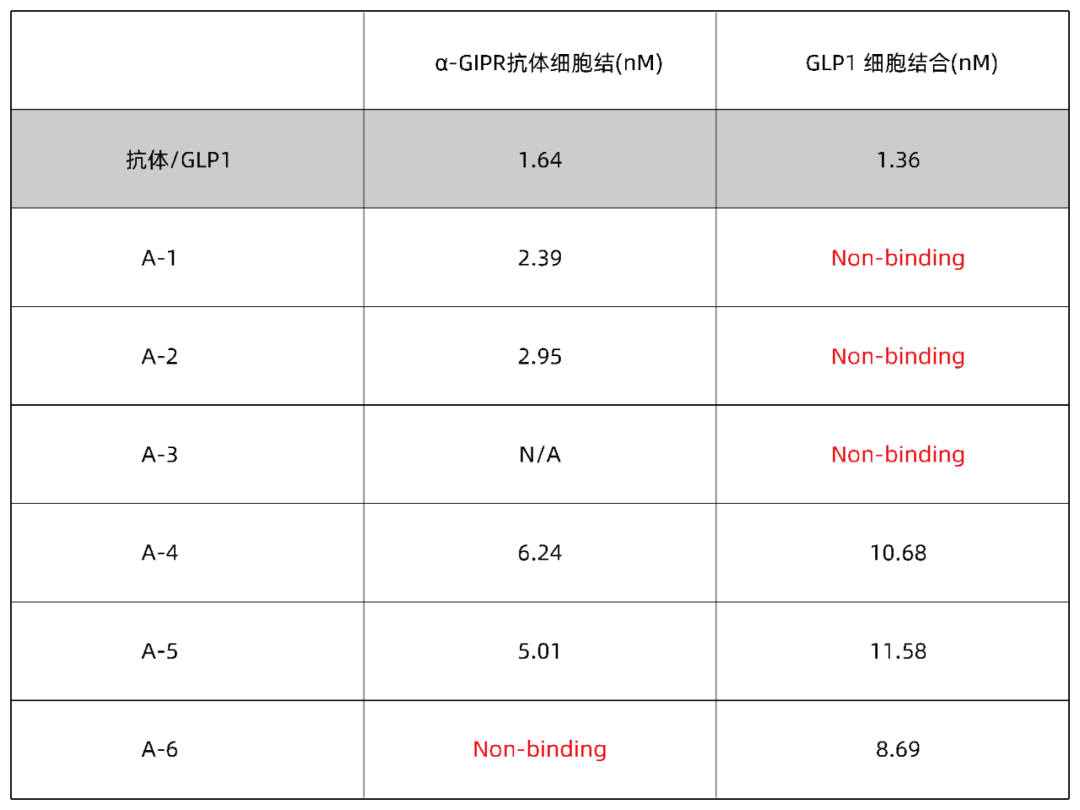
▲Activity Differences of 6 Antibodies/GLP1 in Different Conformations(α-GIPR Antibody Cell Binding Activity (nM), GLP1 Cell Binding Activity (nM), Lower values indicate stronger binding activity, "Non-Binding" indicates no binding activity, "N/A" indicates not tested.)
In order to facilitate subsequent modifications and optimizations of different configurations of the drug, we conducted an intelligent analysis of the reasons for the "inactive configuration" and "reduced activity."
Inactivation Mechanism of Inactive Conformation
"Inactive Conformations" 1/2/3 can be analyzed for the cause of inactivation from the perspective of structural steric hindrance. When GLP1 is located at the C-terminus, there is steric hindrance between the antibody and the GLP1 receptor (GLP1R), which directly prevents GLP1 from binding to GLP1R, resulting in a complete loss of GLP1 cellular activity. Therefore, conformations 1/2 belong to the inactivation mechanism when GLP1 is at the C-terminus. When GLP1 is sandwiched between the FC domains of the antibody, it cannot extend outward, leaving insufficient space for GLP1 to dock with the binding pocket of GLP1R, ultimately leading to no cellular activity. Thus, conformation 3 belongs to the inactivation mechanism when GLP1 is between the FC domains.
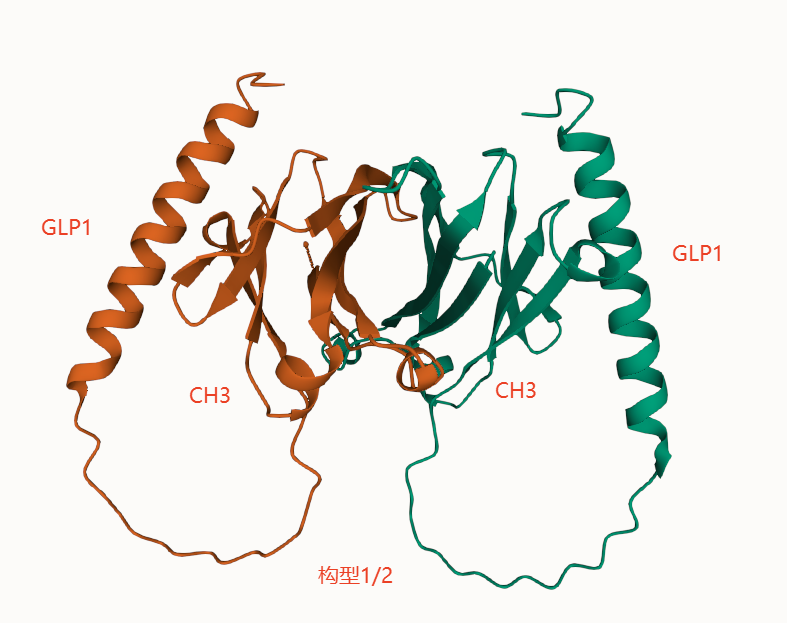
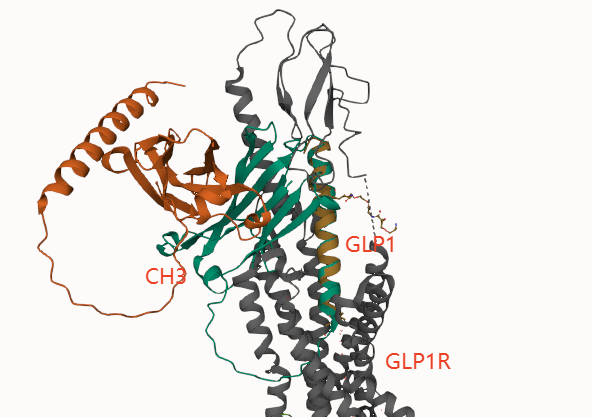
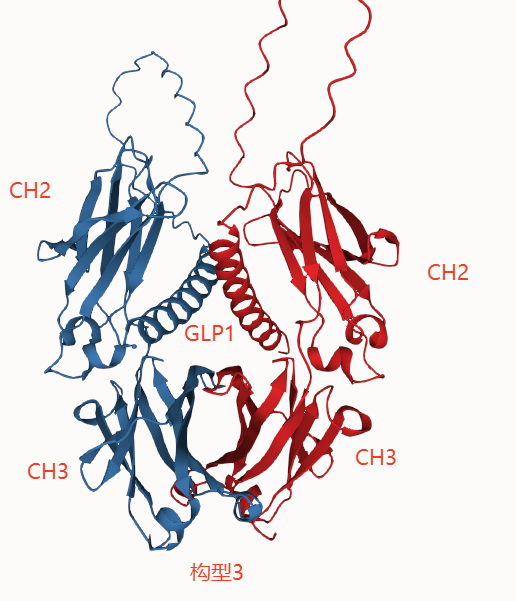
Key Inducements for Configuration Activity Decline
"Configuration 4/5/6 with Decreased Activity," characterized by GLP1 being linked at the "N-terminus of the antibody variable region (VH/VL)," resulting in dual effects: on the positive side, GLP1 experiences less steric hindrance when binding to GLP1R, retaining some activity; on the negative side, linking GLP1 at the N-terminus of the variable region blocks the CDR region (key antigen-binding area), reducing the binding activity of the antibody (α-GIPR).
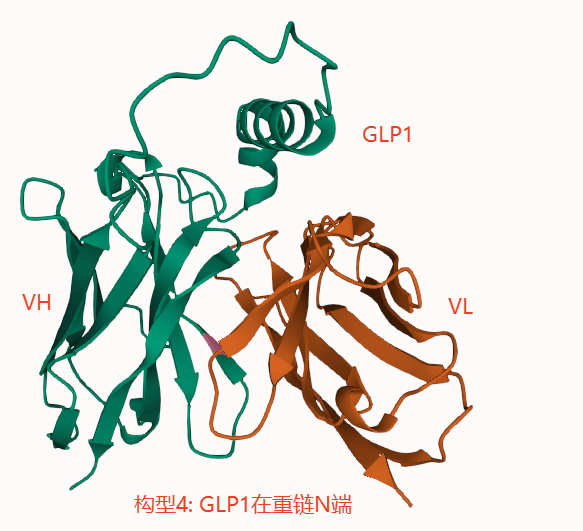
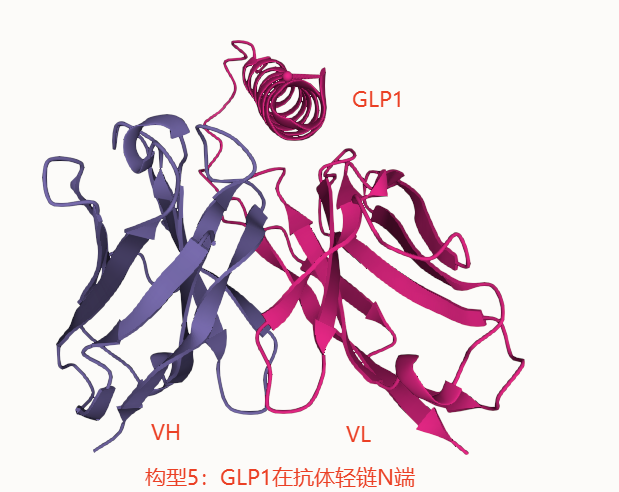
The AlfaDAX platform, with its AI-powered precision design and multi-dimensional collaborative optimization capabilities, has accumulated extensive practical cases in the field of antibody molecule optimization. It has achieved simultaneous breakthroughs in the three core dimensions of "affinity, humanization, and drug-likeness," ultimately delivering clinical-grade candidate molecules that are "highly active, low-risk, and easy to manufacture." This provides efficient and reliable core support for the transition of antibody drugs from laboratory research to clinical application.
Affinity is the core indicator of an antibody's ability to bind to an antigen, directly determining the drug's targeting and efficacy.The AlfaDAX platform uses AI to predict key sites at antigen-antibody binding interfaces, designs efficient mutation libraries, and achieves stepwise improvements in affinity through multiple rounds of optimization.
Case 1: Monoclonal Antibody Affinity Increased 29 Times
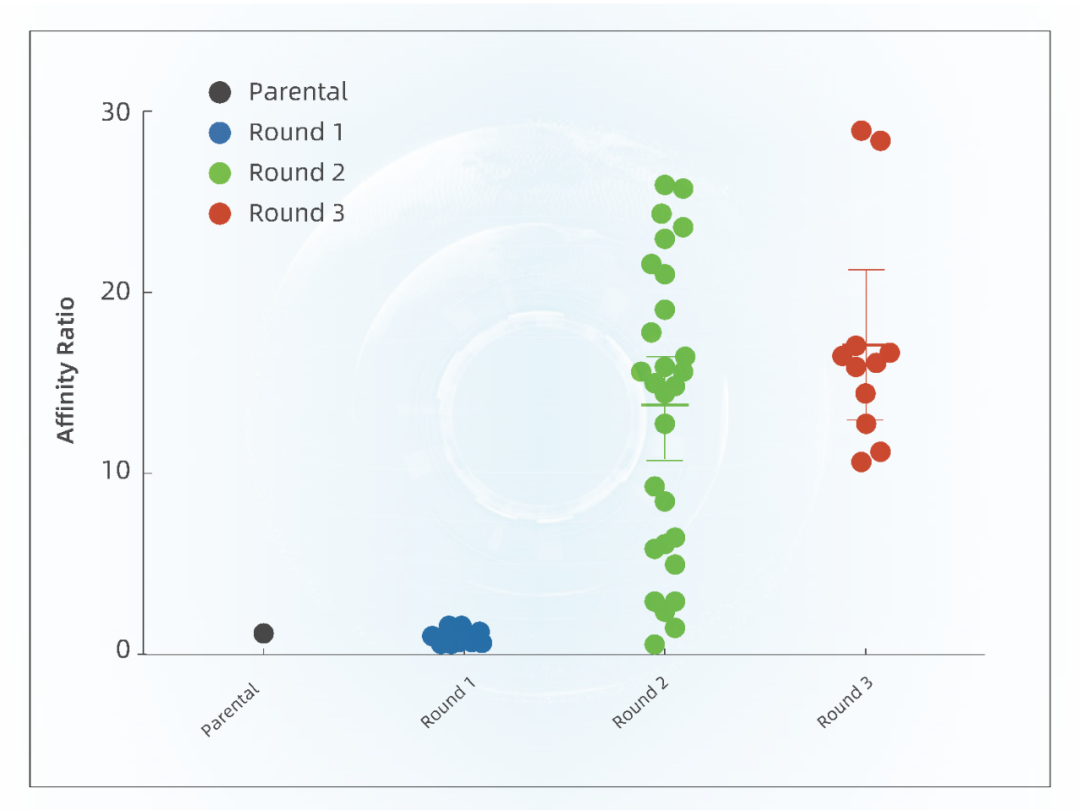
To meet the affinity maturation needs of a client's monoclonal antibody molecule, the AlfaDAX platform designed a three-round progressive optimization plan to measure affinity.
▲Monoclonal antibody affinity increased 29 times
From Parent (reference sample) to Round 1, Round 2, and Round 3, the affinity index (vertical axis) monitored by the platform showed a significant upward trend — the reference sample exhibited a higher KD value due to insufficient precision in the conformation of the binding site; after Round 1 made preliminary adjustments to key amino acids, the affinity improved significantly; Round 2 further optimized the spatial compatibility of the binding interface, resulting in a continuous decrease in the KD value; Round 3 achieved an affinity enhancement 29 times greater than the reference through AI screening of optimal mutation combinations, fully meeting clinical efficacy requirements.
Case 2: Affinity Increased 43 Times with Multi-Index Quantitative Validation
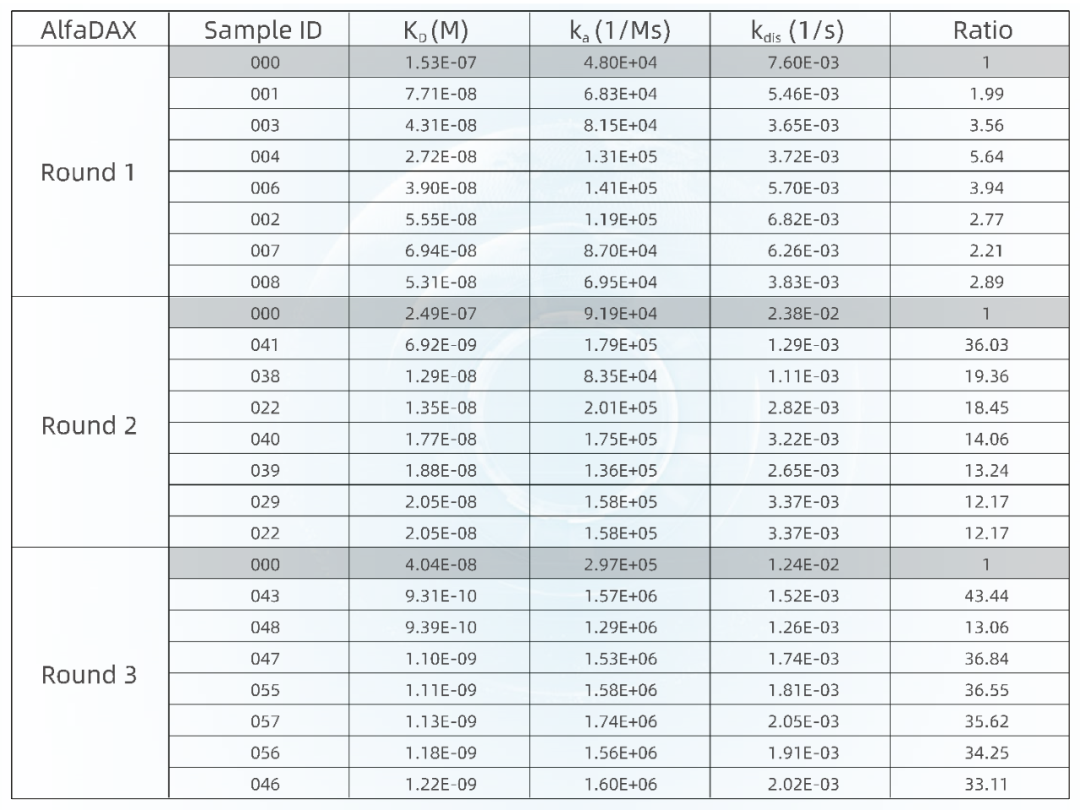
The platform conducted detailed kinetic parameter testing on each batch of samples from the three rounds of optimization:
▲ Affinity increased 43 times and verified by multi-index quantification
·In the first round of optimizationThe KD value of the optimal sample 004 decreased from the baseline of 1.53E-07 M to 2.72E-08 M, with a Ratio=0.178 (indicating a 5.64-fold increase in affinity), while the ka value increased from 4.80E+04 1/(Ms) to 1.31E+05 1/(Ms), resulting in a nearly 3-fold improvement in binding rate.
·In the second round of optimizationSample 041 showed outstanding performance, with the KD value dropping to 6.92E-09 M, Ratio=0.028 (affinity increased by 36.03 times), kdis value decreasing from 2.38E-02 1/s to 1.29E-03 1/s, dissociation rate reduced by nearly 18 times, and molecular binding stability significantly enhanced;
·The third round of optimization pushes affinity to new heightsThe KD value of sample 043 is as low as 9.31E-10 M, with a Ratio=0.023 (affinity increased by 43.44 times), and the ka value reached 1.57E+06 1/(Ms), with the binding rate increasing 32 times compared to the baseline.
Multiple rounds of data confirm that the AlfaDAX platform not only enhances affinity but also simultaneously optimizes binding and dissociation kinetics, achieving the ideal binding mode of "fast association, slow dissociation."
Due to their small molecular weight and strong tissue penetration, nanobodies are widely used in the treatment of tumors and autoimmune diseases. However, the affinity of natural nanobodies often fails to meet clinical needs. The AlfaDAX platform has designed targeted optimization strategies based on the structural characteristics of nanobodies (containing only the VH domain, with more concentrated binding sites).
▲ Nanobody Affinity Increased 19.6 Times
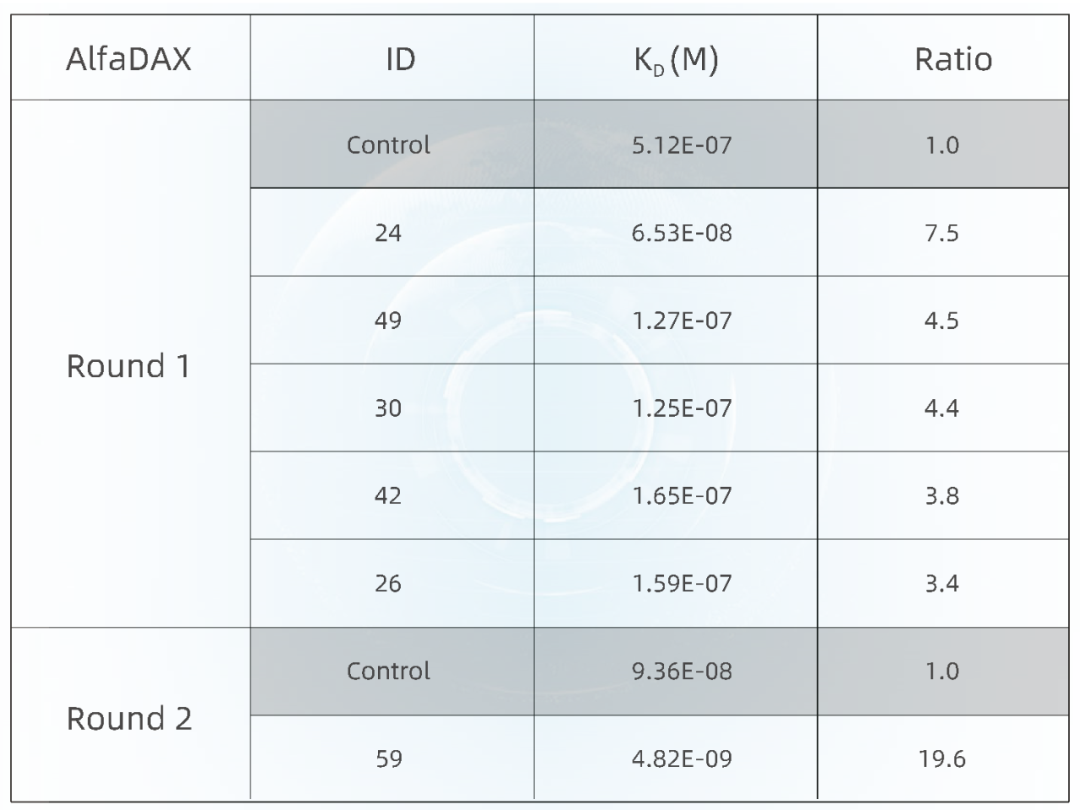
·In the first round of optimizationThe platform predicts key mutation sites in the CDR region (complementarity determining region, which directly binds to the antigen) of nanobodies through AI, and screens out sample 24, with a KD value of 6.53E-08 M and Ratio=0.133, showing a 7.5-fold increase in affinity compared to the Control (reference sample, KD=5.12E-07 M).
· The second round of optimization further refines the side-chain orientation of amino acids in the CDR region based on the first round.Among the samples, Sample 59 performed the best — the KD value dropped to 4.82E-09 M, with affinity improving 19.6 times compared to the baseline. Moreover, the KD value of this sample showed minimal fluctuation across multiple repeated experiments, demonstrating the excellent stability of the optimized molecular structure, laying a foundation for subsequent production and clinical applications.
Non-human antibodies (such as murine antibodies) are easily recognized as "foreign substances" by the immune system after entering the human body, triggering anti-drug antibody responses, which can lead to reduced efficacy and even side effects like allergic reactions.The AlfaDAX platform uses AI structure prediction to accurately differentiate between "framework regions requiring modification" and "binding regions that need to be preserved," solving the common R&D challenge of affinity loss caused by excessive mutations in traditional modification methods, thereby ensuring both humanization and functionality.
Case 1:Triple Optimization Enhancement for Humanized Monoclonal Antibodies
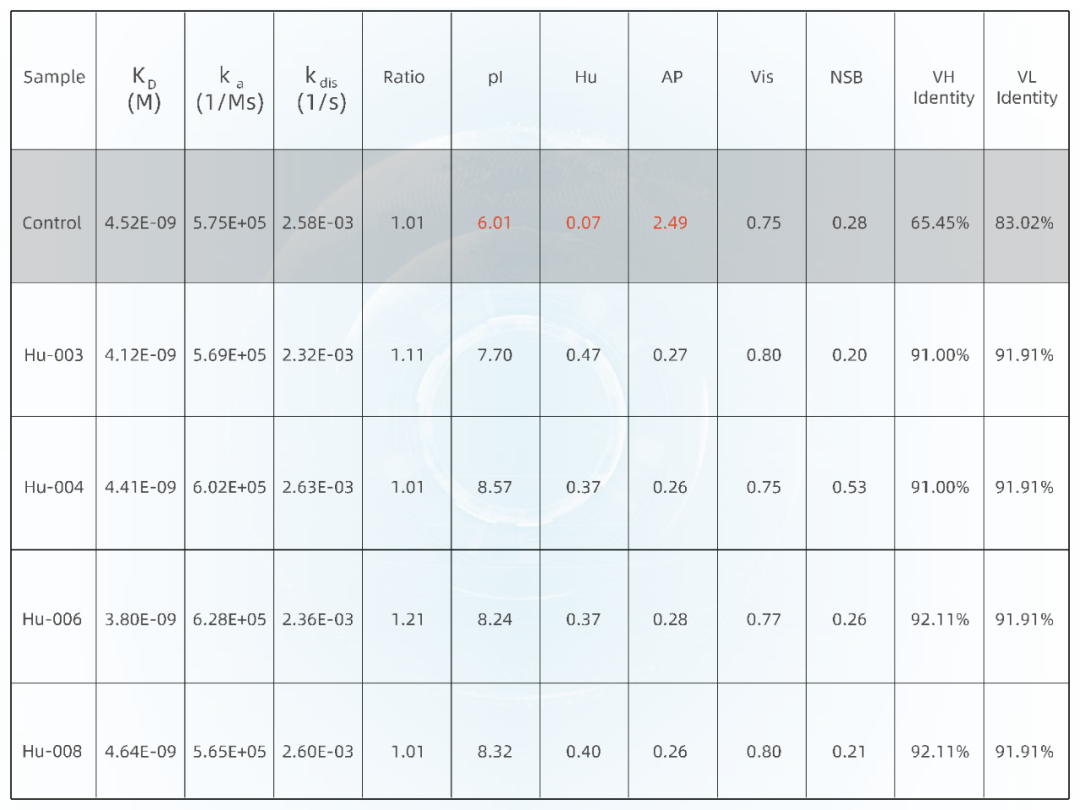
To meet the humanization requirements of a certain murine monoclonal antibody, the AlfaDAX platform innovatively combines "humanization modification, druggability optimization, and introduction of additional disulfide bonds in CDR" to avoid dimensional shortcomings caused by single optimization. Data comparison between the template sample and four humanized samples (Hu-003, Hu-004, Hu-006, Hu-008):
▲Triple Optimization of Humanized Monoclonal Antibodies Enhancement
·Significantly improved humanization:The humanization score (Hu) of the template sample is only 0.07 (a typical murine antibody), with human germline identities of 65.45% for VH (heavy chain variable region) and 83.02% for VL (light chain variable region); after optimization, the humanization score of Hu-003 increased to 0.47 (meeting the standard for humanized antibodies), and the identities for both VH and VL were improved to over 91%, with the VH identity of Hu-006 reaching as high as 92.11%, significantly reducing the risk of immunogenicity.
·Improvement in drug-like properties synchronized: The aggregation precipitation (AP) score of the template sample reached 2.49 (>1, indicating a significant risk of aggregation), while the AP scores of the four humanized samples were all <0.3, completely eliminating the risk of aggregation; meanwhile, indicators such as molecular viscosity and non-specific binding were maintained within a safe range, meeting the requirements for large-scale production.
·Affinity fully retained: The KD values of four humanized samples were maintained at around 4E-09 M, which is basically the same as the template sample's 4.52E-09 M, without showing the common affinity reduction problem in traditional humanization; additionally, the platform further stabilized the binding site conformation by introducing an extra disulfide bond in the CDR region, ensuring that the molecule’s affinity remained stable during simulated changes of pH and temperature in vivo.
Case 2: DifficultyBreakthrough in Humanized Monoclonal Antibodies
A certain client's monoclonal antibody, utilizing traditional germline replacement, experienced a magnitude decrease in antibody affinity after multiple attempts. The AlfaDAX platform, through AI structural modeling, identified four potentially non-mutable sites for avoidance: Site 1 (prone to generating electrostatic repulsion, disrupting the binding interface), Site 2 (may alter the conformation of the CDR2 region, affecting antigen binding), Site 3 (changing the original salt bridge interaction into charge repulsion, reducing binding stability), and Site 4 (may distort the non-CDR loop structure of the FW3 region, indirectly affecting binding). This achieved triple compliance of "humanization + function + expression." Final optimization results show:
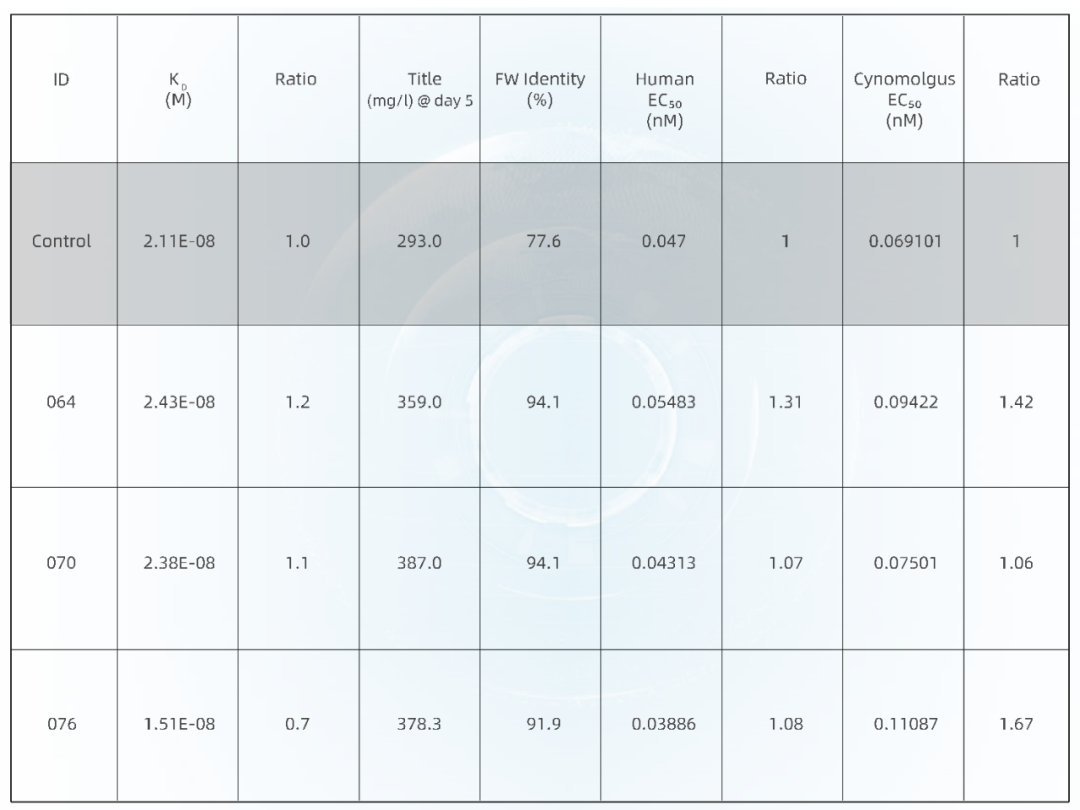
▲Breakthrough in the Humanization of Difficult Monoclonal Antibodies
·Degree of Humanization: FW (Framework Region) consistency increased from the baseline of 77.6% to 91.9%-94.1%, reaching a high standard of humanization;
·Affinity and Function: The KD values of the optimized samples (064, 070, 076) were maintained at 1.5E-08 - 2.5E-08 M, close to the Control (2.11E-08 M); there was no significant decrease in the EC50 (half maximal effective concentration) for Human and Cynomolgus (commonly used preclinical model), demonstrating that the molecule can function normally in both human and monkey systems.
·Production Performance: The expression level increased from the baseline of 293mg/l to a maximum of 387mg/l (sample 070), reducing costs for industrial production.
Humanization of nanobodies not only requires enhancing sequence consistency but also optimizing charge distribution and specificity in conjunction with their small molecular weight to avoid off-target risks caused by non-specific binding. The AlfaDAX platform addresses the needs of two types of nanobodies, achieving breakthroughs in both "humanization + charge optimization" and "humanization + non-specificity optimization" combinations.
1. "Humanization + Charge" Optimization
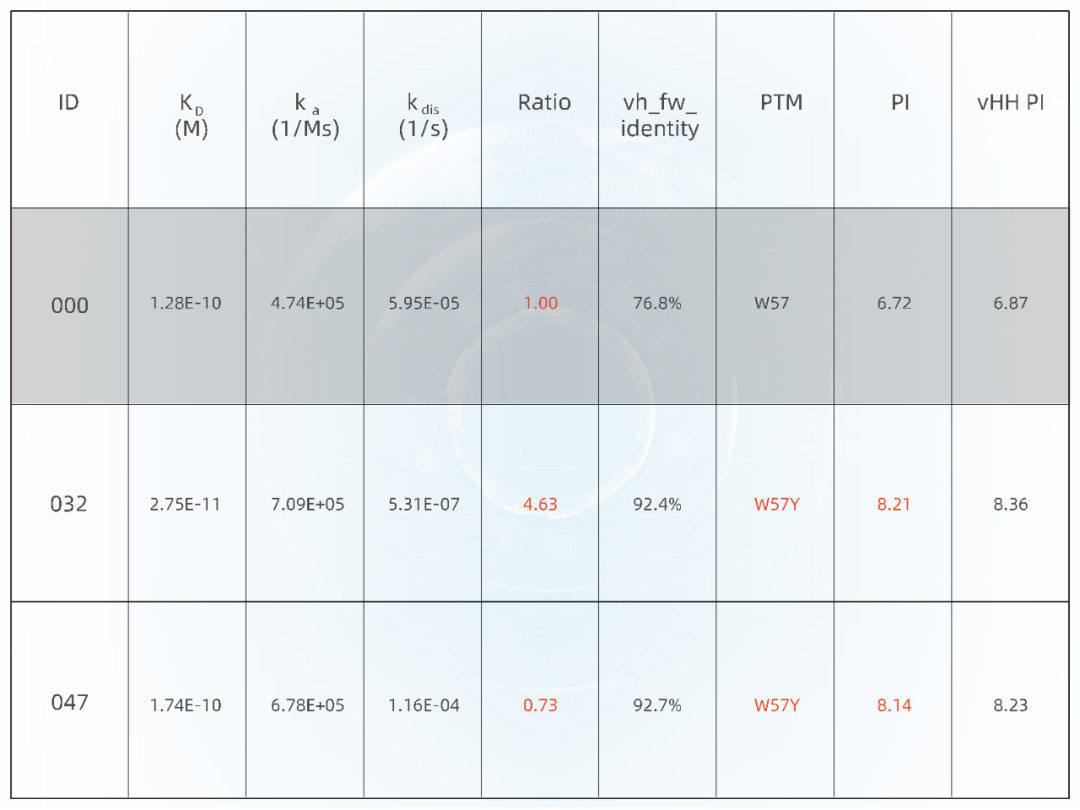
The human source score of the reference sample 000 is relatively low (vh_fw_identity=76.8%), and it contains a PTM (post-translational modification) risk site, W57 (prone to oxidation, affecting stability). Its isoelectric point (PI=6.72) deviates from physiological pH, which may lead to rapid clearance in vivo.
Optimized sample 032, through the W57Y mutation designed by AI, not only eliminated the PTM risk but also increased the humanization score to 92.4% and adjusted the PI to 8.21 (closer to physiological conditions); simultaneously, the KD value decreased from 1.28E-10 M to 2.75E-11 M, enhancing affinity by 4.63 times, achieving a "triple-win" in humanization, stability, and efficacy. Another optimized sample, 047, achieved a higher humanization score (92.7%), but its KD value slightly increased (Ratio=0.73). Based on this, the platform provided customers with the option to prioritize either "higher stability" or "higher affinity," demonstrating the flexibility of the optimization solutions.
2. "Humanized + Non-specific" Optimization
A certain nanobody 000, while capable of specifically binding to Target1, poses a risk of cross-binding with Target2/3 (structurally similar homologous proteins), potentially leading to off-target toxicity. The AlfaDAX platform addresses this issue through a three-step process:
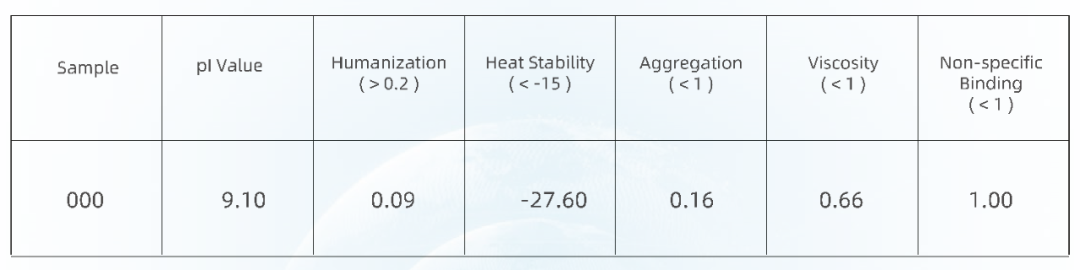
Remarks:Isoelectric Point: The pH value at which the surface of the antibody variable region carries no charge; proteins are extremely unstable at the isoelectric point due to the absence of charge repulsion, exhibiting the lowest solubility and a tendency to aggregate and precipitate. Humanization Score: The higher the score, the higher the degree of humanization—classified as non-humanized antibody if less than 0.2, humanized antibody if between 0.2-0.6, and fully humanized antibody if above 0.6. Stability: A score greater than -15 indicates a risk of poor molecular stability. Aggregation and Precipitation: A score greater than 1 indicates a higher risk of aggregation and precipitation. Viscosity Score: A score greater than 1 indicates a risk of high viscosity at high concentrations (>150mg/ml). Non-specific Binding: A score greater than 1 indicates a risk of non-specific binding.
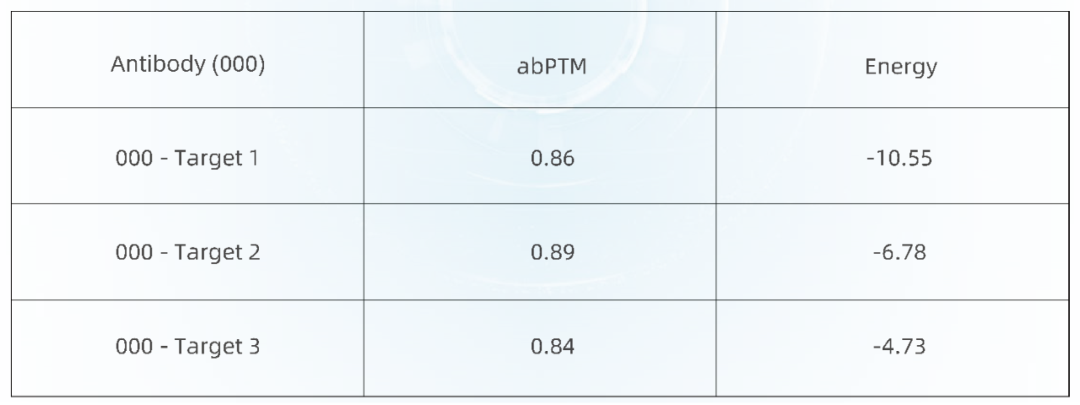
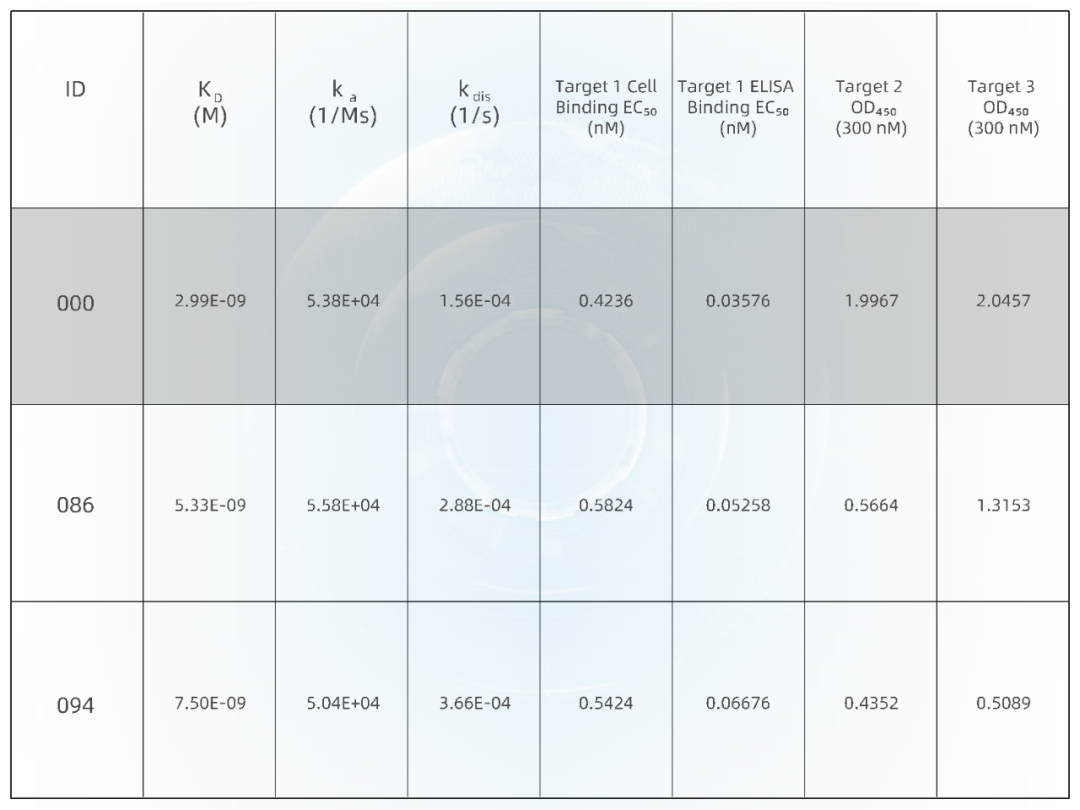
Step 1: Structural Prediction: Evaluate the binding energy of 000 with Target1/2/3 — the binding energy with Target1 is -10.55 (< -5, indicating stable and highly specific binding), while the binding energies with Target2 and Target3 are -6.78 and -4.73 respectively (Target3 is close to -5, posing a risk of non-specific binding), and identify the key amino acid sites causing cross-binding.
Step Two: Index Evaluation: The non-specific binding score of reference sample 000 is 1.00 (critical risk), and the human source score is only 0.09 (non-human);
Step Three, Function Verification: The optimized samples 086 and 094 not only showed a significant increase in human source scores but also a substantial reduction in non-specific binding — the OD450 value of Target2 dropped from 1.9967 to a minimum of 0.4352, and the OD450 value of Target3 decreased from 2.0457 to a minimum of 0.5089, with a reduction of over 70% for both; meanwhile, the KD value increased from 2.99E-09 M to a maximum of 7.50E-09 M, with a decrease of less than two-fold, meeting the clinical requirement of "enhanced specificity without loss of efficacy."
In actual research and development, optimization in a single dimension cannot meet the clinical needs of drugs — for example, high-affinity molecules may be unproducible due to a high risk of aggregation, and highly humanized molecules may be ineffective due to insufficient functionality.The core advantage of the AlfaDAX platform lies in its ability to balance affinity, humanization, and drug-likeness simultaneously, leveraging AI-driven optimization to deliver "well-rounded" clinical-grade candidate molecules.
Case 1:Three-Dimensional Optimization of Dual-Target Monoclonal Antibodies
For a bispecific antibody that needs to bind simultaneously to Target A and Target B, the AlfaDAX platform uses AI to predict the compatibility of the binding interfaces of the two targets, designs non-conflicting mutation schemes, and ultimately achieves simultaneous improvements in affinity, functionality, and drug-like properties for both targets:
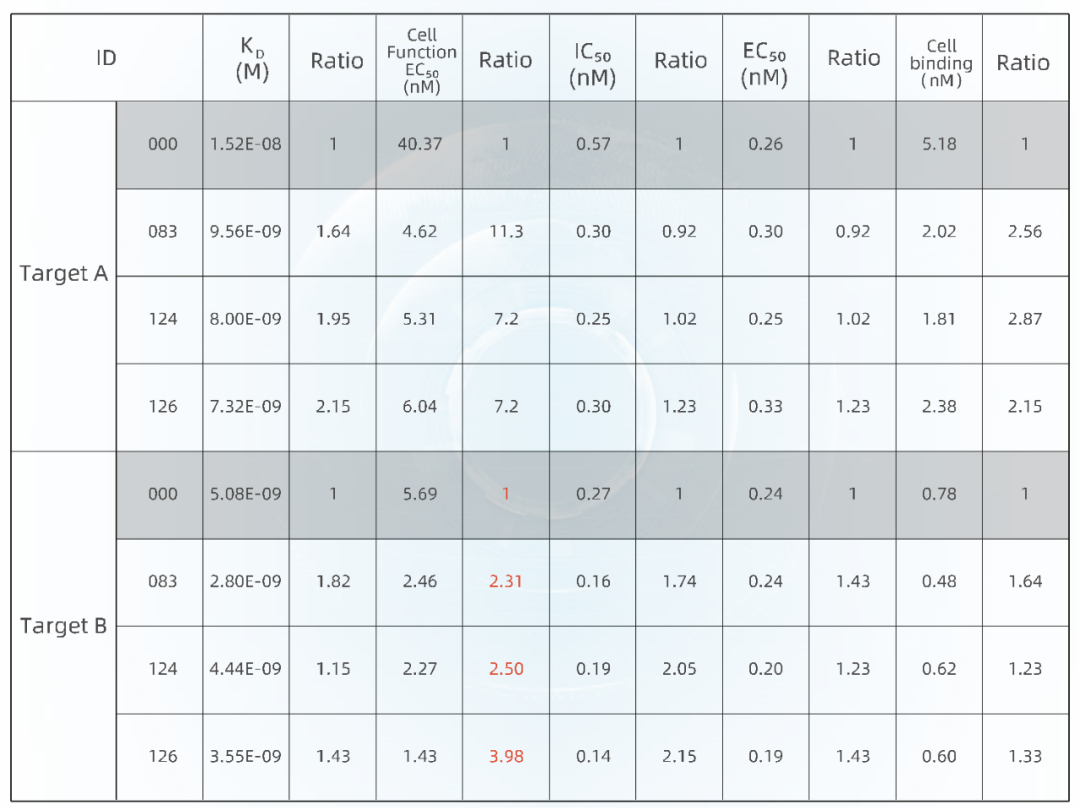
▲Dual-Target Monoclonal Antibody 3D Optimization
·Enhanced Affinity: The KD value of Target A decreased from 1.52E-08 M to a minimum of 7.32E-09 M (Ratio=0.48, increased by 2.15 times), and the KD value of Target B decreased from 5.08E-09 M to a minimum of 2.80E-09 M (Ratio=0.55, increased by 1.82 times). The binding ability of both targets was significantly enhanced.
·Enhanced Functionality: The Cell Function IC50 (half-maximal inhibitory concentration, where a lower value indicates stronger inhibition) for Target A decreased from 40.37 nM to a minimum of 4.62 nM (an 11.3-fold improvement), while the IC50 for Target B dropped from 5.69 nM to a minimum of 1.43 nM (a 3.98-fold improvement), demonstrating a significant enhancement in the molecule's efficacy at the cellular level.
·Drug readiness met: The optimized molecule has an aggregation precipitation score <0.3, viscosity <0.8, and non-specific binding <0.5. All key indicators meet preclinical R&D standards, successfully creating a "dual-target, high-efficacy, low-risk" candidate molecule.
Case 2:Monoclonal Antibody with 77-fold Affinity Enhancement While Maintaining Functionality and Stability
For a monoclonal antibody project requiring high affinity, the AlfaDAX platform achieved an ultimate breakthrough in affinity through multiple rounds of AI screening. The baseline sample 000, due to the low match between the amino acid side chains of the binding site and the antigen pocket, had a KD=2.27E-08 M, ELISA EC50=2.19 nM, and cellular blockade IC50=19.03 nM, which made it difficult to meet the clinical demand for high efficacy. After optimization by the platform, sample 090 achieved comprehensive improvements through precise mutations at key sites.
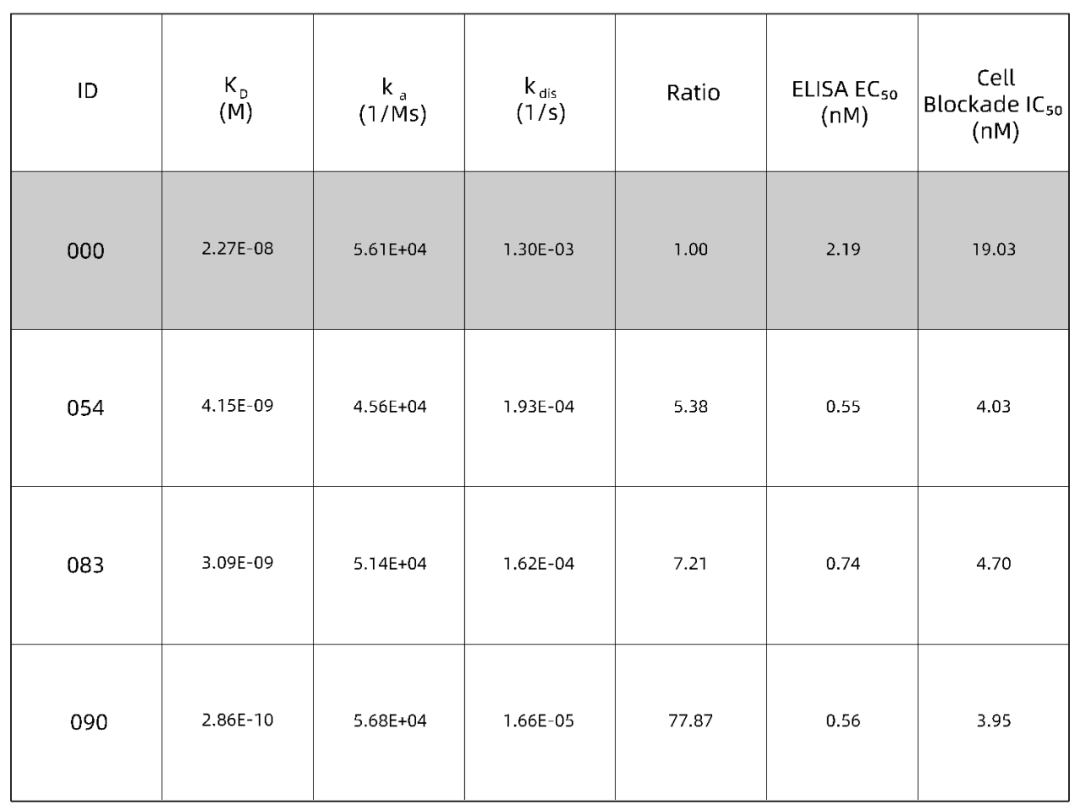
▲ Monoclonal Antibody with 77-fold Increased Affinity, Balancing Function and Stability
·KD value as low as 2.86E-10 M, improved 77.87 times compared to the baseline;
·ELISA EC50 decreased to 0.56 nM (3.9-fold increase), showing significantly enhanced in vitro binding activity;
·Cell Blockade IC50Reduce to3.95 nM (increased 4.8 times), the inhibitory effect at the cellular level has significantly improved;
·Synchronous optimization of kinetic parameters: ka value reaches 5.68E+04 1/(Ms), with a stable binding rate; kdis value as low as 1.66E-05 1/s, dissociation rate is 78 times lower than the benchmark, ensuring prolonged antigen binding in vivo and extending drug efficacy duration.
To meet the clinical translation requirements of a certain nanobody, the AlfaDAX platform first optimizes affinity and then advances humanization改造, achieving simultaneous compliance with the two core indicators:
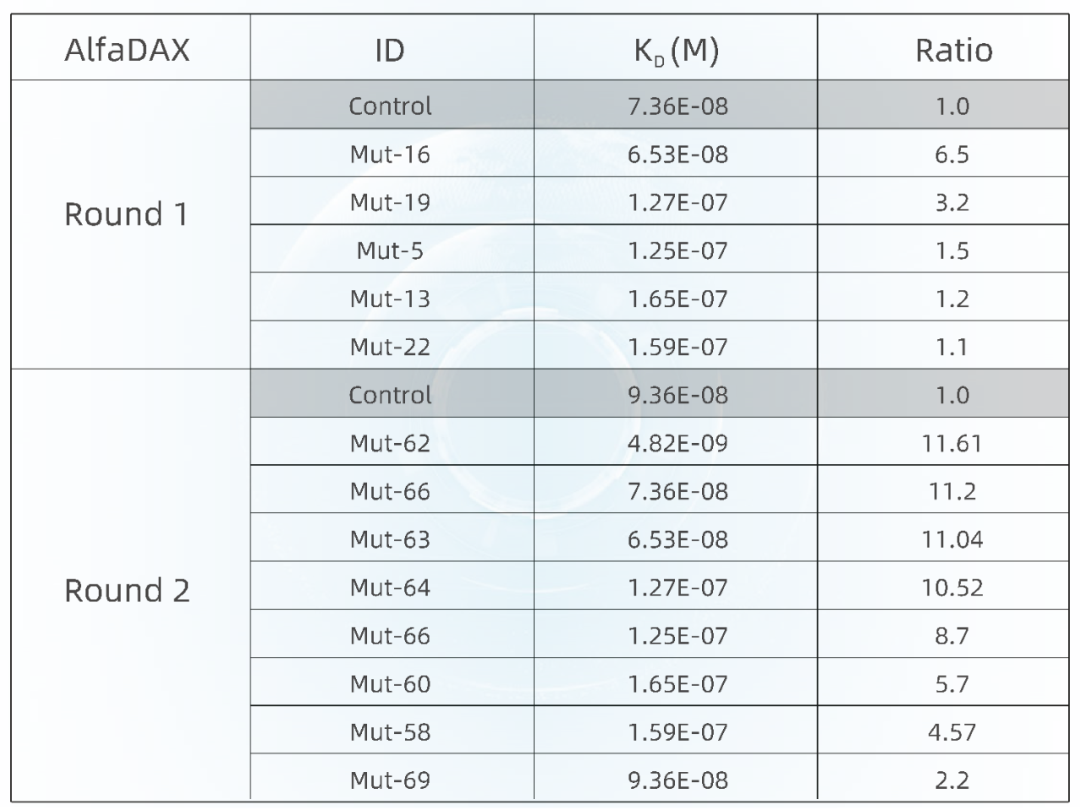
▲Nanobody "Affinity + Humanization" Double Achievement
·Affinity Optimization: The KD of the first-round optimized sample Mut-16 is 1.23E-08 M, which is 6.5 times higher than the baseline; the KD of the second-round optimized sample Mut-62 is 8.44E-09 M, further increasing to 11.61 times.
·Humanization Transformation: On the basis of high affinity, the platform uses AI to compare with the human germline database, selecting the most matched framework region sequence for replacement. Ultimately, the germline consistency of sample Mut-74 reached 94.32% (close to the fully human antibody standard), with the KD value maintained at 8.63E-09 M, achieving the dual goals of "no loss of high affinity and reduced risk through high humanization," laying a key foundation for subsequent clinical applications.
The AlfaDAX platform, with AI technology at its core, is revolutionary.From single-dimensional efficiency improvement to multi-dimensional collaborative optimization,Transforming Antibody Drugability Evaluation and Optimization from "Experience-Driven" to "Data-Driven".The platform has currently provided support for the development of numerous clients' projects, including monoclonal antibodies, bispecific antibodies, and nanobodies, helping clients make rapid decisions at critical R&D stages and promoting the efficient advancement of candidate molecules into clinical trials. If you have a large molecule drug project that needs accelerated development, please feel free to contact us.
Phone: 18926497707 (Same for WeChat)
Email: BD@greatbay-bio.com