From Orthopedics to Electrophysiology: Former Johnson & Johnson Bone Veteran Aldo Denti Joins Imricor Medical Systems

Imricor Medical Systems
MRI-Compatible Electrophysiology Tools Developer

Johnson & Johnson
Medical Device R&D and Manufacturer

Dentsply Sirona
Dental Instrument and Equipment Developer

DePuy Synthes
Orthopedic Product Developer

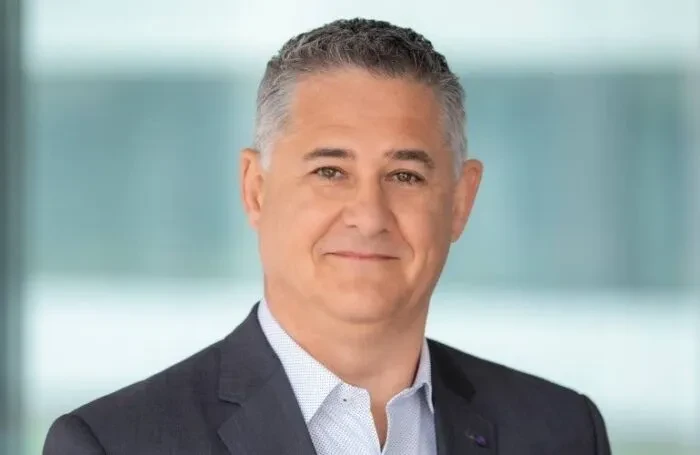
On November 11, 2025, the U.S.-based interventional cardiology company Imricor Medical Systems announced a personnel appointment:Former Global Head of Orthopedics at Johnson & JohnsonAldo DentiOfficially Joining the Company's Board of Directors。
During his nearly two-decade tenure at Johnson & Johnson, Denti held leadership positions in several core businesses within MedTech, eventually becoming the Group Chairman of the global orthopedics division (DePuy Synthes) in the early 2020s. Just a month ago, he transitioned to the role of Chief Commercial Officer at Dentsply Sirona; now, he has surfaced on the roster of Imricor Medical Systems, Inc., a company focused on MRI-guided arrhythmia ablation.
At first glance, it appears to be news about executive turnover, but when viewed within the context of the global industrial landscape, it takes on a deeper significance—because Johnson & Johnson is currently at a critical juncture of spinning off its orthopedics business.
# From Group to Independence: Johnson & Johnson's Orthopaedics "Structural Separation"
Just a month ago, Johnson & Johnson released its third-quarter financial report for 2025 and simultaneously announcedOrthopedic BusinessDePuy SynthesPlan to Split into Independent Companies。
Related Reading:$171 Billion! Earnings Report Released! Johnson & Johnson Plans to Spin Off Orthopedics Business
This means that, after spinning off its consumer health business Kenvue in 2023, Johnson & Johnson has once again embarked on a "portfolio restructuring," further focusing on six high-growth areas: oncology, immunology, neuroscience, cardiovascular, surgery, and vision.
According to the announcement, DePuyDePuy Synthes Plans to Complete Spin-off in the Next 18–24 Months, with Official Independence Expected by Mid-2027. The business generates approximately $9.2 billion in annual revenue, accounting for about 10% of the group's total income, and covers four major segments: joint reconstruction, trauma, spine, and digital surgery.

Despite stable profitability, growth has been relatively slow. Over the past few years, DePuy Synthes has faced structural issues such as a stabilizing global orthopedic market and a slowing pace of innovation, which has led to its divestiture under Johnson & Johnson's strategic focus.
The logic at the group level is very clear — divest low-growth sectors and concentrate resources on AI, robotics, and high-growth clinical tracks.
But from the industry level, this is not only a restructuring of the capital structure, but also a matter concerningOrganization and Talent MigrationThe Beginning.
# The Migration of "Orthopedic Generation": Coordinate Transformation from Joints to the Heart
Aldo Denti's shift is a microcosm of this migration trend.
He is a typical "first-generation orthopedic" manager — with a career spanning Medtronic and Johnson & Johnson, and deep expertise in the fields of joint reconstruction and trauma repair.
During his tenure, DePuy Synthes promoted the integration of digital surgical planning and navigation products and accelerated the collaborative application of robotics and orthopedic procedures.
But when the growth curve of giants slows down and splitting becomes inevitable, experience and resources start to shift towards new technological frontiers.
Dentsply Sirona has chosen Imricor Medical Systems, Inc. this time, which is a company specializing inMRI-Guided Electrophysiology Procedure PlatformAt the core of the enterprise – its products enable doctors to perform arrhythmia ablation under real-time MRI, achieving precise "see-and-treat" operations.
This crossover from "orthopedic reconstruction" to "cardiac intervention" appears to be a huge leap on the surface, but in fact reflects the same logic:The visualization and precision of surgery are becoming the common underlying language of medical technology.
"In an interview with the media, Denti said, 'Over the past three decades, I have witnessed multiple revolutions in medical technology, but few technologies have redefined the possibilities of a field like Imricor's MRI platform.'"
This statement can also be regarded as a declaration of the integration of traditional surgical fields with imaging and electrophysiology.
# From Split to Flow: Talent Redistribution Under Giant Restructuring
Johnson & Johnson's split is an adjustment of capital logic; but for the industry, the deeper change is people.
When the "first generation of orthopedics" in the giant system begins to migrate to other tracks, it actually signifies a kind of...Knowledge and Management Energy Redistribution。
In the past decade, the innovation focus of global orthopedic enterprises has been on the mechanical and material levels — lighter prostheses, stronger wear resistance, and more precise robot-assisted surgeries.
In the next stage, the industry's growth points are shifting towardsSoft Tissue, Nervous System and Minimally Invasive InterventionsMove in the ... direction.
This makes orthopedic management with surgical engineering thinking and experience in the global commercial system a "scarce resource" for emerging technology companies.
Imricor's choice is no coincidence. In a statement, its founder Steve Wedan emphasized: "Aldo’s addition will help us build a more mature organizational system during our global commercialization phase."
In other words, it is a "gene transplant" from giants to innovative companies.
# From Orthopedics to Imaging Intervention: The Migration of Technology and Growth Logic
A review of the adjustment paths of global medical technology giants in recent years shows that Johnson & Johnson is not an isolated case.
Zimmer Biomet has spun off its spine business into an independent company, ZimVie; Stryker has gradually scaled back some non-core segments after mergers and acquisitions integration; Medtronic is also cutting peripheral assets to focus on surgical robotics and cardiovascular intervention.
"Splitting" is becoming a common means of structural optimization, with the same growth logic hidden behind it:Capital flows back to high-potential technologies, and organizations migrate towards faster innovation loops.
And these migrations are often carried by "orthopedic veterans" like Aldo Denti.
They have experienced industrial changes from mechanical to digital, from manual to robotic, and possess a dual perspective of interdisciplinary integration and the global market.
When such experience is introduced into emerging enterprises centered on imaging, electrophysiology, and AI, it often becomes not only a "management complement" but also an accelerator for innovation systems.
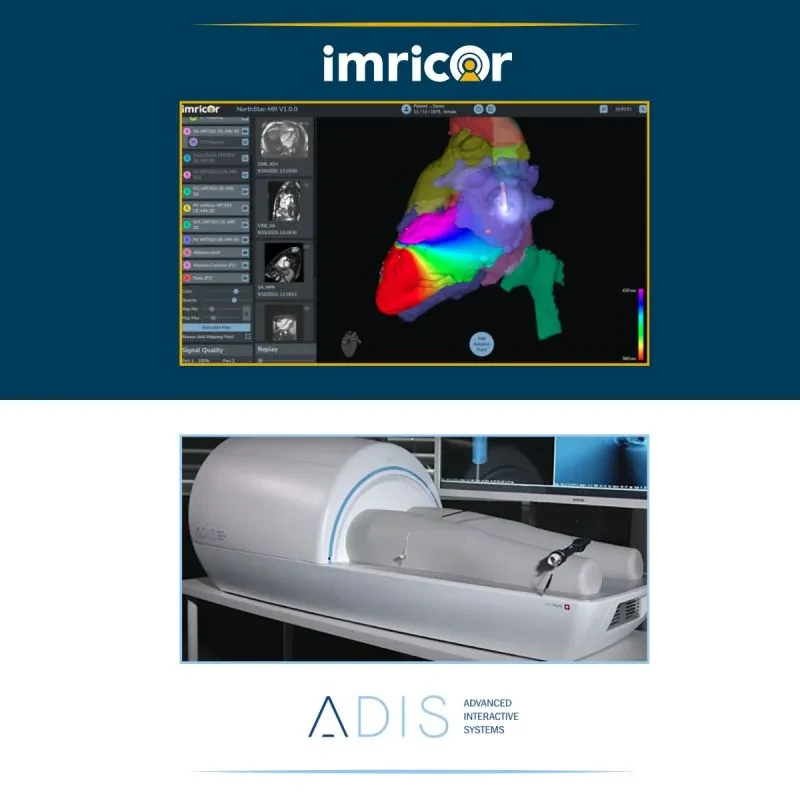
Imricor is at a critical stage of transitioning from R&D validation to global commercialization.
Recently, a team from the Amsterdam University Medical Center in the Netherlands successfully completed the world's first ischemic ventricular tachycardia ablation (VT Ablation) procedure guided by real-time MRI, marking a significant breakthrough for the company in clinical translation.
The addition of Dentsply Sirona signifies that the company aims to further打通市场准入、医院网络和临床教育等环节after the technology has been "validated" — these are the capabilities at which traditional giants excel but startups often lack.
Therefore, such personnel changes are not just individual choices, but a redistribution of roles in the innovation cycle:Capital drives the split, technology enables cross-border integration, and talent becomes the key link connecting the two.
# Conclusion: After the Giant's Split, the Story Continues
The spin-off process of Johnson & Johnson's orthopedics division is still ongoing, and the future capital path, organizational structure, and technological focus of DePuy Synthes remain to be seen.
But one thing is certain: those who left the "orthopedic generation" have not left the industry; they are repositioning themselves on another curve of innovation.
In the next growth cycle of global medical technology, the focus of the industry may no longer be determined by product lines but by technological logic —
From bone to heart, from mechanical to intelligent, from giant systems to entrepreneurial networks.
As one industry analyst put it: "The landscape of medical technology is being redrawn, and the pen often rests in the hands of those who have lived through the previous era."
Previous Recommendations
Countdown to Delisting for Medical Device Leader Amid Financial Fraud Scandal
Suzhou-Based Medical Device Company Secures Nearly 100 Million Yuan in Financing!