Johnson & Johnson to Acquire Halda Therapeutics for $3.05 Billion to Advance Innovative Oral RIPTAC™ Therapy HLD-0915 for mCRPC

Johnson & Johnson
Medical Device R&D and Manufacturer
Halda
Cancer Drug Developer

Johnson & Johnson
Healthcare Product Manufacturers, Health Service Providers

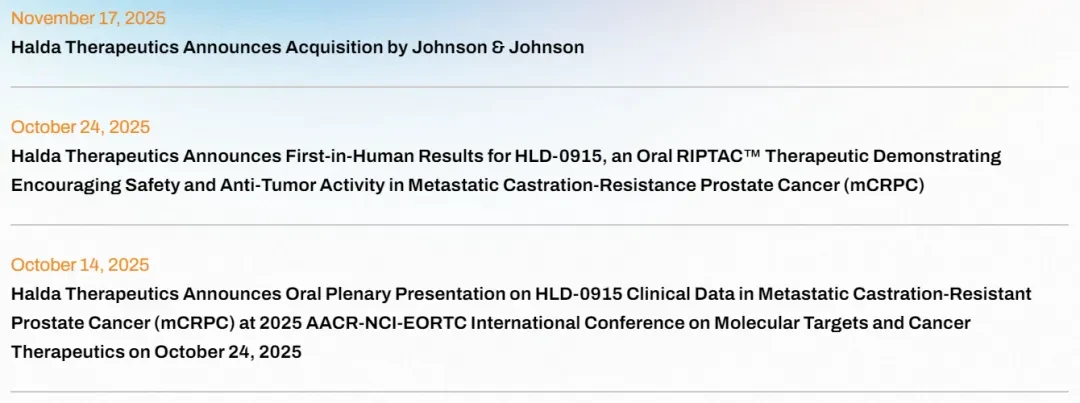
On November 17, Johnson & Johnson and Halda Therapeutics jointly announced that they had reached a definitive agreement, under which Johnson & Johnson...Johnson & Johnson to Acquire Halda for $3.05 Billion in Cash at Closing, Subject to Customary Adjustments. Notably, Halda Just Announced Its First Pipeline in October.HLD-0915Phase I clinical data, Johnson & Johnson moves quickly.Halda completed a $126 million Series B financing in 2024, bringing the total financing to $202 million. Investors includeDeep Track Capital, Frazier Life Sciences, RA Capital Management, Vida Ventures, Boxer Capital, and Taiho Ventures, etc.(Over $1 Billion! Leveraging AI to Discover the Next Generation of RIPTAC Drugs;New Frontier! $76 Million Financing for Craig Crews' New Company to Develop RIPTAC Therapy;$126 Million Series B Financing to Develop RIPTAC Therapy)
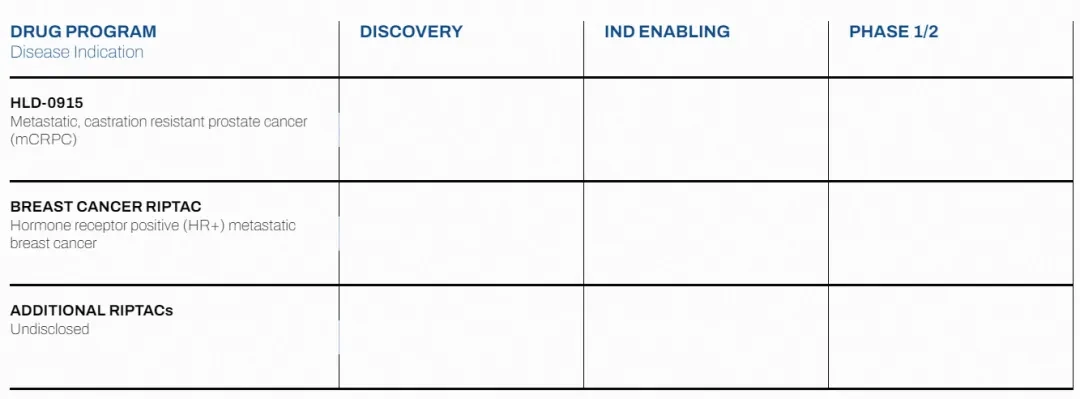
Halda's product portfolio includes HLD-0915, a first-in-class oral RIPTAC™ therapeutic currently under development for the treatment of metastatic castration-resistant prostate cancer (mCRPC). Recently released Phase 1/2 data indicate that this novel therapy is well-tolerated and shows encouraging signs of anti-tumor activity, including reductions in prostate-specific antigen (PSA) and responses per Response Evaluation Criteria in Solid Tumors (RECIST) in patients with advanced prostate cancer, many of whom had progressed after multiple prior treatments and exhausting available therapies.
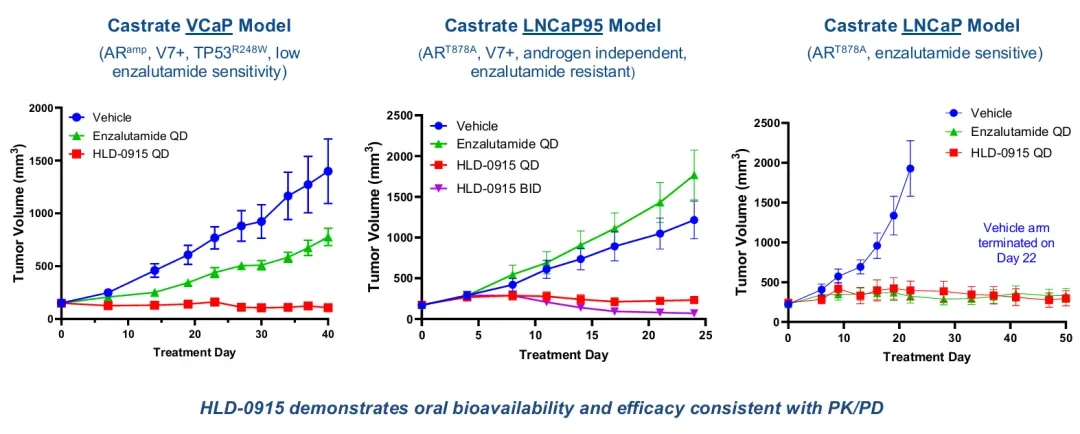
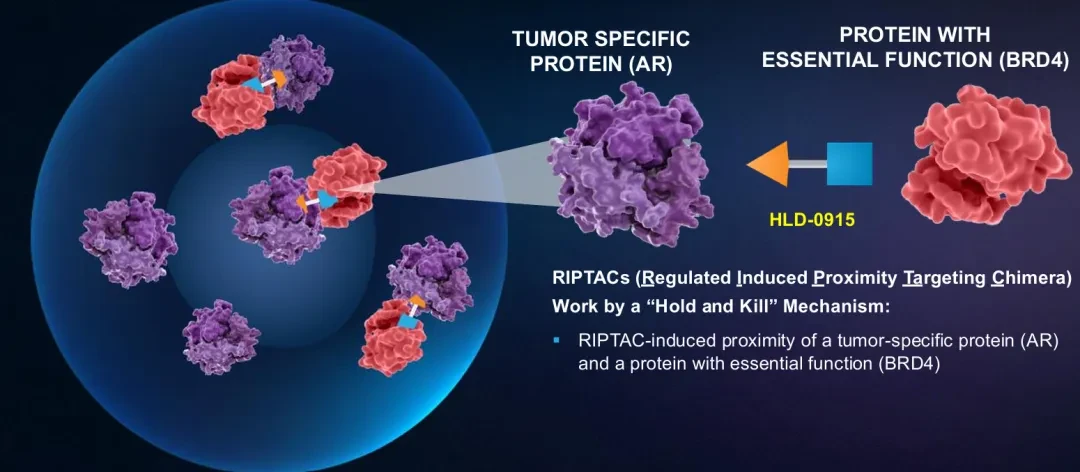
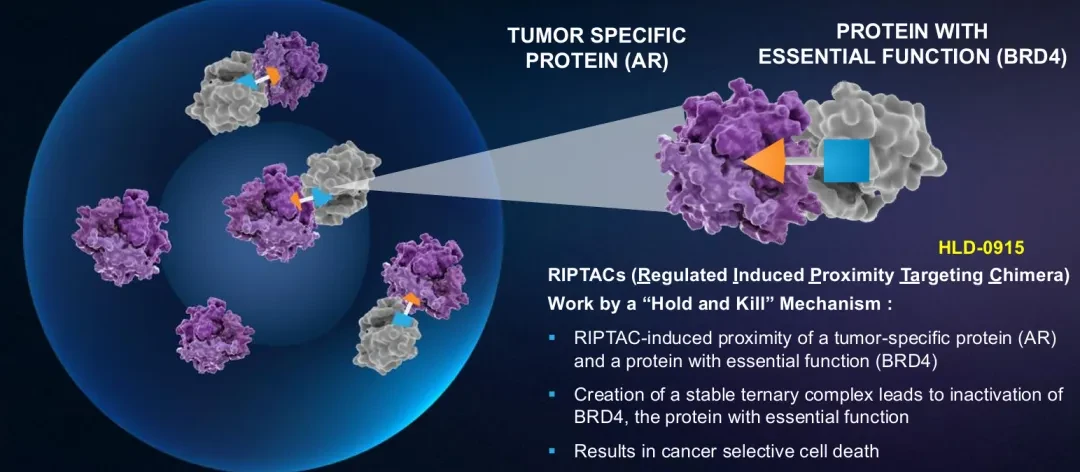
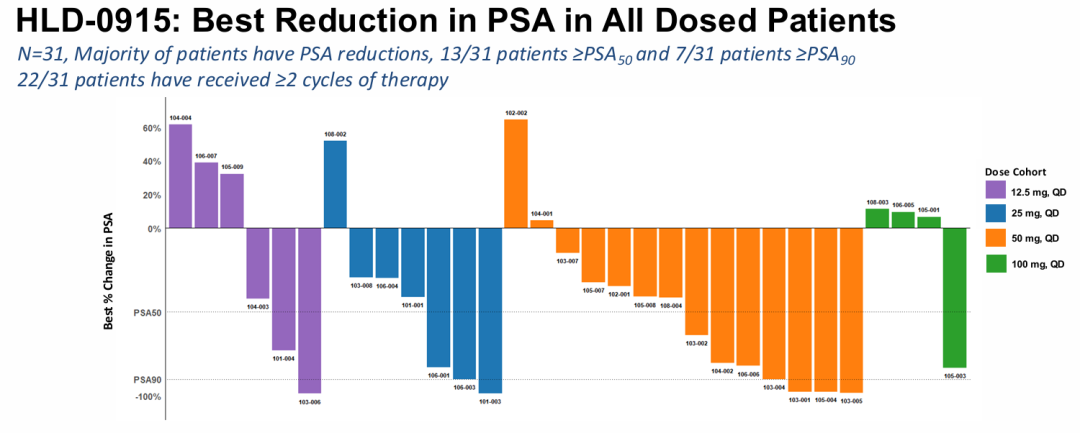
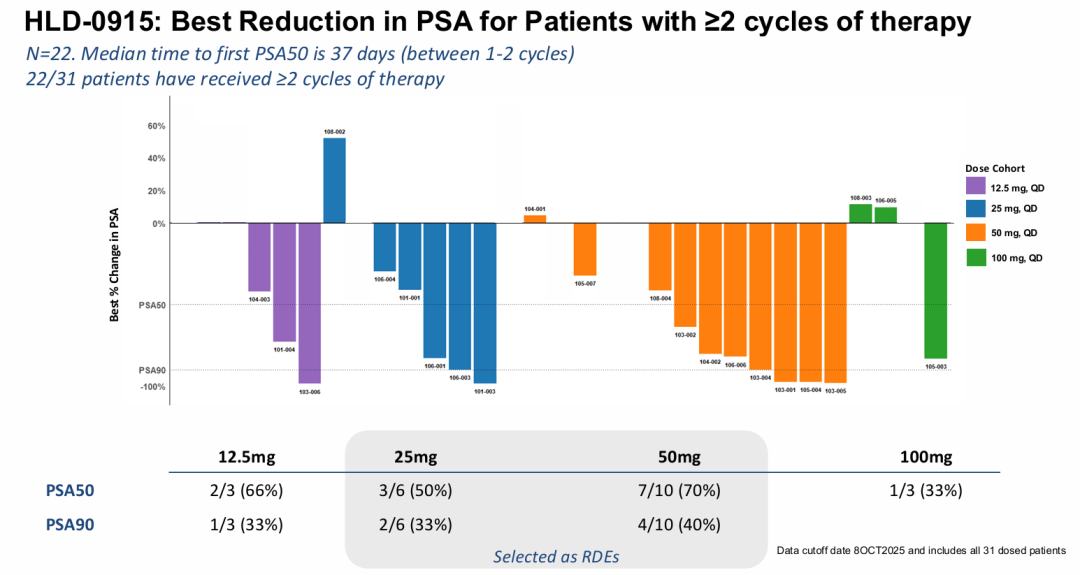
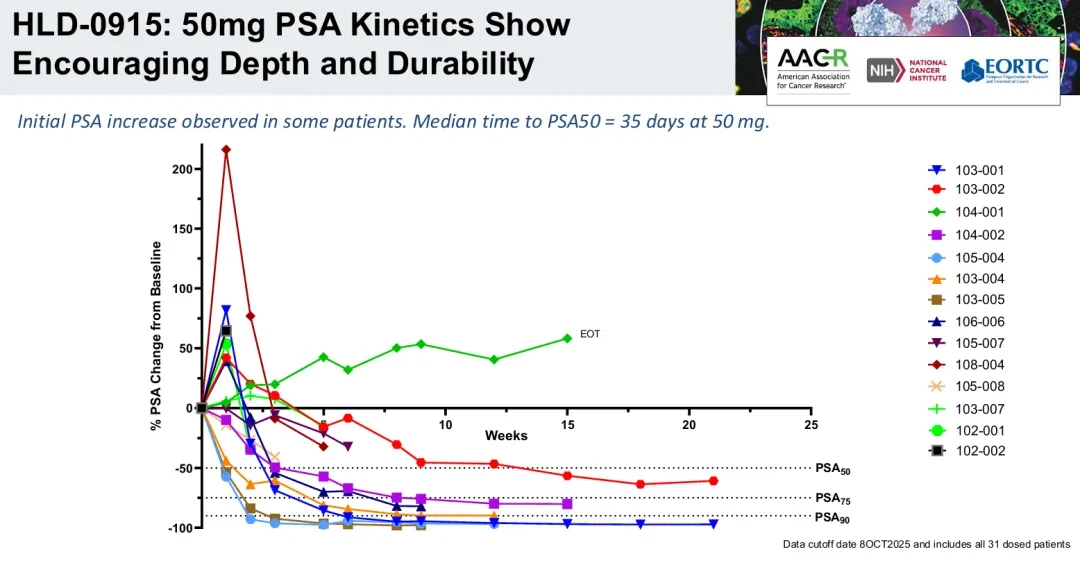
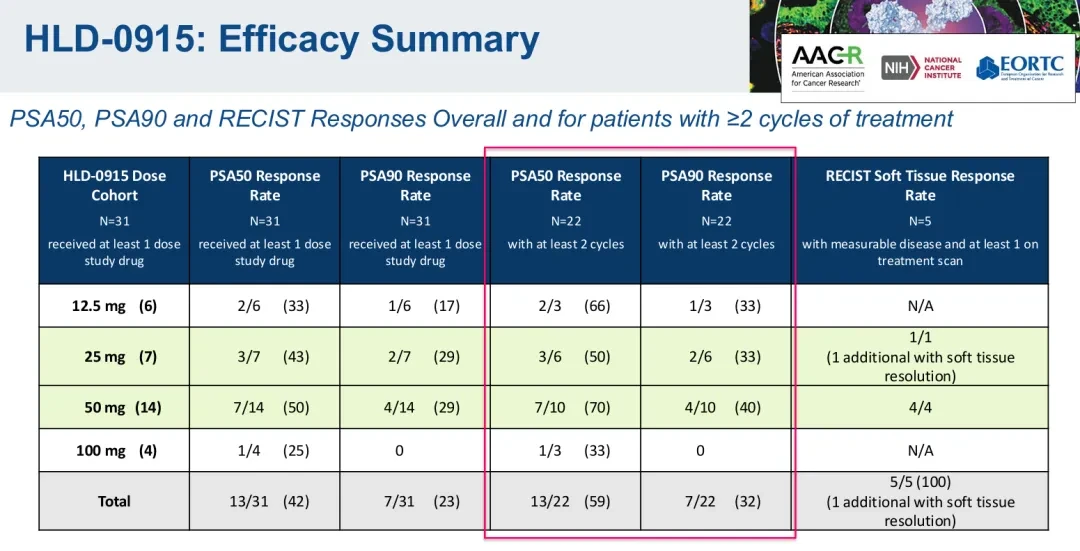
HLD-0915 has a novel mechanism designed to overcome resistance in the treatment of metastatic castration-resistant prostate cancer (mCRPC). HLD-0915 simultaneously binds to two proteins: the androgen receptor (AR), to selectively direct the RIPTAC therapeutic agent toward tumor cells; and bromodomain 4 (BRD4), an essential cellular protein involved in transcriptional regulation. The resulting trimeric complex leads to the elimination of BRD4 function and selective death of prostate cancer cells. HLD-0915 demonstrated selective in vitro cytotoxicity against prostate cancer cell lines and in vivo antitumor activity in rodent models of prostate cancer.Antitumor activity was observed in heavily pretreated mCRPC patients across all dose groups; of the 22 patients who completed at least two cycles, 59% achieved a PSA50 response and 32% achieved a PSA90 response.According to the RECIST criteria, all five patients (5/5) with measurable disease achieved a partial response (PR) at the first response assessment. Phase 2 clinical study to be conducted by the end of 2025.
Christian S. Schade, President and CEO of Halda, stated:"Halda is committed to advancing its novel RIPTAC drug format, developing next-generation selective, proximity-based small molecule therapies for patients with serious diseases. Through this transaction, we will continue to rapidly advance this promising program targeting prostate cancer patients and further Halda’s innovative pipeline from the RIPTAC™ platform to address a range of diseases. This announcement reflects years of development of this novel..."first in classDrug Form" tribute to scientific efforts and bring significant value to our shareholders."
Jennifer Taubert, Executive Vice President and Global Chair of Johnson & Johnson Innovation Medicine, stated: ""This acquisition further strengthens our deep oncology pipeline, with exciting leading assets in the field of prostate cancer, and provides a platform capable of treating various cancers and diseases beyond oncology, offering potential mid- to long-term catalysts for growth. We look forward to combining Halda's product line, platform, and people with our world-class R&D, commercial, and manufacturing capabilities to advance our goal of bringing these therapies to patients around the world."
John C. Reed, M.D., Ph.D., Executive Vice President of Johnson & Johnson Innovation, Medical, and R&D, stated:"Many therapies lose effectiveness over time due to drug resistance. Even when cancer no longer responds to standard treatments, Halda's innovative technology can play a role by using a novel mechanism to selectively kill cancer cells. The research findings of HLD-0915 indicate impressive preliminary efficacy in prostate cancer, with strong early safety. We are eager to accelerate the ongoing Phase 2 clinical trial of HLD-0915 and develop a series of new candidate products based on RIPTAC™ technology."

Halda TherapeuticsScientific FounderProfessor Craig CrewsHe is a professor of Molecular, Cellular, and Developmental Biology at Yale University, a pioneer in the field of induced proximity biology, and the inventor of PROTAC® (PROteolysis TArgeting Chimera), a class of heterobifunctional small-molecule protein degradation therapeutics.CrewsThe professor is the scientific founder of several biopharmaceutical companies, including Proteolix (acquired by Onyx) and Arvinas.CrewsRIPTAC therapy was then regarded as another class of heterobifunctional small molecules invented by Halda.
RIPTAC Therapy Combines the Power of Several Drug Modalities. Like ADCs, Bispecific T-cell Engagers (BITE), CAR-T therapies, and radioisotopes, RIPTAC therapy does not rely on oncogenic drivers and possesses a killing mechanism that can act across various drug resistance mechanisms. However, they have the advantage of small molecules as they can target intracellular proteins and are easier to manufacture and deliver. RIPTAC therapy holds broad potential to provide an oral, selective, and widely applicable cancer cell-killing mechanism for patients with advanced drug-resistant cancers as well as early-stage cancer patients.
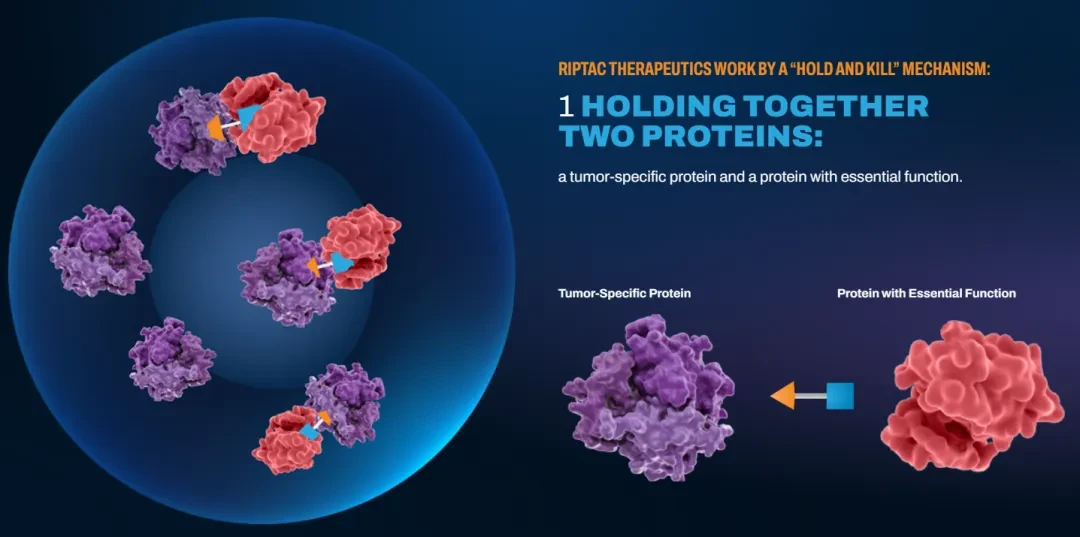
RIPTAC TherapyThrough a new "inhibition"Hold and Kill" MachineThe mechanism functions by binding two proteins together—one cancer-specific protein and one essential functional protein—resulting in the loss of basic cellular functions and subsequently leading to cancer cell death.
Concept:Pairing Algorithm. Selection using hundreds of cancer-selective intracellular protein markers and hundreds of proteins with fundamental functions.HaldaAn algorithm was developed to help select complementary pairs to initiate RIPTAC drug design.
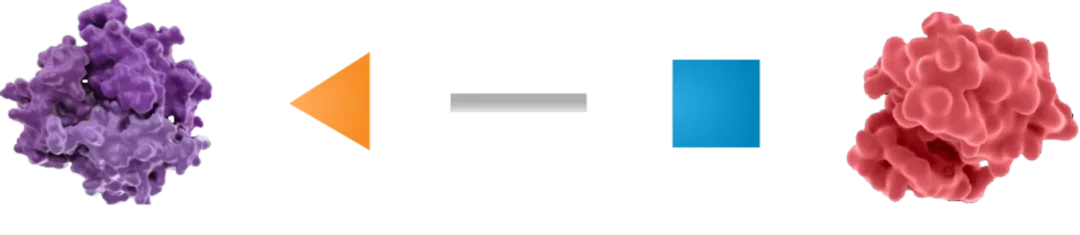
Design:Ligands and Linkers. RIPTAC therapy has three key components: tumor-specific targeting protein ligands, linkers, and protein ligands with essential functions. Halda leverages advanced tools of today’s structure-based drug design and internal expertise in bifunctional molecule design and synthesis to ensure the correct arrangement of proteins to drive the formation of new protein-protein interactions and selective cell death.
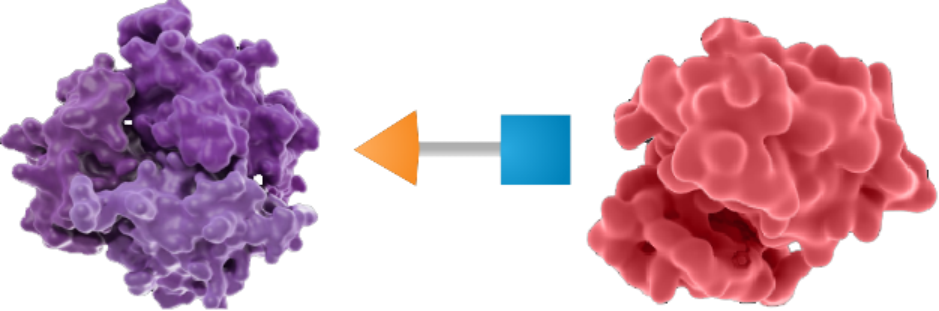
Optimization:In vitro/in vivo analysis. After the design was completed, Halda repeatedly tested the kinetics of the ternary complex containing RIPTAC therapeutic proteins and two proteins, and evaluated downstream efficacy.
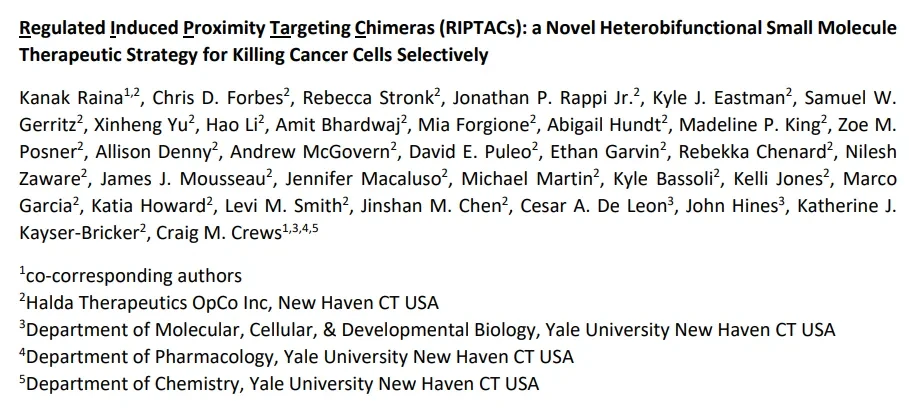
Regulated Induced Proximal Targeting Chimera (RIPTAC™):A Novel Heterobifunctional Small Molecule Strategy for Selective Cancer Cell Killing. Halda presented a chemical biology demonstration of the RIPTAC therapeutic concept, which represents a novel heterobifunctional drug for selective cancer treatment.(Follow the official account and reply " in the backgroundRIPTAC"Get the following latest articles)"
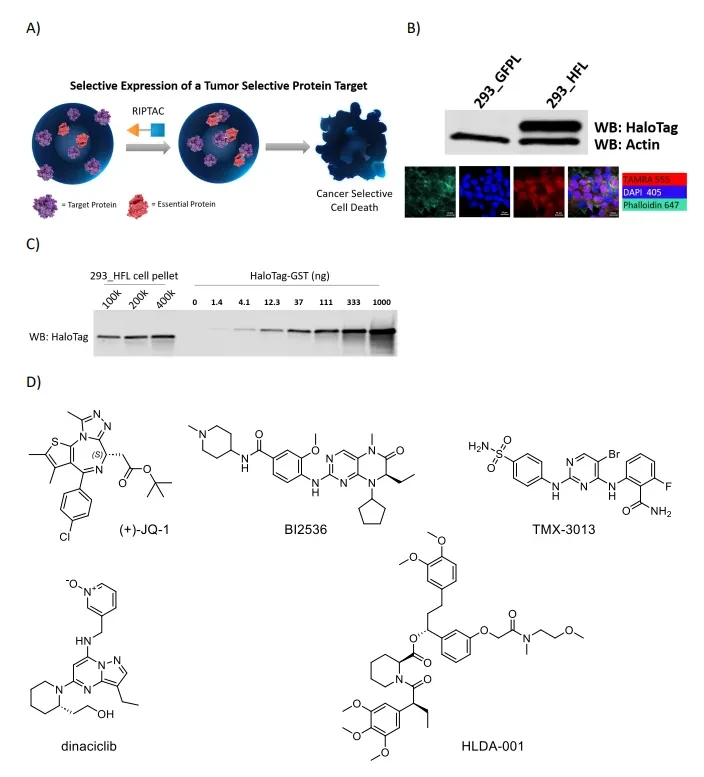
RIPTAC Hypothesis and HaloTag FKBP Model System.a) RIPTAC depends on the target.Selective Inhibition of Intracellular Accumulation and Positive Cooperativity in Ternary Complex FormationProliferation of target protein-expressing cells.b)HaloTag FKBP Fusion Protein is SelectiveExpressed in 293_HFL cells, but not expressed in control 293_GFPL cells.c) Quantification of HaloTag FKBP in CellsDetermine concentration using recombinant HaloTag GST standard curve.d) RIPTAC effect ligand (EL) JQ-1,BI2536, TMX-3013, Dinaciclib, and FKBP Target Ligand (TL) HLDA-001