Beacon Biosignals Secures $86M Series B to Advance AI-Driven Brain Health Platform
Beacon Biosignals
Developer of AI Platform for Neurological and Psychiatric Disorders Treatment

On November 13, 2025, the innovative medical technology company Beacon Biosignals announced the completion of$86 million (approximately RMB 610 million) Series B financing, jointly invested by heavyweight institutions across technology and life sciences fields such as GV (Google Ventures), Takeda, and Catalio, bringing the company's total financing to exceed$1.21 billion。
In the long-term, technically profound and commercially lengthy cycle of brain health, such a financing volume is not common, making it particularly prominent.
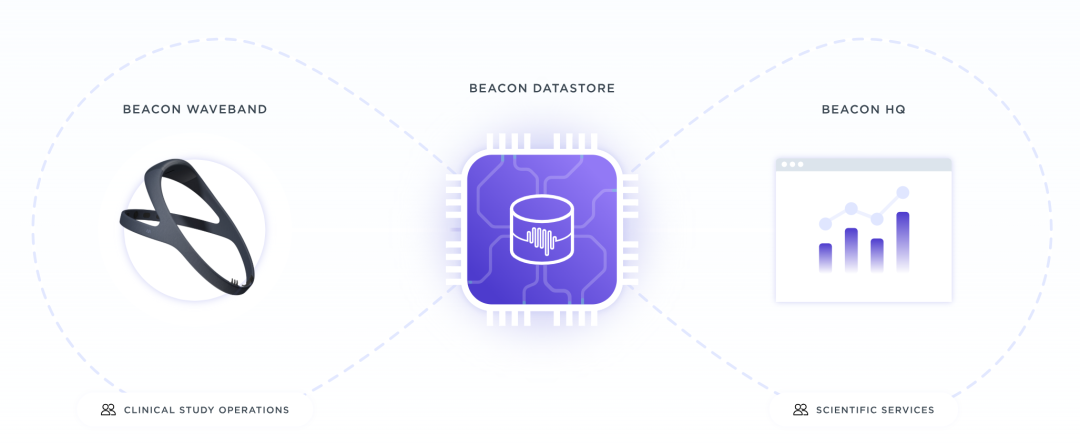
The core focus of capital is not on EEG itself, but on the "brain function measurement system" that Beacon Biosignals is attempting to establish:
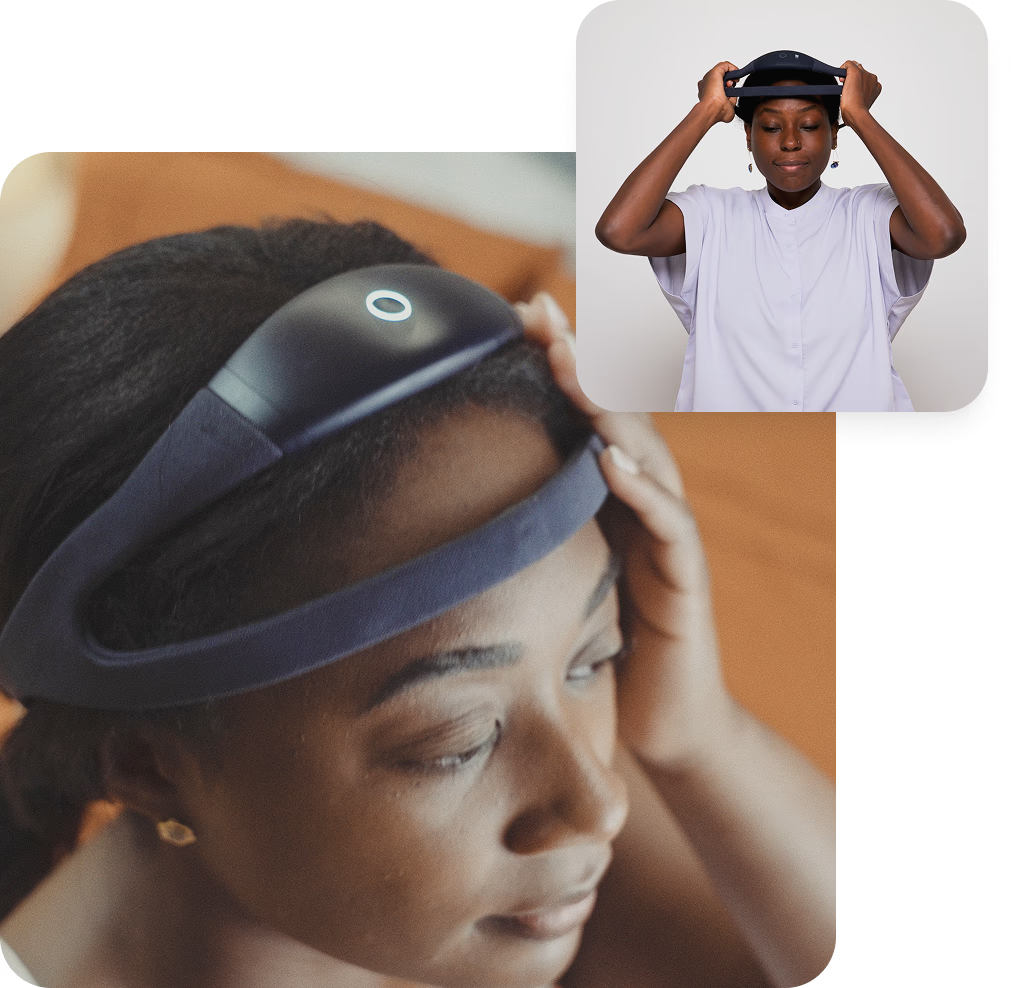
Bring clinical-grade neuroelectric signals into home scenarios with FDA-approved wearable EEG.
Characterizing Sleep and Brain Network Activity with Continuous Real-World Data;
Then use large-scale AI models to extract biomarkers that can be used for diagnosis, stratification, and drug development.
The reason why the financing news is worth recording is that it points not only to the growth of a single company but also to a significant shift happening in the field of brain health.From "Inspection" to "Data Science"'s structural shift.
# Why the Heavy Investment? The Real Story Lies in the Change of "Measurement Methods"
Beacon's financing events are not difficult to understand: the amount is impressive, the investment lineup is luxurious, and the technical direction is distinct. But what truly deserves attention is that it attempts to answer a question long neglected by medicine:
Why Have We Never Really "Measured" Brain Function?
Although EEG has been used clinically for decades, it has remained within the confines of short durations and laboratory-like settings:
The examination can only be completed in the hospital;
Data is often presented in "segments" rather than as a continuous curve;
Diagnosis highly relies on manual interpretation;
Difficult to reflect the patient's status in daily life.
Beacon wants to change the "ecological niche" of EEG in the medical system.
It aims to make brain function a variable that can be continuously recorded, modeled over the long term, and dynamically understood, rather than a one-time map.
This is precisely the real reason why 86 million US dollars were invested in it.
# EEG Leaves the Lab: "Clinical-Grade Signals" in Home Settings
Beacon's core product Waveband is a device that passes throughFDA 510(k)A certified wearable EEG device. It does not attempt to become a new consumer-grade sleep band, but rather expands the EEG scenario from hospitals to homes.
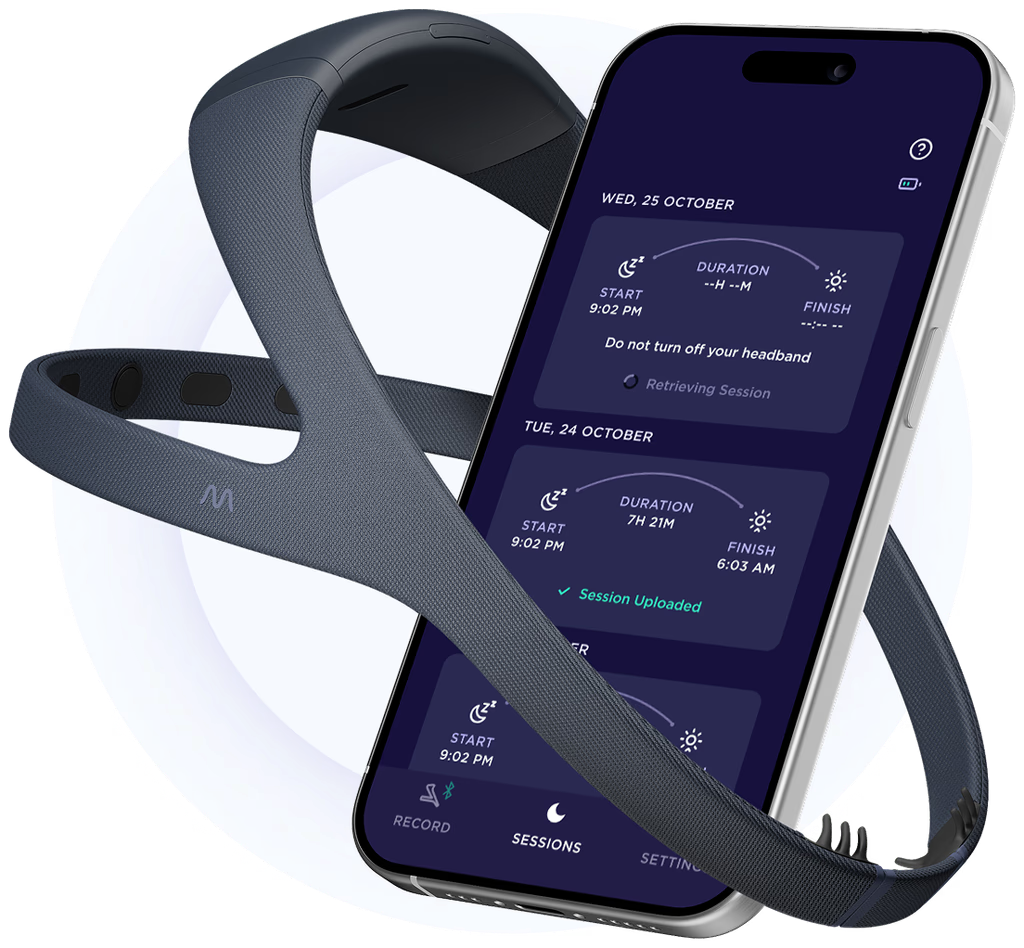
This "scenario expansion" has brought about three fundamental changes in the measurement of brain health:
From Intermittent to Continuous: Brain Function Acquires a "Temporal Dimension" for the First Time
Hospital EEG measures for tens of minutes, while home EEG can cover several hours or even weeks. This allows the evolution of diseases, the effects of drugs, and fluctuations in emotions and cognition to be presented as a "time series" for the first time.
From Controlled Environments to the Real World: Enhancing Data "Ecological Validity"
Many abnormalities of the nervous system do not occur in the examination room, but during deep sleep at night, waking up in the morning, work stress, and daily activities. Continuous EEG allows these scenarios to be captured in detail.
Sleep as a Structured Window into Brain Networks
Changes in sleep rhythms, micro-arousals, slow waves, and REM phases are important indicators of neurodegenerative diseases, mood disorders, and drug responses, but have been difficult to record on a large scale in the past.
Beacon is not about "better EEG," but ratherLet EEG move beyond one-time diagnosis to become a long-term source of neurophysiological data.。
This provides the most fundamental "continuous material" for AI models.
# AI Absorbs Data: EEG Learning Foundation Reaches "Model-Level" for the First Time
The key capability of Beacon lies not in the device itself, but in what is behind it.EEG Foundation Model——An AI system trained on millions of hours of long-term EEG data. It seeks to answer questions that traditional EEG has never touched:
What is the range of normal brain activity?
Where does the abnormality begin?
Which waveforms represent the early stage of the disease?
What changes indicate the drug is taking effect?
Can the course of the disease be predicted in advance through changes in brain networks during sleep?
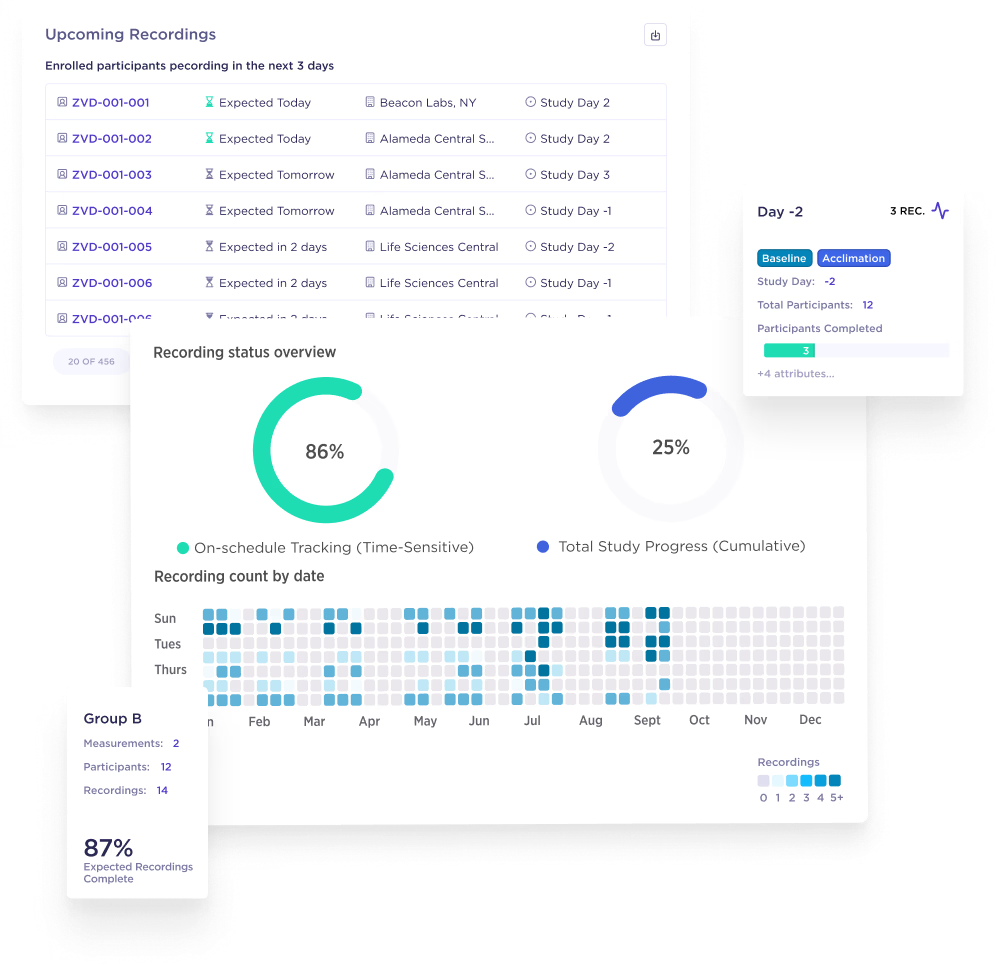
These capabilities have given EEG a role that was previously unattainable:From visualization maps to quantifiable variables, from auxiliary diagnostics to biomarkers.
Following imaging, AI is entering another fundamental modality of medicine:Biosignals。
And EEG may become the most groundbreaking modality in this direction.
# When Brain Function Is Quantified, the Logic of CNS Drug Development Also Changes
Drug development in psychiatry and neurodegenerative diseases has long relied on subjective indicators such as questionnaire scores and behavioral performance. Beacon Biosignals provides a previously missing "physiological layer of evidence":
Objective Measurement of Drug Action Pathways:Changes in brain electrical networks can reflect whether drugs truly affect relevant neural pathways.
Find "patients more likely to benefit":AI can identify subtypes of drug responders, improving clinical trial efficiency.
Reduce Failure Costs:Patients without physiological responses can be identified early in the trial to avoid ineffective investment.
As a result, half of the global TOP10 pharmaceutical companies have already partnered with Beacon Biosignals. In the highly complex field of CNS, AI is no longer just an auxiliary tool but has becomeKey Infrastructure in the R&D Process。
# The Innovation Gateway is Shifting from "Devices" to "Data Systems"
For China's medical device industry, Beacon Biosignals, Inc. is a path worth considering.
The scale of the EEG and sleep medicine industry in China is not small, but it still focuses on "hardware updates" and "hospital scenarios," lacking continuous, real-world neurophysiological data, as well as a model system to transform high-dimensional signals into disease biomarkers.
The development of Beacon reveals a trend:
The competition for brain health will no longer be determined by "equipment performance" in the future, but by "data structure + model capability + scenario depth" together.
Against the backdrop of the rapid growth of neurodegenerative diseases, depression, and sleep disorders, China also needs measurement methods that are closer to real-life scenarios, rather than remaining at single-point examinations.
What Beacon does is to establish a new "observation entry point" for this category of diseases.
This entry point itself is of strategic significance.
# Conclusion
Many breakthroughs in medicine stem from "whether it can be measured."
After blood glucose is measured, the management approach for diabetes changes;After the advent of continuous ECG, the understanding of arrhythmia was completely reshaped.
Brain health has long lacked such nodes because we have never had a continuous, ecological way to record brain activity.
Beacon's financing was recorded not because EEG is a new technology, but because it is the first time that EEG has had the "conditions to become medical infrastructure":The equipment can record, the data can be continuous, the model can understand, and the clinic can use it.
When brain function is visualized, quantified, and absorbed by models — the innovative boundaries of neuroscience will expand accordingly.
For technology developers, clinical researchers, and the healthcare industry, this is not just a company expanding, but the beginning of an era.
Recent Articles
The Era of Chinese-Made Medical Devices Has Arrived!
A "Doctor-Savvy" Robotic Arm Unveils a New Era for Orthopedic Robots
From Fragmentation to Symbiosis: Viewing Medtronic's Systems Thinking at the CIIE
19 Companies Overview | 2025 CIIE Medical Device Exhibition Area
Another Medical Company Successfully IPOs, Reflecting the Industry's Booms and Busts
Global Medical Device Watch
▌Capital Radar|Money Flow
Overseas Financing Events |Financing Events in China |Overseas Acquisition Cases |M&A Cases in China
Foreign Enterprise IPO |IPO of Domestic Enterprises |Foreign Enterprise Earnings Reports |Earnings Reports of Chinese Enterprises
Exhibition Preview/Review/Roundup
SiYu Annual Event Review:The First Global Ophthalmology Conference | The First Global Orthopedics Conference | The First Global Cardiovascular Conference| The First Global Medical Aesthetics Technology Conference |The 2nd Global Medical Technology Conference|The 3rd Global Surgical Robotics Conference
Content Declaration:"SiYu MedTech" tracks global medical technology advancements, aiming to disseminate technical and industry knowledge. All content is for professional exchange and academic discussion only, and does not constitute medical advice or commercial promotion. Information regarding companies, products, and registrations mentioned in the text is sourced from publicly available materials or verified channels. If there are any errors or omissions, please contact us for corrections. Email: jacky@suribot.com
Copyright Statement:The original article of "Siyu MedTech" is copyrighted by Beijing Siyu Bot Technology Co., Ltd. Without authorization, it is prohibited to reproduce, excerpt, or mirror the content on other websites, WeChat Official Accounts, or commercial platforms. For reprinting, please contact the backend to obtain authorization. This platform reserves the right to pursue legal responsibility for unauthorized full-text reproduction, rewriting, or paraphrasing.