VenstraMedical Secures Strategic Investment to Advance Next-Gen Percutaneous Ventricular Assist Device in the $2B pVAD Market

Venstra Medical
Medical Device Developer

Highcroft Capital
--

Heart Future
November 18, 2025, an innovative company focused on heart support technologyVenstraMedicalOfficially announced the strategic investment from Highcroft Capital.
Although the specific investment amount was not disclosed, it was clear that the funds would be定向used for Venstra Medical.Next-Generation Percutaneous Ventricular Assist Device (pVAD)TheR&D Iteration, Clinical Validation Progress, and Commercialization Preparation。

As an innovative device company focusing on severe heart failure and post-cardiac surgery support, Venstra Medical's recent capital boost is not only expected to fill the clinical gap in existing cardiac support devices but also inject new competitive variables into the global heart failure treatment device market, which is worth tens of billions.
# LVAD Market Overview
According toAccording to the report by Market Research Future,The global Left Ventricular Assist Device (LVAD) market size in 2023 is approximately$2.38 billion, expected toWill increase to by 2035$5.5 billion, with a compound annual growth rate of7.23%。
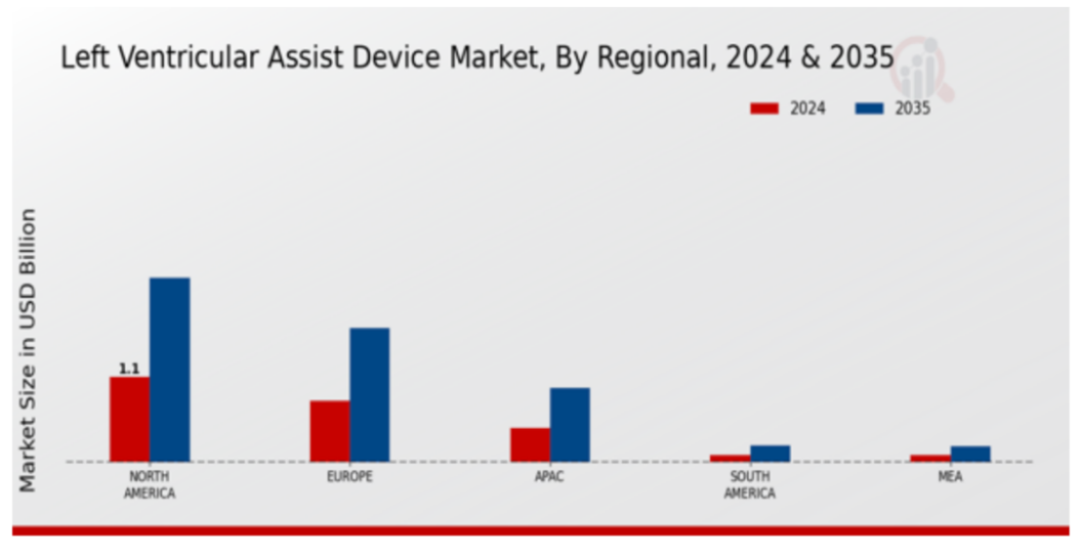
North AmericaInAccounted for the largest market share in 2020, mainly due to its advanced medical facilities and higher medical insurance reimbursement rates. The Asia-Pacific region is expected to achieve the highest compound annual growth rate in the coming years, reaching 19.3%, primarily attributed to the improvement of medical facilities in the region and government support for the development of medical technology.
The industry of ventricular assist devices in China is developing rapidly, with the total number of patents for ventricular assist devices in China from 2016 to 2024.425 Pieces, whereinThe total number reached 133 in 2023.China Has the World's Largest Number of End-Stage Heart Failure Patients,In 2023, the number of heart transplants in China was 994 cases.ExpectedBy 2028, the number of end-stage heart failure patients in China will approach 1.5 million, with a market potential exceeding 10 billion RMB.
Except for heart transplantation, LVAD implantation is the main treatment for end-stage heart failure.The global pVAD market exceeds an average of 2 billion US dollars annually (approximately RMBNearly 14 billion), and continues to grow rapidly.
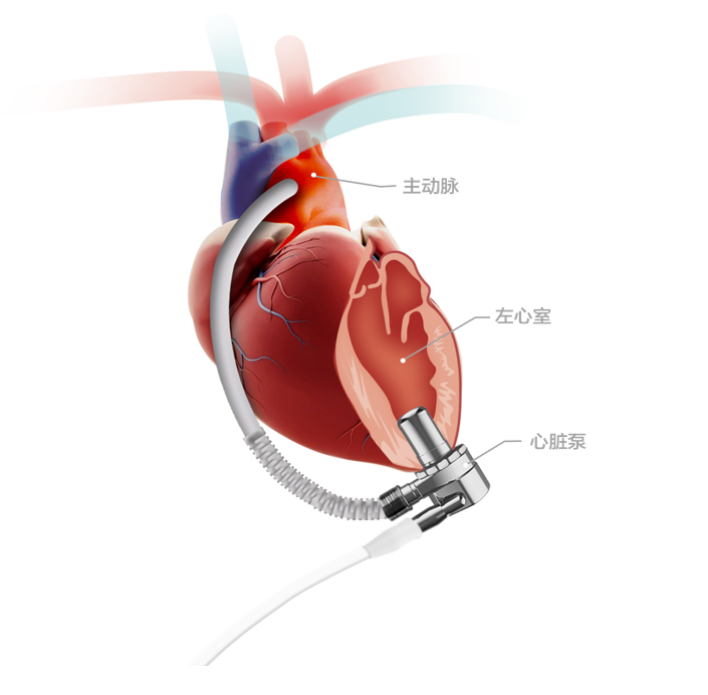
However, the current market's ventricular assistDeviceThere are still many technical pain points:Traditional MechanicalLVADLarge implant trauma, limited applicable population; somepVADThere are issues such as insufficient flow support, high implantation difficulty, or higher risk of complications.
VenstraMedical Precisely capture this market gap, focus on the percutaneous implantation pathway, and dedicate to developing the next generation with minimally invasive, high-flow support, and high safety.pVAD System, Redefining the Clinical Standards for Temporary Mechanical Circulatory Support.
# Executive Evaluation
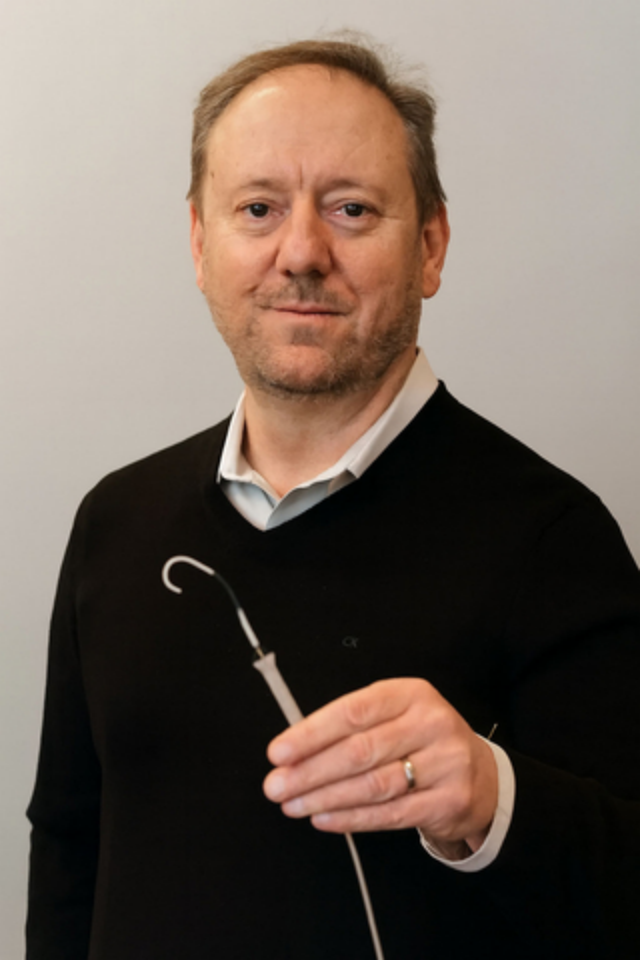
Highcroft CapitalPartnerPeter EckmanBelieve:"We areVenstraMedical"I am deeply impressed by the team and technology." "As a team led by doctors, we are very pleased to support a system that can revolutionize cardiac care by enhancing performance, safety, and ease of use."
VenstraMedicalCo-founder and CEOMartin CookDr. said: "Experienced cardiologists andpVAD"Validation from technical users has confirmed our approach, accelerating our progress toward clinical trials."
# StrategyInvestment Landing: The Precise Integration of Medical Technology and Capital
InvestorHighcroft Capital
Headquartered in Minnesota, USAHighcroft Capital, is a professional venture capital firm deeply engaged in the field of medical technology innovation.
For a long time, the institution has always focused on medical technology projects with breakthrough technologies and huge market potential, especially accumulating rich investment experience and industry resources in细分领域 such as cardiovascular medical devices and minimally invasive treatment equipment.
Investment Background
The achievement of this investment is due toVenstraMedical Recent multiple breakthroughs in technology development and industry recognition.2025 Year, Core of the CompanypVAD The systematic research findings were presented at the world's top cardiovascular interventional medicine conference ——TCT Conference(Transcatheter Cardiovascular Therapeutics Conference), its technical design and preclinical data have gained widespread attention and recognition from cardiovascular experts worldwide. This academic endorsement has become an important opportunity to attract capital interest.
At the same time,VenstraMedical Has passed under the Australian Medical Research Future FundMTPConnect Targeted Translation Research Accelerator Program, obtained100 Million USD in special funding.This funding aims to support medical technology projects with high transformation value, further validatingVenstraMedical The feasibility and clinical value of the technical route. The support from multiple policies and academic resources has laid a solid foundation for the implementation of this strategic investment.
Use of Funds
According toVenstraMedical Officially disclosed, the investment obtained this time will be mainly used in three core directions:
First, improve the low profile and full flowpVAD System technical optimization to enhance the stability and reliability of equipment in complex clinical scenarios;
Second, accelerate the submission and implementation of clinical trials to promote the product's medical device registration certification in major global markets;
Third, establish a global clinical cooperation network to lay the foundation for post-market clinical application and technology promotion of the product.
# Core ProductpVAD System

VenstraMedical Developed byNext GenerationpVAD, mainly targeting two core clinical scenarios:
First,Patients with cardiogenic shock,These patients experience acute heart pump failure and urgently require mechanical support to sustain vital signs;
Secondly,Patients undergoing high-risk coronary intervention,Hemodynamic instability may occur during such surgeries, requiring temporary circulatory support to ensure surgical safety.
The core design concept of this device is"Minimally Invasive Implantation, Full Flow Support, Stable and Reliable", by integrating advanced material technology, fluid dynamics design, and minimally invasive interventional techniques, achieve a technological iteration of traditional ventricular assist devices, providing clinical practitioners with better treatment options.
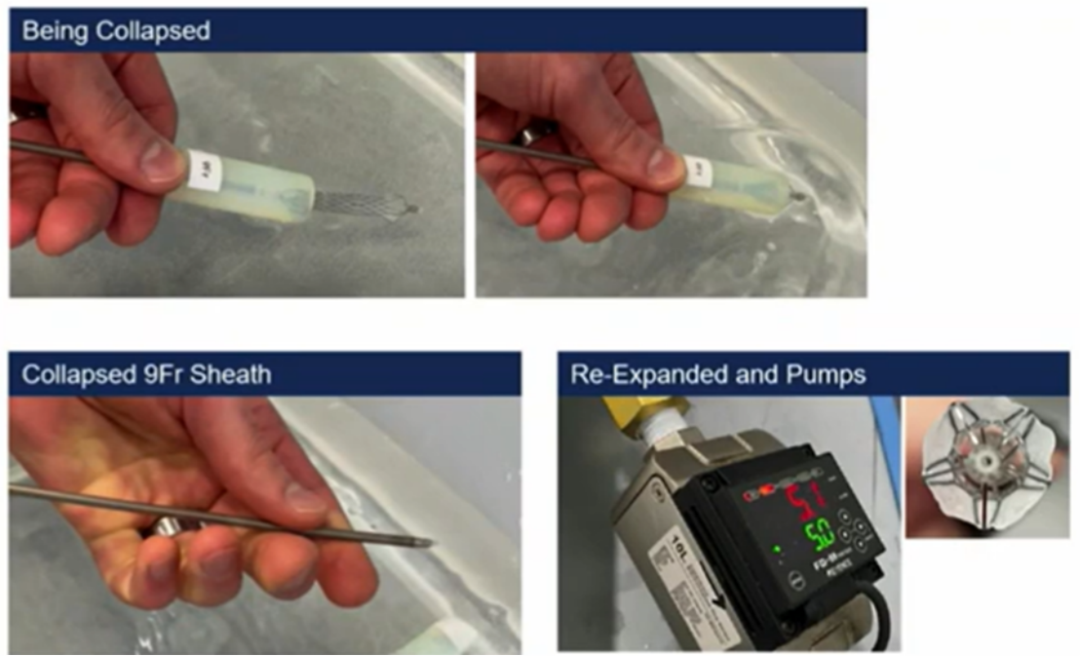
1. Ultra-minimally invasive implant design:9Fr Catheter Minimizes Trauma
VenstraMedical ofpVAD The system adopts a catheter-based pump design, which can contract to9FrDelivery is performed through a (French) catheter.
This design significantly reduces implantation trauma, compared with the surgical implantation of traditional ventricular assist devices or interventional implantation with larger caliber catheters.9Fr The minimally invasive approach can reduce the risk of complications such as vascular injury, bleeding, and infection, shorten the patient's postoperative recovery time, and expand the range of applicable patients for the device, including some elderly patients with poor vascular conditions.
Minimally invasive implantation not only enhances the treatment experience for patients but also lowers the clinical application threshold, allowing the equipment to be utilized in catheterization labs across more medical institutions, which is conducive to the widespread adoption of the technology.
2.Full Flow Support Capability:7 L/minMeet Critical Care Needs
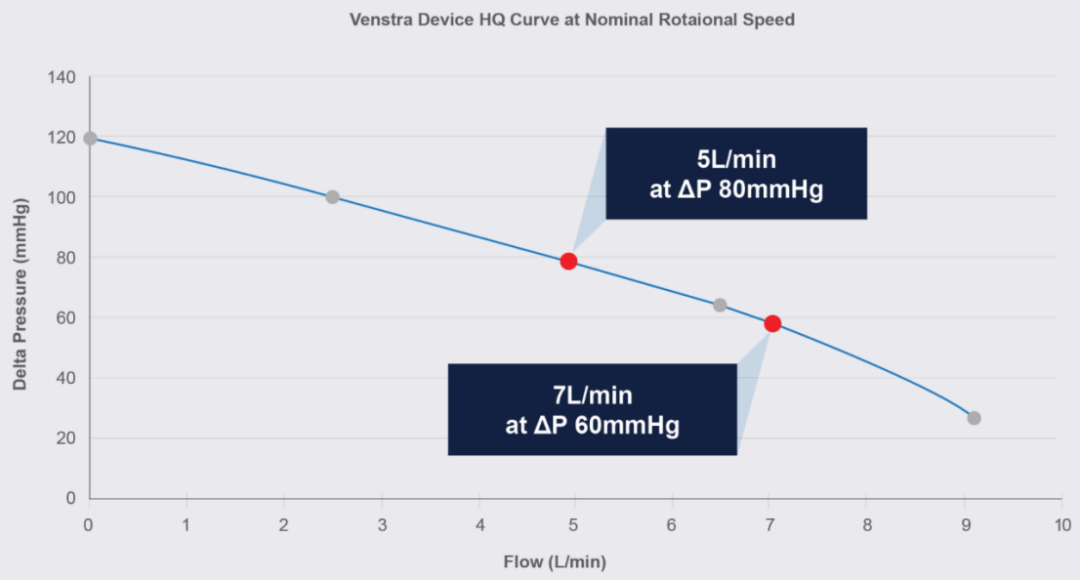
ThepVAD The system can provide up to 7 L/minThe cardiac output, this performance indicator meets the clinical requirements for full ventricular unloading.
The cardiac output in a normal physiological state for adults is approximately5-6 L/min, while patients with severe conditions such as cardiogenic shock often require higher hemodynamic support to maintain perfusion of vital organs throughout the body.
7 L/minThe high-flow output can effectively replace the heart's pumping function, rapidly stabilizing the patient's hemodynamic status, and creating crucial conditions for etiological treatment (such as coronary reperfusion, medication adjustment, etc.). Meanwhile, the device60mmHg The pressure environment can still maintain stable flow output, demonstrating excellent hydraulic performance and adaptability to different patients' pathophysiological states.
# Heart Future・Observation
FromHighcroft Capital ToVenstraMedical The strategic investment, as well as the direction of technological innovation for the next-generation VAD, clearly reveals the three core trends in the current cardiovascular medical device sector, which holds clear reference value for industry participants:
1. Clinical Needs Become the Core Anchor Point of Technological Innovation
VenstraMedical The product design fully revolves around "addressing the pain points of existing devices" — minimally invasive to address the risk of vascular complications, dynamic support for insufficient blood flow matching, and multi-scenario adaptability for clinical application limitations. This "clinically-oriented" innovation logic is precisely the key to its appeal to investors.
For medical device companies, the future requires a deeper alignment with the needs of clinical doctors through "clinical feedback.- Technology Optimization- The closed-loop of "clinical validation" enhances the practical application value of the product, rather than solely pursuing the stacking of technical parameters.
2. Capital flows towards "high barriers+ High Certainty Track Concentration
Highcroft Capital Choosing the cardiac support device track, with its market scale exceeding tens of billions of dollars and9.2% The annual compound growth rate, and greater recognition of the "multidisciplinary crossover (materials, algorithms, biomedicine)" formed technical barriers — such barriers can effectively resist homogeneous competition and ensure long-term competitiveness of enterprises.
For investors, the "large patient base, rigid clinical demand, and clear technological iteration" characteristics of the heart failure device track make it a "certainty opportunity" in the healthcare field. In the future, innovative companies with core technology patents and completed initial clinical validation should be given key attention.
In the future, withVenstraMedical The entry of next-generation devices into clinical trials and the registration phase will further differentiate the competitive landscape of the global cardiac support device market, driven by the "speed of technological innovation."+ Clinical Conversion Efficiency+ "Regional market layout" will become the core variable determining whether a company can gain an early advantage in the billion-dollar track.

GCC2025


Cardiovascular Device Full Disease Solution


Statement

Content Declaration:"Heart Future" tracks global medical technology advancements, aiming to disseminate technical and industry knowledge. All content is for professional exchange and academic discussion only, and does not constitute medical advice or commercial promotion. Information about companies, products, and registration mentioned in the articles is sourced from publicly available materials or verified channels. If there are any errors or omissions, please contact us for corrections. Email: jacky@suribot.com
Copyright Statement:"The Future of the Heart" original article is copyrighted by Beijing Siyu Bot Technology Co., Ltd. Unauthorized reproduction, excerpting, or mirroring on other websites, official accounts, or commercial platforms is prohibited; for authorized reproduction, please contact the backstage to obtain permission. This platform reserves the right to pursue legal responsibility for unauthorized full-text reproduction, rewriting, or paraphrasing.