GSK Partners with LTZ Therapeutics in $50 Million Deal to Advance First-in-Class Myeloid Cell Engagers for Oncology

GSK
Pharmaceutical R&D Manufacturer
LTZ Therapeutics
Immunotherapy Developer

On November 19, GSK and LTZ Therapeutics, a China-based innovative pharmaceutical company, announced a strategic research collaboration aimed at advancing the development of novel Myeloid Cell Engagers (MCEs). This collaboration aims to develop up to four potential first-in-class MCE therapies for the treatment of hematologic malignancies and solid tumors. Under the agreement, GSK has obtained an exclusive option for the global development and commercialization rights to these preclinical therapies.MCEs are an emerging immunotherapy designed to harness the body's own immune system to recognize and kill tumor cells.
Hesham Abdullah, Senior Vice President of Global Oncology R&D at GSK, stated that this collaboration combines GSK's scientific expertise with LTZ Therapeutics' innovative immune engagement platform, aiming to accelerate the application of first-in-class myeloid cell engager therapies in hematologic malignancies and solid tumors, with a safety profile that ensures broad community accessibility.
According to the terms of the agreement,LTZ will receive a $50 million upfront payment and is eligible for success-based preclinical, clinical, regulatory, and commercial milestone payments, as well as tiered royalties on global net sales of the commercialized product.
Previously, LTZ Therapeutics had achieved several key milestones with this platform: In February 2025, its core pipeline LTZ-301 (CD79b bispecific antibody) received clinical trial authorization by default from the U.S. FDA for the treatment of relapsed or refractory non-Hodgkin lymphoma; in April 2025, it successfully closed an oversubscribed $40 million Series A+ financing round, bringing the total funding to $90 million, which will be used to advance the Phase I clinical trial of LTZ-301 and the IND application for the second pan-solid tumor pipeline, LTZ-232.
Myeloid cells play a crucial role in innate immunity and are capable of reprogramming adaptive immunity, offering significant therapeutic potential. Myeloid cells include macrophages (such as tumor-associated macrophages, TAMs), monocytes, dendritic cells, and granulocytes (such as neutrophils), which constitute a major component of the microenvironment in many solid tumors and hematological malignancies.
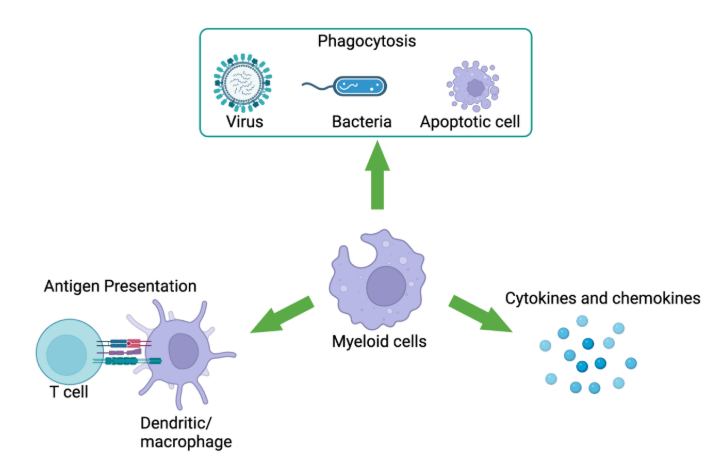
It is estimated that adults turn over 200 to 300 billion cells every day, most of which are cleared by macrophages, highlighting the high capacity of the phagocytic process. However, tumor-associated myeloid cells (TAMCs) often secrete growth factors, cytokines, and chemokines, which collectively promote immunosuppression, tumor growth, metastasis, and resistance to treatments such as immune checkpoint inhibitors and chemotherapy. Therefore, pharmacologically activating myeloid cells and redirecting them toward cancer represents a promising new therapeutic strategy that could benefit patients.