Home Professor Shuang Dongsi's Team Completes One of the First National Applications of DEEPQUAKE Peripheral Lithoplasty Balloon for Severe Iliofemoral Calcification

Professor Shuang Dongsi's Team Completes One of the First National Applications of DEEPQUAKE Peripheral Lithoplasty Balloon for Severe Iliofemoral Calcification

Nov 27, 2025 08:00 CST Updated 08:00
Trulive

Structural Heart Disease Device Developer
Image


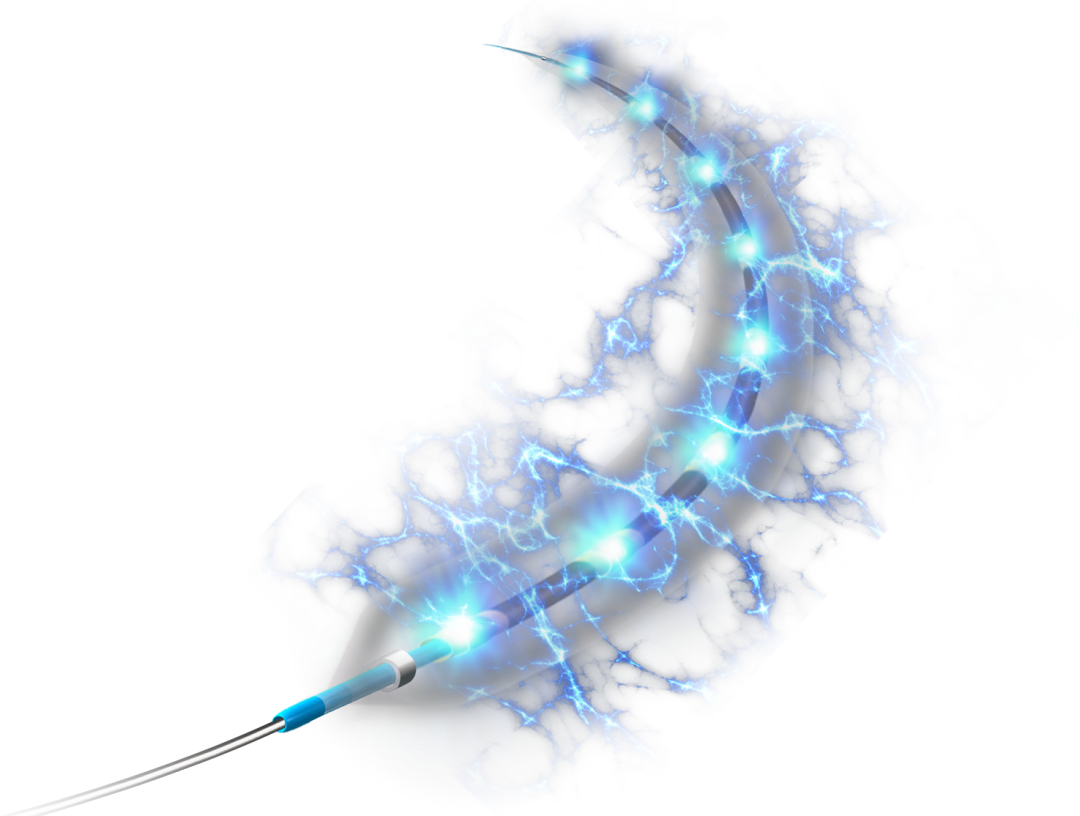
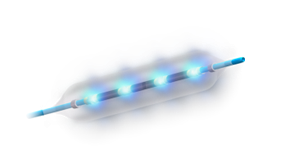
In the field of pan-vascular intervention, the treatment of calcified lesions is one of the key and difficult points in clinical practice. Produced by Trulive and promoted by Grand Pharmaceutical Group Limited,DEEPQUAKE Peripheral Vascular Intravascular Shockwave SystemOfficially launched (China Medical Device Registration Certificate No. 20243012335). This system is suitable for the pretreatment of calcified lesions and balloon dilation in the iliac artery, femoral artery, popliteal artery, renal artery, and infrapopliteal arteries, providing new treatment options for clinical practice.


This issue is shared with everyoneDEEPQUAKE Peripheral Shock Wave System: First Application in China ——Iliofemoral ArteryA Case of Severe Calcification, byXinjiang Cardio-Cerebrovascular Disease HospitalShuangdong SiProfessorCompleted by the team, welcome everyone to read, study, exchange, and discuss.


Features of DEEPQUAKE Peripheral Vascular Intravascular Shockwave System

Advantage 1LargerPulse Energy

  • Energy adjustable in five levels, with the highest energy reaching 3.2kV (fixed energy of 3.0kV for similar products).

Gear

Energy

Level 1

2.8kV

Level 2

2.9kV

3-speed

3.0kV

4 gears

3.1kV

5-speed

3.2kV


Advantage 2MoreNumber of electrodes

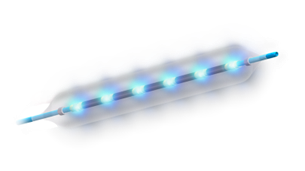
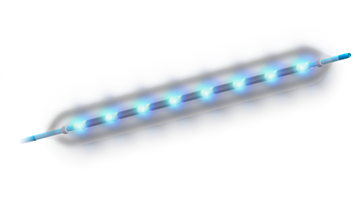
  • The balloon is equipped with one pair of electrodes every 8mm, and the 40/60/80mm lengths have 4/6/8 pairs of electrodes respectively, ensuring uniform energy delivery. Treatment stitching does not require "Overlapping."

Image

40mm

4 pairs of electrodes

Image

60mm

6 pairs of electrodes

Image

80mm

8 pairs of electrodes


Advantage 3LongerBalloon Length

  • Provides an 80mm length balloon, more suitable for long lesions.Reducing operation time and IVL treatment frequency, cost-effective

Image


Case Brief

Patient Basic Information
Patient:74 years old

Chief Complaint:Intermittent claudication of the lower limbs for 5 years.

History of Present Illness:The patient reported intermittent claudication in both lower limbs starting 5 years ago, with discomfort occurring after walking 200 meters, which could be relieved by rest, particularly on the left side. Half a month ago, the patient was hospitalized for renal artery stenosis, during which an unsuccessful attempt at right femoral artery puncture was made.

Past Medical History:A history of hypertension grade 3 (very high risk), type 2 diabetes, and cerebral atrophy for many years.

Rutherford Classification:Level 3

ABI Examination:Left lower limb 0.5, right lower limb 0.8.

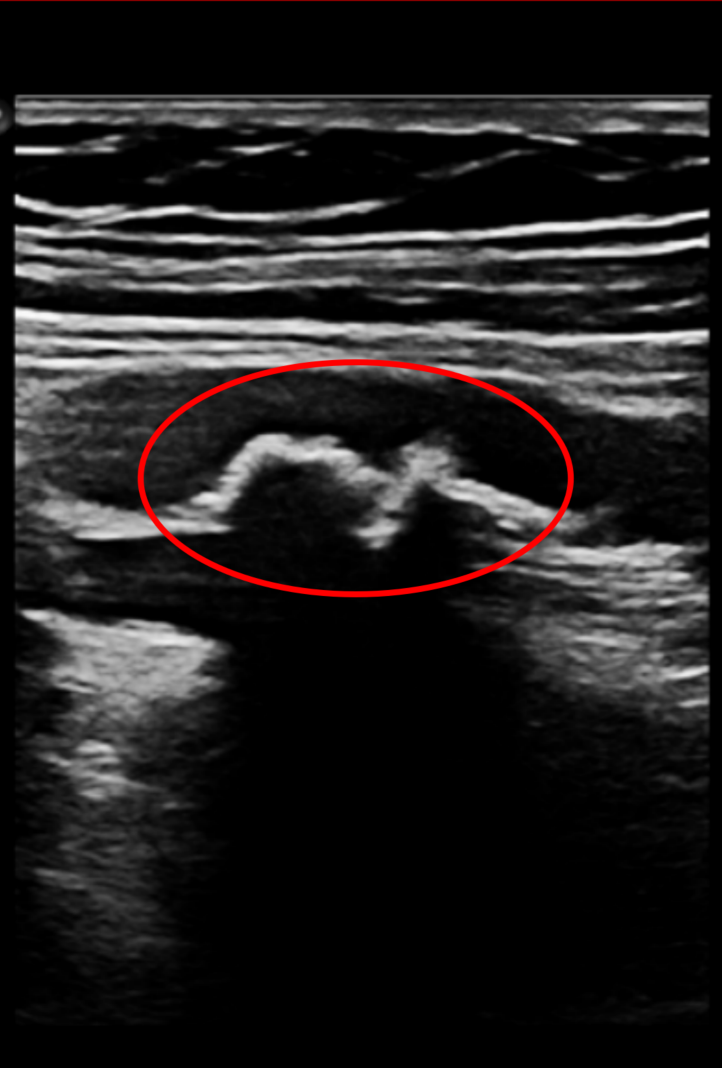
Ultrasound Indication:Decreased blood flow velocity in bilateral femoral arteries, severe intimal calcification.

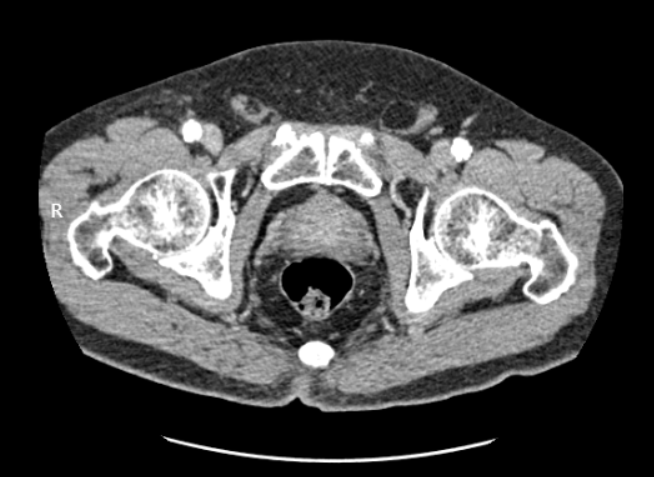
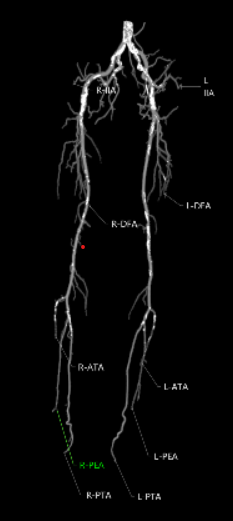
Preoperative CTA:Atherosclerotic occlusion of the arteries in both lower limbs, severe stenosis of the bilateral common iliac arteries, internal iliac arteries, and femoral arteries, and occlusion of the bilateral anterior tibial arteries.

Image
Image
Image

Diagnosis and Surgical Strategy

Preliminary Diagnosis:1. Lower Extremity Arterial Occlusive Disease, Femoral Artery Stenosis, Common Iliac Artery Stenosis, Internal Iliac Artery Stenosis, Anterior Tibial Artery Occlusion 2. Coronary Atherosclerotic Heart Disease, Heart Failure, NYHA Class II Heart Function 3. Renal Artery Stenosis 4. Adrenal Hyperplasia 5. Grade 3 Hypertension (Very High Risk) 6. Type 2 Diabetes Mellitus 7. Lacunar Cerebral Infarction 8. Cerebral Atrophy 9. Hyperuricemia 10. Cervical Degenerative Disease

Surgical Strategy:Right popliteal artery puncture, first handle the right femoral artery, balloon dilation, crossover sheath, handle the left femoral artery, and finally handle the right femoral artery.

Lesion Location:Bilateral Femoral Arteries

Surgical Approach:Right femoral artery or right popliteal artery

Surgical Difficulties

Ordinary balloon dilation failed:The high-pressure balloon may burst and fail to expand effectively.

Difficult stent placement:Poor stent expansion and poor wall apposition can easily lead to in-stent restenosis and thrombosis.

Plaque Atherectomy/Rotational Atherectomy Has Risks:Damage to the vascular endothelium, leading to complications such as perforation and embolism.

Baseline Angiography

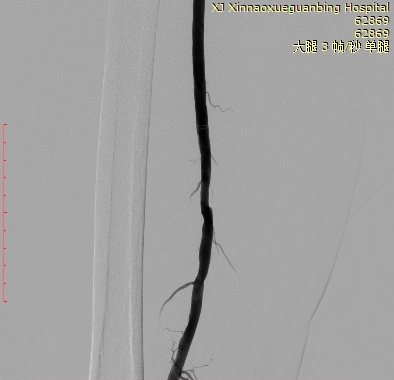
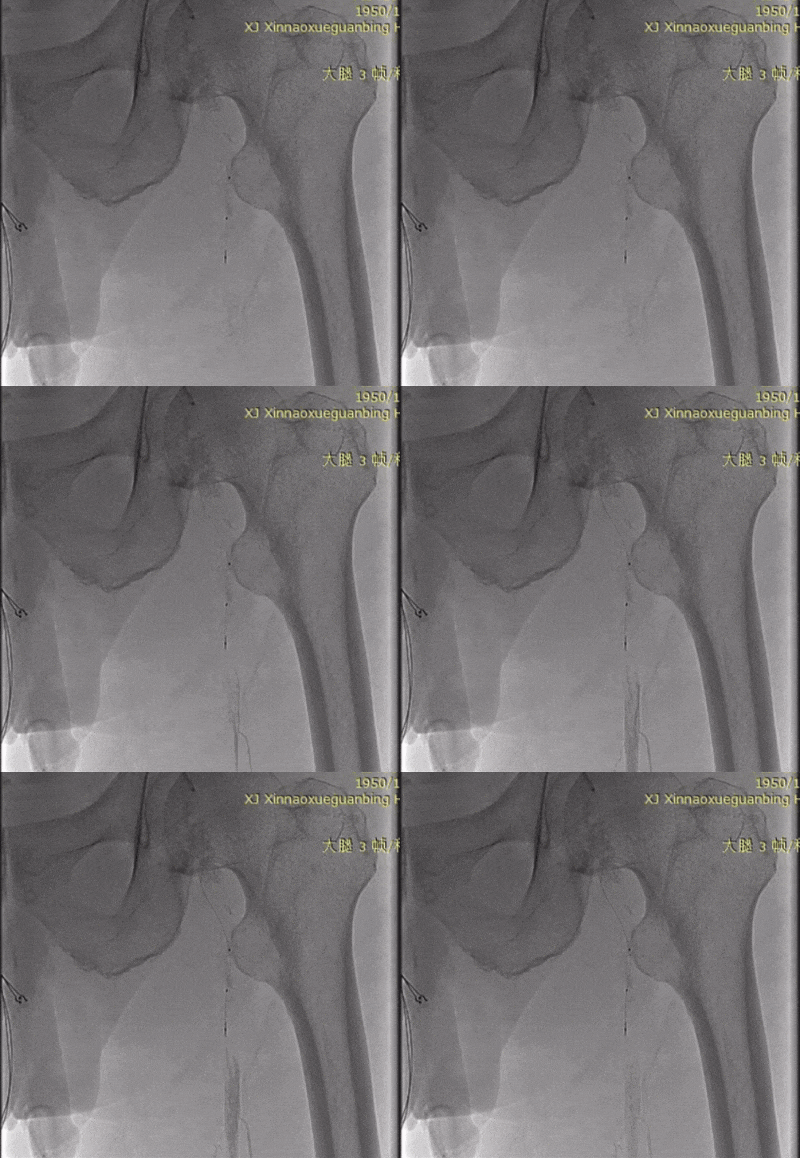
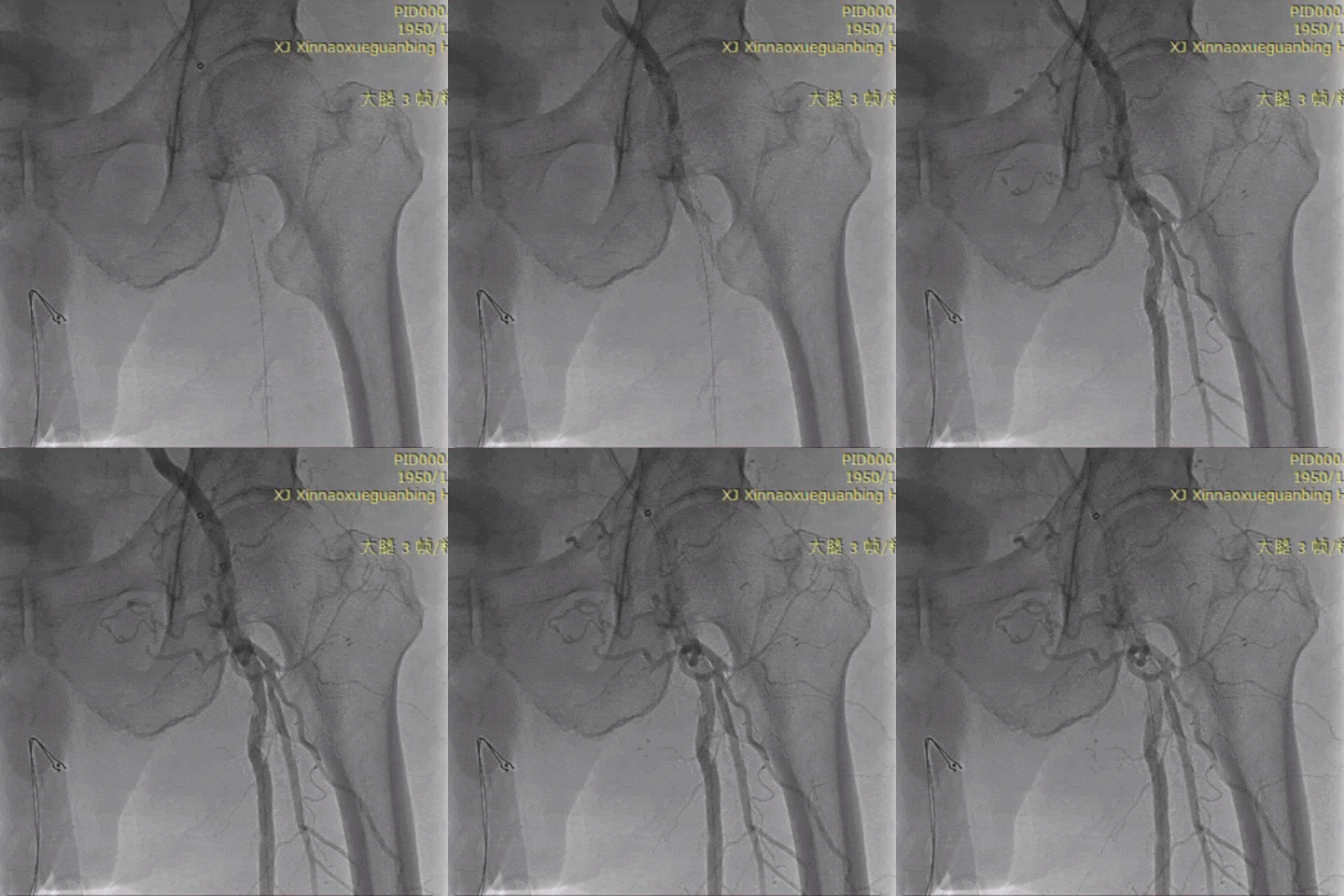
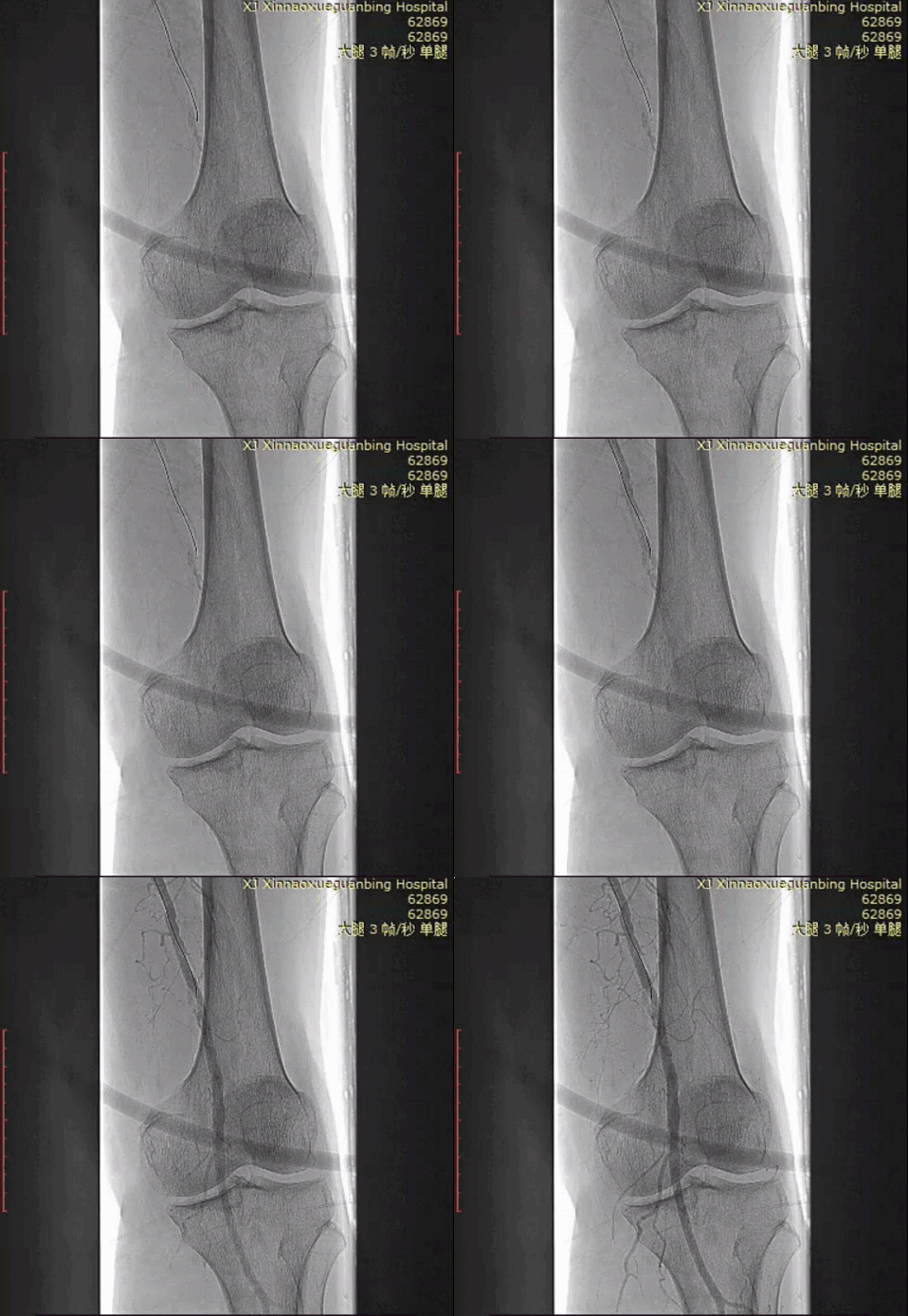
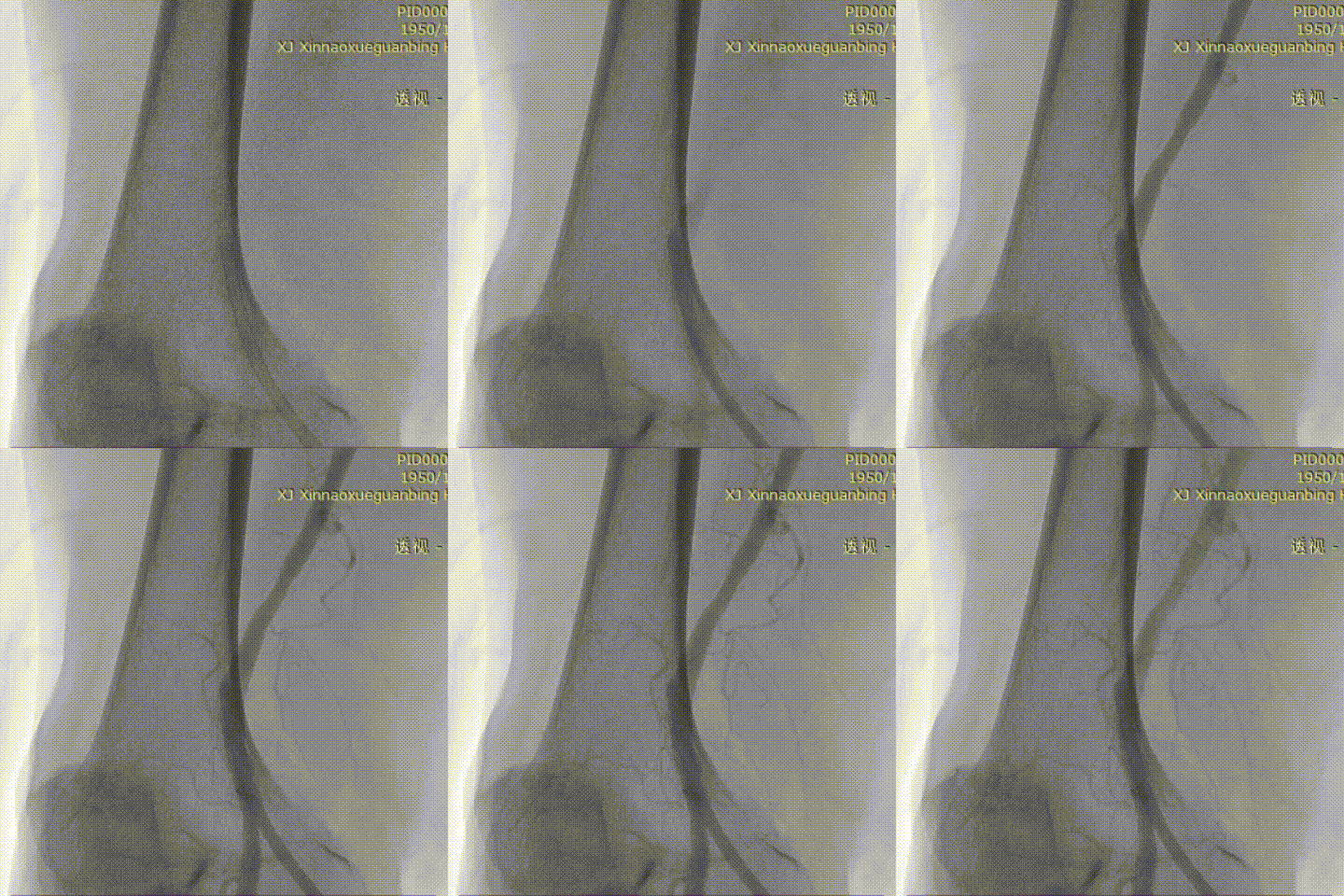
The patient was in the supine position, with routine disinfection and draping. Ultrasound examination revealed severe calcification of the right femoral artery. Under ultrasound guidance, the right popliteal artery was punctured, and a 6F vascular sheath was inserted. Angiography showed that the blood flow in the middle and distal segments of the right superficial femoral artery was acceptable, but the femoral artery had severe calcification and critical stenosis.

Image
Image

Right-sided access and treatment process
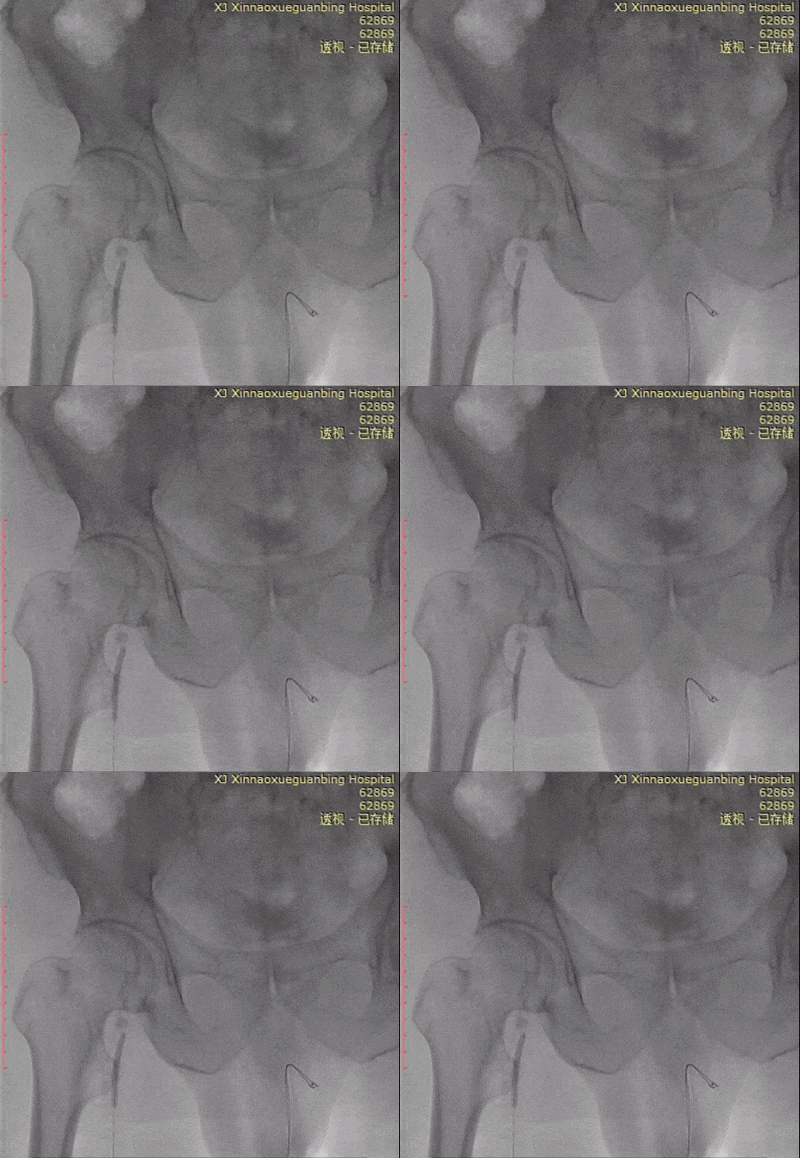
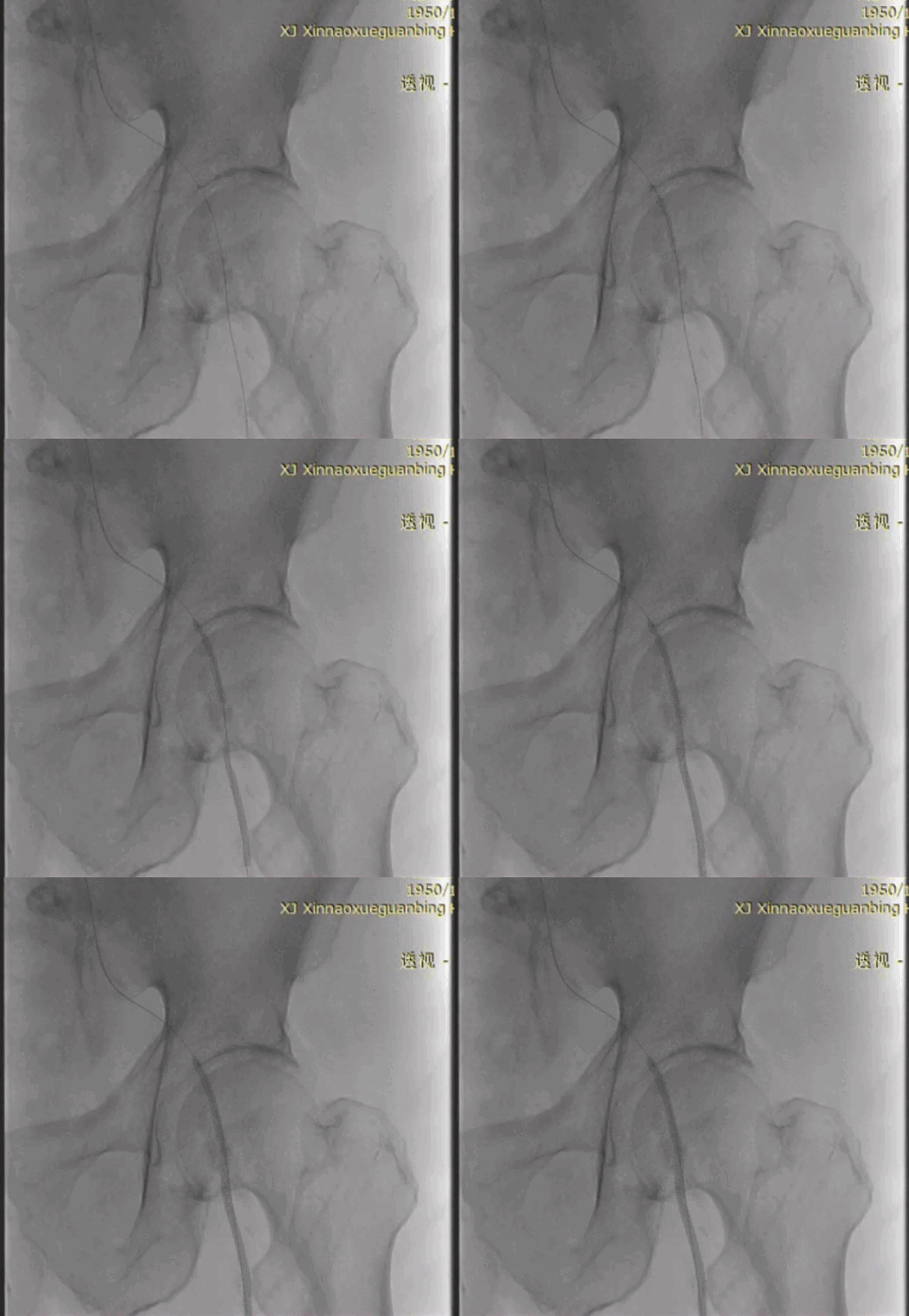
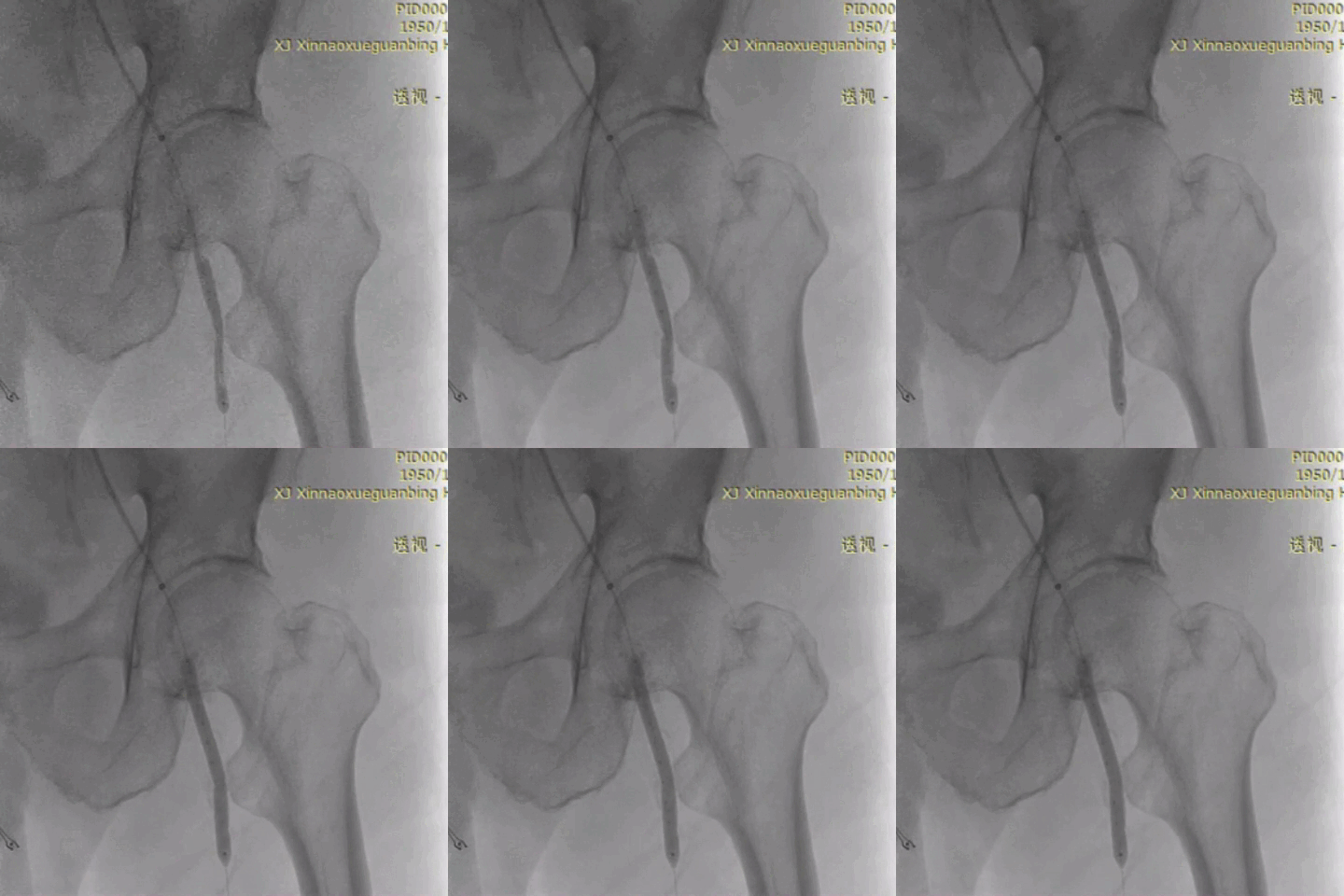
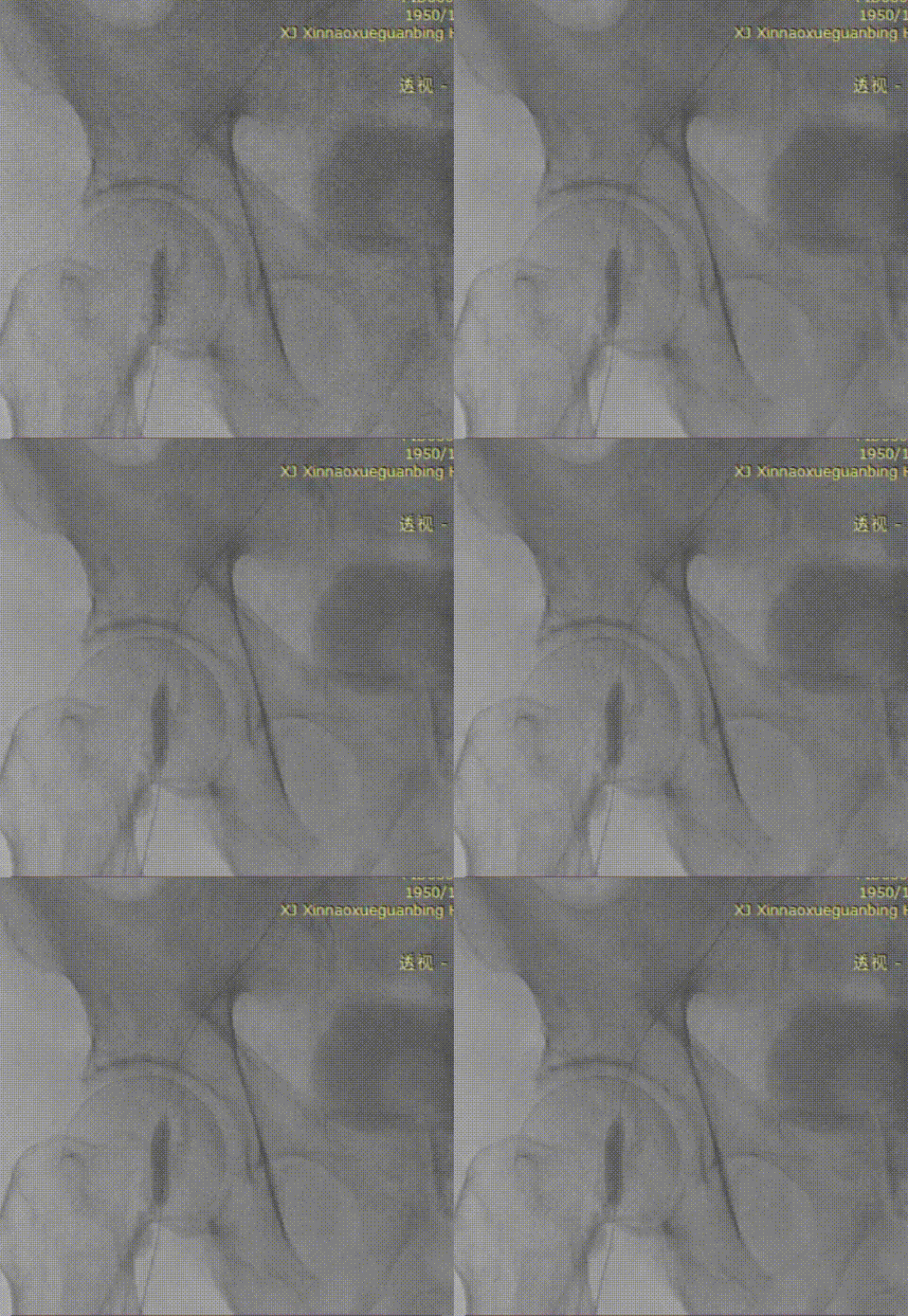
The泥鳅guidewire could not pass through the femoral artery segment, so it was changed to a V18 guidewire which barely passed through the stenotic segment. However, the single-bend catheter could not pass through. Subsequently, a 4.0*40mm balloon (non-compliant balloon) was used sequentially for PTCA.

Image

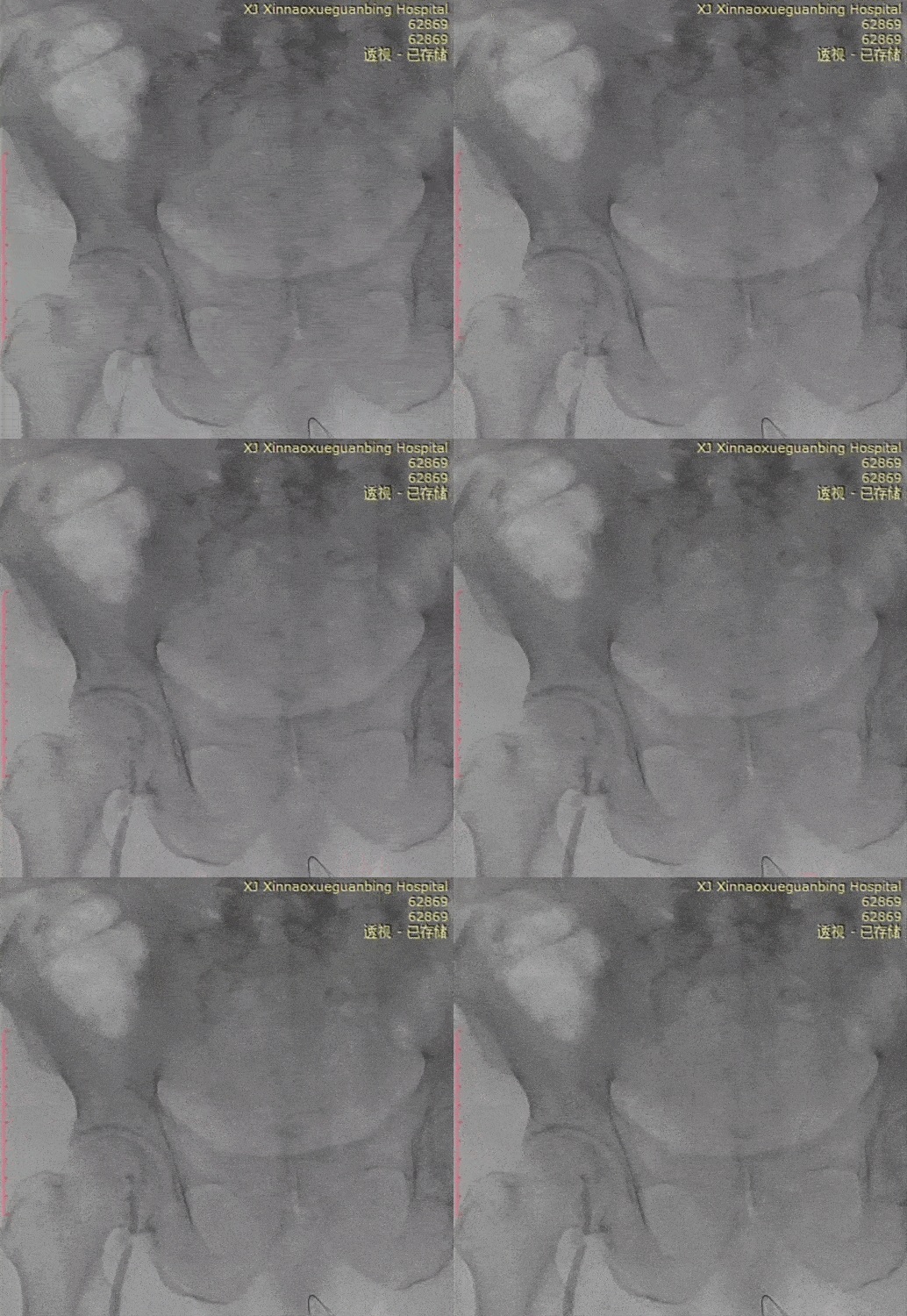
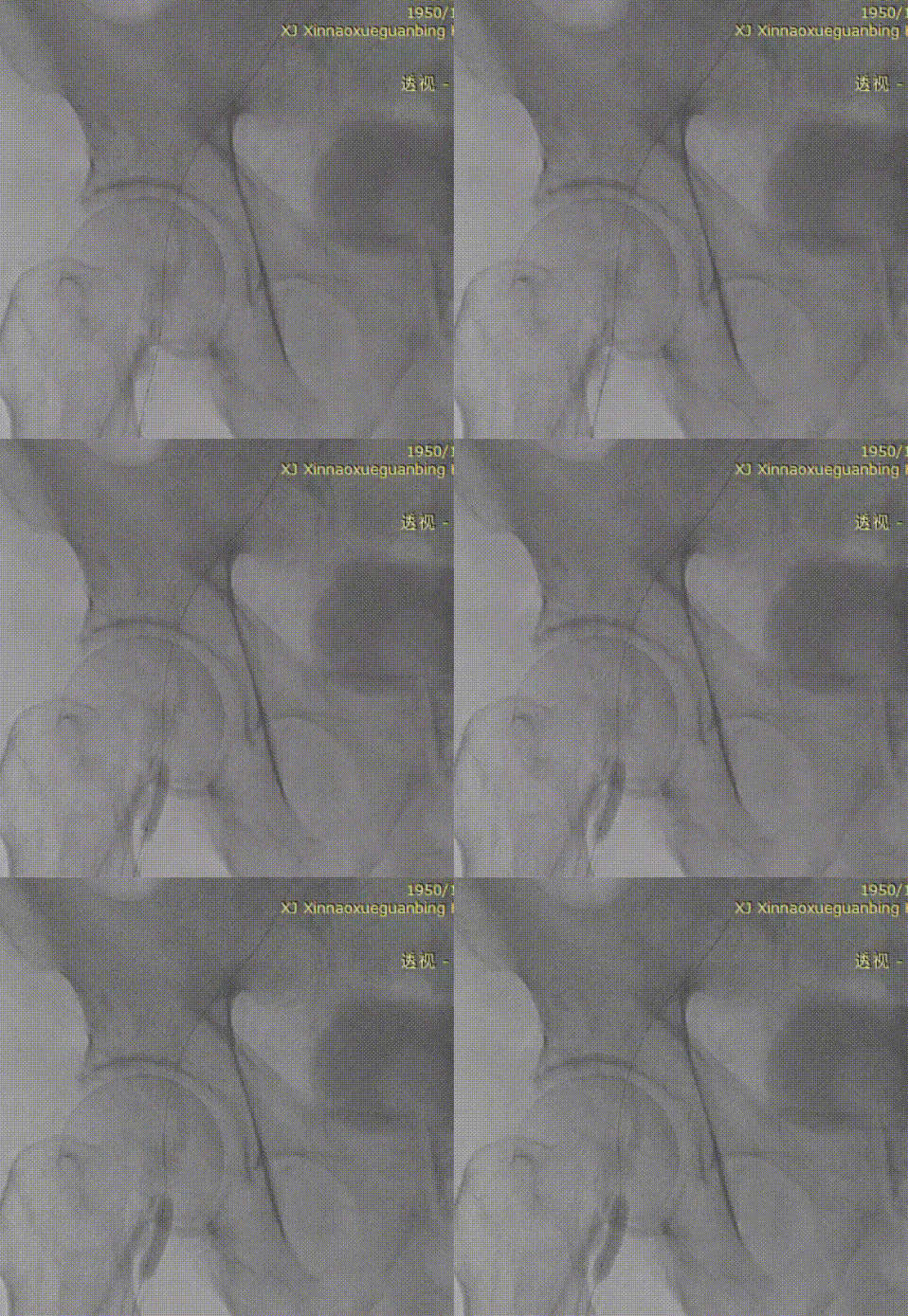
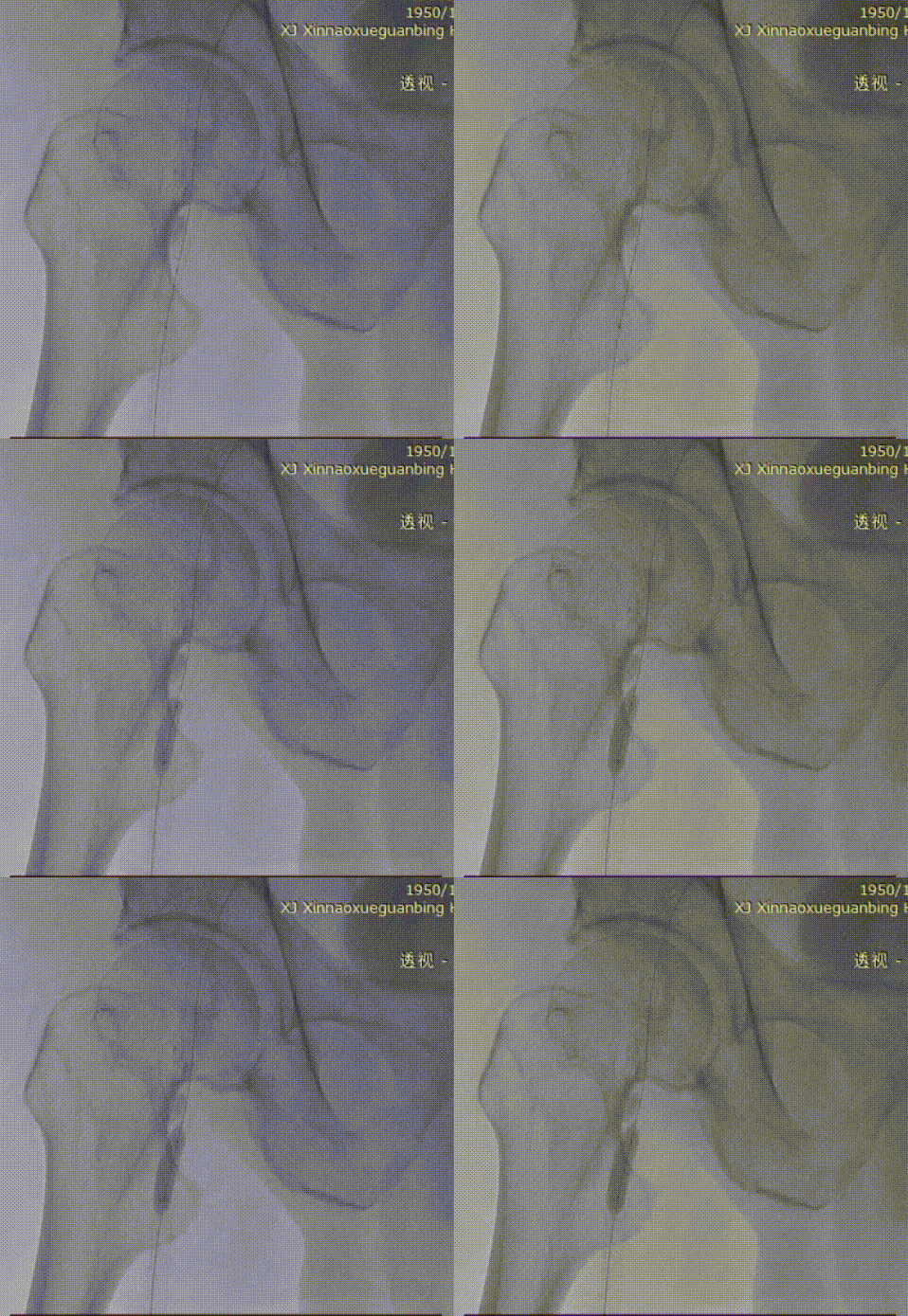
The single-bend catheter is still difficult to pass through.Then, a 6.0*80mm DEEPQUAKE shock wave balloon was used for dilation. The lesion site was treated with 3 levels for 2 cycles, totaling 60 shocks, achieving an ideal effect.The single-bend catheter passed through the femoral artery segment, and angiography showed good blood flow in the iliac artery segment without significant stenosis. Subsequently, with the assistance of a deflectable catheter, the V18 guidewire entered the left external iliac artery.

Image
Image


Slight Overview of the Treatment Process on the Left Side
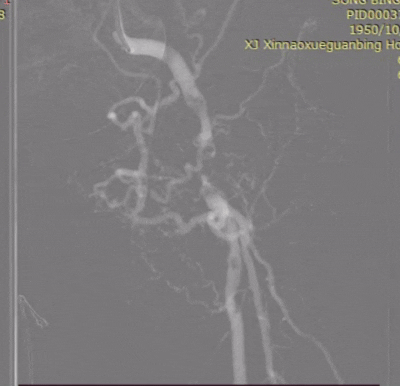
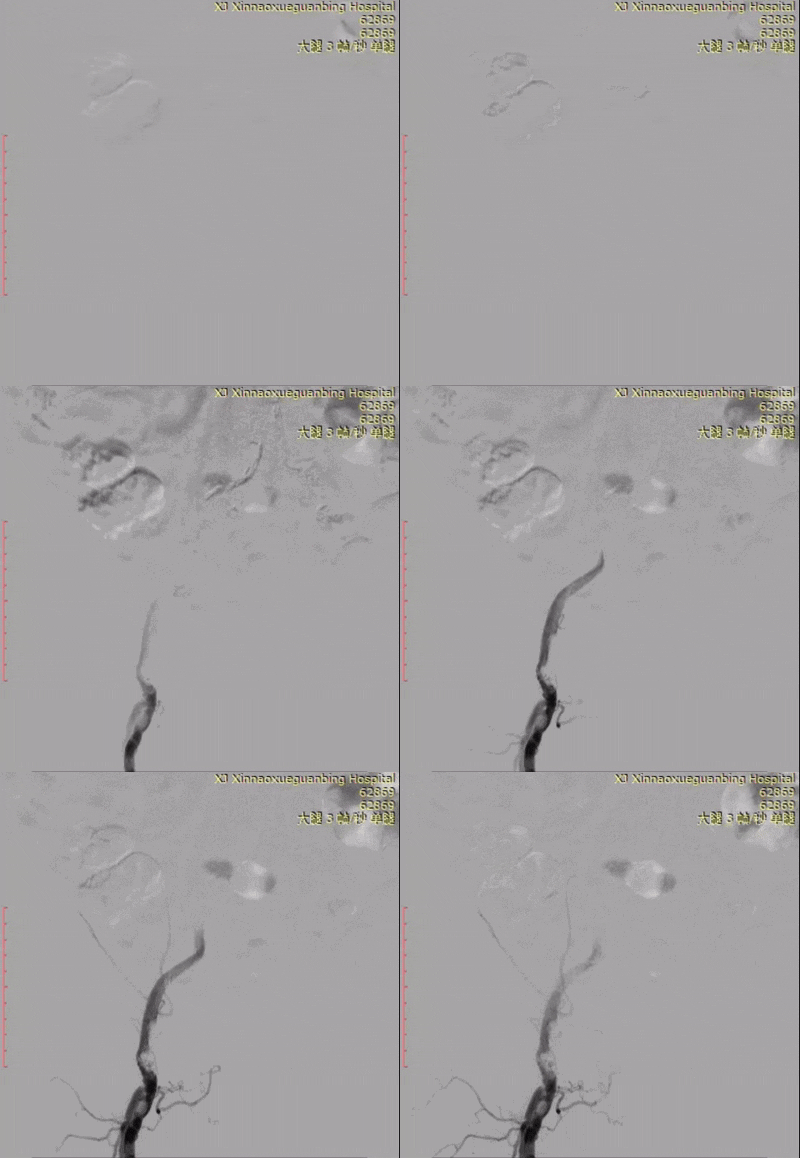
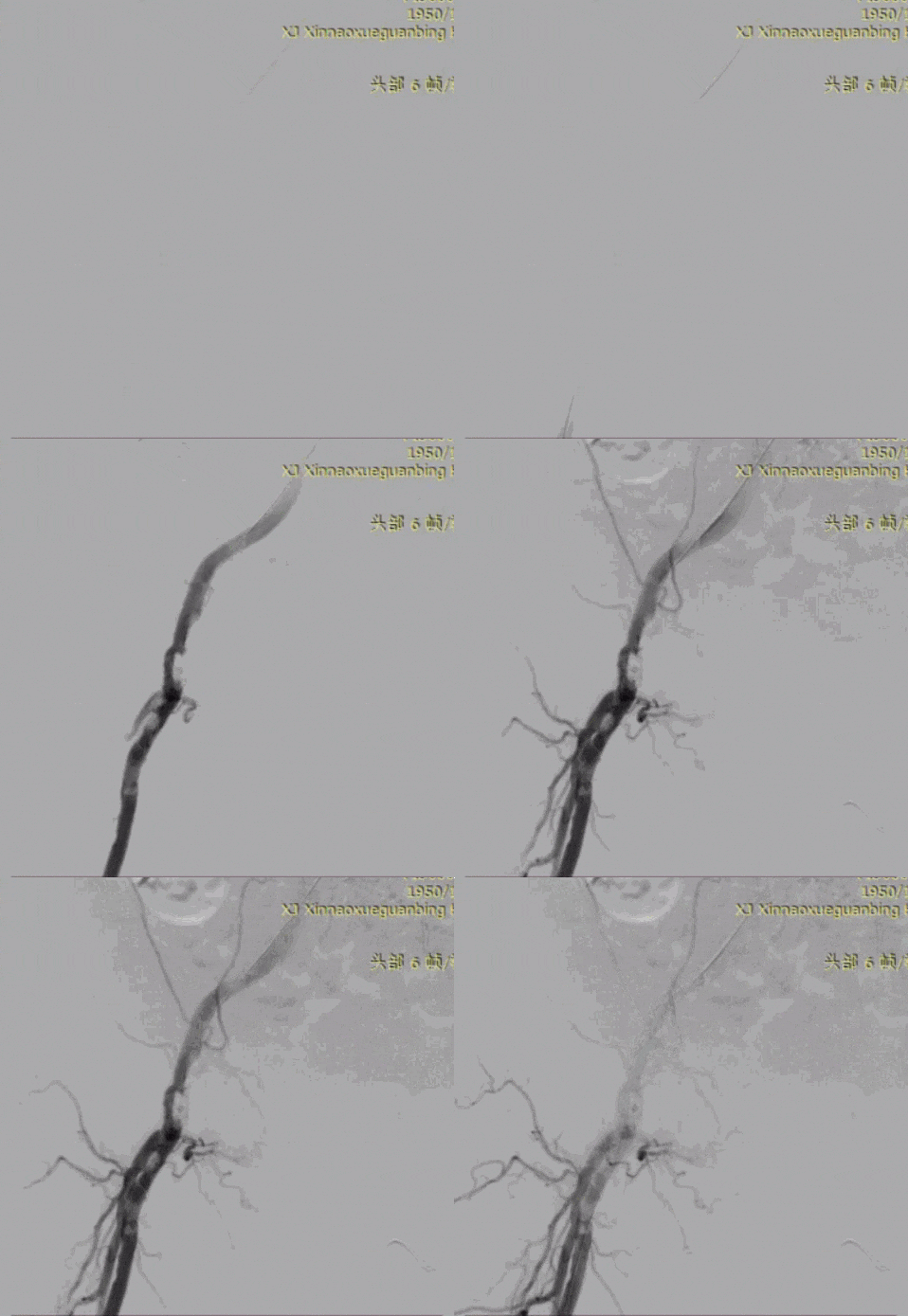
V18 guidewire encountered difficulty passing through the femoral artery segment, possibly due to occlusion. Angiography after long sheath placement indicated complete occlusion of the right femoral artery. Under roadmap guidance and with the assistance of a support catheter, the V18 guidewire was manipulated to pass through the occluded segment.

Image
Image

5.0*100 Balloon (Non-compliant Balloon) Pre-dilation, After Pre-dilation the Single-bend Catheter Still Cannot Pass Through the Left Femoral Artery Segment.

Image
Image

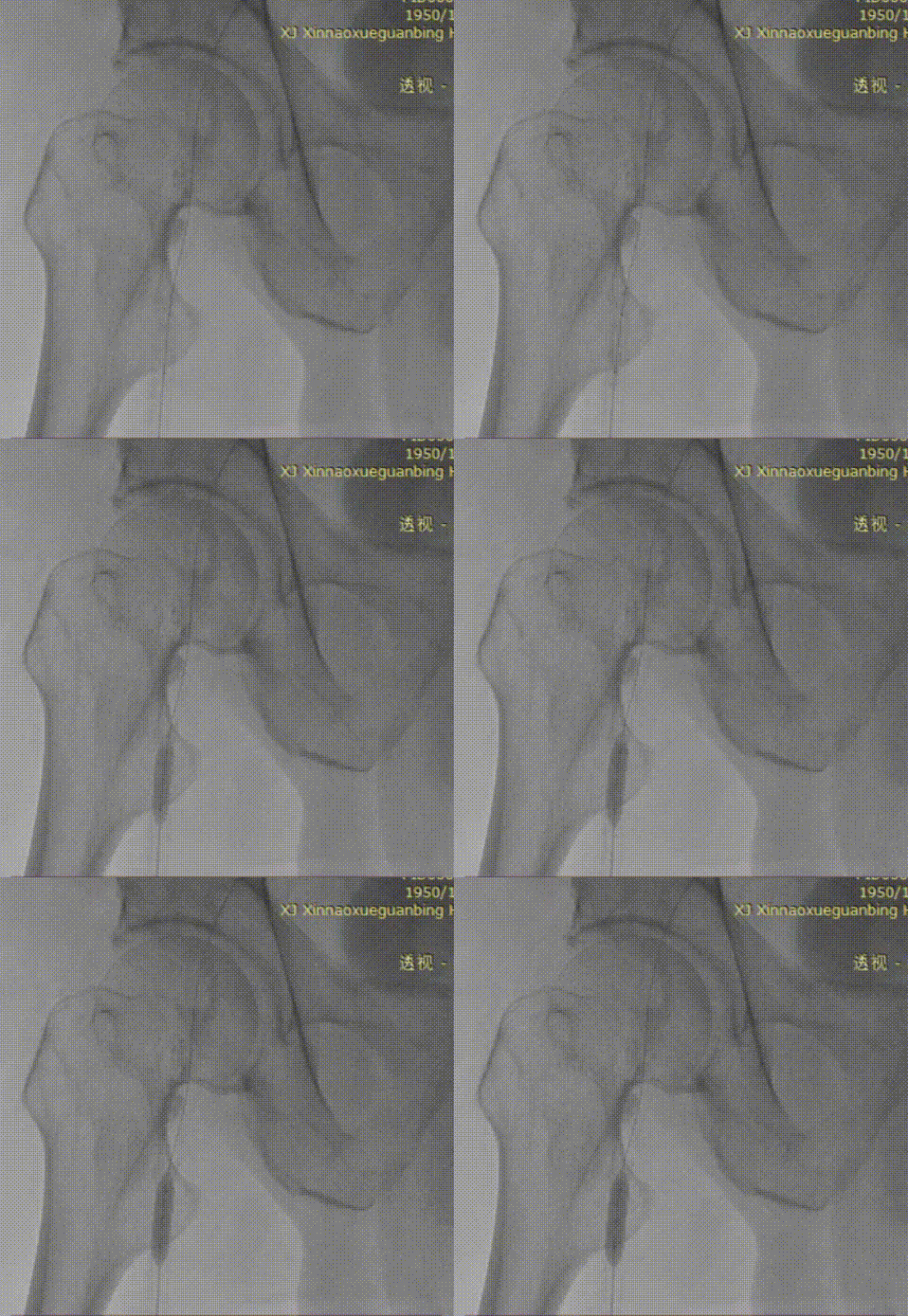
Select the 6.0*80mm DEEPQUAKE shock wave balloon to dilate the lesion site, using level 3 for 2 cycles, totaling 60 shocks.Insert after achieving the desired effect6.0*100mm Stent, the stent expanded well.

Image
Image

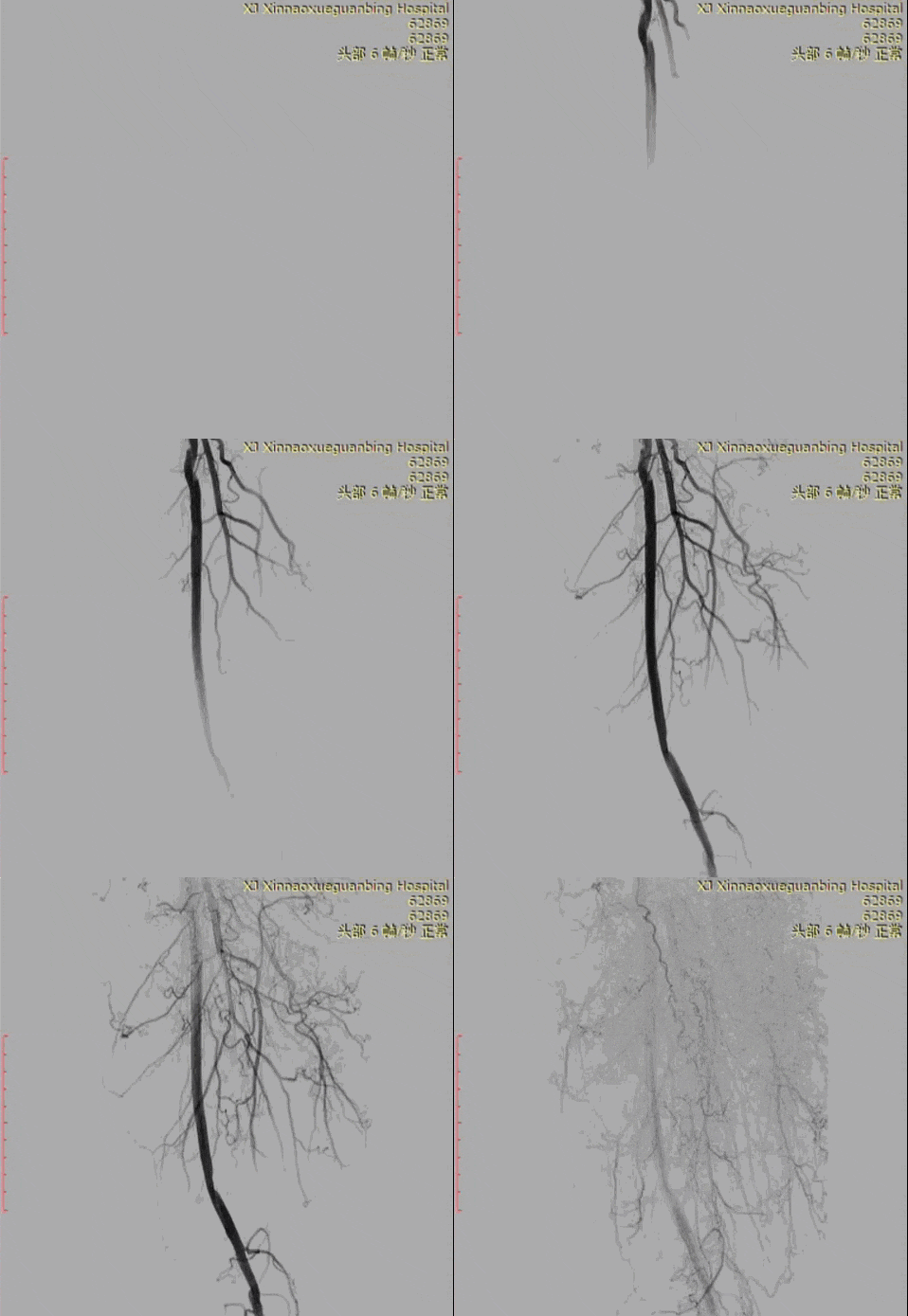
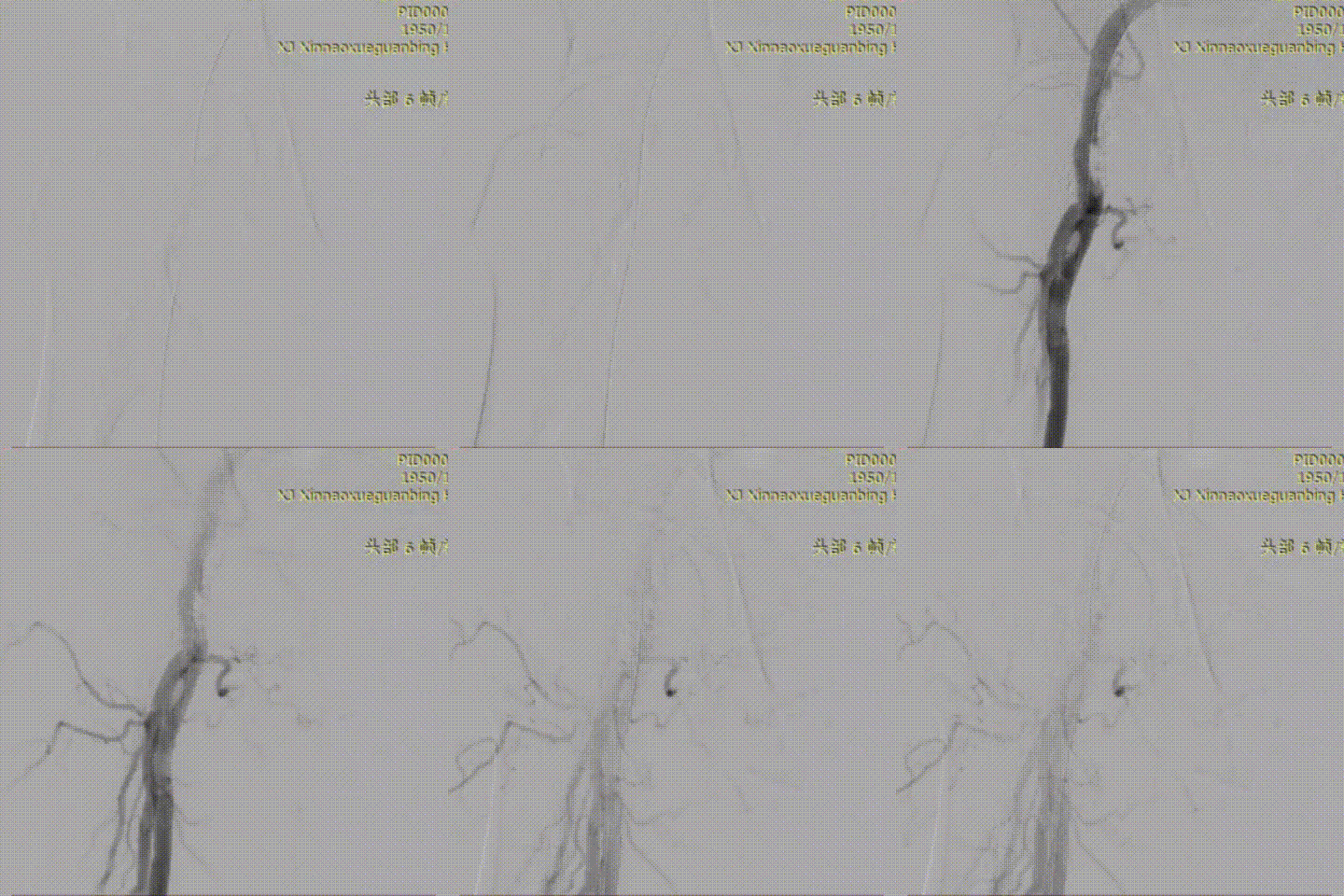
Re-examination angiography suggests smooth blood flow, no significant stenosis observed in the superficial femoral artery.

Image
Image
Image


Right-sided stent placement
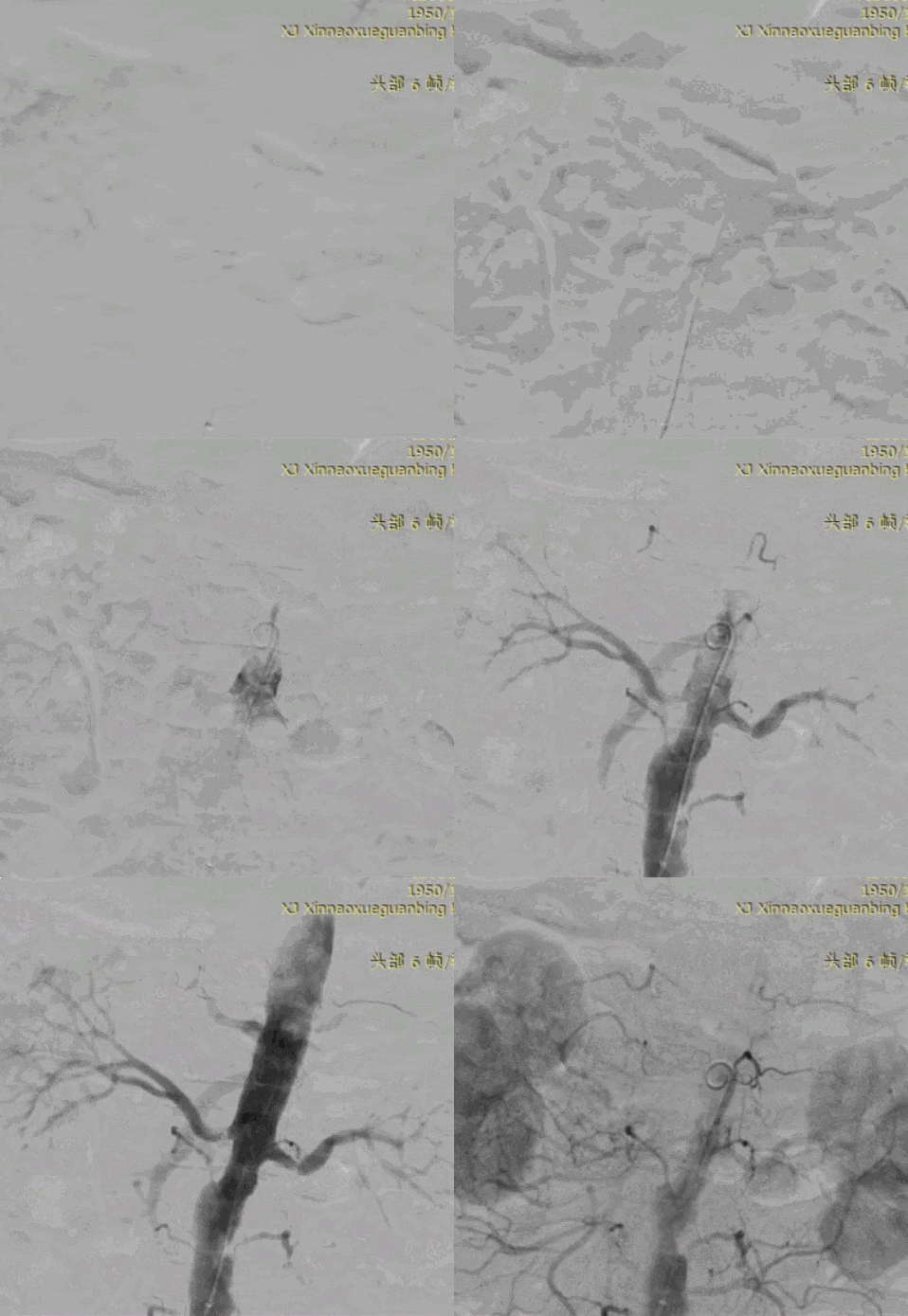
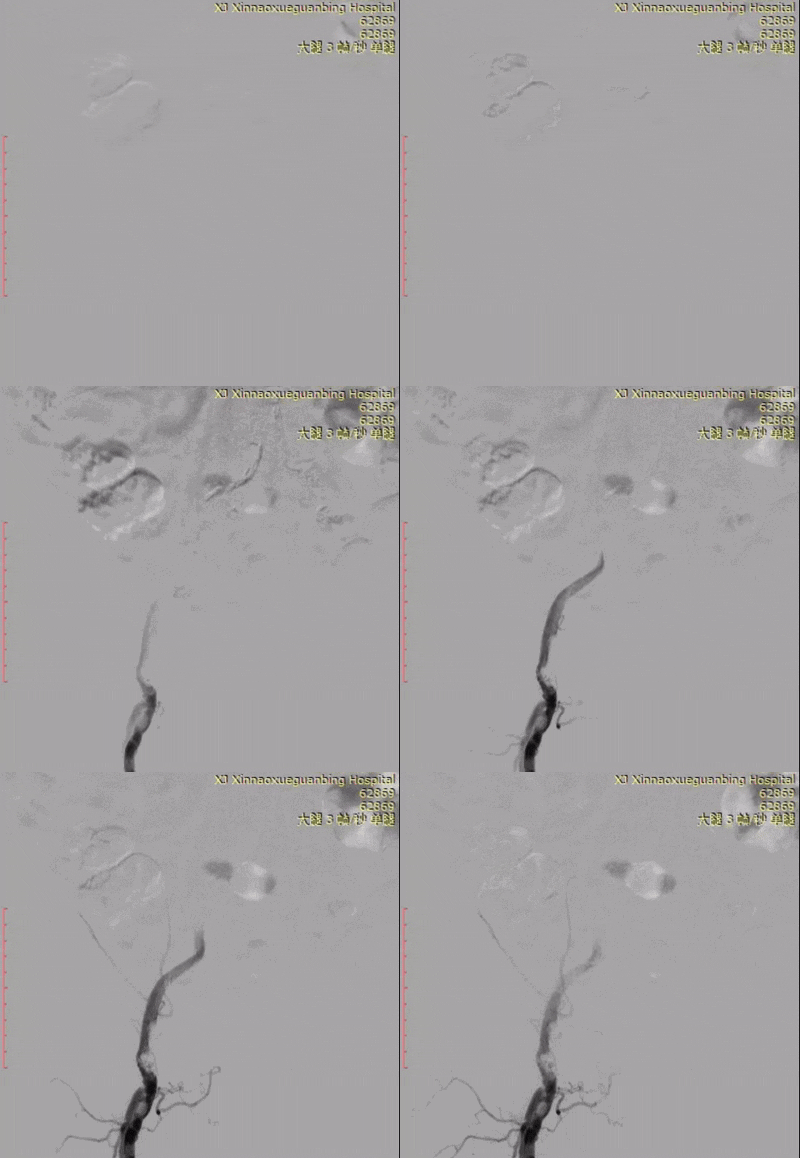
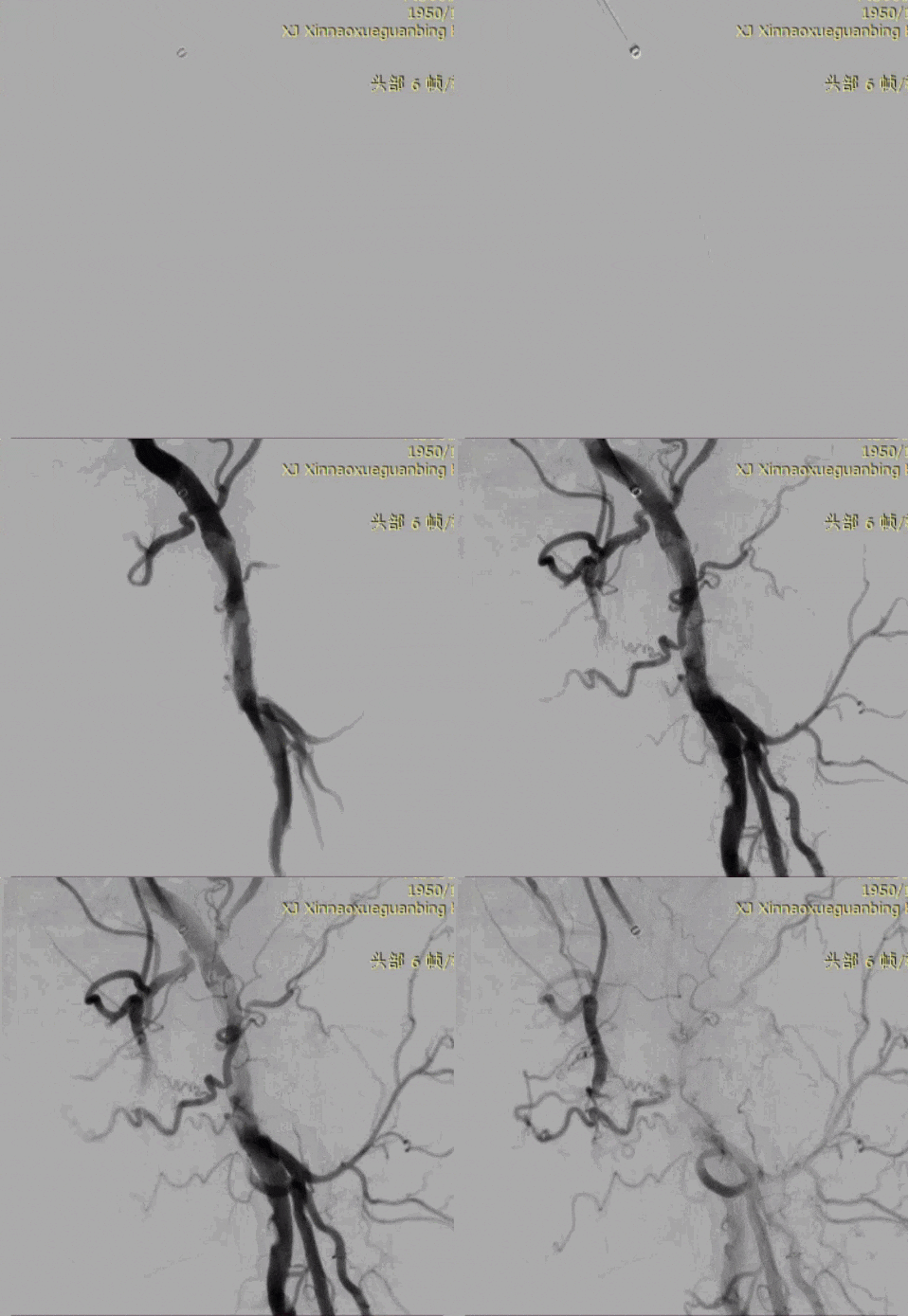
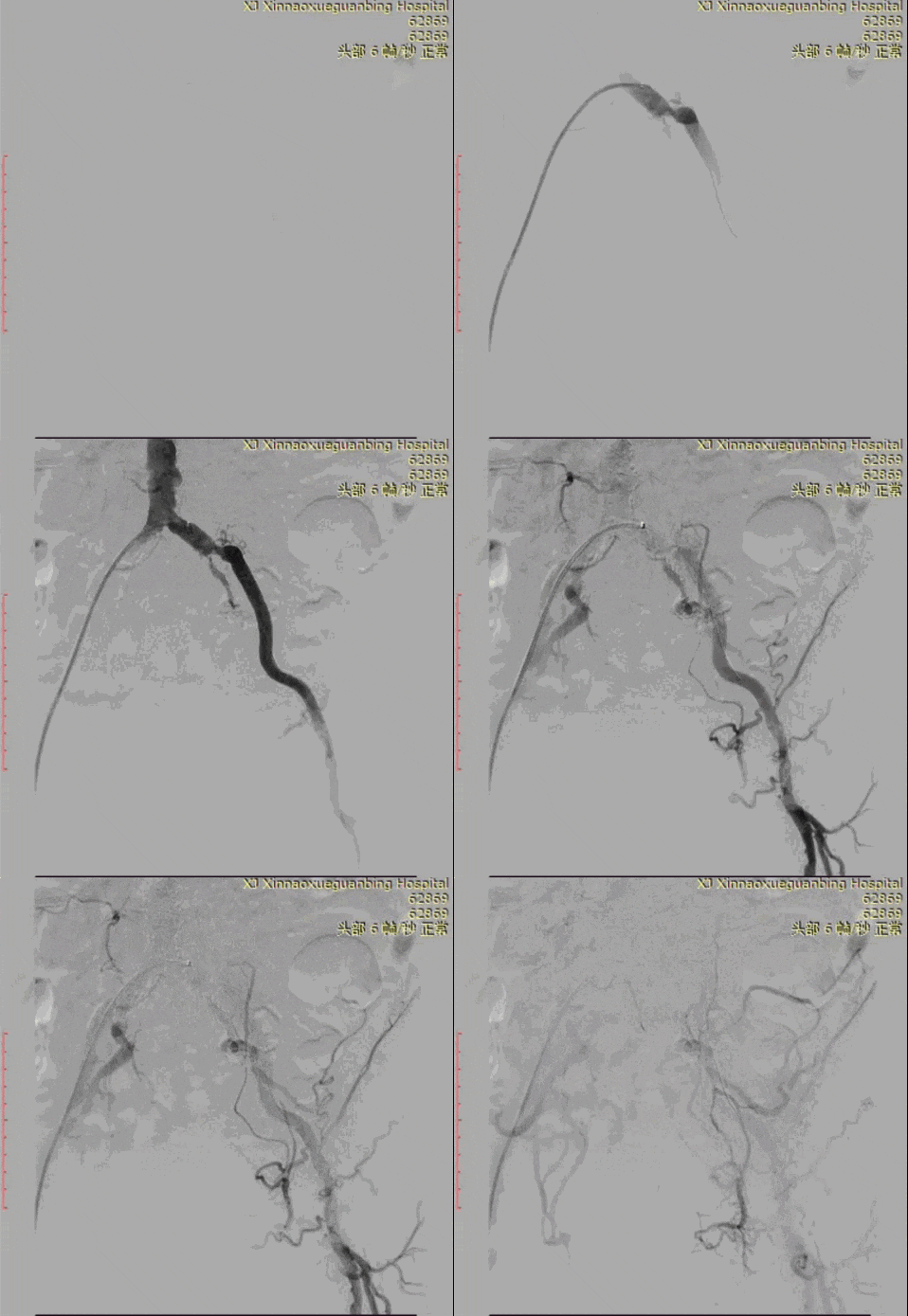
The guidewire was withdrawn, and a pigtail catheter was advanced into the abdominal aorta for angiography, which revealed severe stenosis of both renal arteries with significant calcification. The abdominal aorta also showed severe calcification, preventing the passage of a long sheath. The renal arteries were scheduled to be addressed via the left brachial artery.

Image
Image

A 6*200mm stent was implanted in the right femoral artery.

Image
Image

A 6.0*40mm balloon was inserted and expanded within the stent, with good expansion achieved.

Image
Image
Image
Image

Final Angiography

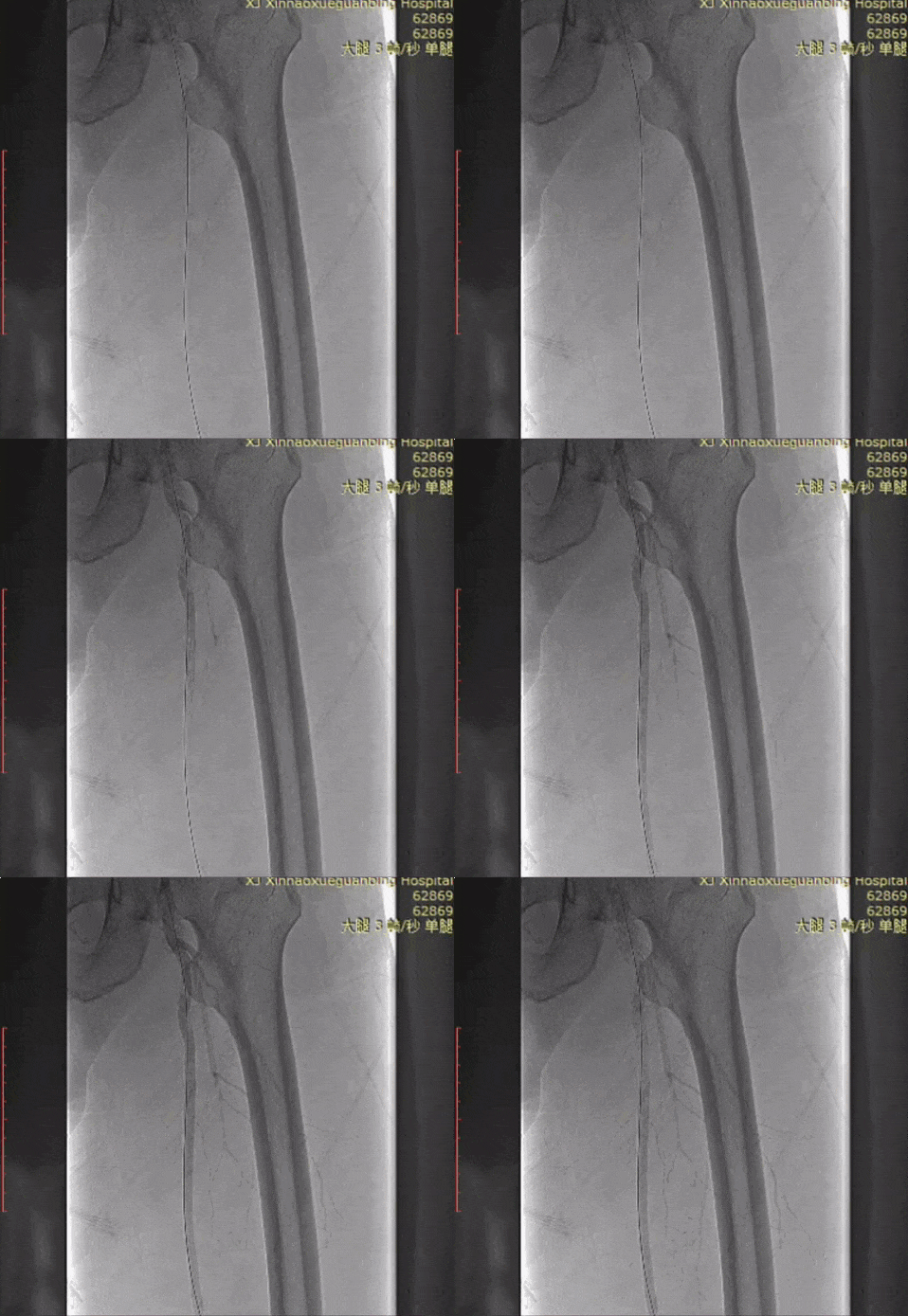
Repeat angiography showed smooth blood flow, no embolism in the distal segment, no dissection, and no contrast agent extravasation.

Image
Image

Operator Evaluation

▪ Safe and Efficient:Targeted destruction of calcification, maximum protection of healthy vascular intima, low risk of serious complications such as perforation.

▪ "Softness Overcomes Hardness":Utilize Physical Principles to Disintegrate the Hardest Lesions from WithinPave the way for subsequent treatment.

▪ Strong Predictability:The effect is immediate.

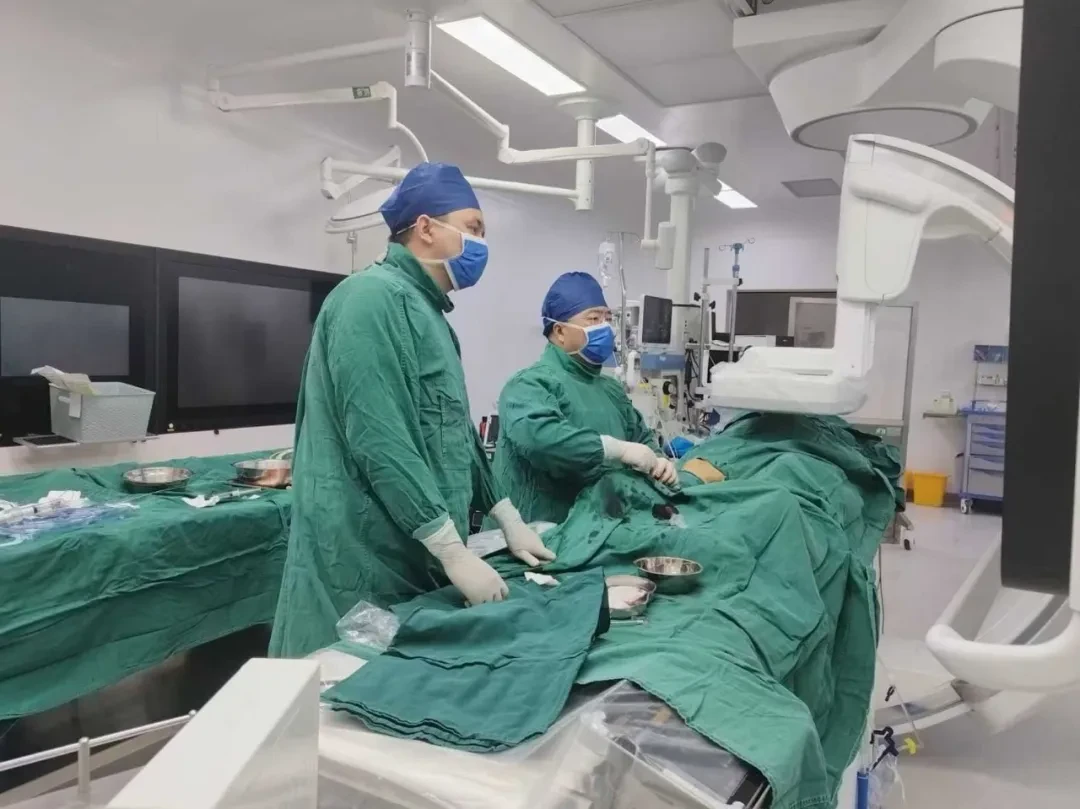
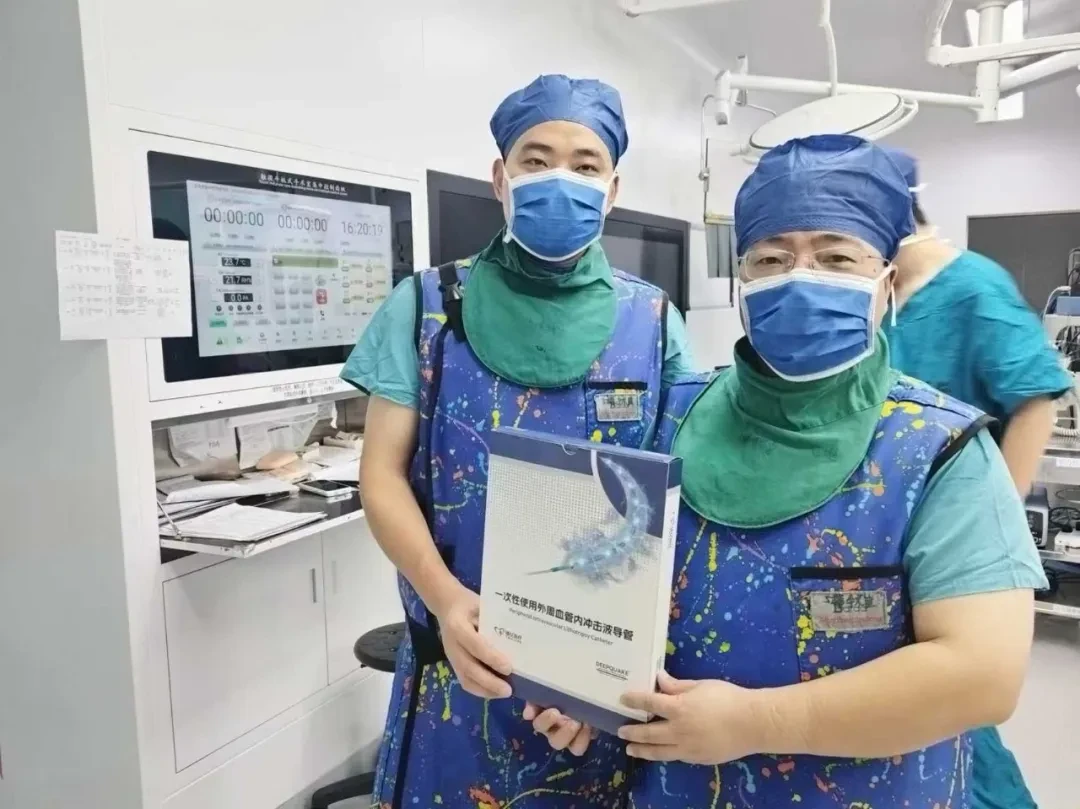
Wonderful Moments

Image
Image


Introduction of Experts

Image

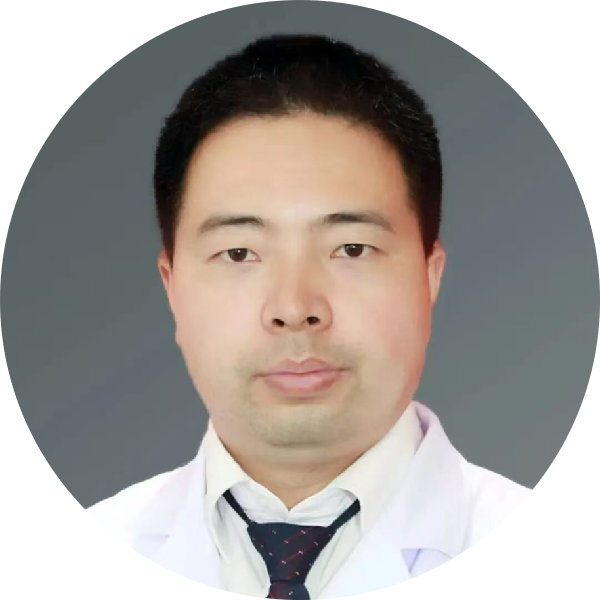
Professor Shuang Dongsi

Chief Physician of the Vascular Surgery Department at the Heart Center of Xinjiang Cardio-Cerebrovascular Disease Hospital, with many years of experience in the diagnosis and treatment of peripheral vascular diseases. Specializes in clinical treatment of peripheral vascular diseases, hypertension, heart failure, and other complex cardiovascular conditions. Proficient in using intravascular imaging technologies such as IVUS, OCT, and FFR. Skilled in statistical data analysis, capable of performing advanced statistical analyses, and has published numerous papers. Experienced in programming, independently designed and developed more than 10 software programs. Knowledgeable in 3D reconstruction technology for medical imaging data, conducting peripheral vascular interventional treatments under CT-based 3D reconstruction to improve surgical success rates. Familiar with microcontroller knowledge, engaged in the design and development of electronic medical devices in the field of peripheral vascular medicine. Holder of 6 utility model patents, 1 invention patent, and 1 software patent. Member of the Cardiovascular Internal Medicine Branch of the Chinese Medical Doctor Association; Expert member of the Hubei Provincial Medical Expert Database; Expert member of the Jiangxi Provincial Medical Expert Database; Key Medical Talent in Wuhan City.


Grand Pharmaceutical


The field of precision interventional diagnosis and treatment for cardiovascular and cerebrovascular diseases is one of the core strategic areas of Grand Pharmaceutical Group Limited. Upholding the concept of "precision treatment," the company has made comprehensive arrangements in multiple directions, such as pathway management, structural heart disease and heart failure, and neurointervention, building a high-end medical device product cluster. Currently, this sector has arranged more than 30 products. The company is committed to developing this sector into a leading "precision interventional diagnosis and treatment platform for cardiovascular and cerebrovascular diseases" in China and even globally.

Trulive


Jiangsu Trulive Medtech Co., Ltd. focuses on the field of cardiovascular diseases, which have extremely high mortality and disability rates and where the domestic market remains a blank slate. Its business comprehensively covers multiple interventional treatment areas such as heart valves, peripherals, and coronary arteries. It is a platform enterprise that takes the lead in providing a one-stop innovative solution for blood flow management on a global scale. Relying on its strong research and development capabilities and a senior, full-fledged operational team, Trulive Medtech has developed high-quality domestically produced medical devices with independent intellectual property rights and complete solutions, starting from the products themselves. This fills the gap in China’s high-end cardiovascular interventional medical device market, offering Chinese doctors and patients more advanced and diverse treatment options. Meanwhile, Trulive Medtech, based in China and strategically expanding globally, continues to upgrade with technological innovation and development. The company accelerates the expansion of its global commercial network, providing "Chinese solutions" and contributing "Chinese wisdom" in many细分 markets within the cardiovascular intervention field that have long been monopolized by imported products.

Image

Scan the QR code to follow us

Business Cooperation | 0513-68302888

Email Address | vicky.z@trulive.cn