

Professor Yang Yaoguo's Team Completes National First-in-Human Application of DEEPQUAKE Peripheral Intravascular Lithotripsy System

Trulive
Structural Heart Disease Device Developer

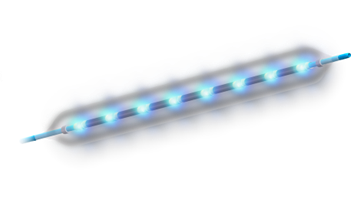
In the field of泛血管intervention, the treatment of calcified lesions is one of the key and difficult points in clinical practice. Produced by Trulive and promoted by Grand Pharmaceutical Group Limited.DEEPQUAKE Peripheral Vascular Intravascular Shockwave SystemOfficially launched (China Medical Device Registration No. 20243012335). This system is suitable for the pretreatment of calcified lesions and balloon dilatation in the iliac artery, femoral artery, popliteal artery, renal artery, and infrapopliteal artery, offering new treatment options for clinical practice.
This issue is shared with everyoneDEEPQUAKE Peripheral Shock Wave System: First Application in China — A Case of Long-Segment Superficial Femoral Artery Lesion,By Beijing Anzhen Hospital, Capital Medical UniversityProfessor Yang YaoguoCompleted by the team, welcome everyone to read, study, exchange, and discuss.
Features of DEEPQUAKE Peripheral Vascular Intravascular Shockwave System



Case Brief
Patient Basic Information
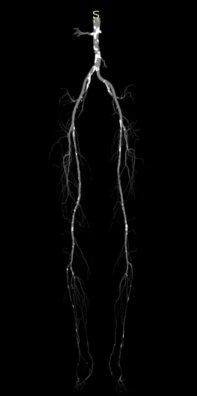
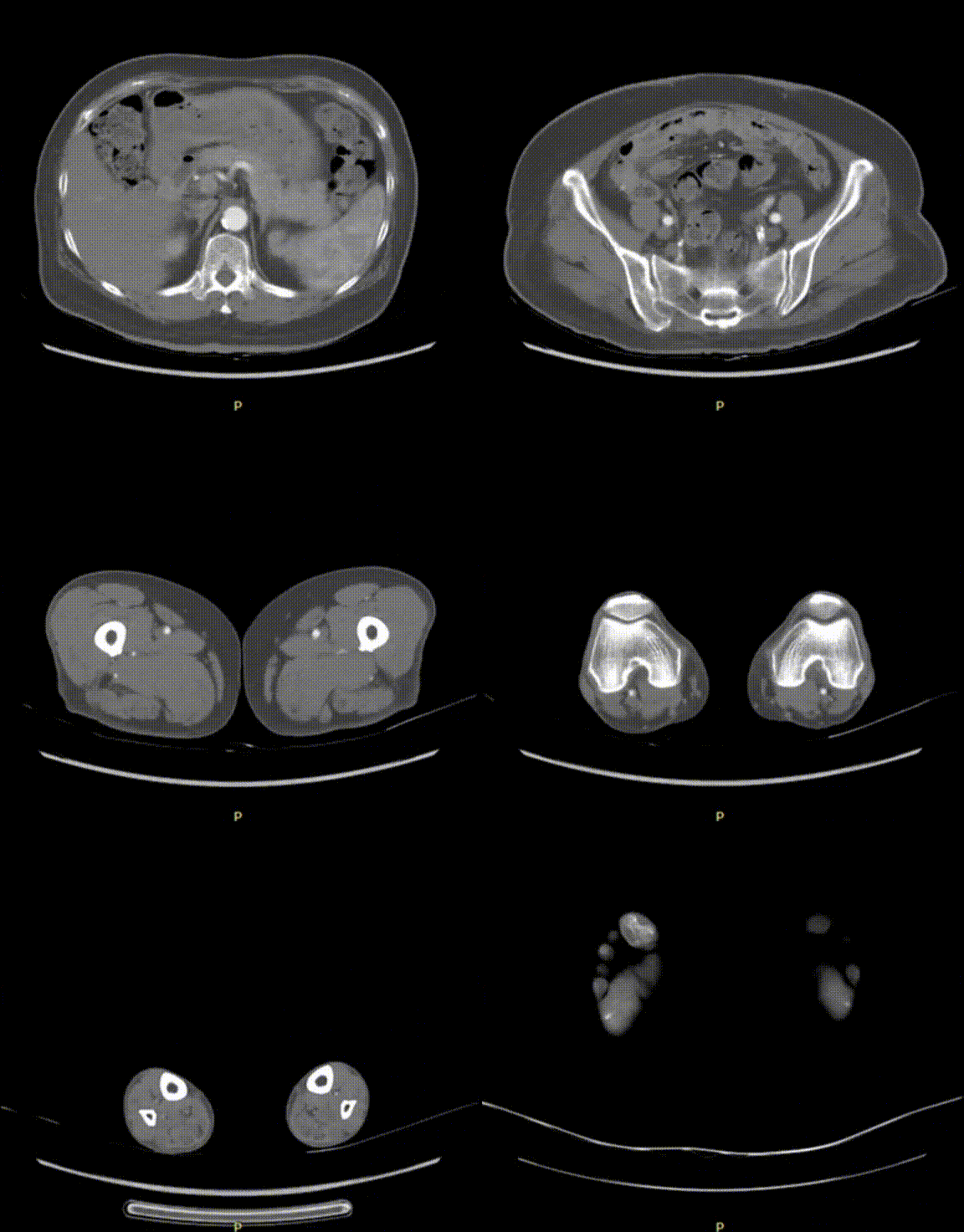
Diagnosis and Surgical Strategy
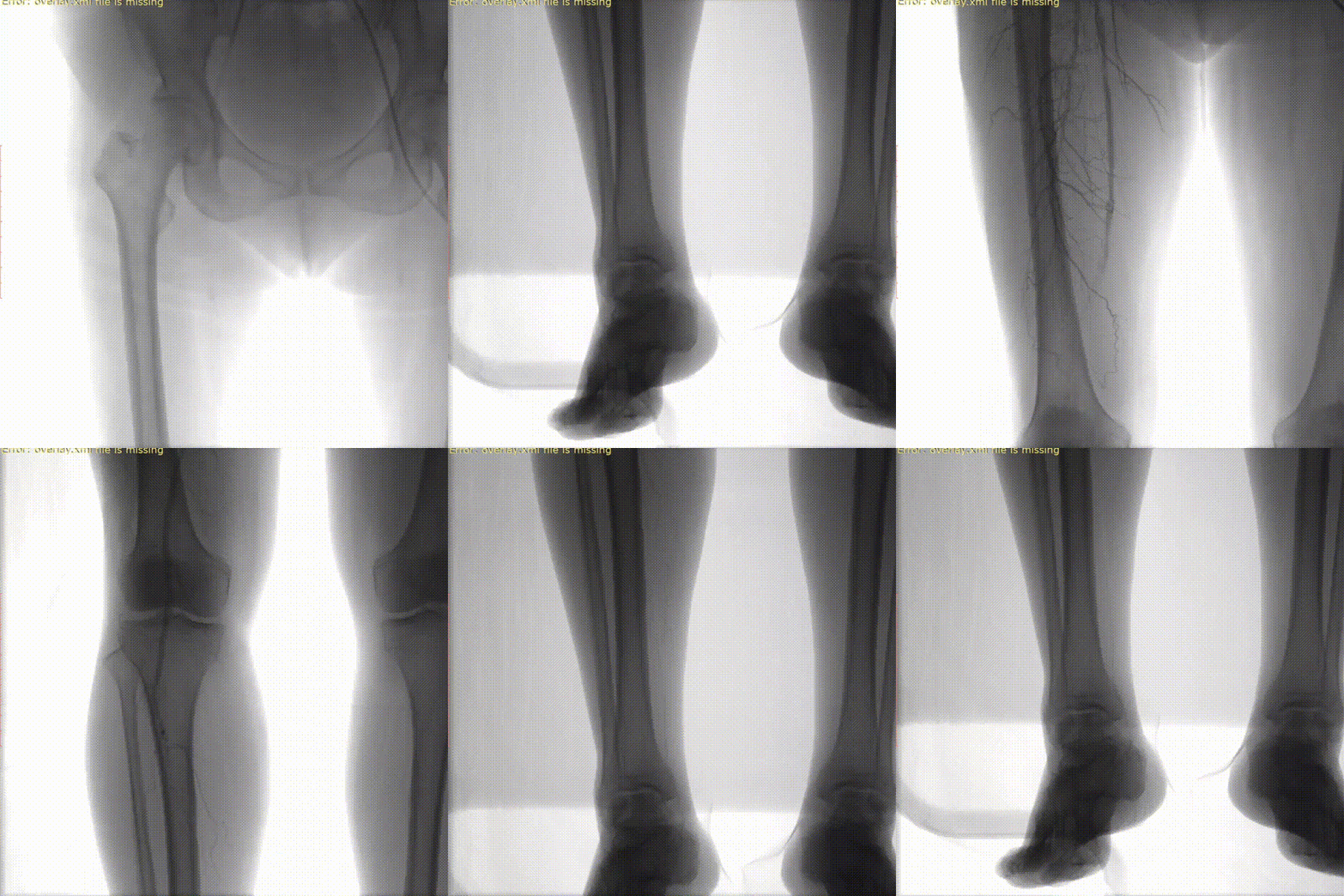
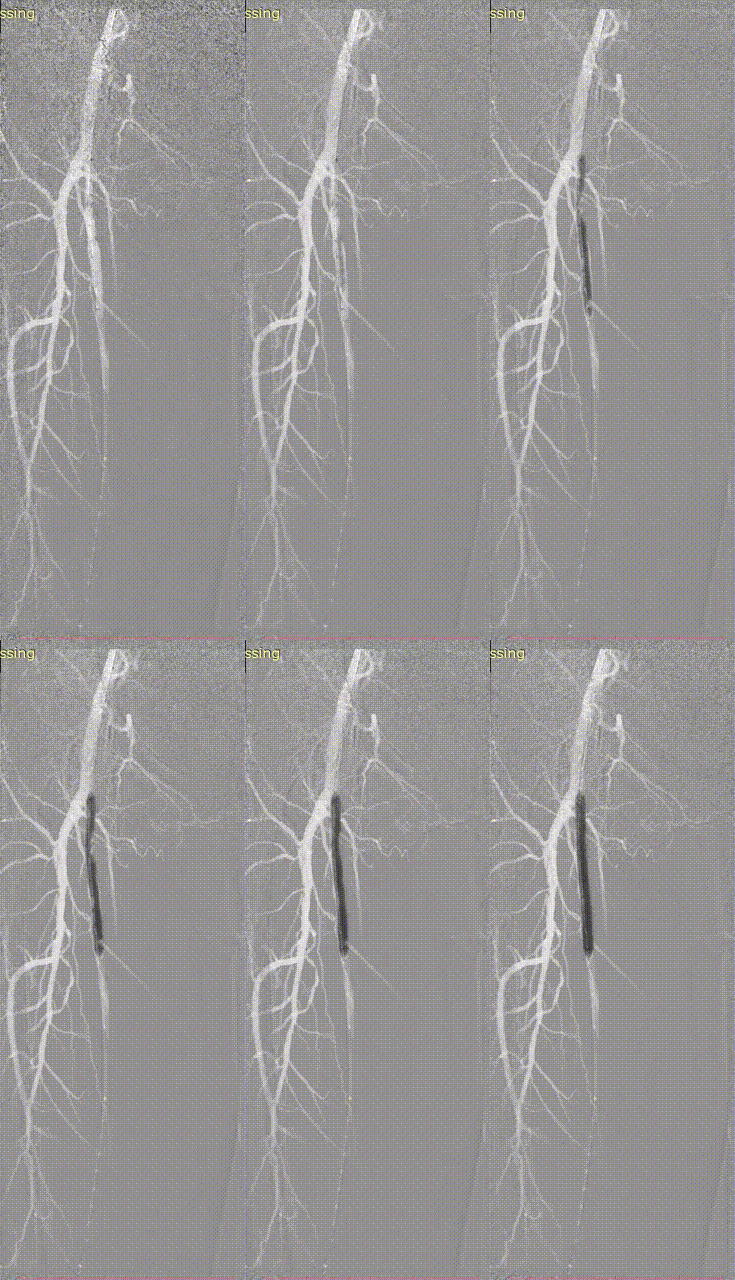
Baseline Angiography
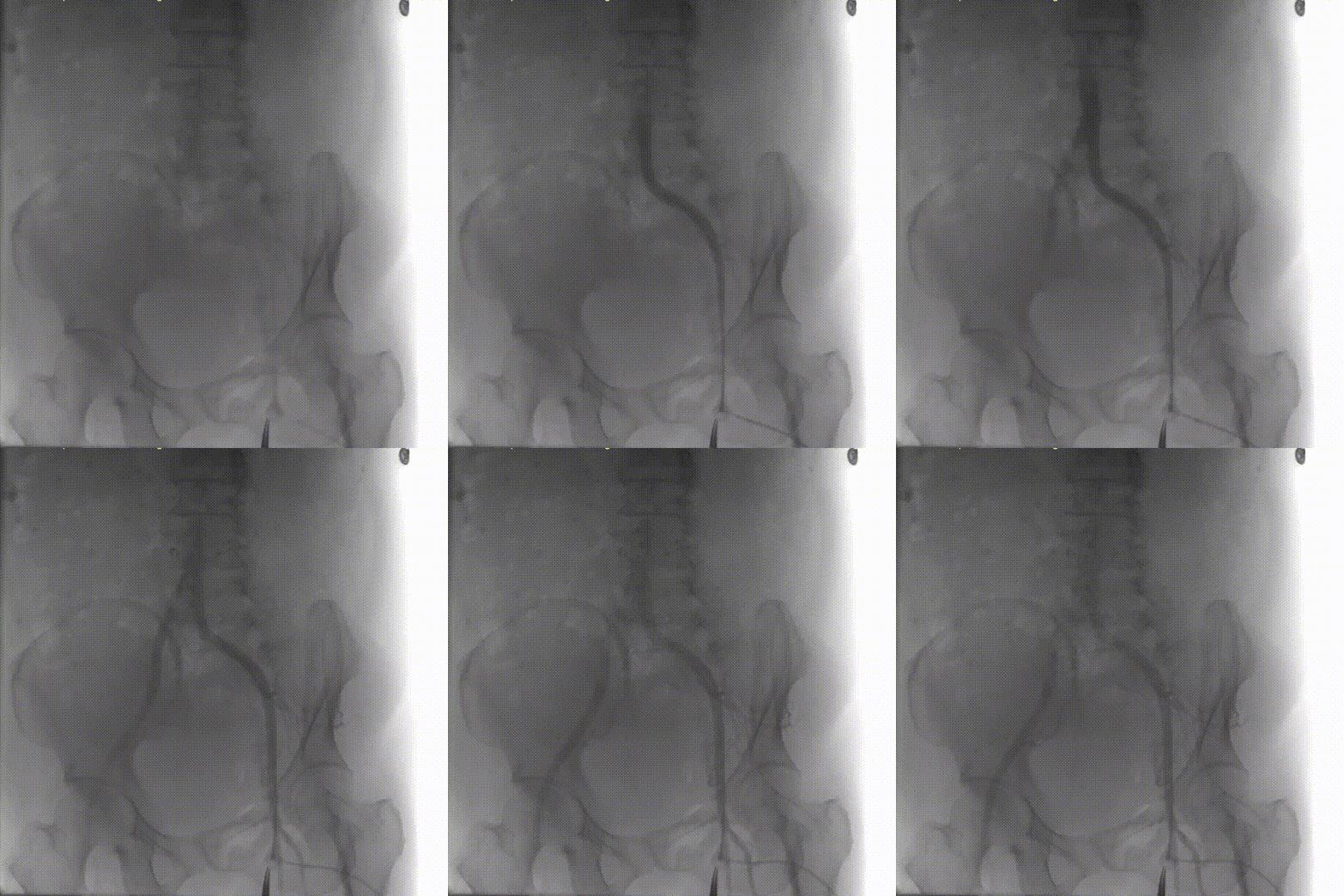
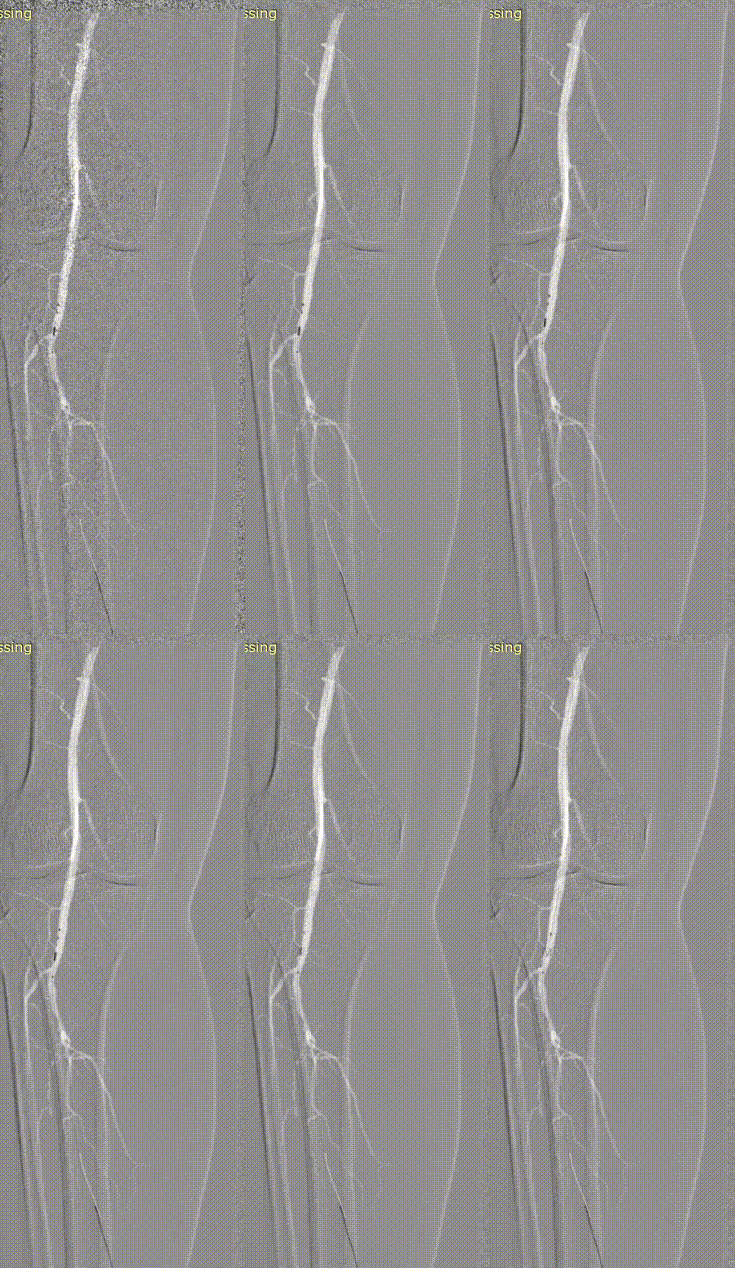
Lesion Opening Process

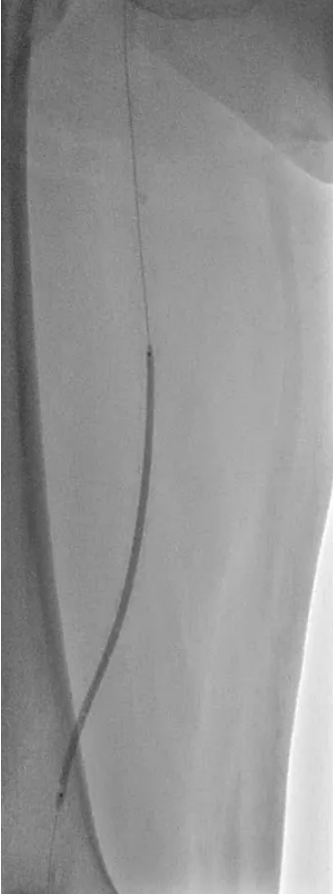
Shockwave Balloon Lesion Treatment Process
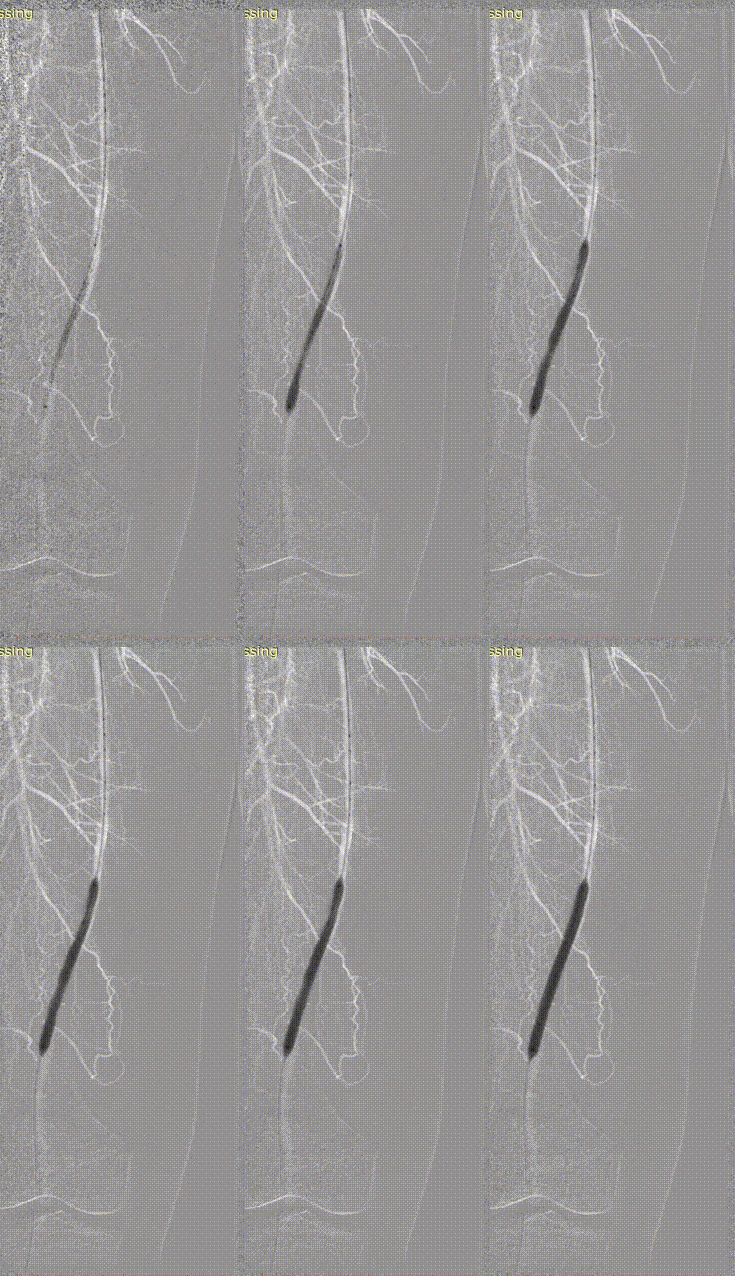


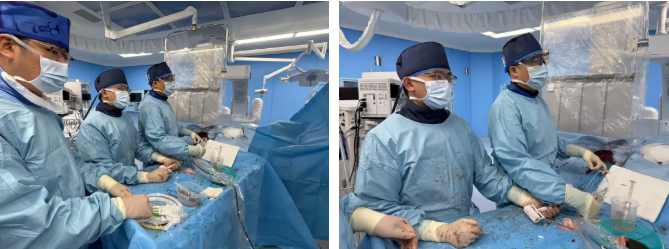
Exciting Moments During the Surgery
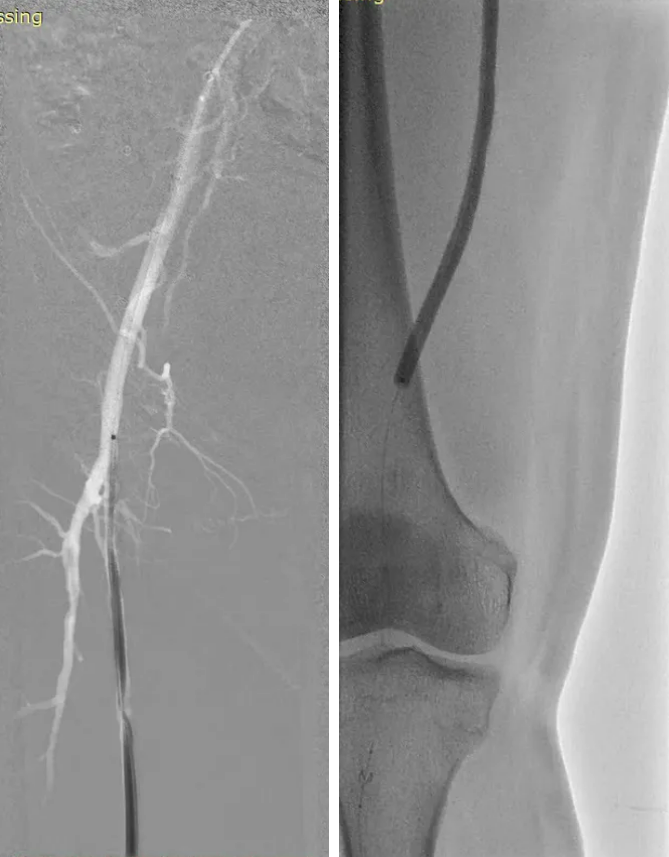
Disease Treatment Process


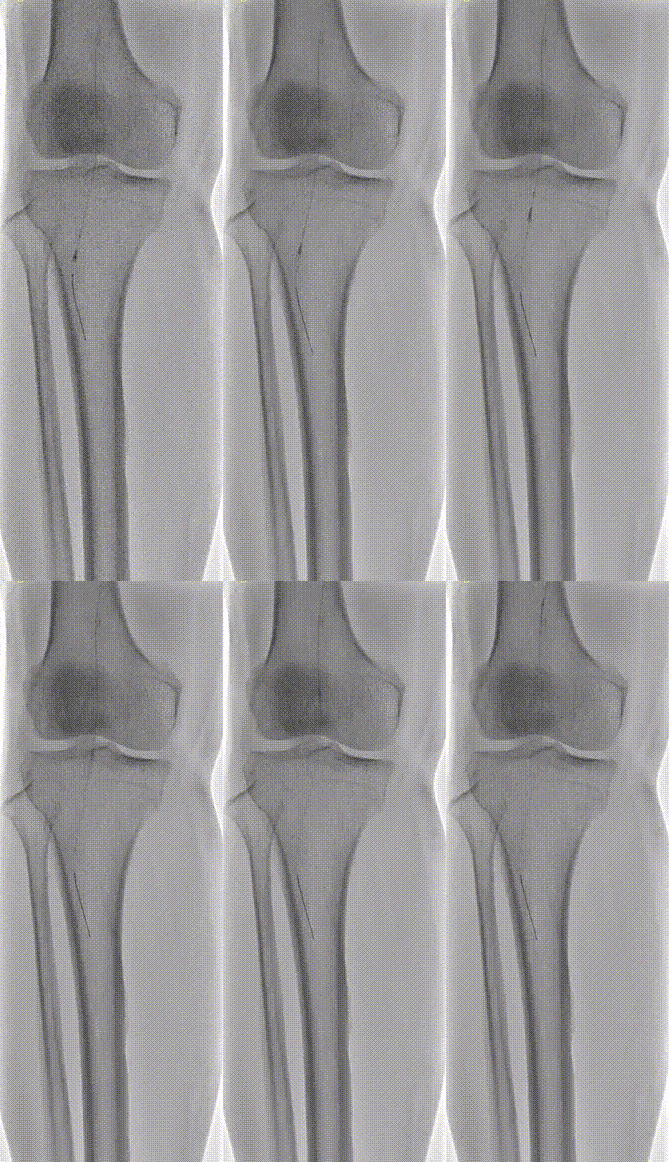
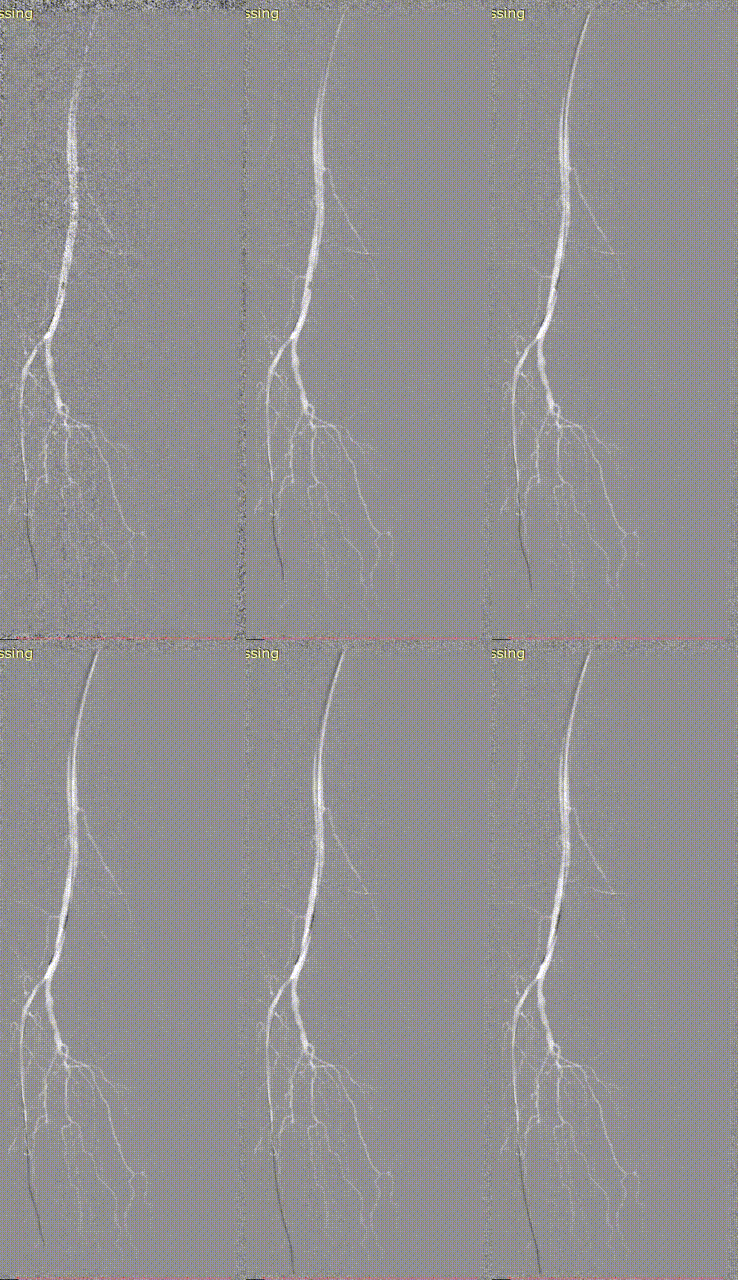
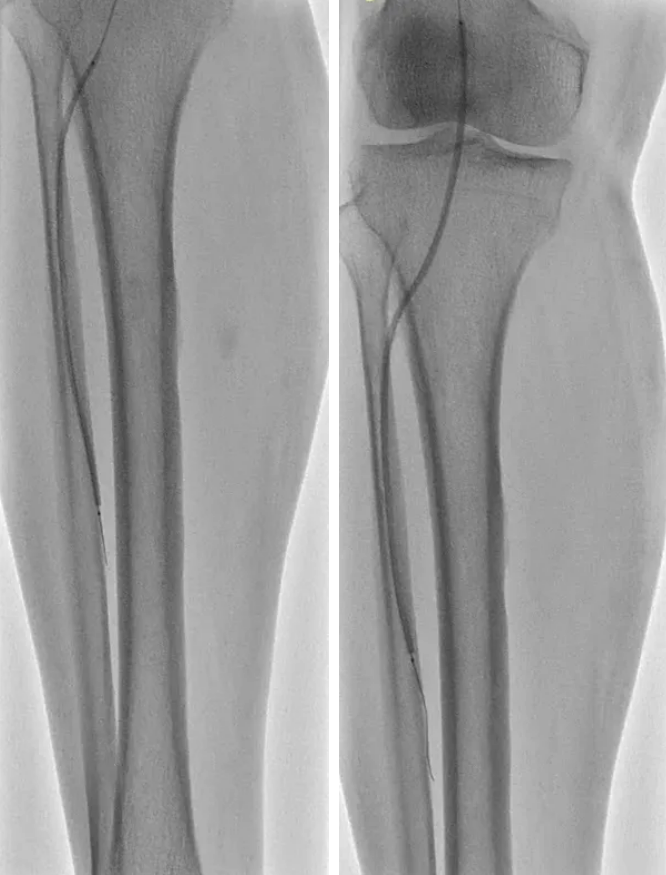
Final Angiography
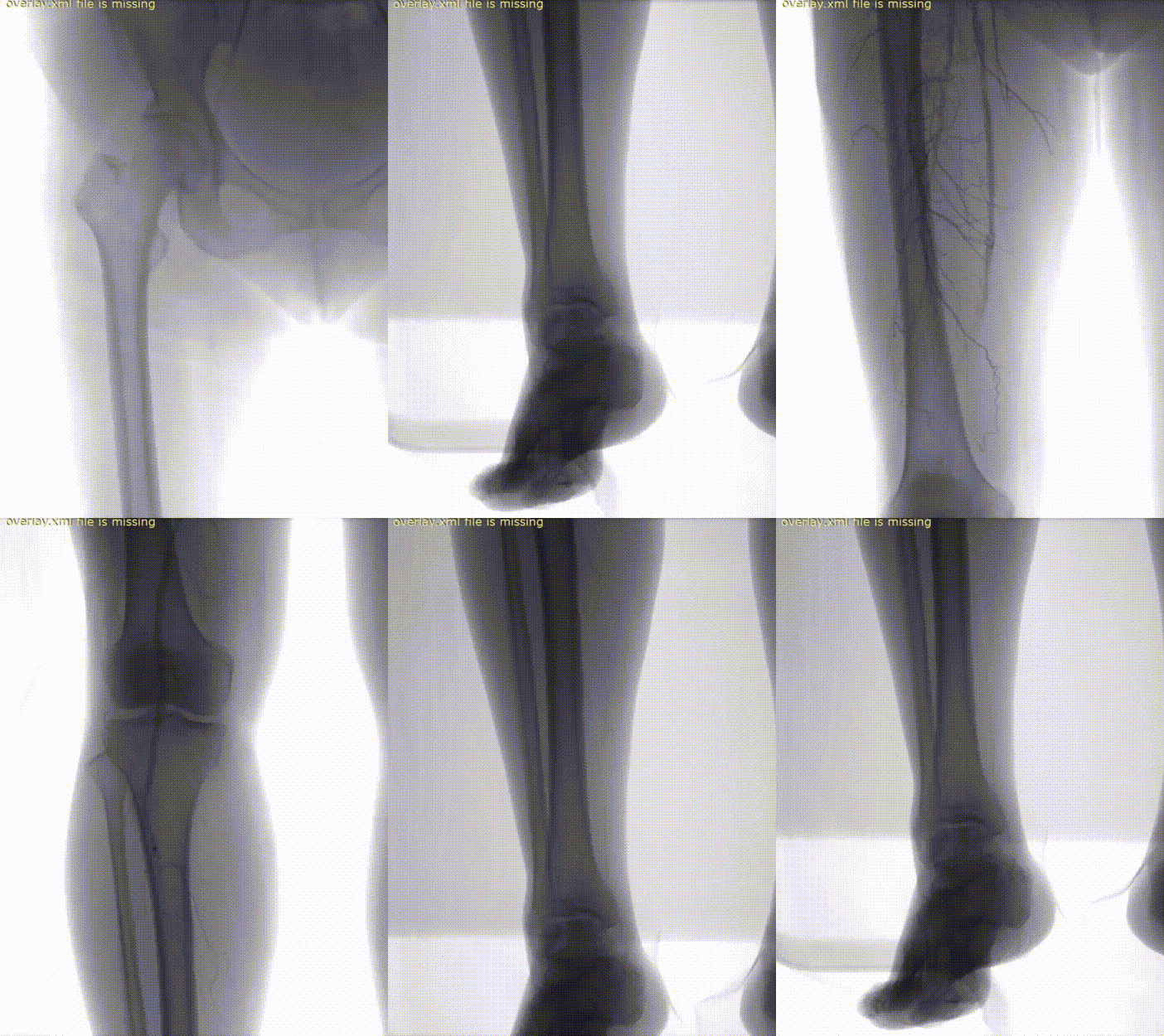
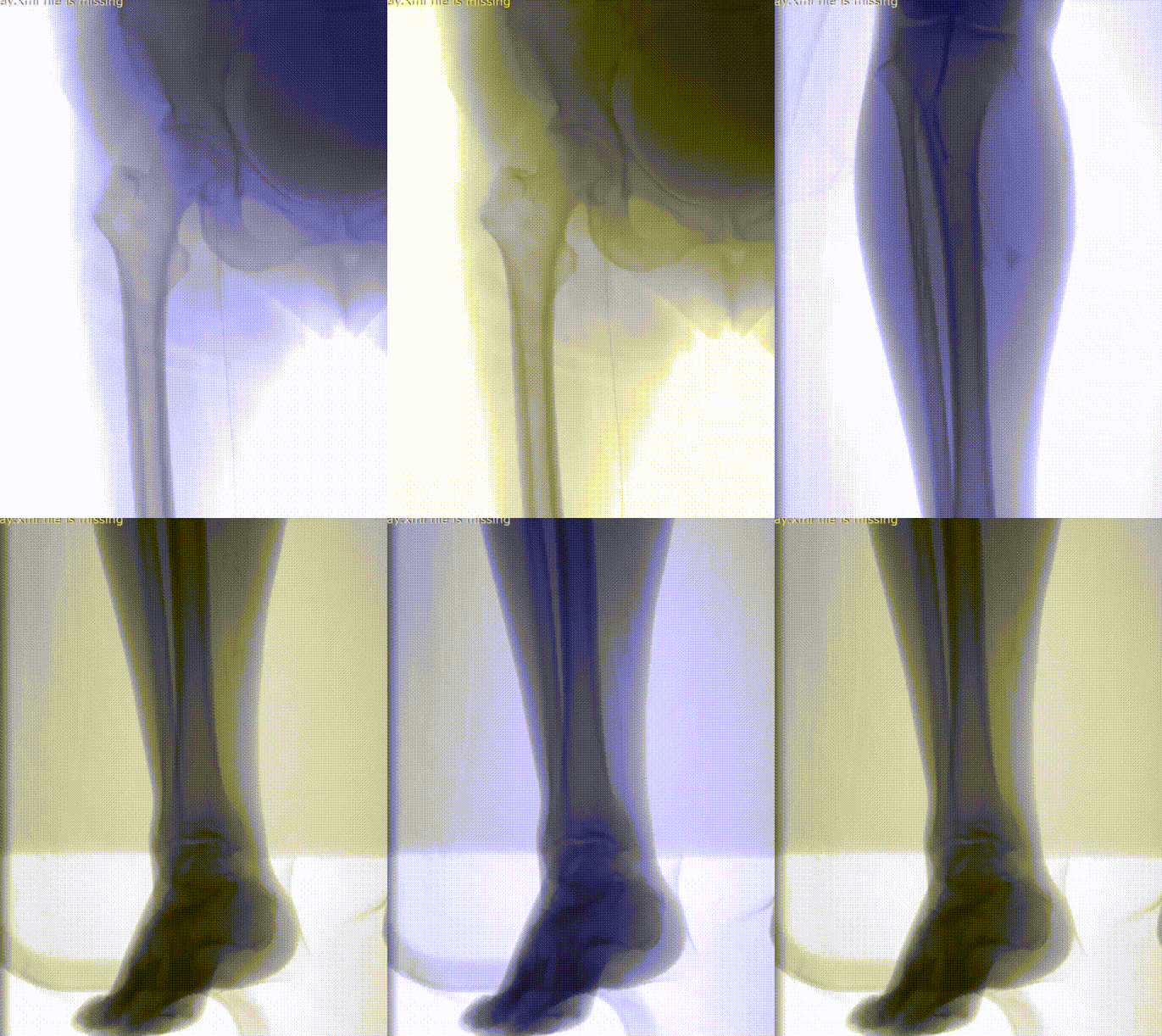
Operator Evaluation
The management of calcified lesions has always been a clinical challenge, and traditional treatment methods cannot adequately address calcified lesions.
Shockwave technology is simple to operate, highly effective, and safe to use. No dislodged particles were found in this case of the protection umbrella, making it a powerful tool for addressing calcified lesions.
For diabetic patients, the vascular conditions are relatively poor and the probability of long-term re-occlusion is higher. The concept of "intervention without implantation" using shockwave balloons + drug-coated balloons can leave room for further treatment in the future.
Introduction of Experts
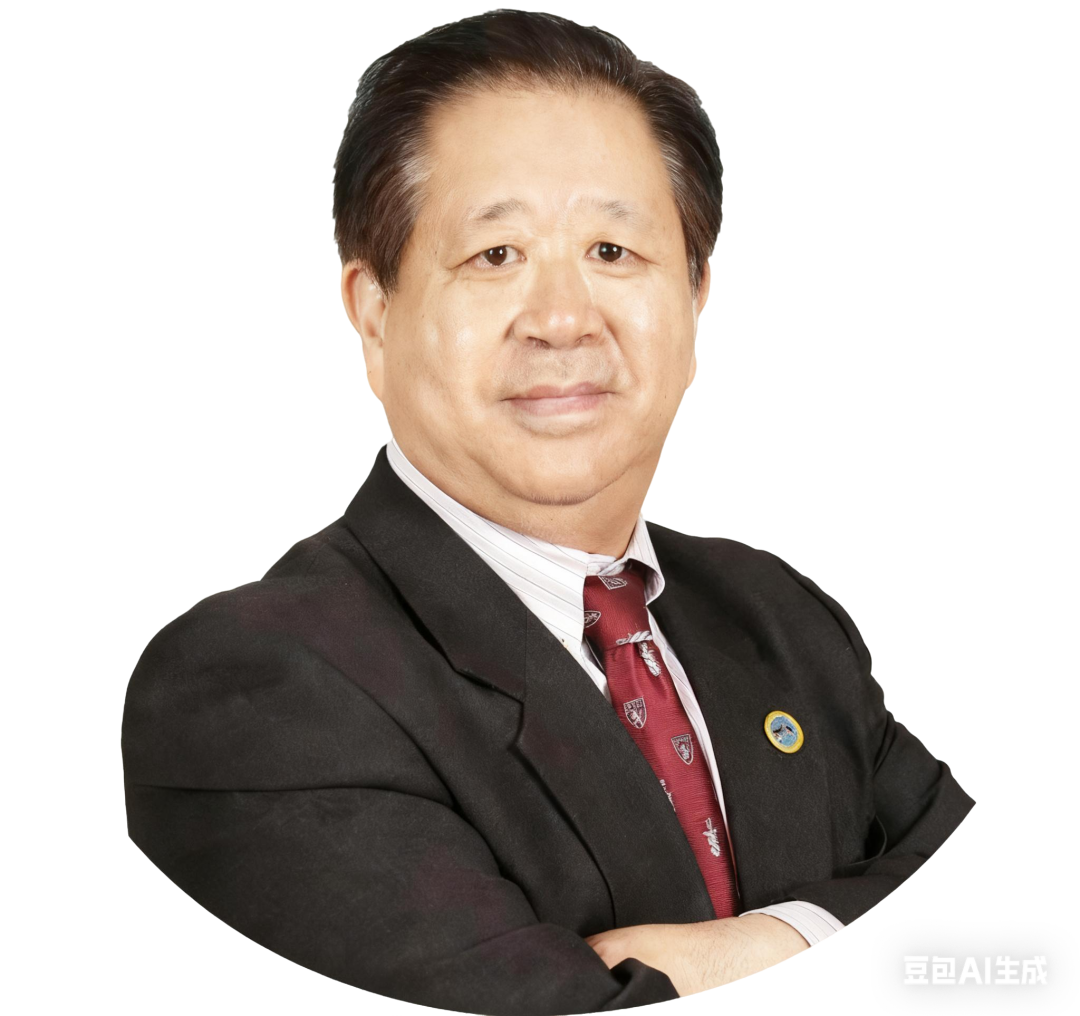
Professor Chen Zhong
Chief Physician, Second-Level Professor, Doctoral Supervisor, Director of the Vascular Surgery Center at Beijing Anzhen Hospital, recipient of the special allowance from the State Council.
Currently serves as the Standing Director of the Chinese Medical Doctor Association and President of the Vascular Surgery Physicians Branch, Vice President of the China-Japan Medical Science and Technology Exchange Association and President of the Vascular Surgery Branch, Head of the Vascular Surgery Group of the Surgery Branch of the Chinese Medical Association, Founding Chairman of the Vascular Surgery Branch of the Cross-Straits Medical and Health Exchange Association, etc.; serves as the Deputy Editor-in-Chief of the "Chinese Journal of Vascular Surgery," Associate Editor of the "China Journal of Vascular Surgery," Editorial Board Member of the "Chinese Journal of Surgery," "Chinese Journal of General Surgery," "Chinese Journal of Practical Surgery," and International Editorial Board Member of the "Annual of Vascular Surgery." Has been engaged in the vascular surgery profession for 40 years and is a renowned authoritative expert currently active in the field of vascular surgery with significant academic influence.
As the leader or key member, participated in multiple research projects including the National "863" Project, National Natural Science Foundation, Beijing Natural Science Foundation, and Beijing Municipal Science and Technology Commission’s R&D projects. As the first author or corresponding author, published over 240 professional academic papers in top-tier national journals, 33 SCI articles, and received five provincial and municipal scientific research achievement awards. Also served as the chief editor or translator for several books.
Repeatedly awarded the "Outstanding Contribution Award for Stroke Screening and Prevention" issued by the National Health Commission, "2016 Outstanding Expert in Stroke Prevention and Treatment Project of the National Health and Family Planning Commission," received the honorary titles of "Sincere Doctor," "National Renowned Doctor — Excellence in Achievement Award," and "People's Good Doctor" in 2018, awarded the "Golden Scalpel Award" as part of the Honored Doctors in 2020, received the "Elite Model Award" from the National Health Commission’s Stroke Prevention and Treatment Project in 2021, and honored with the title of "Outstanding Communist Party Member" by the Beijing Municipal Health Commission.
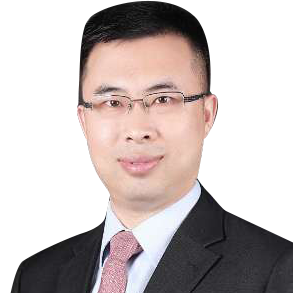
Professor Yang Yaoguo
Deputy Director of the Department of Vascular Surgery, Beijing Anzhen Hospital, Capital Medical University; Chief Physician; Professor; Doctoral and Postdoctoral Supervisor; Member of the Communist Party of China; Member of the Second Surgical Branch Committee.
Deputy Director and Secretary of the Youth Committee of the Vascular Surgery Physicians Branch of the Chinese Medical Doctor Association; Deputy Director and Secretary of the Youth Committee of the Vascular Surgery Branch of the Beijing Medical Association; Member of the Aortic Group of the Vascular Surgery Branch of the Beijing Medical Association; Deputy Director of the Youth Committee of the Vascular Surgery Branch of the Beijing Medical Doctor Association; Chairman of the Vascular Surgery Branch of the Middle-aged and Elderly Disease Management Committee of the China Anti-Aging Promotion Association; Member and Secretary of the Vascular Surgery Committee of the Disease Diagnosis Group of the National Health Commission; Standing Committee Member of the Vascular Surgery Branch of the China International Exchange Promotion Association for Medical and Healthcare; Deputy Director of the Youth Committee of the Chinese Division of the International Vascular Alliance; Judge of the National Natural Science Foundation; Editorial Board Member of the Chinese Journal of Vascular Surgery; Editorial Board Member of the Chinese Journal of Vascular Surgery (Electronic Edition); Editorial Board Member of the Chinese Journal of General Surgery; Reviewer for Annals of Vascular Surgery;
Awarded as an Outstanding Physician by the Beijing Medical Association in 2011; received the Young Scholar Award from the Chinese Surgical Society in 2013; won the Excellence Award at the Young Forum of the Peking University Vascular Forum in 2014; recognized as an Outstanding Teacher by Beijing Anzhen Hospital, Capital Medical University in 2014; awarded the Third Prize of Beijing Medical Science and Technology Award in 2015; named an Outstanding Physician by the Beijing Medical Association in 2016; honored with the Excellent Paper Award (Medical Category) during China Surgery Week in 2019; received the Rising Star Award among National Renowned Physicians in 2019; recognized as an Outstanding Mentor by the Sixth Clinical Medical College of Capital Medical University in 2022; awarded as an Outstanding Employee by Beijing Anzhen Hospital, Capital Medical University in 2023; has led four projects funded by the National Natural Science Foundation of China, obtained eight national patents, and published over 30 papers in domestic core journals and international SCI journals.
Grand Pharmaceutical
The field of precision interventional diagnosis and treatment for cardiovascular and cerebrovascular diseases is one of the core strategic areas of Grand Pharmaceutical Group Limited. Upholding the concept of "precision treatment," the company has made comprehensive arrangements in multiple directions, including pathway management, structural heart disease and heart failure, and neurointervention, building a high-end medical device product cluster. Currently, this sector has arranged more than 30 products. The company is committed to developing this sector into a leading "precision interventional diagnosis and treatment platform for cardiovascular and cerebrovascular diseases" in China and even globally.
Trulive
Jiangsu Trulive Medtech Co., Ltd. focuses on the field of cardiovascular diseases, which have extremely high mortality and disability rates and where the domestic market remains a blank slate. Its business comprehensively covers multiple interventional treatment areas such as heart valves, peripherals, and coronary arteries. It is a platform enterprise that takes the lead in providing a one-stop innovative solution for blood flow management on a global scale. Relying on its strong research and development capabilities and an experienced, complete operational team, Trulive Medtech has developed high-quality, proprietary medical devices and comprehensive solutions with independent intellectual property rights, filling the gap in China's high-end cardiovascular interventional medical device market. This provides Chinese doctors and patients with more advanced and diverse treatment options. Meanwhile, while rooted in China, Trulive Medtech is expanding globally. With continuous technological innovation and development upgrades, the company is accelerating the expansion of its global commercial network, offering "Chinese solutions" and contributing "Chinese wisdom" to various niche markets in the cardiovascular intervention field that have long been monopolized by imported products.

Scan the QR code to follow us
Business Cooperation | 0513-68302888
Email Address | vicky.z@trulive.cn