Home Focus on Precision, Lead the Future with Intelligence — CoreMedic Deeply Engaged in CCI 2025 to Co-Create a New Blueprint for Precision Intervention

Focus on Precision, Lead the Future with Intelligence — CoreMedic Deeply Engaged in CCI 2025 to Co-Create a New Blueprint for Precision Intervention

Nov 26, 2025 20:30 CST Updated 20:30
Cardiolink Science

Vascular Interventional Medical Device Developer

CC

  CCI 2025


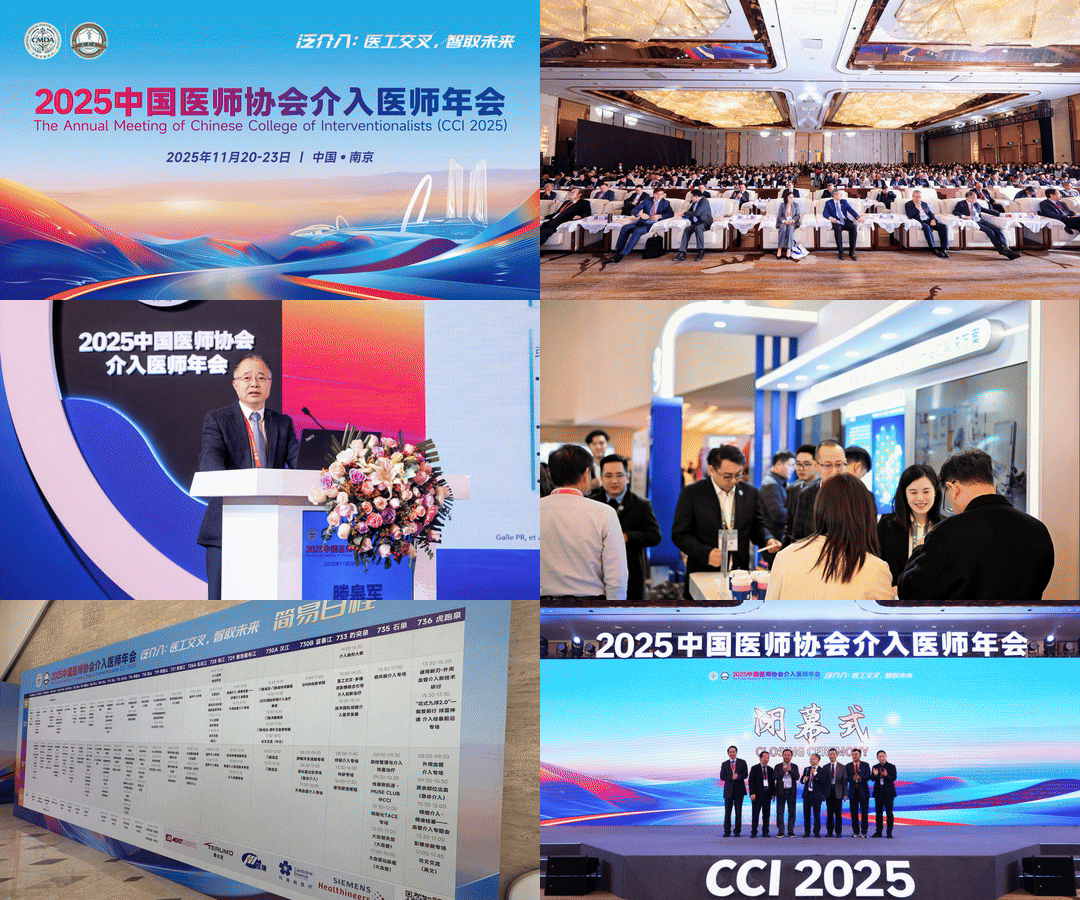
2025 Chinese College of Interventional Physicians Annual Conference (CCI 2025)"Grandly opened in Nanjing on November 21, 2025. The conference, themed 'Precision, Integration, Innovation,' comprehensively showcased new trends and a new future for interventional medicine stepping into the 'precision' era. The conference successfully completed all agendas and smoothly closed on November 23!"


Image


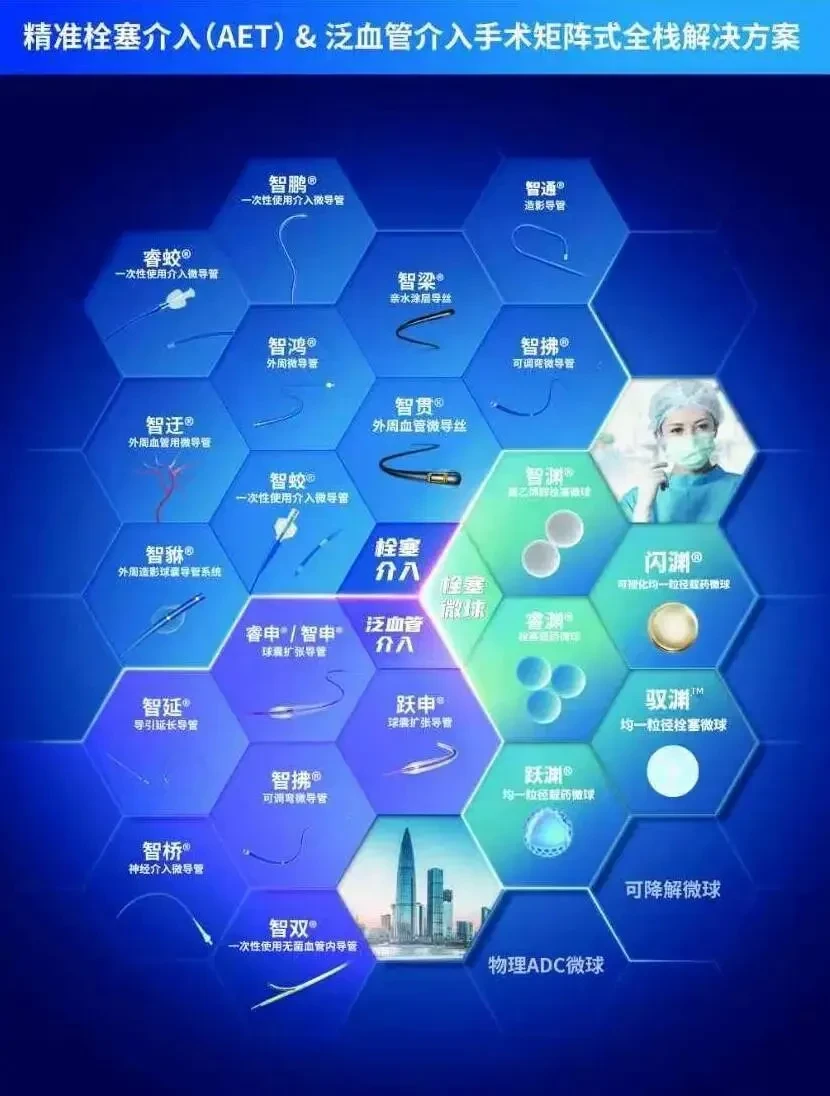
Cardiolink Science, as an innovative leader in China's tumor vascular intervention industry, bringsAccurate Embolization (AET) Matrix Full-process Surgical Instrument SolutionAndPrecision Pan-Vascular Intervention Comprehensive Product SolutionsDebut at this conference, widely inviting well-known experts in China to host the "Cardiolink Science - Advanced Technology Symposium on Precision Embolization," and set up a specially designed booth to deeply exchange with clinical experts on device application techniques and discuss the development trends of devices under the demand for precision embolization.


图片

图片

Chapter One: Cardiolink Science —— Advanced Technology Seminar on Precise Embolization


图片

Part.1Academician-led Navigation

Precision embolization receives high recognition, Cardiolink Science shoulders
National Innovation Mission


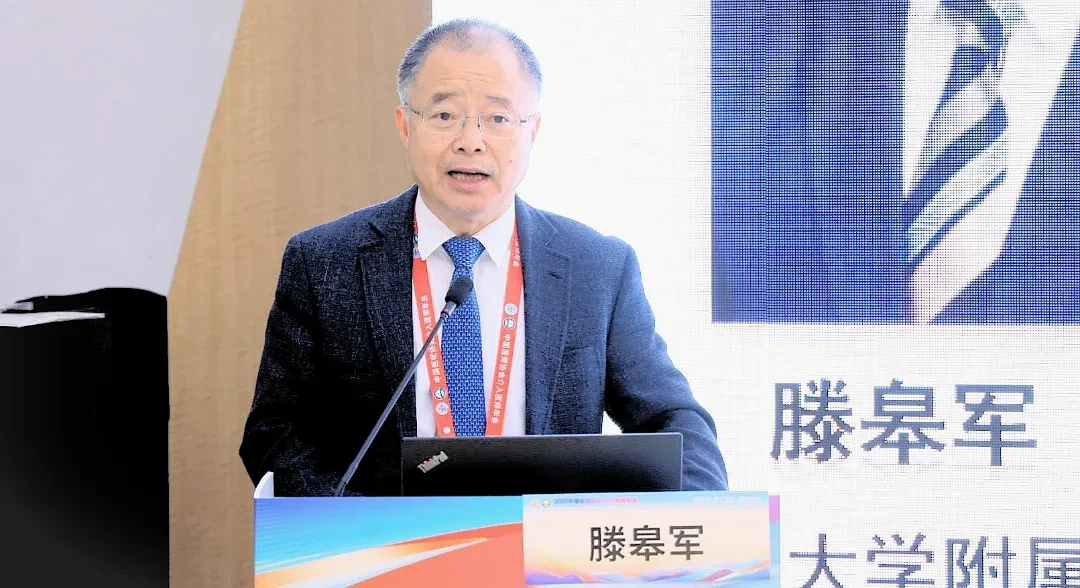
During the conference, the "Frontier Technology Seminar on Precision Embolization – Hosted by Cardiolink Science" became the focal point.Academician of the Chinese Academy of Sciences, President of the Interventional Physicians Branch of the Chinese Medical Doctor AssociationProfessor Gaojun TengAttended the venue in person and delivered a speech. Academician Teng highly affirmed the core position of precise embolization technology in interventional treatment and pointed out that promoting the precision, standardization, and individualization of embolization technology is the key to improving the efficacy for patients with mid-to-late stage tumors. He particularly praised the relentless pursuit and leading achievements of domestic enterprises in technological innovation, encouraging companies to continue their efforts in this field and contribute to enhancing China's international influence in interventional medicine.


1.滕院开场-1.jpeg


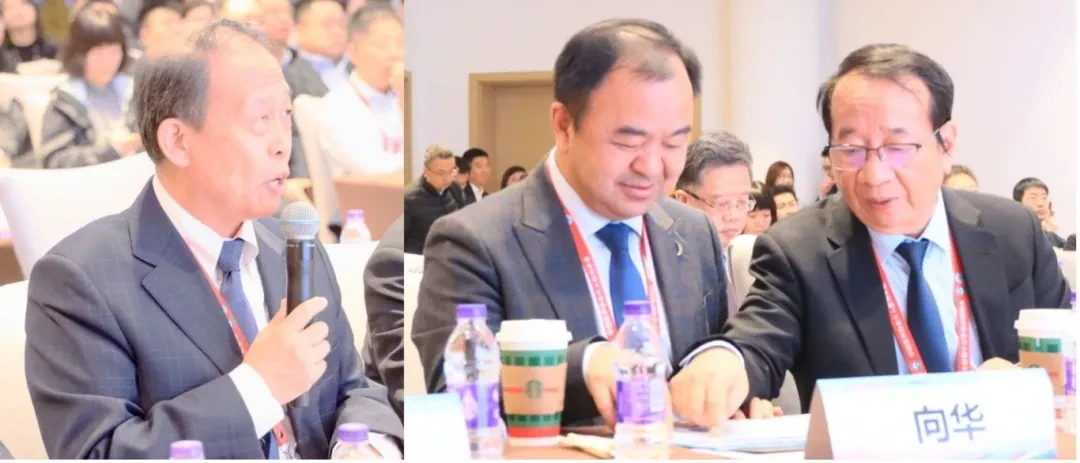
Professor Zou Yinghua from the First Hospital of Peking UniversityProfessor Gu Jianping from Nanjing First HospitalAndProfessor Hua Xiang from Hunan Cancer HospitalHosted the sharing and discussion of Session 1.

未命名的设计.jpg


图片

Part.2Precision in Treatment

Focus on Fine TACE and Combination Therapy: A Forward-Looking View from Cardiolink Science
Field of Vision Confirmed


图片

图片

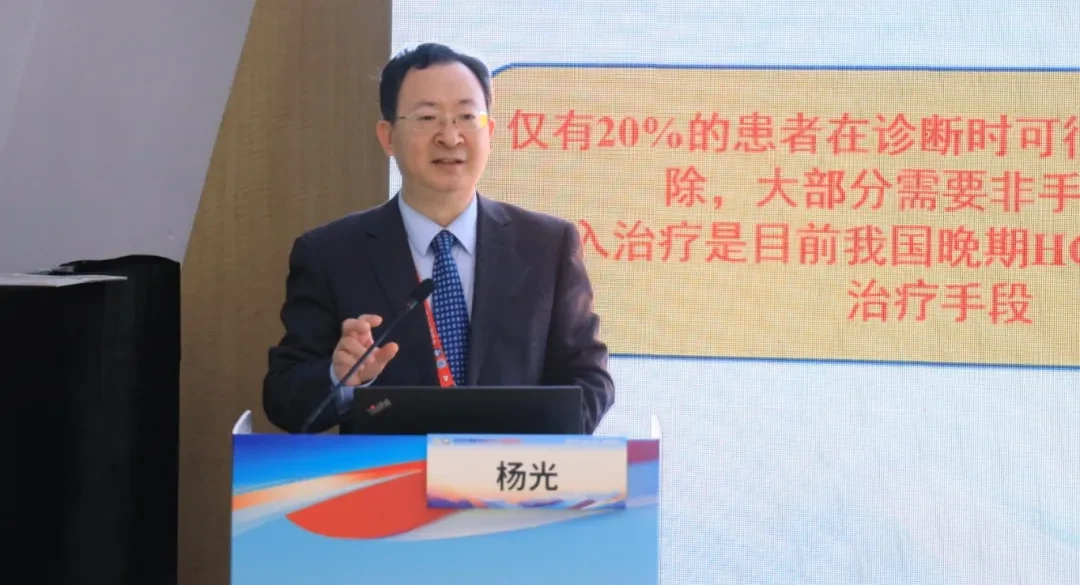
Professor Yang Guang from the Fourth Hospital of Hebei Medical UniversityMadeAdvancedOptimization Strategies for Local Treatment of Liver Cancer: Precision Intervention and Multimodal FusionTheKeynote Speech:


China is a major country for liver cancer, with new incidence and mortality rates approaching half of the global total. Interventional treatment is currently an important therapeutic approach for advanced HCC patients in China. TACE treatment has brought significant survival benefits to liver cancer patients, but at the same time, various factors contribute to considerable heterogeneity in TACE treatment.Practice Guidelines, Implement Quality Control, and Carry Out PrecisionTACE is an important optimization strategy for local treatment of advanced liver cancer.WillThe integration of TACE with various methods to carry out TACE-based comprehensive treatment is another optimized strategy for the local treatment of advanced liver cancer.In recent years, new clinical evidence has emerged regarding the use of portal vein stent placement combined with iodine-125 seed strands, TACE combined with ablation therapy, TACE combined with external radiation therapy, TACE combined with internal radiotherapy, TACE combined with HAIC treatment, and TACE combined with targeted immunotherapy on the basis of TACE. This evidence shows that combination treatment strategies can bring significant benefits to suitable patients. Among these, the exploration of TACE combined with targeted immunotherapy has made remarkable progress. Large multi-center clinical studies such as CHANCE001, CHANCE2211, and EMERALD-1 have all shown that: TACE + immunosuppressant + targeted drug, compared with single TACE treatment, can significantly improve indicators such as PFS, OS, and ORR. The immune-enhancing effect of TACE has been supported by evidence-based medicine, and TACE combined with systemic treatment is increasingly moving towards clinical practice.

杨光讲课.JPG


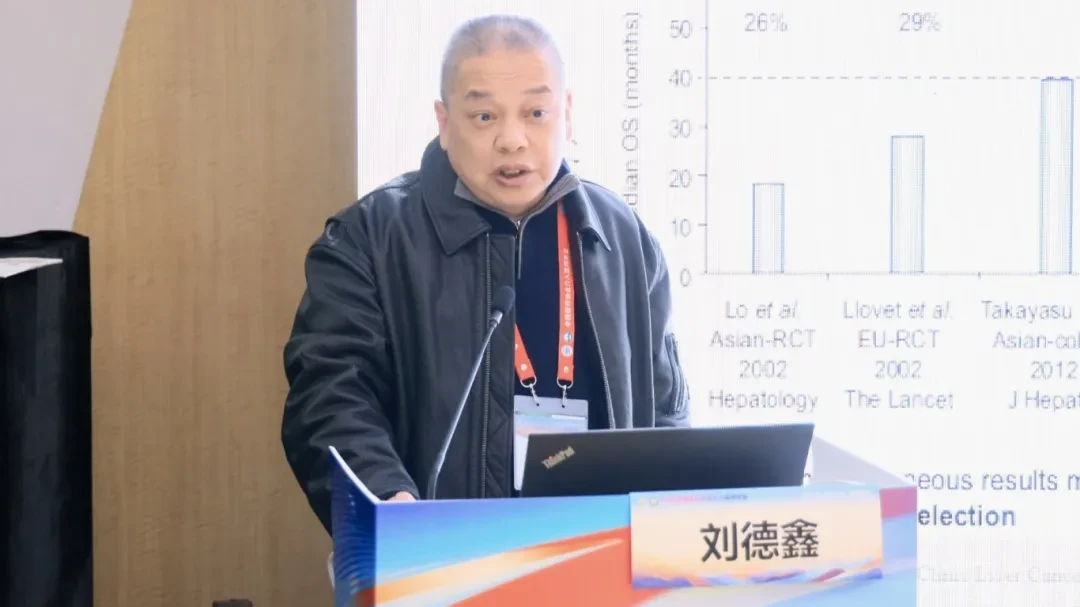
Professor De-Xin Liu from the Second Affiliated Hospital of Fujian Medical UniversityWorkCompletedComprehensive Management and Clinical Practice of Fine EmbolizationKeynote Speech:


TACE is the most widely used treatment method for liver cancer patients in China, but it also faces many challenges.Practice guidelines, implement quality control, and carry out fine-tuningTACE, is one of the important development directions of TACE.Precision embolization covers the entire diagnosis and treatment process, including patient selection,Establishment of TACE Objectives and Type Pre-selection, Precise Intraoperative Implementation, Control of Embolization Endpoint, Enhancement of TACE Comfort, Perioperative Management, and Postoperative Follow-up. Precise intraoperative implementation requires accurate identification of the blood-supplying artery and precise super-selective catheterization. Guidelines/expert consensus both domestically and internationally recommend the use of 1.5F~2.0F microcatheters.Precise intraoperative implementation requires the optimal selection of embolic materials and their reasonable application. The respective advantages of different types of embolic materials should be fully utilized, combined for complementary benefits. Meanwhile, consideration should be given to adopting "Ultra-distal Arterial Lipiodol+Peripheral Artery Small Diameter Microsphere Embolization + Branch Artery Large Diameter Microsphere/ParticleTheThree-Stage Embolizationin order to achieve better results. Evidence-based studies show that small particle size microspheres can perform more distal embolization, leading to permanent tumor necrosis while avoiding the occurrence of complications.

刘德鑫讲课.jpg
图片

Part.3"Ball" Art Innovation

Precision Core-Shell Structured Microspheres Break Through Performance Boundaries,
Leading the Technological Iteration of Embolic Materials


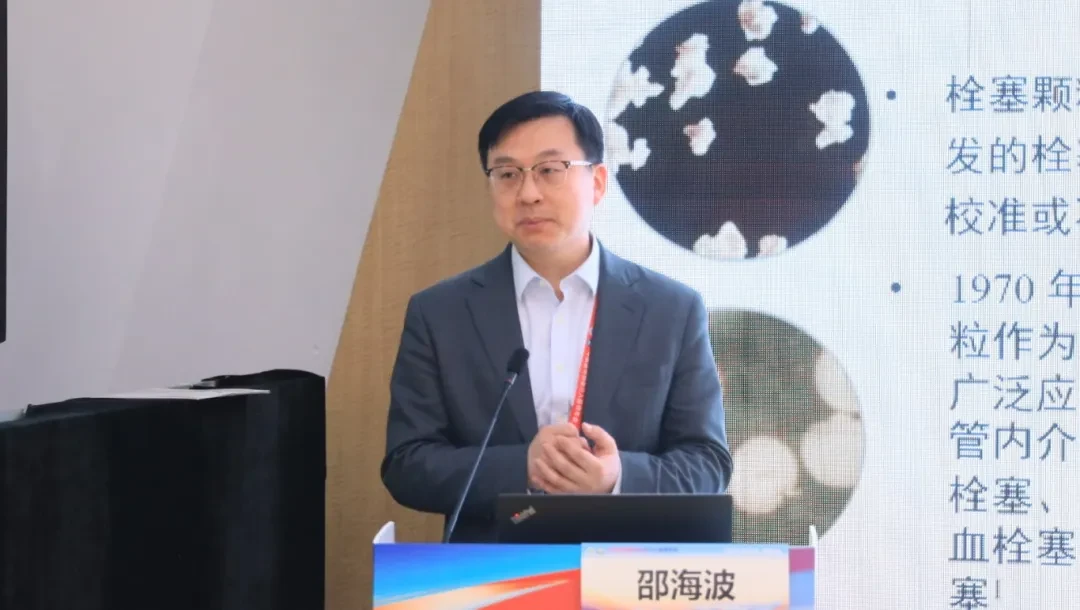
Professor Haibo Shao from the First Hospital Affiliated to China Medical UniversityMadeEmbolization Intervention Core—The Advancement of Embolic MicrospheresKeynote Speech:

Commonly used embolic particles and microspheres in TACE procedures are primarily designed to embolize tissues at the small artery and capillary level, achieving distal embolization. First-generation embolic materials have limitations such as predominantly distributing in proximal vessels, a high likelihood of recanalization, and significant inflammatory responses. PVA microspheres can significantly reduce inflammatory reactions, but many PVA microspheres present issues like large dimensional deformation, long drug-loading times, fragmentation after drug loading, and burst release, making it difficult to achieve long-term efficacy.China-produced Novel Bionic "Core-Shell" Embolic Microspheres, Utilizing Multiple Core Patent Technologies, Innovate Microsphere Structure, Bringing Significant Advancements in Microsphere Performance.

邵海波讲课.JPG


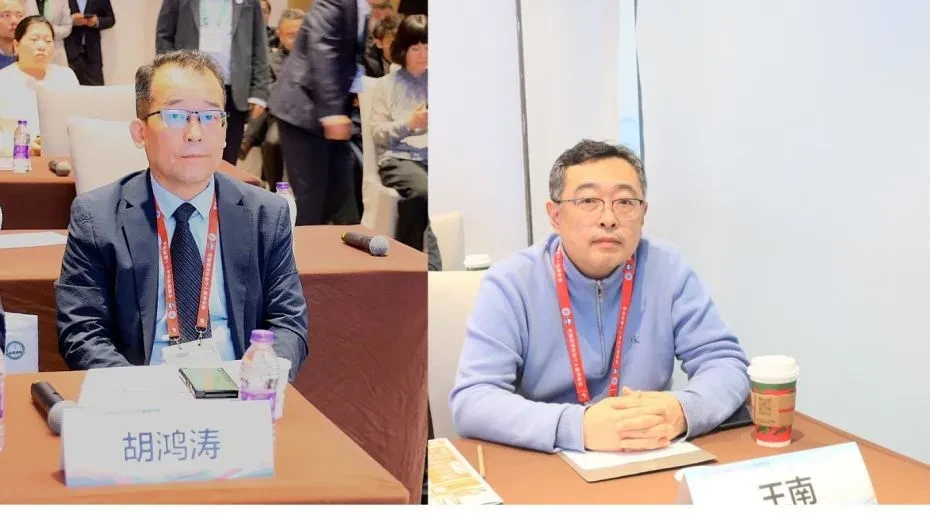
Professor Hongtao Hu from Henan Cancer HospitalFudan University Shanghai Cancer CenterProfessor Li WentaoPeking University First Hospital, Professor Wang Jian, Tongji Hospital Affiliated to Tongji Medical College of Huazhong University of Science and Technology, Professor Wang NanHosted the sharing and discussion of Session 2.
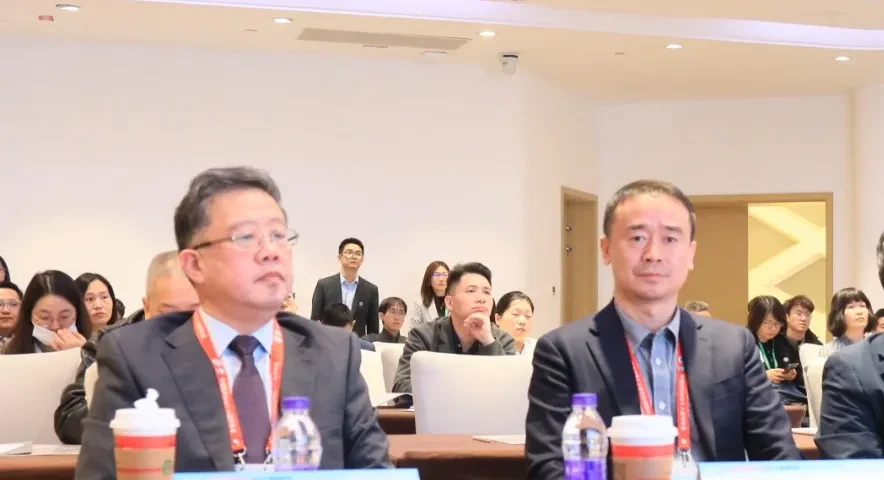
SESSION2主持.JPG
王南&胡鸿涛.jpg


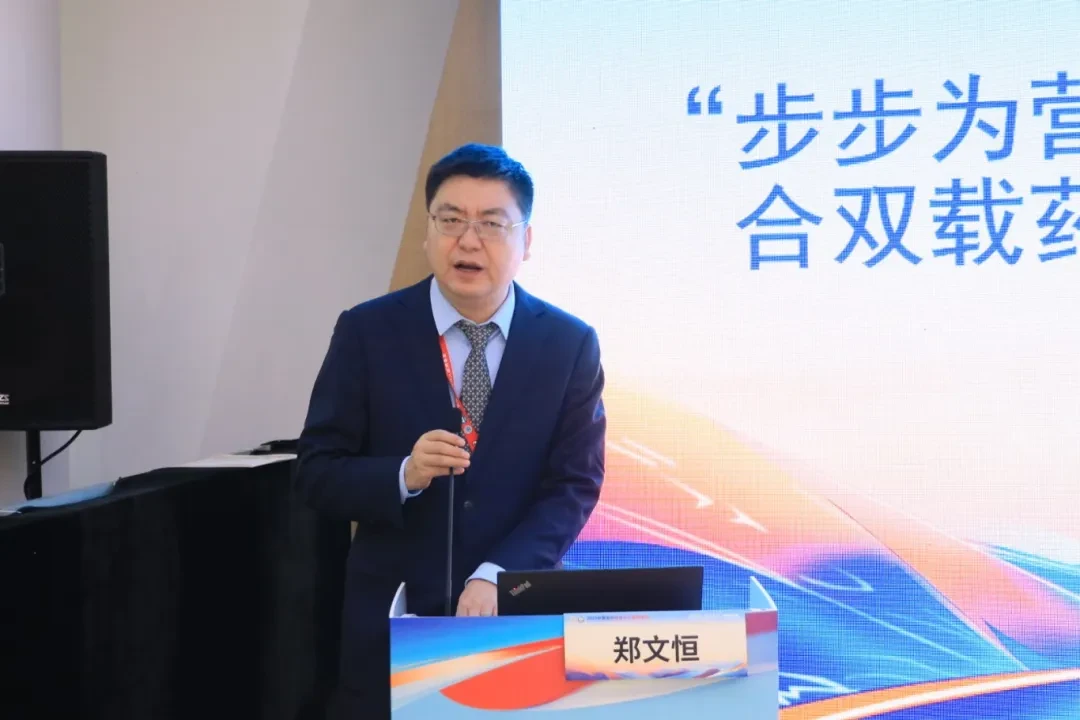
Professor Zheng Wenheng from Liaoning Cancer HospitalMade "Step by Step, Precise Strike: The Precision Application of Segmental Embolization Combined with Dual-Drug Loaded Microspheres in Liver CancerKeynote Speech:

Hepatocellular carcinoma treatment faces multiple challenges, with DEB-TACE embolization enhancing therapeutic efficacy and reducing side effects. Comprehensive embolization of tumor-feeding arteries, arterial collaterals, and tumor stroma is achieved through meticulous stratified embolization (M-TACE). Numerous studies have confirmed the clinical value of stratified fine embolization: small-sized microspheres enable denser peripheral embolization and greater embolization density; different drug release rates can be utilized based on varying particle sizes. Doxorubicin (Adriamycin) inhibits topoisomerase II, triggering classic intrinsic pathway apoptosis. However, repeated embolizations may increase tumor resistance to doxorubicin. Research has found that doxorubicin and camptothecin derivatives exhibit synergistic effects and have demonstrated favorable efficacy in solid tumors. In a female patient with malignant liver tumor (CNLC Stage IIIa),Two Different Particle SizesMicrospheres were loaded with oxaliplatin (70μm) and epirubicin (250μm), respectively, and fine stratified embolization was performed using microspheres of 300-500μm. Postoperative review showed good tumor control effects.

郑文恒讲课.JPG


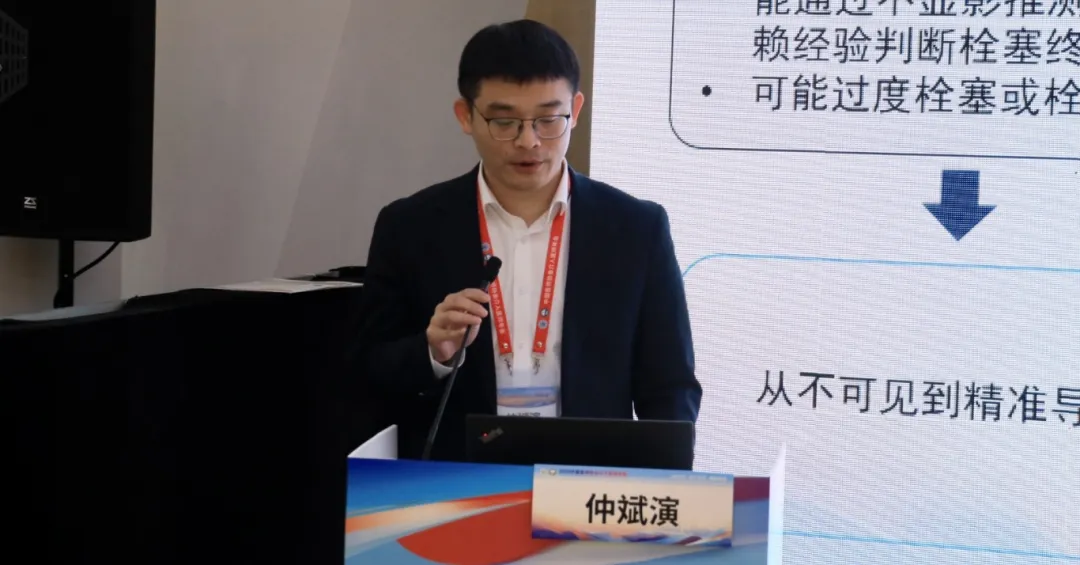
Professor Zhong Binyan from Zhejiang Cancer HospitalMadePrecision Embolization and Imaging Synergy: Exploration of Uniform-Sized Visualizable Embolic MicrospheresKeynote Speech:

Conventional microspheres used in DEB-TACE treatments present challenges such as difficulty in determining the endpoint of embolization, assessing the distribution of embolic materials during the procedure, and unclear targets for subsequent sequential treatments (MDT). Visualizable microspheres can provide real-time feedback during the treatment process, enabling physicians to quickly evaluate the effectiveness of large tumor treatments, anticipate risks like cholecystitis in advance, and mark target points for ablation therapy.In a patient with malignant liver tumor, embolization treatment was performed using uniformly sized, visualized drug-loaded embolic microspheres produced in China. The microspheres showed clear visibility under DSA and CBCT, allowing for intraoperative assessment of whether ectopic embolization occurred and timely adjustments. This is of great significance for avoiding excessive embolization, pseudo-embolization, and achieving precise embolic margins.

仲斌演讲课.jpg


图片

Part.4/ "Tube" Precision

Fine microcatheters achieve complex vascular superselection, empowering
Precision Operation


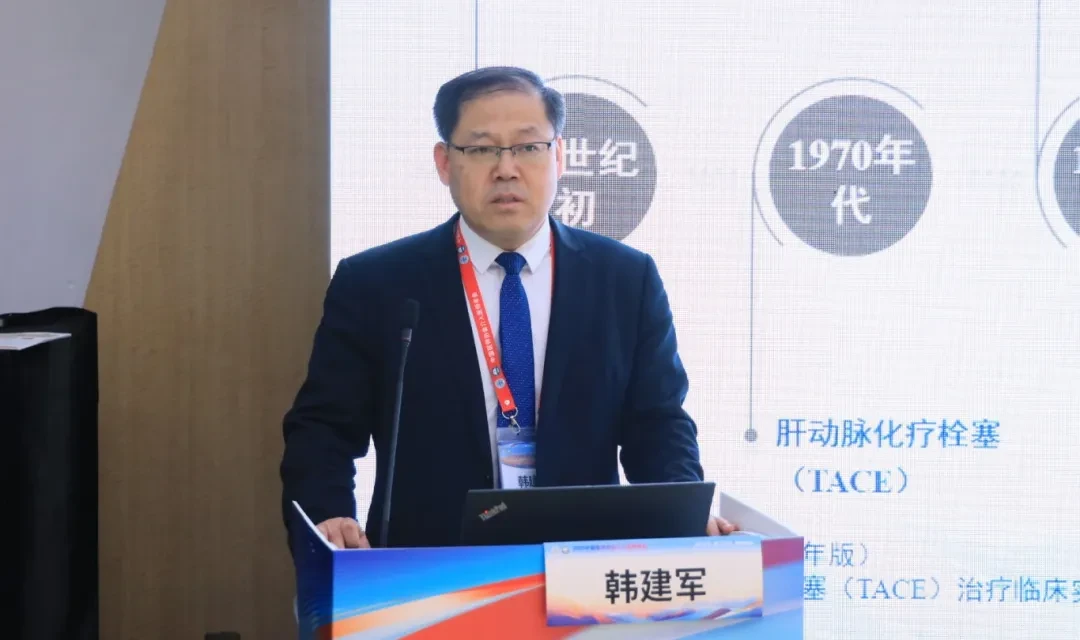
Professor Han Jianjun from Shandong Cancer HospitalMade"Development of Special Microcatheter Technology and Sharing of Clinical Application Experience"
Keynote Speech:

TACE is one of the most widely recognized and commonly used local treatment methods for liver cancer, covering the treatment of TACE liver cancer patients from stage Ib to the end of stage III. Precision TACE is one of the important development directions of TACE. The development direction of precision super-selective catheter tools in precision TACE includes: ultra-fine microcatheters—application of 2.0F and below microcatheters can achieve super-selective catheterization to sub-subsegmental vessels; steerable microcatheters—designed for complex structural vessels that are difficult for ordinary microcatheters to access, enabling real-time intraoperative control of the tip for faster super-selective positioning; balloon microcatheters: balloon occlusion embolization (B-TACE)—altering local hemodynamics to generate pressure gradient-driven embolization (Pressure Gradient-Driven Embolization), preventing reflux, and increasing the deposition of embolic agents in the lesion area. Balloon occlusion hepatic arterial infusion chemotherapy (B-HAIC)—significantly reducing intrahepatic blood perfusion, further increasing the local drug concentration within the liver, prolonging the time chemotherapy drugs pass through the liver, enhancing the liver’s uptake of the drugs, and strengthening anti-tumor effects. Case 1 demonstrates,Using a steerable microcatheter,Achieve real-time precise control of the proximal to the distal end during the operation,Can effectively meet the super-selective needs of complex vascular structuresIn the second case, the patient with liver tumor had blood supply from the subphrenic artery, which has pericardial branches. There was a significant shunt of drugs or embolic agents to the pericardium. The use of a balloon microcatheter for occlusion and embolization effectively prevented the reflux of embolic materials into the pericardium.Blood Supply Branch. Balloon Occlusion Embolization with Balloon Microcatheter, Injury.

韩建军讲课.jpg
图片

Part.5/ Frontier of Wisdom

Multi-Party Consensus on Precise Interventions for the Future, Leading the Industry Development Direction with Intelligence


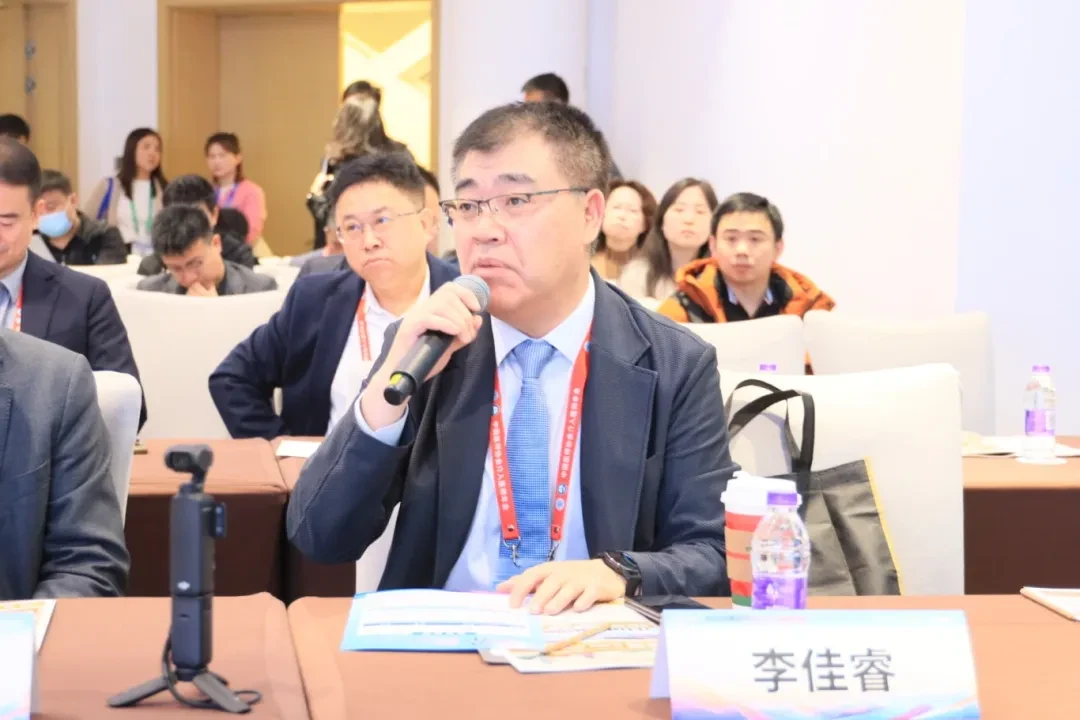
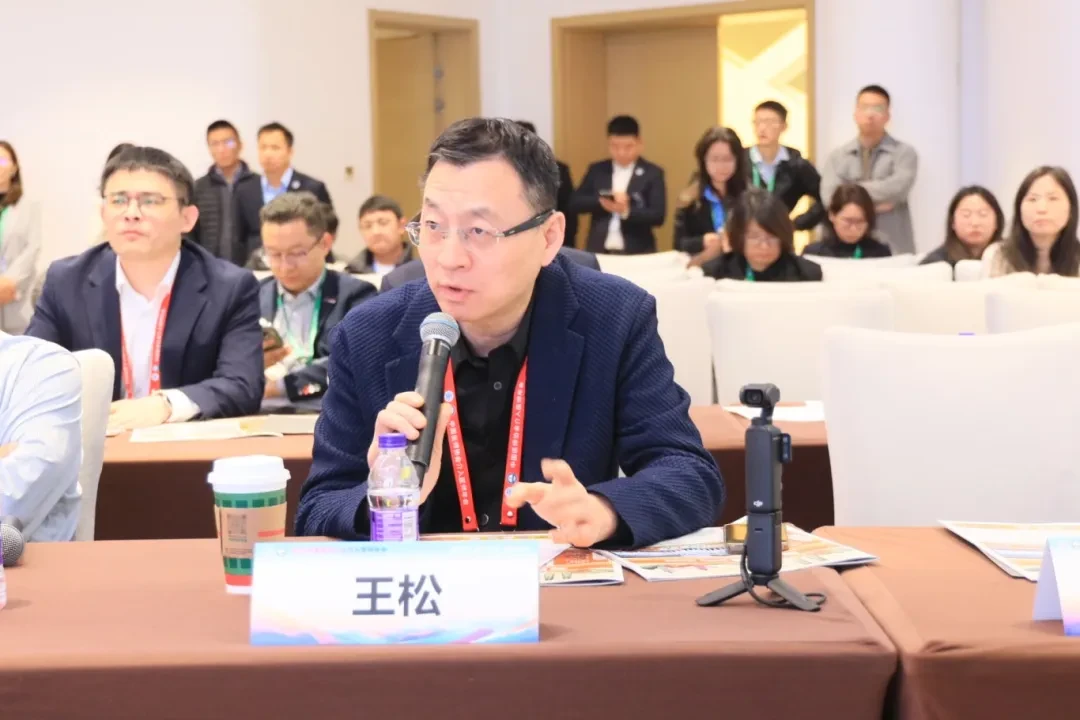
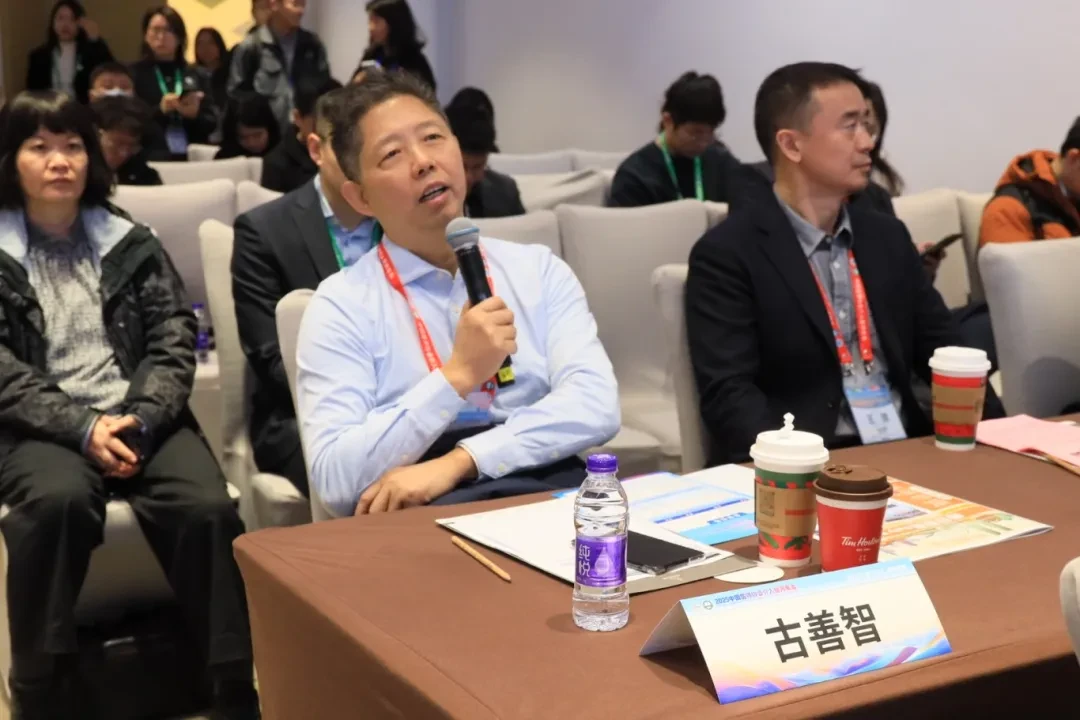
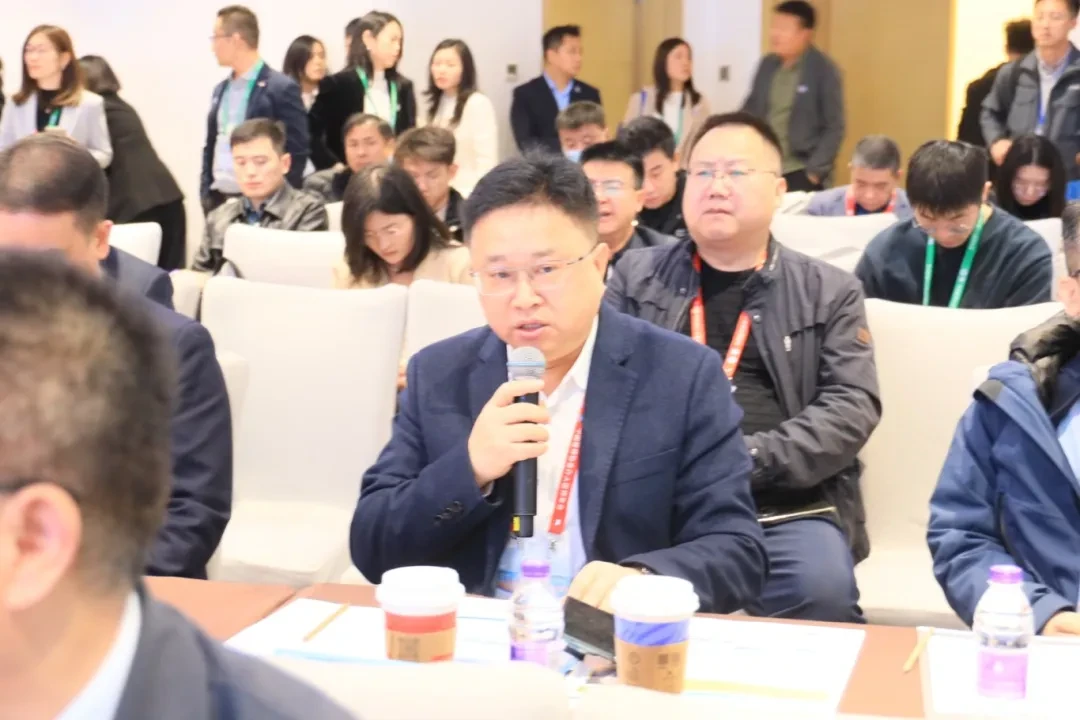
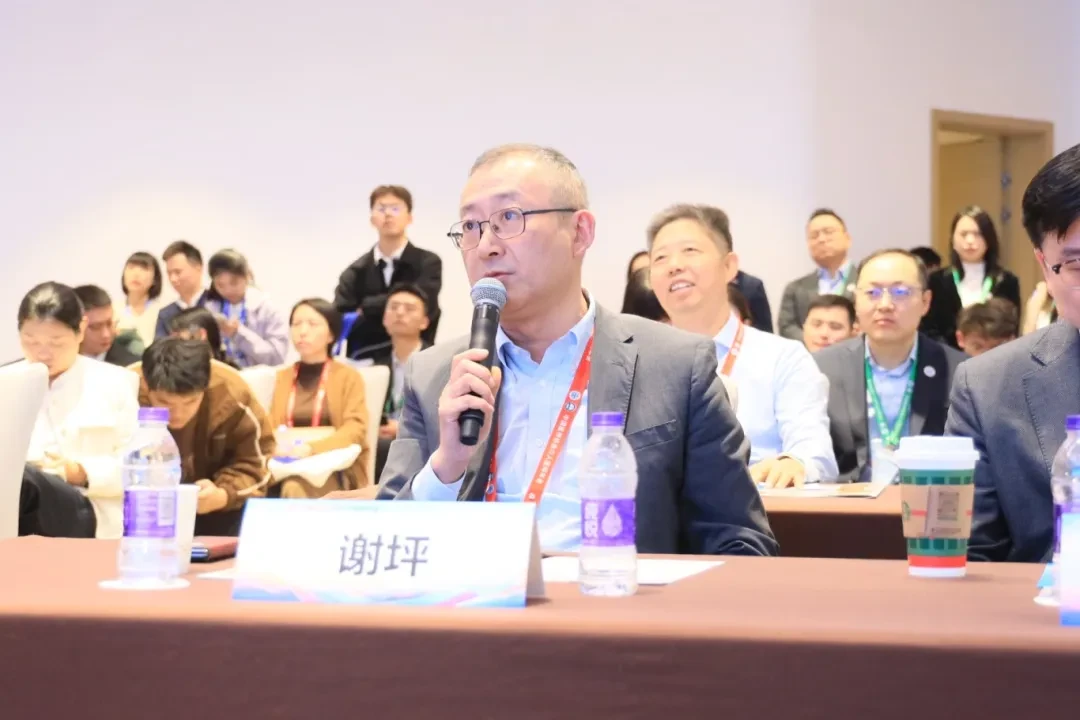
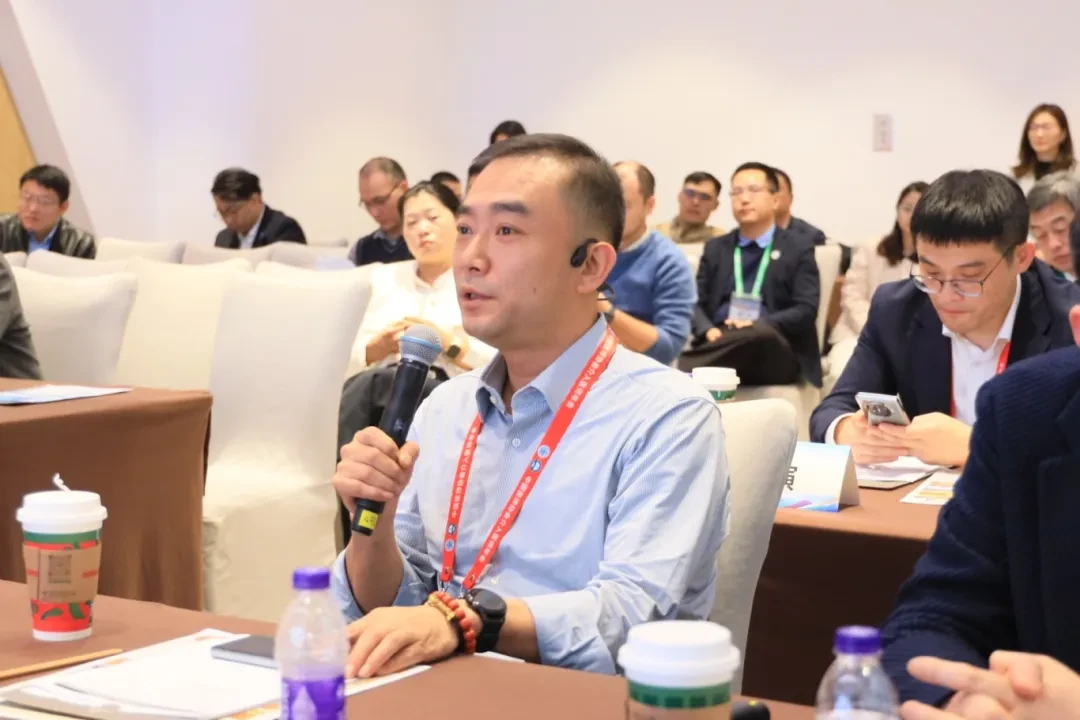
Discussion Session,Professor Gu Shan Zhi, Professor Hou Chang Long, Professor Xie Ping, Professor Li Jia Rui, Professor Wang Song, Professor Xu JianEngaged in in-depth discussions with other guests on the content shared by the professors and held intense debates on related issues.
1.JPG
2.jpg
3.jpg


Swipe left and right to view more


4.JPG
5.jpg
6.JPG


Swipe left or right to view more


At the end of the conference,Peking University First Hospital Wang JianProfessorThe meeting was summarized:"Precision embolization is an important development direction in the field of interventional medicine. This exchange has injected new vitality and momentum into the advancement of precision embolization technology. We look forward to seeing more scientific research achievements and clinical practices in the future, bringing safer and more effective treatment options to patients."
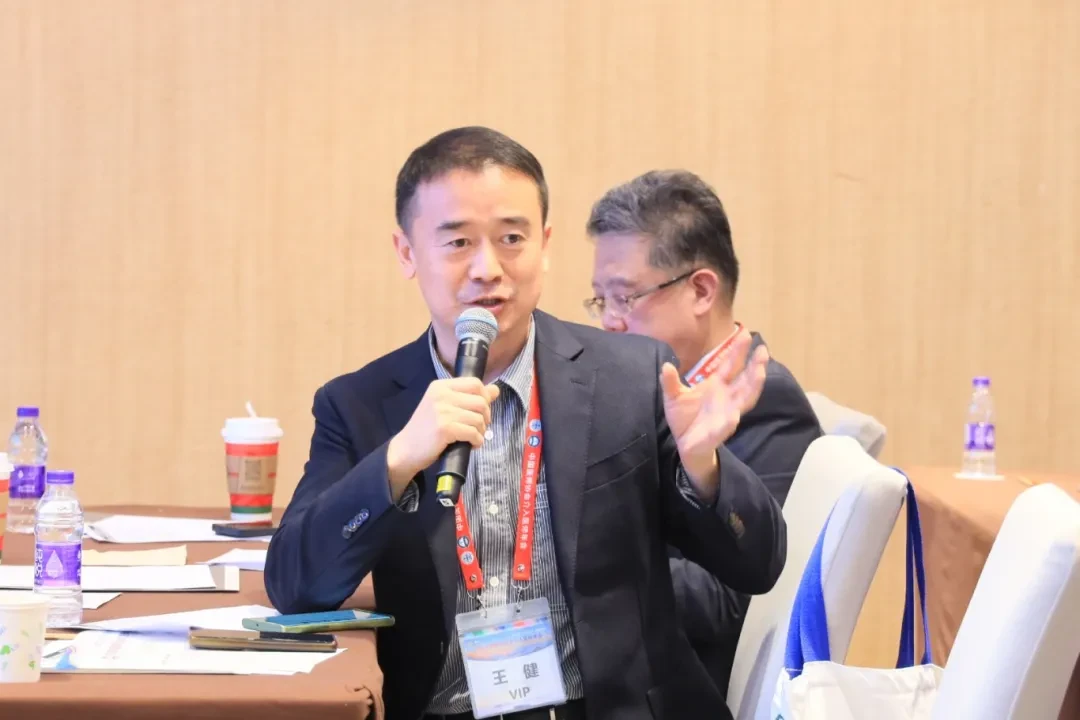

王健总结.jpg
图片

图片

Chapter Two Booth Exchange


During this conference, Cardiolink Science showcased its full range of products with a specially designed booth.Zhi Guan®Peripheral Vascular Micro GuidewireZhi Yu®Peripheral MicrocatheterZhi Xiu®Peripheral Angioplasty Balloon Catheter SystemWisdom Breeze®Adjustable Bend Microcatheter, Zhiyuan®WizSphere®Polyvinyl Alcohol Embolic Microspheres, Ruiyuan®DiaSphere®Drug-loaded embolic microspheres, Yueyuan®MonoSphere®Uniform Particle Size Drug-Loaded Embolic Microspheres, Yu YuanTMVariSphere®Uniform Particle Size Embolic Microspheres, Flash渊®TraSphere®Uniform particle size visualized drug-loaded embolic microspheres and other innovative products.Numerous experts visited the Cardiolink Science booth, where they demonstrated operations on-site, combined clinical practice to experience product performance, exchanged innovative ideas about medical devices, and promoted the deep integration of medicine and engineering technology.


Image


Image

Image
Image