Adona Medical's Adjustable Interatrial Shunt Shows Promising Results in First-in-Human Trial for Heart Failure Treatment
Adona Medical
Developer of Interventional Devices for Heart Failure

New Breakthrough in Heart Failure Treatment
"Heart failure, a disease known as the 'final battlefield of heart disease,' is mercilessly threatening the lives and health of countless people worldwide. The prevalence of heart failure among adults in China is 0.9%, with an estimated patient population exceeding ten million. Approximately 50% of heart failure patients die within five years of diagnosis, with a mortality rate 2 to 3 times higher than that of breast cancer, colorectal cancer, and other cancers. It is not only a 'countdown timer' for patients' lives but also a heavy burden on family finances. On average, patients are hospitalized 2.4 times per year, with an average annual hospital stay of 22 days and an average annual hospitalization cost of nearly 40,000 yuan, far exceeding the financial capacity of ordinary families." However, in this seemingly hopeless predicament, a ray of hope has quietly emerged. An adjustable atrial septal shunt procedure demonstrated remarkable prospects in its first human trial, offering new hope for extending the lives of heart failure patients.
Unveiling Adjustable Atrial Septal Shunt Surgery
(1) Unveiling the Working Principle
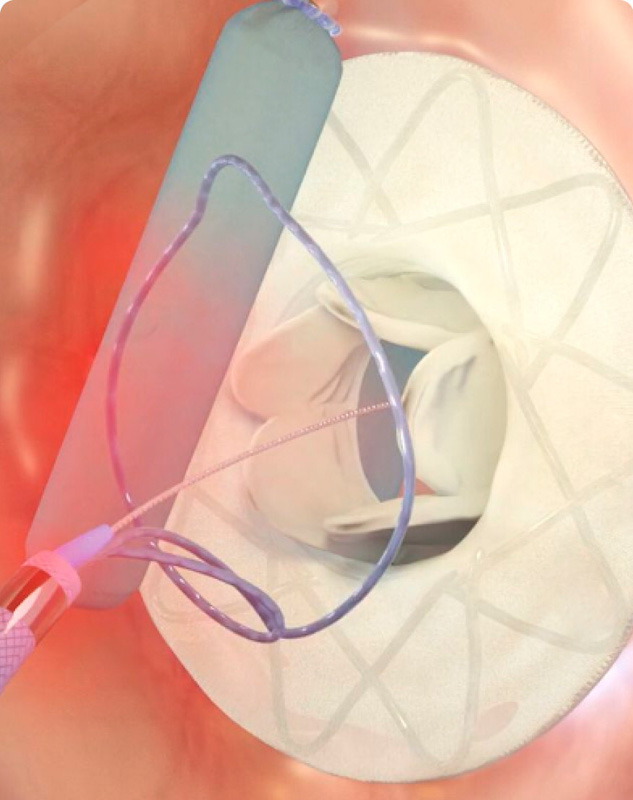
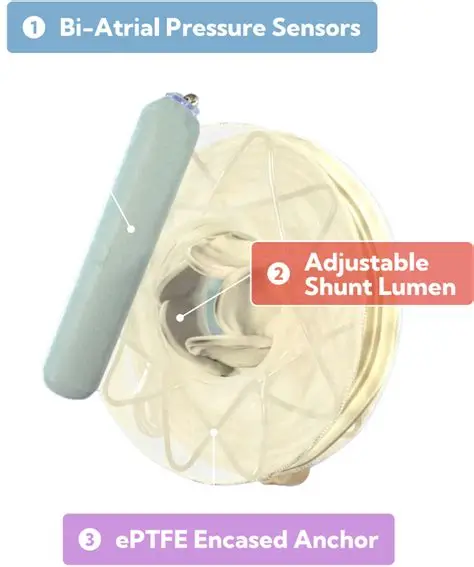
This adjustable atrial septal shunt from Adona Medical is like a "smart traffic hub" within the heart, ingeniously regulating the pressure in the left atrium. Its main body is made of shape-memory nitinol material, which, as if possessing "memory," can return to its preset shape in different environments. The surface is also coated with ePTFE, which not only has excellent biocompatibility, reducing the body's rejection of the shunt, but also effectively prevents substances in the blood from adhering to it, lowering the risk of thrombosis, acting as a "protective layer" for the shunt.
The process of adjusting the size of the shunt port is full of technological sense. When it is necessary to adjust the size of the shunt port, the non-contact induction ring comes into play, heating the nitinol. Under the effect of heating, the shunt port of the shunt device will shrink from the initial 12mm to 5mm. Subsequently, doctors can precisely expand it to the required size according to the specific condition of the patient, thereby achieving precise control of the left atrial pressure.
(II) Unique Features Unveiled
Compared with the previous fixed-orifice shunt systems, this adjustable atrial septal shunt device is undoubtedly "a cut above." Traditional shunts are like "one-size-fits-all" tools—once implanted, the size of the shunt orifice remains fixed and cannot be adjusted according to changes in the patient’s condition. In contrast, Adona Medical's shunt stands apart as it can adjust the size of the orifice at any time based on the patient's actual needs, akin to a personalized treatment plan tailored specifically for each patient.
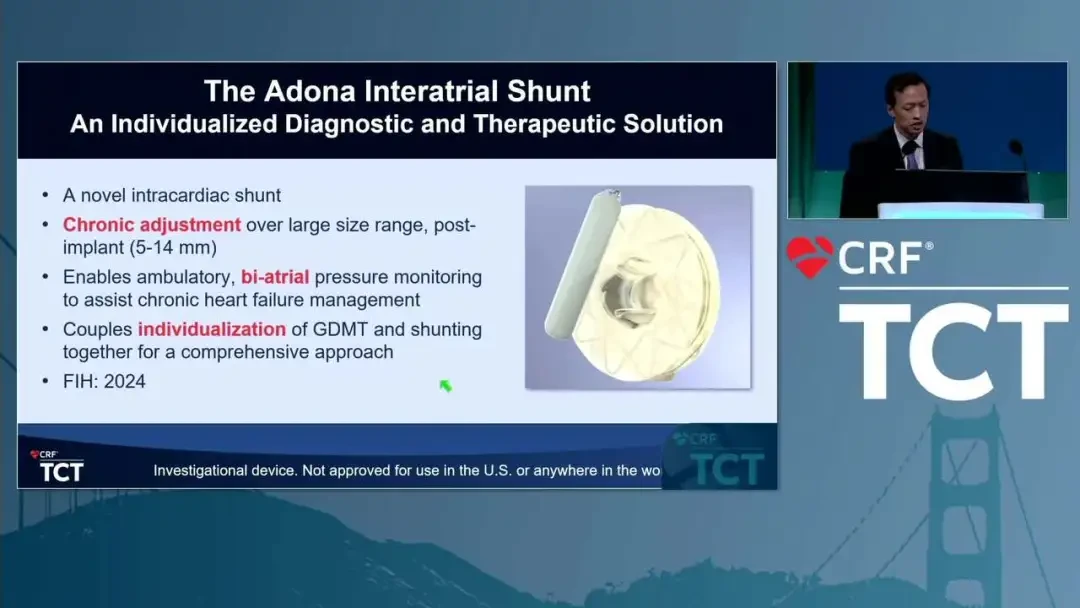
Not only that, but it also has the powerful function of continuously monitoring the pressure in the left and right atria. By obtaining real-time atrial pressure data, doctors can more accurately assess the patient's cardiac condition and make timely adjustments to the shunt to ensure optimal treatment outcomes. This precise and personalized treatment approach represents a significant innovation in the field of heart failure treatment, offering patients a new option for more accurate and effective therapy.
ATHENS - HF Research Results Shine
(1) Early safety and feasibility results are impressive
In Two Study Sites in Tbilisi, Georgia, A Medical Exploration Crucial to Heart Failure Patients Quietly Unfolded. The research team carefully selected the first group of 10 patients, most of whom were critically ill heart failure patients with reduced ejection fraction, their lives flickering like candles in the wind, at risk of extinguishing at any moment. Researchers delicately implanted a beacon of hope — adjustable atrial septal shunt devices — into the hearts of these patients.
Excitingly, the surgery was a complete success, with the shunt successfully implanted in all 10 patients. Even more surprisingly, during the postoperative observation period, none of the patients experienced major cardiovascular-neurological adverse events, like ships navigating through a storm finally finding a safe harbor. This outcome undoubtedly provides a significant boost to the field of heart failure treatment, demonstrating the excellent safety and feasibility of this shunt in early application and laying a solid foundation for subsequent research.
(II) Surprising Results of 90-Day Follow-Up
Time flows quietly, and 90 days have passed. Nine patients returned to the hospital full of anticipation for reevaluation. This was like a major test for the performance of the shunt, and the shunt delivered an almost perfect answer. To their delight, the doctors found that they could easily adjust the size of the shunt whenever needed, just like operating a precision instrument. Moreover, the shunt in the patients' bodies could stably transmit pressure data back to the hospital remotely, allowing the doctors to monitor the patients' cardiac conditions in real time. This outcome not only demonstrated the stability and reliability of the shunt but also offered new possibilities for the remote management of heart failure patients in the future, enabling patients to receive timely and effective medical care even while at home.
(III) Although the effectiveness has not been evaluated, the clinical signals are encouraging.
Although the original intention of the ATHENS - HF study was not to directly evaluate the effectiveness of the shunt, during the research process, some positive clinical signals emerged like sparks, gradually igniting hope. Patients expressed that after receiving the shunt implant surgery, their physical condition had significantly improved, and the suffering caused by heart failure had been greatly alleviated, as if they had shed a heavy shackle and regained their vitality for life.
At the same time, doctors have detected a declining trend in the level of natriuretic peptides in the patient's body. Natriuretic peptides act as a "barometer" for heart failure conditions, and their decrease indicates a reduction in the burden on the patient’s heart, suggesting that the condition is improving. These clinical signals, though not yet rigorously evaluated for effectiveness, are like beams of light illuminating the path forward in heart failure treatment. They hint at the tremendous potential of this adjustable atrial septal shunt device in improving patients' conditions, filling people with anticipation for its future.
ATLANTIS Study Moving Forward
ATHENS - HF: The success of the ATHENS - HF study is like a brilliant star, illuminating the sky of heart failure treatment research and pointing the way for future exploration. Based on these inspiring results, a new study named ATLANTIS has emerged, carrying the important mission of further exploring the potential of adjustable atrial shunt devices in treating heart failure. Like a relay race, it has taken over the baton of hope passed by ATHENS - HF and continues to sprint forward on the track of medicine.
ATLANTIS Study to Enroll Approximately 20 Patients as Key Participants in This Medical Exploration Journey. In the study, the team will utilize enhanced electronic devices, which act as more sensitive "detectors," capable of collecting and transmitting data more precisely, providing doctors with more comprehensive and accurate patient heart information.
At the same time, the study will also systematically adjust the size of the shunt device based on hemodynamics. This means that doctors, like experienced mechanics, will finely tune the shunt according to the actual "operating conditions" of the patient's heart, ensuring it always functions optimally to provide the most suitable treatment for the patient. In this way, the ATLANTIS study is expected to further optimize the therapeutic effects of adjustable atrial septal shunt devices, bringing more benefits to heart failure patients and filling us with anticipation for its research outcomes.
The Profound Significance of Atrial Septal Shunt
The emergence of atrial septal shunt is undoubtedly a timely rain in the field of heart failure treatment, bringing曙光to countless patients struggling in the darkness. It provides a brand-new tool for the treatment of heart failure, like adding a crucial cornerstone to the building of heart failure treatment, opening a new chapter in heart failure treatment.
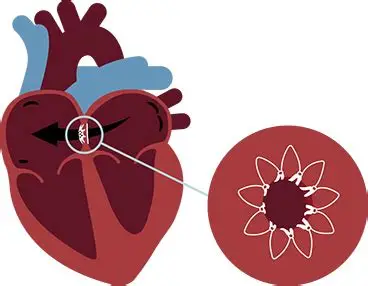
Its working mechanism is ingenious and unique, establishing a permanent small channel between the left and right atria. This channel acts like a "canal" connecting two "lakes." When the pressure in the left atrium increases, blood can flow through this channel, naturally redistributing to the right atrium, much like water flowing from a higher place to a lower one. This automatic regulation mechanism functions as the body's own "intelligent control system," effectively reducing cardiac congestion, relieving the heart’s burden, and allowing the heart to "breathe easily" again. It’s akin to injecting a new vitality into a tired heart, enabling it to work more efficiently.
This innovative treatment method is not only a technological breakthrough but also a revolution in treatment concepts. It breaks the limitations of traditional treatment methods and provides doctors with a completely new treatment approach, akin to building a new "expressway" for heart failure treatment, allowing patients to reach the shore of recovery more quickly. The emergence of atrial septal shunting has shown us more possibilities in heart failure treatment and filled countless patients with hope for the future. We believe that in the near future, it will become an important means in the field of heart failure treatment, bringing a turning point in life to more patients.
FDA Review of V-Wave Ventura Interatrial Shunt System Draws Attention
V-Wave Ventura Interatrial Shunt System is under the spotlight, undergoing rigorous scrutiny by the U.S. Food and Drug Administration (FDA).
On December 3, 2025, this highly anticipated review meeting kicked off at the FDA's Circulatory System Devices Panel of the Medical Devices Advisory Committee. The system, meticulously developed by the Israeli innovative company V-Wave, had already earned the prestigious FDA Breakthrough Device Designation in 2019 due to its unique design and potential therapeutic benefits. In 2020, it successfully obtained CE certification, further demonstrating its technical strength and safety, and began to make a name for itself in the international medical market.
Johnson & Johnson keenly captured the tremendous potential of this product and, in October 2024, splashed out $1.7 billion to complete the acquisition of V-Wave. This acquisition was like a powerful alliance, injecting strong momentum into the development of the V-Wave Ventura Interatrial Shunt System. According to the agreement, Johnson & Johnson not only paid a $600 million upfront payment but also committed to paying up to an additional $1.1 billion based on the achievement of subsequent regulatory and commercial milestones, demonstrating its confidence and high expectations for this product.
In the pivotal clinical study of RELIEVE-HF, this shunt system demonstrated surprisingly positive efficacy in patients with heart failure with reduced ejection fraction (HFrEF). Relevant data showed that the hospitalization rate for heart failure decreased by approximately 52%, acting as a solid "insurance" for patients' health, allowing them to avoid the suffering in hospitals and return to normal life. Clinical symptoms and quality of life indicators also showed significant improvement trends, with smiles returning to patients’ faces, filling them with hope for the future.
However, in patients with heart failure with preserved ejection fraction (HFpEF), the trial results have been less encouraging, with some data showing an increase in hospitalization rates, casting a shadow over the approval process for this product. Therefore, the FDA expert panel will focus on how to appropriately define the indications for this device, ensuring it is precisely targeted to the most suitable population to bring genuine benefits to patients.
This review is undoubtedly a crucial "major test" for the V - Wave Ventura Interatrial Shunt System. If it can successfully pass FDA approval, it will not only bring a brand - new treatment option for patients with heart failure with reduced ejection fraction, becoming a "savior" in their lives, but also spark a new revolution in the field of heart failure treatment, ushering in a new era of heart failure therapy. Let us wait and see, and jointly look forward to this product standing out under the FDA's rigorous review, lighting up the beacon of hope for countless heart failure patients.
A New Era in Heart Failure Treatment
Adjustable atrial septal shunt shows remarkable potential in the first human trial, with its safety and feasibility preliminarily validated, bringing new hope for heart failure treatment. As the ATLANTIS study progresses and more research is conducted in the future, we have reason to believe that this innovative treatment method will continue to improve, providing more effective treatment options for heart failure patients.
In the future, adjustable atrial septal shunt surgery is expected to play an important role in improving the quality of life and reducing mortality for heart failure patients, becoming a key method in the field of heart failure treatment. Let us pay close attention to the development of this field and look forward to more innovative achievements bringing benefits to patients and contributing to the advancement of medical care.


CCI Cardiovascular Physicians Innovation Club
Long press the QR code to follow us
This Issue's Planning: Shen Li
Editorial Responsibility: Chen Baolin
Author of this article: Yun Ye Xuan
Post-production: Zhang Lirong