Shockwave Reducer Demonstrates Significant Quality-of-Life Improvement in Refractory Angina Patients with or without Diabetes, According to Real-World REDUCER-I Data Published in European Heart Journal
Dec 01, 2025 22:11
CST Updated
22:11

Johnson & Johnson
Medical Device R&D and Manufacturer
Johnson & Johnson in the journal "European Heart Journal》Release about itsAngina Stent---Shockwave ReducerTreatmentClinical data of patients with refractory angina pectoris often combined with diabetes mellitus (DM)EDUCER-1). Research showsShockwave ReducerAble toSignificantly improve the quality of life for patients.
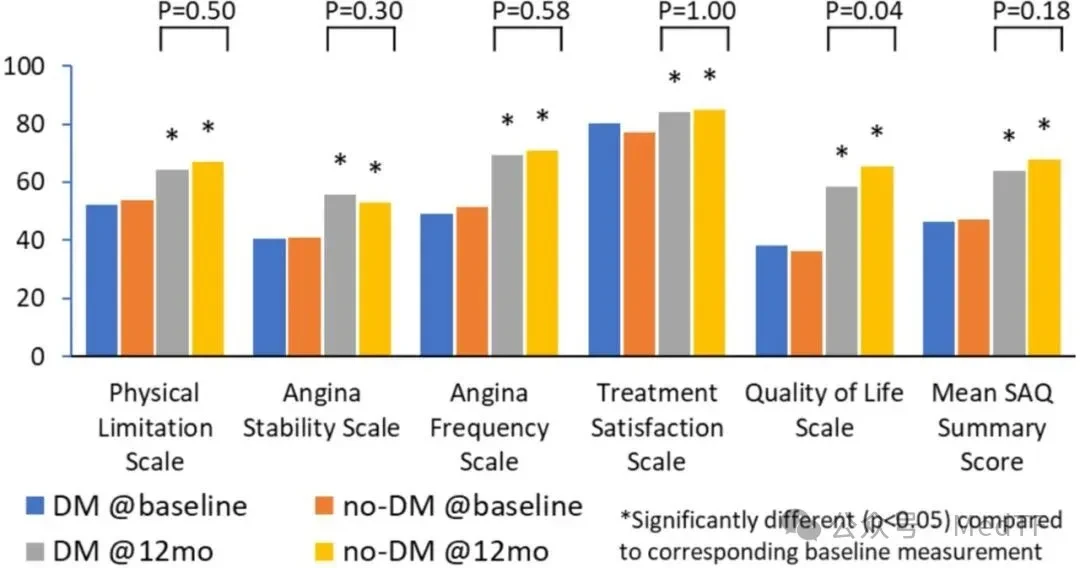
No significant differences were observed in baseline demographic characteristics between the DM group and the non-DM group; both groups were predominantly male (77.7% in the DM group vs. 79.6% in the non-DM group), with mean ages of 69.5±8.2 years (DM group) and 68.7±10.7 years (non-DM group). The majority of patients in both groups had a history of PCI (74.9% in the DM group vs. 73.0% in the non-DM group), and the proportions of CCS III/IV patients were similar (73.1% in the DM group vs. 68.4% in the non-DM group). At 12 months post-operation, the incidence of MACE was similar between the two groups (DM group 8.9% vs. non-DM group 6.3%; p=0.4), with myocardial infarction being the main component in both groups (DM group 6.6% vs. non-DM group 4.7%). Compared with baseline, all SAQ subscale scores improved significantly at 12 months in both groups, with a greater improvement in the SAQ quality of life scale observed in the non-DM group. At 12 months, the CCS grade distribution was similar between the two groups (p=0.55), with the proportion of patients still at CCS III/IV decreasing to 19.5% in the DM group and 16.1% in the non-DM group. In the DM group, 71.0% of patients showed an improvement of ≥1 CCS grade at 12 months, comparable to 68.0% in the non-DM group (p=0.66).
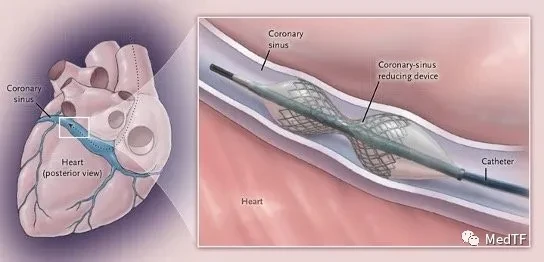
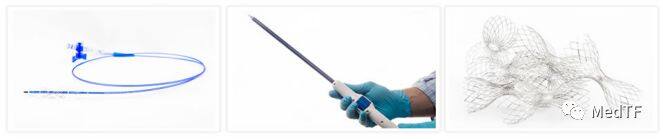
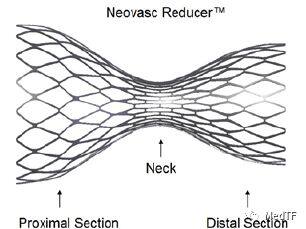
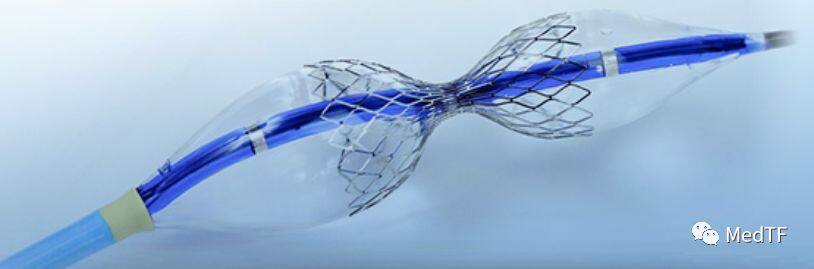
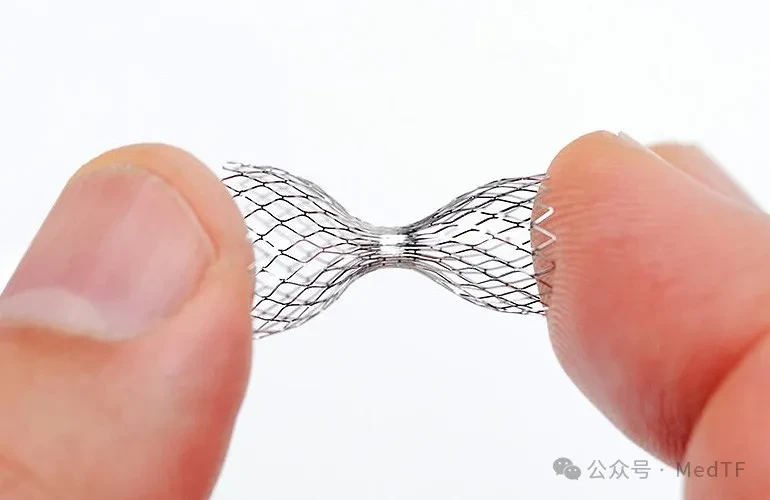
Neovasc ReducerThe stent is made from a stainless steel tube through laser cutting. The stent is designed in a dumbbell shape, narrow in the middle (3mm in diameter) and wide at both ends (13mm).