BioMap and HIEA Medical Innovation Ecosystem Alliance Successfully Host Closed-Door Salon on AI in Drug Development

BioMap
Developer of Innovative Drug R&D Platform
In November 2025, the closed-door salon "AI in Drug Development: Trends & Opportunities," hosted by BioMap in collaboration with the HIEA Healthcare Innovation Ecosystem Alliance, was successfully held in Beijing. The salon invited over 60 experts and scholars, investors, and entrepreneurs from the fields of life sciences and artificial intelligence to participate, engaging in in-depth sharing and discussions on innovative trends and industrial opportunities in AI-driven drug development.
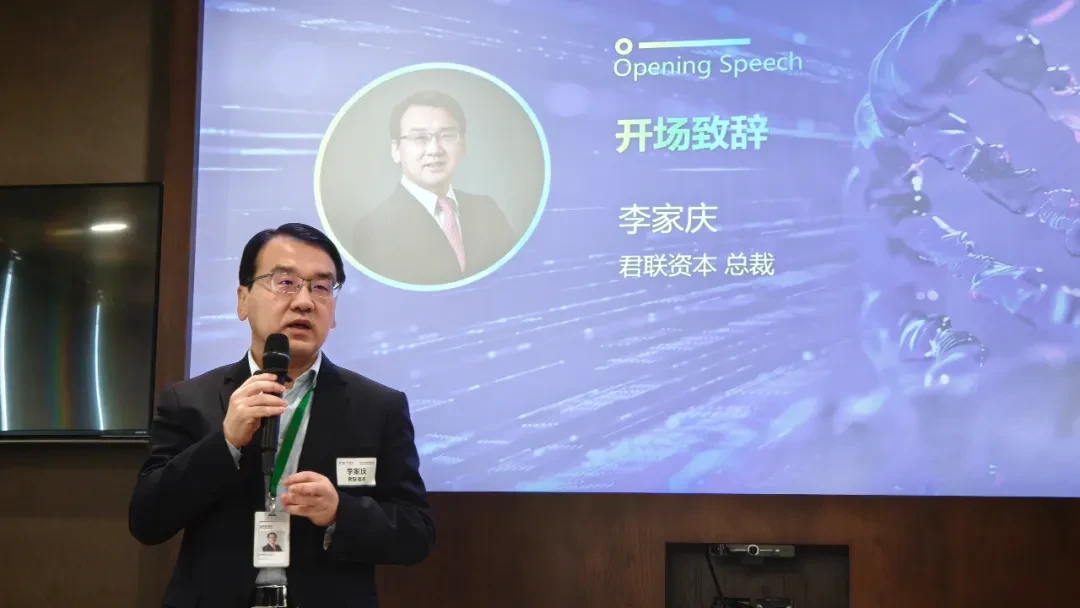
LCP President Li Jiaqing pointed out in his opening remarks that generative AI is leading a new wave of technological revolution and will deeply penetrate various industries over the next ten to twenty years. "AI has evolved from being a tool to becoming a partner, and in the future, a vast number of 'agents' may become new species. Humans need to proactively train and adapt to human-machine collaboration models." Li Jiaqing stated that in the past three to four years, the progress of AI in the biopharmaceutical field has far exceeded expectations. LCP will leverage its dual investment ecosystems in TMT and Healthcare to promote technical exchanges and resource integration among enterprises, helping the industry accelerate its embrace of AI transformation.
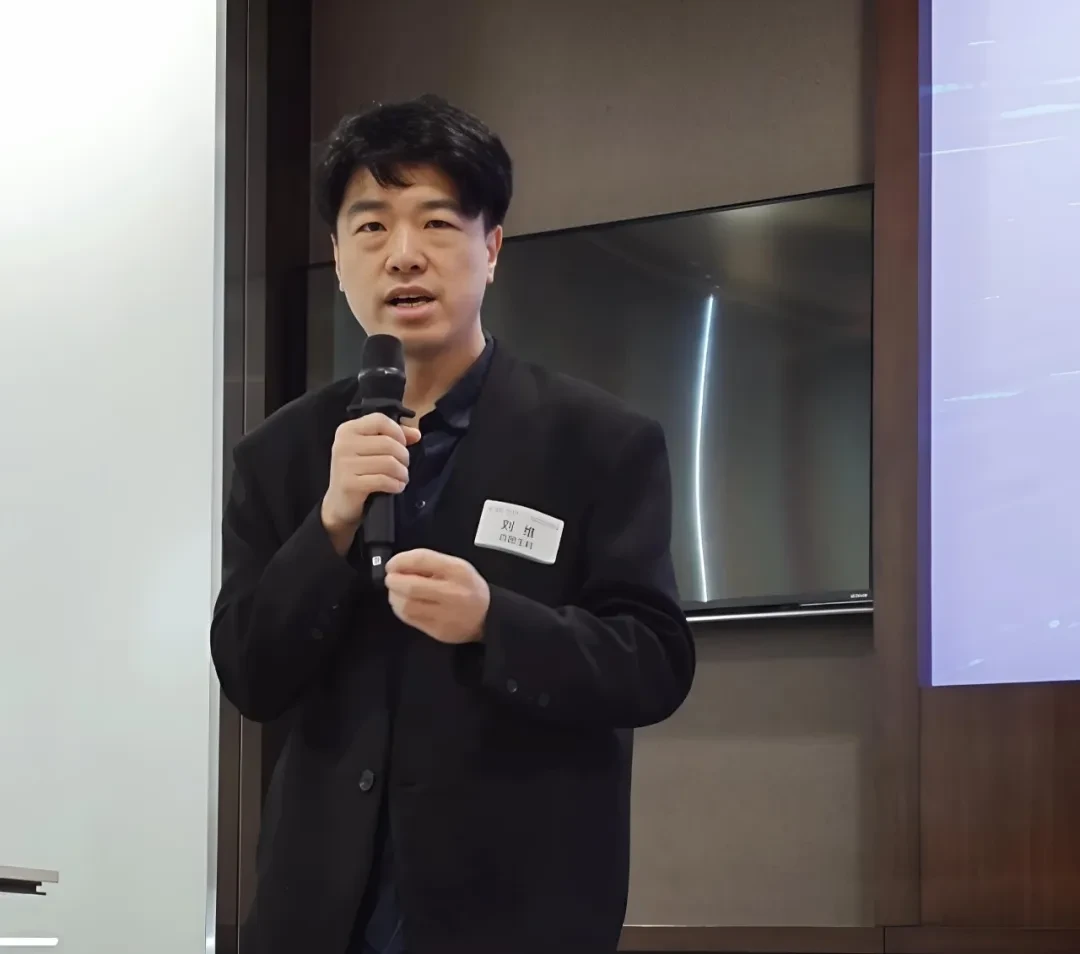
BioMap Co-founder and CEO Liu Wei, in his speech, reviewed the company's journey from its exploratory beginnings five years ago to the current formation of a clear path. He stated that over the past five years since BioMap's establishment, the team has steadfastly moved towards a systematic R&D model centered on AI. The company has not only seen practical results in some early pipelines but, more importantly, has built a closed-loop system integrating dry lab predictions with wet lab validations for continuous iteration. This marks a shift from single-project, individual scientist-driven efforts to a digitized, systematically driven approach capable of sustainable accumulation. In the face of exponential growth in biological data in the future, BioMap will continue to drive the evolution of its R&D model with AI at its core, making complex first-in-class challenges increasingly solvable through systematic means.
During the keynote presentation, Dr. Per Greisen, Vice President and Chief Bio-computation Scientist of BioMap, showcased the latest groundbreaking achievements of BioMap in the field of AI antibody design. BioMap has successfully achieved generative antibody design with "epitope specificity" for complex multi-transmembrane targets. Cryo-electron microscopy results confirm that the AI-designed antibodies can precisely bind to pre-defined epitopes, achieving atomic-level controllability.
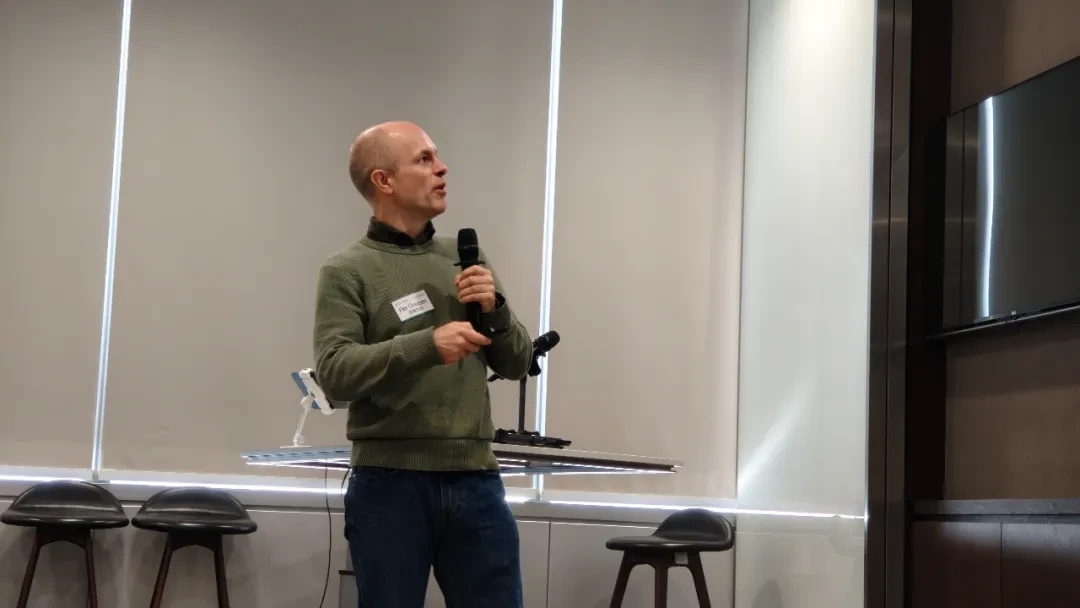
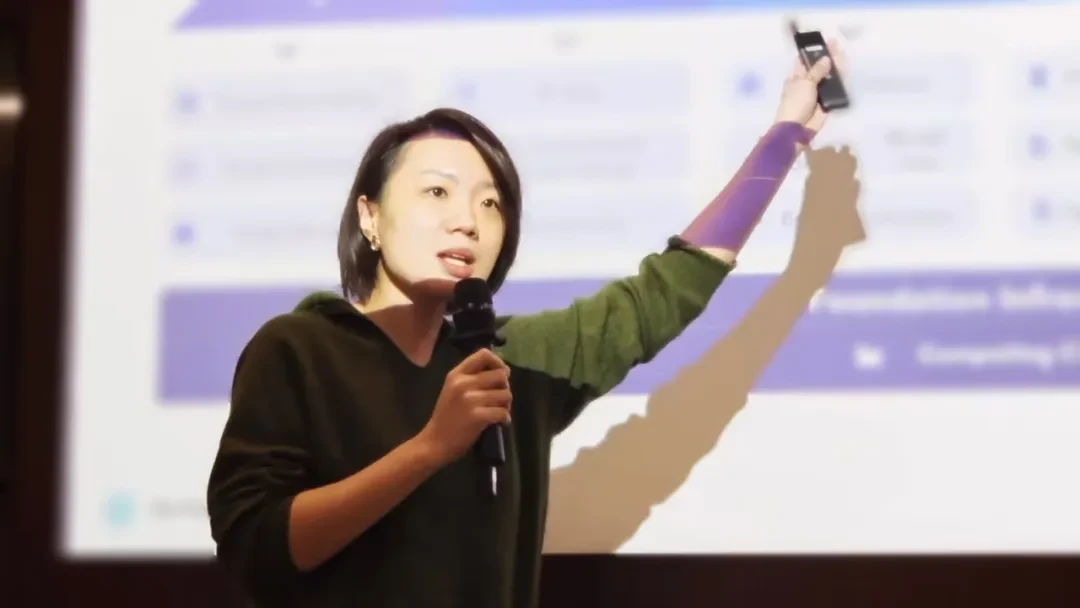
Dr. Xu Ziyao, Vice President of BioMap and Head of Strategy and Innovation, introduced BioMap's latest self-developed dry-wet closed-loop AI drug discovery system and its application. The system covers the entire process from target analysis to molecular design and wet-lab experimental validation, significantly improving early-stage R&D efficiency. Its replicability and practical value have been validated in multiple project collaborations.
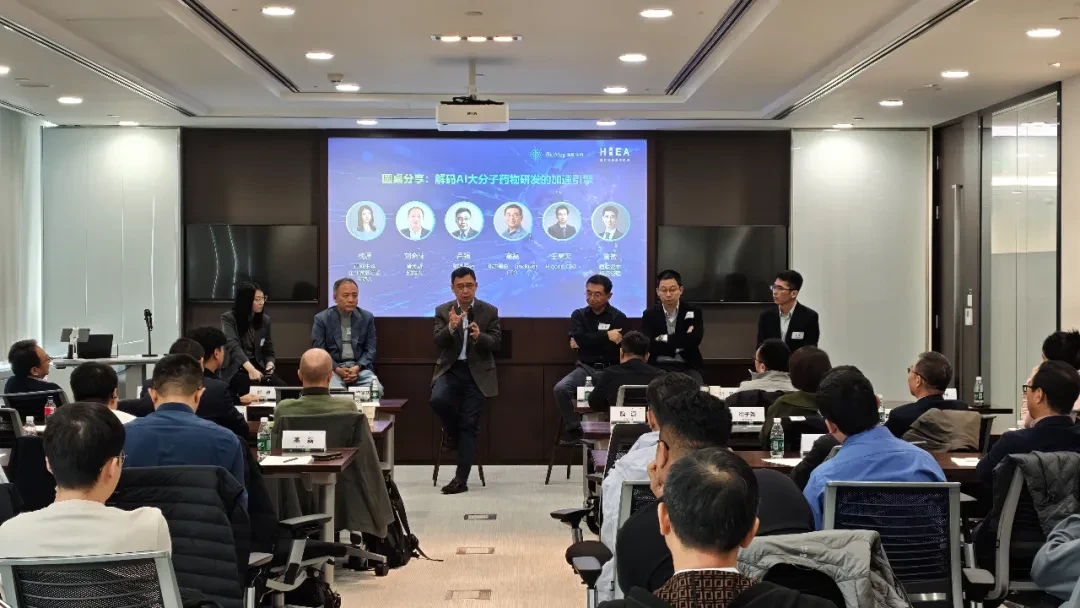
Two Roundtable Discussions Focus on Core Issues in the Industry. In the roundtable session titled "Decoding the Acceleration Engine of AI-Driven Large Molecule Drug R&D," participants including Liu Xiaolin, founder of ProMetis; Lü Qiang, chairman of GenFleet Therapeutics; Gao Lei, CEO of NorthV Biologics and LinkRiver; Wang Haotian, CEO of Higend; Dong Ao, investment manager at Legend Capital; and Wei Yuan, director of corporate development at BioMap, engaged in an in-depth discussion on the potential value and practical challenges of AI in the preclinical design and development of large molecule drugs. The panelists shared perspectives from multiple dimensions, such as AI molecular design optimization, complex and precise functional regulation, improvement of R&D efficiency, and decision-making in pharmaceutical companies' AI infrastructure. They also exchanged viewpoints on industry pain points and future directions, offering diverse and forward-thinking insights into AI's role in empowering large molecule drug R&D.
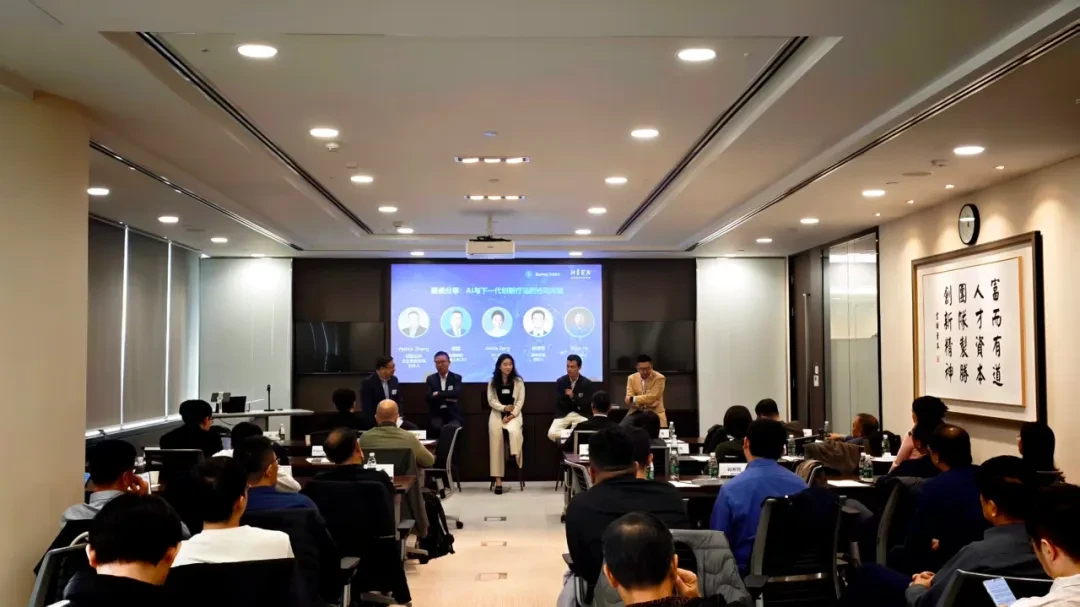
In the roundtable session on "The Synergistic Breakthrough of AI and the Next Generation of Innovative Therapies," Shao Ying, founder & CEO of Hong Xing Xiang He; Zang Xiaoyu, CEO of N1 Life; Yang Hanshuo, founder of Zhen Yu Bio; Hu Haoyue, CEO of Biogend; and Patrick Zhang, Vice President of BioMap and President of International Enterprise Development, engaged in an in-depth discussion on topics such as the application of AI in precision treatment, drug delivery, modeling of complex biological systems, and the internationalization of innovative drugs. The panelists collectively explored AI’s potential to enhance R&D efficiency, overcome delivery bottlenecks, understand complex in vivo mechanisms, and support the globalization of innovative drugs. They also pointed out that the industry still needs continuous breakthroughs in data quality, interdisciplinary integration, and practical clinical application scenarios, providing multi-dimensional insights for the development of the next generation of innovative therapies.
This closed-door salon has built a high-quality platform for in-depth exchange and pragmatic cooperation on the topic of AI-driven drug research and development. Looking ahead, BioMap will continue to open up its platform capabilities to promote the deep integration of data, models, and experimental systems. Junlian Capital and the HIEA Healthcare Innovation Ecosystem Alliance will also leverage their ecosystem connectivity advantages, pooling the technologies and resources of their portfolio companies to jointly support the exploration and implementation of innovative R&D models. With the collaboration of multiple industry partners, the AI-driven drug R&D paradigm is expected to accelerate into truly innovative outcomes that can serve clinical needs and benefit patients.