ABO2102, China's First Multi-KRAS Mutant-Targeting mRNA Cancer Vaccine, Achieves IND Approval in Both China and the U.S., Offering New Hope for Solid Tumor Patients with Over 45% Two-Year Survival Rate

Abogen
Nucleic Acid Drug Developer
'%20fill='%23FFFFFF'%3E%3Crect%20x='249'%20y='126'%20width='1'%20height='1'%3E%3C/rect%3E%3C/g%3E%3C/g%3E%3C/svg%3E)

On August 4, 2025, the Center for Drug Evaluation (CDE) of the National Medical Products Administration (NMPA) announced on its official website: ABO2102, a novel mRNA cancer vaccine independently developed by Abogen Biosciences (acceptance number: CXSL2500388), has officially received the implied approval for a new drug clinical trial (IND). It will be used as a monotherapy or in combination with Sintilimab to treat KRAS-mutated locally advanced or metastatic solid tumors.
AsChina's First Therapeutic Cancer Vaccine Targeting Multiple KRAS MutationsABO2102 can simultaneously cover five common KRAS mutations and is suitable for patients with solid tumors carrying any of these mutations, bringing a significant breakthrough to the highly challenging field of difficult-to-drug KRAS targets. Notably, this vaccine was the first to receive FDA approval for clinical trials in May 2025.Approval; this approval in China marks an important milestone for ABO2102, officially achieving the "dual filing and dual approval in both China and the US," and also brings more new treatment options for patients with KRAS-mutant solid tumors.
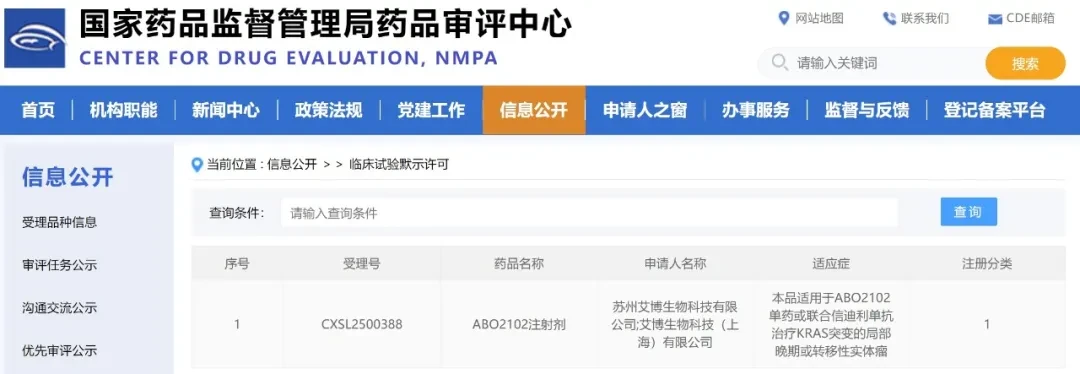
▲Screenshot source“NMPA”
KRAS Mutation: A Common Oncogenic Mutation in Solid Tumors with Significant Impact on Pancreatic Cancer, Colorectal Cancer, and Non-Small Cell Lung Cancer
ABO2102 Cancer Vaccine Targets This Very Site, With the Core Innovation of Upgrading KRAS-Targeted Therapy from "Passive Inhibition" to "Active Immune Clearance." It Employs a Multi-Target Antigen Design, Encoding mRNA Molecules for Five Common KRAS Mutant Antigens Simultaneously. After Entering Cells, These Translate into Antigens, Presented via MHC Class I/II Molecules, Activating Dual Immune Responses of CD8⁺ Cytotoxic T Cells and CD4⁺ Helper T Cells, Enabling Precise Recognition and Attack on KRAS Mutant Antigens, Covering a Broader Range of Mutation Types. Beyond Mechanistic Breakthroughs, ABO2102 Also Offers Multiple Clinical Advantages: The Multi-Epitope Antigen Design Matches High-Incidence Tumor Types, with “Off-the-Shelf” Characteristics, Suitable for Late-Stage Salvage Therapy or Early Postoperative Adjuvant Treatment, Offering Flexible Application Scenarios; It Can Also Be Combined with Chemotherapy, Radiation Therapy, or Immune Checkpoint Inhibitors to Build a Multi-Dimensional Synergistic Treatment System, Enhancing Efficacy.
Preclinical data show that ABO2102 can induce sustained expansion of specific T cells and establish long-term immune memory, breaking through the drug resistance dilemma of traditional KRASG12C inhibitors, which are limited by "single target focus and inability to counteract tumor microenvironment evolution." The endogenous immune response activated by ABO2102 precisely targets and kills KRAS-mutated cells, avoiding off-target toxicity associated with targeted drugs. It also suppresses tumor recurrence through immune memory, offering new hope and options for more patients with KRAS-mutated solid tumors. The good news is that this vaccine is currently undergoing clinical research for lung cancer.Read the original text for more details: [Free Recruitment for mRNA Vaccine] ABO2102 vaccine has finally started clinical trials! Lung cancer patients are urgently being recruited!
In addition to the aforementioned ABO2102 vaccine under research, several cancer vaccines have made breakthrough progress in solid tumors such as pancreatic cancer, lung cancer, and colorectal cancer. Among them, pancreatic ductal adenocarcinoma (PDAC) is one of the most malignant types of cancer, with an overall 5-year survival rate (OS) of approximately 12%, and its incidence is increasing at a rate of 1.3% per year. More challenging is that PDAC exhibits dense desmoplastic stroma and insufficient infiltration of T cells, both of which have been key obstacles hindering the effectiveness of immunotherapy.
On November 28, 2025, the globally renowned journal *Nature*'s subsidiary journal, *Nature Communications*, reported an important study — Phase I clinical trial data on treating metastatic pancreatic cancer using "autologous dendritic cell (DC) vaccine (MesoPher) combined with CD40-specific agonistic antibody (mitazalimab)." The study included 20 patients with metastatic PDAC. All patients underwent leukapheresis first and had previously received (m)FOLFIRINOX regimen treatment before initiating MesoPher/mitazalimab combination therapy. The median number of treatment cycles was 12 (interquartile range IQR: 10.3-12.0).
The results showed that: the control of the patients' condition and survival benefits both demonstrated positive signals: after 20 patients received three combined treatments, the first CT evaluation showed,50% (8 cases) of patients had stable disease (SD)., including one patient (RT2004) who had already experienced disease progression while on the (m)FOLFIRINOX regimen,CT evaluation turned stable after two weeks of combination therapy.。
In terms of survival data, it was equally impressive as of the data cutoff date,31% (5 cases) of patients survived more than 9 months., and these 5 patients already existed at baseline before initiating the study treatment.Radiological Remission。
It is worth mentioning that one of the patients (RT2011) had already reached at baseline.Complete Remission (CR), from the initiation of treatment until the data cut-off date,Remained in CR status for up to 26 months, bringing an important breakthrough in PDAC treatment.
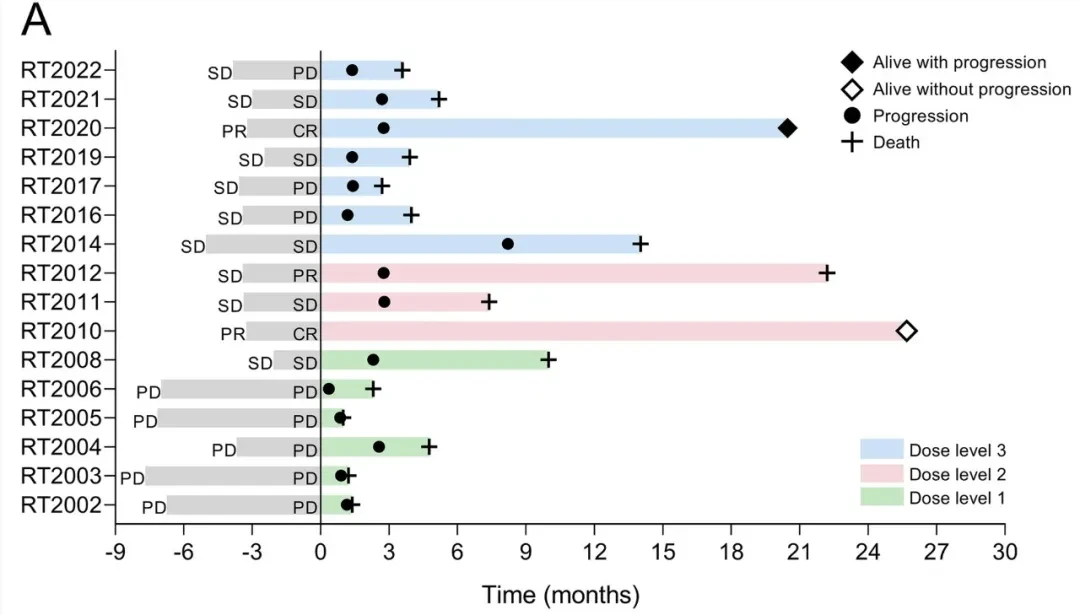
▲Source of the image“Nat Commun", owned by the original author. If we unintentionally infringe on intellectual property rights, please contact us for removal."
Autologous tumor lysate dendritic cell vaccine (ADC) possesses potential antitumor activity due to its T-cell stimulation capability. The European Journal of Cancer reported the first randomized clinical trial of an ADC vaccine for patients with metastatic colorectal cancer, providing a new reference for immunotherapy in this cancer type.
This study focused on "patients with previously treated metastatic colorectal cancer (mCRC)," enrolling a total of 52 patients who were divided into two groups: the EA group [28 patients, ADC vaccine + best supportive care (BSC)] and the CA group (24 patients, BSC alone).
The results showed that the immune activation effect of the ADC vaccine was significantly associated with survival benefits.The median progression-free survival (PFS) in the EA group was 2.7 months.(95% CI: 2.3-3.2 months),The CA group was 2.3 months.(95% CI: 2.1-2.5 months) (p=0.628, see Figure A below);The median overall survival (OS) in the EA group was 6.2 months.(95% CI: 4.4-7.9 months),The CA group was 4.7 months.(95% CI: 2.3-7 months) (p=0.41, see Figure B below).
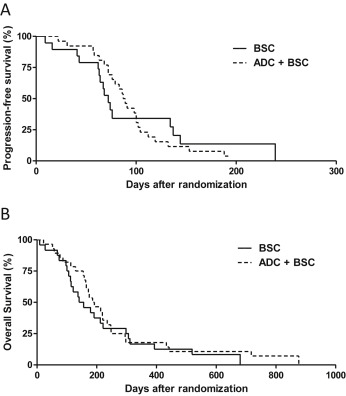
▲Source of the image“EJC”`, owned by the original author, if we unintentionally infringe on intellectual property rights, please contact us for deletion.`
In addition, among the 25 patients who received ADC vaccination,84% (21 cases) successfully induced tumor-specific T-cell responses; More importantly,Median Overall Survival in Immune Responders (7.3 months, 95% CI: 5.2-9.4 months)Significantly longer than non-responding patients (3.8 months), 95% CI: 0.6-6.9 months), the difference was statistically significant (p=0.026), confirming the potential of ADC vaccines to improve patient survival by activating immune responses.
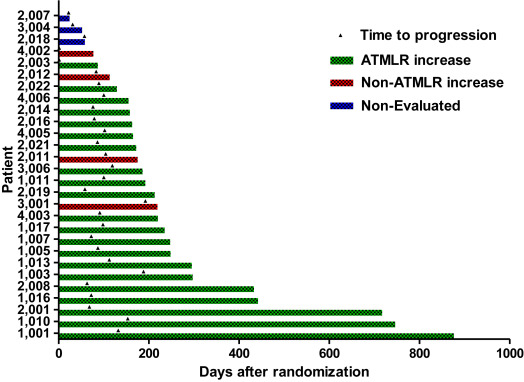
▲Source of the Image“EJC”`, belongs to the original author. If we unintentionally infringe on intellectual property rights, please contact us for removal.`
Currently, the cancer vaccines with prominent clinical efficacy and recurrence prevention effects include dendritic cell vaccines, mRNA cancer vaccines, Cuban lung cancer vaccines, and personalized neoantigen vaccines.
1、mRNA Cancer Vaccine: Currently targetingSquamous cell carcinoma of the lung, liver cancer, colorectal cancer, melanoma, esophageal cancer, triple-negative breast cancer, head and neck tumorsConduct clinical research on multiple malignant solid tumors.
2、Dendritic Cell (DC) Vaccine: In Japan, Germany, etc., used for clinical adjuvant treatment of various cancers, includingSkin cancer, liver cancer, lung cancer, kidney cancer, breast cancer..., a new hope for cancer patients!
3、Cuban Lung Cancer Vaccine (CIMAvax-EGF): Chinese patients now do not need to go abroad. They can apply for lung cancer vaccines through the Medical Department of Global Oncology Doctors Network to Cuban medical authorities, in order to prolong survival and improve quality of life!
Patients who wish to seek help from new cancer vaccine technologies or other treatment methods available in China or internationally can first submit their treatment history, pathology reports, discharge summaries, and other relevant documents toGlobal Oncology Doctors Network Medical Department (400-666-7998), conduct preliminary assessments or understand detailed inclusion and exclusion criteria.
Rocapuldencel-T is an autologous immunotherapy prepared from mature monocyte-derived dendritic cells (DC), with the preparation process involving co-electroporation with amplified tumor RNA and CD40L RNA. The journal *Clinical Cancer Research* reported the pivotal Phase III clinical trial data of this therapy in combination with sunitinib for the treatment of metastatic renal cell carcinoma (mRCC).
This study enrolled a total of 462 patients with metastatic renal cell carcinoma, who were randomly assigned in a 2:1 ratio, with 307 patients in the combination therapy group [receiving Rocapuldencel-T plus standard of care (SOC)] and 155 patients in the standard therapy group (receiving SOC alone). The median follow-up time for the trial was 29 months (range: 0.4-47.7 months).
The results show that: in terms of efficacy outcomes,The median overall survival (OS) in the combination therapy group was 27.7 months.[95%CI:23.0–35.9],The standard treatment group was 32.4 months.(95% CI: 22.5–), hazard ratio (HR) was 1.10 (95% CI: 0.83–1.40).The median progression-free survival (PFS) was 6.0 months in the combination therapy group and 7.83 months in the standard therapy group.[HR=1.15(95%CI:0.92–1.44)]。In terms of Objective Response Rate (ORR), the combination therapy group achieved 42.7% (95% CI: 37.1–48.4), while the standard therapy group reached 39.4%.(95% CI: 31.6–47.5). Notably, among patients treated with Rocapuldencel-T,70% Detected Immune Response, and the intensity of the immune response is positively correlated with overall survival (OS).
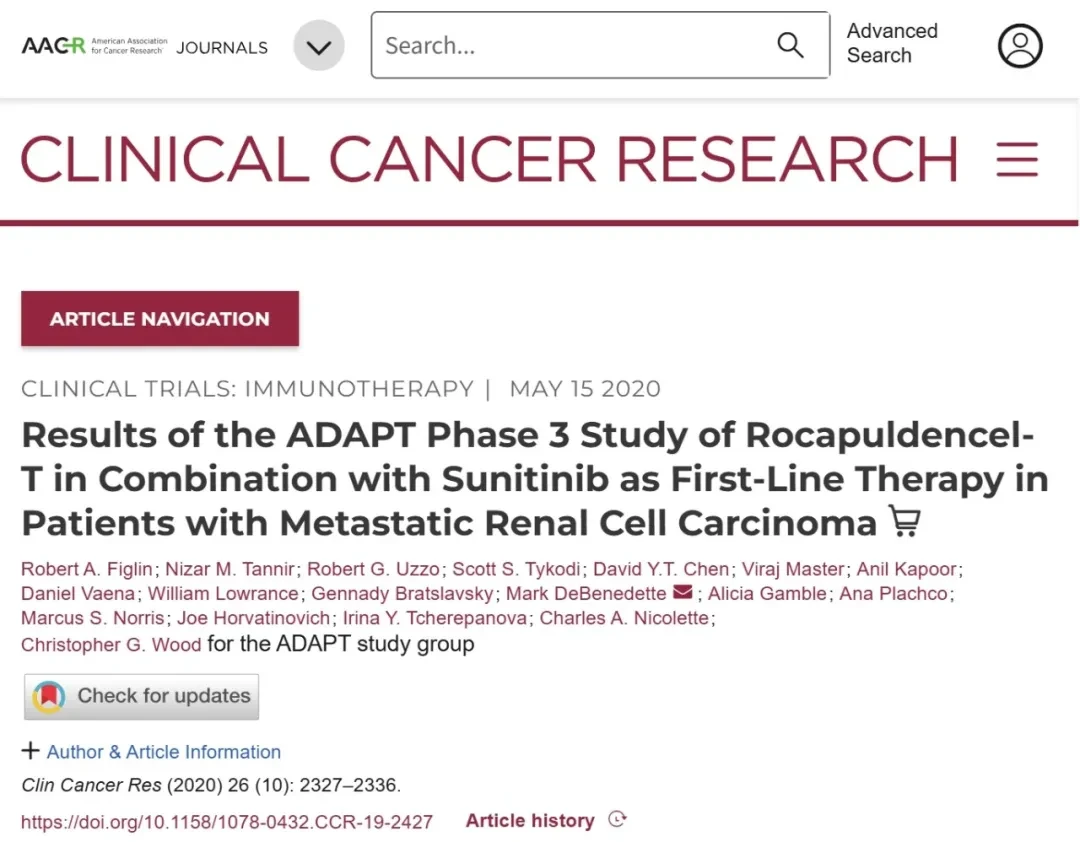
▲Screenshot source“AACR”
LK101 Injection is a personalized neoantigen-targeted vaccine that received clinical trial approval from the Center for Drug Evaluation (CDE) of the National Medical Products Administration (NMPA) in March 2023. It is used for the treatment of advanced solid tumors and represents a milestone product in China's mRNA cancer vaccine field.
This vaccine combines the dual advantages of dendritic cells (DC) and mRNA: it transduces mRNA encoding personalized tumor antigen targets into DC cells based on dozens of specific tumor mutations in patients, thereby activating a specific immune response against cancer cells to attack and eliminate tumor cells. It is suitable for various types of advanced solid tumors.
The 2024 American Society of Clinical Oncology (ASCO) conference announced itsFirst-in-Human Clinical Study for the Treatment of Hepatocellular Carcinoma (NCT03674073)Eye-catching data.
Results showed that: LK101 combined with ablation therapy has controllable safety, not only provides clear evidence of immune activation, but also demonstrates the potential to extend patient survival, with a particularly significant comparison in recurrence rates:The 1-year recurrence rate in the vaccinated group was 18.2%, and the 2-year recurrence rate was 36.4%, compared to 33.3% and 51.4% in the control group, respectively.. The median follow-up times in the two groups were respectivelyVaccination group 48.4 months and control group 38.8 months, as of the follow-up node, three patients in the control group have died, whileAll 12 patients in the vaccine group survived – meaning that all patients treated with this vaccine have lived for more than four years.。
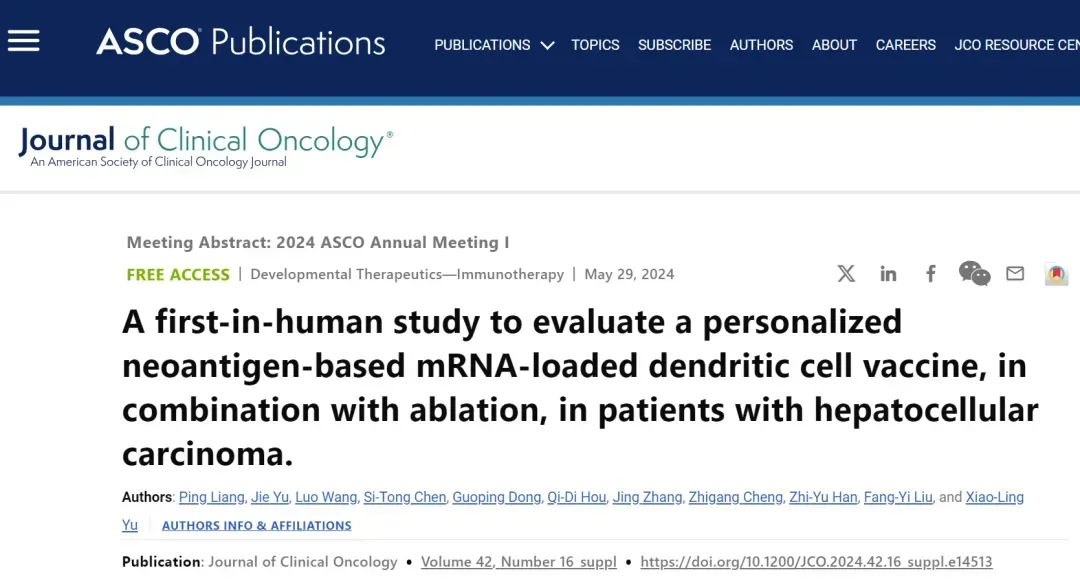
▲Screenshot source“ASCO”
The good news is that the vaccine has now initiated clinical research targeting lung cancer and is recruiting patients. Interested patients can submit their recent pathology reports and other materials toGlobal Oncologist Network Medical Department (400-666-7998), inquire about detailed inclusion and exclusion criteria or undergo preliminary evaluation.
Cuban Lung Cancer Vaccine (CIMAvax-EGF) isThe world's first therapeutic vaccine for advanced lung cancer, and the first patented and registered therapeutic vaccine for non-small cell lung cancer (NSCLC).It is formed by the chemical conjugation of recombinant human epidermal growth factor (EGF) with the carrier protein recombinant P64, featuring a unique mechanism of action — by blocking the "nutrient" (EGF) essential for cancer cell growth, it achieves an anti-cancer effect by "starving" the cancer cells.
A real-world study published in the Journal of Cancer further confirmed the clinical value of the vaccine, with impressive results: the 2-year overall survival rate for advanced NSCLC patients receiving CIMAvax-EGF maintenance therapy was 45.5%, meaning nearly half of the patients survived more than 2 years. Specific data shows:
1. Disease Control: Patients receive vaccines globallyAfter 6 months and 12 months of treatment, 36.8% and 19.8% of patients maintained objective response or stable disease status, respectively.。
2. Progression-Free Survival (PFS): PatientThe median PFS was 8.16 months.(95%CI:4.9-11.3),The PFS rates at 6 months, 12 months, and 24 months were 55.4%, 36.4%, and 19.1%, respectively.。
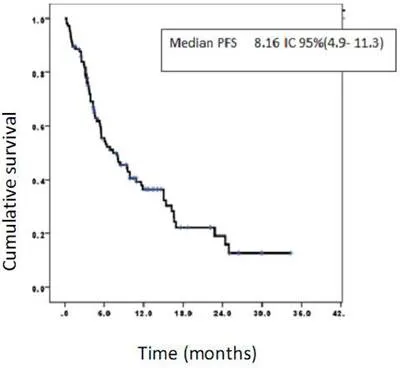
▲Source of the image"J Cancer", the copyright belongs to the original author. If we unintentionally infringe on intellectual property rights, please contact us for removal.
3. Overall Survival (OS): Two starting points for calculation need to be distinguished — if calculated from the initiation of "first-line treatment combined with CIMAvax-EGF,"Median OS reached 22.46 months(95%CI:19.92-25.0),The survival rates at 6 months, 12 months, and 24 months were 97.7%, 82.7%, and 45.5%, respectively.; if calculated from the "first injection of CIMAvax-EGF",The median OS was 14.6 months.[95%CI:10.6-18.8],The survival rates at 6 months, 12 months, and 24 months were 82.1%, 57.2%, and 37.6%, respectively.。
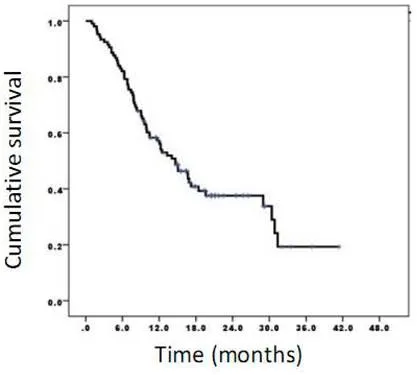
▲Source of the image"J Cancer", the copyright belongs to the original author. If we unintentionally infringe on intellectual property rights, please contact us for removal.
In addition, a Phase III study published in Front Oncol (Journal of Cancer Prevention and Treatment) also found that CIMAvax-EGF can prolong the median overall survival of patients with advanced NSCLC after first-line chemotherapy; to visually demonstrate the long-term control effect of the vaccine on lung cancer, the study selected two representative patients and further confirmed the clinical value of the vaccine by comparing their CT images before and after treatment.
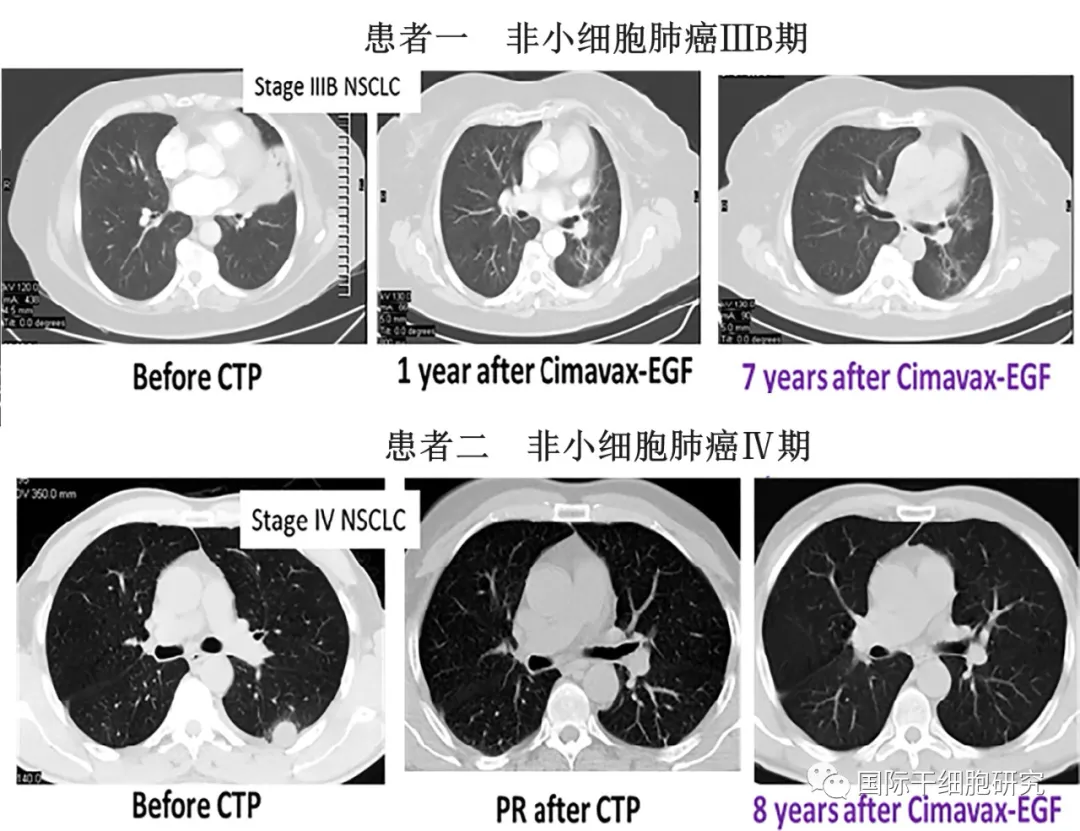
▲Source of the image“frontiers”`, owned by the original author, if we unintentionally infringe on intellectual property rights, please contact us for deletion.`
As a representative of novel anticancer therapies, cancer vaccines have undergone decades of development, gradually progressing from early basic research to clinical trial stages. Notably, products like the Cuban lung cancer vaccine have already been officially approved — increasing the 5-year survival rate of patients from 0 to 23%, demonstrating significant clinical value. In China, the field of cancer vaccines has also seen frequent breakthroughs, with multiple candidate vaccines in active development. For instance, LK101, targeting hepatocellular carcinoma, showed promising results in its first-in-human clinical study (NCT03674073), where all 12 enrolled patients survived for over four years! These advancements indicate that cancer vaccines are drawing closer to reality. The concept of "administering a shot to awaken the immune system to recognize and eliminate cancer cells" may soon transition from vision to reality, rather than remaining an unattainable fantasy.
More inspiring is that several cancer vaccine clinical trials have been carried out in China, and patient recruitment has officially started. Cancer patients who are interested in participating can submit their treatment history, recent pathological examination results, etc., toGlobal Cancer Doctors NetworkMedical Department (400-666-7998), understand the detailed inclusion and exclusion criteria and conduct a preliminary assessment.
[1]Kucukcelebi S,et al.REACtiVe-2: phase I evaluation of dendritic cell vaccination and agonistic CD40 therapy following (m) FOLFIRINOX in metastatic pancreatic cancer[J]. Nature Communications, 2025, 16(1): 10609.
https://www.nature.com/articles/s41467-025-66092-1
[2]Caballero-Baños M,et al.Phase II randomised trial of autologous tumour lysate dendritic cell plus best supportive care compared with best supportive care in pre-treated advanced colorectal cancer patients[J]. European Journal of Cancer, 2016, 64: 167-174.
https://www.ejcancer.com/article/S0959-8049(16)32211-0/abstract
[3]Figlin R A,et al.Results of the ADAPT phase 3 study of rocapuldencel-T in combination with sunitinib as first-line therapy in patients with metastatic renal cell carcinoma[J]. Clinical Cancer Research, 2020, 26(10): 2327-2336.
https://aacrjournals.org/clincancerres/article-abstract/26/10/2327/82423/Results-of-the-ADAPT-Phase-3-Study-of?redirectedFrom=fulltext
[4]Vega Y I F,et al. Survival of NSCLC patients treated with cimavax-EGF as switch maintenance in the real-world scenario[J]. Journal of Cancer, 2023, 14(5): 874.
https://www.jcancer.org/v14p0874.htm
This article is original content from Global Oncologist Network. Reproduction is strictly prohibited without authorization.
Scan to add patient group
Cancer News|New Technologies|New Drug Development|Leading Experts
Join the group to receive free anti-cancer resources