Impulse Dynamics, Pioneer of Cardiac Contractility Modulation (CCM), Secures Over $158 Million in New Funding

Impulse Dynamics
Chronic Heart Failure Medical Device Developer
Impulse DynamicsProclamationImpulse Dynamics completes over $158 million in financing, this round of financing led byLed by new institutional investors such as Sands Capital and Braidwell, with follow-up investments from Redmile, Perceptive, and Alger. The funds from this round will mainly be used for its core products.Accelerate the commercialization process and advance the construction of clinical research and technology development pipelines.
Executive Evaluation
"This round of financing is both a recognition of the evidence-based efficacy of CCM therapy — with over 12,000 patients currently implanted with the device — and an expansion of treatment options for heart failure patients. By providing health insurance coverage to a large patient population, NCD has removed the main obstacle to the promotion of CCM therapy, and this financing will help more heart failure patients in urgent need of treatment gain access to it. Additionally, the funds will accelerate the ongoing development and future commercialization of the CCM-D Heart Failure System — an integrated device that alleviates heart failure symptoms through CCM therapy while also offering life-saving implantable cardioverter-defibrillator (ICD) treatment."
---Jason Spees CEO of Impulse Dynamics
"Impulse Dynamics has a unique advantage in the field of heart failure treatment, providing symptom relief solutions for patients with limited drug efficacy. The company has successfully built a solid clinical evidence system and is advancing its next-generation technology R&D pipeline, including the CCM-D® Heart Failure System."
---Guido Neels IChairman of the Board of Impulse Dynamics
Recently forImpulse DynamicsThere is a lot of good news, in addition to the completion of large-scale financing.The Centers for Medicare & Medicaid Services (CMS) has just announced a National Coverage Decision (NCD) for Cardiac Contractility Modulation (CCM) therapy, which will provide access to this treatment for over 66 million people.
Cardiac Contractility Modulation (CCM)n, CCM) is a new type of implantable electronic device for the treatment of heart failure. Both preclinical animal experiments and clinical studies have confirmed that CCM can enhance the contractility of ventricular muscle, improve cardiac function and clinical symptoms in heart failure patients, and increase exercise tolerance.
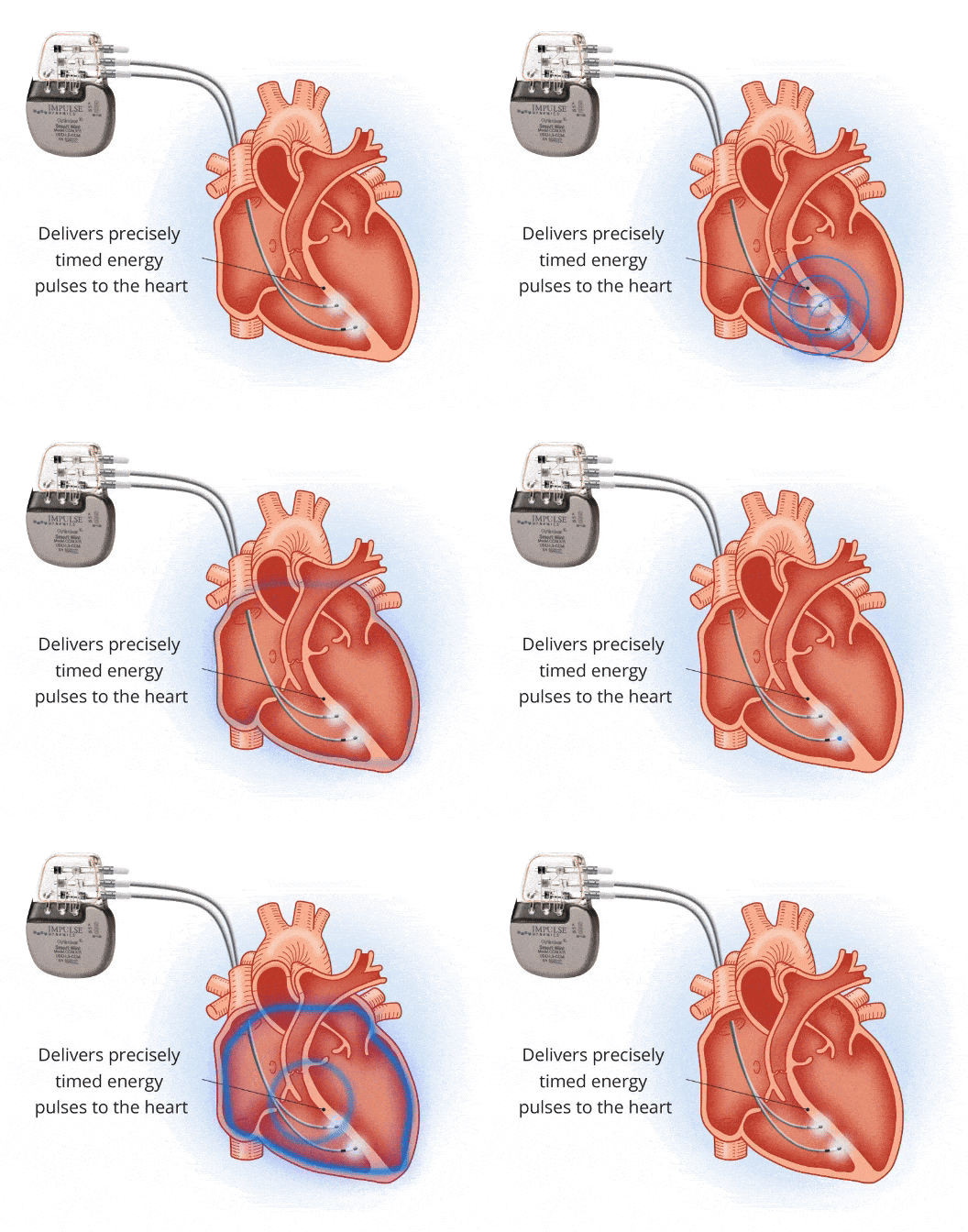
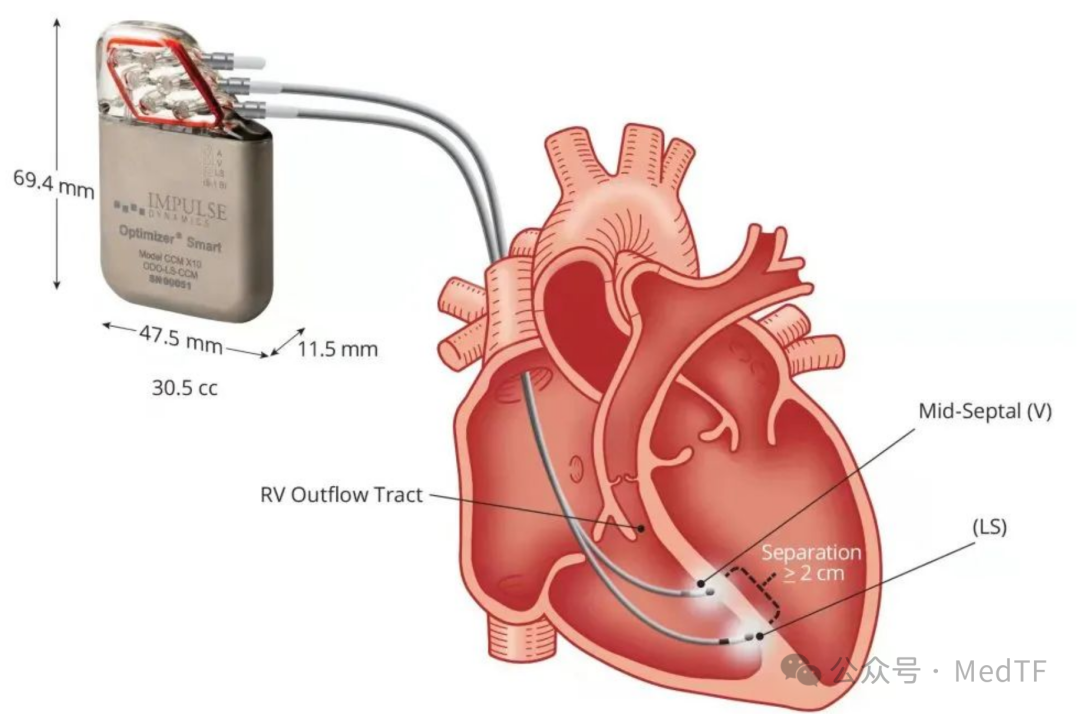
Cardiac Contractility Modulation (CCM) Brings New Hope for Heart Failure Patients. The principle of CCM isThrough standard pacing electrodes, non-excitatory high-voltage biphasic pulses (voltage 7.5V, pulse width 5.0ms) are delivered to stimulate the subendocardial myocardium of the interventricular septum during the absolute refractory period of the myocardial cell action potential (i.e., within 30ms after sensing myocardial excitation). This normalizes the activity of key proteins related to calcium ion regulation and balances cardiac autonomic nerve tension, thereby improving the patient's cardiac function. Long-term effects can reverse myocardial remodeling.Although devices like Implantable Cardioverter Defibrillators (ICD) and Cardiac Resynchronization Therapy (CRT) are used to address arrhythmias or synchronization issues, compared to the former two,CCM is the only treatment device that can train the heart and improve the contractility of cardiac muscle.。
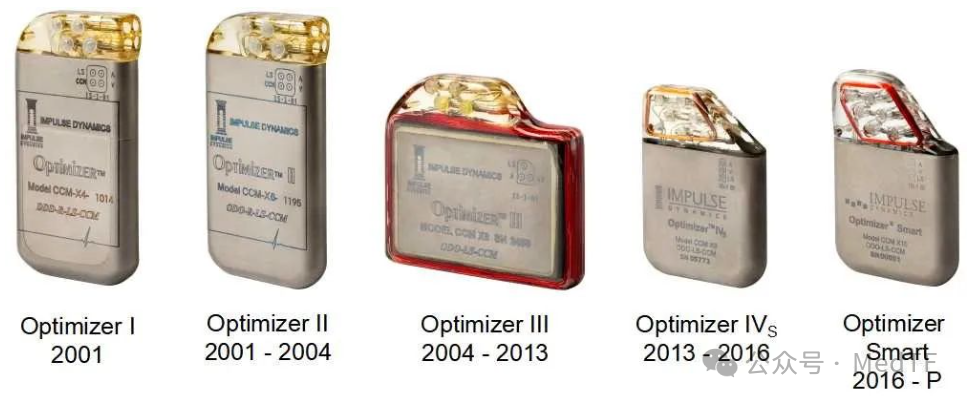
Optimizer
Optimizer Is aDevice providing CCM therapy for heart failure patients.Consists of an optimized smart implantable pulse generator (IPG), optimized miniature charger, programmer, and software.
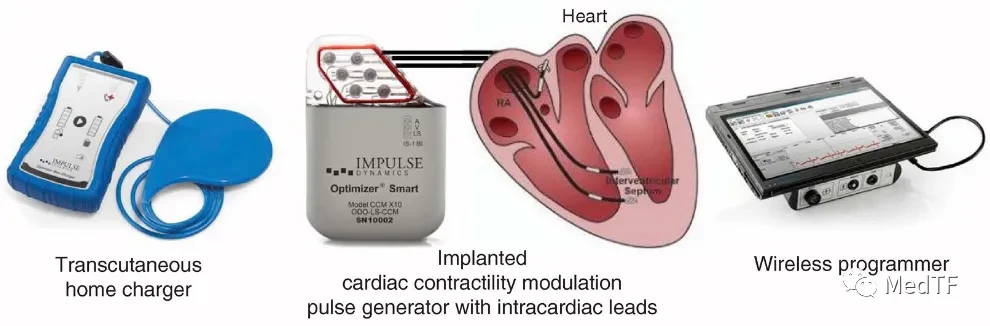
OptimizerImplantable Pulse Generator (IPG)When fully charged, it can be used for 3-4 weeks. However, it is recommended to use it once a week.Optimize Micro ChargerCharge.
Optimizer Demonstration
Impulse Dynamic
Impulse DynamicFounded in 1996, it has been committed to the research and development of Cardiac Contractility Modulation (CCM), with its coreOptimizerIt received the FDA's Breakthrough Device Designation in 2015 and was approved by the FDA for marketing in the United States in 2019. To date, it has been implanted in more than 9,000 patients worldwide.