Home AI Pharma Accelerates into Commercialization with Clinical Validation, Regulatory Breakthroughs, and Ecosystem Synergy
AI Pharma Accelerates into Commercialization with Clinical Validation, Regulatory Breakthroughs, and Ecosystem Synergy

Dec 17, 2025 18:48 CST Updated 18:48
XtalPi

Computation-Driven Innovative Drug R&D Provider

图片

On December 8, the FDA officially approved the first AI drug development tool for non-alcoholic steatohepatitis (NASH, now referred to as metabolic dysfunction-associated steatohepatitis, MASH) — the AIM-NASH system. This tool is specifically designed for clinical trials of metabolic dysfunction-associated steatohepatitis (MASH) and can assist pathologists in standardizing histological assessments, thereby reducing the time and resources required for MASH drug development.


As AI drug discovery tools gradually gain regulatory approval, AI-driven pharmaceuticals are accelerating the transition from "digital molecules" to "real drugs." In Zhangjiang Pharm Valley, AI pharmaceutical companies have moved from early technical validation and capital support into a new phase characterized by clinical advancement of product pipelines, diversified business model validation, and deep integration within the industrial ecosystem.


Image
Image

From Target Discovery to Clinical Acceleration, AI-Driven Full Process Innovation
Compared with traditional new drug research and development, AI has shown significant advantages in target discovery, molecular design, and clinical trial levels.


InXtalPiInside the world's largest biomedicine robot automation workstation cluster, a white robotic arm unscrews test tubes, weighs powders, adds materials precisely, transfers liquids, and magnetically stirs... conducting experiments 7×24 hours a day while recording data, assisting or even replacing manual experimentation. Meanwhile, AI, combined with the precision and all-time operation of robots, not only shortens drug development cycles but also generates standardized data to drive model evolution and iteration.


Insilico Medicine, YanYin Technology, Deep Potential Technology, Nutshell Therapeutics, Zhangjiang Synthetic Biology Public PlatformSimilarly, AI drug discovery tools have been developed, covering key stages such as target discovery, compound design, and preclinical research, significantly improving the efficiency and success rate of drug discovery, and achieving a profound evolution from an efficiency tool to an industry rule reshaper.


For example, Insilico Medicine, with its self-developed integrated AI algorithm platform, has compressed the preclinical candidate drug nomination cycle to 12-18 months, requiring only about 60-200 molecules to be synthesized and tested for each project. It has completed the nomination of 20 candidate molecules. Among them, Rentosertib, the most advanced, has successfully completed Phase IIa clinical trials, becoming one of the world's first innovative drugs discovered with AI empowerment and entering the clinical validation stage.


图片

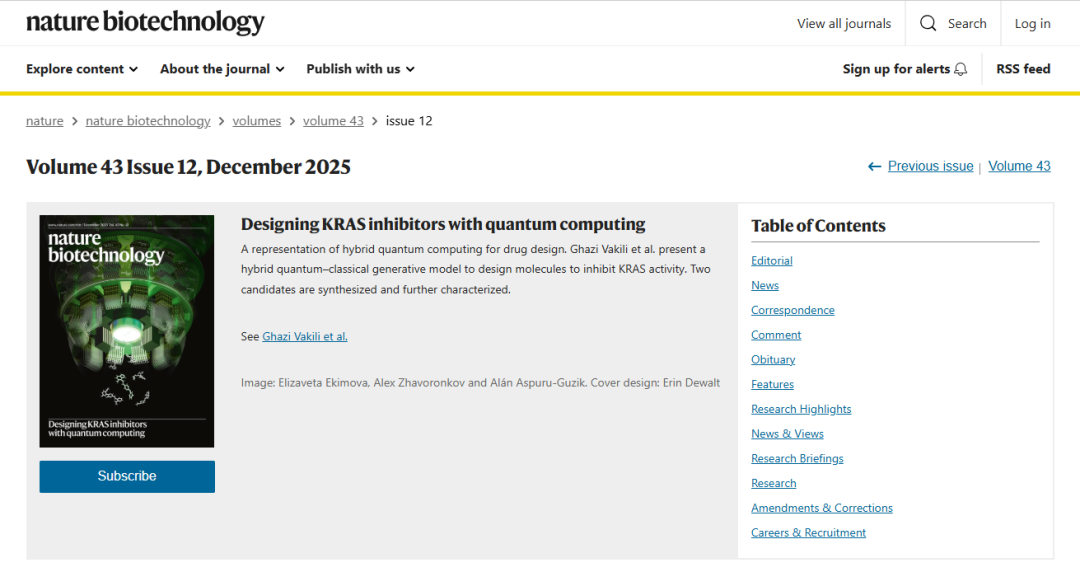
December 2025Nature Biotechnology Journal Cover

(Image Source: Insilico Medicine)


Recently,Nature BiotechnologyThe editorial team from 2025 published inNature BiotechnologyAnd other journal publications, selecting the key research works of the year. The research participated by Insilico Medicine《Quantum-computing-enhanced algorithm unveils potential KRAS inhibitors》Selected for this year's Top 10 Research Advances list and graced the cover. This is also the first time that quantum computing's achievements in drug discovery have been selected.Nature BiotechnologyList of Key Articles for the Year.


Image

FromFrom Technical Validation to Commercial Implementation, The Value of AI in Pharmaceuticals is Being Realized at an Accelerated Pace
The value of AI-driven drug discovery is not only reflected in the revolutionary improvement in R&D efficiency but has also translated into measurable commercial outcomes.


图片

(Image Source: XtalPi)


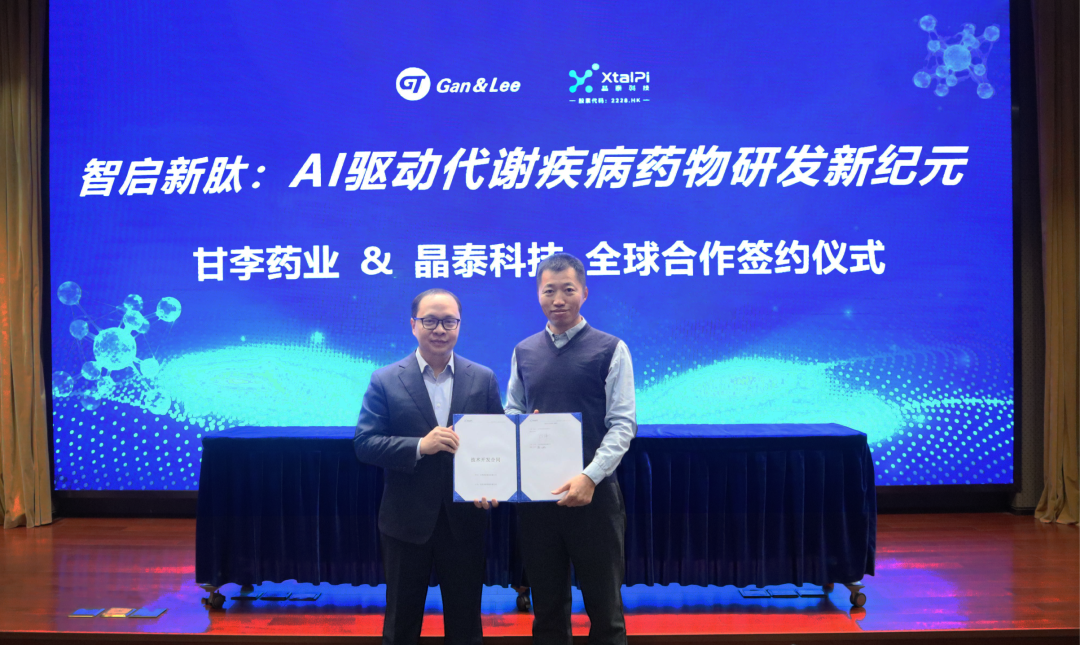
Recently, XtalPi and Insilico Medicine have reached several intensive cooperation agreements.December 2025, XtalPiAndGan & Lee Pharmaceuticals Reaches AI-Powered Peptide Innovation Drug R&D Collaboration and AI Technology Platform Licensing Agreement in Metabolic Disease Field; XtalPi to Receive Platform Licensing Fees, Upfront Payment, Clinical and Commercial Milestone Payments, and Revenue Sharing from Pipeline Sub-Licensing Based on Pipeline Progress.


18f5d2c26e413923b23084572ccfb0ea.jpg

(Image Source: Insilico Medicine)


In the same month, Insilico Medicine entered into an exclusive pipeline licensing collaboration with TaiGen Biotechnology. TaiGen obtained the exclusive rights for the development, commercialization, and sublicensing of Insilico Medicine's PHD inhibitor ISM4808 in Greater China, with a total deal value reaching tens of millions of US dollars.


In November 2025, XtalPi and Insilico Medicine successively partnered with multinational pharmaceutical companies in Zhangjiang.Eli LillyBD cooperation was successively achieved. Among them, Ailux, a subsidiary of XtalPi, signed a $345 million agreement with Eli Lilly, focusing on bispecific antibody development; Insilico Medicine partnered with Eli Lilly for compound research and development of innovative targets based on its Pharma.AI platform, with Insilico Medicine eligible to receive over $100 million in potential earnings.


Notably, in August 2025, XtalPi completed a pipeline collaboration agreement with DoveTree, with a total order value of approximately HKD 47 billion (USD 5.99 billion), marking the largest BD deal in the AI pharmaceuticals field.


Insilico Medicine Similarly Reaches Milestone Progress.According to the disclosure by the Hong Kong Stock Exchange on December 14, Insilico Medicine has passed the listing hearing, with Morgan Stanley, CICC, and GF Securities as joint sponsors.


Image

Ecosystem Synergy: Zhangjiang Pharma Valley Builds Full-Chain Competitiveness in AI Drug Discovery
Currently,The Inflection Point of AI-Driven Drug Discovery is ApproachingZhangjiang Pharm Valley is leveraging its unique "government, industry, academia, research, medicine, capital" ecological advantages to help companies move from single-point breakthroughs to ecosystem collaboration.


As early as 2021, to seize the development opportunities of AI + drug research, strengthen the layout of new AI + drug tracks, the Zhangjiang AI New Drug R&D Alliance was established. Currently, the alliance members have expanded from a single track initially to multiple tracks now, presenting a flourishing scene of diverse development, gradually becoming an indispensable backbone force in the field of artificial intelligence and drug research and development.


图片

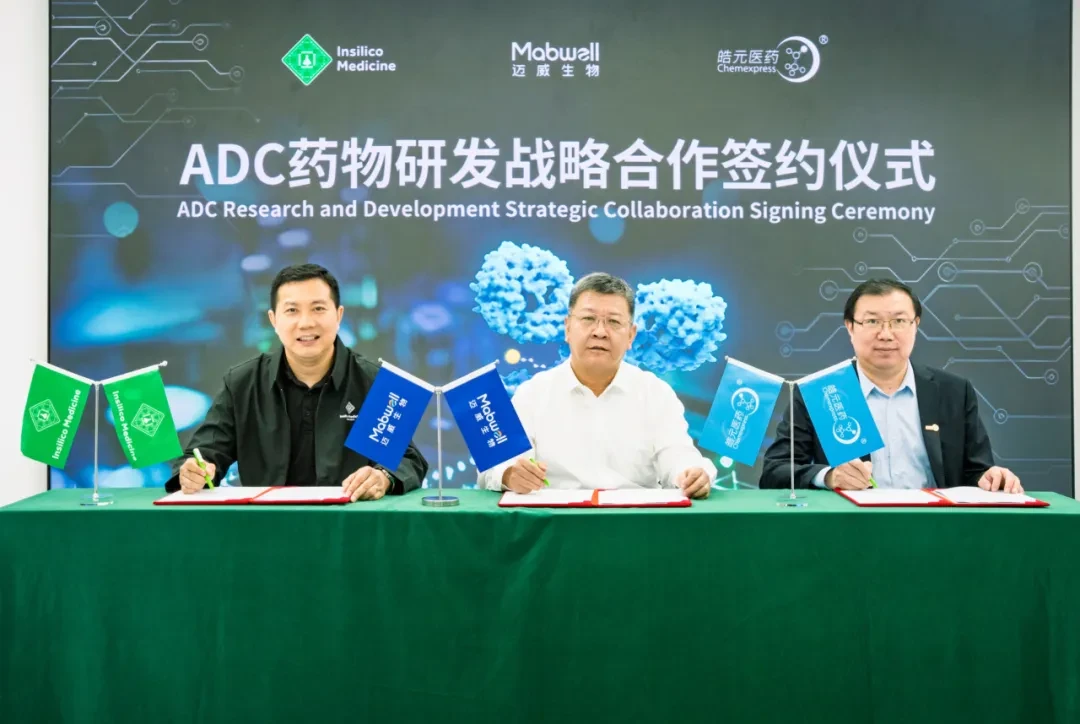
Signing Ceremony for ADC Drug Development Strategic Cooperation

(Image Source: Mabwell)


September 2025,Mabwell,Insilico Medicine,HaoYuan MedicineReach a strategic cooperation to jointly develop a new generation of ADC (Antibody-Drug Conjugates). This "complementary advantages and resource sharing" model is a prime example of the deep release of AI pharmaceutical value in specific fields.


图片

(Image source: Hello Zhangjiang)


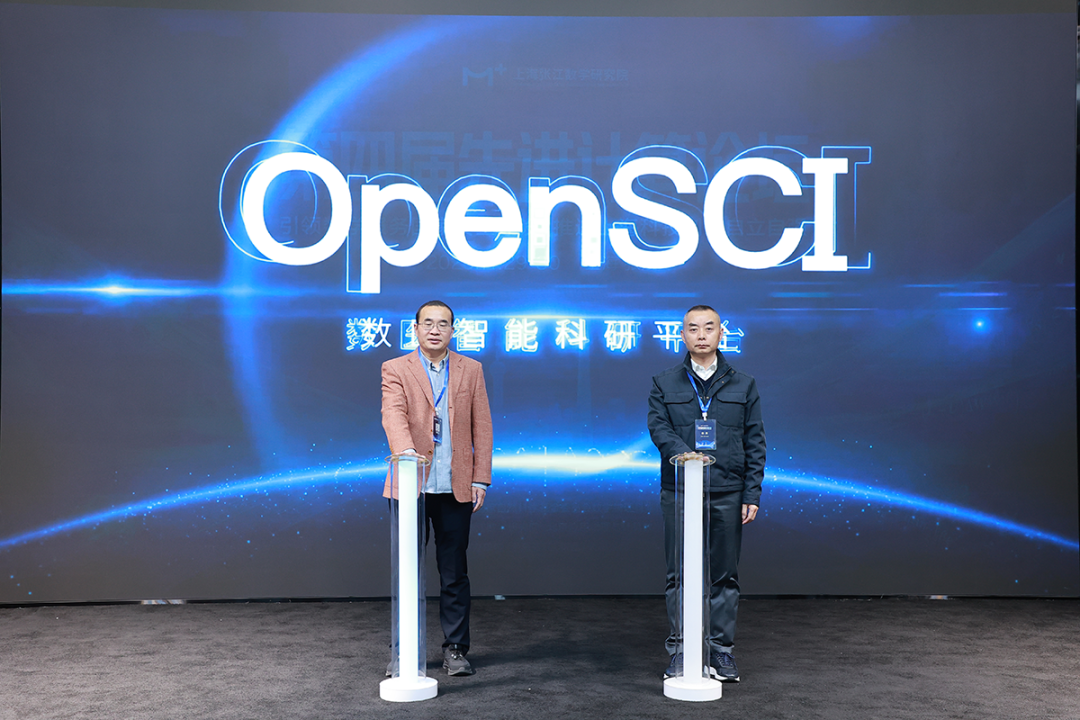
In November 2025, the Shanghai Zhangjiang Institute of Mathematics and the Zhangjiang Scientific Big Data Innovation Lab, a subsidiary of Shanghai Zhangjiang (Group) Co., Ltd., jointly released the "Intelligent Medical Research Platform." This platform integrates advanced computing, pre-trained models, multimodal data, and intelligent analysis tools, aiming to optimize life science research processes and further enhance Zhangjiang's infrastructure capabilities in the AI pharmaceutical ecosystem.


As the FDA recognizes AI drug discovery tools, and companies in China and abroad achieve continuous breakthroughs in technology, commerce, and ecosystem development, AI-driven pharmaceuticals are transitioning from conceptual exploration to industrial implementation. From shortening R&D cycles and reducing development costs, to promoting cross-disciplinary collaboration and reshaping industry norms, AI is not only transforming drug discovery but also gradually establishing a data-driven, collaborative innovation paradigm for new drug development. In the future, as more AI-developed drugs enter clinical trials, this technology-led pharmaceutical revolution has the potential to bring more efficient and precise treatment options to patients worldwide.

Image
Image