

AusperBio Submits IPO Filing Highlighting AHB-137, a First-in-Class ASO Therapy Demonstrating 30% Functional Cure Rate in Chronic Hepatitis B with 24-Week Treatment
AusperBio
Biological Vaccine and Nucleic Acid Drug Developer
Note: This article does not constitute any investment opinions or recommendations; please refer to official/company announcements. This article only introduces drugs related to medical health, not treatment plan recommendations (if involved), and does not represent the platform's position.Any article reprinted needs to be authorized.
Recently, AusperBio announced at the HEP-DART 2025 Annual Meeting the Phase IIa clinical trial data of its self-developed innovative hepatitis B drug AHB-137: after 24 weeks of treatment and 48 weeks post-treatment discontinuation, in chronic hepatitis B patients who were stably receiving nucleos(t)ide analog therapy, were HBeAg-negative, and had a baseline HBsAg level between 100-1000 IU/mL, AHB-137 achievedUp to 30% clinical cure rate。
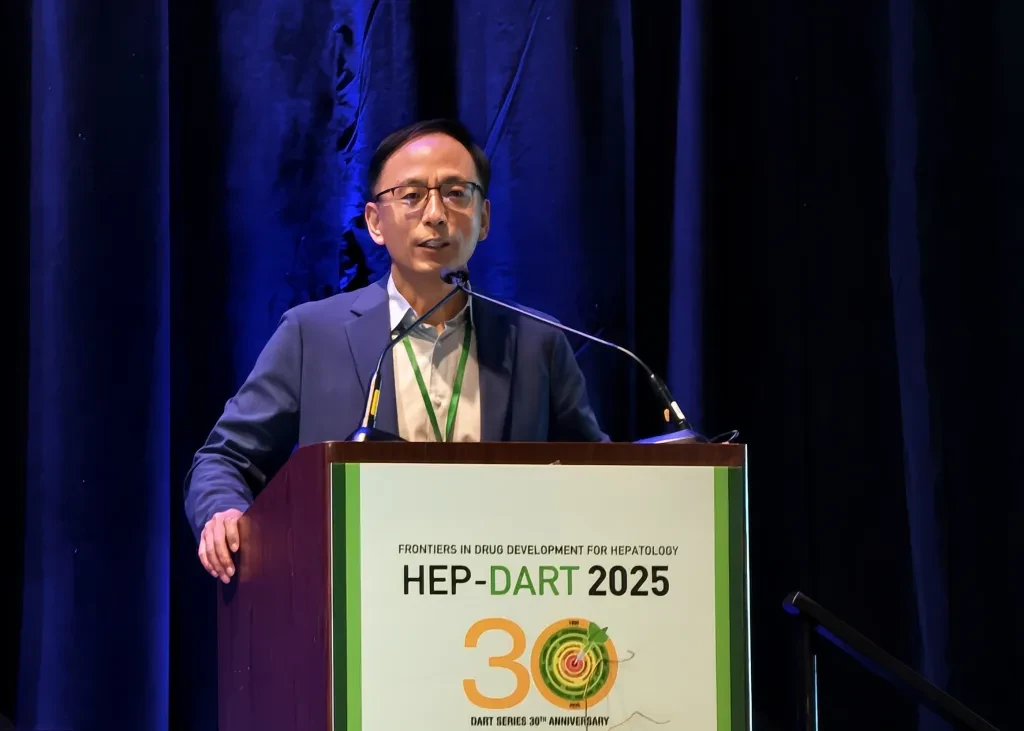
Dr. Guofeng Cheng
Dr. Guozheng Cheng, co-founder and CEO of AusperBio, explained,Nucleos(t)ide analogs can effectively inhibit HBV replication but have limited effect on surface antigen clearance and often require lifelong medication. While long-acting interferons possess both antiviral and immune activation effects, enabling partial patients to achieve clinical cure, they also come with limitations such as a smaller effective population, longer treatment duration, and significant side effects. Recognizing this unmet clinical need, Dr. Cheng Guofeng led his team to focus their research efforts on the field of HBV cure, turning their attention to antisense oligonucleotide (ASO) therapy.

The latest research data from the Phase IIa clinical trial of AHB-137 showed that, in chronic hepatitis B patients who are HBeAg-negative, have a baseline HBsAg level between 100-1000 IU/mL, and are stably receiving nucleos(t)ide analog treatment,After 24 weeks of short-course treatment and 48 weeks post-treatment, the clinical cure rate reached as high as 30%.At the same time,Achieve 100% sustained suppression of HBV DNA after discontinuation of the drug,Patients who achieved a complete response at the end of treatment demonstrated favorable long-term outcomes.
For the emerging AHB-137, its innovative value lies in its distinct mechanism of action. "It can rapidly and potently reduce surface antigen levels, achieving a high rate of surface antibody seroconversion, a characteristic that no previous drugs have possessed," explained Dr. Cheng Guofeng further. AHB-137 works by inhibiting viral RNA.Directly target and block the production of surface antigens and viral replication, while also possessing immune-activating potential, thereby forming a unique multi-action mechanism.
In addition to its R&D strength, the convenience of medication is also an important advantage of AHB-137. Dr. Guofeng Cheng introduced that the drug is currently designed asOnce-weekly subcutaneous injection for a 24-week course."This is already a relatively simplified regimen among current similar therapies," revealed Dr. Cheng Guofeng.AHB-137 has received breakthrough therapy designation from the National Medical Products Administration (NMPA) in China, has been approved for Phase III clinical trials, and is proceeding very smoothly.
AboutAHB-137
AHB-137 is an innovative non-conjugated antisense oligonucleotide drug developed by AusperBio using its proprietary Med-Oligo™ platform. It employs chemical modification technology and treats hepatitis B through a triple mechanism of action: targeting and inhibiting hepatitis B surface antigen (HBsAg) at the transcription level, suppressing viral genetic material replication, and reactivating specific immune responses, overcoming the limitations of traditional therapies.
Reference: AusperBio

Mastering CAR-T Therapy, Stem Cell Therapy, Gene
Therapy,Comprehensive Information on Oncolytic Viruses and Nucleic Acid Drugs