

Oral Insulin After a Century of Exploration: Why Tianmai Biosciences Believes It Can Succeed Where Pharma Giants Have Failed
In *The Nature of Technology*, W. Brian Arthur writes: “Technology has brought us comfortable lives and boundless wealth, and has fueled economic prosperity. In short, our world has been transformed by technology.”
This statement holds equally true for the pharmaceutical industry: technology has brought immense wealth to the sector, driving its remarkable prosperity. We have observed many pharmaceutical companies achieving significant commercial success with just a single technology or product. For instance, AbbVie, which pioneered the development of adalimumab, recorded annual sales of $18.427 billion for this drug in 2017, generating substantial profits.
The success of “blockbuster” drugs with vast market potential hinges on several key factors: breakthrough technologies, unmet medical needs, broad patient populations or therapeutic indications, and prolonged treatment durations. The second half of the 20th century marked the golden age of drug discovery. Pharmaceutical achievements, exemplified by blockbuster drugs, have saved lives and improved quality of life. Meanwhile, the pharmaceutical industry has flourished.
Oral insulin undoubtedly possesses the potential to become a “blockbuster” drug: there are over 400 million patients worldwide, with more than 100 million in China alone; the treatment course is prolonged; and oral insulin may bring about disruptive innovation to traditional hypoglycemic agents and insulin injection therapy.
VCBeat (WeChat ID: vcbeat) interviewed Hefei Tianmai Biologics, a Chinese biopharmaceutical company that has been in operation for ten years. The company has decided to embark on the development of oral insulin, aiming to create a next-generation “blockbuster” drug and bring significant benefits to patients.
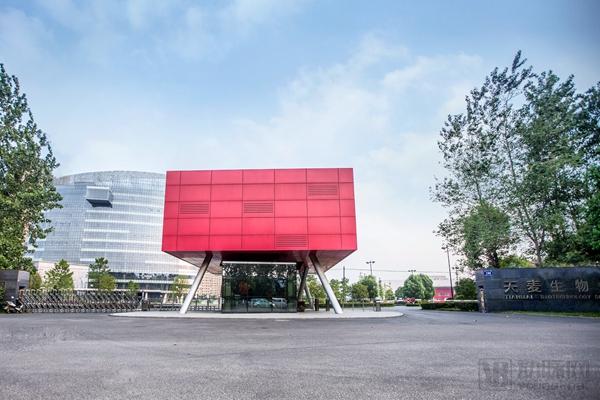
Tianmai Biological Industrial Park (Photo provided by the company)
In 1921, Canadians F. G. Banting and C. H. Best first discovered insulin. Clinical use began in 1922, saving patients with diabetes who previously had no effective treatment. To this day, insulin remains an indispensable medication for the treatment of diabetes, and for certain patients, it is the only therapeutic option available.
According to a research report by Guojin Securities, from the perspective of actual medication practice, prediabetes is primarily managed through lifestyle interventions (dietary control and exercise). In the initial stage, oral hypoglycemic agents, represented by metformin, are used to control blood glucose levels. When patients’ glycated hemoglobin (HbA1c) levels remain above the target threshold (generally required to be ≤7%) despite high-dose oral hypoglycemic therapy, insulin treatment becomes necessary. Approximately 60% of patients require oral hypoglycemic agents for 8–10 years, followed by insulin injections for more than 10 years. Around 30% of patients require direct initiation of insulin injection therapy.
Insulin serves as the final line of defense in the pharmacological management of diabetes, representing an indispensable and irreplaceable therapy for patients in the mid-to-late stages of the disease. Prolonged poor glycemic control can lead to severe complications: diabetic retinopathy may result in blindness; diabetic nephropathy can progress to chronic renal failure; significant clinical diabetic neuropathy commonly manifests within ten years of diagnosis; cardiovascular disease is a frequent complication among patients with type 2 diabetes; and in severe cases, diabetic foot may necessitate amputation.
The discovery and application of insulin have brought significant benefits to patients with diabetes, but they have also introduced new challenges. The pain associated with long-term injections and the inconvenience caused by strict timing requirements have led to suboptimal adherence to insulin therapy among some patients. Consequently, since the discovery of insulin, scientists have sought gentler and more convenient methods of administration, including advancements in injection techniques and devices, as well as alternative delivery routes such as oral and inhalation. Among these, the development of oral insulin is particularly appealing.
In 1924, the first paper on oral insulin was published. In the subsequent decades, the industry has continued to explore ways to overcome the challenges of oral insulin delivery, with dozens of papers published annually and some candidates advancing to clinical trials.
The challenges of oral insulin lie in the fact that insulin itself is a large-molecule protein, which is easily degraded by proteolytic enzymes as it passes through the digestive tract. Furthermore, once oral insulin enters the gastrointestinal tract, it struggles to penetrate intestinal epithelial cells to enter the bloodstream for absorption. This results in extremely low bioavailability of oral insulin, typically only a fraction of that achieved via injection. Consequently, production costs are prohibitively high, imposing significant manufacturing pressure on pharmaceutical companies.
Insulin giant Novo Nordisk’s foray into oral insulin faltered due to technical hurdles and production costs: In 2012, Novo Nordisk announced an investment of nearly $4 billion in the development of oral insulin, with an expected market launch within 8–10 years. However, just four years later, the company announced the termination of its oral insulin research. The official reason cited was “considerations regarding the commercial viability given the substantial upfront investment.” Industry experts, however, believe the project was halted because oral insulin capsules place significant demands on insulin raw material production capacity, creating considerable capacity pressure and prompting discontinuation on cost grounds.
In addition to Novo Nordisk, two other pharmaceutical companies worldwide are developing oral insulin: Israel’s Oramed Pharmaceuticals and the U.S.-based Diasome Pharmaceuticals. Diasome’s technological approach employs hepatocyte-targeted liposomes to deliver insulin directly to the liver, thereby lowering blood glucose levels by enhancing hepatic glucose uptake. Currently, its oral insulin product is undergoing Phase III clinical trials.
Oramed, founded in 2006 and listed on the NASDAQ in the United States the following year (ticker symbol: ORMP), has developed two products based on its proprietary oral protein delivery technology: oral insulin (ORMD-0801) and a GLP-1 analog (ORMD-0901). Currently, its oral insulin product has demonstrated favorable clinical performance, having completed Phase IIb clinical trials, and is seeking FDA approval to proceed to Phase III clinical studies.
Tianmai Biologics’ Dream of Oral Insulin: “Piggybacking” on Oramed Pharmaceuticals. Founded in 2007, Tianmai Biologics is dedicated to the introduction and assimilation of advanced international biotechnologies, the development and manufacturing of biopharmaceutical products, and the development of innovative high-tech biopharmaceuticals.
Gao Xiaoming, the founder of Tianmai Biologics, is a veteran in the insulin industry with many years of experience. He began distributing insulin products for foreign pharmaceutical companies in 1995 and led efforts in regulatory registration, market launch, and promotion of insulin products in China. “He holds sincere dedication to the insulin industry and patients with diabetes.”
Since 2010, Tianmai Bio has collaborated with an Israeli technical team to introduce insulin seed strains and manufacturing processes, established its own insulin R&D center, and designed and constructed API and formulation plants in compliance with cGMP requirements, successfully developing recombinant human insulin API and formulated products.
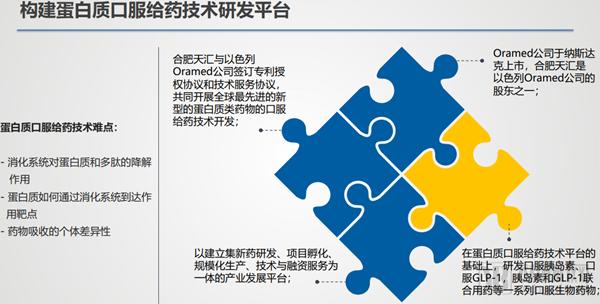
In 2015, Hefei Tianhui, a subsidiary of Tianmai Biologics, made a strategic investment in Oramed Pharmaceuticals and established a collaboration focused on an oral insulin product pipeline. The primary objective of this partnership is to build a technological platform for the oral delivery of proteins, and based on this platform, to develop a series of oral biologics, including oral insulin, oral GLP-1 analogs, and combination formulations of insulin and GLP-1 analogs. This initiative aims to establish an integrated industrial development platform encompassing new drug R&D, project incubation, large-scale manufacturing, as well as technology and financing services.
Overview of the Collaboration between Tianmai Biologics and Oramed
Giants Stumble: Why Does Tianmai Bio Dare to Invest in and Import Oral Insulin Technology with Hopes for Commercialization? A representative of Tianmai Bio told VCBeat that the difficulty with oral insulin does not lie entirely in technical implementation; from a technical standpoint, oral insulin is “a good product.”
Following technological breakthroughs, considerations must also be given to the upstream supply of insulin raw materials and downstream commercial implementation. Tianmai Bio has its own production base for insulin raw materials, ensuring an adequate supply. Meanwhile, the optimized oral insulin product has demonstrated favorable clinical performance, with significant breakthroughs in bioavailability and optimistic individual absorption profiles, thereby “providing statistically significant confidence.”
Overall, mature technology, a well-structured industrial chain layout, and favorable clinical performance have led Tianmai Biologics to maintain an optimistic outlook on its oral insulin project. From an investor’s perspective, given the substantial market potential post-commercialization, investing in oral insulin is also “a financially viable proposition.”
Oral insulin represents Tianmai Bio’s “bet” on the future. At present, the company is also actively expanding its portfolio of second- and third-generation insulin products and diabetes chronic disease management services, aiming to build a “patient-centric, full-industry-chain development model for diabetes.”
Tianmai Biologics told VCBeat that its insulin product portfolio comprises seven products across 27 specifications, including recombinant human insulin, recombinant insulin glargine, long-acting GLP-1 analogs, and oral insulin capsules. It is the third biopharmaceutical company in China, following Tonghua Dongbao and Gan & Lee Pharmaceuticals, to establish a comprehensive insulin product lineup.
In terms of production capacity, Phase I has an annual output of 12 million insulin injection pens, while Phase II can reach 60 million units. Among these, Recombinant Human Insulin Injection (brand name: Tianmailin) has obtained the production approval from the China Food and Drug Administration (CFDA) and is scheduled to be launched in mid-to-late July this year. Oral insulin capsules have entered the stage of international multi-center clinical trials, with market launch prospects becoming increasingly visible.
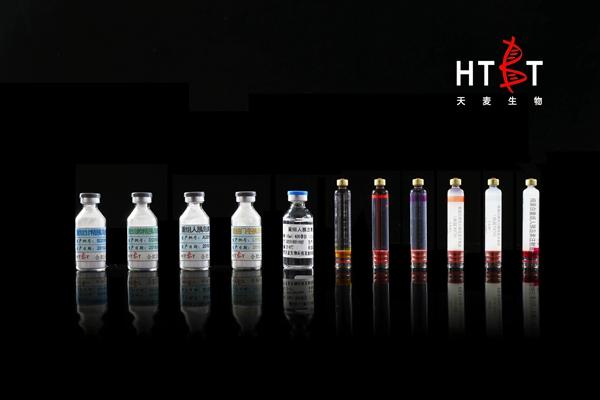
Tianmai Bio's Insulin Product Line (Image provided by the company)
“Tianmai Biologics positions its insulin product portfolio as follows: we are a follower in second-generation insulins, a competitor in third-generation insulins, and a pioneer in oral insulins,” stated Tianmai Biologics.
Meanwhile, Tianmai Biologics has also established a presence in insulin injection devices, diabetes clinics, pharmacies, online health service platforms, and big data platforms for diabetes, with the aim of building an integrated diabetes management platform.

Yitang Clinic under Tianmai (Photo provided by the company)
From the perspective of market size, diabetes treatment and management represent a vast market. According to statistics from the IMS database, the global diabetes market was valued at approximately $60 billion in 2015, representing a year-on-year growth of 9%. Diabetes medications broadly include injectable insulin, biguanides, thiazolidinediones, sulfonylureas, glinides, traditional Chinese medicine preparations, and novel agents targeting new mechanisms of action such as DPP-4 inhibitors, GLP-1 receptor agonists, and SGLT2 inhibitors.
The global insulin market has maintained a compound annual growth rate (CAGR) of approximately 8%, accounting for over 50% of diabetes medications. Globally, insulin represents 60% of diabetes drug usage. According to data from sample hospitals in China, insulin accounts for 40% of diabetes medications domestically. However, given that these sample hospitals are primarily tertiary Grade A hospitals located in large and medium-sized cities, and considering that insulin utilization is lower at the primary care level in China, the actual proportion of insulin among diabetes medications in China is significantly below 40%.
According to a research report by Guojin Securities, as population aging intensifies and the disease spectrum shifts, the proportion of insulin use in China will reach at least the current global average in the future, indicating substantial market growth potential.
From the perspective of market entry, the barriers to insulin production are extremely high. The large-scale fermentation of biologics imposes stringent requirements on strains/cell lines, production facilities, manufacturing conditions, extraction, and purification processes; therefore, the barriers are significantly higher than those for generic chemical drugs. Oral insulin, with its innovative route of administration, can address market pain points and meet unmet needs. Once successfully launched, it has the potential to become a new "blockbuster" drug.
Through technology introduction, commercialization, and development across the entire industry chain, Tianmai Biopharma has forged an innovative path for “overtaking on a bend” in the biopharmaceutical sector. Against the backdrop of national policies encouraging innovation in drugs and medical devices, and while meeting patients’ clinical medication needs, Tianmai Biopharma and its insulin product portfolio may well become a hallmark of pharmaceutical innovation in China.
References:
20160828-Soochow Securities-Pharmaceutical Industry: Special Report on the Diabetes Industry-Market Potential is Huge, Insulin is a Rigid Demand
20170703-Guosen Securities-Special Research on the Pharmaceutical Industry: Insulin: The Trump Card in a Race Against Time