

Haishanshi Pioneers Internet-Based Vertical Chronic Disease Management Model for Major Infectious Diseases like HIV and Chronic Hepatitis B
Even today, when it comes to major infectious diseases, many people still shy away from them as if they were the plague. Upon hearing “AIDS,” quite a few people’s immediate reaction remains: Is this even treatable? The removal of hepatitis B testing from school enrollment and employment medical examinations is a development that has occurred only within the past decade; yet in the minds of some individuals, patients with hepatitis B are still viewed with prejudice.
In fact, since its discovery in the 1980s, HIV/AIDS has gone through three major stages: being incurable, difficult to treat, and manageable with cocktail therapy. Although it cannot yet be completely cured, it has become a controllable chronic disease globally, similar to diabetes and hypertension.
Typically, the industry refers to HIV/AIDS as achieving a "functional cure" and hepatitis B as achieving a "clinical cure." Their core objectives are consistent: under the premise that viral reservoirs cannot be completely eradicated, effective clinical strategies aim to achieve sustained viral suppression, restore normal immune function, eliminate the need for ongoing medication, prevent transmission, and halt disease progression. This would represent a remarkable breakthrough in the history of major infectious diseases.
Currently, Haishanshi serves high-risk populations for HIV/AIDS, leveraging the advantages and tools of internet technology to address their testing needs as well as the treatment and health management needs of those living with HIV/AIDS, with initial results already evident.

By the end of 2015, there were approximately 37 million people living with HIV worldwide, with 2.1 million new infections and 1.1 million deaths from HIV-related illnesses; among them, 40%, or more than 14 million people, were unaware of their infection status.
To align with patient needs, Haishanshi leveraged its globally proprietary "Micro-Precision Detection Technology" and multi-channel social medical resources to preliminarily establish the Haishanshi Mall in mid-2017. The platform provides internet users with anonymous HIV self-testing, disease science education, physician referrals, and disease management services.
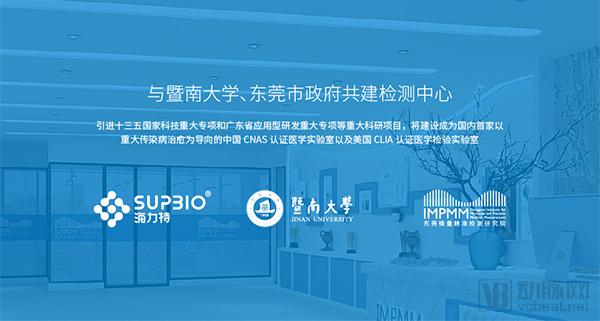
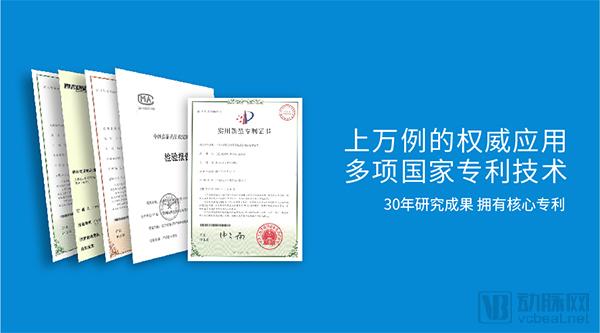
Haishanshi’s “Micro-Precision Detection Technology” is based on the molecular diagnostic patent technology of its parent company, Guangzhou Hailite Biotechnology Co., Ltd. This technology underpins a professional third-party testing platform—the Dongguan Micro-Precision Detection Research Institute, which was jointly established with the support of the Dongguan Municipal Government and Jinan University as China’s first institute oriented toward the cure of major infectious diseases.
One of the key clinical challenges lies in identifying more patients who have achieved clinical cure with greater accuracy, thereby truly helping them attain this status; ensuring that more patients on the verge of clinical cure receive adequate attention and achieve clinical cure through optimal treatment; and enabling patients who have already achieved clinical cure to maintain a favorable prognosis by predicting and preventing potential risks of recurrence, thus sustaining long-term, healthy lives.
Haishanshi aims to achieve this goal by guiding clinical cures through precise, micro-volume viral library testing; its vertical management of chronic diseases enables the provision of the most personalized and optimal clinical cure regimens for countless patients.
“To eliminate weeds, one must remove their roots.” As long as the root system remains, new shoots can emerge, and noxious weeds will inevitably grow back. Whether it is HIV/AIDS or hepatitis B, both are viral diseases. Although various antiviral medications can effectively suppress viral activity today, as long as the viral reservoir persists, the virus will be replicated anew.Therefore, to achieve a clinical cure, it is necessary to continuously monitor the size of the viral reservoir. During treatment, effective suppression of the viral reservoir is manifested by a reduction in its quantity and decreased activity. When the viral load becomes undetectable, monitoring of the viral reservoir serves as a guide for therapeutic decision-making.
By screening viral databases, clinicians can better identify patients who have achieved clinical cure and those approaching it. Much like casting our gaze upon the entire ocean rather than just the beach before us, more exquisite pearls will naturally be discovered.
The success of typical cases has provided clinicians and scientists with new avenues for exploring better ways to identify and develop therapeutic approaches. For instance, the world’s first case of functional cure for HIV/AIDS—the “Mississippi Baby”—received antiretroviral therapy within 30 hours of birth and became the first individual globally to achieve a functional cure through such treatment.
Consequently, more cases have been reported among infants in South Africa and France, some of whom remained off medication for up to 12 years without experiencing viral rebound. The consensus within the industry is that early detection and early treatment contribute to achieving a functional cure.
Haishanshi’s HIV-1 DNA dried blood spot test, developed based on micro-precision technology, enables ultra-early detection of HIV infection. Compared with traditional antibody tests that have a window period of 3 weeks to 3 months, the HIV-1 DNA viral reservoir, as a core biomarker of infection, requires only a 3–7 day window period, making it the HIV testing technique with the shortest window period currently available worldwide.
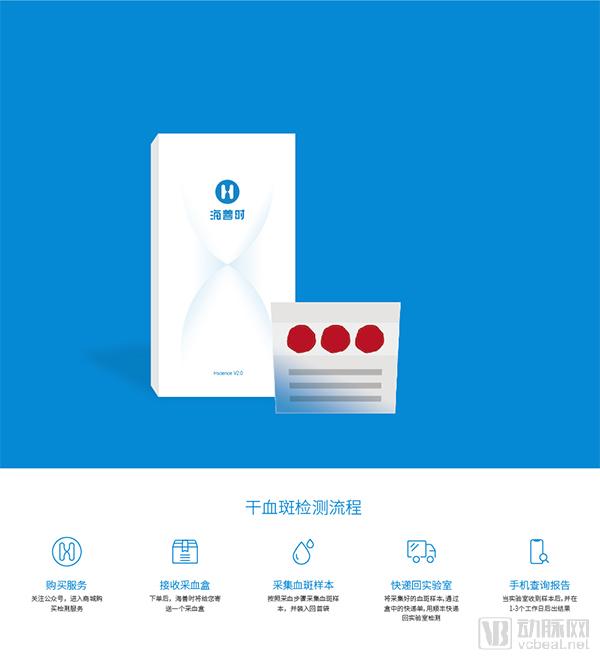
Meanwhile, leveraging the stability of DNA, users can self-collect capillary blood (fingerstick blood) at home and mail it via express courier to a professional medical testing laboratory to obtain accurate results. This approach is not only simple, convenient, and fast but also fully anonymous, ensuring robust protection of user privacy.
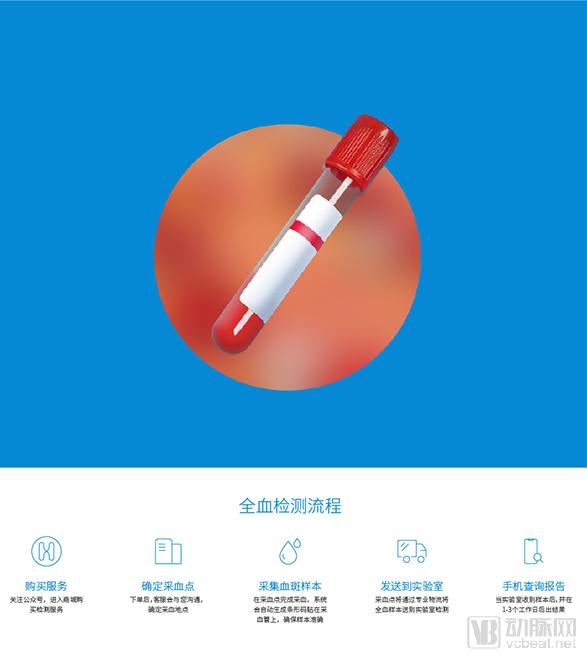
Therefore, Haishanshi not only enables ultra-early detection of HIV infection but also facilitates more convenient testing and more definitive exclusion of infection for individuals concerned about their exposure.
According to a report from the Beijing Municipal Center for Disease Control and Prevention, by the end of October 2017, a total of 1,202 qualified dried blood spot (DBS) samples had been collected for anonymous HIV nucleic acid testing via an “Internet+” platform. A total of 149 samples tested positive for HIV nucleic acid, among which 18 were positive for nucleic acid testing but negative for antibody testing, indicating cases of very early infection and accounting for 12.08% of the positive cases. This testing initiative confirmed that DBS-based nucleic acid testing is more effective in eliminating various false-negative results.
Timely and accurate testing to alleviate patients’ psychological burdens is the true essence of health. Prolonged anxiety can easily lead patients into a state of suboptimal health, even compromising their immune system and resulting in “Yin AIDS.”
According to the recommendations of the U.S. Centers for Disease Control and Prevention (CDC), all healthy individuals should undergo HIV testing at least once. After all, the population affected by HIV is no longer limited to specific high-risk groups such as people who inject drugs or those who sold blood; rather, the virus is now primarily transmitted through both homosexual and heterosexual sexual contact. With convenient access to testing and robust privacy protections, using the Haishanshi platform for screening offers an additional layer of personal protection and helps completely alleviate any underlying concerns.
Currently, Haishanshi’s market strategy relies on a dual online-offline approach. Offline, it leverages robust expert networks and social medical resources to collaborate with numerous hospitals, Centers for Disease Control and Prevention (CDCs), and public welfare organizations across China. Online, it acquires users through key traffic entry points such as Weibo Key Opinion Leaders (KOLs), WeChat influential accounts, volunteer alliances, and popular physician influencers, while building an authoritative science communication platform. This includes establishing live-streaming channels for doctor-patient interaction and science communication communities to address physicians’ queries and provide answers to patients.
Once users have testing needs, they can simply place an order directly through the platform, which will then mail a self-testing kit to them. The testing kit mainly includes blood spot collection cards, lancets, alcohol swabs, band-aids, and instructions. After collecting their blood sample, users return it to the platform using the same method. Throughout this process, the platform not only enables users to collect blood samples without leaving home, fully safeguarding their privacy and security, but also provides rapid results for cell counts and viral loads within 24 hours.
Once a viral load is detected in the user, the Haishanshi Platform can provide follow-up services according to the following steps:
Step 1: Proactively contact the user, inform them through appropriate means, and inquire whether they require a physician referral service.
Step 2: Refer patients to local hospitals for appropriate early treatment
Step 3: Regularly deliver information on disease treatment and health management
Step 4: Provide patient support groups to facilitate follow-up treatment and improve adherence
Step 5: With user consent, perform electronic medical record entry, periodic analysis, and reminders
Step 6: Provide continuous monitoring services for the patient’s treatment process to guide and optimize therapy.
Step 7: After achieving clinical cure, continue long-term follow-up to prevent viral rebound
Step 8: Provide health recommendations related to nutrition, exercise, and other aspects based on the user's condition.
In the course of providing specific services, Haishanshi occasionally encounters special cases that are difficult to diagnose rapidly in conventional medical institutions. However, through the platform’s rapid testing and services, these cases can be quickly confirmed. For instance, a hospital in Southwest China once treated a patient with severe fungal infections in the oral cavity and lungs. Such conditions typically occur only in HIV-positive patients with compromised immune systems. The hospital’s traditional antibody test yielded a weakly positive result for HIV. In such scenarios, most physicians would subjectively assume that the patient is infected with HIV. However, due to the weakly positive finding, the hospital remained uncertain. After contacting the Haishanshi platform and submitting the patient’s blood sample, DNA testing revealed no detectable HIV DNA. Consequently, the hospital ultimately determined that the patient was not an HIV carrier but suffered solely from a fungal infection.
Consequently, the hospital treated the patient for a pure fungal infection, and subsequent follow-up confirmed that the patient was indeed not infected with HIV. When the patient was successfully cured and discharged shortly thereafter, he repeatedly expressed his gratitude to the doctors, stating that he had once mistakenly believed he was infected with HIV and had been so overwhelmed by AIDS-related anxiety that he contemplated suicide; it was the doctors who gave him a new lease on life.
These cases not only provide robust data support for the national scientific research projects in which Haishanshi participates, but also facilitate the establishment of a bridge between the physician and user sides of the platform, thereby further empowering users to manage their own health data.
Leveraging its “Supbio Micro-Precision Detection Technology,” Haishanshi centers its business on testing services. Horizontally, it has built a suite of diagnostic services for major chronic diseases, with HIV as the core, extending to chronic hepatitis B, tuberculosis, and cancer. Vertically, it has established an O2O integrated vertical platform for chronic disease management, expanding from its core testing services into a four-in-one ecosystem comprising “online consultation + medical community + chronic disease management + health mall.”
The Haishanshi Platform currently reaches over 1 million individuals through its online science popularization initiatives and has served more than 25,000 users. It is currently developing an online consultation platform. At present, it offers quantitative testing services for HIV-1 DNA using dried blood spots and whole blood, as well as testing services for chronic hepatitis B, including HBV DNA, HBV pgRNA, and HBV cccDNA. Additionally, the platform provides medical referrals, consultations, healthcare information, and research services related to these two diseases.
In the future, Haishanshi will continue to focus on chronic disease health management for major infectious diseases, enabling more people to avoid infection and keeping the general public safe from exposure. For those already infected, we aim to bring them closer to clinical cure and ultimately achieve it. Through long-term, continuous follow-up, we strive to improve patient prognosis, and by providing professional physician consultations, we implement practical clinical solutions. Ultimately, Haishanshi hopes that more individuals will benefit from clinical cures, freeing them from lifelong medication and allowing them to fully return to a normal, healthy life in society.