How Should 'Healthcare + Blockchain' Enter the Market Amid Hundreds of Billions in Q2 2018 Blockchain Funding?
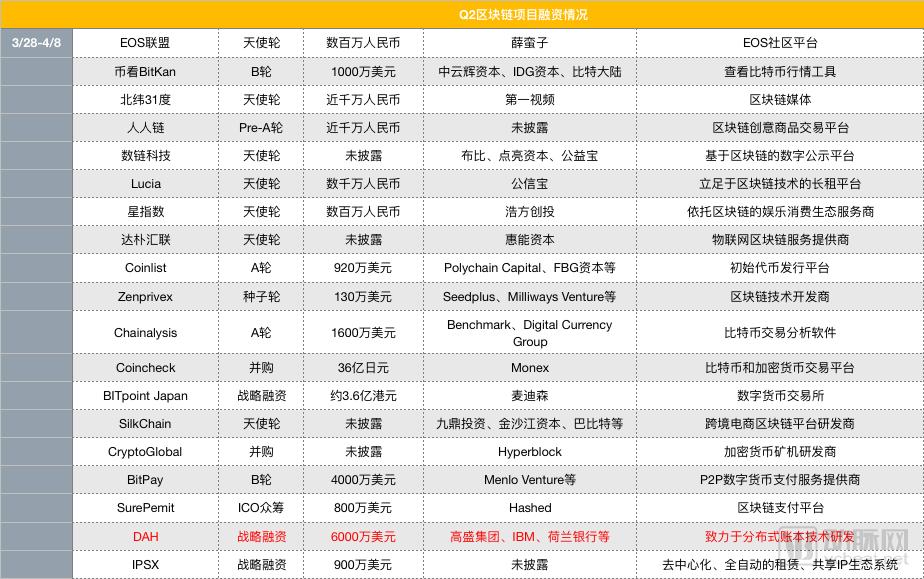
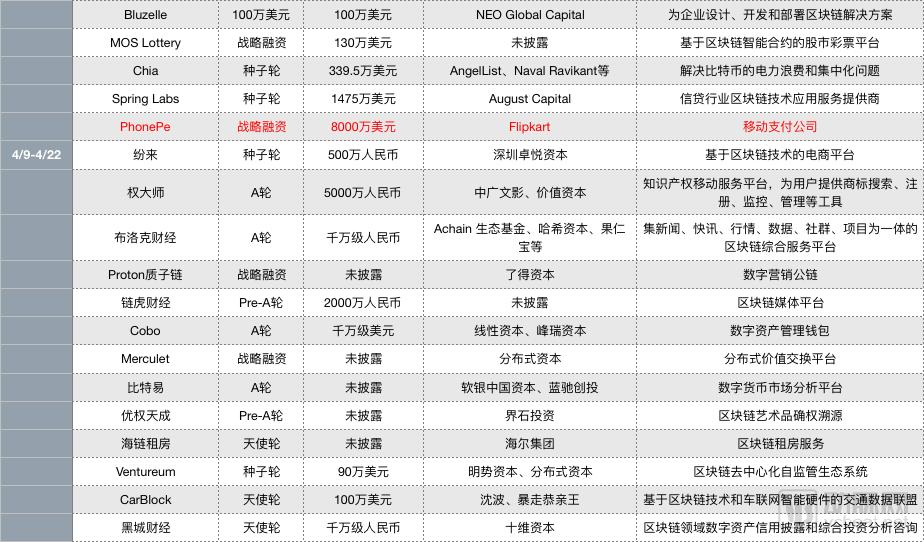
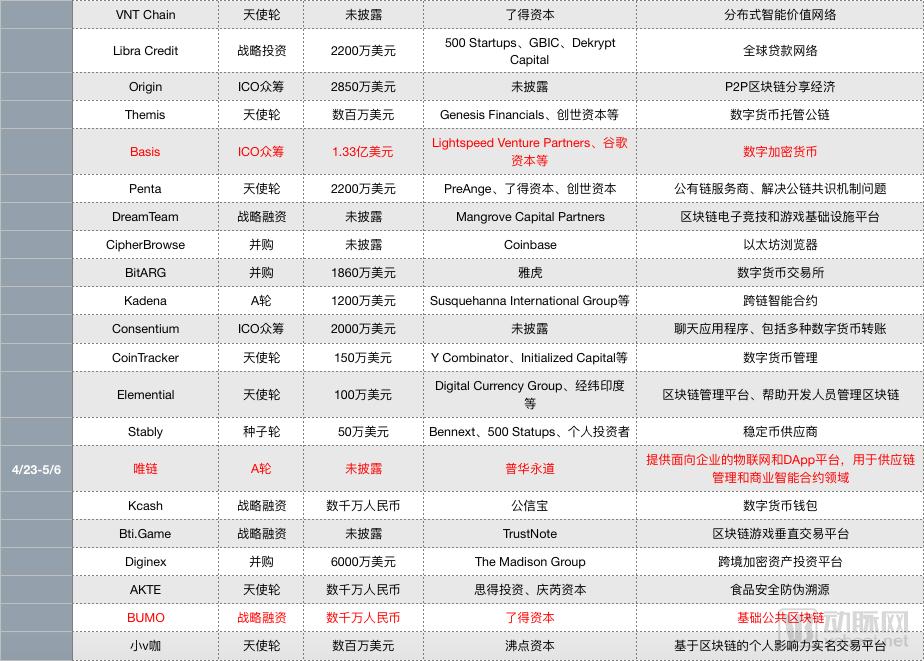
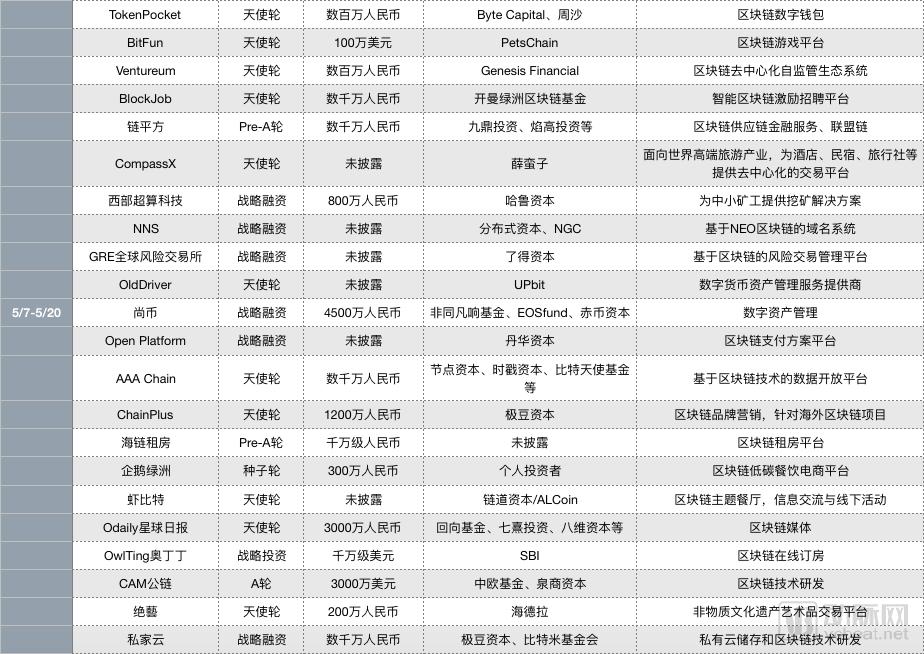
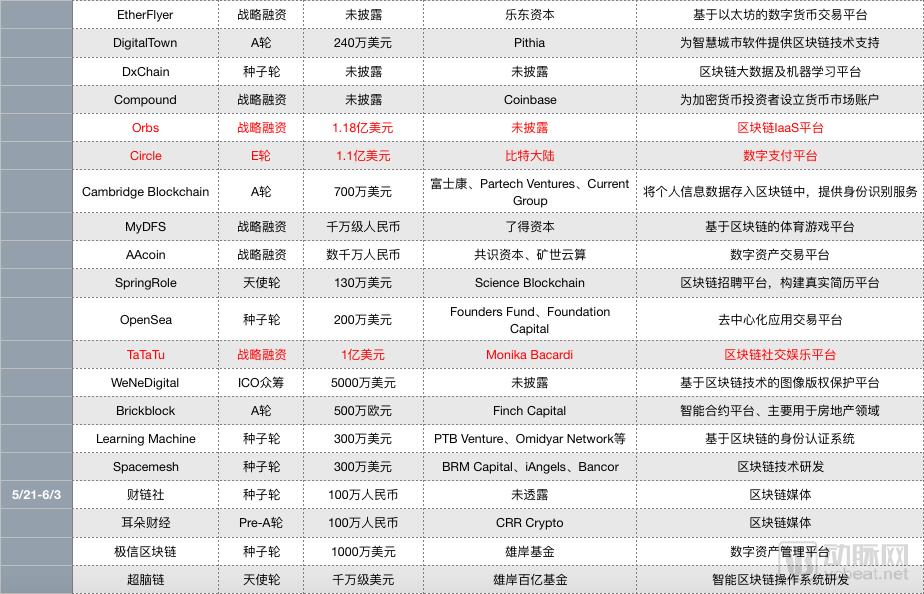
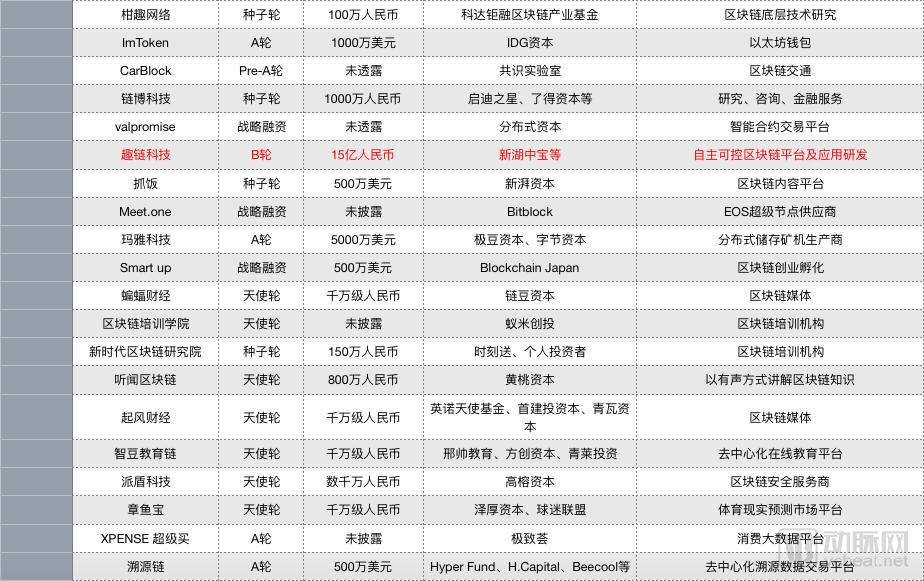
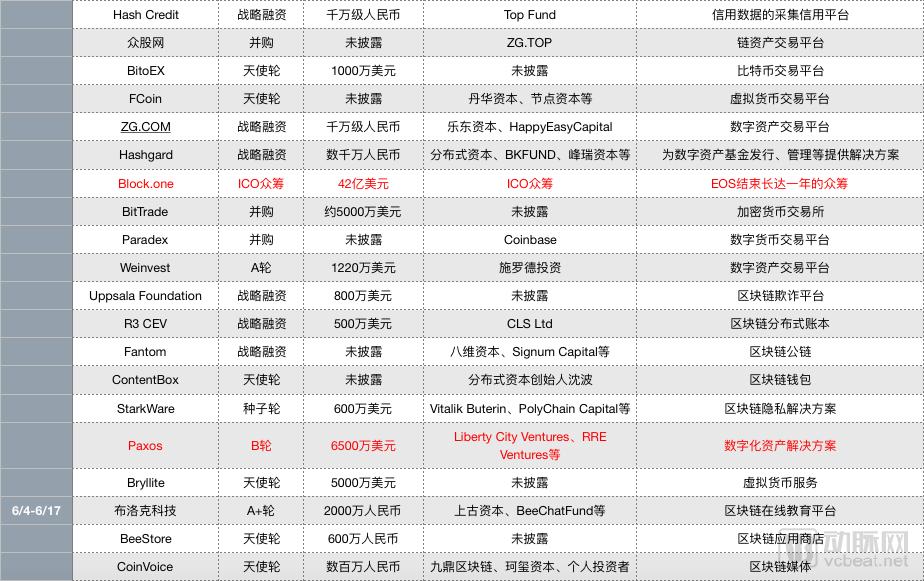
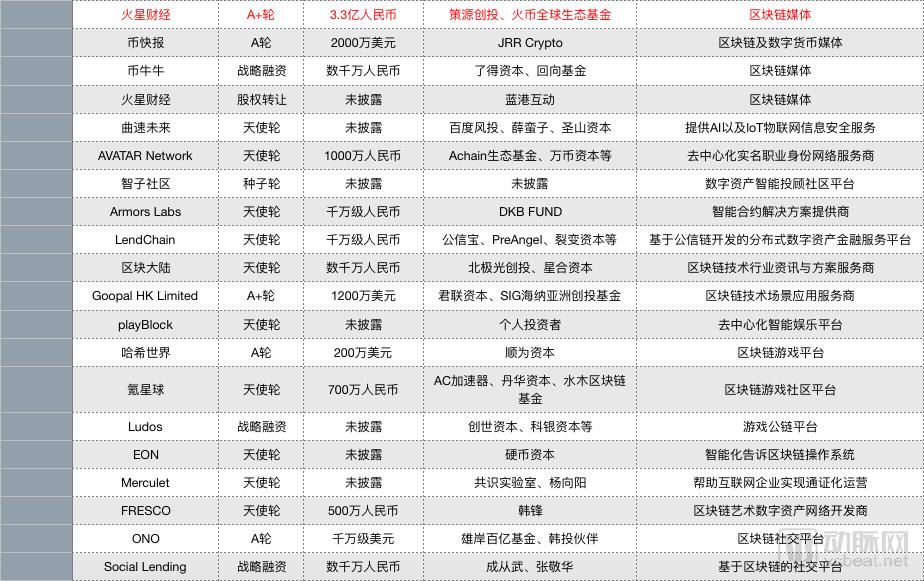
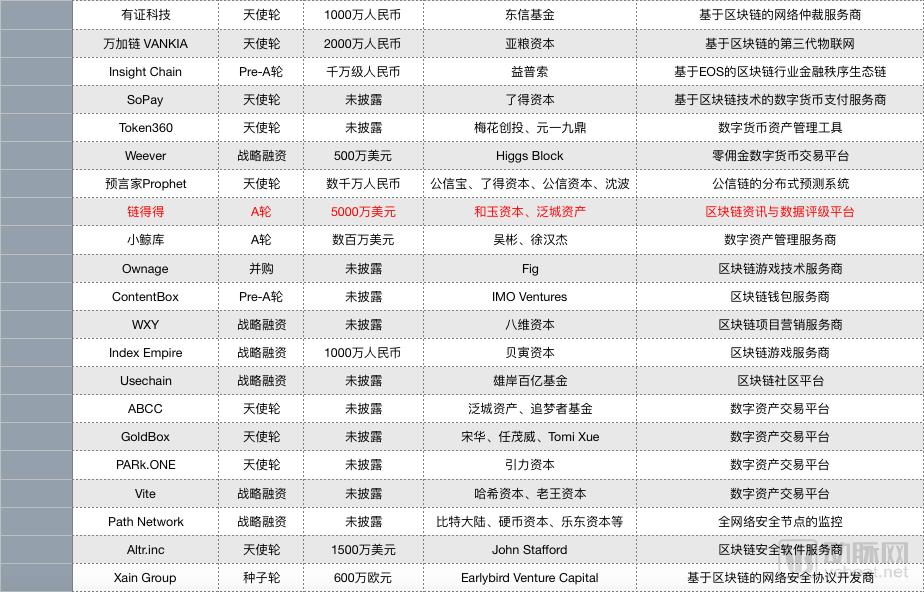
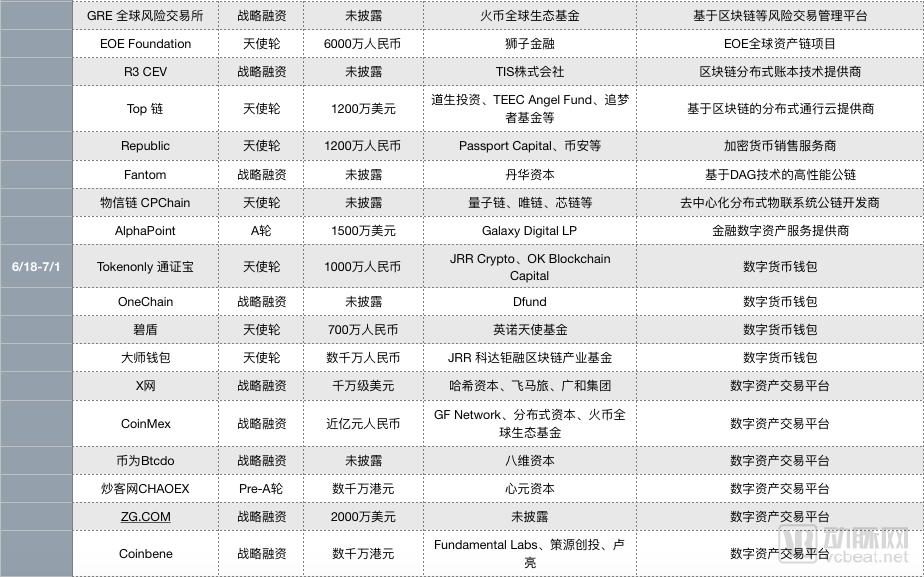
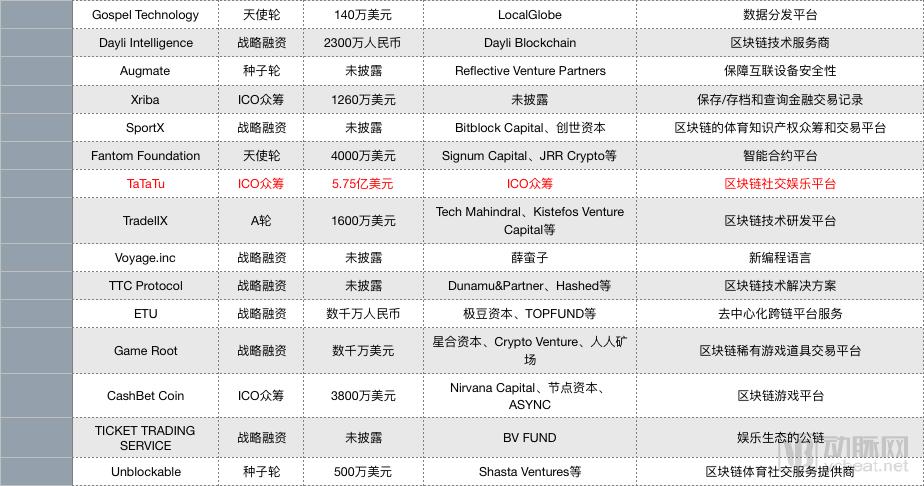
Cicadas Chirp in May, Peak Yang in June. As July begins, blockchain technology remains as scorching as the midsummer sun. The aftermath of June’s frenzied funding spree has yet to subside, while a new wave of capital is poised to surge. According to statistics from VCBeat (WeChat ID: vcbeat), a total of 252 blockchain-related financing rounds occurred in Q2 2018, including eight instances of “ICO plus institutional investment.” There were 260 ICO projects, with total funds raised exceeding RMB 10 billion. However, among this vast number of financed projects, none had a direct connection to healthcare. Are healthcare and blockchain technology destined to remain incompatible?
Blockchain’s Focus Shifts Toward Practical Implementation
As of April 2018, there were more than 1,500 types of cryptocurrencies worldwide. However, the majority were merely “air coins” with flashy packaging, serving as tools for capital fundraising schemes, which cast significant doubt on blockchain technology. From late April to early July, EOS (Yuzi Coin) experienced a price fluctuation of -65.56%, ETH (Ethereum) -34.11%, and BTC (Bitcoin) -32.22%. In the aftermath of the bubble burst, blockchain became virtually synonymous with gambling in the public eye.
In fact, the number of institutional investments (252) is not significantly different from the number of projects undergoing Initial Coin Offerings (ICOs) (260, with 54 projects having completed their ICOs and 206 currently in the process). From the perspective of capital inflow, blockchain technology still holds potential for value investment. The primary sectors receiving investment are financial services, while other areas such as supply chain, platforms, media, education, and technological R&D are also key focuses of capital attention.
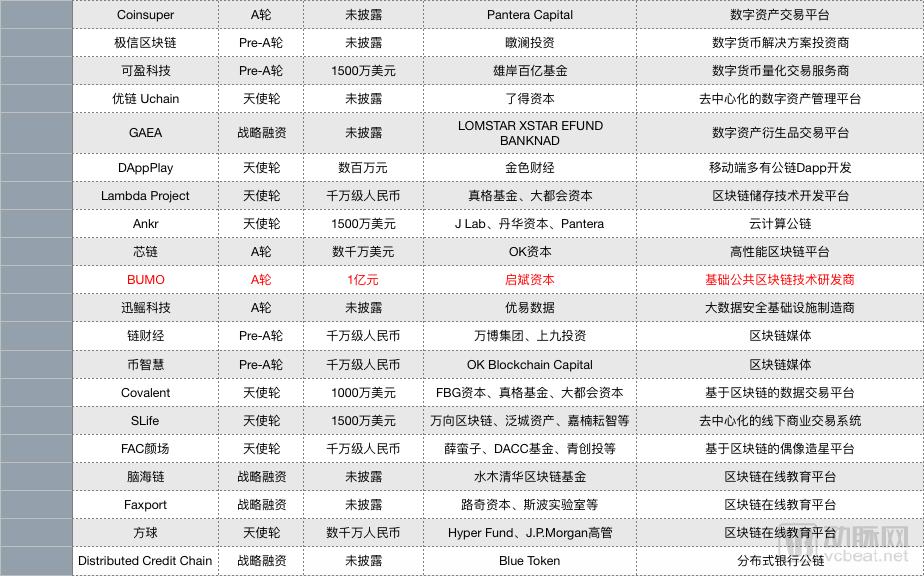
Unlike the aforementioned sectors, the healthcare industry typically requires several years to realize returns on investment, with significantly longer intervals between financing rounds. This stands in stark contrast to the breakneck fundraising pace characteristic of blockchain projects. Statistics reveal that multiple projects—such as BUMO, R3 CEV, and GeekChain—secured multiple rounds of financing amounting to tens of millions or more within two consecutive months, while certain ICOs demonstrated similarly rapid capital-raising speeds.
From a capital utilization perspective, the development of healthcare IT platforms and the construction of fixed infrastructure are multi-year endeavors, characterized by a slow absorption of funds and a gradual return on investment. This stands in stark contrast to the rapid cash flow turnover typical of blockchain projects, making it difficult for “Blockchain + Healthcare” initiatives to attract investor interest.
According to VCBeat, among the 260 ICO projects launched since April 1, only five are related to healthcare.
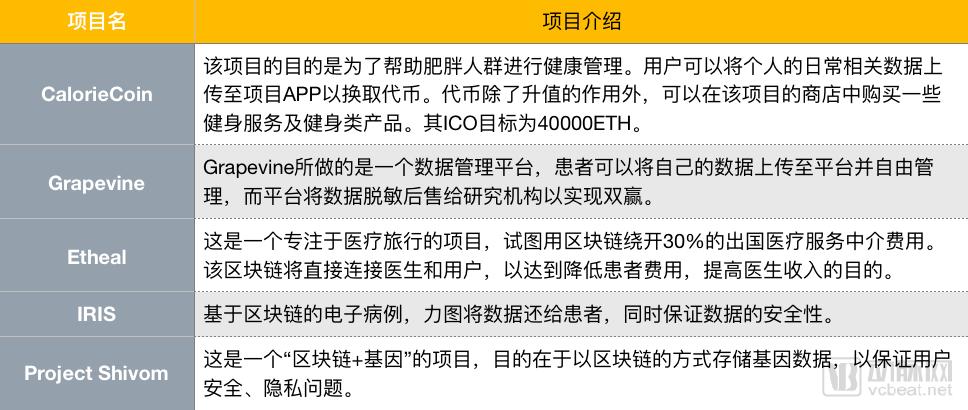
Prior to Q2, Initial Coin Offerings (ICOs) for healthcare projects were still frequent, with these initiatives primarily focusing on informatization and the development of public blockchains. While projects conducting ICOs could secure substantial funding in the short term, the absence of regulatory guidance meant that project managers lacked structured oversight in fund utilization. Many such projects outlined profit models centered on cryptocurrency appreciation in the concluding sections of their whitepapers and positioned data trading as the core of their blockchain operations, significantly heightening the speculative nature of these ventures. On the other hand, “healthcare + blockchain” projects often suffered from slow cash outflows and a lack of incentive mechanisms.
Taking EHR-related projects as an example, for startups, every stage—from initial promotion to attract users onto the blockchain, to gradual data entry by users, and finally to the sale of de-identified information—entails a substantial workload, requiring significant time investment and meticulous attention to detail. Numerous issues arise in this process, such as:How can blockchain operators ensure the authenticity and validity of data? Can token incentives alone truly motivate patients to proactively print their medical records and upload them to the blockchain? Why do researchers choose de-identified data that lacks phenotypic information? Given the informatics challenges that hospitals struggle to resolve due to policy and staffing constraints, does a dataset created by a small team hold any value?
With policy liberalization and technological innovation, enterprises can collect small amounts of in-hospital data indirectly and gather users’ lifestyle data directly through wearable devices. While these data have certain utility, their value is inherently limited. For instance, many researchers use data generated by wearable devices to predict seizure onset times in epilepsy patients. However, profiles constructed solely from such routine data fall far short of constituting electronic health records (EHRs).
In reality, after receiving substantial sums in a short period, many project teams find it difficult to stay motivated to continue with projects that have such long payback periods. Li Hongyan once remarked, “Chinese people are more open and willing to trade privacy for efficiency.” This statement sparked widespread debate, yet it is precisely this principle that underpins these blockchain projects. However,Compared to token holders, project teams are the incentivized parties benefiting from digital asset appreciation., because the project holders possess a large amount of tokens, while users have no precedent to follow regarding these small, difficult-to-quantify incentives. Blockchain-based EHR is a good application for this technology, but it will be a long process from inception to maturity.
Features such as data storage and traceability continue to deliver value in the healthcare industry.
Although investment and financing trends suggest that “blockchain + healthcare” has attracted little interest, this does not mean that this combination has reached its end. In fact, many characteristics of blockchain remain highly aligned with solutions to healthcare’s pain points. For certain challenges, blockchain may even be the only viable solution. So, which features of blockchain can truly benefit the healthcare sector?
The unique storage mechanism of blockchain data ensures its immutability, enabling managers to trace the specific links in the supply chain where issues have occurred based on relevant information. This willInsurance Claims for Pharmaceuticals (Especially Vaccines and Blood Products) Under Cold Chain Transportation and Counterfeit Drug Traceability, etc.Provide solutions.
Frequent Bitcoin theft incidents indicate that there is no absolutely secure storage method in the world, but blockchain’s dual encryption technology is relatively secure. Statistics show that medical data accounts for 88% of compromised data. In the U.S. black market, a single medical record sells for 50 times the price of personal commercial data. In the healthcare sector, although blockchain technology cannot completely guarantee data security, itIt remains an excellent method for data storage at the current stage, providing relatively reliable security guarantees for genetic data.Meanwhile, increasing the cost of attacks can effectively reduce the frequency of cyberattacks on medical data, with each one-percentage-point reduction contributing substantial value to society.
A blockchain-based information platform is a promising concept. If a medical consortium could jointly establish a consortium blockchain, all authorized nodes joining the blockchain would be able to store data using the same data structure, which willAddressing the Issue of Medical Information Silos. However, to realize the informatization of medical consortiums through blockchain, the following conditions must be met:
1. Mature medical consortiums, with smooth information flow between upper- and lower-tier hospitals;
2. Standardized on-chain data structure to ensure the validity of on-chain data;
3. Mature underlying blockchain technology, capable of providing data security assurance;
4. Policy support for on-chain data storage.
This is a promising concept; however, due to factors such as policy regulations, data structuring should occur before the data is recorded on the blockchain. From this perspective, blockchain technology has not resolved the issue of information silos among hospitals. Nevertheless, it may still facilitate the organization of out-of-hospital data, though its actual value remains to be validated by practical evidence.
On April 12, the 2018 China “Internet Plus” Digital Economy Summit was held in Chongqing. At the conference, Tencent CEO Ma Huateng proposed the concept of a “Prescription Chain” when discussing the implementation directions of “blockchain + healthcare.”
Ma Huateng stated, “Tencent and Liuzhou, Guangxi, have piloted China’s first ‘out-of-hospital prescription circulation’ service, building upon WeChat’s appointment registration and payment functionalities. This service enables prescriptions to be issued within hospitals, with medications purchased outside or even delivered to patients’ doorsteps. As prescription circulation involves multiple stakeholders, including the National Health and Family Planning Commission, hospitals, and pharmaceutical companies, we have employed blockchain technology to ensure that prescriptions remain tamper-proof. We are also considering promoting the practical implementation of this technology.”
The advantages of Tencent’s prescription blockchain initiative mainly include the following:
1. No external funding sources control the project's R&D process and objectives;
2. No issuance of digital currencies, thus no speculation issues;
3. Capable of maintaining long-term focus on a single project without excessive concern for cash flow issues; as the demand for fixed assets such as equipment is relatively low, the actual R&D costs remain reasonably manageable;
4. Sufficient energy to drive hospital collaborations.
Kyee Group’s Quyi.com project is collaborating with hospitals in Guizhou Province to record patient data on the blockchain. According to VCBeat, Quyi.com is currently only uploading a portion of its data to the blockchain in a compliant manner; future applications will depend on ongoing policy developments.
On June 18, global retail giant Walmart was granted a patent aimed at storing patients’ critical information on a blockchain. This data can be accessed by healthcare professionals in emergency situations—such as when the patient is unconscious or unable to communicate with first responders. To safeguard privacy, medical information stored on the blockchain is accessible only under specific emergency circumstances. The technology will be integrated with wearable devices.
Pharmaceuticals differ from food products in that their quality and safety are of paramount importance. The illegal vaccine case in Shandong highlighted the critical need for tracing vaccine origins, a task well-suited to blockchain technology, whose core features are traceability and immutability. If every stage of the pharmaceutical distribution process were recorded on a blockchain, few individuals would dare to engage in such illicit trade. Even if criminal activities were to occur, the root cause could always be traced through the corresponding technology.
Several companies in China are using blockchain technology to record pharmaceutical logistics information. Luo Jianhui, Chairman of Ziyun Shares, stated: “Blockchain does more than just address traceability issues; it enables us to access detailed drug information, such as verifying whether medications have expired. This capability is integrated with our logistics system. For such products, we can schedule empty-return vehicles for transportation at optimal times, thereby preventing the circulation of expired drugs and reducing the rate of empty backhauls in pharmaceutical logistics.”
Startups still have opportunities to enter the blockchain space and profit from it, but project leaders must clearly define their strategic direction: whether to build a mainchain or become part of an existing one.
The partnership between BUMO Blockchain and Haus Biotech following its launch demonstrates an additional avenue for startups to leverage blockchain technology: deploying their own decentralized applications (DApps) on existing mainnets. In this scenario, while startups may sacrifice a degree of autonomy, they are spared the concerns associated with the high costs and prolonged timelines of building independent mainnets, as well as subsequent maintenance burdens.
Currently, the booming “Healthcare+” initiatives are creating integrated medical service ecosystems through cluster-based models. Similarly, blockchain technology can adopt approaches like “Healthcare + Real Estate” to establish a blockchain-based healthcare community. The HDC Health Chain aims to build a public blockchain centered on health and convert partner enterprises’ mobile applications into decentralized applications (DApps). On this chain, new disease solutions may emerge from the intersection of diverse data sets. According to Li Xuan, founder of the HDC Health Chain, “The cost of converting to DApps is not high; it requires only three people working for one month. The main challenge lies in fostering collaborations and maintaining the main chain after its construction.” Compared with directly launching on existing public blockchains, this approach carries higher risks but also holds greater potential.
On June 20, the National Health Commission, the Ministry of Finance, and the National Administration of Traditional Chinese Medicine jointly issued the “Notice on Doing a Good Job in the Implementation of the 2018 National Basic Public Health Services Projects.” According to the National Health Commission, localities will promote individual access to electronic health records through smart clients, television, mobile apps, websites, and other channels.
This has provided blockchain projects in the medical data sector with an opportunity. Previously, these projects had no possibility of accessing in-hospital data; now, they can exchange data with patients through incentive mechanisms unique to digital currencies, thereby circumventing policy restrictions on directly obtaining in-hospital data. However, the path toward opening up electronic health records remains long, as users currently only possess the right to query their records. The journey of uploading personal health data onto the blockchain is still arduous and far from complete.
If we focus on the intricacies of the healthcare system, we can still identify numerous promising applications for blockchain technology, such as the Etheal project (blockchain + medical tourism), which is currently conducting an Initial Coin Offering (ICO). If it can"Directly connect doctors with patients seeking medical treatment abroad via blockchain, where legally permissible, to achieve disintermediation.", this will give rise to a vast blue ocean market.
Li Sicheng, founder of BUMO, once stated, “There are currently over 100 public blockchains worldwide, but once the blockchain ecosystem matures, only a few dozen may survive.” This is by no means an alarmist exaggeration. Currently, five cryptocurrencies—BTC, EOS, ETH, XRP, and ADA—account for approximately 75% of the market share, while the other 1,000-plus cryptocurrencies risk vanishing into the annals of history if their bubbles burst.
Fortunately, the integration of “healthcare + blockchain” is still in its early stages and has limited ties to the cryptocurrency market. Healthcare services represent a sacred commitment, wherein patients entrust their lives to providers; how can such a profound responsibility be casually trampled upon by speculators?
Overall, the core issue with “blockchain + healthcare” at present is asset management.Whether it is the provision of healthcare talent services, drug research and development, or the implementation of medical technologies, all are long-term, gradual processes. The application of blockchain in the healthcare sector is no exception; one must avoid unrealistic ambitions and remain grounded.
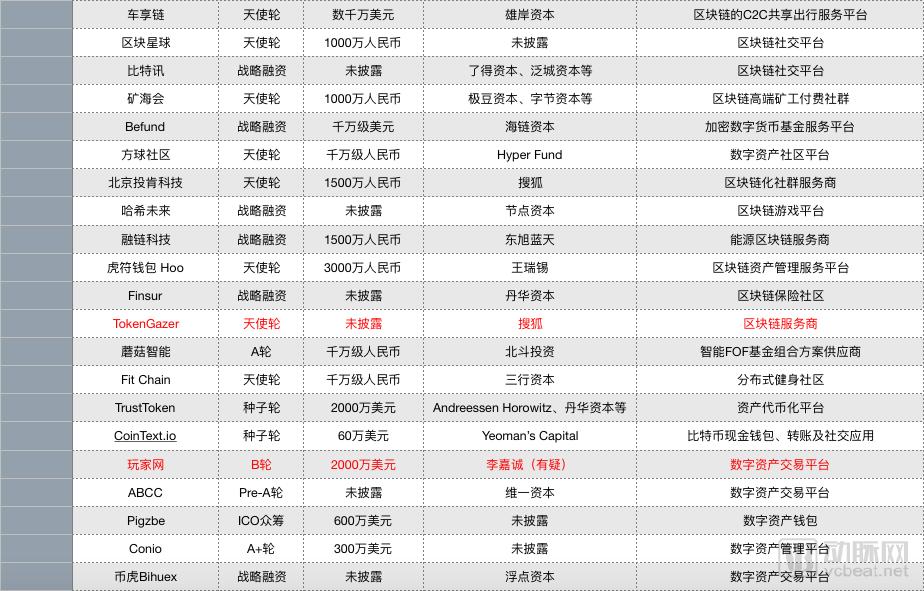
Appendix: Table of Financing for Domestic and International Blockchain Projects from March 28 to July 1
(Data sourced from Orient Securities, compiled by VCBeat)