

Tencent Miying Launches China's First Real-Time AI System for Colorectal Tumor Screening, Analyzing 10 Images Per Second to Assist Clinicians in Polyp Characterization
On July 8, Tencent’s AI medical solution “Tencent Miying” partnered with the National Clinical Research Center for Digestive Diseases to launch an AI system for colorectal cancer screening at the “2018 Chinese Medical Doctor Association Conference on Digestive Endoscopy Physicians.” The system leverages artificial intelligence to assist clinicians in real-time detection of colorectal polyps and enables real-time characterization of polyp nature.
This marks another gastrointestinal tumor diagnostic capability added to “Tencent Miying,” following its early screening for esophageal cancer. Currently, the “Tencent Miying” AI system for colorectal tumor screening has been deployed at Changhai Hospital affiliated with Naval Medical University, making it the first AI system for real-time colorectal tumor screening in China to enter clinical pilot trials.
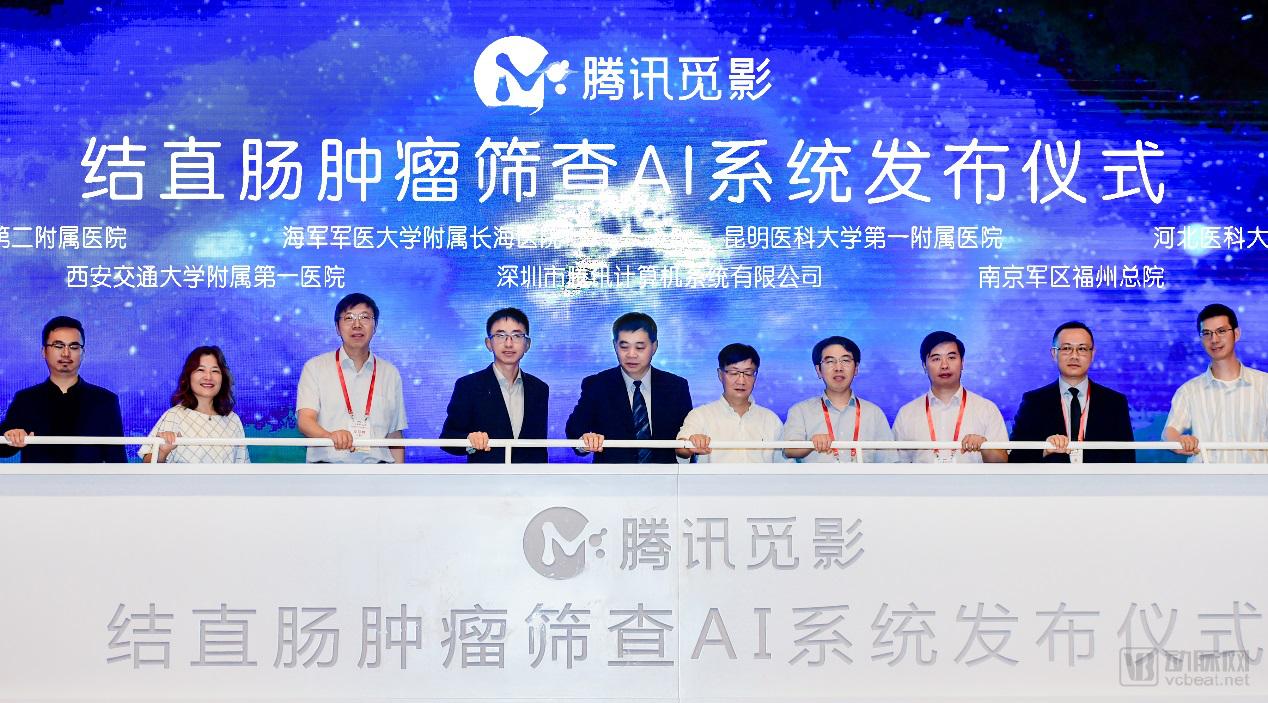
“Tencent Miying” Colorectal Tumor Screening AI System Launched
Leading Scientific Research Projects: Tencent Miying Further Explores Screening Protocols for Gastrointestinal Tumors
According to reports, the research findings of the “Tencent Miying” AI system for colorectal tumor screening stem from the “National Colorectal Polyp Management” research project led by the National Clinical Research Center for Digestive Diseases, which is also one of the projects under the National Science and Technology Support Program.
This research project is led by Academician Li Zhaoshen, an academician of the Chinese Academy of Engineering, director of the National Clinical Research Center for Digestive Diseases, and president of the Endoscopy Branch of the Chinese Medical Doctor Association. In collaboration with multiple hospitals—including Changhai Hospital Affiliated to Naval Medical University, the Second Affiliated Hospital of Hebei Medical University, Fuzhou General Hospital of the Nanjing Military Region, the First Affiliated Hospital of Kunming Medical University, the Second Affiliated Hospital of Nanjing Medical University, and the First Affiliated Hospital of Xi’an Jiaotong University—the project leverages Tencent Miying’s AI medical solutions to explore the capability of artificial intelligence in differentiating the nature of colorectal polyps.
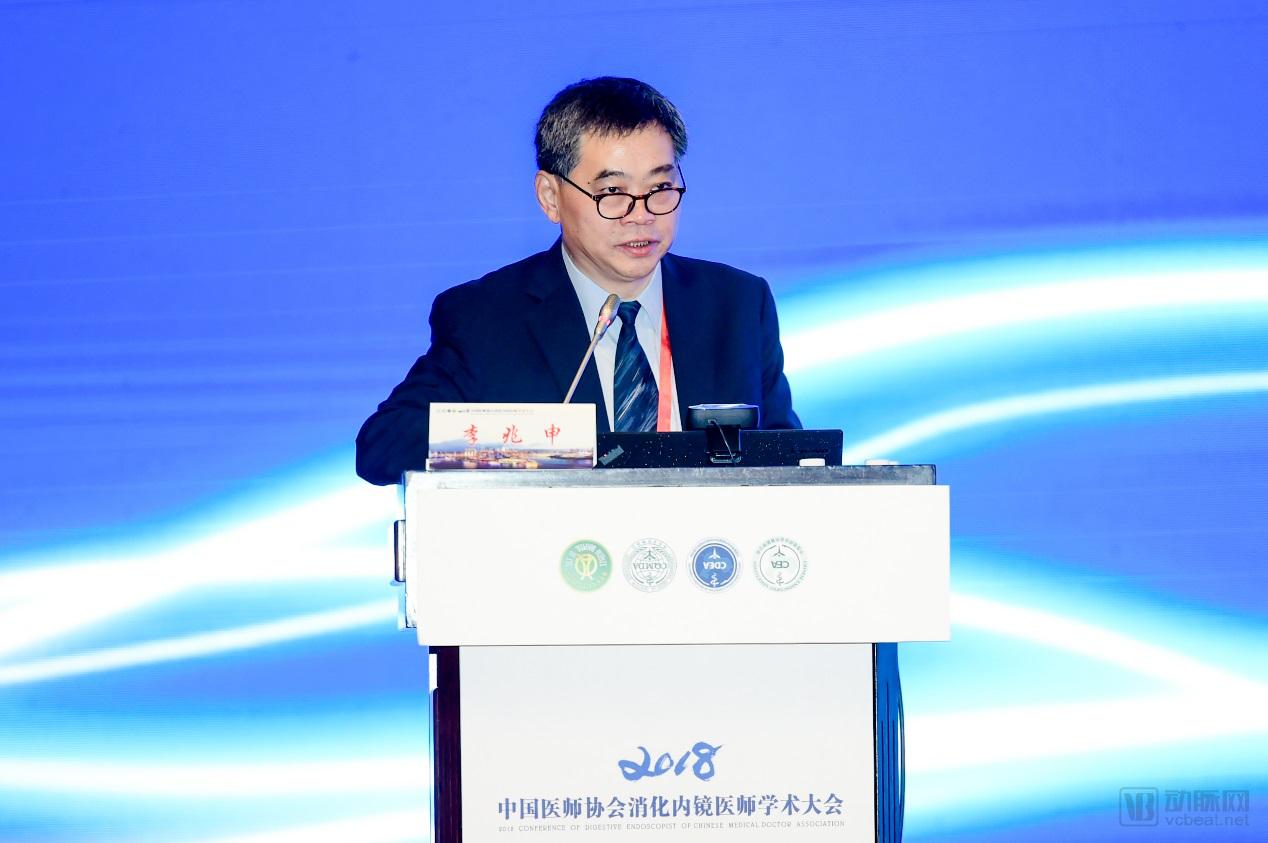 Li Zhaoshen, Academician of the Chinese Academy of Engineering, Director of the National Clinical Research Center for Digestive Diseases, and President of the Endoscopy Branch of the Chinese Medical Doctor Association
Among them, Changhai Hospital affiliated with Naval Medical University is a “national team” leader in the field of gastroenterology. Academician Li Zhaosheng has long been committed to the research and development of digestive endoscopy technologies and the treatment of severe pancreatic diseases, pioneering more than 10 new endoscopic techniques. Meanwhile, Tencent has undertaken the construction of the National Next-Generation Artificial Intelligence Open Innovation Platform, promoting the exploration and application of domestic artificial intelligence technologies in the medical field.
Regarding the current status of gastrointestinal cancers, Academician Li Zhaoshen believes that there are three dilemmas:
First, public awareness of cancer prevention is insufficient. The general population lacks healthy lifestyle behaviors, such as smoking, alcohol consumption, high-salt diets, low vegetable intake, and irregular daily routines, leading to persistently high incidence rates.
Second, at the physician level, there is a lack of effective screening technologies that are well-suited to the reality of China’s large population requiring screening.
Third, there is a lack of supporting measures or cancer prevention policies in top-level design.
Therefore, he emphasized that the direction of this collaboration with Tencent aims to identify efficient and simple screening solutions for gastrointestinal tumors that are suited to China’s national conditions. Big data and artificial intelligence assist physicians in achieving more accurate cancer detection, while also enabling deployment at the primary care level to establish a medical consortium model.
Two Key Features to Overcome Challenges in Colorectal Cancer Screening
In recent years, the incidence and mortality of colorectal cancer in China have shown an upward trend. According to the National Cancer Registration Data Report issued by the National Cancer Center, the incidence of colorectal cancer ranks second among malignant tumors in urban areas and fifth in rural areas, while its mortality ranks fourth in urban areas and fifth in rural areas.
It is understood that the outcomes and prognosis of colorectal cancer are closely related to the stage of the disease: most early-stage colon cancers are curable, with a 5-year survival rate of up to 90%; for locally advanced cases, the rate is 70%; whereas for late-stage disease, it is less than 10%, accompanied by significantly impaired quality of life.
Early detection and identification of colorectal polyps, along with enhancing the level of early screening for colorectal tumors, have become key to combating colorectal cancer. Based on the experience of countries in Europe and America, promoting early screening, diagnosis, and treatment through digestive endoscopy is an effective way to reduce the incidence and mortality rates of colorectal cancer.
Chang Jia, head of Tencent’s “Internet + Healthcare” initiative, stated that AI-based recognition of gastrointestinal diseases is more challenging than other forms of image analysis. Images of gastrointestinal conditions are captured during dynamic procedures, and their quality is heavily constrained by the physician’s operational technique or the capabilities of the equipment used at the time. This constitutes the primary technical challenge for AI systems designed for colorectal cancer screening.
Chang Jia emphasized that the newly released system has two key features. First, it involves the highest level of expert collaboration. The overall project was guided by Academician Li Zhaoshen and carried out through multi-center collaborations across multiple hospitals in China. “Overall, the quality of annotation has been significantly improved this time.”
Second, technological innovation in colorectal tumor screening. Tencent has accumulated years of expertise in video interpretation technology, boasting robust image analysis capabilities. Although AI-based medical image analysis typically focuses on static images, the newly released system is applied to dynamic endoscopic videos. It captures static frames in real time from these videos; the captured images are annotated by physicians at partner hospitals and subsequently used for model training, thereby leveraging Tencent’s long-standing advantages in video processing technology.
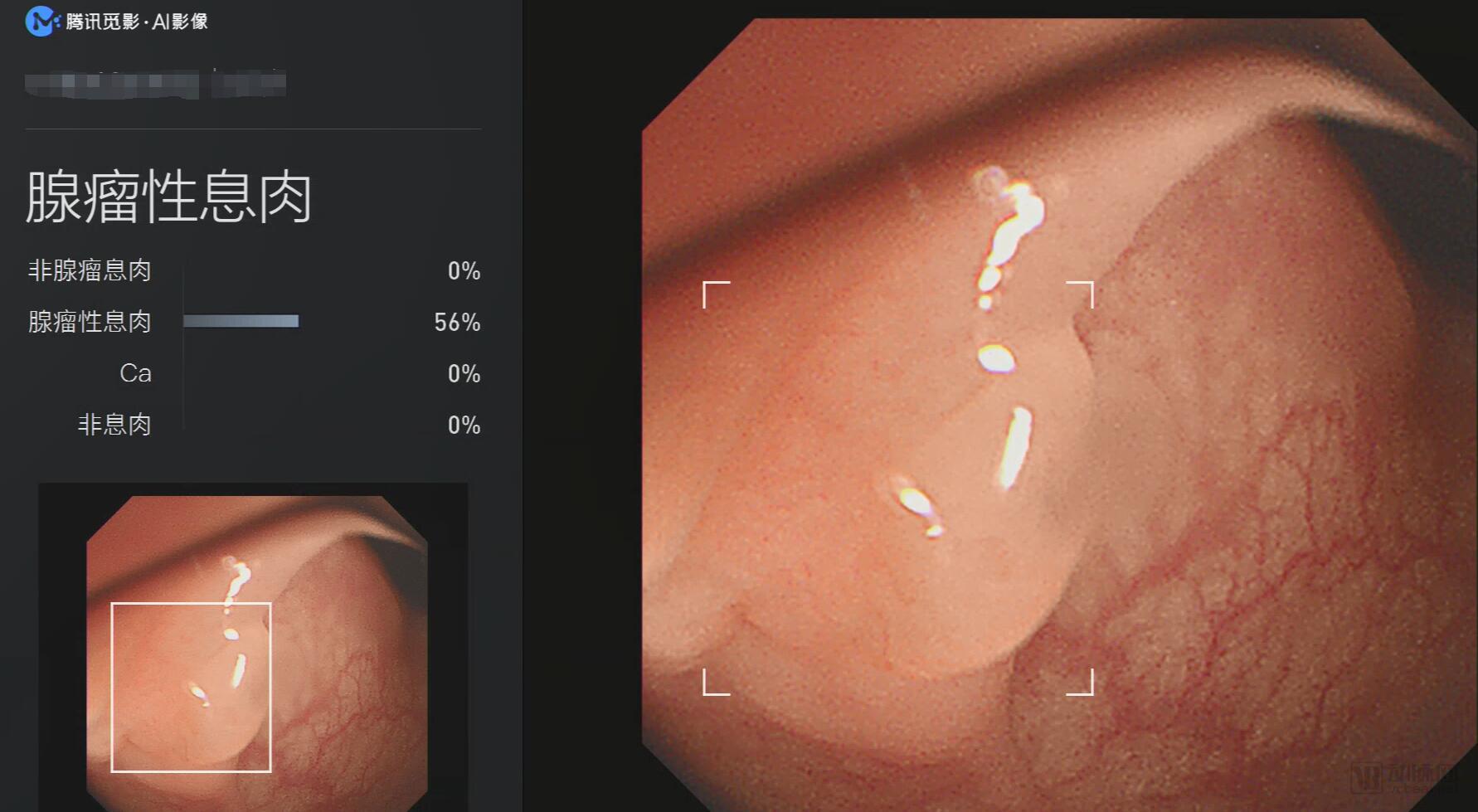
“Tencent Miying” Colorectal Tumor Screening AI System: Real-Time Detection and Differentiation of Polyps
The newly released “Tencent Miying” AI system for colorectal tumor screening leverages artificial intelligence technologies, such as image recognition and deep learning, integrated with digestive endoscopy. It assists clinicians in real-time detection of colorectal polyps and immediate characterization of their nature. By analyzing 10 images per second, the system provides real-time alerts on conditions including non-adenomatous polyps, adenomatous polyps, and adenocarcinoma, thereby supporting clinicians in achieving more accurate and efficient diagnosis of colorectal tumors.
In terms of data, with the support of Academician Li Zhaoshen, the data used for developing colorectal tumor screening came from more than a dozen Grade A tertiary hospitals. Through large-sample, non-homologous, multi-center testing and statistical analysis, “Tencent Miying” achieved a real-time localization accuracy rate of 96.93% for colorectal polyps and a real-time diagnostic accuracy rate of 97.20% in distinguishing adenocarcinoma. Addressing the prolonged discomfort caused by traditional gastroscopy to patients, Academician Li Zhaoshen emphasized that artificial intelligence could help reduce the time required for traditional gastroscopy from 30 minutes to approximately 10 minutes, significantly improving patient experience and facilitating early screening and prevention of colorectal tumors.
Multi-Party Collaboration to Explore Implementation, Continuously Open Mindset to Integrate Resources
“Imaging relies on PACS, and medical devices depend on manufacturers.” For medical AI to achieve practical implementation, Tencent is integrating resources from various stakeholders in its exploration of AI deployment. This approach aligns perfectly with Tencent’s philosophy of building an open innovation platform.
In June this year, after Tencent launched its first open AI-powered medical auxiliary diagnosis and treatment platform, it partnered with healthcare IT companies such as Zhiye Software, Shandong Shunneng, Guangzhou Haici, Kingdee Medical, and Health 160.
Tencent Vice President Chen Guangyu stated, “By opening up its AI-assisted diagnosis platform, Tencent aims to enhance hospitals’ capabilities, address the imbalance in the distribution of medical resources and the mismatch between supply and demand, and improve the diagnostic and treatment capacities of primary healthcare institutions. Leveraging Tencent’s core competencies and engaging in complementary collaborations with HIS vendors and information service providers, we can form joint capabilities to deliver greater value to the entire industrial ecosystem. This approach aligns closely with Tencent’s philosophy of serving as a connector and providing a toolkit.”
Academician Li Zhaoshen stated, “Once artificial intelligence technology matures, it can be embedded directly into products from medical device manufacturers. AI would then operate as simply as pressing a ‘button,’ without the need to connect to external systems, which would represent a highly advanced capability.”
Chang Jia believes that Tencent Miying is an open platform that collaborates not only with hospitals and medical device manufacturers but also with numerous health IT companies. “The Tencent Miying AI-Assisted Diagnosis Platform engages in collaborative partnerships with various types of companies. We integrate our AI technology into their products, fostering a win-win ecosystem.”
After nearly a year of exploration in AI-powered healthcare, Tencent Miying shoulders greater responsibilities and has clearer objectives. At this press conference, Chen Guangyu briefly outlined the future strategic direction for Tencent Miying:
First, in the area of computer-aided diagnosis for individual diseases, we will engage in broader and deeper collaboration with the medical community. By integrating comprehensive analyses of health data and clinical case data, we aim to equip artificial intelligence with more holistic and precise diagnostic capabilities. This will enable AI assistants to possess a deeper understanding of medicine and support clinicians in diagnosing a wider range of diseases.
He stated, “The colorectal cancer screening system developed through the collaboration between Tencent and Academician Li’s team serves as an excellent benchmark. We hope that more medical luminaries will become ‘mentors’ to AI.”
The second aspect involves collaboration with primary healthcare systems. Once the auxiliary diagnostic capabilities of AI have been sufficiently validated in top-tier tertiary hospitals, these capabilities should be extended to primary care facilities, enabling grassroots and rural physicians to receive guidance and support from renowned medical experts.
Third is broader open collaboration. Tencent has built the National New Generation Artificial Intelligence Open Innovation Platform, shouldering the mission of promoting the exploration and application of AI in healthcare across China. However, Tencent alone cannot accomplish this task; therefore, it will drive collaboration and innovation across four dimensions: entrepreneurship and innovation, whole-industry-chain partnerships, academic research, and inclusive public welfare initiatives.
As of now, Tencent Miying has released a total of five medical AI systems, namely:
Intelligent Screening System for Early-Stage Esophageal Cancer
Early-Stage Lung Cancer Screening System
Intelligent Screening System for Diabetic Retinopathy
Intelligent Auxiliary Diagnosis and Treatment System
Real-Time AI Screening System for Colorectal Tumors
Regarding the strategic objectives of Tencent Miying, Chen Guangyu, Vice President of Tencent, emphasized that promoting early screening, early diagnosis, and early treatment of cancer to support the “Healthy China” initiative is the long-term goal of “Tencent Miying.” In the future, the company will strive to enhance auxiliary diagnostic capabilities, promote cooperation with primary healthcare institutions, and build an AI medical collaboration ecosystem, thereby contributing to the balanced development of medical services in China.