

CSCO-Zhenhe Precision Oncology Forum Held in Chengdu, Highlighting Tumor Immunotherapy Advances
From the Dujiangyan Irrigation System, a legacy benefiting generations for millennia, to the elegant and serene Mount Qingcheng; from the giant pandas adored worldwide to the JF-17 Thunder fighter jets soaring through the skies—Chengdu has long been celebrated as the “Land of Abundance.” On July 7, 2018, the 2018 “CSCO–Zhenhe Precision Oncology Therapy Forum,” jointly organized by the Chinese Society of Clinical Oncology (CSCO) and Zhenhe Technology, was held in this city.
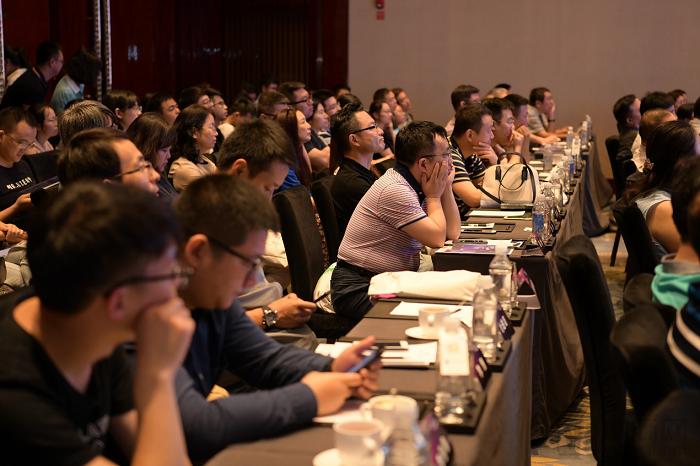
Conference Venue
This prestigious event brought together over 100 leading researchers, clinical experts, and representatives from relevant institutions across China to conduct an in-depth analysis of precision oncology. Centered on the core theme of “Precision Treatment for Lung Cancer,” the conference explored frontier advancements in targeted therapy and immunotherapy within the field of oncology. Topics covered included the evolution of immunotherapy for lung cancer, progress in precision diagnosis and treatment of early-stage lung cancer, exploration of multidimensional real-world data in lung cancer, and the application of next-generation sequencing (NGS) in targeted therapy for lung cancer. These discussions resonated with attendees, prompting profound reflection on the efficacy evaluation of these novel therapeutic approaches.
This forum brought together leading experts in the field of oncology from across China. Professor Liu Lunxu, Vice President of West China Hospital, Sichuan University, and Professor Lu Bing, Vice President of Guizhou Cancer Hospital, served as Conference Chairs. The following distinguished guests attended the forum and delivered keynote speeches: Professor Wang Haidong and Professor Zhihua Ruan from Southwest Hospital, Army Medical University; Dr. Jiang Tao from Shanghai Pulmonary Hospital; Professor Li Juan from Sichuan Cancer Hospital; Professor Tang Yuan from West China Hospital, Sichuan University; Dr. Jiang Chang from Sun Yat-sen University Cancer Center; and Mr. Du Bo, Founder and CEO of Genetron Health.
Also in attendance were experts and scholars including Professor Hou Mei from West China Hospital of Sichuan University, Professors Cai Xiaohong and Yao Wenxiu from Sichuan Cancer Hospital, Professor Dai Jigang from Xinqiao Hospital of Army Medical University, Professor Li Rongqing from the First Affiliated Hospital of Kunming Medical University, Professor Liu Wei from the First Bethune Hospital of Jilin University, Professors Feng Gang and Xie Ke from Sichuan Provincial People’s Hospital, and Professor Jiang Tao from Tangdu Hospital of Air Force Medical University. More than 100 clinicians and media representatives from across China also participated in the conference.
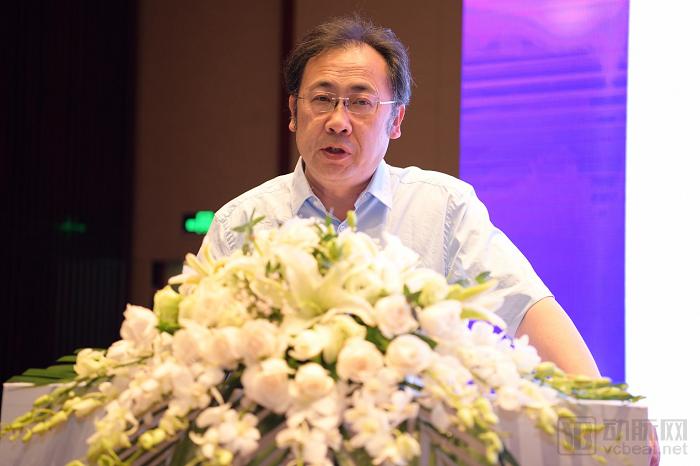
Guizhou Cancer Hospital, Vice President Lu Bing
At the opening of the conference, Dr. Lu Bing, Vice President and Conference Chair, delivered the welcome address. He noted that in recent years, significant changes have occurred in the diagnosis and treatment of cancer, with precision medicine—represented by molecular diagnostics and targeted therapy—making remarkable progress. Clinicians should leverage molecular diagnostics to inform clinical decision-making. The platform for exchange on precision oncology also provides an excellent opportunity for physicians to shift their mindset, continuously refine their knowledge systems, and enhance overall clinical service capabilities.
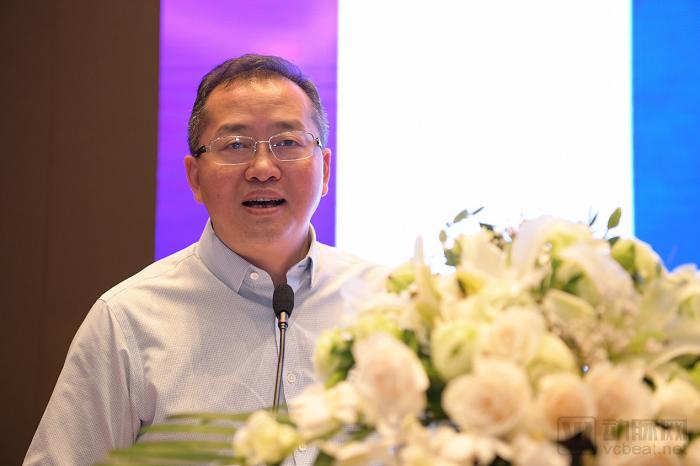
Vice President Liu Lunxu, West China Hospital of Sichuan University
Vice President Liu Lunxu also spoke highly of the conference. He stated that precision therapy is both a hotspot and an area of significant advancement in the field of oncology, and the forum’s theme aligns closely with the current status and direction of cancer treatment. The day’s agenda covered the most cutting-edge academic developments, featured multidisciplinary participation, and included the sharing of practical case studies, all of which will undoubtedly play a substantial role in advancing precision oncology in Southwest China.
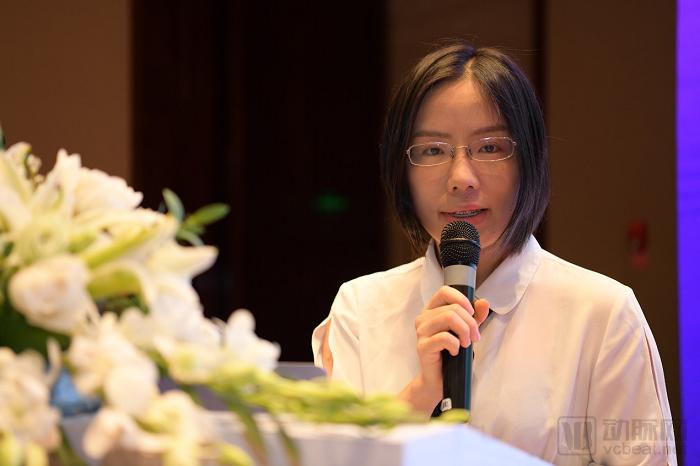
Dr. Jiang Chang, Sun Yat-sen University Cancer Center
During the conference, Dr. Jiang Chang from Sun Yat-sen University Cancer Center delivered a presentation titled “The Precision Pathway of Immunotherapy for Lung Cancer.” He provided a detailed exposition on three key aspects: identifying patients likely to respond to immunotherapy, excluding those unlikely to benefit, and managing treatment-related toxicities. He introduced the clinical applications and latest research advances of immune efficacy evaluation indicators, including PD-L1 expression, tumor mutational burden (TMB), and microsatellite instability/mismatch repair (MSI/MMR) status. He further pointed out that while single-agent immunotherapy remains the foundation for lung cancer treatment, combination immunotherapies represent the emerging trend, and efficacy assessment requires comprehensive screening and prediction using immune biomarkers.
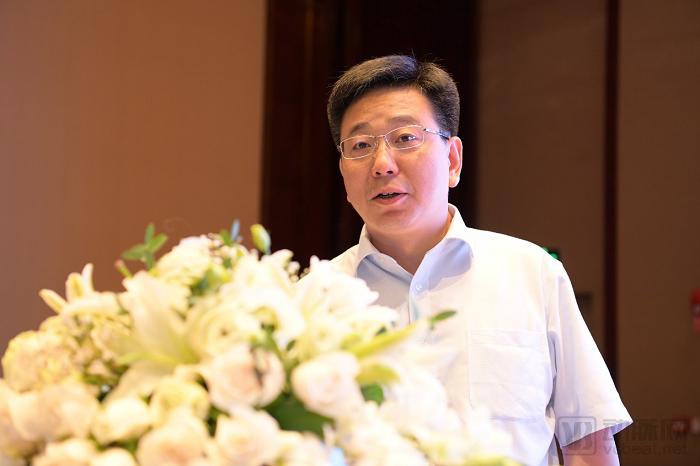
Professor Wang Haidong, Southwest Hospital of Army Medical University
Professor Wang Haidong from Southwest Hospital of Army Medical University summarized “Research Progress in Precision Diagnosis and Treatment of Early-Stage Lung Cancer,” providing a detailed overview of the latest advances across multiple domains, including early screening, prognosis, postoperative adjuvant therapy, dynamic monitoring, evolution of molecular subtyping, and immunotherapy. He emphasized the importance of whole-course management for lung cancer patients.
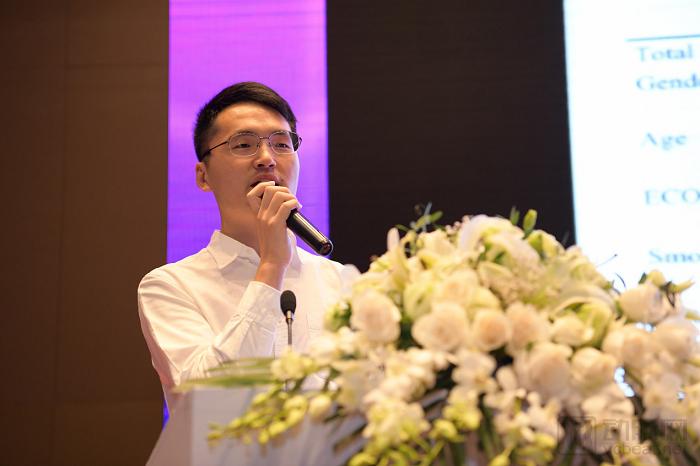
Dr. Tao Jiang, Shanghai Pulmonary Hospital
Dr. Jiang Tao from Shanghai Pulmonary Hospital shared his presentation titled “Exploration of Multidimensional Real-World Data in Lung Cancer,” introducing three collaborative research projects between Professor Zhou Caicun’s team and Geneseeq. He provided detailed insights into three key areas: using cfDNA to predict the efficacy of first-line chemotherapy in advanced NSCLC, exploring the evolutionary patterns of distant metastasis in advanced lung cancer, and immunotherapy. During the presentation, he highly affirmed Geneseeq’s robust scientific research capabilities.
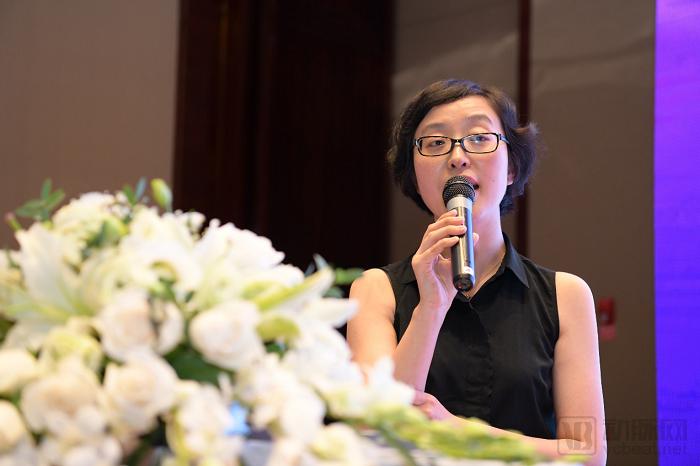
Professor Li Juan, Sichuan Cancer Hospital
Professor Li Juan from Sichuan Cancer Hospital provided an interpretation of “New Advances in Precision Diagnosis and Treatment of Non-Small Cell Lung Cancer,” introducing the latest research progress in targeted therapy and immunotherapy for advanced NSCLC. She shared recent reports from major international conferences such as AACR and ASCO on the treatment of advanced NSCLC, and summarized the comprehensive, whole-course diagnosis and treatment model for patients with advanced lung cancer. She emphasized that genetic testing and evaluation of immune biomarkers can identify patients likely to benefit from targeted and immunotherapies, thereby achieving true precision diagnosis and treatment of lung cancer.
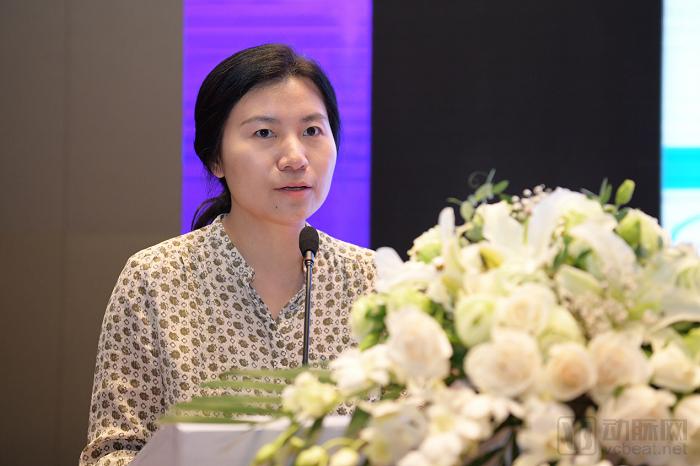
Professor Tang Yuan, West China Hospital of Sichuan University
Professor Tang Yuan from West China Hospital of Sichuan University presented “An Overview of the Application of NGS in Targeted Therapy for Lung Cancer,” providing an objective and detailed exposition from multiple perspectives, including the historical evolution of guideline recommendations for genetic testing, the current landscape of large-panel NGS testing, the advantages and challenges of NGS application in clinical practice, and the existing industry standards for genetic testing.
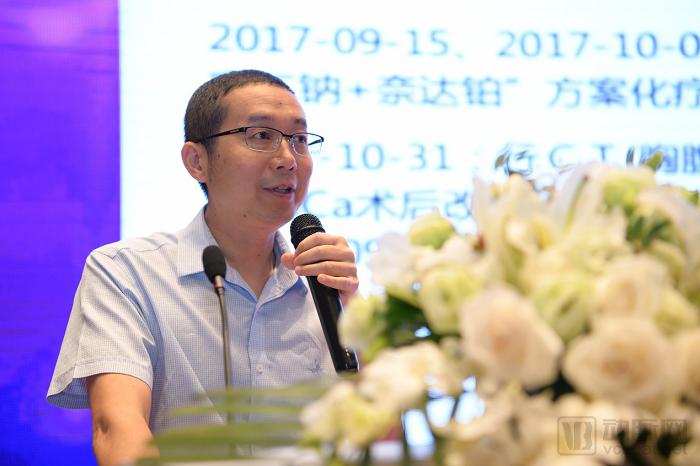
Professor Zhihua Ruan, Southwest Hospital of Army Medical University
Finally, Professor Ruan Zhihua from Southwest Hospital of Army Medical University presented a real-world lung cancer case involving Genetron Health. This case study fully demonstrated the precision and comprehensiveness of Genetron Health’s clinical testing, assisted clinicians in formulating rational medication regimens, and received strong affirmation for the accuracy of Genetron Health’s test results.
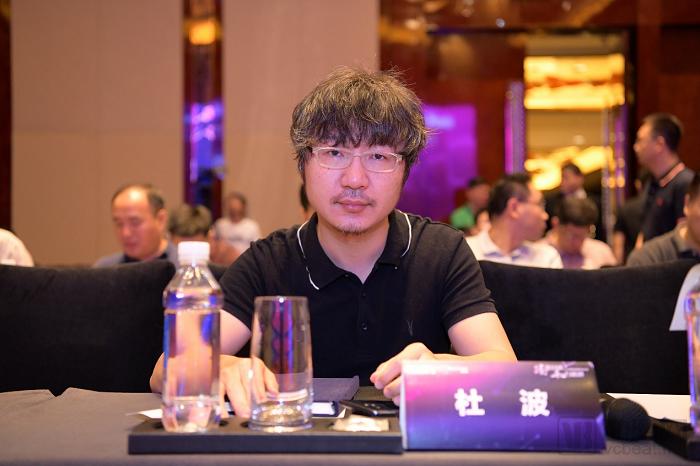
Du Bo, Founder and CEO of Zhenhe Technology
At the conference, Du Bo, Founder and CEO of Zhenhe Technology, delivered a speech on the evolution of oncology and cancer diagnosis. He pointed out that precision medicine and cancer treatment modalities are currently advancing at a rapid pace. Zhenhe is committed to integrating disciplines such as clinical medicine, molecular biology, bioinformatics, and big data. By collaborating with experts and scholars, the company aims to become a provider of personalized treatment services centered on precise cancer diagnosis, delivering tailored diagnostic and therapeutic solutions to patients.
In addition to academic presentations, the forum featured case discussions and high-level interviews. Experts, scholars, frontline clinical healthcare professionals, and corporate representatives engaged in in-depth exchanges on current issues such as immunotherapy for lung cancer, early screening, and the clinical value of large-panel testing.
Although the conference lasted only half a day, it was rich in content, providing attendees with an academic platform for learning and exchanging insights on precision oncology. This aligns precisely with the forum’s overarching mission: to translate clinical experience into practical applications and back again. By leveraging advanced sequencing technologies and the latest therapeutic approaches, and by drawing on the collective expertise of institutions nationwide, the forum aimed to address and discuss pressing clinical challenges, ultimately improving patient outcomes and delivering superior clinical treatment strategies.
“The spring scenery of the Jin River fills the heavens and earth; the floating clouds over Yulei Mountain have witnessed changes from ancient times to the present.” This reflects Chengdu’s millennial transformation. Moving forward, this series of forums will be held successively in multiple cities, including Shanghai, Xi’an, and Tianjin.