

FDA Clears 30 Digital Health Innovations in H1 2018: Chronic Disease Devices Dominate, Neurological Solutions Emerge
In the first and second quarters of 2018, VCBeat compiled a list of 30 digital health products by screening devices that received 510(k) premarket notifications from the U.S. Food and Drug Administration (FDA) database between January and June.
Consistent with VCBeat’s previous product roundups for 2017 and 2016, digital health products targeting chronic diseases such as diabetes, cardiovascular conditions, and respiratory disorders continue to dominate the landscape.
However, in this year’s database, the growing popularity of products targeting neurological disorders such as stroke, epilepsy, and autism reflects overseas markets’ assessment of brain science trends in the new phase. With global population aging, the market for age-related conditions like stroke and Alzheimer’s disease will continue to expand, further accelerating companies’ R&D efforts and regulatory applications for product launches in these areas.
Given the broad range of FDA-approved products, which encompass pharmaceuticals, medical devices, and consumables, this article focuses solely on the subset of approved products involving digital innovation, with the aim of identifying emerging trends and patterns.
Medical devices are classified into Class I, II, and III prior to CFDA review. Before outlining the product landscape, let us first examine the FDA’s classification system. According to previous data from VCBeat, there are three categories of mobile health applications subject to regulatory oversight as defined by the FDA:
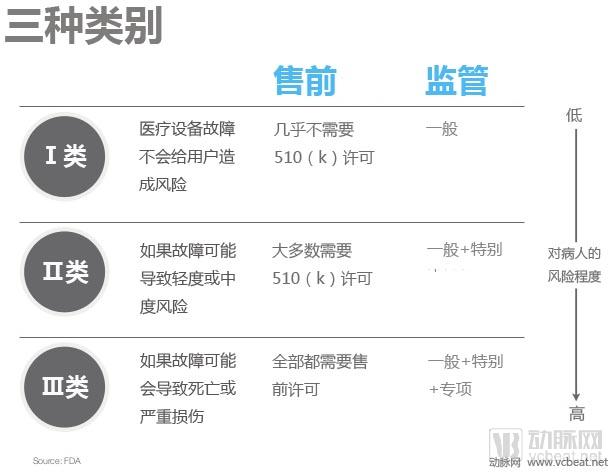
Class I medical devices are capable of connecting to and controlling one or more medical devices, or displaying, storing, analyzing, and transmitting medical information for specific patients. Examples include remotely displaying data from bedside patient monitors, showing electroencephalograms (EEGs), and controlling the inflation and deflation of blood pressure monitor cuffs. Compared with other classes of applications, some Class I devices may require only a 510(k) premarket notification before entering the market, making the regulatory process simpler.
Class II medical devices can transform mobile devices into regulated mobile medical devices by leveraging accessories, displays, sensors, or functions of existing regulated medical equipment. For example, connecting a mobile device to blood glucose test strips and using an app on the device to measure blood sugar levels effectively turns the mobile device into a glucometer. Nearly all such medical devices require automatic submission of a 510(k) application and premarket notification. Most of the digital health products discussed in this article fall into this category.
Class III medical devices are capable of performing patient-specific analysis and providing diagnostic or therapeutic recommendations for specific patients. The FDA considers standalone software used for analyzing medical device data as an accessory to medical devices; therefore, its regulatory classification aligns with that of the highest-risk device among those collecting various data. Such medical devices must obtain FDA premarket approval (PMA). This process requires clinical trials, with durations varying by product—ranging from several years to even longer—and entails substantial costs.
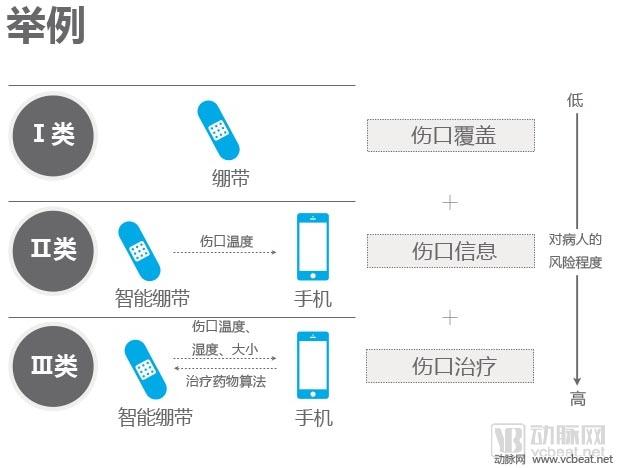
In previous reports, we also used bandages as an example to illustrate the distinctions among the three categories: ordinary bandages that merely cover wounds without any additional function are classified as Class I; those that connect to mobile phones, allow wound temperature monitoring via an app, and pose a slight risk of wound infection or minor risks to consultation if mishandled are classified as Class II; and those that, after connecting to mobile phones, not only display wound-related information but also provide patient feedback and guidance through medication algorithms are classified as Class III.

Note: Both DreaMed Diabetes and Viz.ai received FDA de novo clearance, a special classification established to ensure the safety and effectiveness of devices that have no legally marketed predicate device in the United States and therefore cannot obtain marketing authorization through the 510(k) pathway.
Figure 1 Data sources: FDA official website, Crunchbase; compiled by VCBeat
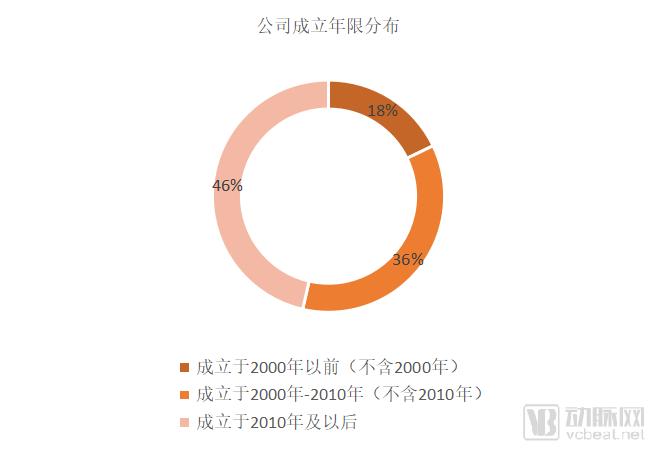
Figure 2 Distribution of Years Since Establishment for Companies Involved in the Product
Among the developers of the aforementioned 30 products (with Medtronic’s duplicate products counted as a single entity, totaling 27 companies), we have categorized them by year of establishment to examine whether innovative products are primarily developed by young startups. Although these statistics are only for reference, they still reveal that 46% of the products were introduced by companies founded after 2010, 36% originated from companies established between 2000 and 2010, and only 18%—representing five companies founded before 2000 (i.e., in the 1990s)—belong to traditional medical device firms with conventional products and business models.
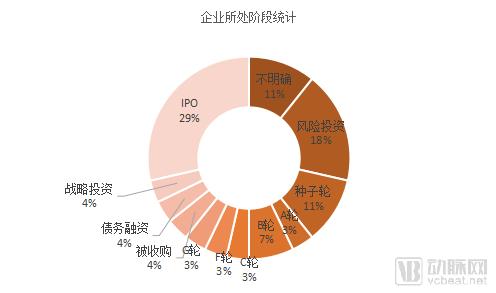
Figure 3 Distribution of Companies by Development Stage
In terms of financing rounds, companies that have achieved an IPO account for approximately one-third of the share, totaling eight firms. Among these, apart from established medical device manufacturers such as Medtronic, Dexcom, and Dentsply Sirona, enterprises at pre-Series A stages (including venture capital-backed firms) constitute 32%, those in Series B to Series G rounds account for 16%, and companies involving strategic investment, debt financing, or acquisition represent 12%, with one company in each of these latter three categories.
Therefore, in terms of R&D capabilities, companies in the later stages of development, such as those undergoing IPOs or receiving strategic investments, demonstrate stronger R&D strength. Through a more in-depth analysis of FDA approvals for products from these late-stage companies, we also found that they often have multiple product categories approved for different diseases or formulations, with a faster pace of product iteration.
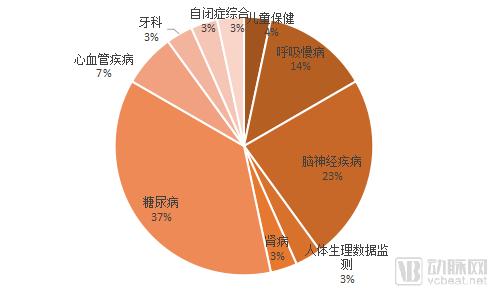
Figure 4 Distribution of Disease Areas Covered by the Products
However, among the only four traditional companies, Medtronic had three products listed in the first half of 2018, targeting neurological disorders and diabetes. The management of chronic diseases such as diabetes has become a key R&D focus for many digital health companies. Large U.S. medical device manufacturers, such as Medtronic and DexCom, are increasingly devoting their efforts to smartphone applications and consumer-grade connected devices.
In the first half of 2018, a total of 26 products were focused on the monitoring or diagnosis and treatment of chronic diseases, occupying an absolute dominant position. Among these, diabetes accounted for the highest proportion at 37%, followed by neurological disorders including stroke and epilepsy, with respiratory diseases primarily characterized by sleep apnea coming in third. Other chronic conditions included cardiovascular diseases and kidney diseases. The product forms were mainly wearable devices/smart hardware combined with apps/supporting systems.
Moreover, there is no shortage of products leveraging innovative artificial intelligence technologies, such as the IDx-DR diabetic retinopathy screening system and Viz.ai’s stroke detection platform, Connect. These products primarily target medical institutions.
From the perspective of current cutting-edge technologies, brain health products remain a conventional focus in the digital health sector. Among products approved by the FDA, those targeting neurological disorders account for 23%.
In previous reports by VCBeat, Neurotrack completed a $13.7 million Series B financing round in March for its memory loss assessment and online prevention tools; in June, Smart Brain Aging also announced the launch of SMART Brain U, a virtual product designed to prevent Alzheimer’s disease, while other industry players have been discussing the feasibility of similar digital approaches in the cognitive health sector.
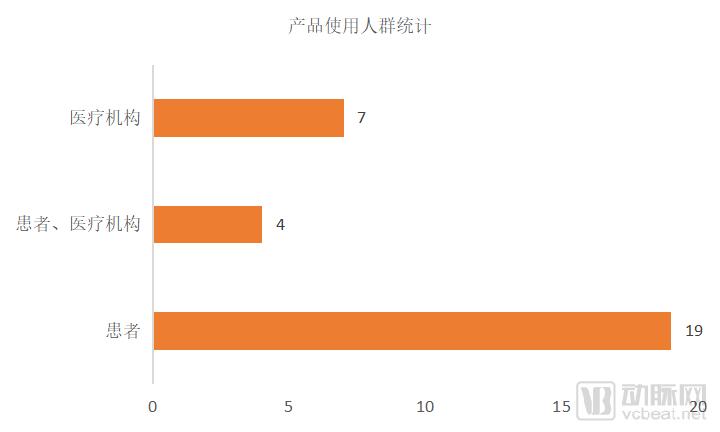
Figure 5. Statistics on the Primary Users of the Product
Among the 30 products, 23 are patient-oriented, accounting for 76.7%. Due to some devices targeting multiple market segments, there is overlap in the demographic statistics. Products with business models catering to both consumer (C-end) individual users and business (B-end) enterprise clients primarily include devices for insulin management in diabetes patients, as well as electrocardiogram (ECG) and electroencephalogram (EEG) monitoring. These devices facilitate home-based chronic disease management for individuals or enable healthcare institutions to monitor patient indicators during the transition from hospital to home after discharge.
Among various disease categories, the chronic disease market is undoubtedly the most fertile ground for home medical devices. Chronic diseases involve long durations and require long-term management. However, in the current healthcare environment, diagnosis and treatment are still primarily provided by hospitals. Requiring patients to make repeated hospital visits for chronic disease management is not only time-consuming but also burdensome. Therefore, the emphasis on self-management in chronic care has spurred the emergence and development of compact home medical devices.
Digital health products approved by the FDA have primarily been developed by countries at the forefront of applying advanced technologies in medical innovation, such as the United States and Israel. A significant number of Chinese companies have obtained FDA approval for traditional medical devices, with a notable concentration of these firms in Shenzhen—a trend closely linked to the city’s robust manufacturing ecosystem.
Two innovative companies from China also featured in this batch of FDA approvals. Among them, Bionime Corporation, founded in 2003, is a leading biotechnology and medical diagnostic systems company based in Taiwan. It currently focuses on developing self-monitoring blood glucose (SMBG) systems for use by diabetes patients and professional medical institutions. Since 2012, Bionime has successfully obtained FDA 510(k) premarket notification clearance ten times.
Diabetes
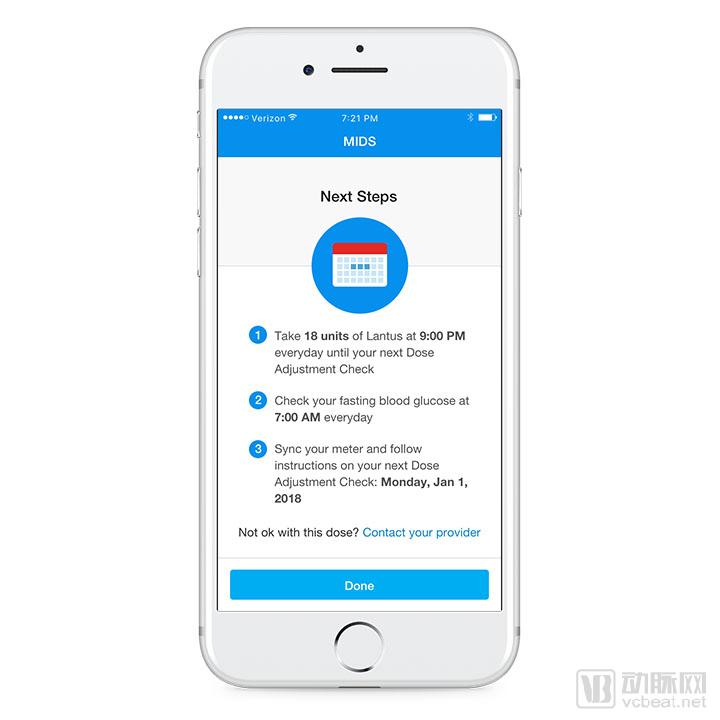
MIDS System (Image source: mobihealthnews)
Digital diabetes care company Glooko, founded in 2010, collects users’ blood glucose-related data metrics via its website or mobile app for unified recording, tracking, and analysis. In February this year, its Mobile Insulin Dosing System (MIDS) received FDA approval.
The platform can directly use data collected from patients' glucose meters to adjust insulin dosages. The MIDS module allows clinicians to create customized treatment plans and send them directly to patients with type 2 diabetes via the company's unified mobile diabetes management application.
Currently, Glooko supports 26 blood glucose meters, covering 85% of brands nationwide in the U.S. Patients can use eight mobile devices to collect data, facilitating the integration of dispersed data from different devices.
Previously, the diabetes data management platform Glooko presented detailed findings from two retrospective studies at the ADA conference. The studies demonstrated that Glooko’s mobile application reduced average blood glucose levels, glycated hemoglobin (HbA1c), and the incidence of hyperglycemia in patients with diabetes. In controlled experiments, the mobile app group performed more frequent blood glucose monitoring than the control group over the same period. Furthermore, the results showed that the mobile app group achieved a 3.54% reduction in average blood glucose levels and a 4.38% lower likelihood of developing hyperglycemia.
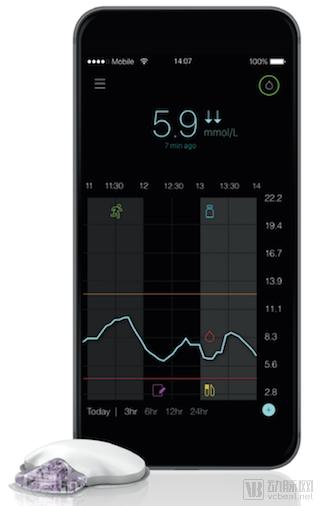
Guardian Connect Smart Continuous Glucose Monitoring System (Image source: Medtronic official website)
Guardian Connect is the world’s first smart continuous glucose monitoring (CGM) system launched by Medtronic for patients using insulin injections. It displays sensor glucose data, trends, and alerts through a simple and user-friendly design. The Guardian Connect app is part of the CGM system, connects independently to smartphones, and is not compatible with insulin pumps.
The Guardian Connect system consists of the third-generation Guardian sensor and a connected transmitter, which sends continuously collected glucose data via Bluetooth to the Guardian Connect app on the user’s smartphone. The app can alert patients to hyperglycemia or hypoglycemia up to 60 minutes before high or low blood glucose events occur.
In addition to the convenience of adding new sensor sites, the company stated in a press release that the calibrated mean absolute relative difference (MARD) was 8.7%.
The Guardian Connect system, when used in conjunction with the Sugar.IQ™ Diabetes Assistant, enhances patients’ understanding of their daily glucose levels and the factors influencing them, thereby providing a comprehensive understanding of diabetes.
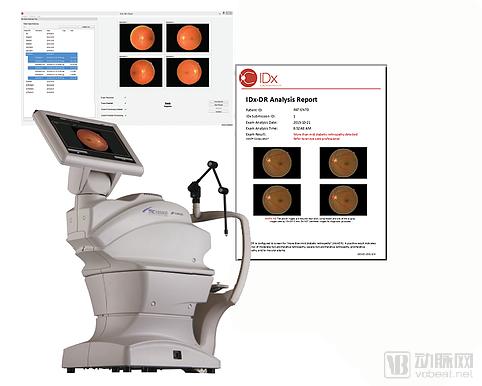
IDx-DR System (Image source: IDX official website)
The FDA approved IDx’s AI software system, known as IDx-DR, for the autonomous detection of diabetic retinopathy in adults with diabetes. According to the FDA, this decision marks the first artificial intelligence-based diagnostic system authorized by the U.S. Food and Drug Administration for commercialization in the United States that can provide screening decisions without the need for clinician interpretation.
The IDx-DR algorithm analyzes images captured by the Topcon NW400 retinal camera and uploads them to a cloud server. Within minutes, the software provides binary results to physicians, detecting whether patients have diabetic retinopathy. Notably, since the system’s results do not require interpretation by clinicians, it can be deployed in healthcare facilities that typically lack ophthalmology services.
The FDA approved the software based on clinical study data from retinal images of 900 patients with diabetes collected at 10 primary care sites. Among these 900 patients, IDx-DR correctly identified mild diabetic retinopathy with a sensitivity of 87.4%, while reducing the time required for correct identification by 89.5%.

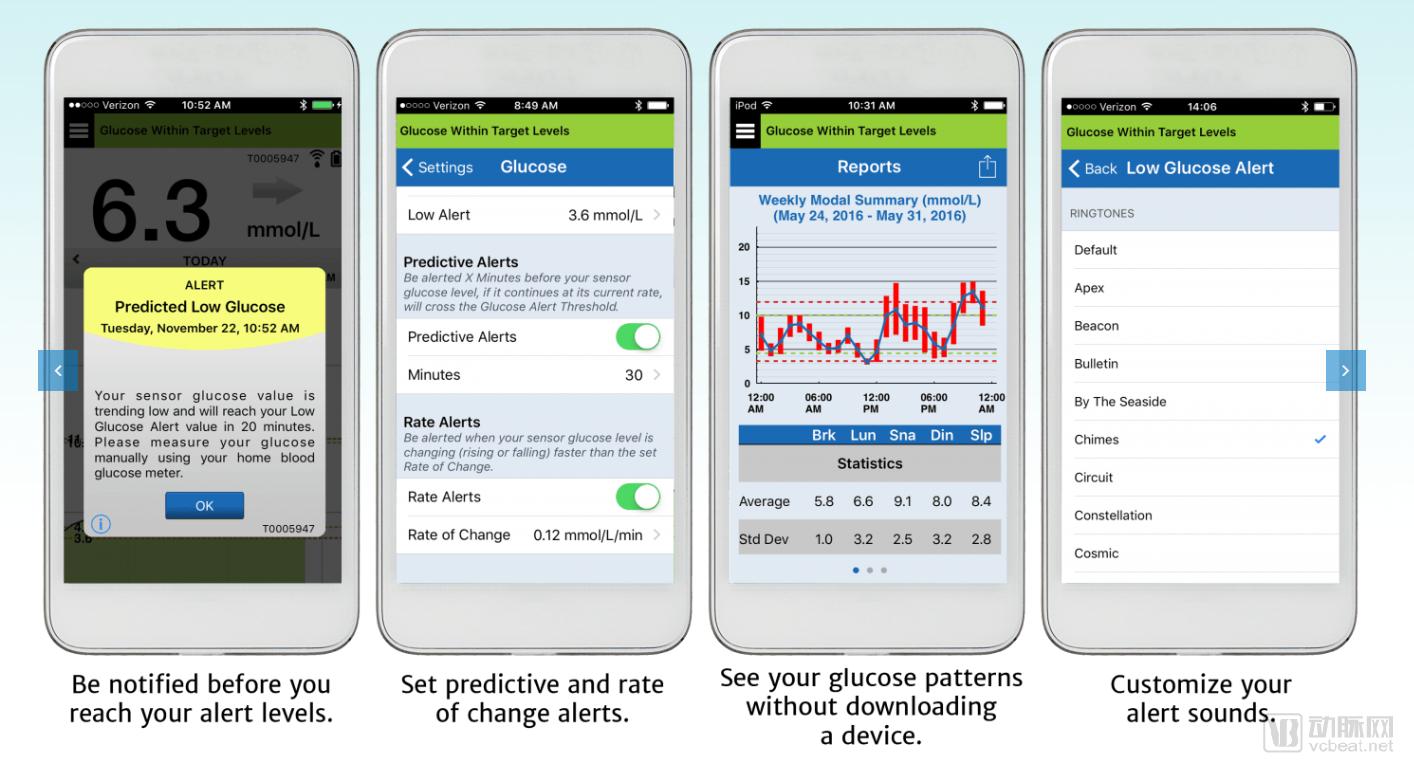
Schematic Diagram of the Eversense CGM System (Image Source: Senseonics Official Website)
Senseonics positions the Eversense CGM system as the first and only continuous glucose monitoring (CGM) system with an implantable sensor, capable of lasting up to three months. This device is implanted subcutaneously in the upper arm of patients with diabetes to monitor blood glucose levels. It provides continuous glucose monitoring through an implantable sensor, a removable and rechargeable smart transmitter, and a user-friendly smartphone application.
The device contains fluorescent polymers that are sensitive to blood glucose concentration. When the blood glucose level changes, the signal transmitted by this material changes accordingly and is transmitted in real time to the mobile device worn by the patient.
The transmitter can also connect to the user’s computer via USB to upload historical blood glucose data. The device will issue an alarm if the glucose concentration is displayed as too high or too low. However, this system requires twice-daily fingerstick blood calibration. Senseonics aims to address this limitation by eliminating the need for blood sampling, thereby making the system more convenient.
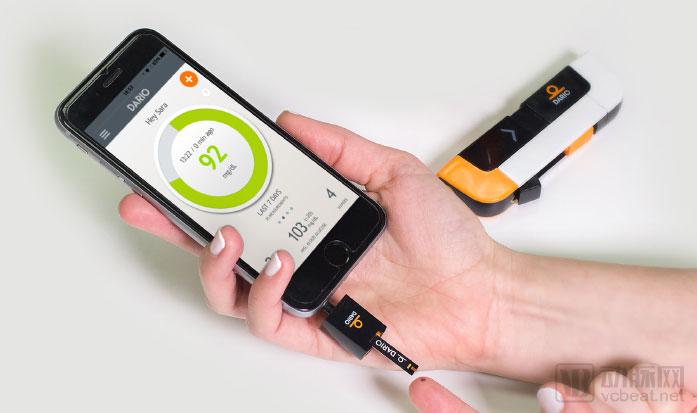
Dario Health Blood Glucose Monitoring System (Image source: Dario Health official website)
Dario's system includes a pocket-sized device, a blood glucose meter, disposable test strip cartridges, a lancing device, and a companion smartphone application.
Dario Health’s recent approval stems from Apple’s removal of the 3.5mm headphone jack from iPhones. The Dario blood glucose monitoring device originally transmitted blood glucose readings to the Dario Smart Diabetes Management app on mobile devices via the 3.5mm headphone jack.
Consequently, Dario users also face dilemmas when deciding whether to upgrade to new iPhone models. After Apple replaced the 3.5mm headphone jack with the Lightning connector, DarioHealth iterated its product line in line with market trends by launching a new blood glucose monitoring device with a Lightning interface. This device fully supports both older and newer iPhone models, delivering a consistent user experience. The blood glucose monitoring solution includes a blood glucose meter, a disposable test strip cartridge holding 25 test strips, and a lancing device.
The Dario blood glucose monitoring system synchronizes in real time with the Dario Smart Diabetes Management App, enabling users to measure, record, and track real-time blood glucose levels for continuous diabetes monitoring, tracking, and management anytime, anywhere. DarioHealth also provides a database of 500,000 foods to facilitate carbohydrate intake calculation.
Cardiovascular Field
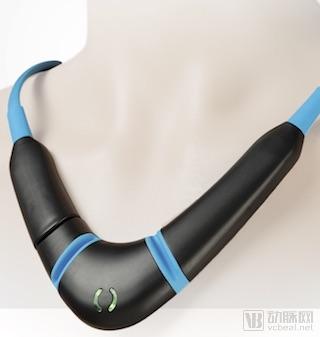
CoVa2 ECG Monitoring Wearable Device (Image source: mobihealthnews)
toSense’s CoVa2 is a wearable device designed for remote monitoring and tracking of individual vital signs and electrocardiograms (ECG). It is primarily worn around the patient’s neck and connected to the chest via two disposable electrodes to monitor physiological data.
The product received its second FDA 510(k) clearance from the U.S. Food and Drug Administration (FDA) in the second quarter. The new clearance will allow the company to update its software and add new features that measure patient metrics such as stroke volume, heart rate, pleural effusion, heart rate variability, respiration, and skin temperature. It also enables the device to connect to a mobile application, allowing healthcare professionals to remotely view measurement data and single-lead ECG waveforms.
Its application scenarios include remote patient monitoring by physicians, indicator monitoring during the hospital-to-home transition period after discharge, and monitoring during clinic visits. Based on patient data, clinical professionals can rapidly diagnose, triage, and formulate treatment plans.
PhysioWave, a company incubated at Stanford University, has developed a smart scale that received FDA approval for its pulse wave velocity (PWV) cardiovascular analysis feature.
Pulse Wave Velocity (PWV) refers to the speed at which pressure waves generated by each cardiac ejection propagate along the walls of large arteries. It is a concise, effective, and cost-efficient non-invasive indicator for assessing arterial stiffness. PWV comprehensively reflects vascular damage caused by various risk factors and serves as an independent predictor of cardiovascular events. Pulse wave velocity can reflect the elastic status of the large and medium-sized arterial system, featuring non-invasiveness, simplicity, effectiveness, and reproducibility, while also capturing real-time changes in arterial function.
This scale is designed to measure the stiffness of the arteries that transport blood from the heart to the rest of the body; therefore, the company claims its technology can identify patients at high risk for cardiovascular disease. The new scale, named PhysioWave Pro, not only performs PWV analysis but also measures pulse rate, weight, and BMI, and utilizes a dedicated tablet as its user interface.
PhysioWave is the first company to receive FDA approval for pulse wave velocity (PWV) functionality in a home smart scale, but it was not the first to promote this feature. Earlier this year, Nokia removed the PWV feature from its Body Cardio scale due to concerns about potential FDA regulations.
Cranial Nerve Disorders
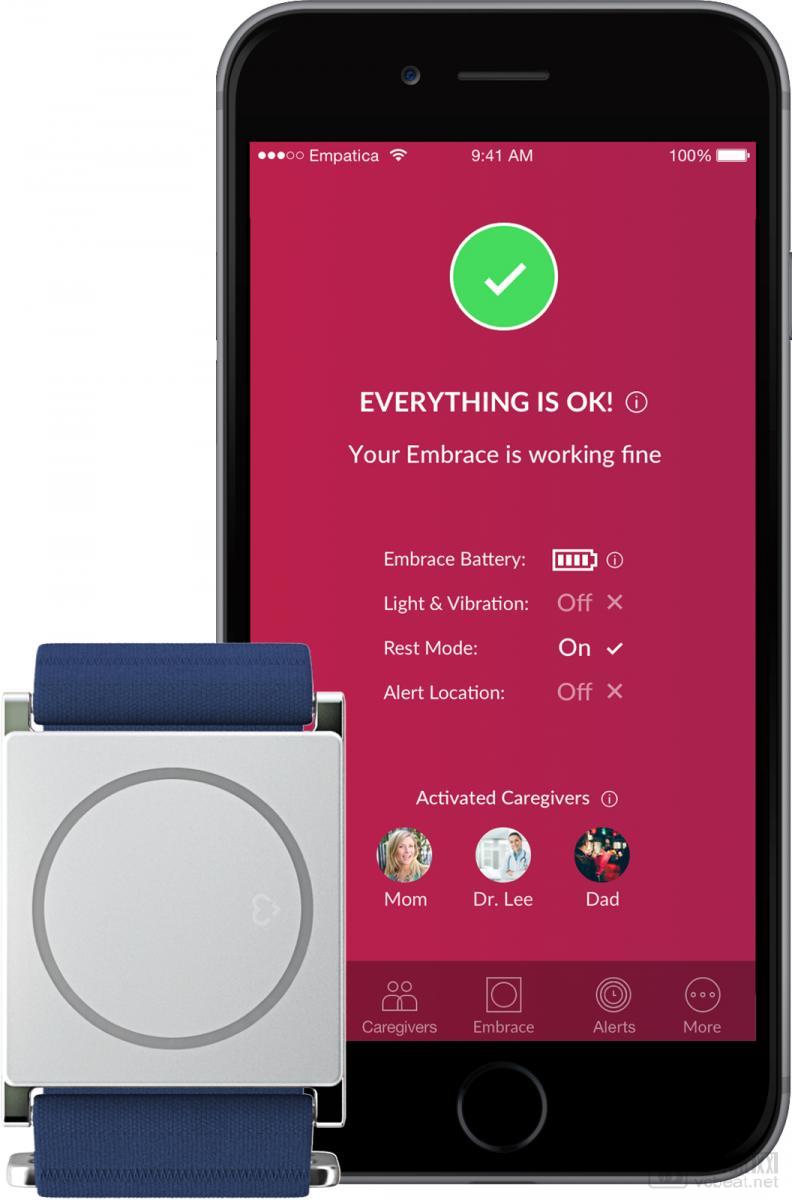
Embrace Devices and Software (Image source: mobihealthnews)
Empatica’s Embrace is a consumer-facing wearable device for seizure detection that received FDA 510(k) clearance in January 2018. Currently, this wearable device is being used in clinical trials by the pharmaceutical company Sunovion and is classified as a prescription-only device rather than an over-the-counter one, meaning users must obtain a prescription from their neurologist to use its seizure detection features.
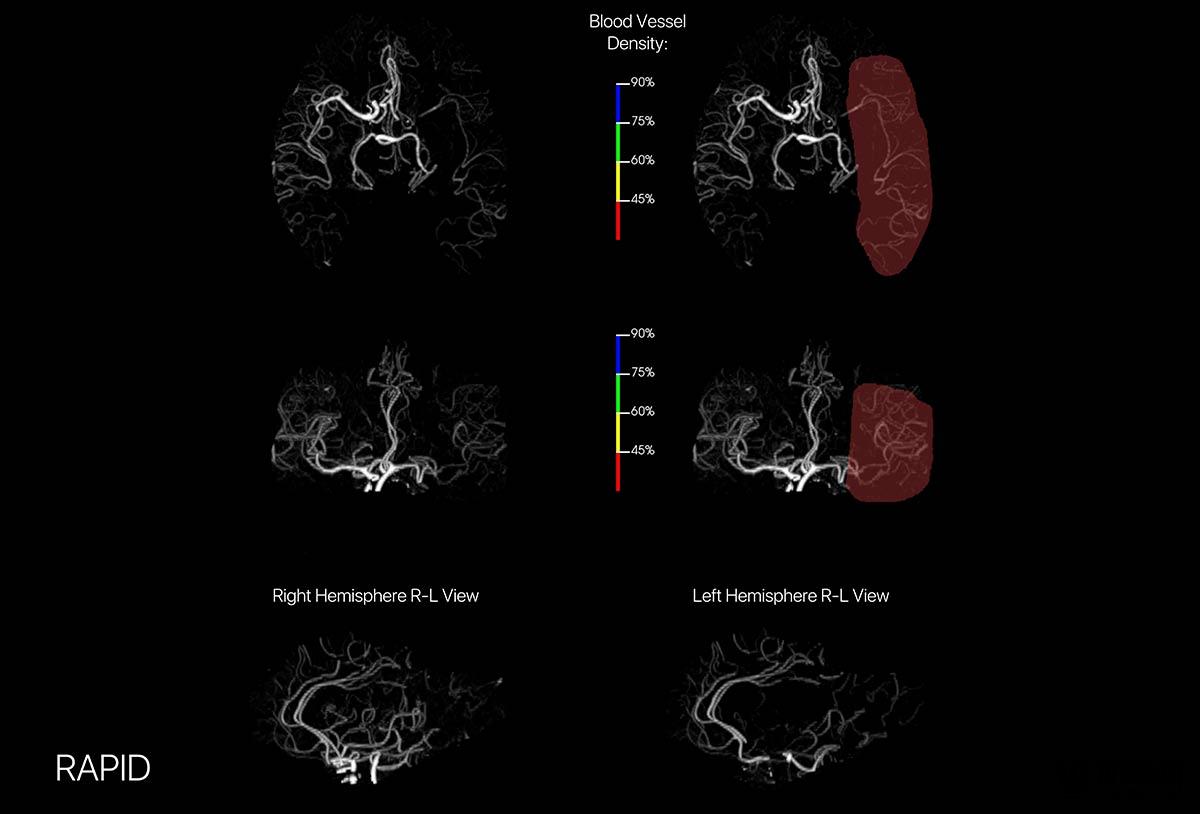
RAPID CTA Images (Source: iSchemaView Official Website)
iSchemaView Imaging has received FDA clearance for its latest product, RAPID CTA, a 3D imaging platform for computed tomography angiography (CTA). According to the company, CTA scans help clinicians visualize cerebral arteries in patients with thrombosis.
RAPID ASPECTS is based on clinically validated machine learning algorithms that automatically generate standardized scores, enabling physicians to easily assess the extent of ischemic changes in patients and determine the feasibility of thrombectomy (clot removal).
Furthermore, RAPID ASPECTS provides clear brain visualizations to enable clinicians to better scrutinize each region and confirm the automated scores.
This technology enables physicians to gain a comprehensive understanding of the cerebral vasculature, allowing them to rotate images from various angles on the platform. The CT scans also feature four color-coded overlays, enabling physicians and caregivers to identify regions in the brain with reduced vascular density.
RAPID CTA image maps are immediately available to physicians via email for viewing on any device, PACS system, or web browser. These images provide intuitive and easily interpretable views of the cerebral vasculature, aiding clinicians in clinical decision-making and triage, facilitating collaboration between community hospitals and specialists, and supporting patient referrals.
Currently, more than 350 stroke centers worldwide use RAPID. These centers generate over 50,000 scans annually through routine clinical use. It is projected that more than 200 additional systems will be deployed in 2018, bringing the annual scan volume close to 100,000.
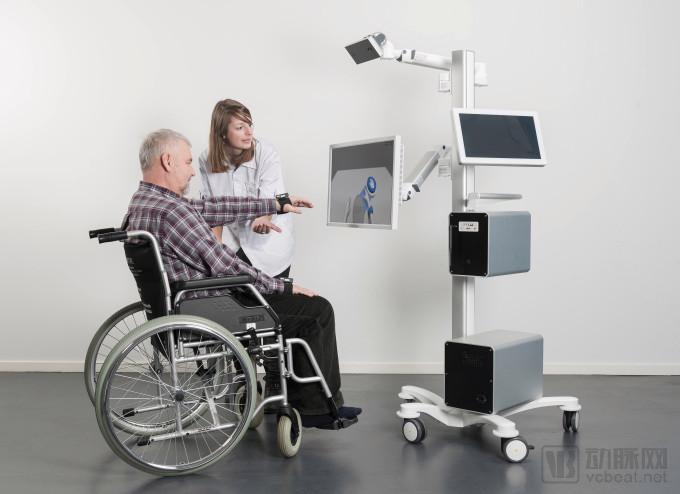
MindMaze Product Illustration (Image source: TechCrunch)
In June 2018, MindMotion Go, developed by Switzerland-based MindMaze, received FDA approval. It is a gamified neurorehabilitation therapy platform designed for home-based rehabilitation of patients with mild to moderate brain injuries.
By leveraging motion capture technology based on Microsoft Kinect, MindMotion Go provides patients with a series of activities set within a virtual reality environment. Through VR technology and gamified scenarios, it facilitates patients' motor and functional recovery.
Chronic Respiratory Diseases
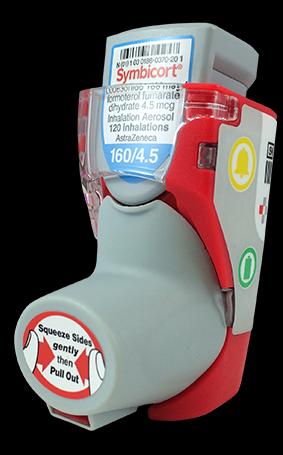
Adherium Smart Inhaler (Image source: Adherium official website)
In March 2018, smart inhaler company Adherium received 510(k) clearance to market its inhaler monitoring device over the counter in conjunction with AstraZeneca’s Symbicort aerosol inhaler (known as SmartTouch for Symbicort).
Adherium has developed a software-enabled device that attaches to patients’ inhalers as part of a self-management program to monitor and encourage medication adherence. Designed for easy installation and removal, it features three buttons that allow patients to access reminder views, battery monitoring, and Bluetooth Low Energy pairing functions.
Inhalers can also help clinicians track patients’ inhaler usage records, such as when and how they misuse the device—for example, by using it upside down or at inappropriate times. These issues can be monitored through the device, thereby preventing medication misuse.
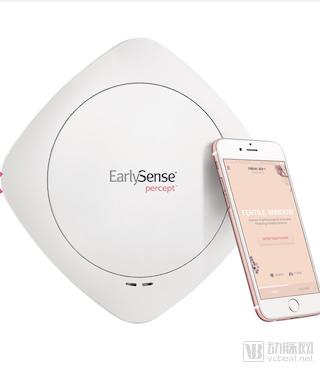
EarlySense Sensors and Software (Image source: EarlySense official website)
In 2015, EarlySense was named one of the “Fierce 15” medical technology companies by Fierce Medical Devices, positioning it as one of the most promising private medtech companies in the industry; in 2016, Early Sense was recognized as one of Deloitte’s Fast 50 fastest-growing technology companies; and in 2017, EarlySense was selected by Fast Company as one of the World’s Most Innovative Companies of 2017.
The EarlySense system is a comprehensive, integrated patient monitoring platform that provides continuous monitoring of vital signs and movement for general care patients, aiming to enhance patient safety and minimize false alarm rates. The entire system comprises four components: sensors, bedside monitors, data transmission systems, and EMR integration systems.
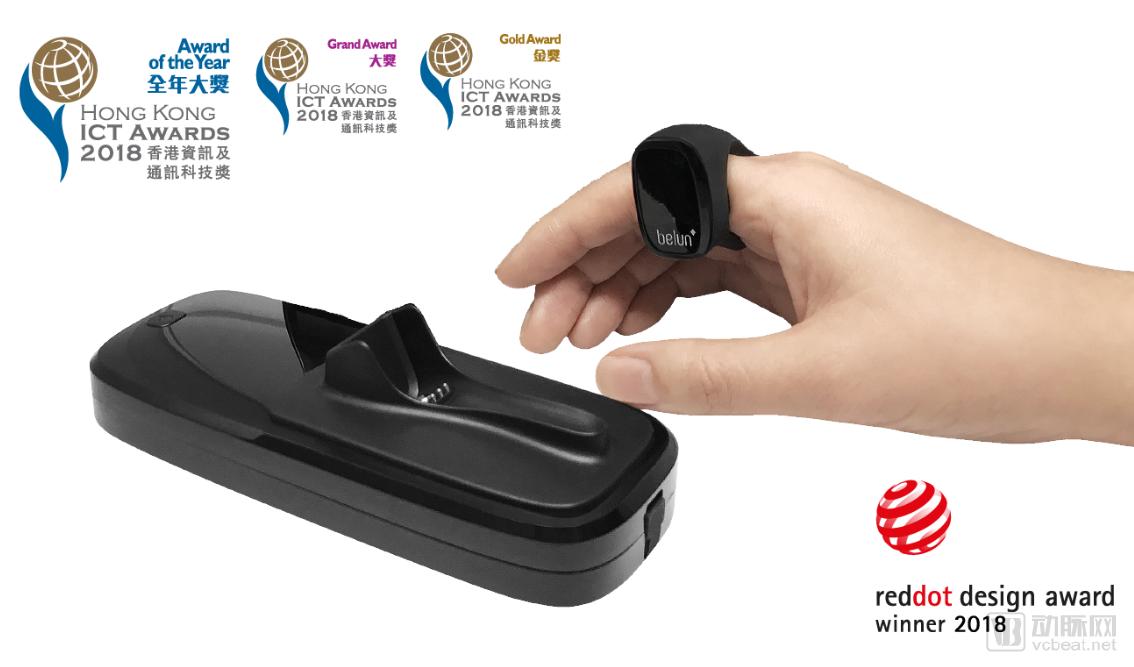
Beiren Smart Ring (Image source: Beiren Technology official website)
Belun Technology is the second Chinese company among the developers of digital health products approved in the first half of the year. The company primarily provides medical-grade, lightweight wearable solutions, with its flagship product being a smart ring. This device can simultaneously measure beat-to-beat heart rate, pulse oxygen saturation, and movement during nighttime without disrupting the user’s sleep. Physicians can rely on the data collected by the ring and analyze it through Belun’s cloud computing platform to diagnose and monitor the post-treatment efficacy for obstructive sleep apnea.
Belun PHA (Personal Health Assistant) can be used to measure brachial and central aortic blood pressure, and to assess the Arterial Stiffness Index (ASI). Users can conveniently and cost-effectively monitor their cardiovascular health at home. Preventive healthcare and early intervention can help avoid accidents caused by apnea in patients and reduce medical costs.
The following trends are reflected in the profile of applicants whose digital health products received FDA approval in the first half of 2018:
1. Startups established within the past 10 years account for the largest proportion, with a total of 13 companies. This also indicates that internet healthcare startups are accelerating their efforts to break through regulatory barriers. Digital health products for the same medical conditions are often highly diverse; a critical factor in gaining user trust is whether they have received FDA approval and can be directly applied in clinical practice.
2. Large enterprises with relatively mature business models that have already completed an IPO will continue to expand their product portfolios, even into different disease areas, and constantly iterate their products and pursue breakthrough innovations, provided that they have already obtained FDA approval for their initial products.
3. Previously, Chinese products that obtained FDA clearance were typically traditional devices and consumables. However, a small number of domestic companies have begun to emerge as innovators, developing novel solutions in the field of chronic disease management. These devices generally target high-prevalence conditions, such as diabetes, respiratory disorders, and sleep diseases.
4. Patient-oriented self-management programs are increasingly appearing on the market, primarily focusing on chronic disease products. This trend is driven not only by issues of healthcare accessibility but also because chronic conditions are conducive to and suitable for self-management. For instance, if patients can administer insulin injections themselves, it would represent a significant disruption for physicians and healthcare institutions. Traditional tasks performed by healthcare personnel are being replaced by standardized devices or processes.
References:
https://www.mobihealthnews.com/content/roundup-fda-digital-health-clearances-and-news-q1-2018