Healthcare Weekly Report 20180715: Major Industry Developments Including WeDoctor-Lihe Medical Partnership and Ascentage Pharma's Imminent HKEX Listing as First Unprofitable Biotech
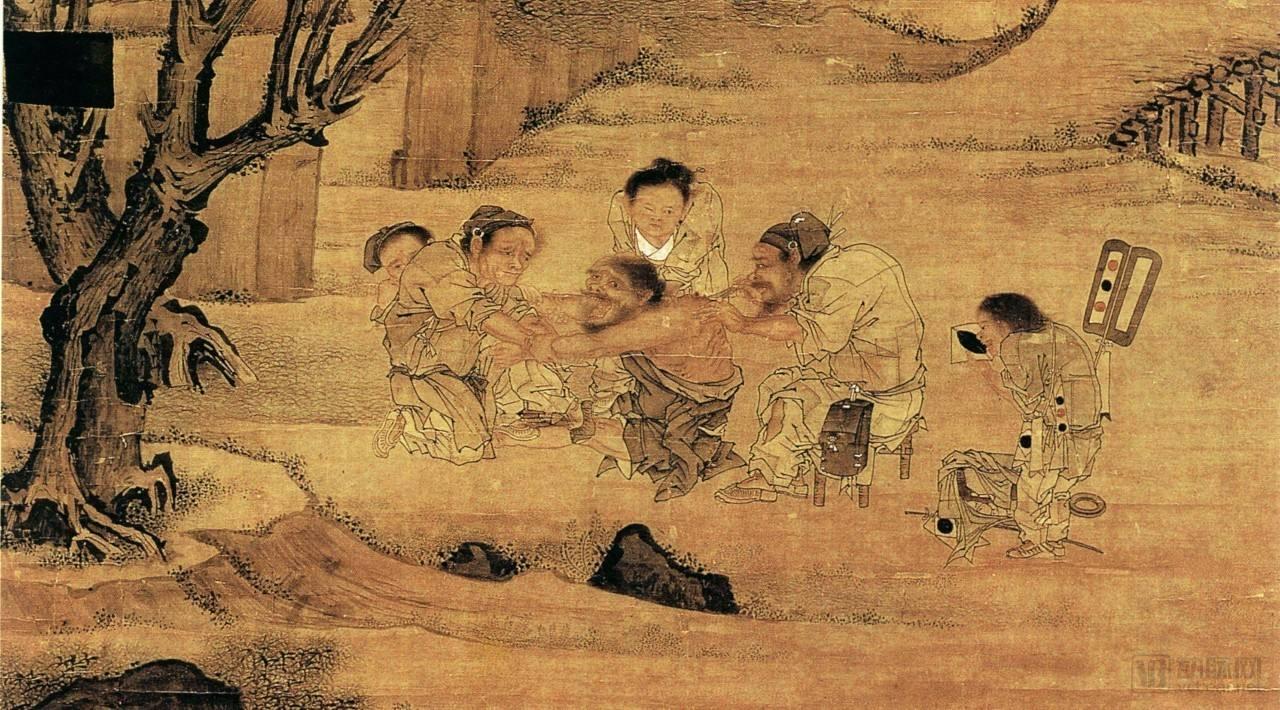
Artwork | Moxibustion Diagram
Author | Li Tang
Visual History of Medicine | Issue 20180715
"Moxibustion and Moxa Diagram" is a traditional Chinese painting by Li Tang, a painter of the Northern Song Dynasty. This work is one of the earliest paintings in China with medical themes as its subject matter, also known as "Village Doctor Diagram," depicting a rural physician in the painting.Sitting on a small stool, moxibustion is applied to the patient's back using moxa sticks ((It has also been suggested that the village doctor is performing surgery on an elderly man with a back abscess,) depicting the treatment of the elderly patient, housed in the National Palace Museum in Taipei.。
Major Industry Developments This Week: WeDoctor and Lihe Medical Sign a Landmark Agreement to Establish China’s First Intelligent Medical Supply Chain and Procurement Platform; Ascletis Pharma Passes the HKEX Listing Hearing, Poising Itself to Become the First Unprofitable Biotech Company Listed on the Hong Kong Stock Exchange; Mingde Biology Goes Public, Becoming the Third A-Share Listed Company in the POCT Market... For more major developments, see “Major Industry Developments This Week” in Part II of this article.
Monday |From Technology to Case Studies: Deconstructing the Internet of Things in Hospitals
The Internet of Medical Things (IoMT) is undoubtedly the core driver leading the digital transformation of hospitals. This conclusion is further supported by the policies issued in China in recent years. From 2012 to 2018, China rolled out a series of policies related to the IoMT, which have provided clear direction for the digital transformation of hospitals and the development of medical IoT networks.
According to statistics from the VCBeat database, a total of 513 financing events occurred in the global healthcare industry in the first half of 2018 (2018H1), with the total financing amount exceeding USD 14 billion. Among these, China’s healthcare industry recorded 295 financing events, representing a slight year-on-year increase of 7%, while the financing amount reached USD 5.5 billion, marking a year-on-year growth of 1.35 times. The pharmaceuticals, primary healthcare, and biotechnology sectors attracted the most capital, with their combined financing amounts accounting for more than 60% of the total financing across all sectors.
Rehabilitation medicine was introduced to China in the 1980s. The key distinction between modern and traditional rehabilitation medicine lies in “technology.” Traditional rehabilitation remains largely reliant on manual operations, lacking standardization, quantification, and an integrated framework and workflow. In contrast, modern rehabilitation leverages information technology, intelligent technologies, and network technologies to achieve therapeutic goals. By observing digital trends in the rehabilitation sector and mapping out the companies involved, VCBeat seeks to identify the series of obstacles that disruptive technological innovations may encounter in the application of digital rehabilitation.
Integrating a company’s resources, processes, and profit models into a proprietary system to meet consumers’ long-standing demand for dental care services is the essence of competitive advantage. What pain points are currently facing China’s dental care service market, particularly dental chain clinics? What characteristics of the U.S. and European dental care markets might offer valuable lessons? VCBeat has attempted to outline, discuss, and interpret these issues.
Pharmaceutical companies’ adoption of digital tools is reflected in three aspects: technology, data, and processes. By leveraging technologies such as cloud computing, big data, the Internet of Things (IoT), the internet, and artificial intelligence (AI), they innovate drug R&D models, reducing the time-to-market and resource costs for new drugs; efficiently acquire and manage data to provide data support for internal management and external marketing; and optimize organizational structures and workflows to build an excellent management system.
Pharmaceutical companies’ utilization of digital tools is reflected in three aspects: technology, data, and processes. By leveraging technologies such as cloud computing, big data, the Internet of Things (IoT), the internet, and artificial intelligence (AI), they innovate drug R&D models, reducing the time-to-market and resource costs for new drugs; efficiently acquire and manage data to provide data support for internal management and external marketing; and optimize organizational structures and workflows to build an excellent management system.
July 9
WeDoctor and Lihe Medical Sign Major Agreement! Establishing China’s First Intelligent Medical Supply Chain and Procurement Platform
WeDoctor Holdings Limited and Lihe Medical Group Limited signed an agreement in Hong Kong, announcing the establishment of WeDoctor Lihe Medical China Co., Ltd. The new company will drive the development of China’s first intelligent medical supply chain solution and procurement platform.
Hainan Haiyao Acquires 100% Stake in Qili Pharmaceutical for RMB 2.142 Billion
Hainan Haiyao Co., Ltd. released an announcement on the revised plan for a major asset acquisition, under which the company intends to acquire 100% of the equity interest in Qili Pharmaceutical through cash payment. Upon negotiation among all parties involved, the tentative transaction price for 100% of Qili Pharmaceutical’s equity is set at RMB 2.142 billion.
July 10
Beta Pharma Reappoints Vice President: Can It Reverse the Decline in Performance?
According to Betta Pharmaceuticals’ announcement on July 10, the company has decided to appoint Liu Feng, Fan Jianxun, and Zehong Wan as senior executives. Specifically, Liu Feng is appointed as Vice President, with overall responsibility for the management of the Business and Market Access Department; Fan Jianxun is appointed as Vice President, with overall responsibility for the management of the Finance Department and the Investment Department; and Zehong Wan is appointed as Chief Chemist.
Shanghai Unveils New Economic Policies, Opening Up Healthcare Industry to a Degree Comparable to Hainan
The “Action Plan for Shanghai to Implement National Major Measures for Further Opening Up and Accelerate the Establishment of a New Open Economic System” has been released, abbreviated as the “Shanghai 100 Measures for Expanded Opening-Up,” aiming to fully advance the development of Shanghai as a hub port for the import of pharmaceuticals and medical devices.
Oriental Star’s Restructuring Plan Disclosed: Ask Pharmaceutics Plans Backdoor Listing with a Valuation of RMB 8 Billion
Dongfang New Star (002755) Releases Preliminary Plan for Major Asset Swap and Share Issuance to Acquire Assets, Constituting a Related-Party Transaction; Ask Pharmaceutics Plans Backdoor Listing with a Valuation of RMB 8 Billion.
Ascletis Pharma Passes HKEX Hearing, Poised to Become Hong Kong’s First Unprofitable Biotech Company to Go Public
According to disclosures by the Hong Kong Stock Exchange, Ascletis Pharma passed the listing hearing on July 10. As part of the subsequent process, the company will formally conduct bookbuilding and roadshows for investors in the Hong Kong market, embarking on its path to an initial public offering.
Yuheng Pharmaceutical Plans to Acquire 35% Equity Stake in Tianmai Biologics for RMB 4 Billion
Yuheng Pharmaceutical issued an announcement disclosing the progress of its major asset restructuring. The announcement stated that Yuheng plans to acquire no less than a 35% equity stake in Tianmai Biologics for no less than RMB 4 billion, thereby gaining control over Tianmai Biologics. The final price will be determined through separate negotiations between both parties, based on audit and valuation results.
2018 Fortune China 500 Revealed: 17 Pharmaceutical Companies Make the List
Fortune China has released the latest Fortune China 500 list. Compiled in collaboration between Fortune (Chinese Edition) and the Wealth Management Division of China International Capital Corporation (CICC), the ranking evaluates the performance and achievements of the largest Chinese listed companies over the past year. The list encompasses all Chinese companies listed both domestically and internationally, based on data officially disclosed by these companies on their respective stock exchanges.
Mingyi Zhonghe and Akang Health Join Forces to Serve Primary Healthcare
Mingyi Zhonghe Technology (Beijing) Co., Ltd. and Guangdong Akang Health Technology Group Co., Ltd. signed a strategic cooperation agreement in Beijing to jointly build a new retail platform for non-essential medications at the primary care level.
Mingde Biology Goes Public: POCT Market Welcomes Its Third A-Share Listed Company!
Wuhan Mingde Biology Technology Co., Ltd. (hereinafter referred to as “Mingde Biology”) has successfully listed on the A-share market, officially debuting on the Shenzhen Stock Exchange under the stock code 002932. It becomes the third A-share diagnostic reagent company primarily focused on POCT (Point-of-Care Testing), following Wondfo Biotech and Getein Biotech.
July 11
Pfizer Announces Major Corporate Restructuring, Splitting Two Business Divisions into Three
Global pharmaceutical giant Pfizer has announced a restructuring of its corporate structure, with a strategic focus on three key areas: innovative medicines, generics, and consumer healthcare. This marks the latest adjustment by the century-old pharmaceutical company, founded in 1849, to align with evolving times.
People's Medical Publishing House and DXY Reach Strategic Cooperation
People’s Medical Publishing House and DXY Announce Strategic PartnershipPeople’s Medical Publishing House and DXY have announced the establishment of a strategic partnership. The two parties will engage in in-depth collaboration across multiple fields, including intellectual property protection, book and journal publishing, education and training, health science popularization, and the operation and promotion of digital product platforms.
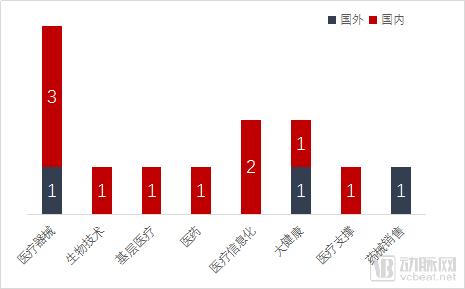
This week, there were 13 financing events in the medical sector both domestically and internationally.
Company | Business | Amount | Round | Major Investors |
China | ||||
Dasi Medical | Comprehensive Management Service Provider for the Orthopedic Medical Device Industry | Not disclosed | Not disclosed | Kangzhiyuan Investment, Dingfeng Investment, Lianmeng Investment, Xiangbo Investment |
Weimou Biotech | Biopharmaceutical R&D Company for Dry Eye Disease | RMB 50 million | Series B | Longpan Investment |
KuaiYiJian | Primary Care Clinic Service Providers | 100 million RMB | Series B | Chende Capital, Nokia Growth Partners, SoftBank China |
Tasly Biopharmaceuticals | Biopharmaceutical R&D Developer | RMB 1 billion | PreIPO | Mérieux Group, Huiqiao Capital |
Mutual Innovation Alliance | Hospital Management System Vendor | Not disclosed | Undisclosed | Zhongyuan Jiupai |
Keep | Mobile Fitness Platform | $127 million | Series D | Tencent Industry Win-Win Fund, Morningside Venture Capital, Bertelsmann Asia Investments, GGV Capital, The Goldman Sachs Group |
Youlai Doctor | Health Portal | Tens of Millions of RMB | Series A | Jiangyu Capital |
Frontier MedTech | Developer of Smart Home Medical Devices | Tens of millions of yuan | Angel Round | Saijia Fund |
Batai Medical | Developer and Manufacturer of Vascular Interventional and Implantable Devices | Tens of millions of RMB | Series A | Sanze Capital, Guozhong Venture Capital |
Shenzhong Technology | Digital Cloud Service Provider for the Pharmaceutical Industry | RMB 50 million | Angel Round | |
Abroad | ||||
Higi | Health Management Service Provider | $21.3 million | Series C | 7wire Ventures,Flare Capital Partners |
Saydl | Medicine Purchasing Platform | Not disclosed | Seed Round | |
Potrero Medical | Patient Monitoring Platform | $26.6 million | Series C | Sonder,GT Healthcare |
Listed Company | Dynamic Typing | Corporate News |
Mingde Biotech | Self-built | On July 10, Wuhan Mingde Biotechnology Co., Ltd. successfully listed on the A-share market, officially debuting on the Shenzhen Stock Exchange under the stock code 002932. It became the third A-share diagnostic reagent company primarily focused on POCT (Point-of-Care Testing), following Wondfo Biotech and Getein Biotech. |
Yuheng Pharmaceutical | Investment | On July 10, Yuheng Pharmaceutical issued an announcement disclosing the progress of its major asset restructuring. The announcement stated that Yuheng expects to acquire no less than a 35% equity stake in Tianmai Biologics for no less than RMB 4 billion, thereby gaining control over Tianmai Biologics. The final transaction price will be determined through separate negotiations between the two parties, based on audit and appraisal results. |
GlaxoSmithKline | Collaboration | On July 13, GlaxoSmithKline (GSK) announced that Dermavant Sciences, a subsidiary of Roivant Sciences, has agreed to acquire the rights to tapinarof, an investigational new drug for psoriasis and atopic dermatitis, in a deal worth up to £250 million (approximately $330 million). |
Conba | Self-built | On the evening of July 11, Conba released its 2018 semi-annual performance flash report. The report showed that Conba achieved an operating revenue of RMB 3.577 billion in the first half of the year, a year-on-year increase of 52.83%. Among this, the pharmaceutical industry generated an operating revenue of RMB 3.490 billion, accounting for 97.57% of the total operating revenue during the reporting period, representing a year-on-year increase of 56.59%. The company realized an operating profit of RMB 647 million, up 39.60% year on year; the total profit reached RMB 648 million, a year-on-year increase of 39.65%. The net profit attributable to shareholders of the listed company and the net profit after deducting non-recurring gains and losses were RMB 548 million and RMB 487 million respectively, representing year-on-year increases of 42.62% and 25.63%. |
Novartis | Cooperation | Recently, pharmaceutical giant Novartis licensed the global rights to buparlisib, a PI3K inhibitor it had been struggling to develop, to Adlai Nortye, a biotechnology company based in Hangzhou, China. Just a few months earlier, researchers had warned Novartis about safety concerns regarding high toxicity associated with this PI3K inhibitor program. |
Pfizer | Self-built | On July 11, Pfizer, a globally renowned pharmaceutical company, announced adjustments to its corporate structure, with a focus on three key areas: innovative medicines, generic drugs, and consumer healthcare. This marks the latest strategic shift by the century-old pharmaceutical giant, founded in 1849, to align with evolving times. |
Tasly | Self-built | Recently, Tasly announced that its controlled subsidiary, Tasly Biological, has completed a capital increase and share expansion. Four overseas investment institutions and one international pharmaceutical company collectively subscribed to 75.714 million newly issued shares of Tasly Biological for a total consideration of USD 132.5 million or the equivalent in RMB, representing approximately 6.99% of the total share capital of Tasly Biological following the completion of the capital increase. After this transaction, Tasly’s shareholding ratio in Tasly Biological will be adjusted to 92.37%, and Tasly Biological will remain its controlled subsidiary. |
Haoyue Capital | Li Yishi
Truly reliable boutique investment banks must possess distinct expertise: they need profound industry insights; a keen sense for understanding and evaluating new technologies; technical literacy, particularly regarding disruptive and innovative technologies; strong capabilities in integrating domestic and international resources; and comprehensive macro- and micro-level consideration during project implementation to accurately seize investment timing and trends. More importantly, they should be able to provide portfolio companies with a suite of professional services spanning sales, operations, regulatory registration, financing, branding, and core talent development. (Source: Si Bai Wei)
Domestic | |
Traditional Chinese Medicine | On July 10, the Tianjin Municipal Commission for Market and Quality Supervision issued an announcement stating that the “Tianjin Specifications for Processing of Traditional Chinese Medicine Decoction Pieces” (2018 Edition) had been compiled and approved at the 6th Director’s Office Meeting of the Commission in 2018. It is hereby promulgated and shall come into effect on August 1, 2018. |
Pharmaceuticals | On July 10, to implement the “Opinions on Deepening the Reform of the Review and Approval System to Encourage Innovation in Drugs and Medical Devices” (General Office Document [2017] No. 42) issued by the General Office of the Communist Party of China Central Committee and the General Office of the State Council, and to strengthen guidance and standardization regarding the acceptance of overseas clinical trial data for drugs, the National Medical Products Administration organized the formulation of the “Technical Guidelines for Accepting Overseas Clinical Trial Data for Drugs.” |
Comprehensive | On July 9, the Shanxi Provincial Health and Family Planning Commission, the Provincial Public Security Department, and the Provincial Political and Legal Affairs Commission jointly issued the “Shanxi Province Procedures for the Prevention and Emergency Response to Sudden Medical Dispute Incidents (Trial),” which clearly classifies nine types of sudden medical dispute incidents into four levels and, for the first time, specifies the handling procedures for each level. |
On July 11, the National Health Commission issued the "Specifications for Prescription Review in Medical Institutions" on its official website, stipulating that secondary and tertiary hospitals, maternal and child health care institutions, and specialized disease prevention and treatment institutions shall implement prescription review in accordance with these Specifications, while other medical institutions shall follow them as reference. The Specifications require that all prescriptions must pass review before entering the pricing, charging, and dispensing stages; prescriptions that have not passed review shall not be charged or dispensed. | |
On July 12, the National Health Commission released the “Notice on Deepening the Implementation of ‘Internet + Healthcare’ Convenience and Benefit Activities” (hereinafter referred to as the “Notice”) on its official website, marking the first national-level detailed implementation rules for “Internet + Healthcare.” | |
On July 13, the General Office of the State Council issued the “Notice on Adjusting the Composition of the Leading Group for Deepening the Reform of the Medical and Healthcare System under the State Council” (hereinafter referred to as the “Notice”). The Notice stated that Vice Premier of the State Council Sun Chunlan serves as the head of the Leading Group for Deepening the Reform of the Medical and Healthcare System under the State Council (hereinafter referred to as the “Medical Reform Leading Group”). He Lifeng, Director of the National Development and Reform Commission; Ma Xiaowei, Director of the National Health Commission; Liu Kun, Minister of Finance; Zhang Jinan, Minister of Human Resources and Social Security; Ding Xiangyang, Deputy Secretary-General of the State Council; and Hu Jinglin, Director of the National Healthcare Security Administration, serve as deputy heads. | |
Abroad | |
Pharmaceuticals | On July 10, OBI Pharma, a biotechnology company based in Taiwan, China, announced that its actively developed novel anticancer drug, OBI-3424, has been granted Orphan Drug Designation by the U.S. FDA for the treatment of hepatocellular carcinoma (HCC). Notably, OBI-3424 is a first-in-class DNA-alkylating anticancer therapeutic agent targeting aldo-keto reductase 1C3 (AKR1C3) overexpression. |
On July 14, the U.S. FDA announced the approval of SIGA Technologies’ new drug, TPOXX (tecovirimat), for the treatment of smallpox. Notably, this marks the 21st new drug approved by the U.S. FDA this year and the first new drug approved specifically for the treatment of smallpox. | |
| Event Name | Location | Date | Ticket Price |
| 2018 CEID China Enterprise Informatization Development Forum — Pharmaceutical and Healthcare Industry Informatization Development Forum | Shanghai | 2018/7/27 | \ |
| China Medical Aesthetics Internet Innovation Forum – Beijing Station | Beijing | 2018/7/28 | \ |
| 2018 Shanghai International Forum on Innovative Technologies in Biomedicine | Pudong | 2018/8/4 | ¥980.0 |
| “Advanced Training Course on Precision Medicine and the Latest Technologies and Data Analysis in Pharmacogenomic Sequencing” | Beijing | 2018/8/16 | ¥3900.0 |
| 2018 Summit on Biomedical and 3D Printing Materials | Dalian | 2018/8/24 | ¥800.0+ |
| OFweek (2nd) China Artificial Intelligence Industry Conference AI+Healthcare Forum | Shanghai | 2018/8/31 | From ¥750.0 |
| 2018 (4th) International Summit on the Full Industry Chain of Pharmaceutical Cold Chain | Wuxi | 2018/9/13 | ¥3200.0 |
| The 2nd China Summit on Medical Rehabilitation and Elderly Care Robots | Nanjing | 2018/10/12 | \ |
1. Blood Proteins Are Associated with Mental Disorders
Researchers from several New York-based institutions have identified a key molecule underlying mental disorders, primarily manifested as uncontrollable responses to stimuli (i.e., bipolar disorder, attention-deficit/hyperactivity disorder [ADHD], and major depressive disorder).
Dr. Joel Stern, an Associate Professor of Neurology at the Hofstra/Northwell Zucker School of Medicine, established a research team to investigate the role of gigantocellular neurons (NGC) in the deep brainstem in awakening the brain. The study revealed that endothelial nitric oxide synthase (eNOS), commonly found in blood vessels, is present in NGC neurons and plays a crucial role in modulating human behavior. Dr. Stern noted that eNOS is also significantly associated with certain psychiatric disorders.

2. Immersive VR Therapy Alleviates Fear of Heights in Patients with Acrophobia
“The Lancet Psychiatry” published a study indicating that patients with acrophobia can effectively reduce their fear of heights by using virtual reality headsets capable of delivering automated cognitive intervention sessions. Researchers found that automated VR therapy immerses patients in the experience, providing optimal opportunities for psychological intervention. Furthermore, similar immersive VR therapies may serve as a low-cost option for alleviating acrophobia and treating mental disorders.

3. CMS Proposes New Rules to Facilitate Telehealth Reimbursement
On July 12, Seema Verma, Administrator of the Centers for Medicare & Medicaid Services (CMS), proposed a new rule aimed at making significant advances in telehealth, documentation requirements, and interoperability. This initiative will provide reimbursement for physicians’ evaluations during telehealth visits, including related images and videos, while minimizing the administrative burden on providers across various regulatory agencies. Meanwhile, CMS has expanded the list of services covered under Medicare Part B for telehealth, adding mobile stroke units, dialysis facilities, and homes of patients with end-stage renal disease as eligible originating sites for telehealth encounters.

4. Are the effects of concussion more severe in athletes with ADHD?
A preliminary study involving nearly 1,000 collegiate athletes indicates that young athletes with attention-deficit/hyperactivity disorder (ADHD) are at a higher risk of developing depressive and anxiety symptoms following a concussion. The findings demonstrate that athletes with both ADHD and a history of concussion scored higher on measures of depression and anxiety compared to athletes without ADHD and those with ADHD but no history of concussion. However, the results do not suggest that athletes are prone to long-term mental health effects after a concussion.

VCBeat: 2018 H1 Healthcare Industry Investment and Financing Report
For the digital health sector, the first half of 2018 (H1 2018) felt familiar, as it set another semi-annual venture capital record. The sustained upward trajectory in total venture capital investment from 2017 through H1 2018 was no coincidence. Rock Health identifies two driving forces at play: on one hand, the continued growth in investment reflects the maturation of the digital health industry; on the other hand, venture capitalists across all sectors, including digital health, are deploying capital at the fastest pace seen since 2006.
Dingdang Health Research Institute: Health and Wellness Data Report on the Generation at the Center of the Era
The Report shows that the proportion of white-collar workers born in the 1980s and 1990s in China suffering from sub-health conditions is as high as 82.8%. Coronary heart disease, malignant tumors, cancer, hypertension, thyroid nodules, pulmonary nodules, gastric cancer, and thyroid cancer have become highly prevalent chronic diseases among the white-collar population. Despite various health risks, the health awareness of those born in the 1980s and 1990s has fully awakened. They are known as the “central figures of wellness” and have “cultivated” a set of distinctive, personalized wellness practices.
For more content, please visit the VCBeat knowledge base!