

Horizon Biosciences Completes Tens of Millions RMB Series A Financing to Advance iPSC-Based Neural Cell Therapy Platform
On December 24, 2018, VCBeat (WeChat: vcbeat) exclusively learned that Zhejiang Huode Biological Engineering Co., Ltd. (hereinafter referred to as “Huode Bio”) had completed its Series A financing round, raising tens of millions of RMB.
This round of financing was led by Shanghai Datai Capital, with Tan Zhen Capital serving as the exclusive financial advisor. The funds raised will be used for preclinical trials related to cell therapy, as well as fixed investments in production and R&D, and initial market expansion. Due to the superiority of its technology, Huode Bio has received RMB 12 million in funding support from Hangzhou Jingkai Venture Capital, Heli Investment, and Cyborg Capital since its establishment in 2017.
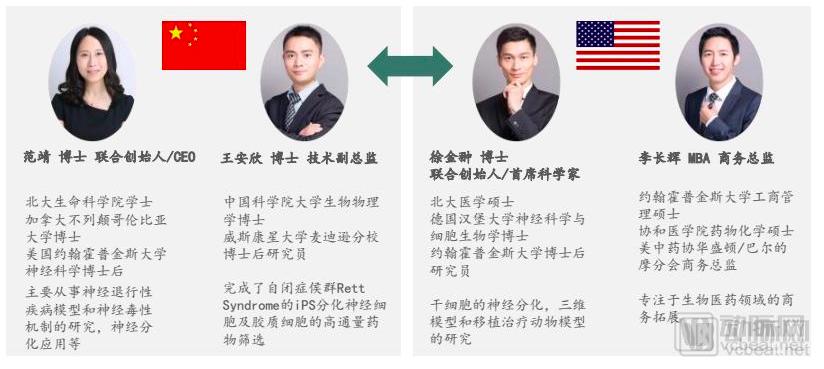
Had Dr. Fan Jing not chosen to embark on an entrepreneurial path, he would have followed his original life trajectory to attain a professorship at a U.S. research institution and continued his work in basic medical research.
In 2012, after earning his Ph.D. in Neurology from the University of British Columbia in Canada, Jing Fan joined the laboratory of Professors Ted Dawson and Valina Dawson at Johns Hopkins University in the United States to continue his postdoctoral research on the pathogenic mechanisms of neurological diseases.
In retrospect, this place should have been a crucial turning point in her life.
At the Johns Hopkins Institute for Neurological Engineering, a premier laboratory for neurological diseases, Fan Jing and his fellow scientists have ample research funding. Leveraging the platform of the nation’s top-ranked medical school—which has held the No. 1 position in the United States for 21 consecutive years and receives the highest level of federal funding—they are dedicated to conducting cutting-edge research on the most advanced topics in neurology.
The most significant bottleneck in the field of neurological disease research is the near impossibility of obtaining live human neural cells or brain tissue for study, while animal models of neurological diseases differ substantially from humans in terms of mechanisms and phenotypes. The emergence of technologies such as human induced pluripotent stem cell (iPSC) reprogramming and the directed differentiation of pluripotent stem cells (including iPSCs and embryonic stem cells, ESCs) into neural cells has greatly advanced neurological disease research.
At the time, the Dawson Laboratory was attempting to validate key findings previously obtained in animal disease models using human brain neurons, and sought to employ human cells for the screening and validation of targeted small-molecule drugs, as well as for the discovery of signaling pathways and novel drug targets.
However, the neurons obtained through all mainstream neural differentiation methods at that time exhibited insufficient maturity and functional deficits.
To address this challenge, Dr. Jincong Xu of the Dawson Laboratory—formerly a Ph.D. in Neurology from the University of Hamburg, Germany, and also the founder of Huode Biology—spent two years developing RONA, a novel method that simulates neural development to induce highly pure human neural stem cells and various mature, stable neural cell types from pluripotent stem cells. After joining the research group, Jing Fan rapidly mastered the RONA technique under Dr. Xu’s guidance and independently applied it to generate human cortical neurons, constructing models of stroke and neurodegenerative diseases, validating downstream pathways, and verifying small-molecule drugs.
Subsequently, using human in vitro disease models and mouse models generated through this differentiation method, Fan Jing independently discovered and confirmed a critical missing link in the neuronal death pathway, filling a long-standing gap in knowledge within the laboratory and the broader scientific community.
Fan Jing is excitedly preparing to write and submit her second first-author academic paper from her postdoctoral period to the journal Nature Cell Biology. After her co-first-author paper (with 50% contribution), co-authored with Dr. Jin Chong Xu, was accepted by Science Translational Medicine in 2016, Fan Jing produced another first-author article with a 95% contribution within a short timeframe, earning significant recognition from Professor Dawson and his wife.
By the end of 2016, after exchanging insights with peers and industry representatives at the International Society for Stem Cell Research (ISSCR) and neuroscience conferences, Fan Jing clearly recognized the commercial potential of this technology. The technique enables the large-scale, stable in vitro generation of human neural systems comprising cells that mimic the six-layered structure of the human cerebral cortex. The ratio of excitatory to inhibitory neurons, as well as the subtypes of interneurons, are nearly identical to those found in the human brain. In terms of neuronal yield, batch-to-batch consistency, maturity, and functionality, this approach far surpasses both the mainstream methods employed by leading institutions such as Harvard University, Stanford University, and the University of Wisconsin–Madison, and the offerings of comparable companies in the market.
More excitingly, after laboratory colleagues transplanted neural precursor cells derived via the RONA method into the damaged brain regions of immunodeficient mice with cerebral infarction, 80% of these transplanted human cells differentiated into functional cortical neurons within one month, while the remainder differentiated into glial cells and other brain cell types. The resulting neuronal bundles extended to the contralateral hemisphere and motor nuclei, and the hemiplegic symptoms in the mice showed significant and sustained improvement compared to the control group that did not receive cell injections.
These experimental results have generated great excitement throughout our research team, as there are currently no available treatments for neuronal death and the resulting hemiplegia caused by stroke. Cell therapy—specifically, the replacement of lost functional brain cells and the re-establishment of neural connections—represents a true breakthrough!
Moreover, they anticipate that the same cell therapy strategy will yield similar therapeutic effects for hemiplegia resulting from conditions such as cerebral hemorrhage and traumatic brain injury, and will also provide certain benefits for cognitive and motor impairments associated with diseases like Alzheimer’s disease, Parkinson’s disease, and autism.
Xu Jinchong and Fan Jing realized that this technology has the potential to bring about a true transformation in the treatment of neurological disorders.
“By the end of 2016, we began to recognize the immense industrialization value of this technology. We hope to enable the broader scientific community, pharmaceutical R&D departments, and patients with neurological disorders to benefit from the products derived from this technology, rather than keeping it confined to our own closed-door research,” said Fan Jing.
During this period, many companies sought to recruit them or negotiate technology transfer agreements. However, these offers also gave them pause: Would merely transferring the technology or joining a company truly ensure that this advantageous technology was effectively translated into real-world applications and realized its ultimate value?
As neuroscientists, both individuals possess a strong sense of mission, aspiring to ultimately realize the goal of providing treatments for patients with neurological disorders.
After nearly six months of discussions, and encouraged by the increasingly favorable environment for biomedical R&D and investment financing in China, they ultimately decided that Dr. Fan Jing would return to China full-time to establish a company, ensuring the commercialization of their technology.
Thus, at the age of 35, Fan Jing, a researcher who had dedicated 14 years to scientific research, opened the laboratory door and courageously stepped into the dynamic world of entrepreneurship.
Stem cell technology, also known as regenerative medicine technology. Theoretically, new cellular tissues and organs can be generated through the isolation and in vitro culture of stem cells, thereby enabling the treatment of clinical diseases. Since the European Medicines Agency (EMA) approved ChondroCelect for knee cartilage defects in 2009, a total of nine stem cell products have been launched globally.
Most of these products are used for bone repair and arthritic diseases, but the field of neurological disorders that Fan Jing has entered remains a market void.
Not only in stem cell therapy, but across the entire field of neurological disorders, treatment options remain scarce. Pharmaceutical giants have continued to pour substantial funding into this area, yet to date, most new drug development efforts for neurological diseases have not achieved substantive success.
2016: Eli Lilly’s Solanezumab Clinical Trial Fails
In September 2017, Axovant’s Phase III clinical trial of intepirdine failed
In early 2018, Lundbeck’s idalopirdine clinical trial failed
In 2018, Pfizer Announced the Cessation of R&D for Alzheimer’s and Parkinson’s Disease Therapeutics
Especially for Alzheimer's disease, the cause of this disease is still unclear, and it cannot be cured yet. Current medications can only alleviate its symptoms, and there has been no new drug for over 14 years.
According to WHO statistics, there are hundreds of millions of patients with neurological disorders worldwide, encompassing more than 200 conditions across major disease categories such as stroke, traumatic brain injury, spinal cord injury, Alzheimer’s disease, Parkinson’s disease, autism, schizophrenia, and depression. This number exceeds the combined total of patients with diabetes, cardiovascular and cerebrovascular diseases, and cancer.
According to the latest statistics published by Ness-China in Circulation in 2017, there are as many as 11 million stroke survivors in China, with 1.3 million new cases each year.
Given the lack of effective treatments for most neurological disorders, there is an urgent need to address these conditions and their sequelae. However, the development of new drugs, such as small-molecule chemicals and antibodies, involves lengthy cycles and rarely achieves substantial breakthroughs. Driven by market and societal demands, scientists worldwide are beginning to explore alternative therapeutic approaches, including cell therapy.
Whether a very small number of neural stem cells persist in the adult human brain remains controversial. Given their limited accessibility and insufficient quantity, they fail to meet the therapeutic demands for neurological disorders. Prior to the maturation of neural differentiation technologies, most clinical studies and companies specializing in neural stem cell therapy relied on fetal-derived neural stem cells.
These fetal neural stem cells not only raise ethical concerns (primarily as glial precursors), but also suffer from challenges in achieving homogeneity and batch-to-batch consistency due to variations in developmental stages and individual differences, thereby compromising functional stability and druggability.
Therefore, research on new cell replacement therapies has gradually emerged only after technologies for differentiating large quantities of homogeneous and stable neural stem cells and functional neurons from pluripotent stem cells gradually emerged and matured after 2012.
iPSC-derived retinal pigment epithelial (RPE) cells for the treatment of age-related macular degeneration, and iPSC-derived dopaminergic neurons for the treatment of Parkinson’s disease, both developed by Kyoto University in Japan, have demonstrated favorable safety and efficacy in Phase I clinical trials.
Professor Lorenz Studer from the United States has also utilized iPSC-derived dopaminergic neurons for the treatment of Parkinson’s disease via intracranial injection. This approach has demonstrated success in non-human primate studies, and preparations are underway for a Phase I clinical trial under FDA oversight.
The team led by Academician Zhou Qi in China has also applied cell transplantation therapy using cells derived from embryonic stem cell differentiation to treat these two diseases. Early results from Phase I clinical trials have similarly demonstrated favorable safety and efficacy.
Furthermore, research into the transplantation of insulin-secreting pancreatic beta cells derived from pluripotent stem cells for the treatment of type 1 diabetes and other indications is gradually emerging.
Due to high technical barriers and late emergence, most similar novel cell replacement therapies are currently in the preclinical animal testing stage. However, they are highly regarded by the scientific community because they not only facilitate the regeneration of existing endogenous cells through paracrine effects but also substantially replenish functional new cells.
The principles underlying replacement therapy using neural stem cells and neurons derived from induced differentiation differ from those of traditional stem cell therapies; this approach, known as second-generation stem cell technology, presents exceptionally high technical barriers.
After extracting an individual’s blood or skin cells and reprogramming them into autologous induced pluripotent stem cells (iPSCs) through cellular rejuvenation, neural stem cells or functional neurons can be generated via in vitro induced differentiation. For moderate to severe brain injuries caused by stroke (including ischemic and hemorrhagic stroke), characterized by extensive neuronal death and the inherent inability of neurons to regenerate, prepared neural precursor cells are delivered to the vicinity of the lesion site via intracranial stereotactic transplantation. These precursor cells then spontaneously differentiate within the brain into various functional cortical neurons (constituting over 80% of surviving cells) and glial cells, gradually re-establishing connections with the existing neural networks.
Additionally, these neural stem cells or progenitor cells themselves can secrete a variety of neurotrophic factors, promoting the survival of transplanted cells and their integration with surrounding neurons in the early stages.
Among various stem cells, neural stem cells derived from induced pluripotent stem cells (iPSCs) and embryonic stem cells demonstrate superior yield and quality across multiple dimensions, thereby better meeting the requirements for the development of clinical therapeutic products.
In 2006, Shinya Yamanaka of Kyoto University in Japan was the first to report research on induced pluripotent stem cells in the world-renowned academic journal *Cell*, for which he was awarded the 2012 Nobel Prize in Physiology or Medicine.
The advantages of iPSCs lie in their pluripotent differentiation potential and autologous nature. They are similar to embryonic stem cells in terms of morphology, gene and protein expression, epigenetic modification status, cell proliferation capacity, embryoid body and teratoma formation capabilities, and differentiation potential. Furthermore, iPSCs offer greater feasibility than embryonic stem cells regarding ease of acquisition and ethical considerations.
In vitro human genetic disease models based on iPSCs, differentiated cells, and organoids can more directly simulate human diseases, providing new avenues for scientists and pharmaceutical companies to study disease pathogenesis and conduct drug screening.
Hode Bio’s proprietary RONA neural cell differentiation technology enables the large-scale, stable differentiation of iPSCs and embryonic stem cells into neural stem cells of the highest purity, various neuronal subtypes, and 3D mini-brains. It is currently the only method internationally capable of fully recapitulating the composition of the human brain and achieving mature functional states.
Neural stem cell-based therapies and related technologies have advanced to the stage of clinical application for conditions such as Parkinson’s disease, stroke, traumatic brain injury, and spinal cord injury. Extensive preclinical studies and Phase I and II clinical trials conducted both domestically and internationally have demonstrated promising therapeutic efficacy following transplantation.
In addition to the aforementioned use of iPS stem cells for treating Parkinson’s disease, neural stem cell therapy is also being explored for neurological disorders that currently lack effective treatments, such as Alzheimer’s disease and amyotrophic lateral sclerosis (ALS).
It is reported that a research team led by Dr. Feldman at the University of Michigan is currently exploring the use of human spinal cord-derived neural stem cell transplantation for the treatment of amyotrophic lateral sclerosis (ALS). The U.S. Food and Drug Administration (FDA) has approved their study involving the injection of HSSC into the C3–C5 segments of the spinal cord, a region associated with phrenic motor neurons.
Although no products have yet reached the market, iPS cell-derived neural stem cell therapy has already demonstrated potential in treating neurological disorders, particularly those for which there are currently no effective interventions.
Leveraging internationally leading innovative RONA cell differentiation technology and the “industry-academia-research” platform of Johns Hopkins University School of Medicine, Huade Biotechnology is also actively developing its pipeline for neural stem cell therapies.
At Johns Hopkins University, experimental data on the transplantation of neural precursor cells for the treatment of stroke in mice have been obtained, and the manuscript is currently under submission.
Currently, in addition to serving as scientific advisors to China’s Huode, Professor Dawson and his spouse have also decided to join Huode companies in Hong Kong and the United States to jointly advance the dual regulatory filings for stroke and other cell therapy pipelines.
Currently, Huode Bio’s therapeutic cell-based products will initially utilize universal cells with broad HLA matching and are currently in preclinical trials.
“Although second-generation stem cell technology will enter clinical trials later than first-generation technology, it offers advantages in direct cell replacement and batch consistency for disease treatment efficacy, allowing it to fully catch up with the products of first-generation neural stem cell technology companies,” said Fan Jing firmly.
In addition to directly entering the field of stem cell therapy, Huode Bio is also positioning itself in the midstream segment by providing pharmaceutical companies with iPSC-derived neural cells and brain organoids for disease research and drug screening.
Global annual R&D investment in the pharmaceutical industry for central nervous system (CNS) diseases totals approximately $80 billion. However, due to the complex structure and mechanisms of the human brain, the difficulty in obtaining human brain tissue, and significant species differences between humans and animals, research on neurological disorders lacks robust disease models. These factors have further complicated the already challenging process of new drug development. Despite continued annual investments, there have been no substantial breakthroughs in the development of neurological drugs, and the failure rate remains extremely high.
It is becoming increasingly clear that animal cells differ from human-derived cells in the process of new drug development; however, prior to the emergence of neural differentiation technologies, obtaining human brain-derived tissue cells was exceedingly difficult.
Therefore, after iPSC and differentiation technologies were applied to obtain various human cells in vitro, research institutions began using these human cells to study disease mechanisms, while major international pharmaceutical companies have also established their own iPSC differentiation departments, utilizing differentiated human liver, cardiomyocyte, and neuronal cells for preclinical drug screening and toxicity testing.
The CiPA initiative was proposed in recognition of the significant impact that genetic backgrounds across diverse populations have on drug toxicity prediction, advocating for the inclusion of iPSC-derived cardiomyocytes in the assessment of drug-induced cardiotoxicity.
Leveraging its existing RONA technology platform, Huode Biology addresses the challenges posed by the immaturity of current differentiated neural cells and 3D brain organoids, which fail to replicate the stable composition of the brain and suffer from batch yield and stability issues that hinder drug screening requirements. The company provides pharmaceutical enterprises and research institutions with optimal neural cell products, differentiation kits, and other supporting services. For hospitals, these technologies and products can also be utilized in combination for cell transplantation therapies or animal studies involving neural stem cell-derived exosomes.
The company has already secured trial orders from Vertex and Genentech, and is currently in negotiations with Novartis, Eli Lilly, Merck, and GlaxoSmithKline regarding collaborations on drug development. Furthermore, the company will launch multiple scientific research cooperation projects with numerous domestic and international laboratories, including the U.S. National Institutes of Health (NIH), Johns Hopkins University, Peking University, Zhejiang University, and the Chinese Academy of Sciences.
Through its expansion into drug development and cell therapy, Hode Biotech has completed its layout across the midstream and downstream segments of the industry. However, the upstream segment of novel autologous stem cell therapy primarily relies on the preparation and storage of patient-derived induced pluripotent stem cells (iPSCs), which necessitates the initial banking of patients’ stem cells.
Induced pluripotent stem cells (iPSCs) offer advantages such as easy accessibility, pluripotent differentiation potential (including into hematopoietic stem cells, mesenchymal cells, skin cells, chondrocytes, cardiomyocytes, hepatocytes, retinal cells, neural cells, hair follicle cells, etc.), and unlimited expandability, making them highly suitable as seed stem cells for autologous stem cell banking.
By leveraging the latest iPSC and differentiation technologies, Huode Bio ensures safety, high efficiency, GMP compliance, and long-term storage capabilities. The company can pre-differentiate cells into required tissue-specific stem cells for storage, enabling rapid retrieval during acute medical emergencies for use in approved clinical treatments or research studies, thereby saving precious lives and reducing sequelae.
“We have not yet launched our cell storage business, but it is indeed a sector we aim to enter,” she stated.
She told VCBeat that although the current market penetration rate for stem cell storage is only 1%, they still hope to promote the concept of iPSC storage, enabling people to access cutting-edge technology and have more options.
To accelerate the project’s implementation, Fan Jing resigned from Johns Hopkins University and returned to China alone, starting from scratch by securing funding, recruiting staff, and finding office space.
Compared with entrepreneurship, the university environment is akin to an ivory tower for researchers. After stepping out of this ivory tower, Fan Jing must learn to transform from a pure researcher into an all-around entrepreneur.
“After resigning and restarting fundraising and partnership negotiations, she initially borrowed money from many friends. ‘At the most difficult time, our family had only $2,000 left, while our monthly household expenses in the U.S., including kindergarten tuition for our two children and mortgage payments, amounted to $6,000,’ recalled Fan Jing. ‘We relied entirely on my husband’s income and the support of family and friends.’”
“I am deeply grateful for the trust and support of our investors, which has enabled us to establish manufacturing facilities and platforms compliant with Good Manufacturing Practice (GMP) standards for clinical-grade stem cell products, thereby facilitating the translation of innovative technologies. I also extend my heartfelt thanks to my partners, who have willingly endured hardships and accepted modest salaries while striving alongside me.” She couldn’t help but remark that without unwavering conviction and enduring patience, developing innovative drugs is nearly impossible, let alone aiming to create the first innovative cell therapy for stroke.
“We were fortunate to coincide with the period when cell therapy in China was entering a phase of standardized development, with various policies and regulations being introduced,” Fan Jing told VCBeat. This opportunity allowed them to compete on a level playing field, leveraging their formal advantages alongside established mesenchymal stem cell therapies and other treatment programs that had been undergoing clinical research for many years.
It is understood that the company has currently reached clinical research cooperation intentions with three hospitals qualified for stem cell clinical trials: the Bayi Brain Hospital of the Army General Hospital, Sir Run Run Shaw Hospital, and Xiangya Hospital. Moving forward, Huode Biotech’s primary task is to obtain clinical filing approval for its cell-based products and initiate clinical trials.
“We hope to launch clinical trials by mid-2020 at the earliest,” said Fan Jing.
Fan Jing, representing Huode Biology, recently won the Grand Prize of RMB 1 million and startup space at the 6th “Dongsheng Cup” International Entrepreneurship Competition.
“For innovative enterprises with the right direction and genuine technological barriers, I believe this is a good era for entrepreneurship,” she added.