Riding the Second Wave: The Rise of Digital Healthcare Transformation
Years ago, when we first started using Alipay to pay for water, electricity, and gas bills, we probably didn’t anticipate that within just a few years, we would largely move away from banks, bank cards, and credit cards, with the majority of financial transactions and payments being completed on mobile phones. Even wallet manufacturers may not have foreseen that their competitors would be smartphones and mobile payment platforms.
When will the digitalization of healthcare arrive? We have imagined this scenario countless times. It was not until June 28, when we walked into Jiande First People's Hospital, that our imagination turned into awe and became reality:
This hospital is currently the only county-level hospital in China to achieve HIMSS Stage 6.
The first hospital in Zhejiang Province to achieve Level 5 of the National Electronic Medical Record Application Capability Assessment;
The hospital’s core systems have achieved comprehensive digitalization, including the Clinical Data Repository (CDR), Research Center, and Operations Center. Even lighting control has been digitized. Core internal management and treatment processes are now handled through a single interface, forming a one-stop operational platform for hospital staff. A patient-facing client is currently under development. Sixteen companies specializing in information technology, medical devices, and internet services—including Alibaba Cloud and Hangzhou Lianzhong—have participated in the hospital’s digital transformation, with the hospital leading the overall product architecture design and refinement.
Jiande is a county-level city with a population of only 500,000. Without high-speed rail access, the drive from Hangzhou to Jiande takes nearly two hours. Yet, in this picturesque locale characterized by lush mountains and clear waters, a digitally advanced hospital with forward-thinking strategies has quietly emerged. In recent years, Jiande Hospital has sustained robust revenue growth, while patient satisfaction has continued to rise. Some patients have even remarked that their care experiences in Hangzhou did not compare favorably to those at Jiande Hospital.
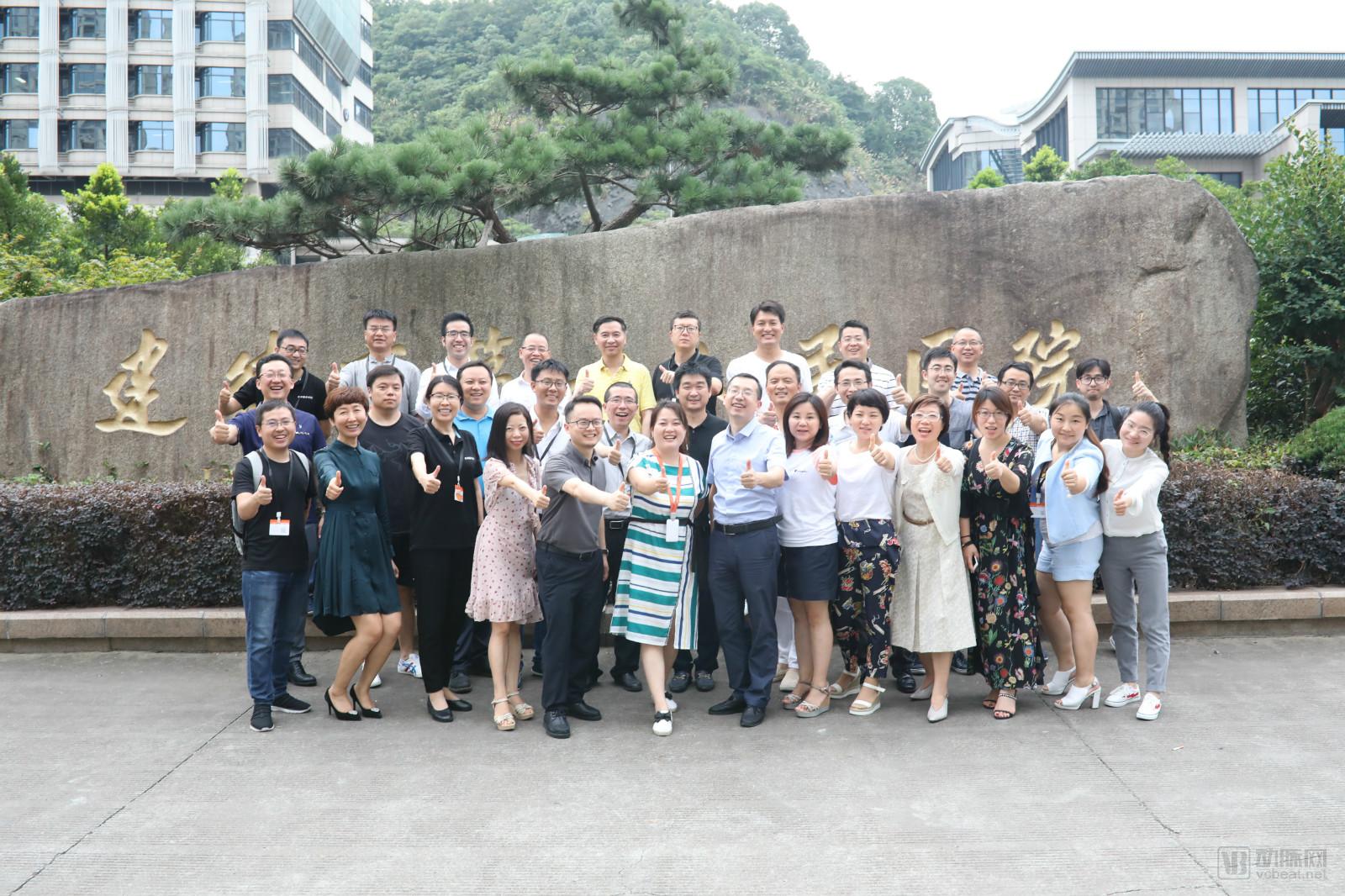
A visit to Jiande First People’s Hospital was one of the components of the inaugural cohort of the Future Healthcare Academy’s “New Healthcare Transformation: Innovators’ Evolution Camp.” Though it lasted only half a day, the experience yielded substantial insights. Over the course of the three-day program, we gained a deeper understanding of healthcare digital transformation, suggesting that the second wave of digital health may well be upon us.
“Allow me to quote this statement once again: ‘The vast majority of innovators lack the weapons to bring about revolutionary change in the system; they can only achieve results in cost control and efficiency improvements targeting specific parts of the system. Few of these individuals possess the general-like vision and power to rearchitect the elements of the system.’” — Clayton Christensen, The Innovator’s Prescription
The most critical criterion for determining whether digital healthcare has entered its second wave is whether it has gradually become a global consensus.
Regarding global consensus, we have noted the following phenomena:
At the highest decision-making level, intensive inspections of digital infrastructure development at leading and local hospitals have been conducted since 2018;
The State Council and the National Health Commission have successively issued policies on internet hospitals and related supporting measures;
County-level and other small- to medium-sized hospitals are extensively launching the construction of digital hospitals;
Hundreds of physician groups have been established in recent years, and new types of chain clinics continue to emerge;
Internet giants such as Alibaba and Tencent are gradually shifting their investment focus toward core healthcare sectors, including healthcare IT companies (see VCBeat’s recent ongoing coverage);
Leading internet healthcare startups begin to enter the IPO phase;
Artificial intelligence, genetic testing, and many other emerging technologies are entering the implementation phase...
Why Refer to It as the Second Wave? This is because, prior to 2016, discussions around internet healthcare and digital healthcare were largely centered on the fervor of startups and venture capital. However, after 2016, the sector entered a phase of awakening among traditional healthcare institutions, industry giants, and government agencies.
Consequently, innovation in the healthcare industry has shifted from peripheral services, such as appointment scheduling and online consultations, to internet hospitals and comprehensive digital transformation of hospital workflows. With the entry of major tech giants, the long-closed domains of healthcare informatization and regionalized healthcare delivery are now facing the possibility of being reshaped.
In this course, many of our participants have raised a common question: As tech giants venture into the deep waters of healthcare, are they aiming to dominate the market or to build an ecosystem? For instance, in the field of healthcare informatics—a long-standing, highly fragmented and regionalized market—will the status quo be disrupted? Are the “good old days” over, and will the resource-driven landscape be broken?
Yes, the status quo is bound to be disrupted. A simple example is that as hospitals themselves pursue internet-style user experiences in their health IT interfaces, traditional healthcare IT vendors—such as those providing Hospital Information System (HIS) products—will struggle to meet the needs of hospitals and physicians. Moreover, numerous non-healthcare internet companies are bringing superior user experiences into the medical field.
Charles Handy, a renowned British management thinker, proposed a highly influential concept: the Second Curve. This refers to the idea that if an organization or enterprise can identify a “Second Curve” to drive its next phase of growth before the First Curve reaches its peak, and if this Second Curve begins to grow before the First Curve attains its apex—thereby offsetting the initial resource consumption (financial, temporal, and energetic) required for its development—then the vision of sustainable, perpetual corporate growth can be realized.
Among today’s tech giants, Alibaba stands out as one of the most successful in building its second growth curve, and is even continuously advancing into third and fourth curves. From B2B to B2C, and then to Ant Financial, Alibaba Cloud, and Cainiao Logistics, it has navigated numerous treacherous challenges. By disrupting first the consumer sector, then the financial sector, and later the cloud computing sector, Alibaba has achieved a revolutionary transformation from an e-commerce company to a data-driven enterprise.
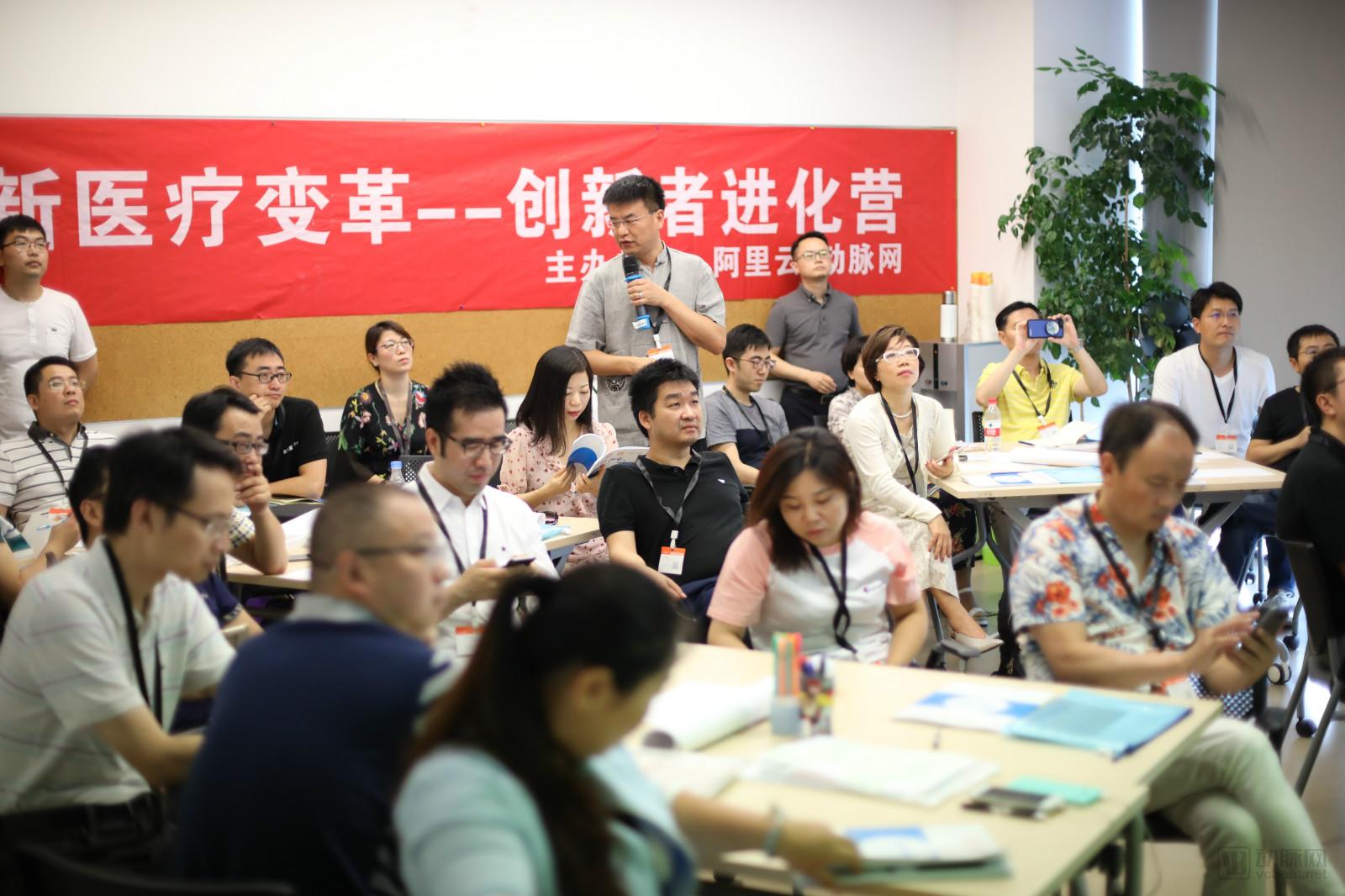
When designing the first session of the “New Healthcare Transformation: Innovators’ Evolution Camp” for Alibaba’s Future Healthcare Academy, we focused squarely on the theme of digital transformation in healthcare. To understand the future scenarios of this transformation, we believe several key points deserve particular attention:
1. It is essential to step outside the problem to examine it. Throughout the course, we did not focus solely on healthcare; instead, we devoted nearly half of the time to discussing Alibaba’s major historical transformations, how it moved beyond its first growth curve, as well as its “Five New and One Flat” strategy and digital middle-platform strategy. While these topics may appear unrelated to healthcare on the surface, many significant historical changes often stem from cross-industry innovation.
2. Benchmarks for medical innovation are not necessarily the largest hospitals or corporations; innovation often emerges from overlooked areas, such as county-level hospitals and their leadership. For instance, Zhong Ze, President of Jiande People’s Hospital, may not be technically versed, but he places strong trust in technology and his team. Xiang Peng, the Vice President overseeing informatization, is a physician with IT expertise who resembles an internet product manager, displaying keen interest in new technologies and speaking with evident enthusiasm about the hospital’s digital transformation. This collaborative model may serve as a reference framework for future hospital innovation.
3. Disruptive innovation in healthcare is also highly likely to emerge from a “rural-encircling-urban” strategy. Sufficient motivation and ample room for innovation are the trump cards of county-level hospitals and innovative companies.
4. Innovative companies are highly likely to become traditional ones within just three years; therefore, do not assume that the term “traditional” refers exclusively to hospitals or large corporations. In the face of a wave of innovation, any company that lags behind is considered a traditional one.
5. Large corporations, hospitals, and other major entities are highly likely to lead the second wave of digital healthcare. The medical digital transformation we propose may be a continuous process of disruption and reinvention.
Designing the inaugural curriculum for the Future Medical Academy was a source of particular anxiety. With so many hot topics in medical innovation and such a diverse user base, how could we identify a compelling focal point that would bring everyone together and ensure meaningful takeaways?
Over the course of nearly six months, I visited Alibaba’s Hangzhou headquarters twice and its Beijing headquarters once, engaging in multiple discussions with teams from Alibaba Cloud Healthcare and Alibaba Cloud University. Ultimately, we zeroed in on the focal point of digital innovation in healthcare. Unlike many business schools, we placed our emphasis on mindset and cognition, cross-disciplinary integration, and practical healthcare applications.
In terms of mindset, cognition, and cross-disciplinary integration, this may be the medical training program that has most extensively leveraged Alibaba’s expertise. Please see the following course schedule:
Alibaba Chapter:
Alibaba Senior Researcher: Wu Kun——Alibaba's "Five New and One Flat" Strategy, this is a brand-new strategy proposed by Jack Ma in 2016. Alibaba’s team has been working feverishly over the past two years to bring Jack Ma’s new vision to life, and New Retail has already become a disruptive force;
Deputy General Manager of Alibaba Cloud University: Zheng Xiong——Innovation in Business Models: Insights from Alibaba, applying the Second Curve principle to provide an in-depth analysis of Alibaba’s critical transformation decisions at pivotal junctures in its history;
Chief Architect of Alibaba Middleware: Gu Qian——Interpretation of Alibaba's Data Middle PlatformThis marks a critical step for Alibaba in its comprehensive shift toward data and its transformation into a data-driven company. It holds significant reference value for both listed companies and startups. Gu Qian has also authored a book on data middle platforms, which is worth reading for those interested.
Former Head of Alibaba’s O2O Business Unit, Former Head of the Tmall Think Tank, and Former Head of Training at Alibaba Academy: Tianji——《"The Three Axes: Alibaba's Management Philosophy", systematically reviews Alibaba’s “Three Axes” of management—a mandatory curriculum for Alibaba managers that encapsulates the company’s hard-won experience and lessons learned.
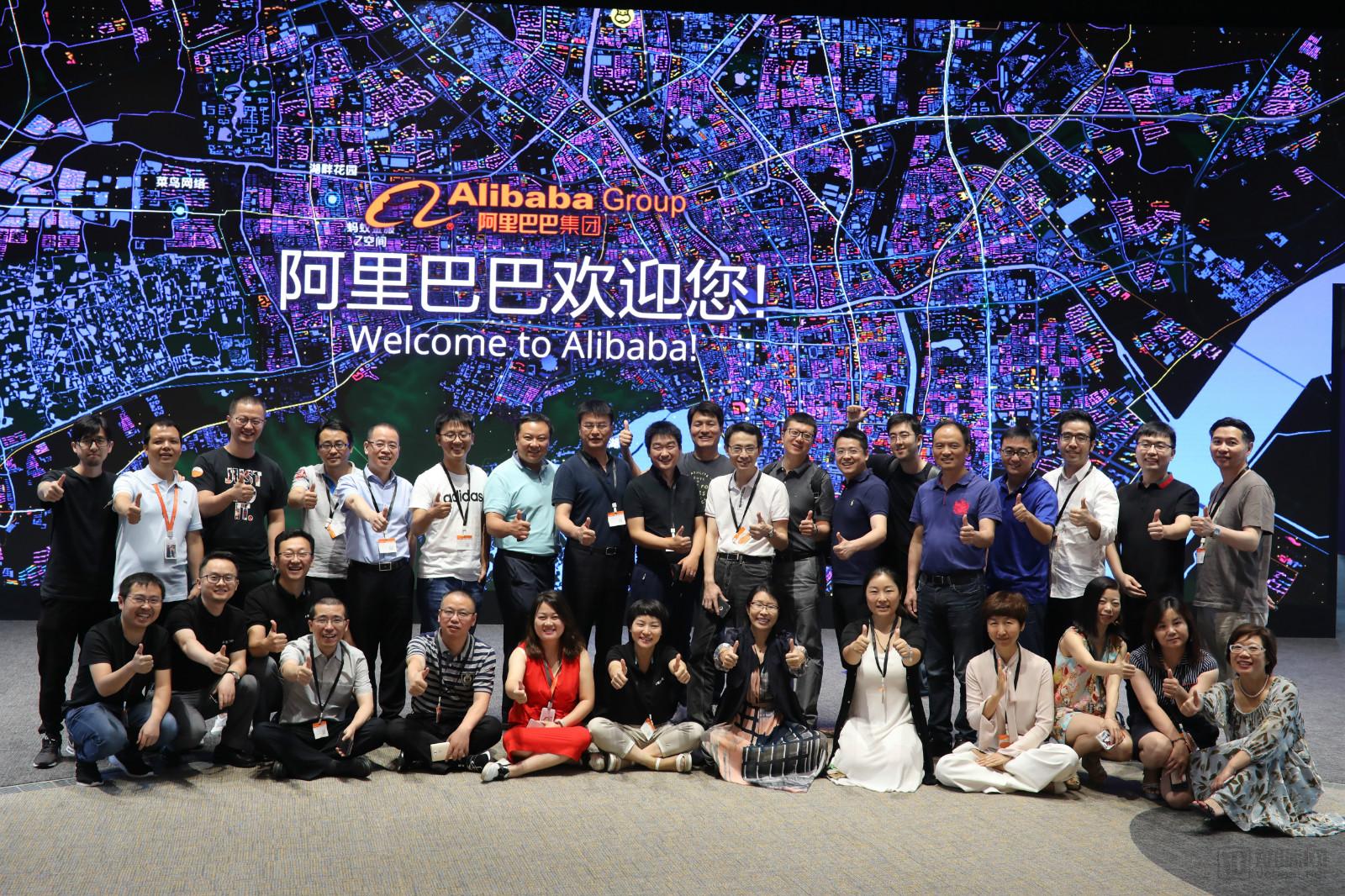
Wait, the detailed course schedule can be viewed in the VCBeat knowledge base. In addition, we visited Alibaba Group’s headquarters and Pavilion No. 9, and attended classes at Hupan University and Taiji Zen Garden.
At the conclusion of the course, prominent experts from Alibaba DAMO Academy, including Tan Liang, Executive President of Hupan University, were present in person to answer students’ questions and engage in interactive discussions, demonstrating a strong commitment to the program.
Medical Sector:
Dean, School of Continuing Education, Peking Union Medical College:Wang Haitao——The Changes and Constants of Peking Union Medical College Hospital’s Century-Long History, many people gained an in-depth understanding of the entrepreneurial and innovative history of Peking Union Medical College for the first time.
Chairman of Meinian Onehealth:Yu Rong: The Data Traffic Strategy for the Big Health Industry, Yu Rong serves as both a mentor and a student; when not teaching, he sits with the students to attend lectures. He developed a strong interest after attending the course on Alibaba’s Data Middle Platform;
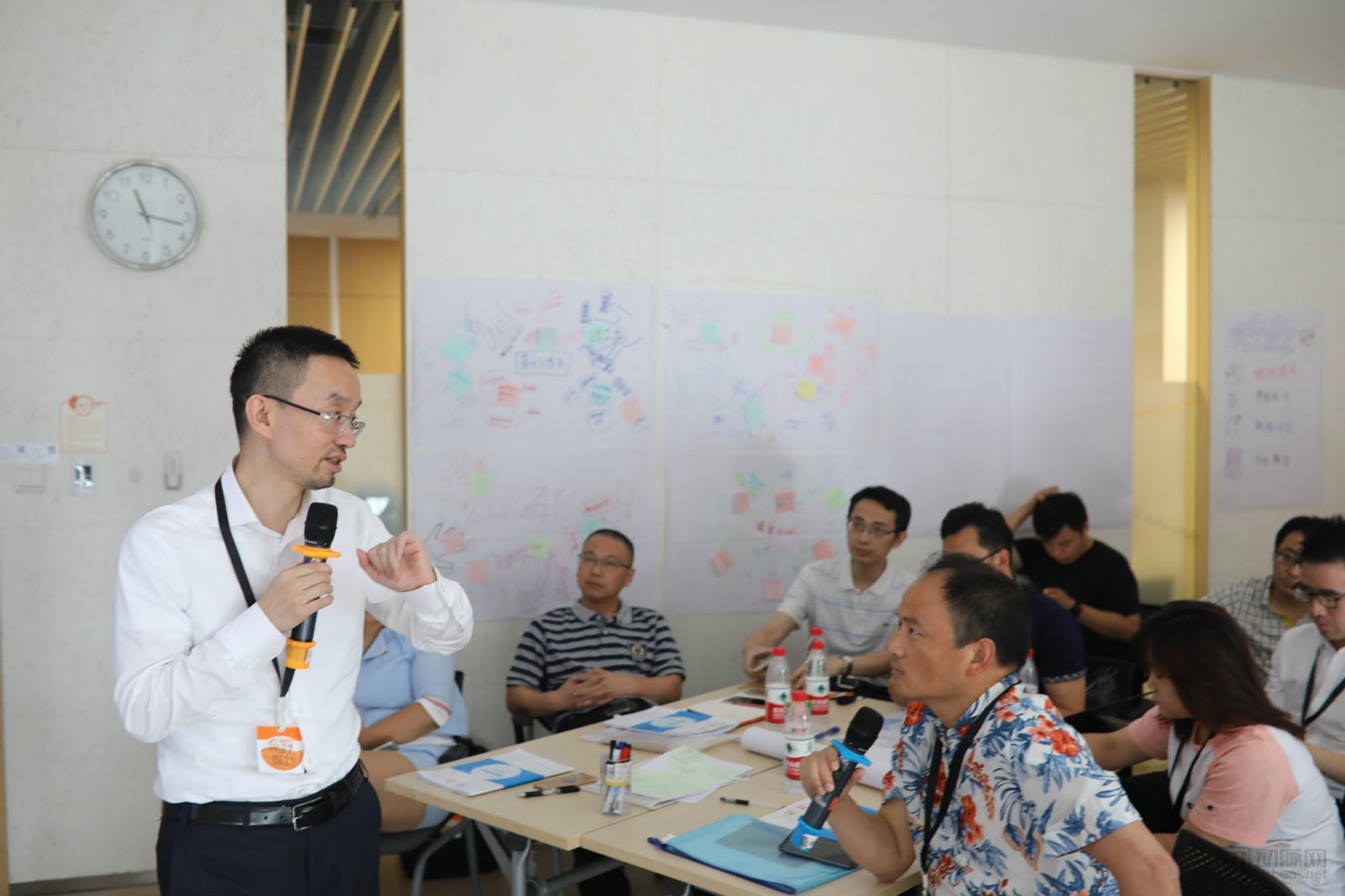
VCBeat Founder:Li Datao — Analysis of Trends in Digital Transformation of Healthcare, in Datou’s characteristic style, extensive data analysis outlines the trends in global digital transformation of healthcare.
Study Tour:
Alibaba: It is itself a major study tour; many people’s new understanding of Alibaba begins with this course;
Jiande People's Hospital: A Must-Visit Hospital.
Reflections on the CourseOur reflection on the course began immediately upon its conclusion, with a debriefing session held that very evening. Our primary takeaway is that we overextended ourselves by packing an excessive amount of information into just three days, leaving insufficient time for participant interaction. We were overly eager to present our best content. Furthermore, numerous details in organization and hospitality were not handled adequately. We sincerely apologize for these shortcomings.
More importantly, the feedback came from our participants. Our attendees hail from all corners of the country and represent a wide range of industries. They include both publicly listed companies and startups, as well as traditional enterprises and cutting-edge technology firms specializing in artificial intelligence. Some attended individually, while others came as part of corporate management teams. Throughout the three-day course, my team and I engaged in extensive communication with the participants. The most significant takeaway was:
Many participants have gained valuable insights from their understanding of cross-industry integration, drawing inspiration for their companies’ future development from various previously unfamiliar models.
Most importantly, some of our participants, through this study tour and cross-industry engagement, have identified more effective application scenarios for their products and opened the door to new opportunities.
Finally, Acknowledgements:
Special thanks to President Wang Haitao and Chairman Yu Rong for taking time out of their busy schedules to come to the Future Healthcare Academy to serve as instructors and students;
Special thanks to Tang Chao’s team and Zheng Xiong’s team at Alibaba Cloud, as well as other top experts from Alibaba for their strong support;
Our deepest gratitude goes to the inaugural cohort of the Future Healthcare Academy, who traveled to Hangzhou with trust and anticipation to join us as fellow students. We hope this marks the beginning of a lifelong journey of learning.
The second cohort of the “New Healthcare Transformation: Innovators’ Evolution Camp” by the Future Healthcare Academy is about to launch, with a key focus onHospital Digital Innovation.We will invite the Dean of Innovation to join the course mentor team, and also invite more deans, directors of information departments, and startups to participate in exchanges and learning.
In this learning session, we will comprehensively strengthen integrated innovation among hospitals, startups, and large corporations, increasing opportunities for communication, exchange, and collaboration. We will approach this learning with practical solutions in hand. We also have a deeper understanding that digital innovation in hospitals is the true core scenario of medical innovation. We hope that a large number of primary-care hospitals and major hospitals in China can engage in closer interaction with the industry, significantly improving the quality of hospital digitalization while substantially reducing costs.
For more details on the course syllabus and itinerary, please scan the QR code below. Enrollment is limited to 30 participants. To ensure course effectiveness and explore potential collaboration opportunities, applicants will be subject to assessment and screening. Thank you for your understanding.