

Asthma Industry Research Report (Part II): Digital Asthma Management Market Exceeds RMB 10 Billion, with 21 Domestic and International Products Addressing Five Key Pain Points in Asthma Control
Asthma is a common chronic disease, with its economic burden accounting for approximately 1%–2% of total healthcare expenditures (WHO, 2014). A study in the United States showed that from 2002 to 2007, the increased direct costs of asthma amounted to $3,259 per person per year; the total increased societal expenditure due to asthma was $56 billion, while the indirect costs attributable to asthma-related mortality were $2.1 billion.
In China, pharmacotherapy is the primary approach to asthma treatment. The sales volume of the anti-asthma drug market in China grew from RMB 13.3 billion in 2012 to approximately RMB 18 billion in 2015, representing a compound annual growth rate (CAGR) of around 15%. However, poor asthma control leading to emergency hospital admissions incurs substantial costs.
Asthma, as a common chronic disease, requires a long-term commitment for effective management. The primary challenge lies in poor adherence to treatment and medical advice, particularly among pediatric and adolescent patients who inherently possess weaker self-management capabilities. Furthermore, preventing acute exacerbations or deterioration of asthma necessitates not only an understanding of one’s pulmonary function status but also awareness of environmental triggers. Given the significant inter-individual variability and the potential for dynamic changes over time, real-time monitoring and timely preventive measures remain difficult to achieve.
In its asthma industry research report, Probes Capital outlined innovative trends in asthma disease management. Following up on the previous article on traditional asthma drug research, VCBeat (WeChat ID: vcbeat) has compiled and republished this content.
Key Insights:
1. The large base of asthma patients has been increasing year by year.
2. Medication adherence is poorer among children with asthma, warranting focused attention.
3. The rise of the digital asthma management industry, with a market size reaching tens of billions of RMB.
4. There are already practical cases of digital asthma management products both domestically and internationally, such as Future Mobile Health, Asthma Steward, and Dr. Robin’s asthma monitoring platform, which will inevitably become the mainstream trend in industry development.
1. Pain Points in Traditional Asthma Disease Management
Limitations of Traditional Anti-Asthma Therapies:
(1) The patient has low medication adherence and finds it difficult to maintain treatment.
Poor self-management, particularly among children and adolescents with asthma, and suboptimal adherence to medical advice constitute the most significant challenges in anti-asthma therapy. According to a questionnaire survey conducted by Qingdao Future Healthcare, 51.88% of pediatric asthma patients exhibit resistance to traditional nebulizers, which is also one of the reasons contributing to their difficulty in maintaining consistent medication adherence.
However, for asthma patients, the longer they adhere to their medication regimen, the better their compliance, the higher the level of asthma control, and the fewer acute exacerbations they experience. The White Paper on the Current Status of Asthma Management in China points out that 25% of asthma patients can achieve complete control after adhering to medication for three months, while 45% can achieve complete control after six months. Improving patient adherence is therefore crucial.
Furthermore, the lack of standardized use of medications such as inhalers can also reduce treatment efficacy.
(2) Lack of early identification of high-risk patients, who are unaware of their own pulmonary function status.
To proactively prevent acute exacerbations or deterioration of asthma, patients need to understand their own pulmonary function status. However, according to data from the Chinese Asthma Alliance, 75.24% of patients had not undergone pulmonary function testing within the past year, and only 2% used peak flow meters for self-monitoring.
(3) External environmental triggers are difficult to avoid.
The onset of asthma results from the combined effects of genetic and environmental factors. External environmental triggers include household dust mites, air pollution, pollen, mold, secondhand smoke, cold air, and occupational chemical irritants, which are generally difficult to avoid.
(4) Signs and symptoms are easily overlooked.
Due to a lack of awareness and understanding of their own pulmonary function status, patients often confuse early signs and symptoms, such as coughing and wheezing, with common influenza or bronchitis. Additionally, since allergic rhinitis typically precedes bronchial asthma in the same individual, it can serve as an early warning sign.
(5) Significant individual variability necessitates personalized management.
Individual circumstances, including triggers, immune capacity, and adherence, vary significantly and may change at any time, making continuous monitoring and timely preventive measures challenging.
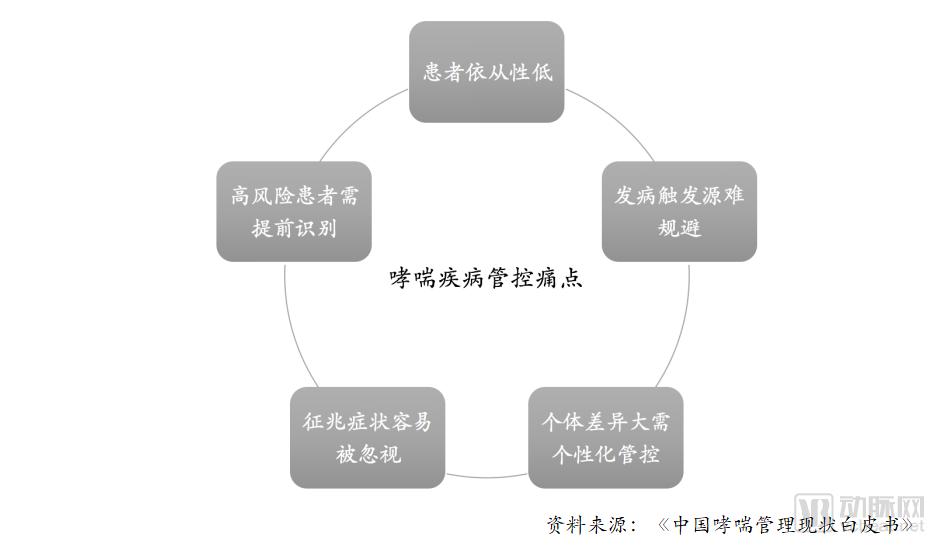
Figure 15 Pain Points in Traditional Asthma Disease Management
2. Classification of Digital Asthma Management Products
To address the pain points of traditional anti-asthma treatments, asthma management products and models integrating digital technologies have been proposed to facilitate multidimensional control of asthma and provide data support for clinical decision-making. These can be primarily categorized as follows:
· Leverage artificial intelligence to provide personalized medication regimens for patients, optimize drug therapy, and enhance treatment efficacy
· Utilize intelligent algorithms to stratify patient risk, enabling early identification and warning for high-risk populations
· Track and analyze environmental data, issue early warnings, and avoid asthma triggers
· Utilizes mobile health technologies for telemedicine and remote monitoring, enabling chronic disease management and the identification of signs and symptoms
· Focus patient attention and improve patient compliance
Building on this trend of innovative market development, certain foreign governments, enterprises, institutions, and schools have already launched a series of related initiatives, providing strategic guidance for China’s emerging digital asthma management industry.
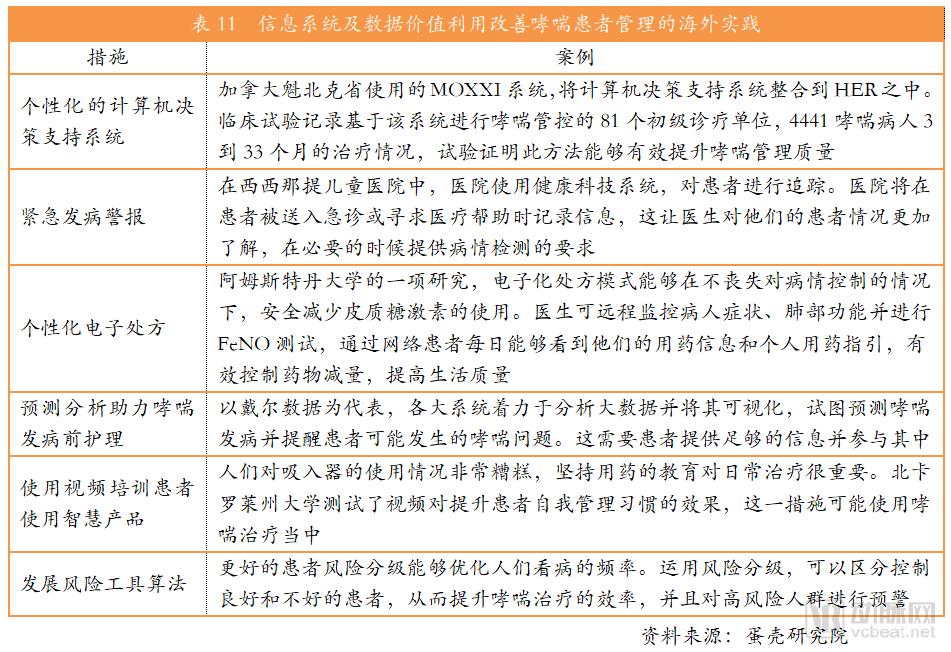
3. Advantages of Digital Asthma Management
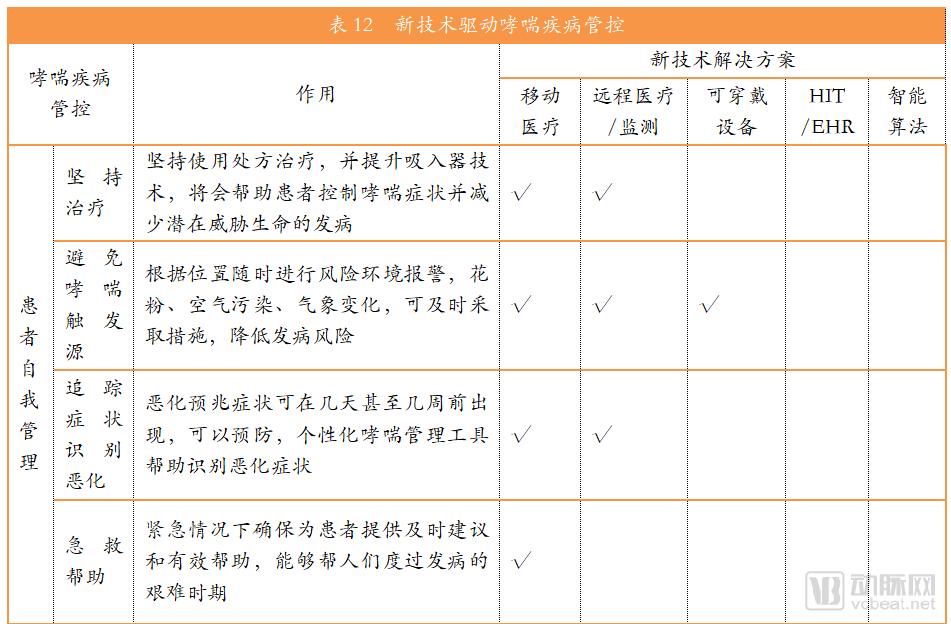
Digital asthma management has emerged to address the pain points of traditional asthma care. It overcomes the limitations of conventional approaches by utilizing smart inhalers that monitor medication usage to improve adherence, tracking disease status and triggers to enable personalized management and reduce exacerbation risk, enhancing the data value of information systems, and leveraging artificial intelligence to improve the efficiency of asthma clinical care.
The global market size for anti-asthma medications was estimated to reach $18.9 billion in 2018, while the domestic market in China reached RMB 27.4 billion. Digital asthma management products offer complementary and partially substitutive value to traditional pharmaceuticals; for instance, smart inhalers featured in these products can replace conventional nebulizers, and asthma trigger monitoring products provide complementary value to the traditional drug industry.
According to the market forecast report released by Grand View Research in July 2016, the global market size for smart inhalers used in asthma or COPD is projected to reach USD 3.56 billion by 2024, with the Asia-Pacific market achieving a compound annual growth rate (CAGR) of 17%. The global market size for smart spirometers is estimated at approximately USD 1.3586 billion in 2024, with a CAGR of 9.8%.
A rough calculation shows that nebulizers account for more than half of the anti-asthma medication market, with an annual domestic market share exceeding RMB 13.7 billion. If 50% of traditional nebulizers are replaced by smart inhalers, the market size for smart inhalers alone would reach RMB 6.85 billion. Currently, there are nearly 30 million asthma patients in China. With the average unit price of smart spirometers at approximately RMB 1,500 and a penetration rate of 6%, the market size would amount to RMB 2.7 billion.
Considering other asthma trigger monitoring products and chronic asthma management platforms, the total market for digital asthma management products exceeds RMB 10 billion.
1. Propeller Health: SpiroScout Smart Inhaler
Propeller Health, founded in 2007 and headquartered in Madison, Wisconsin, USA, enhances the quality of life for patients with chronic respiratory diseases through sensors, mobile devices, and software services, helping users manage their respiratory health. The company has developed over 45 projects and collaborates with partners such as Dignity Health and Molina Healthcare, among other government-affiliated healthcare management systems.
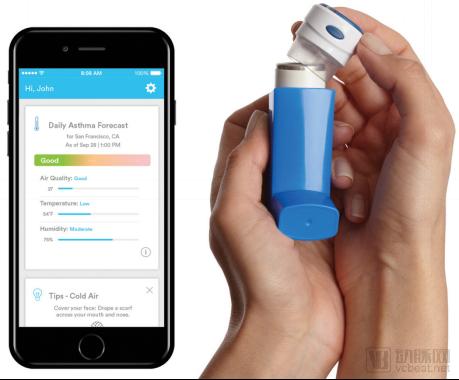
Figure 16 Propeller Health’s Smart Medication Inhaler SpiroScout
SpiroScout, the smart inhaler launched by Propeller Health, connects to smartphones via wireless networks. It automatically records the time and geographic location of each use, tracking environmental conditions that may pose risks to patients. Users can review their collected data through the app, which provides personalized feedback and educational resources to improve asthma or chronic obstructive pulmonary disease (COPD) management. Meanwhile, the app collects, processes, and analyzes data on usage frequency, location, and timing, generating intuitive feedback reports for physicians’ reference, thereby enabling both patients and healthcare providers to better understand the details and progression of the condition.
2. Health Care Original: ADAMM Smart Patch
Health Care Original, founded in Rochester, New York, is dedicated to developing products for the management of patients with chronic respiratory diseases.
Its first product, the ADAMM smart patch, provides intelligent asthma management services—including trend tracking and timely alerts—to over 300 million asthma patients worldwide. By connecting to smartphones, it monitors coughing, breathing, sneezing, and other indicators in real time, employs predefined algorithms to assess symptom severity, and identifies prodromal symptoms, thereby helping users manage disease progression and improve the quality of life for asthma patients. Additionally, remote monitoring enables users to review their symptom history.
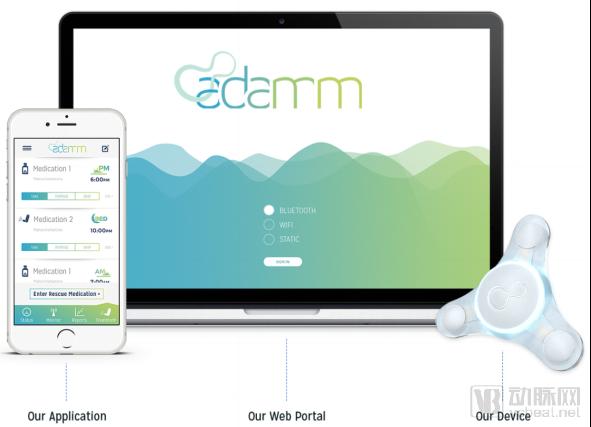
Figure 17 HCO’s ADAMM Smart Patch and Monitoring Platform
3. MySpiroo: Portable Smart Peak Flow Meter MySpiroo
MySpiroo, headquartered in Warsaw, Poland, has launched the MySpiroo portable smart peak flow meter, a handheld device for personal use that connects to smartphones.
MySpiroo provides users with a channel to track their respiratory health, accurately stores historical data, and employs unique algorithms to enhance the precision of each measurement. MySpiroo can be paired with a mobile app, allowing users to have a peak flow meter at home and monitor their results anytime.
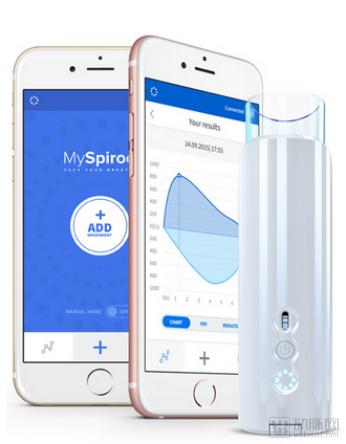
Figure 18 Portable Smart Expiratory Flow Meter MySpiroo
4. Sparo Labs: Wing Smart Spirometry Monitoring Device
Sparo Labs, based in St. Louis, Missouri, USA, has launched Wing, a lung capacity monitoring device that connects to a mobile app. The Wing pocket-sized sensor pairs with an app that tracks lung function, helping individuals manage asthma and other respiratory conditions, including COPD and cystic fibrosis.
This system can measure the peak expiratory flow rate and maximum exhaled volume within one second, with results displayed on a smartphone. Lung function at that moment is indicated by color-coded bars in green, yellow, and red. The system alerts patients when lung function declines, enabling them to adjust their medication regimens to prevent and control asthma attacks.
Wing was approved by the FDA as an over-the-counter device in June 2016.
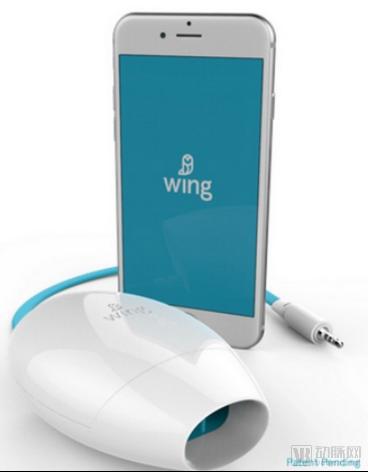
Figure 19 Wing Smart Spirometry Monitoring Device and App
5. Cohero Health: HeroTracker Medication Inhaler Sensor and Mobile Spirometer
Cohero Health, based in New York, USA, is a startup dedicated to improving care and medication management for patients with respiratory diseases, with the ultimate goal of providing seamless, automated, and point-of-care respiratory support.
Cohero Health has launched two popular products. One is a medication inhaler sensor, named Hero Tracker, which tracks medication adherence via a mobile app. The other is a mobile spirometer designed to measure and monitor patients’ lung function, tracking peak flow rate and forced expiratory volume—indicators that reflect the speed and volume of each breath. This mobile spirometer received FDA marketing authorization in June 2015.
The Respiratory Disease Care App is available in adult and pediatric versions; the pediatric version also uses gamification to increase children’s interest in using inhalers.
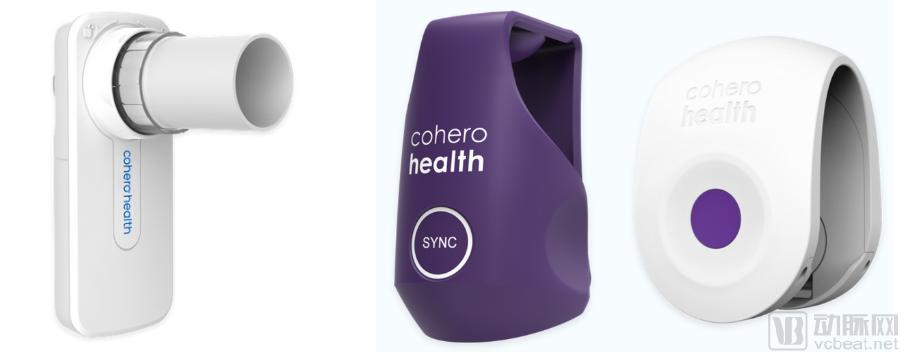
Figure 20 Cohero Health Mobile Spirometer and Medication Inhaler Sensor
6. myAirCoach: A Monitoring System for Personal Asthma Management
myAirCoach is a project established by the European Union in 2015, dedicated to developing monitoring systems for personal asthma management. The project aims to enable patients to manage their health conditions through user-friendly tools, thereby improving treatment efficacy and adherence. It plans to leverage mobile health technologies to establish a comprehensive, personalized monitoring system that enhances patient self-management and raises awareness of clinical and environmental conditions.
myAirCoach has established a new physiological feature status library to record daily conditions, enabling experts to make early predictions of disease exacerbation. It has also launched an ergonomically designed respiratory sensor that connects to patients’ smart devices; the central system automatically collects and analyzes patient data to generate personalized asthma treatment plans.

Figure 21 myAirCoach Personal Asthma Management and Monitoring System
7. Plume Labs: Air Monitoring Platform Plume Air Report
Plume Air Report is a mobile app launched by the French company Plume Labs. It collects and analyzes air pollution data, including NO2, O3, and CO measurements from 11,000 monitoring stations across 30 countries. The app visualizes pollution source status through color coding and provides personalized alerts based on individual user profiles. This helps people take action to avoid air pollution, reduce exposure to polluted air, improve quality of life, and make daily air quality transparent.
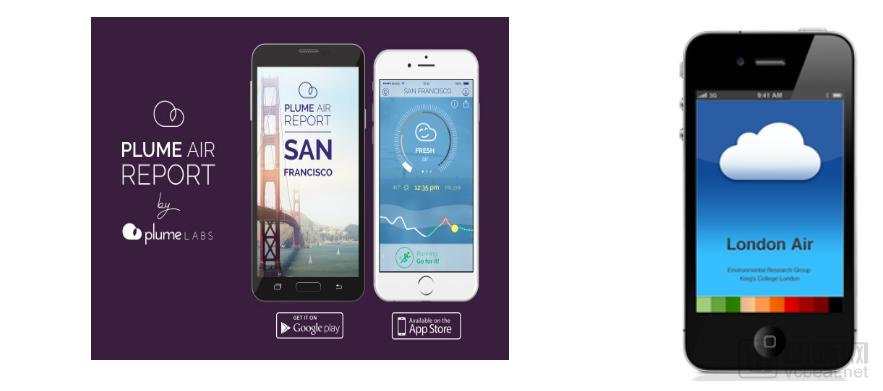
Figure 22 Air Monitoring Platforms: Plume Air Report and London Air
8. London Air: Air Monitoring Platform App
London Air is a mobile app launched by the Environmental Research Group at King’s College London, displaying real-time air pollution levels from 100 monitoring stations across London. Integrated with map-based notifications, it enables users to monitor the air quality at their current location in real time.
9. Spirometrix: Fenom PRO Portable Asthma Monitor
Spirometrix is a respiratory disease monitoring company founded in Silicon Valley, USA, in 2011, dedicated to researching innovative diagnostic technologies for asthma diagnosis and disease management. Its Fenom PRO portable asthma monitor, integrated with intelligent data algorithms, pioneers the application of pattern recognition and management in asthma care.
Fenom PRO leverages fractional exhaled nitric oxide (FeNO) as a key biomarker for asthma detection to develop portable asthma diagnostic devices. It incorporates multiple sensing technologies and a digital respiratory ecosystem that supports clinical decision-making. This ecosystem connects patients with physicians and features a cloud-based decision support repository that utilizes algorithms to rapidly provide clinical recommendations. The system also integrates environmental data from other sources, such as local pollen counts, pollution indices, and air quality metrics.
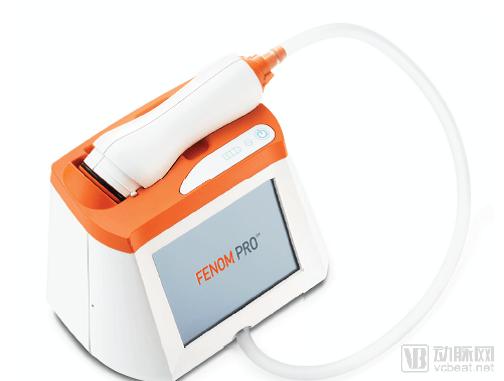
Figure 23 Portable Asthma Monitor Fenom PRO
10. Adherium: Smartinhaler, a Digital Monitoring Platform for Asthma Inhalers
Adherium is a digital health company based in San Mateo, California, dedicated to optimizing the treatment of chronic respiratory diseases.
The Smartinhaler platform is a digital monitoring device that connects to standard asthma inhalers, providing medication reminders and tracking actual inhaler usage. The collected data is analyzed via an online platform to enable real-time monitoring of asthma treatment adherence. This data can also be shared between patients and clinicians, ensuring that patients receive more appropriate care and treatment at the right time.
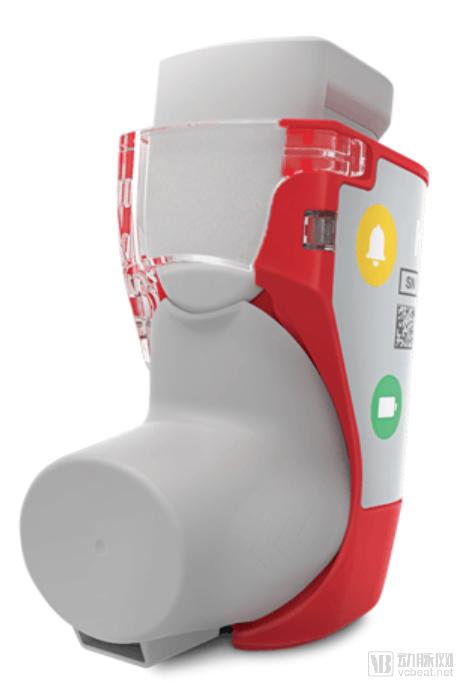
Figure 24 SmartInhaler for Asthma
11. CareTRx: Inhaler Tracking Platform
CareTRx, based in Amsterdam, the Netherlands, has launched an inhaler sensor, the Journal APP, and a web platform, providing a new method for patients with asthma and chronic obstructive pulmonary disease (COPD) to track their inhaler usage.
Its sensor is mounted on the inhaler and features a programmable LED medication reminder. Multiple pressure sensors monitor dosing accuracy, while the accompanying app enables patients and physicians to view cloud-stored data in real time.
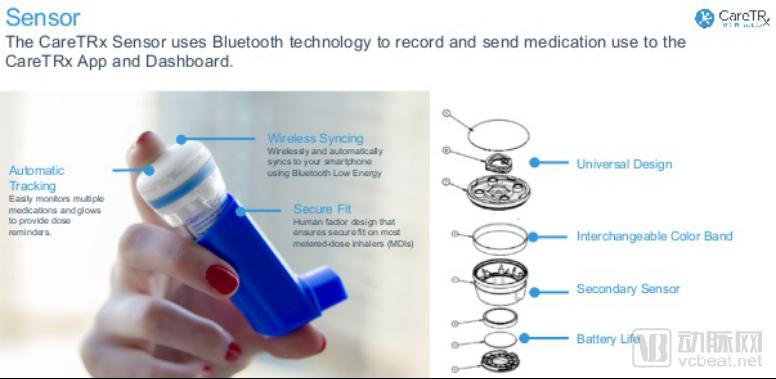
Figure 25 CareTRx’s tracked inhaler platform
12. CapMedic: An App for Asthma Medication Adherence and Disease Management
CapMedic, based in Houston, Texas, offers an inhaler sensor that attaches to inhalers to record usage and provide medication guidance when needed. It tracks symptoms and reminds patients to take their medication through voice, vibration, and visual feedback, while a companion app helps manage medication adherence and disease control for asthma patients.
Figure 26 CapMedic Smart Inhaler
13. Inspiromatic: Smart Inhaler
Inspirematic, an Israeli company, has developed a smart inhaler that helps patients take their medication more effectively, provides real-time feedback to patients, and delivers accurate and effective data to physicians.
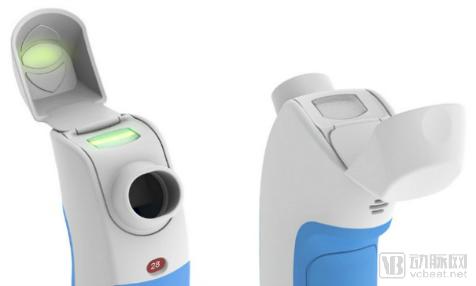
Figure 27 Inspiromatic Smart Inhaler
1. Qingdao Future Mobile Healthcare: Bohe Huxi and Yirdoc Asthma Robot
Qingdao Future Mobile Healthcare Technology Co., Ltd., established in Qingdao in 2015, has launched three products: the Bohe Huxi Asthma Management Platform and the Yirdoc Asthma Robot. These solutions assist physicians in monitoring the treatment progress and outcomes of pediatric asthma patients, while simultaneously enhancing patients’ self-management capabilities, delivering patient education through multiple channels, and improving treatment efficiency.
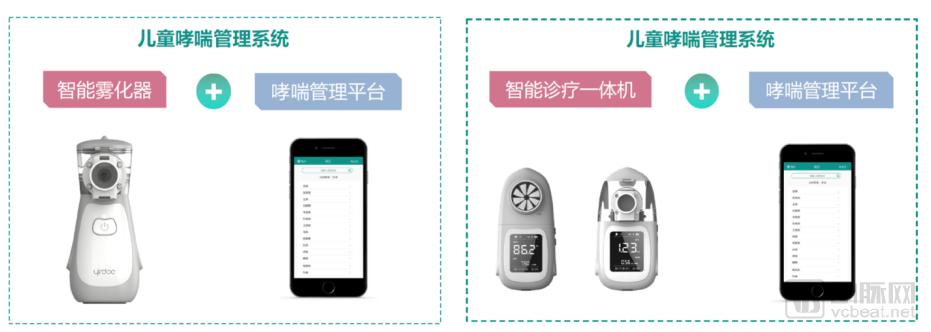
Figure 28 Qingdao Future Mobile Healthcare’s Asthma Robot and Management Platform
Mint Breath is an asthma management platform based on the China Asthma Action Plan. It establishes electronic medical records for each patient, facilitating physicians in monitoring, intervening, and assessing the progress and efficacy of asthma treatment. The platform also provides guidance on management and medication during acute exacerbations, as well as popular science education on nebulization and asthma.
Yirdoc Asthma Robot is a portable smart nebulizer that integrates the functions of both a nebulizer and a spirometer by utilizing interchangeable adapters. Equipped with a gamified mobile application, Yirdoc engages pediatric asthma patients in games during nebulization therapy. This game-based approach guides children to perform uniform, deep breathing exercises, ensuring proper use of the device and enhancing drug delivery efficacy. The system provides real-time feedback within the game if incorrect breathing patterns are detected, thereby improving patient adherence and increasing pulmonary drug deposition. Additionally, it measures six parameters, including PEF, FEV1, FVC, and their respective percentages, while supporting data transmission and cloud storage. Another key feature of Yirdoc is its precise recording of nebulization details, such as medication type, dosage, duration, and frequency, ultimately aggregating this information into big data for asthma nebulization therapy. By connecting to the app platform, the nebulization rate can be adjusted to prevent acute airway obstruction caused by excessive or rapid mist output, as well as to avoid compromised therapeutic effects due to insufficient or slow mist generation, thus achieving intelligent respiratory monitoring.
In the future, Yirdoc aims to further advance in the field of AI by building algorithmic models based on extensive data collection. These models will assist physicians in formulating nebulization regimens, while the system will monitor patients’ adherence to these regimens, effectively “embedding the physician into the device.”
Currently, Yirdoc has obtained certifications from the CFDA, FDA, and CE.
2. Shanghai Shuomao Technology: Asthma Manager
Shanghai Shuomao Technology, established in December 2014, is primarily dedicated to the research and development of intelligent detection devices and the provision of remote medical record consultation services. By leveraging smart devices and algorithms to monitor and assess changes in patients’ conditions, the company provides medication reminders, thereby enhancing patients’ self-management efficiency and eliminating the time and effort required for hospital visits.
Currently, the company's product offerings include: electronic peak flow meters, smart inhalers, and mesh nebulizers.
Figure 29 “Asthma Manager” Mobile App Client
The “Asthma Manager” app can be used for asthma medication tracking. By integrating with three smart hardware devices for asthma medication—ShuBao, Nebulizer Bao, and Inhaler Bao—it monitors patients’ medication usage and improves their drug adherence.
The app can also accurately record patient metrics such as medication timing, dosage, location, and air quality. This enables real-time tracking of adherence to medical instructions and allows physicians to intervene promptly. By integrating sensors into standard inhalers, the smart hardware product “Qi Wu Bao” achieves medication usage recording. When connected to a smartphone, it also provides features such as reminders for forgotten devices, low-medication alerts, and emergency assistance.
3. Guangzhou Hehu Trading Co., Ltd.: Dr. Robin
Guangzhou Hehu Trading Co., Ltd. was established in 2014 and is dedicated to providing asthma management services for patients. It aims to predict patients’ healthcare-seeking behavior through big data and intelligent analytics, helping users streamline medical costs. Based on this foundation, the company offers comprehensive and sustainable disease management services while covering medical expenses.
Dr. Robin’s Asthma Worry-Free Program, launched by the company, provides comprehensive health management by monitoring various metrics and delivering asthma data analysis services for patients. Meanwhile, Dr. Robin offers medical advisory consultations, with designated physicians providing outpatient treatment services; a portion of the outpatient treatment costs will be covered by the program.
Overall, Dr. Robin offers four specific services: timely medication consultations, asthma attack early warnings, customized asthma information, and guidance on following medical advice, all aimed at standardizing asthma prevention and treatment to improve users’ quality of life. Under the Dr. Robin program, users who adhere to the designated healthcare process can receive outpatient medical expense subsidies of up to RMB 1,000 during the service period. Meanwhile, the Dr. Robin program charges an annual fee of RMB 1,200 to ensure user engagement and service quality.
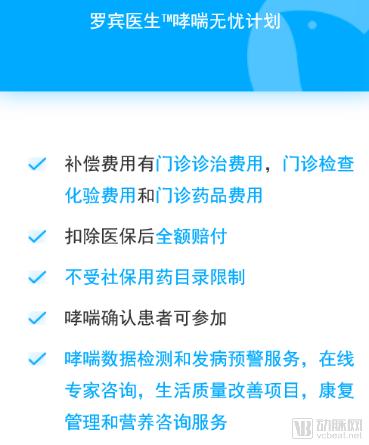
Figure 30 Services Provided by Dr. Robin’s Asthma Worry-Free Program
4. Shenzhen Kairuikang: Respiratory Home
Shenzhen Kairuikang is dedicated to enhancing the management of chronic respiratory diseases for patients with asthma and COPD. By providing users with comprehensive chronic disease management services—spanning testing, analysis, early warning, consultation, and follow-up—the company assists in managing patients’ conditions, improving their quality of life, and achieving complete control over disease progression.
CareCon’s “Respiratory Care” initiative establishes China’s most professional and comprehensive platform for managing chronic respiratory diseases by leveraging its independently developed portable smart pulmonary health monitor, mobile client application, health cloud infrastructure, and remote physician services, while also seeking entry points into the broader field of respiratory health.
Huxijia’s smart spirometer can accurately measure multiple respiratory parameters, enabling early screening for respiratory diseases such as asthma and COPD.
Asthma alerts represent the most significant application scenario for Huxijia. By integrating multiple composite indicators, the system can identify trends indicative of an impending asthma attack during the prodromal phase, thereby enabling timely intervention for patients. Meanwhile, physicians can monitor patients' physiological parameters online and conduct regular follow-ups to help them adjust their treatment plans promptly. Huxijia has already launched a PC-based platform for physicians, allowing them to log in and interact with users, with a daily consultation volume reaching 200 patients. The Huxijia Physician App is also scheduled for imminent release, and physician registration will be opened shortly.
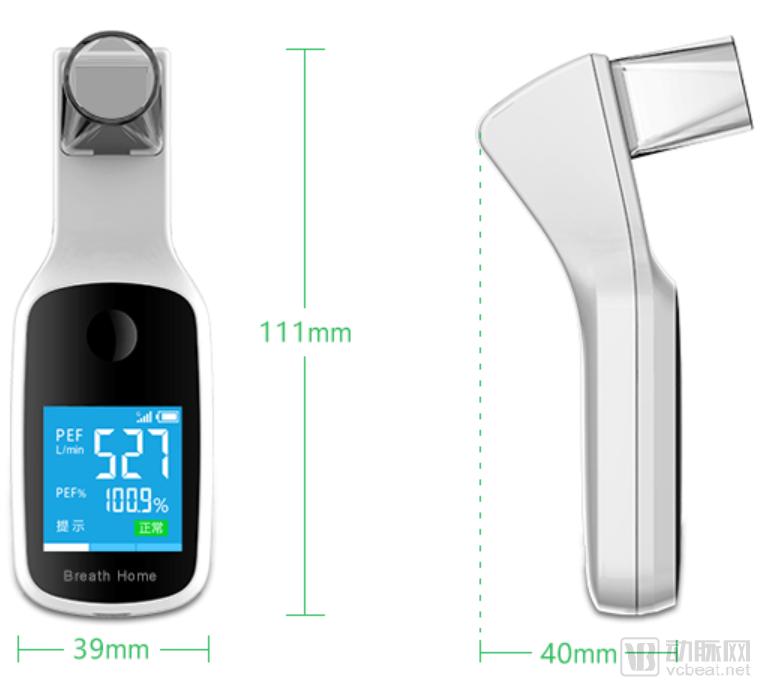
Figure 31 Respiratory Home Smart Spirometer
5. Shanghai Miaorun Technology: Yuehuxi
Shanghai Miaorun Technology Co., Ltd. was established in 2015, dedicated to providing services for patients and doctors through five aspects: health education in the medical field, drug therapy, self-monitoring, trigger management, and doctor-patient collaboration.
The company’s Yuehuxi brand is a pediatric respiratory health service provider that entered the market by focusing on childhood asthma, with the goal of building a results-oriented management service platform for asthma and COPD.
6. Shanghai Yitong Information Technology: Asthma Worry-Free
Shanghai Yitong Information Technology Co., Ltd., established in 2015, launched the “Asthma-Free” pediatric asthma management program in 2017 in collaboration with the World Health Foundation and the Shanghai Children’s Medical Center. This program provides comprehensive asthma management services for children both within and outside hospital settings, and supports tiered diagnosis and treatment between tertiary hospitals and 18 community health service centers.
“Asthma Worry-Free” is a mobile application launched for this project by Shanghai Yitong as the technical support provider, comprising a physician-facing PC platform and a patient-facing mobile app. The app integrates multiple services, including weather alerts, follow-up assessments, an asthma community, and health guidance. It also provides extensive information on pediatric asthma, complemented by educational videos from renowned pediatric asthma specialists, enabling parents to gain a comprehensive understanding of medication management, allergen avoidance, pulmonary function testing, and daily life care for children with asthma.
Meanwhile, the “Asthma Worry-Free” app also provides physicians with an online follow-up management system, offering a more refined and systematic platform for managing patients’ conditions. This enables seamless online and offline interaction between doctors and patients, allowing physicians to promptly assist those exhibiting warning signs of severe asthma exacerbations.
7. Chengdu Ruifeng Technology: Deep Breath - Asthma Assistant
Chengdu Ruifeng Technology, established in 2012, launched “Deep Breath – Asthma Assistant” in the same year, a healthcare mobile application specifically designed for patients with chronic respiratory diseases. By recording symptoms of each asthma episode and calculating scores based on the international Asthma Control Test (ACT) criteria, the app enables patients to monitor their asthma control status over time.
Meanwhile, patients can use the app to manage a range of services, including clinical visit management and medication adherence. By leveraging authoritative medical analytics and cutting-edge mobile internet technologies, this approach establishes an asthma ecological management model centered on “record-based control–disease assessment–exacerbation prevention,” thereby achieving scientific, precise, and efficient monitoring of the condition.
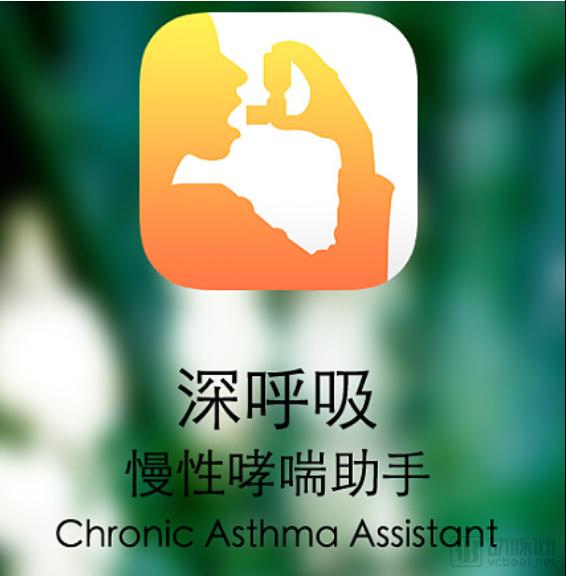
Figure 32 “Deep Breath - Asthma Assistant” App
8. Beijing Link Network Technology: Dr. Fei
Beijing Link Network Technology Co., Ltd. was established in 2014, and Dr. Fei is an app launched by the company.
This medical app focuses on the management of respiratory diseases. By providing services such as self-testing, assessment, communication, and automatic generation of electronic health records for patients, it assists doctors in formulating rehabilitation plans. The goal is to offer "one-stop" medical management services for lung disease patients, improve patient compliance, and achieve scientific control of asthma. Its doctor-side and patient-side clients closely connect doctors and patients, enabling doctors to conduct consultations more easily and promptly, thereby maintaining a good doctor-patient relationship.

Figure 33 Dr. Fei APP
1. Financing Status of Foreign Companies
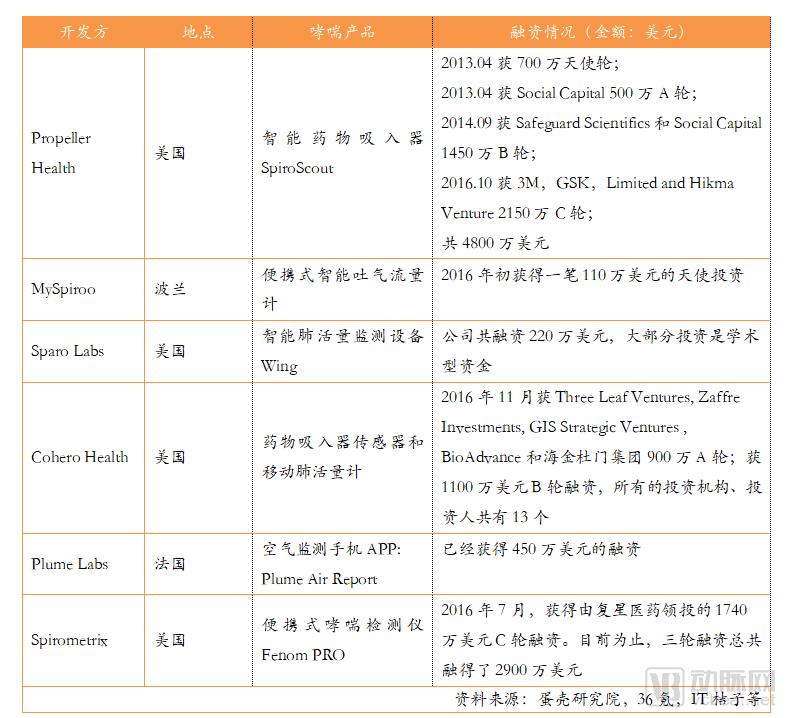
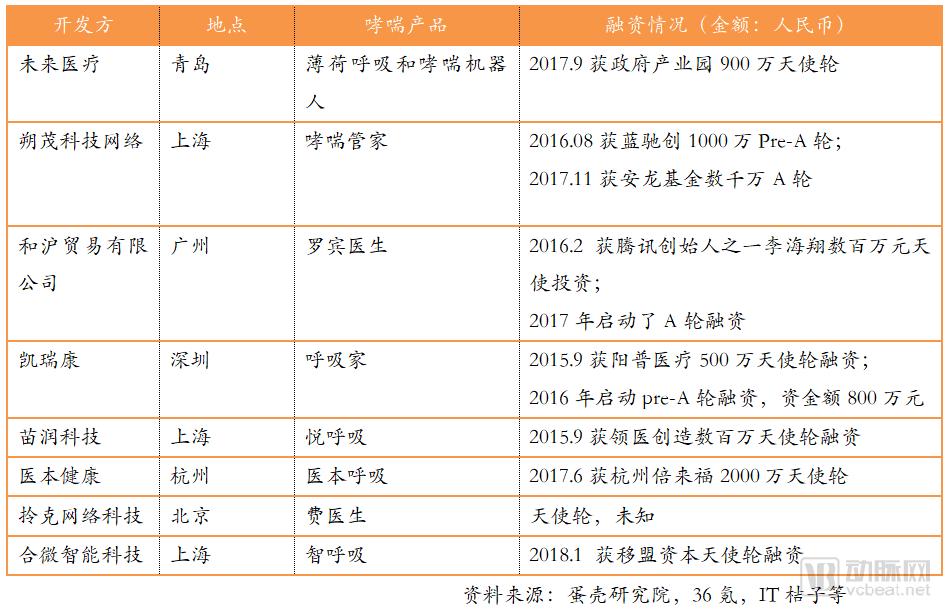
2. Financing Status of Domestic Companies
1. The population base of asthma patients is large, and the number of affected individuals continues to rise year by year.
Currently, there are nearly 30 million asthma patients in China, and this figure is projected to reach 45 million by 2025. However, as a chronic disease, asthma can only be controlled, not cured; furthermore, with worsening air pollution, the number of affected individuals continues to rise year by year.
2. Medication adherence is poorer in children with asthma, warranting focused attention.
Children are a susceptible population for asthma. The overall prevalence of asthma among urban children aged 0–14 years in China is 3.02%. It is projected that by 2015, there will be 12 million urban pediatric asthma patients in China. Children with asthma have more sensitive airways and poorer medication adherence, necessitating personalized guided treatment.
3. The Rise of the Digital Asthma Management Industry, with a Market Size Reaching Billions of RMB.
Driven by challenges such as low medication adherence, difficulty in avoiding external environmental triggers, and a lack of personalized management, the digital asthma management industry—capable of addressing the pain points of traditional anti-asthma therapies—is gradually emerging. The market size exceeds RMB 10 billion, with smart inhalers alone accounting for RMB 6.85 billion and smart spirometers reaching RMB 2.7 billion.
4. There are already practical cases of digital asthma management products both domestically and internationally, such as Future Mobile Healthcare, Asthma Manager, and Dr. Robin's asthma monitoring platform, which will inevitably become the mainstream trend in industry development.
Currently, there are several practical cases of digital asthma management products both domestically and internationally. These products focus on the integration of modules such as smart inhalers, smart spirometers, trigger avoidance monitoring, environmental assessment, and chronic disease management, creating a comprehensive one-stop platform for asthma monitoring and control. Representative products include "Mint Breath + Asthma Robot" by Future Mobile Health, Asthma Butler, and Dr. Robin.