

Youth-Focused Mental Health Pioneer YiTongKang Files IPO Prospectus, Aims to Expand to 20 Clinics Within Three Years
As we realize that the brain is almost the most complex entity in the known universe, a market worth hundreds of billions awaits exploitation, spanning from physical health to mental well-being.
Amid the mental health needs of 250 million people, VCBeat has recently launched a “Special Report on the Mental Health Industry,” examining challenges and opportunities from enterprises to markets, and from China to overseas.IWe will conduct a comprehensive scan of this field.If you are in this industry, feel free to engage with the author; for media coverage inquiries, please contact VCBeat directly.
The New York Times published an article pointing out that in recent years, psychology has gradually become a hot topic in China, with online psychological counseling and offline face-to-face services gaining increasing popularity.
The reason foreign media are bullish on the Chinese market is not the size of the general population’s psychological needs, but rather its focus on the student demographic. Under the influence of a cultural mindset that expects sons to become dragons and daughters to become phoenixes, coupled with an exam-oriented education system where “thousands of troops compete to cross a single-log bridge,” Chinese children are forced from an early age to endure significant psychological pressure from both family and school. The alarming frequency of student suicides has caused deep concern among educational institutions; as a result, nearly every university has established a psychological counseling center, and all primary and secondary schools are required to employ psychological counselors.
On June 3, 2018, Beijing Yitongkang Psychological Clinic (hereinafter referred to as “Yitongkang Clinic”), the first student-focused psychological clinic in China, opened its doors for consultations. By targeting adolescent mental health issues and partnering with over one hundred schools to conduct psychological screenings, Yitongkang Clinic has carved out a distinctive path in the blue ocean of individual psychological practices.
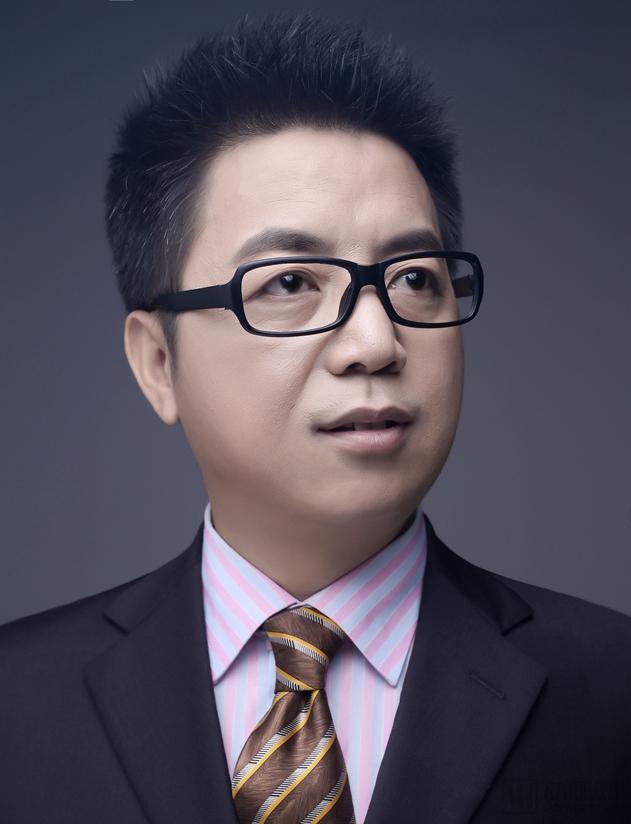
Li Ruiguo, Founder of Beijing Yitongkang Psychological Clinic
From Online Screening Platforms to Offline Physical Clinics: Pioneering the First Student Psychological Clinic
Psychological counseling and psychotherapy are typically billed on an hourly basis. Although public hospitals offer superior diagnostic and treatment resources, the broader healthcare landscape reveals significant pain points in both specialized psychiatric hospitals and psychology departments within general hospitals, such as difficulty securing appointments with specialists, overburdened hospital services, and poor patient experiences. In response to the growing demand for psychological diagnosis and treatment, private psychological clinics have emerged.
Yitongkang Clinic is a specialized mental (psychological) health clinic primarily serving students aged 6–24, with core services including the diagnosis and treatment of mental (psychological) disorders, psychotherapy, psychological counseling, and rehabilitation training.
Yi Tong Kang pioneered the establishment of student psychological clinics in China, adopting a novel “medical-educational integration” model to treat and counsel students with common psychological issues. It is the earliest medical institution featuring a professional team specializing in child and adolescent psychiatry and psychology that combines online and offline services.
Unlike most founders in the mental health industry, who are typically physicians or counselors, Li Ruiguo came from the internet sector. A graduate of the School of Software at Tsinghua University, he previously held a management position at Nokia and, by chance, connected with several experts in the field of psychology.
“Five or six years ago, I gradually began helping the children of my relatives and friends by referring them to specialists for medical consultations.” As it has become increasingly difficult to secure appointments with specialists, more and more people have turned to Li Ruiguo. Consequently, leveraging his background in the internet industry, he developed a psychological assessment system three years ago to address the underlying needs associated with mental health issues.
In the first three years of his entrepreneurial journey, Li Ruiguo initially launched a psychological screening platform named “Xin Peiban” (Heart Companion). As a service brand under Beijing Yitongkang Psychological Clinic, “Xin Peiban” provides psychological health check-up services to students in Beijing and across China by leveraging nearly 100 psychological scales alongside a web-based SaaS psychological assessment platform. This initiative helps schools and students establish personalized mental health records and enables dynamic risk monitoring.
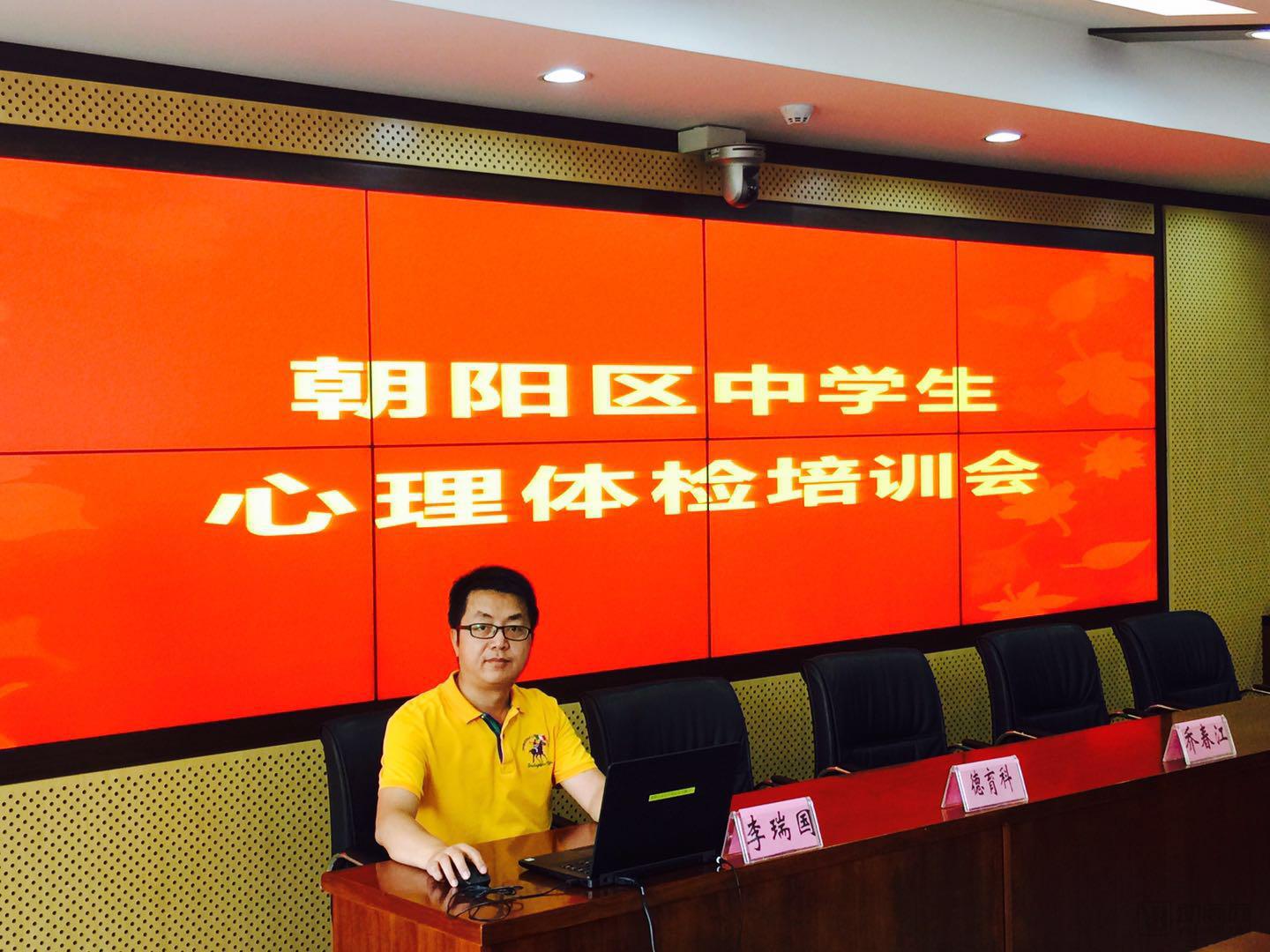
In 2017, Li Ruiguo led his team in providing student psychological health screening services to over 100 middle schools in Chaoyang District, Beijing.
“After three years of operation, the platform has accumulated a substantial amount of psychological data on adolescents. Li Ruiguo stated that data analytics behind the platform also serve as a means for Yitongkang Clinic to acquire clients. ‘Leveraging mental health profiles from the psychological assessment platform and dynamic risk analysis technologies, we can directly identify populations at risk for mental health issues and promptly initiate psychological intervention mechanisms. Appropriate interventions are provided based on the type and severity of the issues, with treatment recommended when necessary.’”
Therefore, for the population identified with psychological disorders through screening, Yitongkang Clinic provides intervention, treatment, education, and rehabilitation services offline.
Psychiatrists from Tier-3A hospitals provide consultations and develop treatment plans tailored for students.
According to Li Ruiguo, founder of Yitongkang, the primary psychological issues among students include depression and attention-deficit/hyperactivity disorder (ADHD); more severe cases involve schizophrenia and bipolar disorder; a smaller proportion present with autism spectrum disorder or Asperger’s syndrome; and internet addiction is currently increasingly prevalent.
Regarding the issue of internet addiction, Li Ruiguo specifically emphasized that as early as the beginning of 2018, the World Health Organization (WHO) had announced that it would release the new edition of the International Classification of Diseases (ICD) later that year, classifying “gaming disorder” as a mental health condition. The new classification was officially released on June 19 this year.
In this context, psychological issues related to internet addiction have become a focal point. Unlike market-based institutions that rely on electroshock therapy and other coercive measures to treat internet addiction, psychiatric clinics with medical practice licenses may be more suitable for treating such conditions in adolescents.
“Mental health issues are difficult to detect and even more challenging to treat.” Many parents lack understanding of psychological disorders in adolescents. Psychological problems in teenagers are often dismissed as mere “acting out” or “being difficult.” Furthermore, there is a prevalent cultural tendency in China to avoid seeking medical help for mental and particularly psychiatric conditions. The associated stigma leads patients and their families to shy away from consulting specialized institutions such as psychiatric departments. By the time psychiatric treatment is considered, diagnosis and intervention have often been delayed, resulting in a worsening of the condition.
The diagnosis and treatment of psychological and mental disorders constitute a special category distinct from conventional, outcome-oriented medical care. The management of psychological issues is often irregular and highly individualized. Personalized treatment plans must be developed based on individual circumstances, and the course of treatment tends to be prolonged.
Therefore, the original intention behind establishing the Yitongkang Clinic was largely to “help parents know where to find a doctor when their children experience psychological issues.”
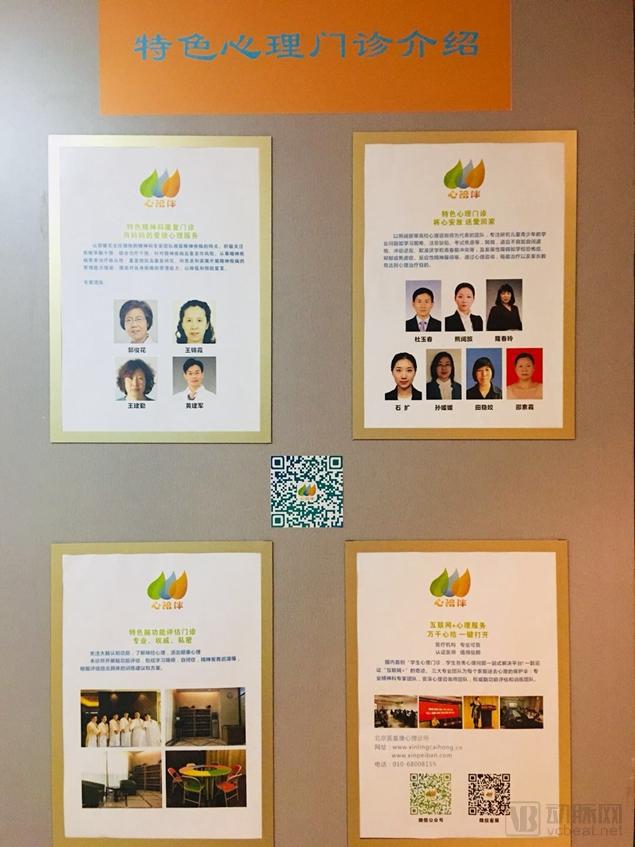
In terms of physician resources, Li Ruiguo takes pride in the clinic’s high-quality allocation of specialist expertise. He revealed that the specialists practicing at Yitongkang are primarily psychiatrists from top-tier (Grade 3A) general hospitals and specialized psychiatric institutions, such as Beijing Anding Hospital, Huilongguan Hospital, and Peking University Sixth Hospital—renowned Grade 3A psychiatric specialty hospitals in the industry.
Li Ruiguo believes that the clinic’s advantages lie not only in its authoritative expert resources but also in its refined treatment protocols. “On the day the clinic opened, we saw a second-year middle school student diagnosed with attention deficit hyperactivity disorder (ADHD). The student had difficulty concentrating in class and maintaining studies, and experienced significant tension and frequent conflicts with parents. Since the opening day, the patient has undergone 12 consecutive treatment sessions, showing marked improvement in condition.” In his view, patients demonstrate a high level of acceptance toward the treatment plans formulated by the clinic’s experts.
Two Distinctive Service Systems: Systematically Safeguarding Students’ Mental Health and Academic Development
Precise diagnosis is the fundamental prerequisite for treatment. Yitongkang Clinic provides personalized one-on-one services. Every child who visits undergoes a comprehensive 50-minute consultation, during which we thoroughly assess the child’s current condition and medical history, as well as inquire in detail about their developmental background and parenting style, before formulating a diagnostic and treatment plan.
Tailored to the unique characteristics of students, Yitongkang Clinic has assembled a team of senior psychiatrists and experienced psychologists to develop and launch two proprietary service systems, offering customized treatment plans that address both mental health and academic development during the critical adolescent period.
1. Psychotherapy Systems in Non-Pharmacological Interventions
Treatment for mental disorders falls into three categories: pharmacotherapy, psychological counseling, and physical therapy. Students are predominantly adolescents in a critical period of physical development. For adolescent patients undergoing clinical treatment with psychotropic medications, regular monitoring—such as liver function tests and complete blood counts—is sometimes required for safety reasons. Parents are generally concerned about the potential adverse effects of long-term medication use on their children.
In response to such situations, after conducting refined diagnostics for visitors, Yitongkang Clinic primarily recommends psychotherapy as a non-pharmacological treatment for patients with mild and severe conditions. When pharmacological or physical treatments are required—such as repetitive transcranial magnetic stimulation (rTMS) for mood disorders or modified electroconvulsive therapy (MECT)—patients can be referred to hospitals where the clinic’s experts practice for further treatment.
2. Rehabilitation Training System Without Interrupting Academic Studies
Students and parents dealing with mental health issues often struggle with the dilemma of whether to pursue treatment. Opting for treatment frequently requires hospitalization for rehabilitation, which disrupts schooling and leads many students to take a leave of absence or even drop out. Conversely, foregoing treatment can result in delayed intervention, exacerbating the condition and leading to poor academic performance and deteriorating peer relationships.
In response to this situation, the expert team at Yitongkang Clinic has tailored a service system that allows students to undergo rehabilitation training without interrupting their studies. Compared with other psychological clinics, Yitongkang’s diagnostic and treatment approaches are more personalized and better suited to the student population.
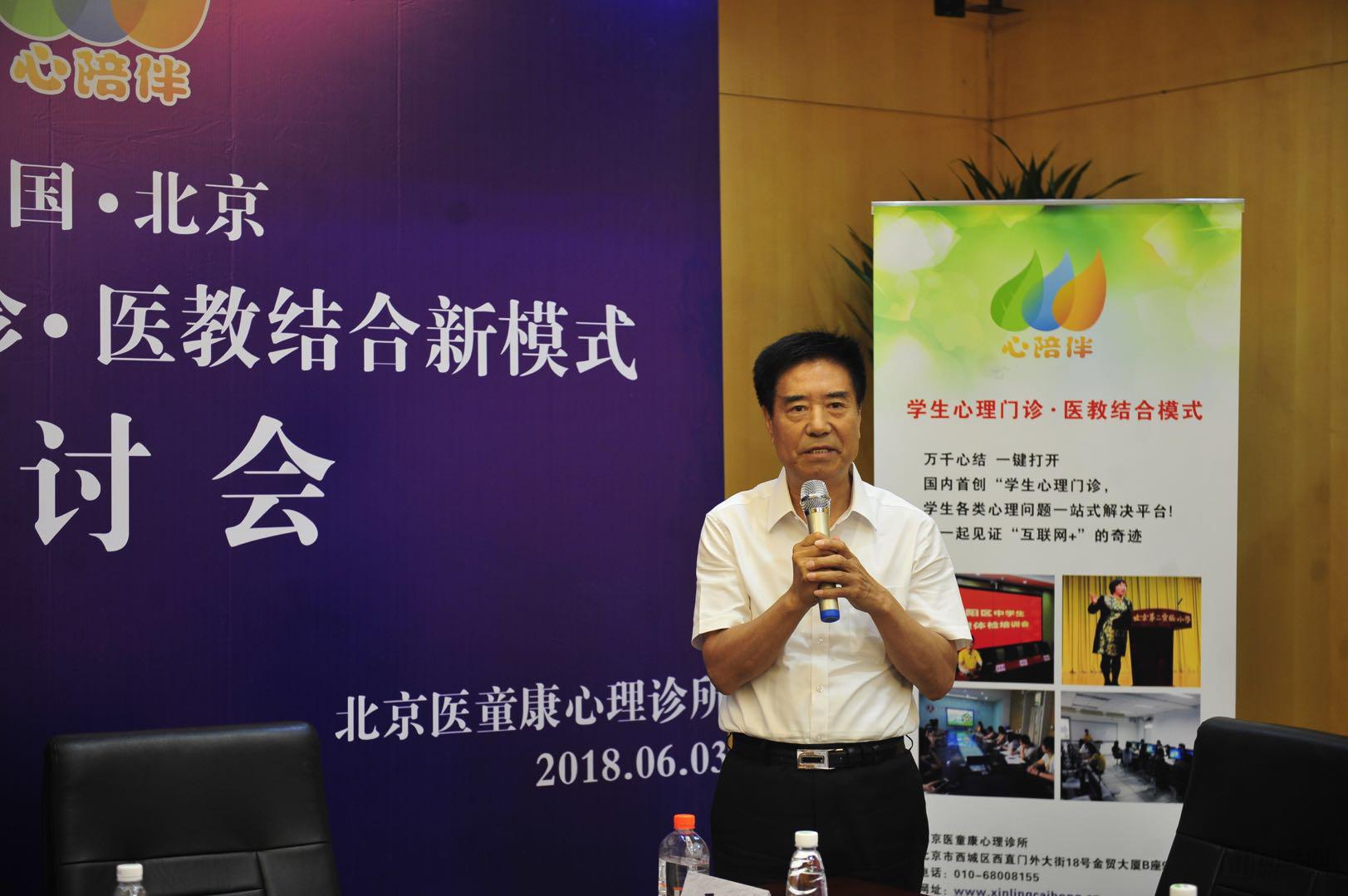
Wang Fu, Executive Deputy Director of the Working Committee for the Care of the Next Generation under the Ministry of Education, and President of the China Educational Equipment Industry Association
Wang Fu, Executive Deputy Director of the Working Committee for the Care of the Next Generation under the Ministry of Education and President of the China Educational Equipment Industry Association, visited the Yitongkang Clinic on June 3, 2018, to conduct field research. He expressed affirmation and praise for the clinic’s pioneering “Student Psychological Outpatient Clinic” and this new model integrating medical care with education. In his remarks, he emphasized that, in line with our educational policies and talent development plans, the integration of psychological services and medical care is highly important and absolutely necessary, holding significant practical relevance and far-reaching implications.
Annual revenue growth of 30%-40%, with a chain of 20 student psychological clinics established within three years.
Yitongkang Clinic is located at Jinmao Building, No. 18 Xizhimenwai Street, Xicheng District, Beijing. This office building is adjacent to a subway station. The clinic covers an area of over 140 square meters and features four consultation rooms. The team consists of more than 40 members, with a daily patient volume of approximately 10.
Individual psychotherapy clinics typically strive to create a warm and comfortable atmosphere through their interior design. This is especially true for clinics specializing in adolescent and child psychology, where considerable effort is devoted to optimizing the internal environment and facilities to alleviate discomfort and fear among young children during clinical visits. These clinics are equipped with human-centered amenities designed to help adolescents relax, such as sandplay therapy sets, toys, and a psychological literature section, thereby providing therapeutic benefits to children through play.
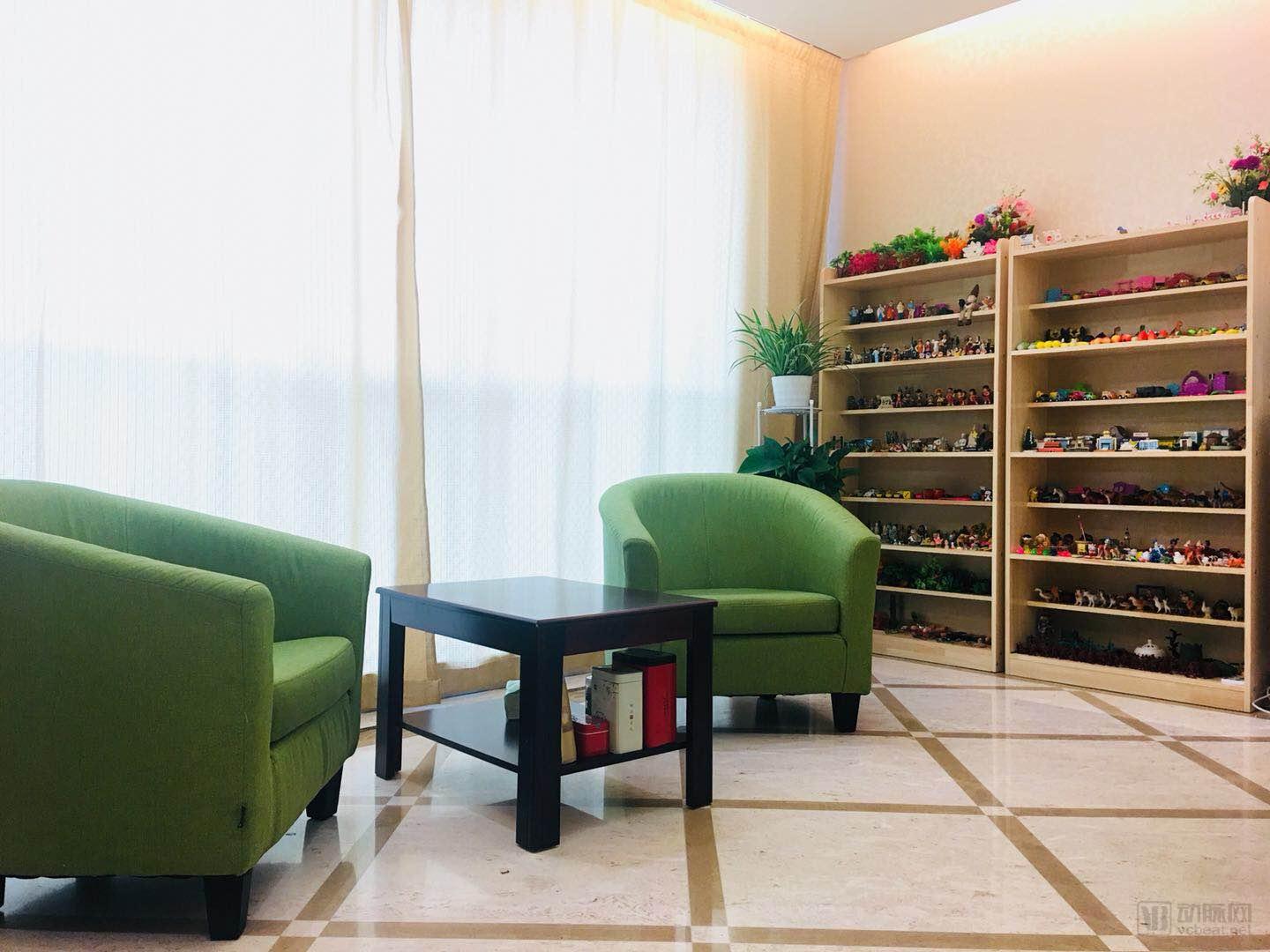
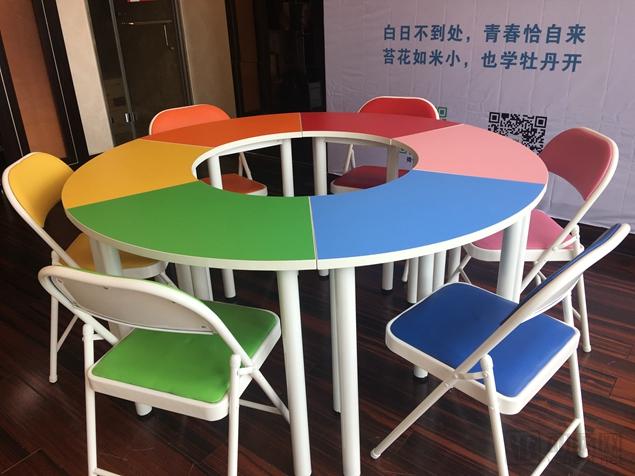
Interior View of the Clinic (Source: Provided by the Company)
Furthermore, the SaaS system deployed in the clinic is the “Xin Peiban” (Heart Companion) software platform developed by Li Ruiguo’s team, which supports a series of operational processes, including online appointment scheduling, electronic medical record completion, mental health profile management, and video-based online consultations.
While general clinics typically prioritize convenient transportation when selecting a location, psychological clinics place greater emphasis on patient privacy. Consequently, they are often situated within buildings rather than in high-traffic roadside areas. This means that patient acquisition for such clinics relies more heavily on the power of word-of-mouth referrals.
Currently, the VIP services at our clinic follow the same pricing model as other private clinics, with hourly rates. Depending on the specialist’s level of expertise, a 50-minute session costs approximately between 600 and 3,000 RMB.
“In addition to walk-in patients at our clinics, we rely more heavily on partnerships with schools,” Li Ruiguo told reporters. Currently, nearly 100 schools have partnered with Yitongkang to prevent psychological issues and mental harm among students, improve their mental health, and help them better complete their academic studies.
“First, we proactively reach out to schools to establish partnerships; second, schools also proactively approach us to provide them with psychological services.”
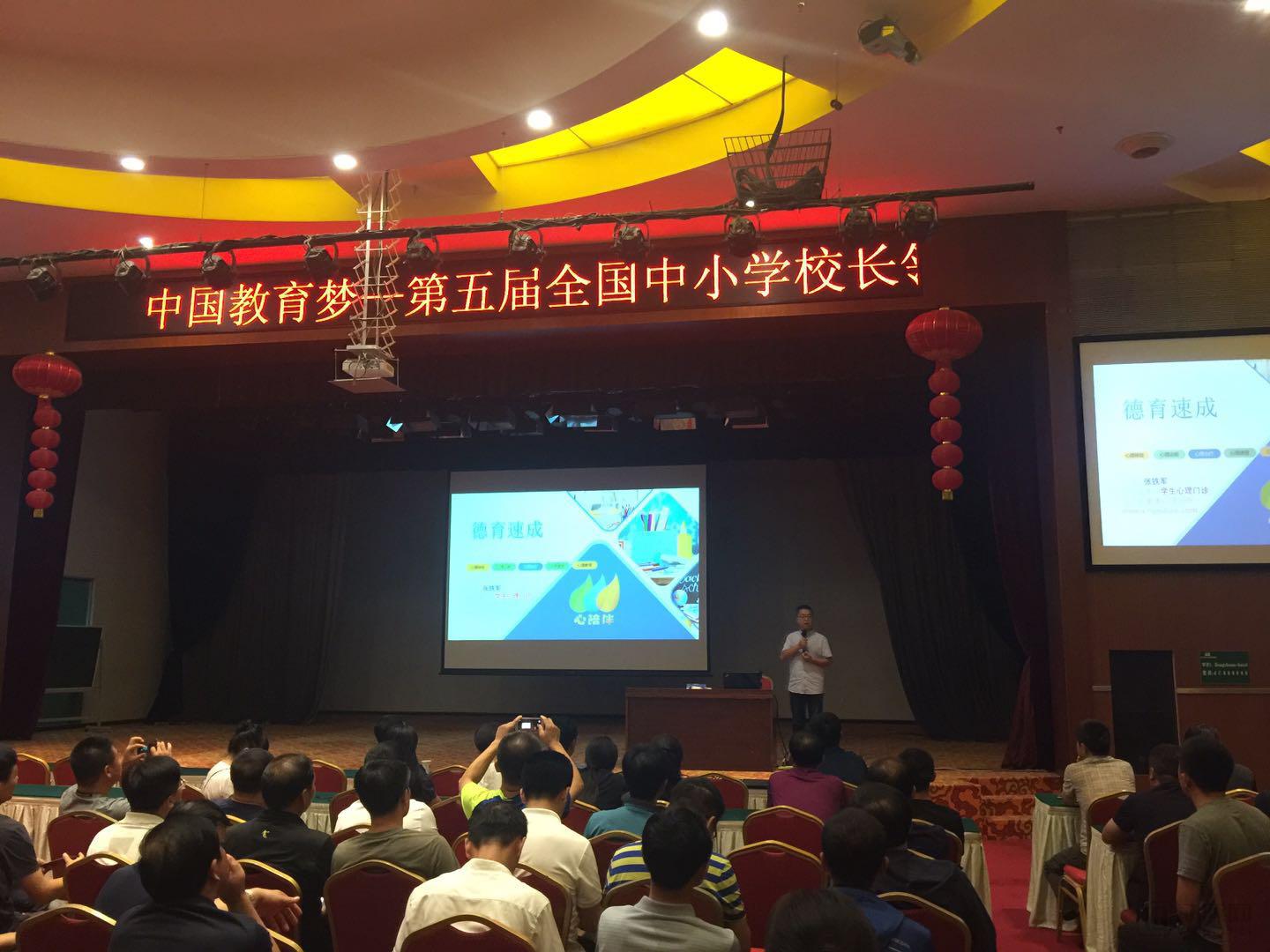
On July 28, 2018, Li Ruiguo, accompanied by psychological experts from Yitongkang, delivered a lecture on moral education to 57 primary and secondary school principals from Shulan City, Jilin Province.
Li Ruiguo revealed that the initial investment in the clinic was around 3 million yuan, with the largest operating costs stemming from operations and market expansion. Currently, Yitongkang is leveraging three channels to develop its market:
First, we operate our proprietary new media platforms, including the “Xin Peiban” WeChat Official Account and social media channels such as Sina Weibo, while distributing content through aggregation platforms like Toutiao. The primary focus is on popularizing mental health knowledge to educate patients, raise public awareness of the importance of mental well-being, and guide individuals in identifying and selecting qualified mental healthcare institutions, thereby providing parents with professional and standardized recommendations for treatment options.
Meanwhile, Yitongkang Clinic hosts monthly themed live streams on psychological topics. The most recent session featured Mr. Zhang Tiejun, the clinic’s chief psychological expert, who discussed leveraging psychology to overcome internet addiction. Mr. Zhang serves as the Director of the Training Department under the Economic Strategy Expert Committee of the China Development Strategy Research Society, a supervisor for psychological counseling and therapy among medical technical staff at Anding Hospital, and a member of the expert panel at the Employee Assistance Program (EAP) Center of the Institute of Psychology, Chinese Academy of Sciences.
Second, the traditional promotion and operations team conducts visits to enterprise clients, institutional clients, and school clients to facilitate collaborations.
In Li Ruiguo’s projected financial model, the clinic’s revenue was expected to reach RMB 5 million in 2018, with an annual growth rate of 30%–40% thereafter. Yitongkang Clinic is currently seeking angel-round financing and planning to establish branches in other cities to expand its market presence.
Mental Health + Case Study Series: Related Reports
Selected Reports on the Mental Health Industry:
【AI + Mental Health】Widespread Anxiety: Can AI-Driven Cognitive Behavioral Therapy Be of Use?