

Paris Biotech Innovators: 16 Cutting-Edge Companies Pioneering 'Off-the-Shelf' Immune Cells and CRISPR-Powered Nanobots for Targeted Pathogen Elimination
The 21st century is the era of life sciences. Many diseases that once claimed human lives, such as cancer and AIDS, have now become the focus of biotechnology companies racing to develop new technologies and therapies. CAR-T cell therapy empowers T cells artificially—where pathogens evade T-cell recognition, humans “guide” T cells step by step to recognize and attack these pathogens. CRISPR/Cas9 gene-editing technology truly grants humanity the power of the “hand of God”—enabling precise targeting of gene sequences and modification of DNA fragments.
In the 21st century, marked by the booming development of biotechnology, France, as the third-largest country in Europe, holds a significant position in the biomedical sector. France boasts strong capabilities in vaccines and primary healthcare, while also making remarkable achievements in cutting-edge fields such as 3D bioprinting and genetic engineering. As the capital of France, Paris has not only given rise to fashion and trends but also fostered many emerging biotechnologies and medical devices, including mechanical hearts, skin patches, and nanoparticles. To catch a glimpse of France’s advanced biotechnological innovations, it is essential to highlight the following ten-plus leading biotech companies in Paris.
Cellectis: Providing “Off-the-Shelf” Immune Cells for Cancer Patients
(Image source:Cellectis Official Website)
The first biotechnology company to study CAR-T cell therapy, with nearly 20 years of experience in cell therapy, is a leader in the field of cancer treatment.
Dr. André Choulika, the Company’s CEO and Founder, is one of the inventors of nuclease-based genome editing technologies and a pioneer in applying meganucleases to modify complex genomes.
Cellectis has developed an innovative T-cell therapy for cancer treatment. Unlike traditional CAR-T cell therapies, the company’s approach utilizes “off-the-shelf” immune cells from healthy donors rather than autologous cells derived from patients. This strategy not only reduces the time required for cell engineering but also lowers the financial costs associated with the manufacturing process.
Because allogeneic immune cells are used, in addition to knocking out genes that could trigger alloimmune responses, the company has implemented a dual-safety mechanism to prevent allogeneic side effects. Should any life-threatening adverse events occur following administration of the allogeneic immune cells, the CAR-T cells will immediately cease function, thereby preventing the onset of more severe immune reactions.
The company currently has three CAR-T cell candidate products approved by the FDA for clinical trials: UCART19, UCART123, and UCART22. Among these, the clinical trial of UCART123 was urgently halted by the FDA last September following a death in a patient with blastic plasmacytoid dendritic cell neoplasm (BPDCN). However, the cause of death was not graft-versus-host disease (GVHD), but rather an unexpected lesion that developed in the bone marrow. Cellectis is currently in discussions with the FDA to seek resumption of the UCART123 clinical trial.
Cellectis completed its Series A financing round in 2000, raising €3.8 million; its Series B round in 2002, raising €8 million; and its Series C round in 2005, raising €5.6 million. In 2015, the company went public on the NASDAQ and Euronext stock exchanges, raising $228.25 million through its initial public offering (IPO). Its current market capitalization has reached €1.1 billion.
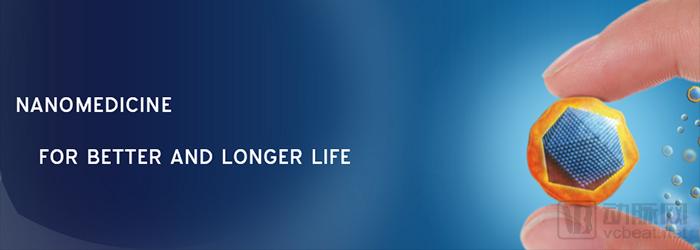
Nanobiotix: Nanoparticles Enhance Radiation Therapy for Tumor Treatment
(Image source:Nanobiotix Official Website)
Radiotherapy is currently the most commonly used method for treating tumors. However, this approach, which inflicts significant collateral damage on healthy tissues while targeting cancer cells, often fails to completely eradicate tumors and further compromises patients’ immune systems, causing them considerable suffering.
Nanobiotix, based in Paris, is a nanomedicine company dedicated to enhancing radiotherapy for cancer treatment. Dr. Laurent Levy, the company’s CEO, is a pioneer in the field of nanotechnology and has developed novel technologies such as NanoXray. He has filed numerous patents in nanotechnology and is the author of 35 international scientific publications.
Nanobiotix has developed a nanoparticle (NBTXR3) that can be directly injected into tumors. During stereotactic ablative radiotherapy (SABR), these nanoparticles release a large number of electrons, triggering DNA damage and cellular destruction to kill tumor cells, thereby enhancing the local efficacy of radiotherapy within the tumor. The U.S. FDA has approved Nanobiotix to conduct clinical trials of NBTXR3 for the treatment of non-small cell lung cancer (NSCLC) and head and neck squamous cell carcinoma (HNSCC). Moreover, recent clinical trial results for NBTXR3 have demonstrated that this nanoparticle indeed enhances the effectiveness of radiotherapy, leading to complete remission in a significant number of patients with indicated conditions.
It is worth noting that the company plans to combine these nanoparticles with PD-1 inhibitor therapy for cancer treatment. If successful, this combination is likely to become one of the preferred therapeutic approaches for curing cancer in the future.
Nanobiotix, founded in 2003 and listed on Euronext, has a market capitalization of approximately €290 million.
OSE Immunotherapeutics: Teaching Immune T Cells to “Recognize” Malignant Cells
(Image source:OSE Immunotherapeutics)
OSE Immunotherapeutics is a biotechnology company dedicated to the development of immunotherapies in the fields of immune activation and immune modulation. By modulating or activating patients’ own immune systems, the company aims to treat cancer, cure autoimmune diseases, and address complications such as rejection associated with organ transplantation.
Alexis Peyroles, the company’s Chief Executive Officer, is a graduate of EDHEC Business School and a leader in the field of medical imaging. He has held relevant positions at internationally renowned biotechnology companies and brings 15 years of experience in pharmaceutical financial management.
One of the company’s most advanced therapies is Tedopi®, which stimulates T cells to re-recognize and eliminate malignant cells. Tedopi® is composed of the 10 optimal gene loci selected from five tumor antigen fragments. When the immune system detects malignant cells, these ten loci elicit a specific response that ensures the expression of at least one antigen fragment in Tedopi®, enabling T cells to mount a specific response against tumor cells and thereby attack the actual tumor cells.
Because Tedopi® is a combination of strictly selected genetic loci, it also avoids the phenomenon of immune tolerance in any cancer type. This treatment principle has been applied in Phase 2 clinical trials for pancreatic cancer and Phase 3 clinical trials for non-small cell lung cancer.
OSE Immunotherapeutics has established partnerships with Janssen, Servier, and Boehringer Ingelheim. Under the collaboration with Boehringer Ingelheim, OSE Immunotherapeutics granted Boehringer Ingelheim global rights to develop and commercialize OSE-172, a SIRP-α (CD47 receptor) antagonist and immune checkpoint inhibitor. This partnership could generate up to €1.1 billion in revenue for OSE Immunotherapeutics.
The company was founded in 2012 and completed its first round of financing in 2016 after its initial public offering (IPO), raising €10.25 million. The company’s current market capitalization is approximately €73 million.
Neovacs: “Miracle Vaccine” Neutralizes Cytokines to Treat Lupus
(Image source:Neovacs Official Website)
Neovacs is a company that develops disease vaccines, with its primary focus on treatments for HIV/AIDS, cancer, autoimmune disorders, and allergic diseases.
Miguel Sieler, the company’s Chief Executive Officer, graduated from the University of Tübingen. He has served as CEO of multiple biopharmaceutical companies and brings 32 years of experience in the pharmaceutical industry.
Neovacs is developing Kinoids®, a vaccine for the treatment of autoimmune diseases. This vaccine stimulates the patient’s immune system to produce natural antibodies that neutralize excess cytokines generated by the disease. Excessive cytokines not only contribute to autoimmune disorders but also lead to inflammation, allergies, and certain types of cancer. Leveraging this core technology, the company is committed to curing conditions driven by cytokine overproduction, including systemic lupus erythematosus (SLE), disseminated lupus erythematosus (LED), and dermatomyositis.
The Company’s Phase IIb clinical trial (IND) for lupus has been granted “Fast Track” designation by the FDA.
The company was founded in 1993. In 2007, it completed a €13 million financing round led by Novartis Venture Fund. It subsequently raised €7.5 million in 2015 and €6 million in 2017. The company’s current market valuation is approximately €36.3 million.
Enterome: Managing the Microbiome, Caring for the Gastrointestinal Tract
(Image source: Enterome official website)
Microbes are inextricably linked to human health—metabolism, the gastrointestinal tract, and autoimmune diseases are all closely associated with microbial activity. Enterome Bioscience is a company that leverages the human microbiome as an entry point to develop therapeutics for human gastrointestinal diseases.
Dr. Pierre Belichar, the company’s Chief Executive Officer, is the founder and Chief Operating Officer of Fovea Pharmaceuticals and serves as Vice President at UroGene. He has long held key positions at Fournier Pharma related to scientific and commercial strategic direction.
Enterome has pioneered advanced therapeutic approaches in two key areas by modulating the gut microbiota. The first targets Crohn’s disease through oral administration of EB8018, a small-molecule drug that blocks the adhesion of adherent-invasive Escherichia coli (AIEC), thereby selectively eliminating pathogenic bacteria without disrupting the intestinal microbiota. The second focuses on cancer treatment by developing bacterial-derived cancer antigens expressed within the human gut microbiome, enabling immune detection of cancer cells and enhancing their immunogenicity.
Enterome has entered into collaborations with Bristol-Myers Squibb and Nestlé, including a joint venture with Nestlé Health Science focused on developing microbiome-based diagnostics for inflammatory bowel disease and liver diseases caused by dysbiosis.
The company was founded in 2012 and has completed five rounds of financing to date, with the most recent being a €40 million investment from the European Investment Bank (EIB) in January 2018. According to the company’s financial data, it had raised a total of €63 million by July 2018.
Eligo Bioscience: Precisely Targeting Harmful Bacteria with Genetic Tools
(Image source:Eligo Bioscience Official Website)
Co-founded by Professor David Bikard, Dr. Xavier Duportet, Dr. Timothy Lu, and Professor Luciano Marraffini, the company is an antimicrobial R&D firm specializing in pathogenic bacteria, with a focus on developing antibiotics for microbial editing.
The company has developed a novel patented technology, SSAMS (Sequence-Specific Antimicrobial Strategy), which can eliminate specific bacteria without affecting other beneficial bacterial communities in the body. The mechanism of SSAMS involves using bacteriophages to deliver the CRISPR/Cas9 gene-editing tool to target bacteria. Once delivered, CRISPR identifies whether the bacteria carry pathogenic genes; if such genes are present, CRISPR kills the bacteria by cleaving their DNA. By precisely targeting harmful bacteria at the genetic level, SSAMS therapy overcomes the limitations of poor specificity associated with traditional probiotics and antibiotics.
Eligo Bioscience, founded in 2014, completed its first round of financing in September 2017, raising $18 million with participation from Seventure Partners and Khosla Ventures. This funding will enable the company to advance its “CRISPR nanobots” into clinical trials.
Abivax: Inhibiting HIV Replication? A New Therapy for Curing AIDS

(Image source:Abivax Official Website)
Curing AIDS has long been a major challenge in the medical community. Recently, Abivax has developed a first-in-class drug called ABX464, which has immediately drawn significant attention from the medical field. This drug inhibits viral RNA replication by modulating the HIV mRNA sequence, thereby preventing HIV from replicating normally within the patient’s body and achieving a functional cure for AIDS.
Abivax is a company dedicated to the treatment of severe infectious diseases, holding a leading global position in the research and development of antiviral drugs and vaccines. The company’s CEO, Dr. Hartmut J. Ehrlich, spent 20 years in drug development at Novartis and advanced the development of 50 preclinical and clinical projects at Baxter BioScience. He has authored 120 medical publications.
Results from the company’s Phase IIa clinical trial of ABX464 revealed that eight out of nine patients treated with ABX464 experienced a 50% reduction in their HIV viral load within 28 days, demonstrating significant efficacy. The company is currently conducting a Phase IIb clinical trial, with expectations to observe the drug’s therapeutic effects on AIDS by 2020. If the trial proves successful, it would offer hope for a functional cure for AIDS.
The company was founded in 2013 and currently has a market capitalization of approximately €72 million.
GenSight Biologics: Giving You a Blue Sky—Restoring Sight to the Blind
(Image source:GenSight Biologics Official Website)
GenSight Biologics is a pharmaceutical R&D company focused on treating blindness. By combining its Mitochondrial Targeting Sequence (MTS) technology platform with optogenetics, the company develops a series of therapeutic drugs for ophthalmic diseases and central nervous system disorders.
Dr. Bernard Gilly, Co-founder and CEO of the company, holds a Ph.D. from Deen University and has previously served as CEO of a genetically modified organism (GMO) company and Senior Vice President at Sanofi Ophthalmics.
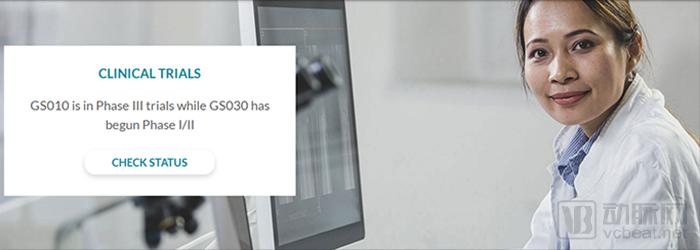
GenSight Biologics is developing GS010, a gene therapy for the treatment of Leber hereditary optic neuropathy (LHON). LHON is a rare mitochondrial disorder in which mutations in mitochondrial DNA lead to degeneration of retinal ganglion cells, causing acute vision loss that can progress to blindness. GS010 is designed to restore retinal function impaired by mitochondrial gene mutations. Results from the recently completed Phase 3 clinical trial demonstrate that GS010 improves visual acuity in patients with LHON, with more pronounced benefits observed in those treated at an earlier stage of the disease.
The company is currently collaborating with New York-based Bionic Sight to employ optogenetics technology, aiming to restore vision in patients who have lost their sight due to retinal diseases.
GenSight Biologics was founded in 2011 and is now listed on the NASDAQ Stock Exchange. Prior to its initial public offering (IPO), the company completed Series A and Series B financing rounds, raising €32 million in 2013 and $36 million in 2015, respectively. Following its IPO in 2017, it raised an additional €22.5 million.
DBV Technologies: The “Desensitization” Black Tech—Skin Patch

(Image source:(DBV Technologies Official Website)
DBV Technologies is a world-leading biotechnology company specializing in the detection and treatment of allergies in children. The company has developed an innovative therapy for allergies—the skin patch—which, when applied to allergic children, gradually enhances their immune system’s tolerance to allergens, ultimately achieving desensitization.
Dr. Pierre-Henri Benhamou, Co-founder and CEO of the company, is a pediatric gastroenterologist with numerous publications in the fields of food allergy and immunotherapy. He was awarded the Altran Foundation Prize for Innovation in 2003. He collaborated with Dr. Christophe Dupont to develop the drug EPIT®.
DBV Technologies has developed Viaskin Peanut, a patch for peanut allergy. Viaskin is an electrostatic patch that delivers active substances (including allergens) to the superficial layers of the skin without compromising skin integrity. The allergens activate the body’s immune system by specifically targeting antigen-presenting cells (APCs), without entering the bloodstream, thereby training the immune system to develop tolerance to peanuts. The peanut allergy treatment has completed Phase 3 clinical trials, and the company is seeking FDA approval. In addition, the company is conducting clinical trials for dust mite allergy and milk allergy. The Phase 2 clinical trial for milk allergy was completed earlier this year, with results indicating that the patch provides some relief for milk allergy.
The company was founded in 2002 and is now listed on the Nasdaq Stock Exchange, with a market capitalization of approximately €1 billion.
Carmat: A Mechanical Heart?Artificial Heart?
(Image source:Carmat Official Website)
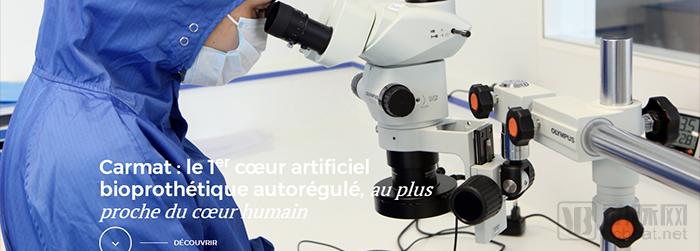
Can Hearts Be Artificially Manufactured? Yes. Carmat is a company specializing in the production of mechanical hearts, and it has developed a permanent artificial heart suitable for patients with end-stage heart failure.
The company’s CEO, Stéphane Piat, is a recognized expert in the medical device industry, particularly in the field of cardiology. He previously served at Johnson & Johnson for five years and held the position of General Manager for Abbott Vascular in Europe, the Middle East, and Africa (EMEA), where he led the clinical and commercial development of the cardiology product MitraClip.
The company has conducted clinical trials for heart transplantation in France, Denmark, Prague, and Kazakhstan. To date, Carmat has performed four heart transplant surgeries; all patients died shortly after the procedure (with the longest survival being nine months) due to postoperative complications. Although these outcomes have helped Carmat further improve pre- and post-operative patient care, the project was halted last year. Despite the temporary suspension of clinical trials, Carmat remains optimistic that this artificial heart device will receive regulatory approval in Europe by 2019.
Carmat was founded in 2008 and is currently listed on Euronext Paris, with a market capitalization of approximately €180 million.
DNA Script: One Step Closer to Writing DNA

(Image source: DNA Script official website)
In recent years, DNA reading speeds have accelerated significantly, but DNA writing has become a bottleneck. Rapid DNA synthesis is key to overcoming this challenge. DNA Script is a company specializing in DNA synthesis, focusing on template-free enzyme technology to synthesize DNA, which substantially reduces the turnaround time for custom DNA sequences.
Thomas Ybert, the company’s co-founder and CEO, is a senior biotechnology scientist who led Amyris’s metabolic engineering program and pioneered novel DNA read-write technologies.
The company was founded in 2014 and completed its seed funding round in June 2016, raising €2.5 million with participation from Sofinnova Partners, Kurma Partners, and Idinvest Partners. In November 2017, it closed a Series A financing round of €11 million and secured two investments from Bpifrance. According to the company’s financial data, it has raised a total of €20 million to date.
Gecko Biomedical: A Surgeon’s Best Friend—Novel Bioadhesive
(Image source: Gecko Biomedical official website)
Gecko Biomedical is a medical device company that manufactures bioadhesives. The company’s co-founder and CEO, Christophe Bancel, graduated from the Massachusetts Institute of Technology and holds a master’s degree in Biochemistry and Molecular Biology from the University of Tokyo. He has previously worked at globally renowned biotechnology companies such as Merck Biopharma and Genzyme.
The company has developed a biodegradable surgical glue through research on gecko-inspired adhesives. This glue not only exhibits strong adhesion but is also waterproof and biodegradable. It is used for postoperative wound closure, replacing traditional adhesives and avoiding their drawbacks of high toxicity and low stickiness. Even when suturing highly active organs such as the heart, Gecko Biomedical’s glue maintains robust adhesion without losing its stickiness due to cardiac motion. This high-quality bio-adhesive significantly enables surgeons to perform procedures more effectively. Notably, this glue received production approval last year.
Gecko Biomedical currently has two products in development: GB02, a tissue sealant for cardiovascular remodeling, and GB04, an adhesive for defect closure. Meanwhile, the company is planning to bring new applications of its bioadhesives, including 3D bioprinting and regenerative medicine, to market.
Gecko, founded in 2013, secured €8 million in its initial financing round that same year, raised €22.5 million in 2016, and has attracted nearly €40 million in total funding to date.
Ynsect: Insect Feed for Pets? Feeding Insects to Humans?
(Image source: Ynsect official website)
Make Insects Your Staple Food? This Innovative Paris-Based Company Is Changing Traditional Perceptions of Food by Farming Insects to Obtain the Protein and Fat We Need. Ynsect is a company specializing in the development of animal feed and food products. Its primary business currently involves rearing mealworms, which are then processed into high-protein feed specifically designed for pets, livestock, and fish. The company has already launched products for aquaculture as well as novel feeds for pets such as cats and dogs.
Antoine Hubert, the company’s CEO, is a member of the French Protein Federation and the Office of the United Nations High Commissioner for Refugees, and serves on the scientific team for projects related to environmental risk assessment, biosafety, and plastic recycling.
It is projected that the global population will reach 10 billion by 2050. Coupled with increasingly stringent food requirements, humanity is likely to face food shortages in the future. The company’s mission is to address this challenge. Although its current focus is on the pet and livestock sectors, it anticipates providing insect-based food for human consumption in the years ahead.
The company was founded in 2011, completed its Series A financing round of €1.8 million in 2014, and closed its Series B financing round of $15.2 million in 2016. According to the company’s financial statements, it had raised a total of €20 million by July 2018.
Lysogene: A Mother’s Love Drives the Founding of a Medical Company to Cure Her Daughter’s Terminal Illness
(Image source: Lysogene official website)
Lysogene is a pioneering biotechnology company in the field of pediatric central nervous system (CNS) genetic disorders. The company’s founder and CEO, Karen Aiach, is a member of the European Academy of Paediatrics and an executive member of the International Rare Diseases Research Consortium. Initially without any background in the medical industry, Karen Aiach founded Lysogene after learning that her daughter, Ornella, had Sanfilippo syndrome, marking her decisive entry into the healthcare sector.
Sanfilippo syndrome is a rare neurodegenerative disorder of the central nervous system. Patients with this condition typically do not survive beyond the age of 20, and there is currently no curative treatment available. Lysogene aims to develop a gene therapy that can fundamentally cure Sanfilippo syndrome at the genetic level. The company’s innovative gene therapy, SAF-301, has completed Phase I and Phase II clinical trials and is preparing for Phase III trials. SAF-301 is the world’s first gene therapy drug for pediatric central nervous system degenerative disorders. If its clinical trials prove successful, the therapy is likely to gain regulatory approval and achieve widespread adoption.
The company was founded in 2009, completed its Series A financing round of €16.5 million in 2015, and currently has a market valuation of approximately €23 million.
Global Bioenergies: Leveraging Biotechnology for Better Waste Utilization

(Image source: Global Bioenergies official website)
Global Bioenergies is one of the few companies worldwide that leverage biotechnology (fermentation) to convert renewable resources into hydrocarbons. Marc Delcourt, the company’s co-founder and CEO, graduated from the Department of Biology at the École Normale Supérieure. He established his first bio-processing plant company in 1997 and has since remained dedicated to the field of bioprocessing.
Global Bioenergies specializes in waste recycling and the development of novel biofuels. The company is developing a method for processing waste using bacterial fermentation technology. It currently operates a ton-scale demonstration plant for food waste, capable of converting food waste into valuable compounds.
Global Bioenergies is currently collaborating with companies such as Repsol, Audi, and L’Oréal to jointly develop a project for the sustainable production of chemicals like isobutylene. The isobutylene has been purified to a purity of 99.77%, reaching polymer-grade quality.
Founded in 2008, the company has converted a wide range of biological waste into valuable compounds such as plastics, rubber, and fuels. By transforming traditional waste disposal methods, it simultaneously generates new energy sources and protects the environment. The company’s current market capitalization is approximately €58 million.
Cellnovo: The “Wireless Helper” for Diabetes Patients

(Image source: Cellnovo official website)
Cellnovo is a medical device technology company specializing in diabetes care. Sophie Baratte, the company’s CEO, has held senior positions at Johnson & Johnson, Sorin, CIT, and LifeCell, bringing extensive experience in sales and marketing, particularly in commercializing innovative technologies.
The company primarily develops wireless touch-screen insulin micro-pump systems for patients with diabetes. It has already produced a wireless device that helps patients with type 1 diabetes monitor their blood glucose levels and provides real-time information on insulin dosage. The company’s integrated internet-based diabetes management system monitors blood glucose levels and enables patients to control the insulin pump via a mobile touch screen.
A clinical trial report released this year showed that the company’s semi-automated device reduced life-threatening hypoglycemic events by 39%, with particularly pronounced benefits for younger patients.
Cellnovo is currently planning to collaborate with Imperial College, Horizon 2020, and the Diabeloop consortium to develop a fully automated device that automatically determines the required insulin dosage, eliminating the need for patients to manually manage their insulin supply.
The company was founded in 2002 and secured £30 million in financing in 2011. Following its initial public offering (IPO), it completed a €17.5 million funding round in July 2017. Its current market capitalization is approximately €50 million.
In addition to the more than ten well-known biotech companies mentioned above, Paris is home to approximately seventy small and medium-sized biotechnology firms, including Horama, which treats ophthalmic diseases; Invectys, which develops novel cancer therapies; and MilliDrop, which manufactures petri dishes. In the 21st century, an era of booming biotechnological advancement, Paris is undoubtedly a fertile ground for the development of the biotechnology industry, featuring a diverse array of biotech companies with broad R&D coverage.
“The only limit is your imagination.” While this statement may be somewhat biased, it effectively captures the landscape of contemporary biotechnology: wherever human imagination can reach, technology can follow. In the 21st century, an era of flourishing biotechnology, how many emerging technologies will enter our lives and bring us surprises? From remarkable skin patches to the highly popular 3D printing, we await these developments with great anticipation.