

Dexcom IPO Prospectus: Riding the CGM Market Surge with Sustained 40%+ Growth

Image source: Dexcom official website
Diabetes, as one of the common chronic diseases in daily life, seriously affects patients' normal lives.
Typically, patients with diabetes need to perform finger-prick blood tests at specific times each day (before meals, after meals, before bedtime, upon waking, etc.) to monitor their blood glucose levels and understand fluctuations. In addition to the endless daily repetition of testing, they must also inject insulin to lower blood sugar and prevent serious complications associated with hyperglycemia. This protracted battle, waged day after day and year after year, significantly impacts the daily lives of diabetic patients. However, what troubles them most is that traditional finger-prick testing only provides blood glucose readings at single points in time and cannot monitor glucose levels during critical periods such as sleep. This leaves them in a state of perpetual anxiety, fearing the onset of hypoglycemic events during sleep, which can be life-threatening.
All patients with diabetes are aware of the dangers associated with hypoglycemic events. The benefits of continuous glucose monitoring (CGM) extend far beyond merely preventing such episodes; it plays an irreplaceable role in diabetes treatment. By enabling real-time monitoring of blood glucose levels, CGM empowers patients to manage their condition more effectively.
Today, the vision of our protagonist, Dexcom, is to make continuous glucose monitoring (CGM) the standard of care for all insulin-dependent diabetes patients, and even for all diabetes patients. Its latest CGM product, the G6, received FDA clearance and market authorization in March 2018. The FDA considers the Dexcom G6 suitable for use both as a standalone CGM and as part of automated insulin delivery (AID) systems. This new Dexcom G6 is the first CGM product to receive this classification from the FDA. The G6 not only features continuous sensor technology with a wear time of up to 10 days, but also eliminates the need for blood glucose calibration, addressing a major technical challenge associated with CGMs. Furthermore, Dexcom’s recently released Q2 2018 financial report showed that the company achieved revenue of $430 million in the first half of the year, representing a year-on-year increase of 36.4%. The compound annual growth rate (CAGR) of its revenue from 2014 to 2017 reached as high as 45.6%, driven by the explosive sales performance of its flagship products, the G4 and G5. According to the latest 2017 CGM insights report published by Coherent Market Insights, the global CGM market is projected to reach $1.025 billion by 2024.
As mentioned above, CGM may eventually replace traditional fingerstick blood glucose testing and become the standardized tool in diabetes management, offering substantial market growth potential. Therefore, this case study selects Dexcom, a current leader in the CGM field, to jointly explore the past, present, and future of CGM technology.

 What is CGM?
Continuous Glucose Monitoring (CGM), or the continuous glucose monitoring system, is a monitoring technology that indirectly reflects blood glucose levels by measuring glucose concentration in subcutaneous interstitial fluid via a glucose sensor. Compared with traditional fingerstick blood testing, which is akin to taking a snapshot and provides a blood glucose value at a single point in time, CGM is akin to recording a video, providing continuous blood glucose data. One represents a point, while the other represents a comprehensive view.
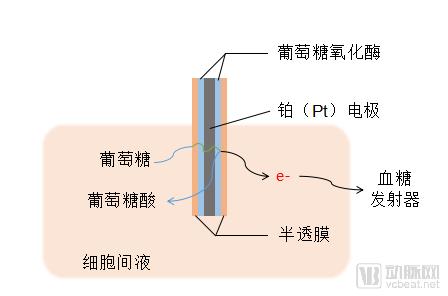
Figure 1: Diagram of CGM Technology. Source: Official Website of Medtrum Technologies
Continuous glucose monitoring (CGM) first emerged in 1999. The technology was approved by the U.S. Food and Drug Administration (FDA) in 1999 and by China’s State Food and Drug Administration in 2001 for clinical use. In 2006, the first CGM product, Dexcom STS, was launched. Currently, the major FDA-cleared CGM manufacturers are Dexcom, Medtronic, and Abbott.
 Dexcom is a company focused on CGM technology.
Founded in 1999 and headquartered in San Diego, California, Dexcom is transforming diabetes care and management by providing continuous glucose monitoring (CGM) technology to help patients and healthcare professionals better control diabetes.
When discussing Dexcom, it is essential to mention two scientists, Dr. Updike and Dr. Hicks. In 1967, these two scientists pioneered research into implantable glucose sensors. In 1999, Dr. Burd founded Dexcom and invited Dr. Updike to join the company. From 1999 to 2003, the company’s development of long-term (fully implantable) sensors failed due to severe adverse human tissue reactions, leading to the departure of founder Dr. Burd from Dexcom. Starting in 2004, Dexcom shifted its focus to the development of short-term continuous glucose monitoring (CGM) systems. After overcoming various challenges, the company went public on the NASDAQ in 2005 and subsequently began gradually commercializing its developed products. The U.S. Food and Drug Administration (FDA) has successively approved six generations of Dexcom’s CGM products.
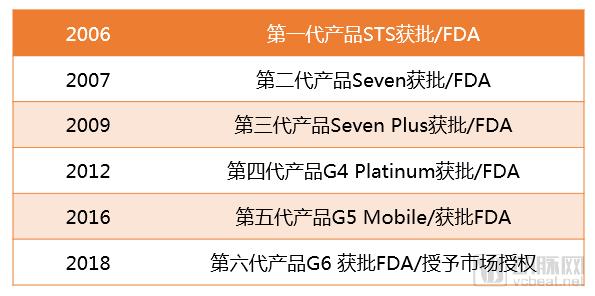
Figure 2: Timeline of Dexcom Product Replacements. Source: Dexcom Official Website; Graphic by VCBeat
As previously mentioned, founder John Burd left Dexcom in 2003. Dr. Burd earned his bachelor’s degree in Biochemistry from Purdue University and completed his combined master’s and doctoral studies at the University of Wisconsin–Madison. He has long been dedicated to the development of medical testing products and holds more than 20 patents. Dr. Burd initially conducted research on fluorescence immunoassays at Bayer Laboratories before embarking on a series of entrepreneurial ventures. He founded Dexcom in 1999 but later departed the company following setbacks in the development of long-term implantable continuous glucose monitoring (CGM) systems. Below is an overview of Dr. Burd’s entrepreneurial journey.
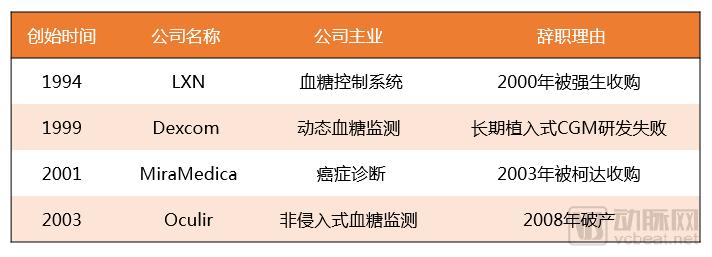
Figure 3: John Burd’s Entrepreneurial Journey. Source: LinkedIn; Graphic by VCBeat
Dexcom’s current management team is primarily composed of Terrance H. Gregg (Executive Chairman), Kevin Sayer (CEO and President), and Andrew K. Balo (Vice President).

Figure 4: Dexcom’s Current Key Management Team. Source: Dexcom Official Website; Graphic by VCBeat
 Real-Time Monitoring + Alerts + Standardized Reporting: A Diabetes Monitoring and Management Solution
Unlike traditional fingerstick blood glucose testing, Dexcom’s continuous glucose monitoring system primarily offers the following solutions for patients with diabetes:
1) Provide real-time monitoring data
CGM provides blood glucose data every 5 minutes, recording a total of 288 data points per day. Over three days, more than 800 blood glucose values constitute a continuous glucose profile.
2) Provide trends and alerts
Provide trend analysis of personal blood glucose data through continuous glucose monitoring, and issue alerts for hyperglycemia or hypoglycemia.
3) Sharing with Others
Equipped with Bluetooth functionality, it enables wireless connection to smart mobile devices for real-time blood glucose monitoring and allows users to share their blood glucose data with up to five contacts in real time.
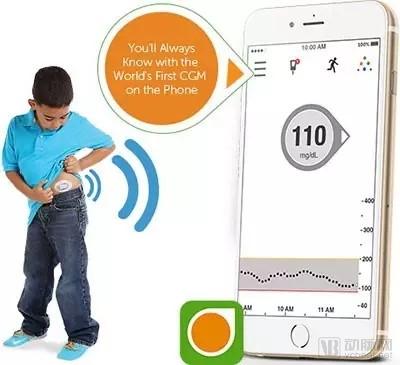
Figure 5: Dexcom CGM Usage Illustration, Source: Dexcom Official Website
4) Cloud-Based Standardized Reporting
Managing diabetes can be complex. However, the Dexcom reporting system simplifies diabetes data management. By reviewing and comparing various blood glucose data reports, patients can better manage their blood sugar levels.
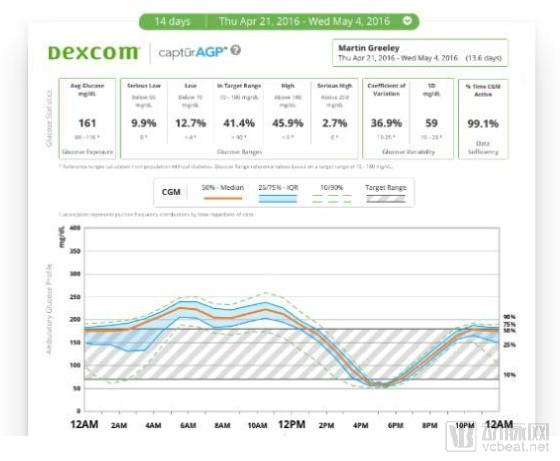
Figure 6: Dexcom Cloud Report, Source: Dexcom Official Website
 Continuous Glucose Monitoring Technology Drives a Transformation in Traditional Blood Glucose Testing
For patients with diabetes, blood glucose testing is as essential as eating, constituting a daily necessity. Currently, the most prevalent device for blood glucose monitoring is the capillary blood glucose meter; however, it has significant limitations. It can only measure instantaneous blood glucose levels at a single point in time and cannot monitor glucose fluctuations during physical activity, meals, or sleep. Furthermore, the finger-prick procedure causes discomfort and pain, and the resulting reading may not accurately reflect the patient’s true glycemic status.
On the other hand, traditional capillary blood glucose testing requires multiple accessories, such as lancets, test strips, and meters, making it inconvenient to carry and use for patients. Furthermore, finger-prick blood sampling for glucose measurement generally lacks high accuracy, and the single-point data obtained fails to reflect the patient’s glucose trends, thereby hindering timely glycemic management in individuals with diabetes.
CGM perfectly addresses the pain points of traditional fingerstick blood glucose testing by moving beyond single-point measurements to provide real-time, continuous monitoring of glucose levels. It captures data every five minutes, generating a total of 288 data points throughout the day to form a continuous glucose profile. This system analyzes trends based on the glucose curve and alerts patients when levels are too high or too low. Furthermore, its compact size allows for discreet and convenient wearability with minimal sensation, ensuring no disruption to patients’ daily lives. Additionally, the enzymatic biotechnology employed by Dexcom offers relatively high accuracy in measuring blood glucose data.
The figure below provides a simple comparison between Dexcom and traditional capillary blood glucose testing.
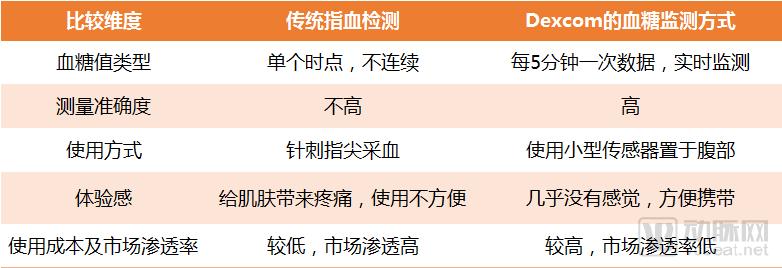
Figure 7: Traditional Fingerstick Blood Glucose Testing vs. Dexcom Continuous Glucose Monitoring; Source: Public Information, Chart by VCBeat
Since its inception, Dexcom has consecutively launched six generations of continuous glucose monitoring (CGM) products. The latest sixth-generation product, the G6, represents a technological breakthrough for patients with diabetes, eliminating the need for fingerstick blood calibration and overturning the longstanding requirement for blood-based calibration in CGM systems. Previously, Dexcom’s earlier G5 and G4 models still required at least two fingerstick blood calibrations per day.
 Low Current Market Penetration, Promising Future
Although Dexcom’s products offer transformative advantages over traditional capillary blood glucose testing in terms of convenience, user experience, and accuracy, continuous glucose monitoring (CGM) devices, as innovative entries in the blood glucose monitoring market, remain relatively expensive and currently exhibit low market penetration. According to a 2014 CGM and U.S. Market Strategy Report published by Dr. Sharma at the Massachusetts Institute of Technology, the penetration rate of CGM in the United States reached only 9% by 2013. This implies that approximately 90% of diabetic patients were still relying on traditional capillary blood glucose testing. This substantial population represents a significant market opportunity for CGM.
According to the latest 2017 CGM Insight Report released by U.S.-based Coherent Market Insights, the global continuous glucose monitoring (CGM) market was valued at $444 million in 2015 and is projected to expand at a compound annual growth rate (CAGR) of 9.8% from 2016 to 2024. By 2024, the global CGM market size is expected to reach $1.025 billion.
Furthermore, according to Grand View Research’s forecast report on China’s continuous glucose monitoring (CGM) device market from 2013 to 2024, the Chinese CGM market is poised for a modest surge in the coming years. Currently, the predominant method of blood glucose monitoring in China relies on finger-prick blood glucose meters. Although CGM has gradually gained popularity in Europe and the United States, its adoption rate among diabetic patients in China remains negligible. With the widespread adoption of CGM technology and the reduction in consumable costs, the overall blood glucose monitoring market in China is projected to reach RMB 15 billion by 2024, with the CGM segment accounting for approximately RMB 1.05 billion, corresponding to a penetration rate of around 7%.
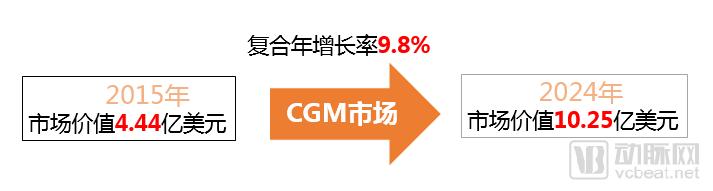
Figure 8: CGM Market Value Forecast, Source: Coherent Market Insights, Chart by VCBeat
Taking Dexcom’s products as an example, the current cost to patients is relatively high. Market observations indicate that the monthly supply cost for the latest G6 model is approximately $169 (around RMB 1,150), while the previous-generation G5 model incurred a monthly supply cost of $220 (around RMB 1,500). In comparison, Abbott’s FreeStyle, a competing product, has a monthly supply cost of approximately $113 (around RMB 770). The high cost of CGM supplies stems from the substantial research and development expenses associated with sensors—a critical component of CGM systems—as well as the high manufacturing costs of these disposable items. Since sensors are single-use and last only a few days at most, the overall cost of managing blood glucose with CGM is further exacerbated. In contrast, conventional blood glucose test strips available on the market cost only a few yuan each. Consequently, due to price considerations, most diabetic patients are reluctant to switch from traditional monitoring methods.
Although the current market penetration of continuous glucose monitoring (CGM) products is low, their significant advantages make it highly likely that they will replace fingerstick blood glucose testing, indicating substantial future market potential for CGM products. Dexcom is actively working to reduce the cost of consumables and strengthening collaborations with third-party payers to expand insurance coverage for its products. In January 2017, the Centers for Medicare & Medicaid Services (CMS) classified CGM as durable medical equipment (DME), allowing reimbursement under Medicare in certain insured scenarios. This is undoubtedly positive news for Dexcom. To break into the traditional market, the company must pursue two essential strategies: continuously improving technology to lower production and consumable costs, and expanding the proportion of expenses covered by insurance reimbursement.
 Consecutive Annual LossesMultiple rounds of capital market financing in this context
Since its establishment in May 1999, Dexcom has incurred net losses every year. As of the end of 2017, Dexcom’s cumulative losses amounted to $671 million. To date, Dexcom has primarily funded its daily operations through the issuance of equity securities and debt, as well as product sales. Currently, Dexcom has not disclosed its financing activities prior to Series C; the earliest financing round available from public sources is the Series C round in 2002, which raised RMB 204 million. The company successfully listed on the NASDAQ in the United States in 2005, raising RMB 384 million. Since its IPO, Dexcom has conducted three additional financing rounds in the capital markets.
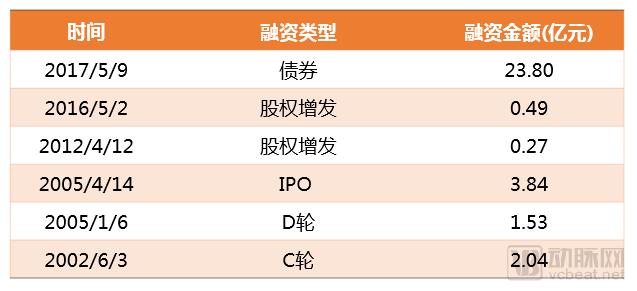
Figure 9: Dexcom’s Funding History. Source: Crunchbase; Chart by VCBeat
 Strong Financial Performance, Poised for Profitability
Despite incurring consecutive annual losses since its inception, Dexcom’s operating performance has been steadily improving.
1. Operating RevenueFrom 2014 to 2017, the company’s revenue growth was exceptionally rapid, with a compound annual growth rate (CAGR) of 45.6%, reaching as high as $719 million by the end of 2017. This success is attributable to the explosive growth triggered by the launch of Dexcom’s G4 and G5 products. In the coming years, Dexcom is expected to easily maintain a CAGR of over 40%. According to Dexcom’s recently released Q2 2018 financial report, the company achieved $430 million in revenue for the first half of 2018, representing a year-on-year increase of 36.4%. The relatively slower growth rate was primarily due to Dexcom’s focus on obtaining regulatory approvals and promoting its new G6 product during the first half of the year. Leveraging the superior performance of the G6, Dexcom is anticipated to spark another round of explosive performance growth in the second half of the year. It is highly likely that the company will achieve annual revenue exceeding $1 billion in 2018.
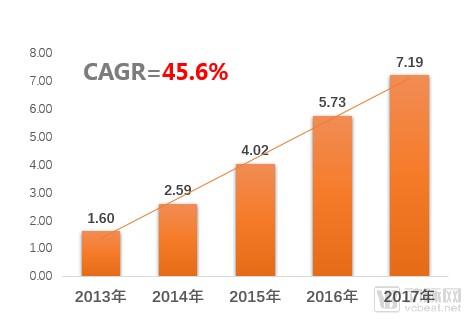
Figure 10: Dexcom’s Revenue and CAGR Over the Past Five Years (in RMB 100 million). Source: Dexcom Annual Reports; Chart by VCBeat.
2.Profit MarginIn terms of gross margin, Dexcom targets a 70%-75% gross margin for its sensors, with transmitters and receivers achieving approximately 50%. The overall gross margin in 2017 was 68.4%. With expanding production scale, improved efficiency, further reductions in sensor costs, and an increased proportion of sensor revenue within the total business mix, it is highly likely that the overall gross margin will rise to 70% by the end of 2020. Regarding net profit margin, Dexcom’s net margin improved annually from -18.6% in 2013 to -7.0% in 2017. It is expected that the company will likely turn profitable this year, marking a significant turnaround from loss to profit. Over the past two years, the company incurred substantial sales expenses due to low patient awareness of its new products. As product recognition gradually increases, the proportion of various expenses is expected to decline significantly, likely dropping to around 35% of revenue by the end of 2020. Based on these projections, the company’s net profit margin is expected to exceed 30% by the end of 2020.
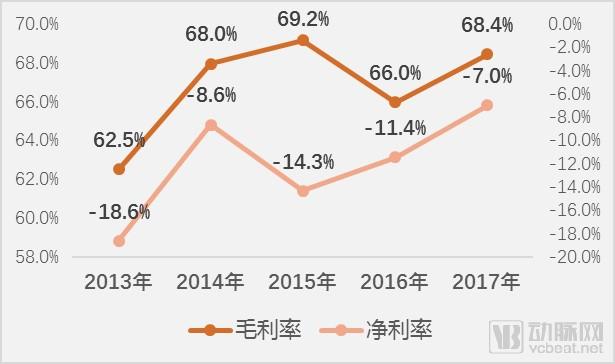
Figure 11: Dexcom’s Gross and Net Profit Margins Over the Past Five Years. Source: Dexcom Annual Reports; Chart by VCBeat
 Comparison of Major Competitors in the Market
Four companies currently have FDA-approved products in the CGM sector: Dexcom, Cygnus, Medtronic, and Abbott. As Cygnus has discontinued its product sales, Dexcom’s primary competitors in the market are Medtronic and Abbott.
In contrast to Dexcom’s focused approach, the other two companies appear to have broader areas of involvement.
Medtronic, Inc. is a global leader in medical technology, founded in 1949 and headquartered in Minneapolis, Minnesota, USA. With nearly 90,000 employees and annual revenue of $29.7 billion, the company is primarily dedicated to providing lifelong therapeutic, diagnostic, and monitoring solutions for patients with chronic conditions such as cardiovascular diseases, neurological disorders, diabetes, and spinal conditions.
For diabetes monitoring, Medtronic has primarily launched the iPro2 professional CGM system and the SMART CGM for patients with type 1 diabetes. The iPro2 assessment reveals glucose fluctuations that may be missed by A1C testing and fingerstick measurements. When used to tailor treatment recommendations for patients, iPro2 professional assessment data can lead to improved glycemic control.
SMART CGM includes a small sensor that can be worn for up to 7 days and a slim Bluetooth transmitter, allowing it to be worn in almost any situation. It sends precise glucose readings every five minutes and is currently the only CGM system capable of alerting patients to potential highs and lows 60 minutes in advance.
Abbott is a global, diversified healthcare company headquartered in Chicago, United States. Founded in 1888, the company has over a century of development history, employs approximately 90,000 people worldwide, and operates in more than 150 countries and regions.
In the field of diabetes care, Abbott launched the FreeStyle Libre continuous glucose monitoring (CGM) system, which eliminates the need for lancets and test strips. Users can easily measure blood glucose levels by scanning a sensor worn on the arm. The FreeStyle Libre is characterized by its 14-day wear period, resulting in lower user costs. However, a limitation is that the sensor lacks a Bluetooth transmitter; users must manually scan the device to retrieve historical continuous data, meaning it cannot provide alerts during hypoglycemic events. In contrast, Bluetooth-enabled CGM sensors can issue real-time alarms when low blood sugar occurs.
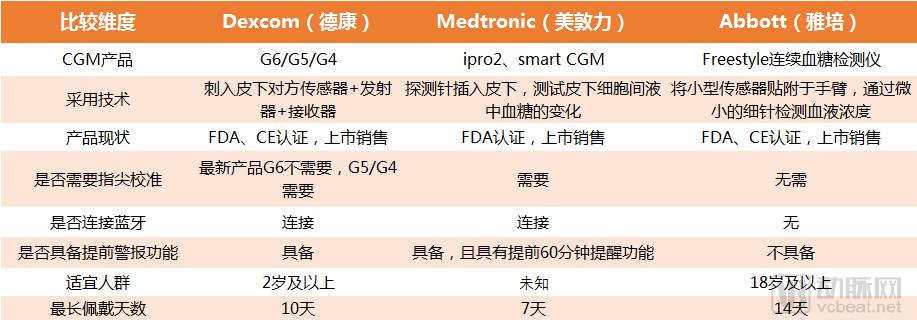
Figure 12: Comparison of Products from Dexcom, Medtronic, and Abbott. Source: Public Information; Graphic by VCBeat
 Overview of Domestic Blood Glucose Monitoring Companies in China
According to a report released by the International Diabetes Federation (IDF), China is the country with the largest number of diabetes patients worldwide, with 121 million diagnosed cases. The substantial population of diabetes patients has created opportunities for China’s diabetes management market.
Currently, the major domestic companies in the diabetes field are mainly Saint Medinor, Meeq Medical, and Sinocare. Below is a brief overview of these three companies.
San MediTech is a Sino-US joint venture specializing in the research, development, and promotion of continuous glucose monitoring (CGM) products, holding multiple world-leading patented technologies in this field. The company’s flagship product, the Leilan Continuous Glucose Monitor, consists of a disposable glucose sensor, a data recorder, and a computer workstation.
Huzhou Meiqi Medical Devices Co., Ltd., established on September 29, 2009, is a high-tech enterprise specializing in the research and development as well as the promotion of continuous glucose monitoring (CGM) products. The company holds multiple world-leading patented technologies in this field. It has consistently designed CGM products tailored to the diverse needs of both hospital and individual users, empowering patients with diabetes to manage their blood glucose levels using the most advanced monitoring technologies available globally.
Sinocare Inc. is a company primarily engaged in the research, development, production, and sales of point-of-care testing (POCT) products utilizing biosensor technology. Its main products include rapid blood glucose meters for micro-blood samples and matching blood glucose test strips, which together constitute a blood glucose monitoring system primarily used for blood glucose monitoring.
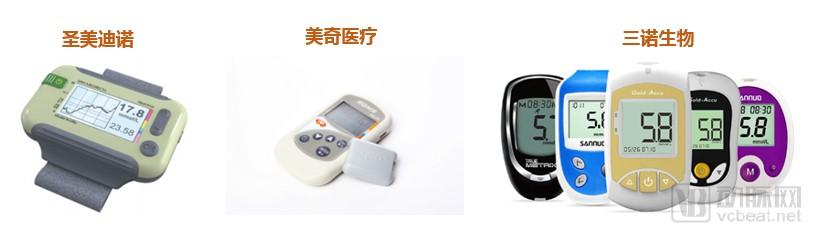
Figure 13: CGM Products from Three Companies. Source: Public Information; Graphic by VCBeat.
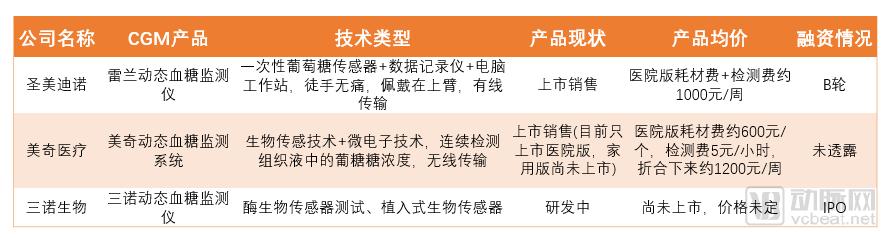
Figure 14: Comparison of Three Domestic Companies, Source: Public Information, Chart by VCBeat
 Reflections for Domestic Peer Enterprises
China’s diabetes market is vast, so companies focused on diabetes management are poised for significant growth. Taking Dexcom in this case as an example, although it has continuously achieved breakthroughs in technology and secured a leading position in the industry, its biggest challenge remains low market penetration. This is primarily due to the high cost of use for patients and the substantial expenses associated with patient education.
Therefore, we recommend that domestic enterprises make improvements in the following areas to expand their market:
1) Continuously improve technology and reduce production costs, consumable costs, etc., to gradually lower patient expenses and expand the market;
2) Strengthen collaboration with third-party payers, such as government agencies and insurance institutions, to expand health insurance coverage and reduce the out-of-pocket payment burden for patients.
3) Expand sales channels to achieve multi-dimensional, cross-sector coverage of the patient consumer base.
Although the current market penetration of CGM is relatively low, we believe that the entire continuous glucose monitoring industry will experience explosive growth in the near future. Gold will always shine; let us wait and see.