

Exosome Diagnostics: A Decade of Innovation Pioneering the Exosome-Based Liquid Biopsy Market
On August 8, 2018, another landmark report on exosomes, “Exosomal PD-L1 contributes to immunosuppression and is associated with anti-PD-1 response,” was published in the top-tier journal Nature, providing groundbreaking insights into the challenging question of “how cancer combats the immune system systemically.”
The study confirms that exosomes secreted by melanoma cells carry PD-L1 protein, which can directly bind to T cells and suppress their function, thereby evading the immune system. This finding provides a compelling explanation for why the immune system is compromised in cancer patients and why PD-1 targeted therapy is ineffective in 70% of melanoma cases.
The pivotal role of exosomes in tumor progression has been repeatedly highlighted in high-impact academic literature. This latest key finding once again places exosomes at the forefront of scientific attention. Effective screening of the cargo within tumor-derived exosomes could potentially have a disruptive impact on early cancer screening and diagnosis.
With the rise of the liquid biopsy industry, companies applying exosome technology in liquid biopsy have garnered significant attention within the sector. Among the many exosome-related companies, Exosome Diagnostics is undoubtedly the most noteworthy.
What Are Exosomes?
Exosomes are a class of extracellular vesicles with intact membrane structures, measuring 40–100 nm in diameter, and are primarily responsible for intercellular material transport and information transfer. Although exosomes share structural similarities with other vesicles, the key distinction lies in their biogenesis: while conventional vesicles are generated through budding, exosomes are formed via invagination of the cell membrane, packaged intracellularly, and subsequently released. Consequently, exosomes are smaller in size, contain a richer cargo, and exhibit greater structural stability compared to other vesicles.
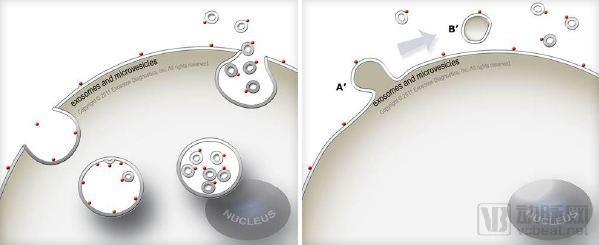
Figure 1: Differences between exosomes and vesicle packaging methods; the left panel shows exosomes.
Exosomes were discovered in 1983 and formally named “exosomes” in 1987. Initially, they were regarded as cellular waste. Subsequent studies have shown that exosomes encapsulate cell-specific proteins, lipids, and nucleic acids, and can serve as signaling molecules to transmit information to other cells. Further research has revealed that exosomes play important roles in many physiological and pathological processes, such as antigen presentation in immunity, tumor growth, and metastasis.
All cells secrete exosomes. However, diseased cells, particularly tumor cells, secrete significantly larger quantities of exosomes compared to normal cells. These exosomes enter the peripheral bloodstream, where they can be collected and serve as targets for early cancer screening. Consequently, exosomes have become one of the hottest topics in the liquid biopsy industry in recent years. Furthermore, due to their high stability and ease of cellular uptake, exosomes can serve as high-quality carriers for targeted drug delivery.
In recent years, with the rise of the liquid biopsy industry, exosomes have garnered significant attention as a unique detection target, and companies leveraging exosome technology have emerged in large numbers. However, even before this surge of interest, one company had already demonstrated foresight by targeting the exosome-related industry: Exosome Diagnostics (hereinafter referred to as ExosomeDX).
The discovery of exosome contents caught the attention of the company's founders
ExosomeDX was incorporated in New York, USA, in 2008. Prior to 2008, exosomes were simply believed to carry only lipids and proteins. In 2008, Dr. Johan Skog’s team from Massachusetts General Hospital published a paper in Nature Cell Biology, demonstrating for the first time that exosomes also contain abundant nucleic acids, including DNA and various types of RNA. This landmark discovery indicated that exosomes isolated from patients’ blood could serve as targets for detecting tumor gene mutations. Sensing this commercial opportunity, the two founders of ExosomeDX promptly established the company in the same year.
James R. McCullough, one of the two founders, earned his Bachelor of Arts degree from Boston University in 1990 and subsequently obtained his Master of Business Administration from Columbia Business School in 1995. Prior to founding ExosomeDX, James served as CEO at AusAm Biotechnologies. It was likely his tenure in the biotechnology sector that enabled this MBA holder with a liberal arts background to become acquainted with exosomes and commit himself to the field of exosome-based diagnostics.

Figure 2: The Two Founders of ExosomeDX
At that time, exosomes represented an entirely new frontier in scientific research, with only a few hundred research papers published on the topic prior to 2008. Against this backdrop, the two founders demonstrated remarkable courage by establishing a company focused on exosome-based diagnostics. History has proven their judgment to be highly accurate. After 2008, interest in exosomes surged exponentially; in 2017 alone, more than 1,700 articles related to exosomes were published. ExosomeDX seized the first-mover advantage in this burgeoning wave.
Today, after a decade of development, ExosomeDX holds more than 200 patents and is widely recognized as the benchmark enterprise in the exosome diagnostics industry. While other companies in the field are still exploring their product strategies, ExosomeDX has already launched multiple liquid biopsy products based on exosome technology. All of this is attributable to the founder’s forward-looking vision.
Liquid Biopsy Technology: Gradually Replacing Traditional Tissue Biopsy
In traditional pathology protocols, pathological analysis relies on excised diseased tissue, meaning that pathological results are typically available only after surgical intervention. This limitation not only hinders the patient’s treatment process but also precludes early screening. With advances in medicine, liquid biopsy has garnered significant attention due to its ease of sample collection and rich informational content. It is anticipated that liquid biopsy will complement conventional methods in early screening and diagnosis, enabling more accurate assessment of patients’ conditions.
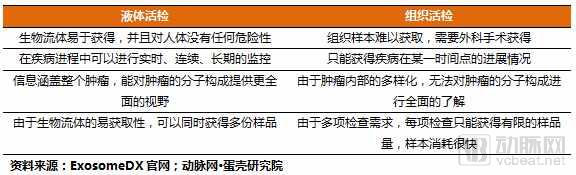
Figure 3: Liquid Biopsy vs. Tissue Biopsy
The three primary targets of liquid biopsy are circulating tumor DNA (ctDNA), circulating tumor cells (CTCs), and exosomes. Other analytes include platelets and the recently discovered circulating RNA, although these are not currently in the spotlight.
ctDNA refers to tumor-derived DNA fragments circulating in the blood. Numerous DNA fragments float in the bloodstream, originating from cells throughout the body, including tumor cells. DNA fragments derived from normal cells are typically 100–200 base pairs (bp) in length and are wrapped around histones. In contrast, tumor-derived DNA fragments are shorter than those from normal cells, and some of these ultra-short fragments may be associated with tumor metastasis. Current technologies enable the isolation of tumor-derived DNA fragments, thereby further aiding patient treatment. As third-generation sequencing and digital PCR technologies continue to mature, more hidden information within ctDNA will be uncovered.
Circulating tumor cells (CTCs) were likely the earliest to be discovered among the three. As early as 1869, researchers identified tumor cells in the bloodstream, which is considered the earliest recorded observation of CTCs. Initially, attention focused primarily on CTC counts in blood, using these levels to predict tumor progression in patients. However, recent studies have indicated that monitoring CTC counts offers little significant value for patient prognosis. Consequently, current CTC research has increasingly shifted toward enrichment, culture, and sequencing, aiming to leverage genetic information from tumor cells to guide patient treatment.
Among the three primary targets of liquid biopsy, exosomes have recently become the most prominent topic in the industry due to their widespread distribution, high abundance, and structural stability. All cells secrete exosomes; however, studies indicate that tumor cells release significantly larger quantities than normal cells. Therefore, even though current technologies cannot completely separate exosomes derived from normal cells from those originating from tumor cells, blood-based exosomes can still serve as a partial indicator of tumor progression.
As interest in the exosome industry continues to grow, a steady stream of well-funded startups has emerged, while established companies have also announced their entry into exosome research. To date, however, only ExosomeDX has launched a mature exosome-based liquid biopsy product, positioning itself as the industry leader.
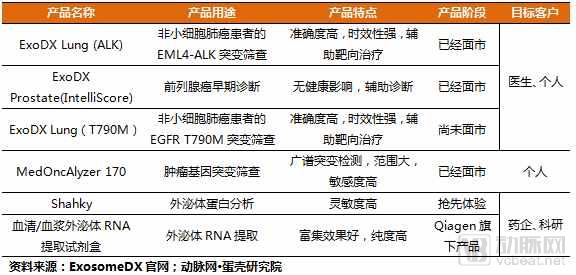
Figure 4: Overview of ExosomeDX Products
Launched the first product in the field of exosome testing in 2016
In January 2016, after eight years of development, ExosomeDX launched its first product, ExoDX Lung (ALK). Based on exosome detection technology, this product screens for EML4-ALK mutations in patients with non-small cell lung cancer (NSCLC), assisting physicians in determining whether patients are suitable for ALK inhibitor therapy. This was not only ExosomeDX’s inaugural product but also the first product in the exosome diagnostics industry, marking a true milestone for the field.
In September of the same year, ExosomeDX swiftly launched its second product, ExoDX Prostate (IntelliScore) (EPI). This test analyzes three gene markers in exosomal RNA from urine samples and, using a proprietary algorithm, generates a score associated with the risk level of prostate cancer. This score assists physicians in determining whether a patient has prostate cancer.
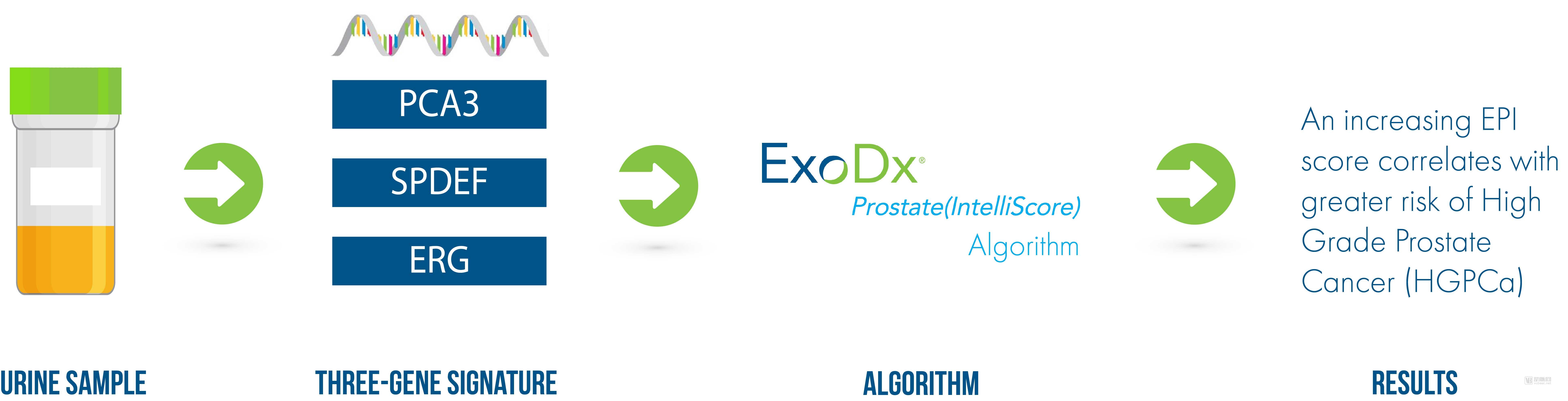
Figure 5: EPI Testing Workflow
Compared with traditional methods, the greatest advantage of this product is that it requires only a urine sample for screening, significantly reducing the risks associated with unnecessary prostate biopsies. Complications from prostate tissue biopsy may include discomfort, temporary incontinence, erectile dysfunction, and severe infection. In contrast, urine-based testing is completely risk-free and easy to perform, thereby maximizing the protection of patients’ physical and mental well-being.
Broad-Spectrum Detection: The Advantage of Liquid Biopsy
In August 2017, ExosomeDX launched its new broad-spectrum testing product, MedOncAlyzer 170. This product utilizes exosomal RNA and circulating tumor DNA from blood/plasma to detect functional mutations in tumor-associated genes. Patients need to provide a minimum sample volume of only 0.5 mL to complete the detection of 170 genes and 82,000 mutation types, with a sensitivity as high as 99.9%. Achieving such remarkable depth and breadth not only demonstrates the capabilities of ExosomeDX but also highlights the potential of the exosome diagnostics industry.
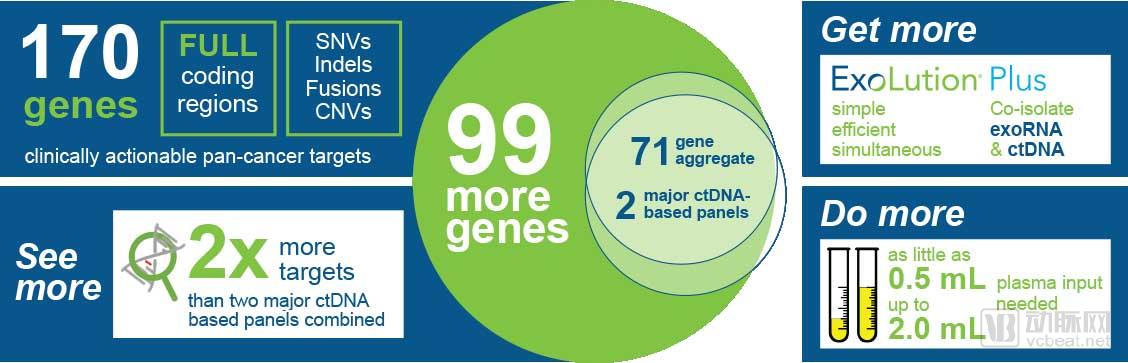
Figure 6: Introduction to MedOncAlyzer 170
Based on Testing, Expand Product Range
ExosomeDX has not rested on its laurels regarding the achievements it has made to date in the fields of lung cancer and prostate cancer. At the American Association for Cancer Research (AACR) Annual Meeting in August 2017, ExosomeDX announced its latest advancements in breast cancer research, confirming that exosomes isolated from the plasma of patients with stage I and II breast cancer exhibited RNA signatures nearly identical to those found in the patients’ tissue samples.
Dr. Johan Skog, Chief Scientific Officer at ExosomeDX, stated in his speech: “This technology enables us to detect accurate RNA signals from as little as 1 mL of plasma, eliminating the need for tissue samples in tumor RNA testing. We have achieved the same depth and breadth in RNA detection as with tissue samples, including more than 12,000 types of mRNA and over 1,000 types of lncRNA. Breast cancer-specific exosomes exhibit nearly identical specificity to their corresponding tissue samples.”
ExosomeDX’s self-developed Shahky system targets the challenging analysis of exosomal proteins. This system can detect disease-specific exosomal protein biomarkers in various biofluids, including blood, cerebrospinal fluid, plasma, serum, urine, saliva, and ascites. ExosomeDX states that the Shahky system offers 100-fold higher sensitivity than ELISA and 1,000-fold higher sensitivity than Western blotting.
In addition, ExosomeDX has collaborated with companies such as Qiagen and Merck to develop exosome-related technologies. The serum/plasma exosome RNA extraction kit, co-developed with Qiagen, has been launched on the market and has received widespread acclaim within the industry.
Different products target different customers, with B2B and B2C segments advancing in tandem.
From the current perspective, ExosomeDX's product strategy is diversified, targeting research institutions, pharmaceutical companies, physicians, and individual consumers. Although the overall number of products is limited, each holds a leading position within its respective category.
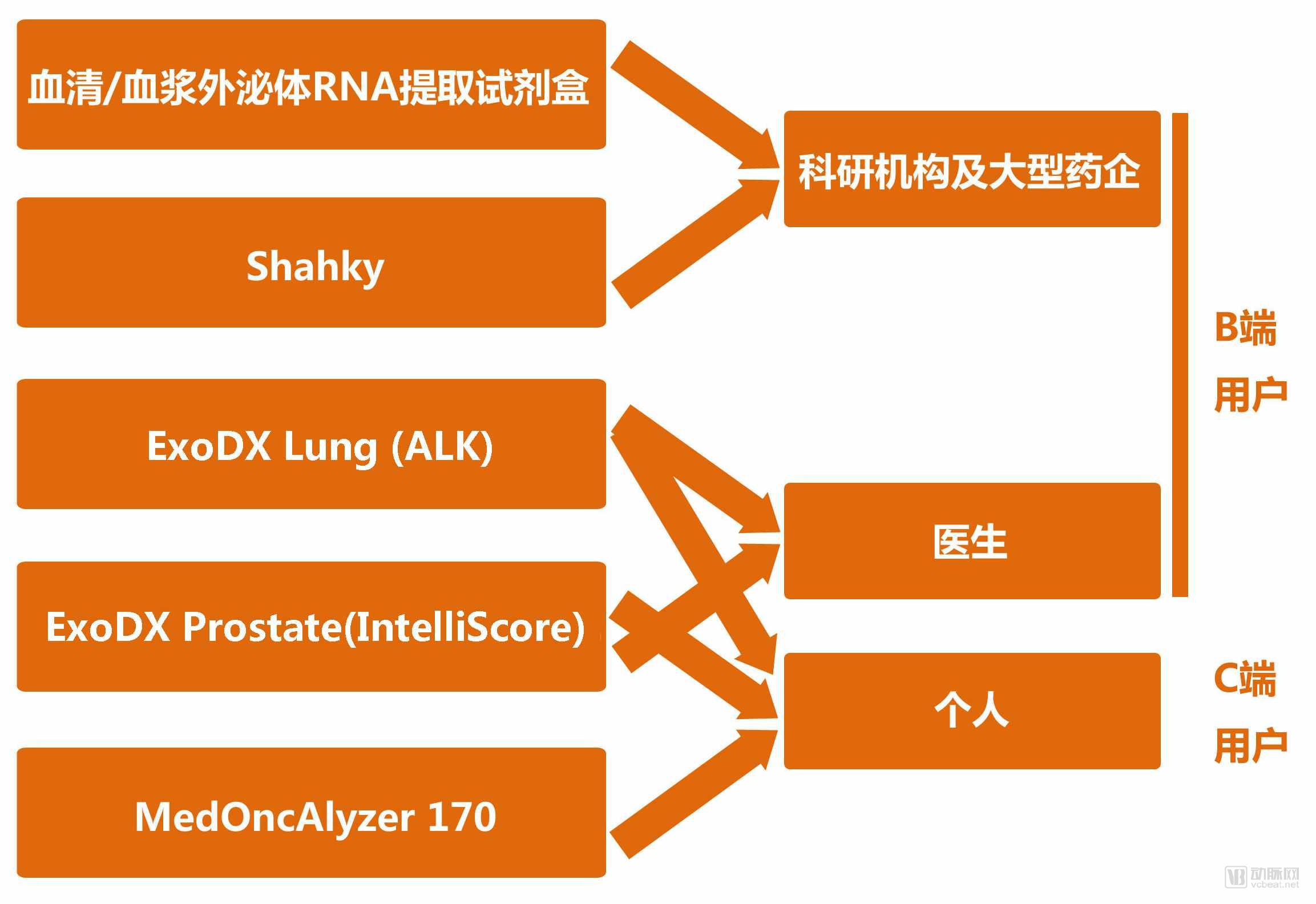
Source: ExosomeDX official website; VCBeat·VCBeat
Figure 7: ExosomeDX Product Flow
From a developmental perspective, ExosomeDX will maintain its competitiveness in the B2B sector by striving to enhance corporate credibility and product simplicity, while simultaneously expanding further into the C2C market to facilitate user self-testing.
Acquired by Bio-Techne After Ten Years of Operation
Since its inception, ExosomeDX has completed three rounds of financing, totaling $112.1 million. While this is not the highest record in the exosome industry, it ranks among the top. In June of this year, ExosomeDX reached an acquisition agreement with Bio-Techne, under which Bio-Techne will acquire ExosomeDX for $250 million. Additionally, if certain milestones are achieved in the future, an extra $325 million will be added to the acquisition amount, bringing the maximum potential acquisition price to $575 million.
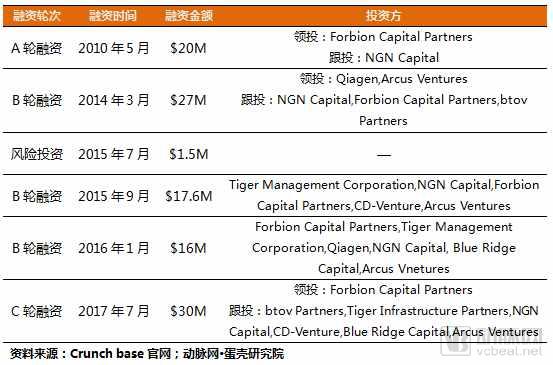
Figure 8: Statistical Table of ExosomeDX's Financing
Regarding this acquisition, Charles R. Kummeth, CEO of Bio-Techne, stated, “We are delighted to acquire ExosomeDX’s platform and integrate it into the Bio-Techne system. ExosomeDX’s technology will be a game-changer, positioning Bio-Techne at the forefront of the rapidly expanding liquid biopsy market.”
Industry Benchmark Company—Codiak Biosciences
If ExosomeDX’s position in the industry is under threat, the greatest source of that threat is undoubtedly Codiak. Founded in June 2015, this young company has ridden the wave of exosome innovation, raising a total of $168.5 million across three funding rounds—surpassing the total amount ExosomeDX has raised over the past decade.
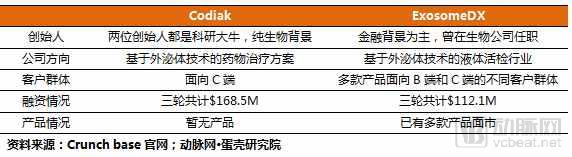
Figure 9: Codiak vs. ExosomeDX
Unlike ExosomeDX, Codiak’s two founders, Raghu Kalluri and Eric Lander, are both prominent figures in academia. Raghu Kalluri serves as the Chair of the Metastasis Research Center at the University of Texas MD Anderson Cancer Center. In June 2015, he published a paper in Nature describing the significance of GPC1 in pancreatic cancer exosomes for the diagnostics industry, which laid the foundation for the establishment of Codiak. Eric Lander is a geneticist, molecular biologist, and mathematician who served as one of the principal leaders of the Human Genome Project.
This impressive lineup of founders has drawn strong investor confidence in the innovative company, with valuations rising steadily across three rounds of financing. Codiak has now confirmed that it will focus primarily on developing exosome-based therapeutics and has secured rights to an investigational pancreatic cancer drug discovered by the University of Texas MD Anderson Cancer Center. However, there has been no specific update on Codiak’s products to date.
Other Exosome Companies Abroad
1.Regeneus
Regeneus was founded in 2007, with its core philosophy centered on utilizing stem cell technology for the treatment of osteoarthritis, tumors, inflammation, and burn and trauma recovery. Initially, the company’s business did not involve the field of exosomes. Following the rising interest in exosomes, Regeneus began to explore the development of stem cell-derived exosome therapeutics and has already achieved notable success.
In September 2017, Regeneus announced that Sygenus, a drug developed using the secretome of mesenchymal stem cells (including cytokines, growth factors, and exosomes), demonstrated superior analgesic efficacy compared to morphine when administered topically. The bioactive molecules contained in Sygenus can effectively reduce pain and inflammation, while promoting accelerated wound healing and recovery. Its therapeutic efficacy has surpassed that of previously reported mesenchymal stem cell secretomes.
In February 2018, Regeneus announced that Sygenus gel, an exosome-based therapy, demonstrated significant efficacy in treating adult acne and was well tolerated over a six-week period. If launched, Sygenus gel would become the first pharmaceutical product based on exosome technology. Regeneus has currently filed patent applications for Sygenus in Australia, China, Europe, Japan, the United States, and other countries.
2.Exocobio
Compared with the aforementioned companies, Exocobio, which was established in South Korea in January 2017, is significantly younger. In addition to its short operating history, Exocobio has adopted a unique market entry strategy. Possibly influenced by South Korea’s advanced plastic surgery and cosmetics industries, Exocobio has chosen to apply exosome technology to innovative therapeutics and cosmeceuticals. The company is dedicated to focusing on stem cell-derived exosomes for the research and development of innovative treatment regimens and beauty products.
From a technical perspective, the stable structure and high absorbability of exosomes indeed hold promise for applications in the aesthetic industry. Consequently, Exocobio secured $11 million in its Series A financing round in May 2017, a remarkable achievement for a company that had been established for only five months. To date, Exocobio has not released any specific information regarding its products. The company’s future development remains to be seen.
Current Status of the Exosome-Related Industry in China and Abroad
While extensive exosome-related research is being conducted abroad, research institutions in China have also begun to gradually enter this emerging field. According to incomplete statistics, 62 projects related to exosomes were awarded by the National Natural Science Foundation of China (NSFC) in 2015, and this number surged to 314 by 2017, representing a five-fold increase within two years. In addition to newly funded grants, many research groups have incorporated exosome-related studies into their existing research portfolios to enhance the novelty of their work. Regarding scientific publications, the number of exosome-related papers published by Chinese institutions has been increasing year by year. In May 2018 alone, 71 such papers were published, including a significant number of high-impact articles.
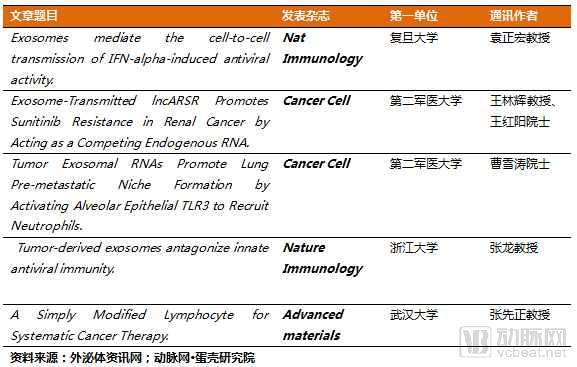
Figure 10: High-impact academic papers on exosomes published in China in recent years (IF > 20)
In contrast to the enthusiasm within China’s research sector, the corporate sphere has remained lukewarm. To date, no major pharmaceutical companies have announced initiatives to develop exosome-related products. While some scientific supply vendors offer independently developed exosome isolation kits, these are strictly limited to research use. However, several innovative startups have been established with a focus on exosome-based diagnostics, such as Enze Kangtai and Tanma Technology.
1. Enze Kangtai
Enze Kangtai Biotechnology Co., Ltd., established in 2017 with a registered capital of RMB 12.5 million, is an enterprise dedicated to providing exosome-related scientific research services and developing exosome-based molecular diagnostic products. The company has established various separation and enrichment methods, including ultracentrifugation, density gradient centrifugation, immunocapture, and PEG precipitation, enabling stable, rapid, easy-to-operate, and cost-effective exosome isolation, thereby laying a solid foundation for the clinical application of exosomes.
CEO Kong Guanyi graduated from the Life Sciences and Technology Base Program at Wuhan University. He has successively served as Director of Bioinformatics, Director of the Bio-Cloud Platform App Development Department, and Director of the Medical Business Division at prominent domestic gene sequencing companies. The research collaboration projects he led or participated in have been published in top-tier international journals, with a cumulative impact factor (IF) exceeding 150. He holds eight authorized patents and multiple software copyrights in the field of bioinformatics.
The company’s Chief Scientist and Academic Founder is Professor Richard Simpson, a leading global expert in exosome research and a Fellow of the Australian Academy of Technological Sciences and Engineering. Professor Simpson previously served as the Head of the Human Proteome Organization and has published more than 400 academic papers. Since 2006, he has focused on exosome-related research, with a primary emphasis on the role of exosomes in the diagnosis of colorectal cancer, having published over 60 papers in this field to date.
Enze Kangtai received angel-round investment from Lanfeng Capital in October 2017, with the specific amount undisclosed. The company has currently launched a comprehensive exosome-based solution for scientific research, but there is no news yet regarding diagnostic products based on exosome technology.
2. Tanma Technology
Carbon Code Technology, established in 2017 with a registered capital of RMB 5 million, is driven by the core philosophy of integrating artificial intelligence (AI) with exosome technology to develop an AI-powered system for the early screening of tumors. The methodology involves first isolating blood-derived exosomes from both healthy individuals and cancer patients, followed by RNA sequencing to generate data. Subsequently, deep learning algorithms are employed to analyze and compare the exosomal RNA sequences between the two groups, thereby deriving an algorithm capable of facilitating early cancer detection.
The core founding team of Tanma Technology comprises highly educated professionals with overseas backgrounds and extensive industry experience. Du Gang, Founder and CEO, holds a Ph.D. in Medicine from Jinan University and served as a Visiting Scholar at the New York University School of Medicine. With over ten years of frontline clinical experience, he is well-versed in clinical big data mining and disease modeling. Chen Hao, Chief Technology Officer, earned his Ph.D. in Bioinformatics from Purdue University in the United States, where he studied and worked for 14 years. He specializes in the analysis of next-generation sequencing (NGS) data for oncology and the development of bioinformatics software. Liu Cong, Algorithm Scientist, holds a Ph.D. in Computer Science from Florida Atlantic University. Selected for Sun Yat-sen University’s “Hundred Talents Program” and serving as a doctoral supervisor, he focuses on artificial intelligence and big data technologies. With such a robust core team, Tanma Technology has limitless potential for growth.
Carbon Code Technology initiated the smart respiratory detection system project in October 2017, launched the smart ECG detection system project in December 2017, and formally established the exosome project in February 2018. As of the publication of this article, there have been no reports regarding Carbon Code Technology’s financing activities.