Will the Strategic Merger of Penguin Doctor and Almond Doctor Spark a Wave of Consolidation in Internet Healthcare?

Work | Disputation with the Doctors and Detail
Author | Duccio di Boninsegna
Medical History in Pictures | Issue 20180812
On August 9, Penguin Doctor and Almond Doctor signed a strategic merger agreement. By pooling their respective advantages in platforms, resources, and technology, the two parties have joined forces. Following the merger, the new group will be collectively known as “Penguin Almond,” while the existing platforms of “Penguin Doctor” and “Almond Doctor” will continue to operate under their original names. This inevitably brings to mind previous mergers such as those of Didi and Kuaidi, and Meituan and Dianping. Driven by capital, aligned with industry trends, and uniting strong enterprises, is internet healthcare heading toward an era of major consolidations? For details, please see[Official Response] Can the newly emerged “Penguin Almond,” a Tencent-affiliated healthcare star, break through in monetization?
VCBeat attempts to outline and introduce the two foundational pillars of dental digitalization—intraoral scanning and CBCT—along with representative companies, as well as the conveniences they bring to clinics, dentists, and patients.
VCBeat has compiled an overview of mental health platforms in the market, examining the industry’s current landscape, policy developments, and entry barriers, while cataloging the distinct attributes of various players in the mental health sector.
VCBeat has compiled data on venture capital investments made by the world’s top 20 pharmaceutical companies, aiming to analyze the investment trends of these industry leaders.
Recently, VCBeat conducted a review of 35 overseas digital mental health companies that have secured financing within the past five years, summarizing the findings in the table below. We aim to characterize their features from multiple dimensions to identify the underlying logic driving their future development.
By applying the latest AI research findings to drug discovery projects, we can help scientists leverage big data to develop innovative medicines, benefiting more patients.
Keywords: Policy
Official from the National Healthcare Security Administration: Negotiations on Including 18 Anti-Cancer Drugs in Medical Insurance Expected to Be Completed by End of September
Recently, Xiong Xianjun, the lead official for medical insurance at the National Healthcare Security Administration (NHSA), accepted an interview with CCTV reporters. He announced that negotiations to include 18 anti-cancer drugs in the national medical insurance scheme are expected to be completed by the end of September. Following a selection process involving votes from 60 oncology specialists and after obtaining consent from the respective pharmaceutical companies, these 18 drugs were confirmed for inclusion in the negotiation scope. All are essential clinical medications for the treatment of hematologic malignancies and solid tumors.
Keywords: Pharmaceuticals
National Medical Products Administration Organizes Expert Review of New Drugs
On August 8, it was reported that Jiao Hong, Commissioner of the National Medical Products Administration (NMPA), announced plans to organize experts to conduct research-based classification of a total of 339 new drugs—comprising 201 currently under review and approval in China and 138 not yet submitted for marketing authorization in China—with the aim of identifying medicines for rare diseases and for the prevention and treatment of serious life-threatening conditions, such as anti-HIV drugs and anticancer agents.
Biopharmaceutical Giant Amgen’s Repatha Approved in China
On August 8, Amgen China announced that Repatha® (evolocumab) injection had been approved by the National Medical Products Administration (formerly the China Food and Drug Administration) on July 31, becoming the first PCSK9 inhibitor approved in China for the treatment of homozygous familial hypercholesterolemia (HoFH) in adults or adolescents aged 12 years and older.
BeiGene Is Set to List on the Hong Kong Stock Exchange
On August 8, innovative pharmaceutical company BeiGene is set to list on the Hong Kong Stock Exchange. This marks the company’s second listing, following its initial public offering on the NASDAQ in 2016. It will become the second domestic biotechnology company to list in Hong Kong, after Ascletis.
TCM Treatment for Macular Degeneration: Tasly’s Sanhuang Jingshiming Pills Receive Clinical Trial Approval
On August 9, Tasly Pharmaceutical Group Co., Ltd. announced that it had received the Drug Clinical Trial Approval issued by the China Food and Drug Administration (CFDA) for Sanhuang Jingshiming Pills (Approval No.: 2018L02796). The product meets the relevant requirements for drug registration, and clinical trials have been approved.
Keywords: In Vitro Diagnostics
care HPV Test Completes Clinical Validation and Receives World Health Organization Prequalification
On August 8, Qiao Youlin, Director of the Department of Epidemiology at the Cancer Hospital of the Chinese Academy of Medical Sciences, announced at a press conference that the care HPV test had completed clinical validation and received prequalification from the World Health Organization (WHO). It is currently the only WHO-prequalified in vitro diagnostic technology for cervical cancer screening applicable to developing countries and regions, suitable for global rollout, and characterized by its simplicity, speed, affordability, and accuracy.
Keywords: Medical Devices
Medical Device Procurement Prices Hit Rock Bottom as Competitor Reporting Intensifies
On August 8, the Shanghai Sunshine Pharmaceutical Procurement Network issued an announcement titled “Work Notice on Matters Related to ‘Sunshine Procurement’ of Medical Devices.” Starting this month, the Shanghai Sunshine Procurement Platform will export data at the end of each month to medical institutions, medical device manufacturers (or their general agents), and terminal suppliers that have access to the platform. The exported data will comprise comprehensive, up-to-date price information for medical devices from other provinces and municipalities. For medical institutions, the exported data will also include information on negotiated pricing outcomes.
Keywords: Collaboration
Xingxiangyuan Partners with VoxelTech to Empower Health Management with Medical AI
On August 6, Xingxiangyuan and VoxelCloud signed a strategic cooperation agreement in Hangzhou. The two parties will engage in deep collaboration on the application of artificial intelligence in health management and medical services, committing to delivering new products and services in areas such as AI-driven personalized health intervention plans, intelligent online tiered diagnosis and treatment, and big data analytics for health.
Merger of Healthcare Star Enterprises: Penguin Almond Launches Aggressive Push into the Big Health Sector
On August 9, Penguin Doctor and Almond Doctor signed a strategic merger agreement. By combining their respective strengths in platforms, resources, and technology, the two parties will form a synergistic force. Following the merger, the new group company will be collectively known as “Penguin Almond,” while the existing platforms of “Penguin Doctor” and “Almond Doctor” will continue to operate under their original names.
Keywords: Other
Meitu Officially Launches “Beauty and Social” Strategy, Doubling Down on Social for the Next Decade to Boost Monetization Capabilities
On August 8, mobile internet company Meitu held its 2018 strategy launch event in Beijing, announcing that it would enter the “social networking” sector over the next decade while continuing to explore the concept of “beauty.” At the event, Meitu’s founder and CEO Wu Xinhong announced this strategic shift, stating, “In the future, ‘beauty and social networking’ will become Meitu’s strategic direction.”
This week, there were 29 financing events in the medical field both domestically and internationally.
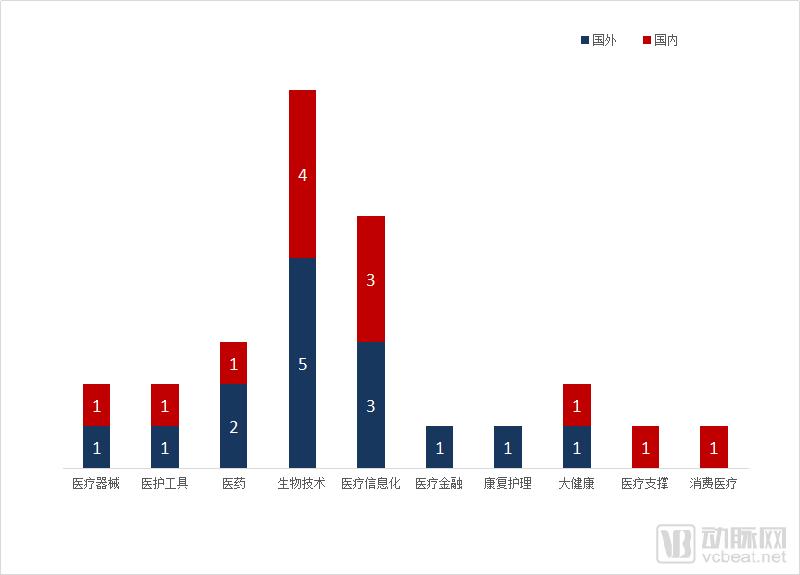
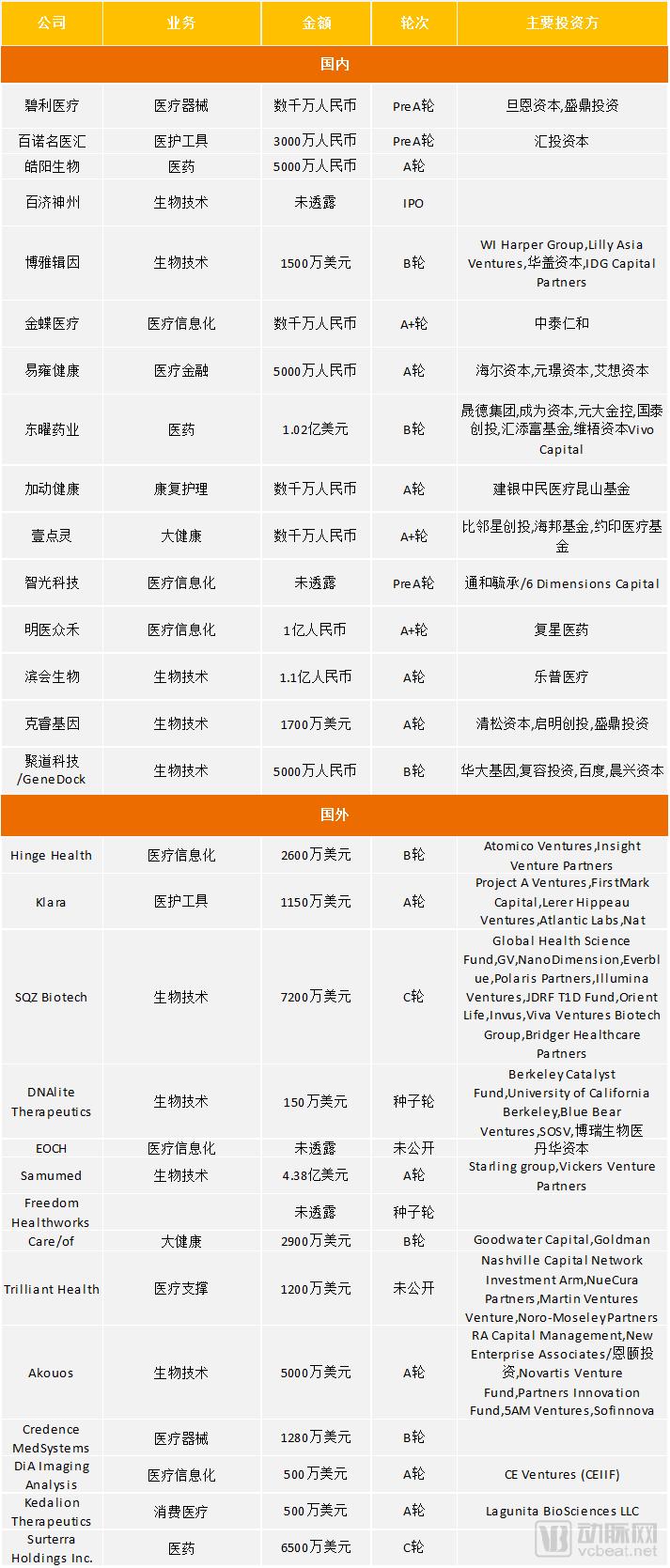
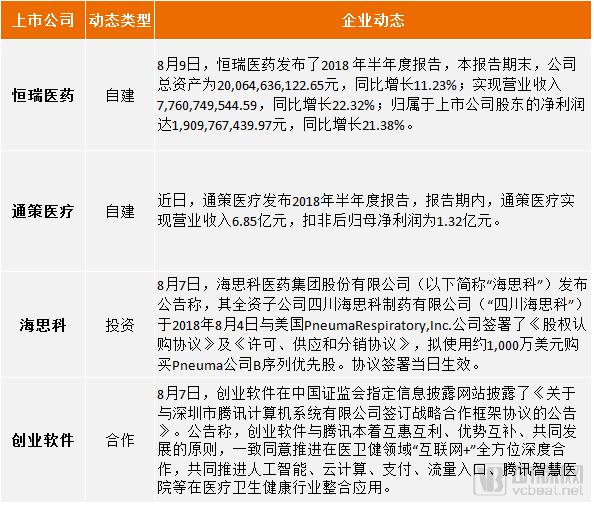
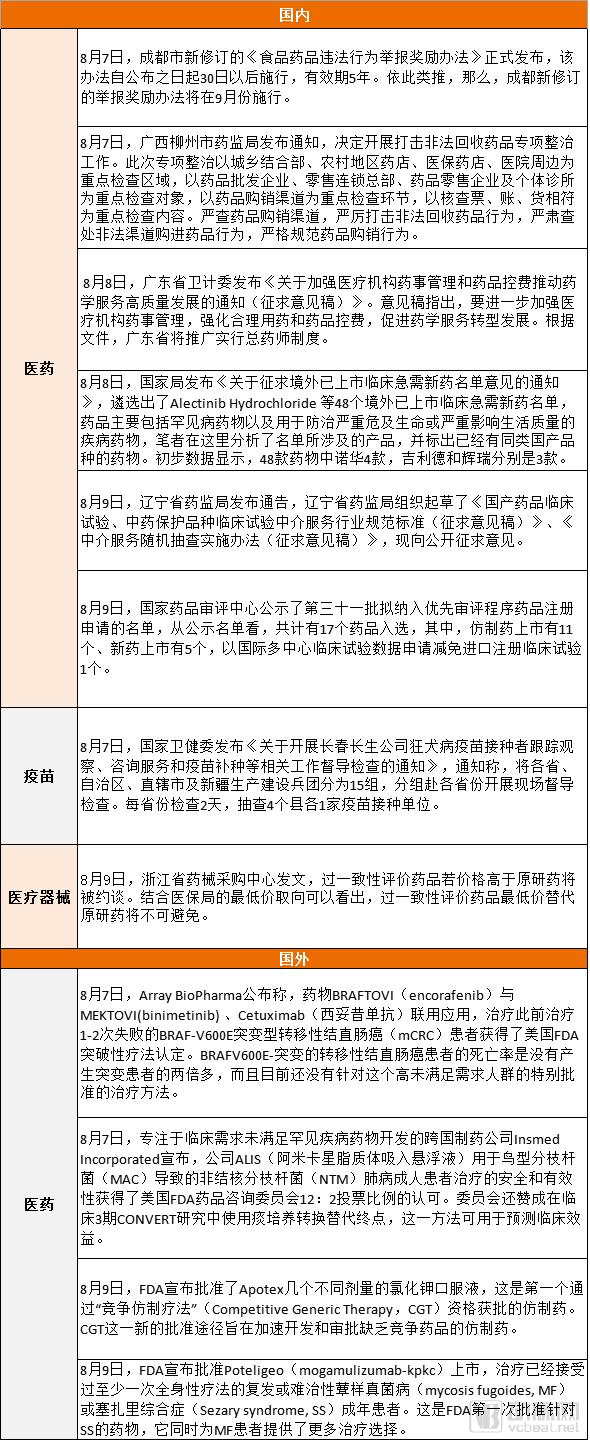
OrbiMed, Jian Wang
I believe that non-targeted chemotherapy drugs will gradually fade into history, as they cause significant toxic side effects, damaging normal cells while destroying cancer cells and weakening patients' immune systems.
Secondly, although small-molecule targeted drugs offer improved precision over chemotherapy agents, they still lack sufficient specificity because their targets are often expressed in normal cells as well. Consequently, an increasing number of these agents are being used in combination with immuno-oncology (I/O) drugs.
Even more ascendant than small-molecule targeted therapies are biologics, particularly immuno-oncology (I/O) biologics, including various antibodies, antibody-drug conjugates (ADCs), and fusion proteins. In the medium to long term, I am highly optimistic about “living” therapies such as cell therapy (e.g., CAR-T) and gene therapy (e.g., oncolytic viruses), as they hold the promise of truly eradicating cancer. (Source: VCBeat)
The Ketogenic Diet May Increase the Risk of Type 2 Diabetes
Ketogenic diets, which are very low in carbohydrates and high in fat, can aid in weight loss and are generally considered metabolically healthy; however, new research based on animal models suggests that they may also increase the risk of developing type 2 diabetes.
When comparing the metabolic effects of a high-fat diet (HFD) and a ketogenic diet (KD) in mice, scientists found that although KD-fed mice appeared metabolically healthy on the surface, they exhibited impaired glucose tolerance within just a few days, even more severely than HFD-fed mice.
“Although the ketogenic diet is known to be healthy, our research indicates that this diet may lead to type 2 diabetes and increase the risk of insulin resistance,” commented Dr. Christian Wolfrum from the Institute of Food, Nutrition, and Health at ETH Zurich.

https://www.genengnews.com
Hinge Health Raises $26 Million, Plans to Expand Its Digital Musculoskeletal Health Platform
San Francisco-based Hinge Health, which is dedicated to providing a digital health platform for musculoskeletal conditions, raised $26 million in its Series B financing round, led by Insight Venture Partners.
In addition, existing investor Atomico contributed to this round by increasing its stake in the company, bringing the total funding to $36 million.
“People are very enthusiastic about Hinge Health’s product,” said CEO Dan Perez. “We have reduced patients’ pain by 70% and avoided more than two-thirds of surgeries. At the same time, this has saved employers over $100,000.”

https://www.mobihealthnews.com
Amazon Plans to Establish Primary Care Clinics for Employees
Another of Amazon’s healthcare intentions emerged on Thursday, with reports indicating that the company plans to establish primary care clinics for its employees in Seattle.
Currently, the tech giant has already launched healthcare initiatives across multiple sectors, including providing cloud-based infrastructure-as-a-service, storage, and other platforms to hospitals. According to sources familiar with the matter cited by CNBC, Amazon plans to hire a small group of physicians to operate pilot clinics for “a selected group of employees,” expanding access to this facility in early 2019.

https://www.healthcareitnews.com
The American Heart Association Advocates for Limiting Adolescents' Screen Time
According to a scientific statement published online on August 6, the American Heart Association (AHA) focuses on the impact of electronic screen time on sedentary behavior in children and adolescents.
The AHA’s Obesity Committee states that, to address sedentary behavior resulting from excessive use of recreational screen devices among children, it recommends that parents remove televisions and other electronic entertainment devices from bedrooms and mealtimes, establish limits on children’s screen viewing or usage time, and encourage face-to-face social interaction and outdoor activities.

Source: http://www.physiciansbriefing.com
SoYoung: “SoYoung 2018 White Paper on the Medical Aesthetics Industry”
According to the SoYoung 2018 White Paper on the Medical Aesthetics Industry, among every 100 Chinese medical aesthetics consumers, 64 are born in the 1990s and 19 in the 2000s. Individuals born in the 1990s have become the absolute mainstay of cosmetic surgery, while those born in the 2000s are demonstrating an even stronger momentum in initiating medical aesthetics consumption. The primary motivation for these consumers to undergo procedures is self-gratification; aesthetic enhancements help them move past previous shadows and, through acquired beauty, build a more confident and self-loving identity.
For more information, please refer to the VCBeat knowledge base!