

Premium Bid to Bring Liver Cancer Therapy Y-90 to China: A Mission Beyond Profit
Few films have managed to captivate the nerves of over a billion people across China and prompt an official directive from the Premier, as *Dying to Survive* has. Beyond the production team’s exquisite craftsmanship and the actors’ compelling performances, what matters more is perhaps the social reality reflected in its subject matter.
China is a country with a large population, and there are many patients suffering from various diseases.
China is a major pharmaceutical producer, but not yet a pharmaceutical powerhouse.
China needs good medicines, and even more so, affordable ones for patients.
“At the time, I hadn’t yet seen the film *Dying to Survive*, but our underlying motivation was essentially the same: to ensure that effective medicines could enter China and remain affordable for patients,” Jiao Zhen, President of CDH Investments, told VCBeat.
In June 2018, CDH Investments, together with Grand Pharma, announced an agreement to acquire the Australian company Sirtex for A$1.9 billion, aiming to introduce its liver cancer drug Y-90 to China. Prior to this, Varian Medical Systems of the United States had already reached an acquisition agreement with Sirtex. To expedite the drug’s entry into the Chinese market, CDH Investments and Grand Pharma made a swift decision and completed the acquisition at a 20% premium over Varian’s offer.
China bears a disproportionately high burden of liver cancer, yet the range of available treatment options lags behind that of developed countries. This acquisition by CDH Investments undoubtedly offers new hope to tens of millions of liver cancer patients.
They Are Not "Dying to Survive," Yet They Have Done Something More Meaningful Than the Film’s Protagonist.
On May 3, 2018, the transaction team of CDH Investments (“CDH”) contacted the Board of Directors of Sirtex Medical Limited (“Sirtex”) and submitted a non-binding indicative offer letter.
At this time,Just 4 days remain until the Sirtex shareholder vote to approve the Varian Medical Systems (hereinafter referred to as “Varian”) transaction.
As early as January 2018, the company announced that it had reached an agreement with Varian to be acquired by Varian at a price of AUD 28.00 per share. Under the original plan, Sirtex was to hold a general meeting of shareholders on May 7, 2018, to vote on the approval of the Varian transaction.
CDH’s offer was A$33.60 per share, implying a 100% equity value of Sirtex at A$1.9 billion,20% premium compared to Varian's quotation。
The day after receiving the letter of offer, Sirtex announced a postponement of its general meeting of shareholders, marking a major turnaround in the acquisition case. During this period, Sirtex granted CDH a window to conduct accelerated due diligence, after which CDH, in consortium with the Hong Kong-listed company Grand Pharma, submitted a binding offer.
On June 14, 2018, Sirtex announced the termination of its scheme arrangement transaction with Varian and executed a new scheme implementation deed with CDH Investments and Grand Pharma. All directors recommended that shareholders approve the CDH transaction, whereby CDH and Grand Pharma joined forces to reacquire the drug from Varian and planned to introduce it to China.
The target company, Sirtex, is headquartered in Australia.It is one of only two companies worldwide specializing in targeted radiation therapy.
CDH Investments acquired the company at a 20% premium over Varian, primarily due to its confidence in the prospects of the company’s core product, Y-90, in the field of advanced-stage liver cancer.
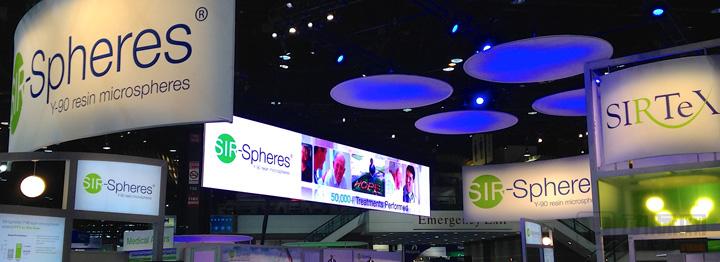
Image provided by CDH Investments
Sirtex’s Y-90 resin microspheres are targeted radioactive microspheres that can be regarded either as a therapeutic agent or as a medical device for interventional radiology, specifically for selective internal radiation therapy (SIRT) of liver cancer. This treatment option is available for patients who have not responded to or cannot tolerate other therapies.
Although this treatment regimen has not yet been introduced to China, targeted radioactive microspheres (SIR-Spheres) have long become a standard therapeutic option in developed countries and regions such as the United States and Europe. It is reported that SIR-Spheres have been utilized in 1,160 medical centers across more than 40 countries worldwide, with over 86,000 treatment courses administered to date.
Sirtex was founded in 1997 by an Australian surgeon, who was also the inventor of Y-90 microspheres. After establishing the company, he spearheaded the effort to secure FDA approval for the product.
Nevertheless, no one promoted the product at that time, as it was still an obscure small company. “It was like a small-scale brewery, where a few acquaintances would gather to drink, with a hint of self-amusement,” said Mao Yilei, Chief Physician and Professor in the Department of Hepatobiliary Surgery at Peking Union Medical College Hospital, in an interview with VCBeat.
The company’s first acquisition marked a historic turning point. It was sold to a U.S. company, which further developed the product after the acquisition. Most importantly, this was the first time the company promoted Y-90.Through their efforts, Y-90 has successfully expanded beyond Australia, reaching more than 40 countries across Europe, the United States, and Asia (with the two major liver cancer markets, China and Japan, not yet covered).
Sirtex is one of the two major companies in the global field of targeted radiopharmaceutical cancer therapy. Its main competitor, BTG, is a UK-headquartered company that outsources the production of its targeted radiotherapy microspheres to Canada.
The primary difference between the two lies in the fact that BTG microspheres are composed of glass, which has a relatively high specific gravity.Sirtex’s resin microspheres are lighter in weight, easier to disperse, and offer superior handling characteristics.
BTG’s approved markets include Canada, the United States, South Korea, Singapore, Saudi Arabia, Turkey, and parts of Europe, accounting for approximately 45% of the global radioembolization market share; however, BTG is currently approved in the United States specifically for the treatment of hepatocellular carcinoma (HCC).
Image provided by CDH Investments
Sirtex holds a global market share of as high as 55%.
According to the 2017 annual reports of both companies, BTG’s total pharmaceutical sales for the year amounted to approximately $420 million, with $133 million generated from TheraSphere. In contrast, Sirtex’s total sales reached $234 million, meaning its revenue from similar products was a full $100 million higher than that of BTG.
Compared with the so-called "miracle drugs" such as PD-1/PD-L1 inhibitors, current sales of Y-90 are not particularly high. However, it is important to note that the indications for which Y-90 is currently approved represent only a small fraction, and Europe and North America are not regions with a high incidence of liver cancer.
The largest market is, in fact, in China.
Professor Mao Yilei told VCBeat that in the late 1990s and early 2000s, the prevalence of hepatitis B carriers in China accounted for nearly 9.9% of the total population. In short, nearly one-tenth of the Chinese population were hepatitis B carriers.
“This figure is alarming,” he described.
Since 1992, the Chinese government has classified the hepatitis B vaccine as a Category I vaccine and initiated its widespread administration among infants and children. Prevention remains the most effective strategy; according to indices released by the Ministry of Health in April 2008, the prevalence of hepatitis B carriers in China’s total population had declined to 7.18%.
“This decline is truly encouraging. These figures are from previous years; current data should be even more optimistic,” Professor Mao Yilei told VCBeat.
Nevertheless, he emphasized that the decline in carrier prevalence does not mean that China has shed its label as a country with a high burden of liver disease. Although the hepatitis B carrier rate among younger populations, such as children and adolescents, has dropped to below 1%, it remains relatively high among individuals aged 45 and older.
Following hepatitis B infection, patients may gradually develop hepatic fibrosis and cirrhosis, which can further progress to hepatocellular carcinoma. It is well known that China bears a substantial burden of liver disease; according to data released by the World Health Organization in 2014, approximately half of the new liver cancer cases worldwide each year occur in China.
“In other words,”For every 20 new cases of liver cancer worldwide, 10 occur in China.“What kind of number is this?” he couldn’t help but exclaim.
Therefore, after 26 years of efforts, our country has achieved remarkable results in the control of hepatitis B. However, overall, the hepatitis B carrier rate in our country remains very high, and the incidence of liver cancer is still the highest in the world.
“China Still Firmly Bears the Title of “Country with a High Burden of Liver Disease”” emphasized Professor Mao Yilei.
The World Bank once funded a 10-year research project in China, primarily aimed at observing the societal burden imposed by ten chronic diseases. These conditions included HIV/AIDS, tuberculosis, hepatitis, liver cirrhosis, and liver cancer. Final data indicated that among these chronic diseases, liver cancer imposed the greatest societal burden, while hepatitis B ranked fourth.
"Yet opportunities always coexist with challenges, and challenges often conceal opportunities."China has the largest population of liver cancer patients, so we should have the greatest authority in treatment protocols and efficacy assessment..” said Professor Mao Yilei.
Liver cancer is an insidious disease; patients typically do not experience any pain in the early stages. Consequently, by the time it is detected, the tumor has usually progressed to an intermediate or advanced stage. “For liver cancer, the most critical factors are primary prevention and early diagnosis.”Prevention is the most effective and cost-efficient approach.“Professor Mao Yilei stated.
Generally, individuals with hepatitis B infection—men aged 45 and older or women aged 50 and older—should undergo liver cancer screening every six months. If liver cancer is detected at an early stage, it can typically be managed with relatively simple interventions, such as local therapies or ablation treatments. However, if diagnosis is delayed until the intermediate or advanced stages, treatment becomes more diverse and complex, with comparatively poorer outcomes.
"There are currently many treatment options for liver cancer, with approximately more than ten approaches in total. Among these, surgical resection ranks first."This is universally recognized worldwide, with no controversy.。”he emphasized.
Postoperatively, if there is residual local tumor or recurrence, clinical practice employs local treatments such as interventional therapy or ablation techniques to eradicate or control the disease.
The above are two commonly used treatment regimens, which can be applied in conjunction with surgical intervention.
However, tumors are a highly unique category of disease, making it difficult to prevent recurrence. Upon tumor recurrence, in addition to repeating the aforementioned interventional and ablation therapies, systemic treatment options such as targeted therapy, immunotherapy, radiotherapy, or chemotherapy may be considered. Nevertheless, none of these treatments are perfect, leaving room for the development of novel therapeutic strategies.
The advent of Y-90 provides more treatment options for intermediate to advanced-stage liver cancer.
Y-90 is a form of selective internal radiation therapy. Yttrium-90 (Y-90) is a radioactive isotope of the metal yttrium. In this therapy, the radioactive isotope is embedded within tiny resin microspheres. Guided by these microspheres, the radioactive material enters the terminal microvasculature, penetrates the tumor, and delivers radiation energy to destroy tumor cells.
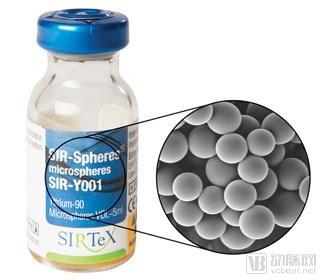
Image provided by CDH Investments
For patients,This treatment regimen is minimally invasive., is an interventional therapy method: a tiny catheter is inserted into the femoral artery and advanced all the way to the blood vessels supplying the liver tumor. “Then, after occluding all outflow vessels, microspheres containing radioactive substances are dispersed into the tumor mass,” Professor Mao Yilei explained to reporters.
In addition to serving as a local treatment following surgical intervention, Y-90 may also be the preferred therapeutic option for some patients, as hepatocellular carcinoma often presents insidiously, causing many patients to miss the optimal window for surgical resection.
“This is not the only option, but it may be one of the most important treatment regimens for liver cancer patients at certain stages."He commented thus."
Varian believes that, building on the existing foundation, Y-90 can be developed for new indications, including novel combination therapies.
“The space here is vast,” said Jiao Zhen. “In recent years, the company experienced some stagnation in product development due to factors such as changes in management.” Nevertheless, these flaws do not overshadow its merits; it is precisely the future potential of its products that has driven Varian and CDH Investments to compete by offering high prices.
According to Jiao Zhen,In addition to the current indications, they will also conduct therapeutic research across different stages of the same cancer type., to explore whether this product can be applied to the treatment of early-stage cancer. “In addition, it is theoretically feasible for other similar advanced-stage cancers, and we will attempt such applications in the future,” he added.
Another feature of the product is that it does not interfere with other treatment regimens, facilitating combination therapy.“Previously, an expert in the United States proposed that combination therapy with CAR-T (or antibodies) might yield better outcomes,” he explained to VCBeat. “However, this is merely a directional study.” In the future, cancer treatment will involve various forms of comprehensive therapy. Due to the unique properties of Y-90, it has the potential to become a key component of future combination therapies. Current clinical trial results also support the combined use of Y-90 with chemotherapy and other methods, demonstrating superior efficacy compared to chemotherapy alone.
Beyond therapeutic efficacy, another advantage of Sirtex is its technological barriers.Y-90 has been on the market for over 20 years, but it has yet to be successfully replicated.
In 2017, Sirtex’s stock price experienced a sharp decline. The drop was driven by rumors of a new drug emerging in Europe that demonstrated excellent efficacy in treating liver cancer and was poised to replace Y-90. Subsequent investigations revealed that the new drug was less effective than Y-90 and had significantly greater side effects, leading to a rapid rebound in Sirtex’s stock price.
“This product has faced several threats, but so far, no other product has been able to replace it,” said Jiao Zhen.Its effects are immediate.。”
In fact, long before the involvement of commercial companies and capital, the medical community in China had already recognized the potential of Y-90 and attempted to introduce it into the country.
The first person to be exposed to this technology was Academician Liu Yunyi. After the founder of Sirtex invented the technique, he immediately reached out to his close friend Liu Yunyi. Through their joint efforts, Y-90 received FDA approval. Subsequently, Liu Yunyi returned to Hong Kong and applied the technology to the treatment of primary liver cancer.
Years later, after being exposed to the product, industry experts such as Ye Shenglong and Mao Yilei, Director of the Department of Liver Oncology at Zhongshan Hospital, Fudan University Shanghai Cancer Center, also decided to introduce it to benefit patients in China. It can be said that even before CDH Investments’ involvement, these physicians had already spontaneously promoted the product from medical and patient-centric perspectives.
“This therapy has already achieved a high level of awareness among physicians.“He answered in this manner. However, as the National Medical Products Administration (NMPA) did not accept overseas clinical trial data for drugs at that time, little significant progress was made over the following seven to eight years.”
However, at that time, even with the concerted efforts of physicians to successfully introduce the product, Y-90 remained an imported therapy, and its pricing was inevitably high. In the United States, the average price per dose approached $20,000. If introduced as an imported medical device and drug, its price would only be higher, not lower.
Following this acquisition, CDH Investments will leverage Sirtex’s established presence in Australia to accelerate its growth in core business markets (the United States, Europe, and Australia).Meanwhile, it is committed to expanding the reach of Sirtex products into regions where it currently has no business presence, particularly in the Asian market.。
In terms of adoption speed, driven by capital investment, the introduction of Y-90 into China is bound to accelerate significantly. Furthermore, regarding patient costs, prices are inevitably set to decline once the product achieves domestic production. This will be a boon for Chinese patients.
VCBeat learned from CDH Healthcare that the Chinese market will initially use products manufactured at Sirtex’s Singapore facility, with local production in China also planned.
At the time of announcing the transaction agreement with Sirtex, CDH Investments was also facing considerable public opinion pressure, being labeled by foreign media as “flush with cash.” However, after communicating with CDH and Professor Mao Yilei, VCBeat believes that while this premium-priced transaction may have involved a touch of sentiment and impulse, it was primarily driven by confidence and boldness.
Liver cancer is one of the leading causes of death in China, which accounts for half of the global liver cancer cases. However, currently, the efficacy of mainstream treatment methods in China is limited, and the number of available treatment options is not as abundant as in developed countries.
The introduction of Y-90 will provide more options for hundreds of billions of patients, helping to extend their survival time and improve their quality of life. Furthermore, CDH Investments revealed that after the product successfully enters the Chinese market, its price will be lower than that in the United States.
“If acquired by a foreign company, they might not prioritize the Chinese market to such an extent.“Jiao Zhen stated. In addition to ensuring patients have access to the medication, they also aim to make Y-90 more affordable for a broader population.”
From a commercial perspective, acquiring the company at a 20% premium over Varian was actually a rational move for CDH Investments. Currently, Sirtex covers nearly all regions worldwide except China and Japan, with the United States being its primary market.
As previously mentioned, China is the world’s largest liver cancer market and a market that Sirtex has yet to enter.This means that more than 50% of the market remains uncovered., following the acquisition, Sirtex will also shift its focus to market access efforts in China.
Once Sirtex’s Y-90 product enters the Chinese market, it will benefit at least 355,000 liver cancer patients in China. Following the completion of import registration, local manufacturing in China will be implemented. The localization of Y-90 production will not only significantly reduce manufacturing costs but also substantially lower logistics costs associated with radioactive products, thereby greatly alleviating the financial burden on patients.
Based on the pricing of Y-90 procedures abroad, the corresponding total domestic market size is approximately RMB 150 billion. If the future market penetration rate reaches 5%, the annual potential revenue could reach RMB 7.5 billion, which is seven times the company’s total revenue for the full year of 2017. CDH Investments hopes that Sirtex will significantly reduce costs through localization in China over the next few years. Even with a 50% price reduction compared to foreign markets, Sirtex’s entry into China can still drive substantial self-growth, while Chinese liver cancer patients will benefit from it.
“Varian offered a high price even without taking the Chinese market into account,” Jiao Zhen explained. “The Chinese market is worth at least that 20%.”
“In addition to delivering rapid benefits to Chinese patients in the short term, CDH Investments also values Sirtex’s global platform, which has already gained access to more than 1,000 medical centers worldwide.”Such a globalized network is rare.“Jiao Zhen stated, ‘On such a globalized platform, if China has any original innovative products, I believe they can also be promoted through it.’”
Upon completion of the transaction, CDH Investments and its partner Grand Pharma will jointly initiate product launch plans in China and Japan. The two parties will bring new resources to facilitate the company’s entry into the Chinese market, provide support in corporate management, capital market operations, and industry expertise accumulation, and deploy a dedicated team of experts to support its market entry.
“Grand Pharma boasts a robust business and sales team across China, providing substantial support for implementation,” said Jiao Zhen.