

Google to Launch Wearable AI Fitness Coach Google Coach, Taking on Apple, Fitbit, and Samsung
VCBeat (WeChat ID:vcbeat) learned that,Foreign MediaAndroid Police, August 16According to the report,Google is developing a product namedGoogle Coach(Google Coach) wearable health and fitness assistant. ItIt not only tracks users' physical activity but also leverages artificial intelligence and data learned from users to guide them toward a healthy lifestyle.
If the reports are true, Google Coach would be a perfect match for the rumored Google Pixel Watch, making it highly likely to launch in October alongside the Google Pixel 3.At that time, the Google Pixel Watch will feature a new Snapdragon chipset, the latest version of Wear OS, and new functionalities such as Google Coach.
This will position the Pixel Watch as a top-tier smartwatch and fitness product. Google will then go head-to-head with wearable market leaders such as Apple, Fitbit, and Samsung.
According to Android Police, Google Coach is an all-in-one health assistant based on the Wear OS operating system. It leverages user health data collected from Google’s wearable devices (smartwatches) and uses AI to improve users’ health and fitness outcomes. The project’s internal codename at Google is Project Wooden.
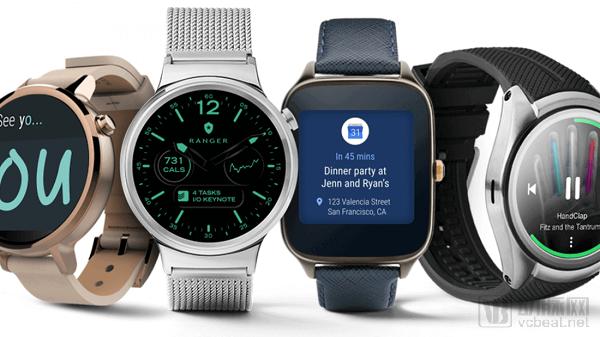
Image source: TechSpot
Google Coach does not directly track user activities and bombard them with endless notifications; instead, it “proactively” provides fitness and dietary recommendations. For instance, if you are unable to attend your scheduled gym session due to other commitments, it may suggest rescheduling and offer alternative options. If you fail to meet your fitness goals, it can recommend workout plans to help you achieve them sooner.
Although nutrition tracking is nothing new, Google Coach enables users to monitor their nutrient intake whether they are cooking at home or dining out, and even helps them create meal plans and shopping lists. It can recommend weekly meal plans and suggest restaurants based on the user’s location and dietary habits.
For example, it can recommend the optimal walking route to your favorite lunch spot (instead of taking a taxi), provide nutritional information for meals at nearby fast-food restaurants, or even teach you how to cook your favorite dishes in the healthiest way possible.
However, implementing all these features could lead to information overload and overwhelm users. In light of this, Google will adopt conversational notifications rather than traditional information bombardment (such as spam). Coach’s algorithm will attempt to consolidate multiple insights to prevent “information overload.”
It is reported that Google Coach will initially launch on smartwatches running the Wear OS system, though the service may also expand to other Google products, such as smartphones, set-top boxes, smart speakers, and other devices.
For Google, integrating artificial intelligence with fitness data and wearable devices is undoubtedly a smart move to reshape its position in the wearables market.In fact, this is not a novel idea. Other companies have made similar attempts before Google.
For instance, the startup Noom leverages AI to analyze diet, weight, and exercise, providing recipe and workout recommendations; Vi, a New York-based company, primarily sells headphones equipped with an AI-powered running coach that delivers real-time feedback to users during their runs. The company secured $20 million in funding this June; Fitbit is also reportedly set to launch an Xbox fitness coach, offering fitness advice and nutrition tracking.
However, none of them possess Google’s AI prowess, operating system integration capabilities, or extensive portfolio of internet products and services. Google Coach could prove highly appealing, as Google has a deeper understanding of user habits than its competitors. Meanwhile, Google Coach will also enhance the competitive edge of Google’s Wear OS devices, helping Wear OS better compete against increasingly health-focused smartwatches from Apple, Fitbit, and Samsung.
In 2014, Google launched a fitness tracking platform called Google Fit. However, it was not a true fitness assistant but rather an aggregator that simply consolidated sensor and activity data collected by third-party apps and software into a single dashboard. In contrast, Google Coach leverages AI to proactively provide users with fitness and dietary recommendations.
Earlier this year, Apple also took a step in this direction by enhancing the workout features in the Apple Watch Fitness app and Siri’s exercise monitoring capabilities. This lock screen feature allows users to leverage AI to launch the fitness app upon arriving at the gym.
No one knows when Google Coach will be publicly unveiled, if at all, as Google has not yet issued an official response. The project may still be in its early stages, and many variables could arise in the future.